
Nobody wakes up thinking, “I want to be the difficult person in the room.” Yet sometimes, without realizing it, our habits and attitudes can push people away and damage the relationships we care about most. Recognizing toxic patterns in yourself takes real courage, but it is also the first step toward becoming a better friend, partner, and person.
This guide walks through 19 honest signs of toxic behavior and practical ways to turn things around.
1. You Are Inconsistent and Unreliable

Making plans and then canceling last minute, or saying one thing and doing another, can quietly erode trust over time. People around you start to feel like they cannot count on you, which pushes them away emotionally.
To fix this, start small. Commit only to what you can genuinely follow through on.
When you keep even tiny promises consistently, trust begins to rebuild itself naturally.
2. Everything Always Seems to Be About You

Conversations that constantly circle back to your own stories, needs, or opinions signal self-centeredness. Friends and family begin to feel invisible, like supporting characters in your personal movie rather than equals.
Try practicing active listening. Ask questions and genuinely sit with someone else’s answer before redirecting.
Shifting your focus outward, even briefly, can transform how people experience being around you.
3. You Thrive When There Is Drama

Some people feel most alive when tension is high, gossip is flowing, or someone is upset. Stirring the pot might feel exciting in the moment, but it leaves emotional wreckage behind for everyone involved.
Notice when you feel the urge to escalate a situation. Pause and ask yourself what you actually gain from the chaos.
Choosing calm over conflict is a skill you can practice every single day.
4. You Ignore Other People’s Boundaries

Boundaries are not walls meant to keep people out permanently. They are guidelines that tell others how to treat you with respect, and ignoring them sends the message that your needs matter more than theirs.
When someone sets a limit, honor it without debate. Ask yourself why the boundary bothers you.
Often, discomfort with another person’s limits reveals something important about your own unmet needs or insecurities.
5. You Manipulate People to Get What You Want
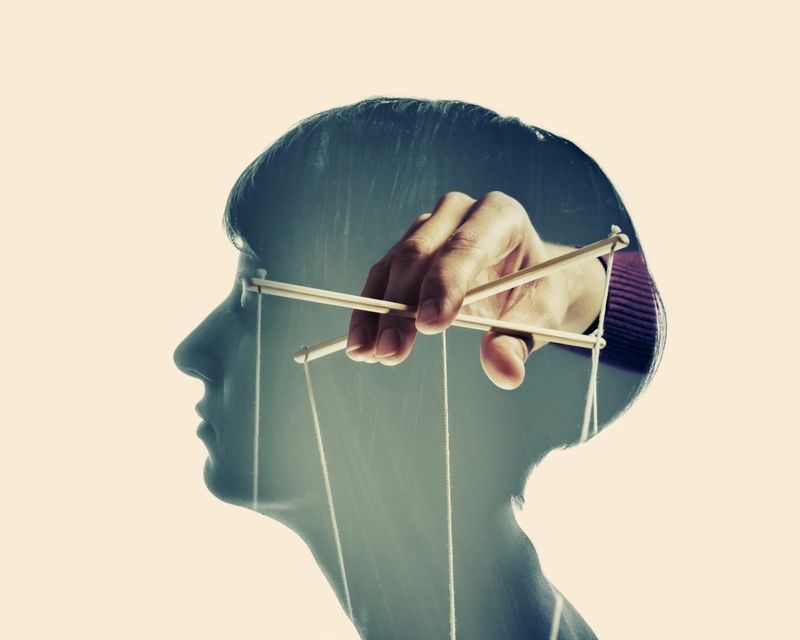
Guilt-tripping, gaslighting, and emotional pressure are manipulation tools that slowly destroy trust. Even when manipulation “works,” it leaves the other person feeling confused, used, and emotionally exhausted afterward.
Real influence comes from honest communication. State what you need clearly and accept that others may say no. Therapy can be especially helpful here, since manipulation patterns often trace back to early experiences where honesty felt unsafe.
6. You Tear People Down Instead of Building Them Up
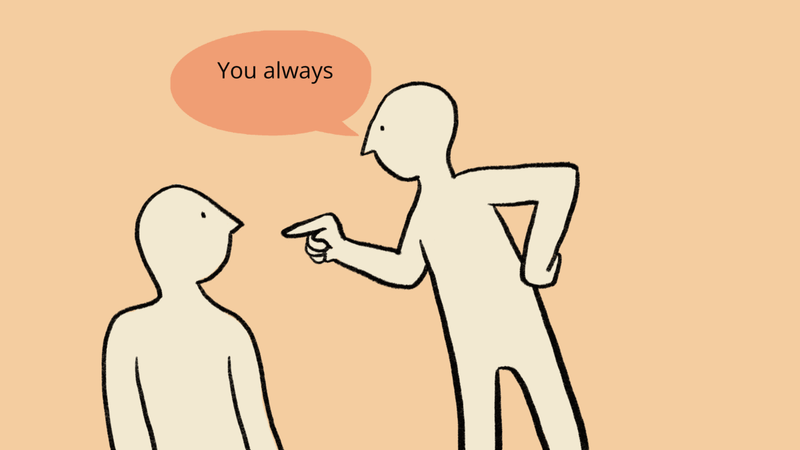
Constant criticism, belittling jokes, and sarcastic put-downs might feel like honesty or humor to you, but they chip away at the confidence of the people you say you care about.
Replace criticism with curiosity. Before pointing out what someone did wrong, ask if they want feedback at all.
When you do share concerns, lead with what is working. Encouragement is not weakness.
It is one of the most powerful things you can offer.
7. You Never Take Responsibility for Your Actions
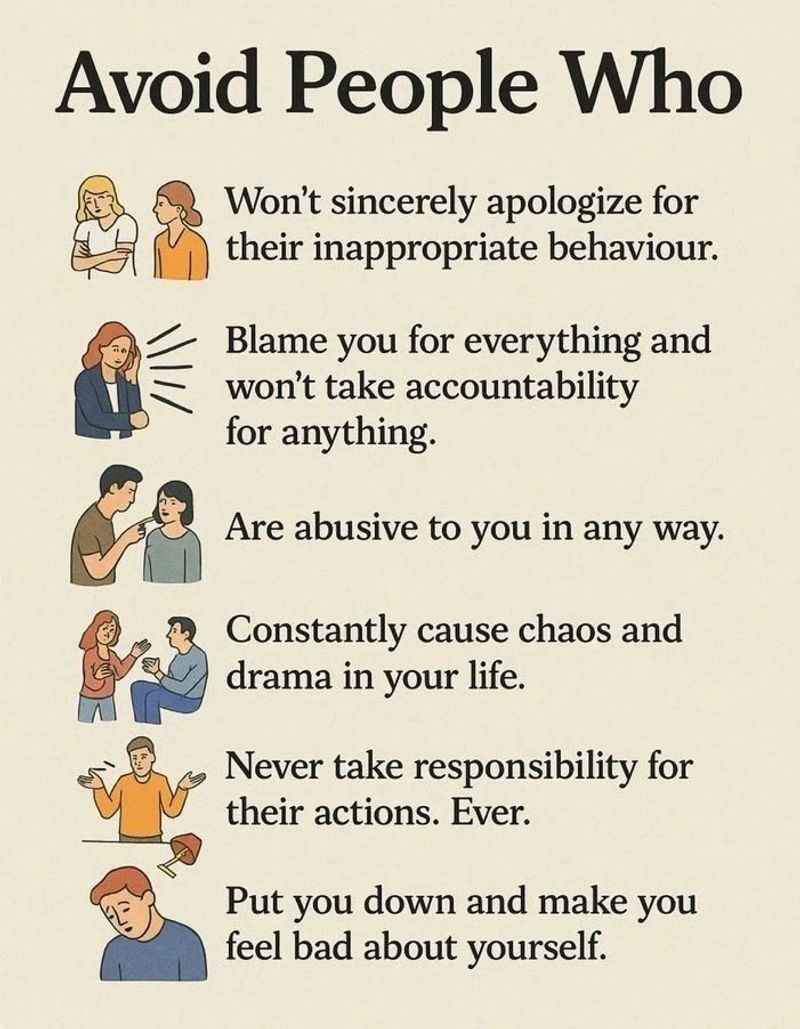
Blame-shifting is exhausting for everyone nearby. When something goes wrong and your first instinct is to point outward, you rob yourself of the chance to grow and leave others carrying guilt that was never theirs to hold.
Accountability is genuinely freeing. Try saying, “I got that wrong, and I am sorry,” without adding a “but.” That single shift builds more respect than any excuse ever could, and it opens the door to real change.
8. Honesty Feels Optional to You
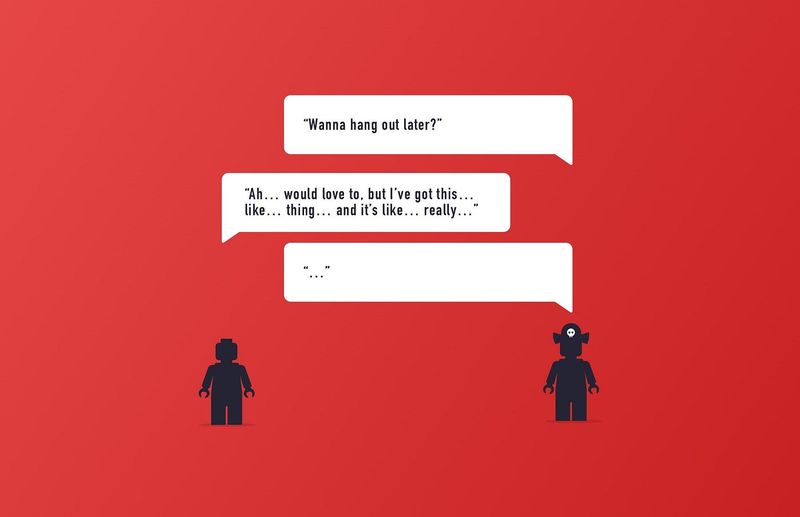
Frequent lying, even about small things, signals that you value your comfort or image more than the people you are lying to. Over time, those small untruths stack up and collapse the foundation of trust entirely.
Honesty is a habit built through daily choices. Start by catching yourself in small lies and choosing truth instead, even when it feels awkward.
People respect someone who admits an uncomfortable truth far more than a polished storyteller.
9. You Struggle to Feel Empathy for Others

Empathy is the ability to sense what someone else is feeling and respond with care. Without it, relationships become transactional, and people around you begin to feel like they are emotionally invisible.
Empathy can absolutely be developed. Practice asking, “How would I feel if this happened to me?” before responding to someone’s pain.
Even simply saying, “That sounds really hard,” without offering solutions can make someone feel deeply understood and valued.
10. You Judge Others Constantly

Judging others harshly and frequently often reveals more about your own inner critic than it does about the people you are judging. When you habitually pick apart others, it signals deep discomfort with parts of yourself.
Try replacing judgment with genuine curiosity. Instead of deciding why someone made a choice you dislike, ask yourself what might have led them there.
Shifting from critic to observer takes practice but dramatically softens how you experience the world.
11. You Act Like the Rules Do Not Apply to You

Entitlement is a quiet toxicity. It whispers that you deserve more than others, that your time is more valuable, and that exceptions should always be made for you.
People around you eventually grow tired of the imbalance.
Humility is the antidote. Remind yourself regularly that everyone around you is navigating their own struggles.
Treating service workers, strangers, and loved ones with equal respect is a mark of genuine emotional maturity and strength.
12. You Always See Yourself as the Victim

Victim mentality keeps you stuck. When every difficulty is someone else’s fault and every setback is proof the world is against you, personal growth becomes nearly impossible and relationships become one-sided emotional labor for others.
Start noticing when you frame yourself as powerless. Ask honestly: what role did I play here?
Owning even a small part of a situation gives you back your agency and shows others that you are capable of genuine self-awareness.
13. You Express Anger in Sneaky, Indirect Ways

Passive aggression is anger wearing a disguise. Snide comments, deliberate forgetfulness, silent treatment, and subtle sabotage are all ways of expressing frustration without ever having an honest conversation about what is actually wrong.
Direct communication feels vulnerable, but it is far healthier. Practice saying, “I felt hurt when…” instead of acting out your feelings indirectly.
Therapy or journaling can also help you identify what triggers your passive-aggressive responses in the first place.
14. Negativity Follows You Everywhere

Chronic negativity is contagious. When complaining, catastrophizing, and pessimism become your default settings, the people around you start to dread interactions because every conversation leaves them feeling heavier than before.
Mindfulness can interrupt the negativity loop. Try keeping a simple gratitude list each morning, just three things you appreciate.
Over time, your brain literally rewires itself to scan for the positive more automatically, changing both your mood and your relationships.
15. Your Anger Gets Out of Control Quickly

Rage that flares up over small things, followed by half-hearted apologies, creates a cycle that leaves everyone around you walking on eggshells. People cannot relax or be authentic when they fear triggering an explosion.
Anger management therapy, breathing exercises, and learning your personal warning signs can all help you slow the fuse. The goal is not to stop feeling angry but to choose how you respond before the emotion takes the wheel completely.
16. Being Around You Leaves People Exhausted
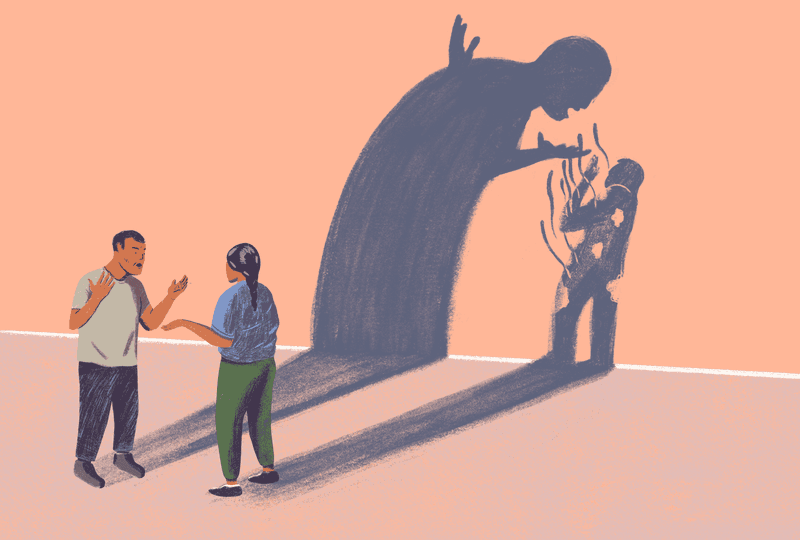
When friends start canceling plans, going quiet, or seeming relieved when you leave, it is worth asking yourself why. Emotional exhaustion caused by another person is one of the clearest signs that a dynamic has become unhealthy.
Check in with the people close to you. Ask genuinely how they feel after spending time together.
If the answers surprise you, take them seriously. Counseling can help you understand how your energy and behavior affect others without you realizing it.
17. Jealousy and Resentment Drive Your Reactions
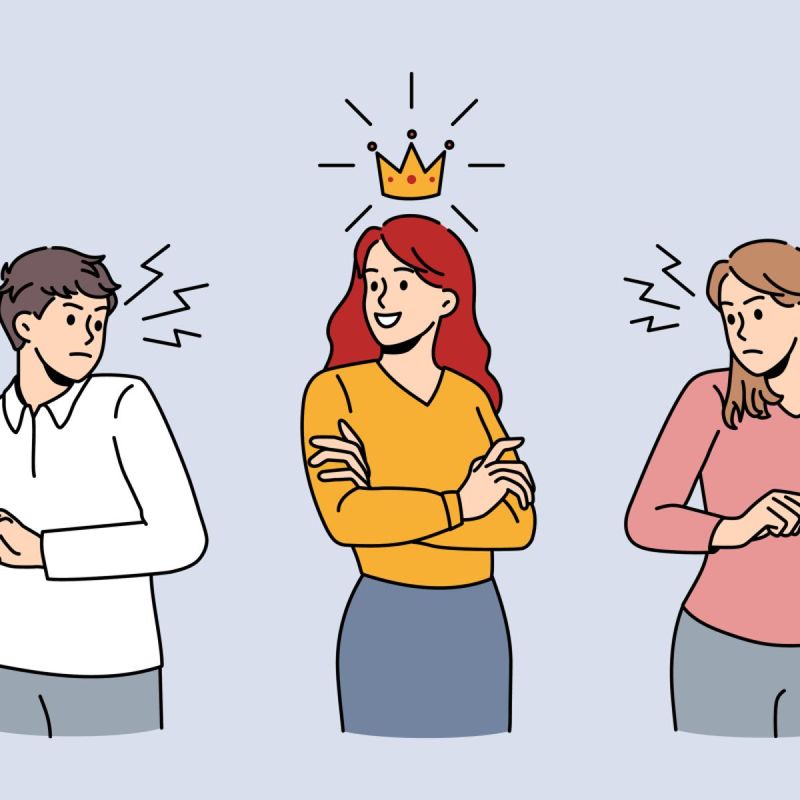
Jealousy is a normal human feeling, but when it becomes resentment that drives your behavior, it poisons your relationships from the inside out. You may find yourself subtly undermining people whose success makes you feel small.
Redirect envy into inspiration. Ask yourself what the other person’s success tells you about what you actually want for your own life.
Working with a therapist to unpack deep-seated resentment can free you from carrying a weight that was never yours to hold.
18. You Shut Down or Disappear During Conflict
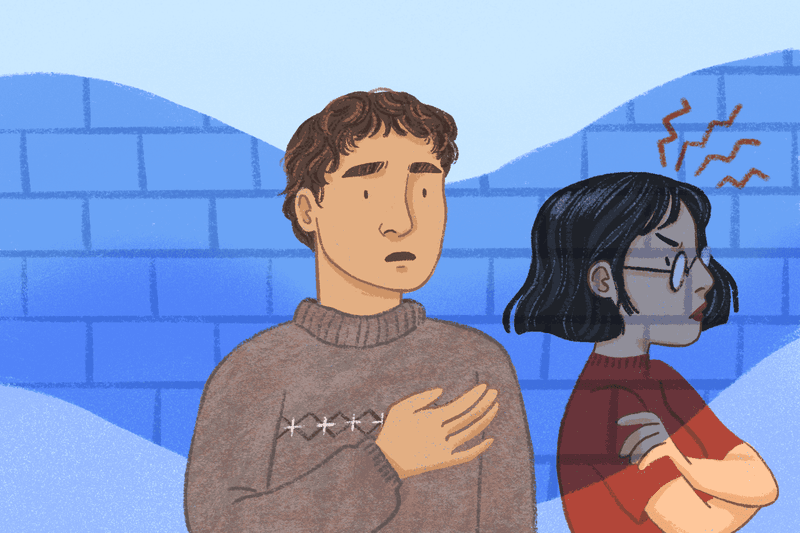
Stonewalling, going silent for days, or emotionally disappearing when things get hard is not neutral behavior. It is a form of punishment that leaves the other person feeling abandoned, confused, and deeply insecure about the relationship.
Learning to stay present during difficult conversations is a skill worth building. Start by simply saying, “I need a few minutes, but I will come back to this.” That small commitment keeps the connection alive while giving you space to breathe.
19. You Sabotage Other People’s Success or Happiness

Sabotage is one of the most damaging toxic behaviors because it is often disguised as helpfulness or honesty. Spreading rumors, downplaying achievements, or creating obstacles for others reveals deep insecurity dressed up as control.
When you catch yourself wanting to undercut someone, pause and ask what that impulse is protecting. Building yourself up by tearing others down never actually works long-term.
Channeling that competitive energy into your own goals is far more satisfying and sustainable.