
The 1970s were a golden age for television, but not every show that aired became a classic. For every All in the Family or M*A*S*H, there were dozens of sitcoms that crashed and burned so badly they were wiped from public memory.
Some lasted only a single episode, while others limped through a season before getting the axe. These are the shows that TV history quietly buried and hoped nobody would notice.
1. Turn-On (1969-1970): The Show That Got Pulled Mid-Broadcast
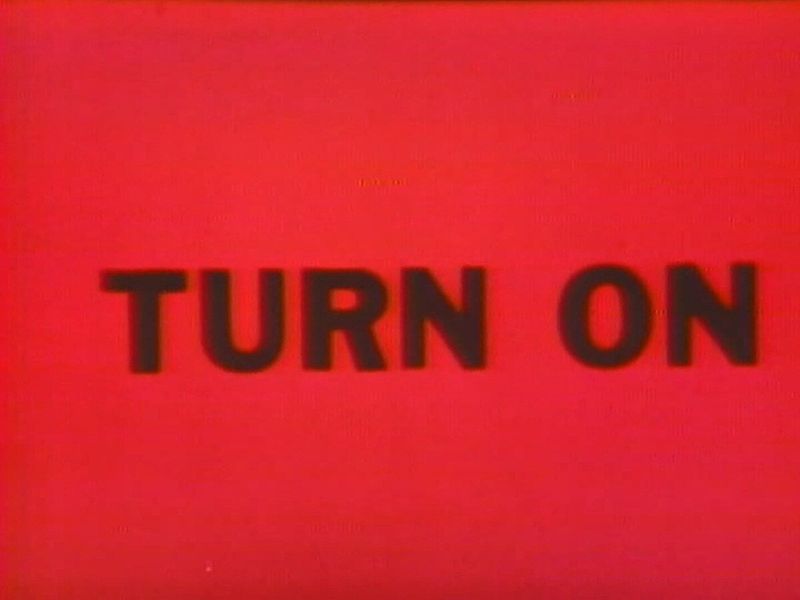
Imagine a show so bad that TV stations refused to finish airing it. That was the reality for Turn-On, ABC’s attempt at rapid-fire, computer-generated sketch comedy.
Some affiliates literally cut the broadcast in the middle of the episode and never looked back.
The humor was crude, the visuals were unsettling, and without a laugh track, audiences had no idea when to react. It holds the rare distinction of being canceled after just one airing in most markets.
2. Me and the Chimp (1972): CBS’s Primate Problem
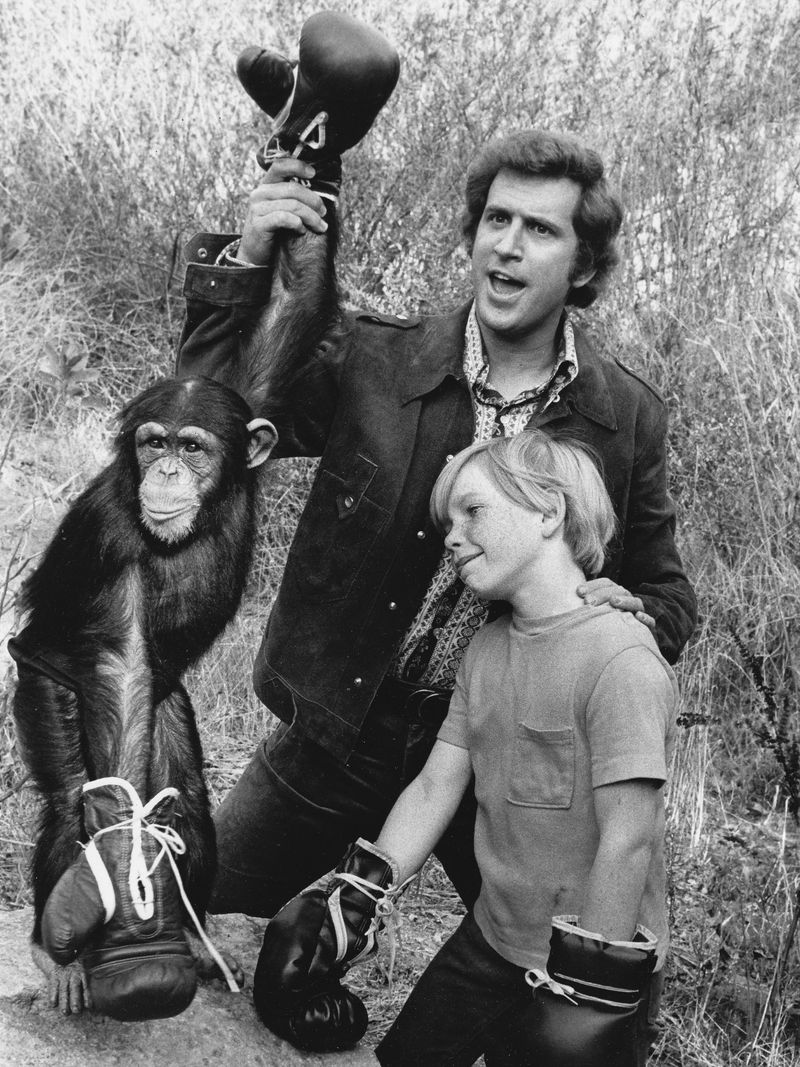
A dentist adopts a mischievous chimpanzee named Buttons, and chaos ensues every single week. That was literally the entire premise of Me and the Chimp, and CBS somehow thought it could carry a full season.
Critics were unimpressed from the start, and viewers tuned out fast once they realized the jokes never evolved beyond the chimp wrecking furniture. After 13 repetitive episodes, CBS quietly pulled the plug and pretended it never happened.
3. Dusty’s Trail (1973): Gilligan’s Island in Cowboy Boots
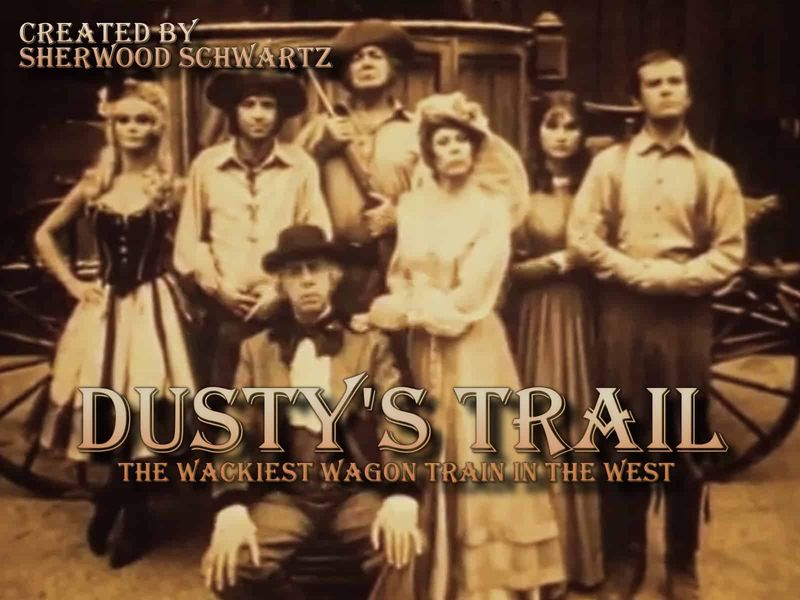
Bob Denver, the actor who played Gilligan, somehow ended up stranded again, this time in the Old West as a bumbling wagon scout named Dusty. Critics immediately noticed the characters were carbon-copied from Gilligan’s Island, just wearing cowboy hats instead of sailor caps.
The show was syndicated and arrived just as western-themed sitcoms were dying out. Nobody wanted a lazy rerun of a concept that had already run its course, and Dusty’s Trail rode off into obscurity fast.
4. The Montefuscos (1975): Three Generations, Zero Laughs
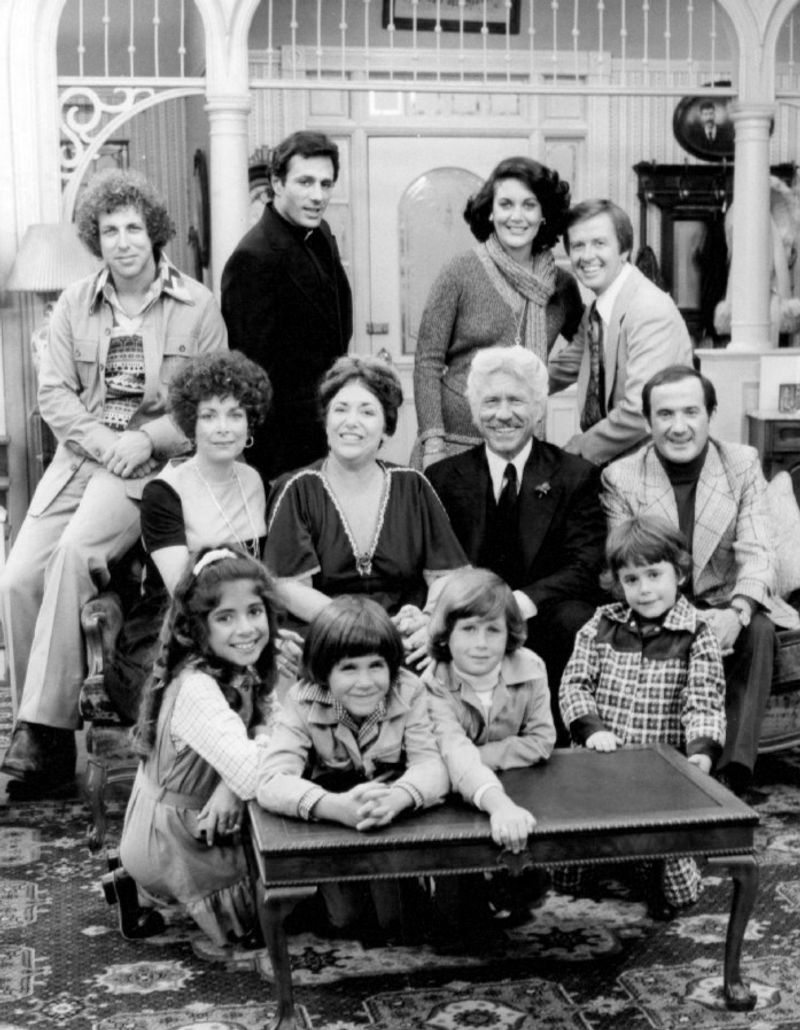
NBC bet on an Italian-American multigenerational family sitcom and lost spectacularly. The Montefuscos featured three generations crammed under one roof, with the network hoping the family chaos would be endearing and funny.
Audiences disagreed strongly. The show earned harsh reviews and dismal ratings almost immediately, and NBC yanked it after only three episodes had aired.
That is not a slow cancellation. That is a network cutting its losses before the month was even over.
5. Grady (1975): The Spin-Off Nobody Asked For
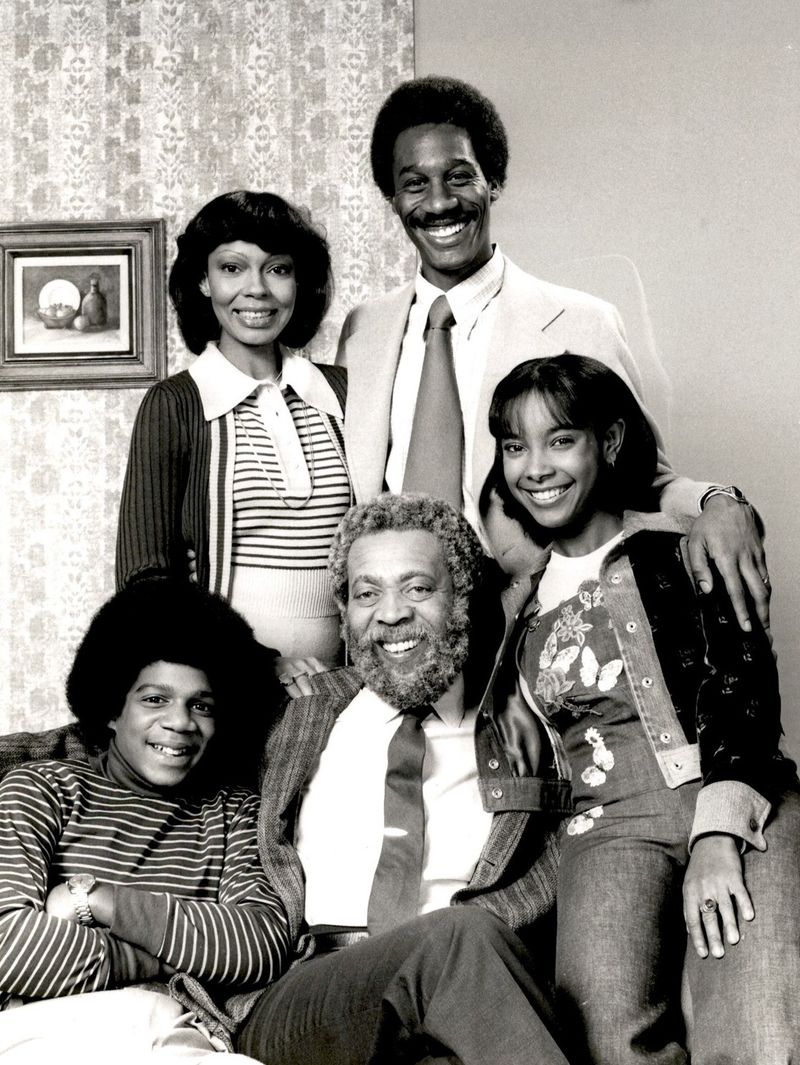
Grady was Fred Sanford’s lovable but low-energy friend on Sanford and Son, a side character who worked perfectly in small doses. NBC decided he deserved his own show, which turned out to be a costly miscalculation.
Fans of the original quickly noticed the spin-off lacked any of the original’s sharp chemistry or wit. The writing felt like filler, the pacing dragged, and audiences who adored Sanford and Son simply stopped watching.
Grady shuffled off TV quietly after one season.
6. The Cop and the Kid (1975): Too Confused to Be Good
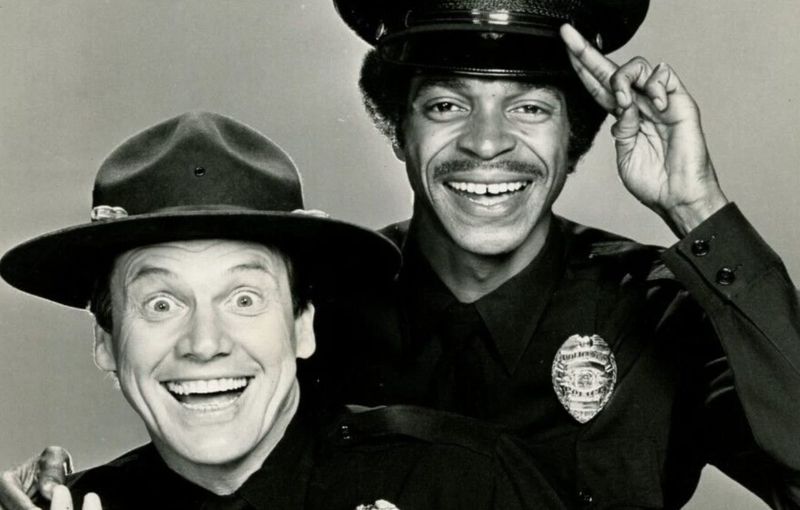
A bachelor cop suddenly responsible for raising an orphaned boy sounds like it could work, but The Cop and the Kid never figured out what kind of show it wanted to be. Was it heartwarming?
Was it a comedy? The writers seemed genuinely unsure.
That tonal confusion frustrated audiences who tuned in expecting either laughs or warmth and got an awkward mix of neither. NBC canceled it after only a handful of episodes, and today almost nobody remembers it existed.
7. Karen (1975): Too Ahead of Its Time
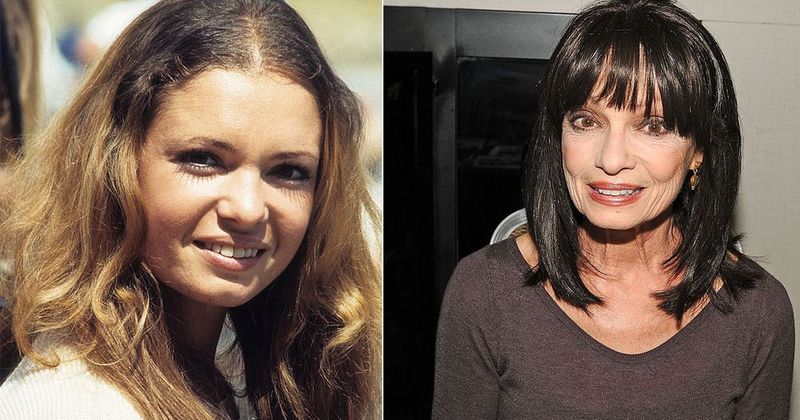
Karen Valentine starred as a sharp, energetic congressional aide navigating Washington politics, one of the rare female-led workplace comedies of its era. The writing was bright and the dialogue crackled with personality.
Unfortunately, 1975 audiences were not quite ready for a woman driving the entire story without a husband or romantic subplot at the center. The show lasted just 12 episodes before ABC pulled it.
Looking back, Karen was simply too forward-thinking for the moment it aired in.
8. Mr. T and Tina (1976): Culture-Clash Jokes That Aged Terribly
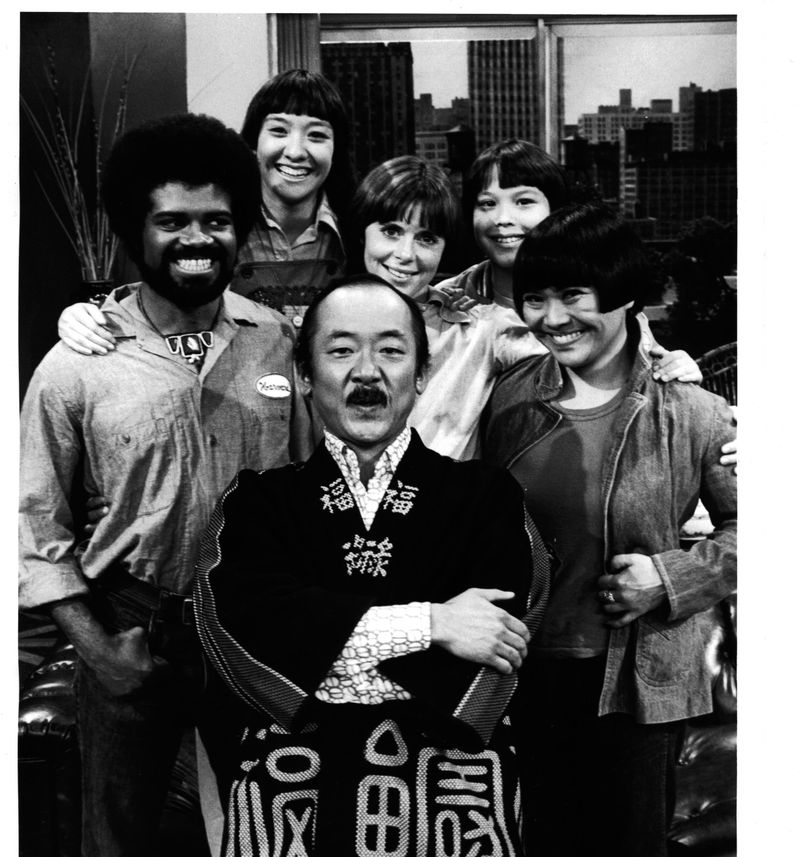
Pat Morita, years before his iconic Karate Kid role, starred as a Japanese inventor who relocates to Chicago and hires a scatterbrained American nanny. The premise leaned entirely on tired culture-clash gags that critics found offensive and lazy from day one.
TV critics at the time voted it the worst new show they had ever endured, which is saying something for a decade full of bad television. ABC quietly canceled it, and Mr. T and Tina became a cautionary tale about stereotypes masquerading as comedy.
9. Holmes and Yoyo (1976-1977): The Android Partner Nobody Loved
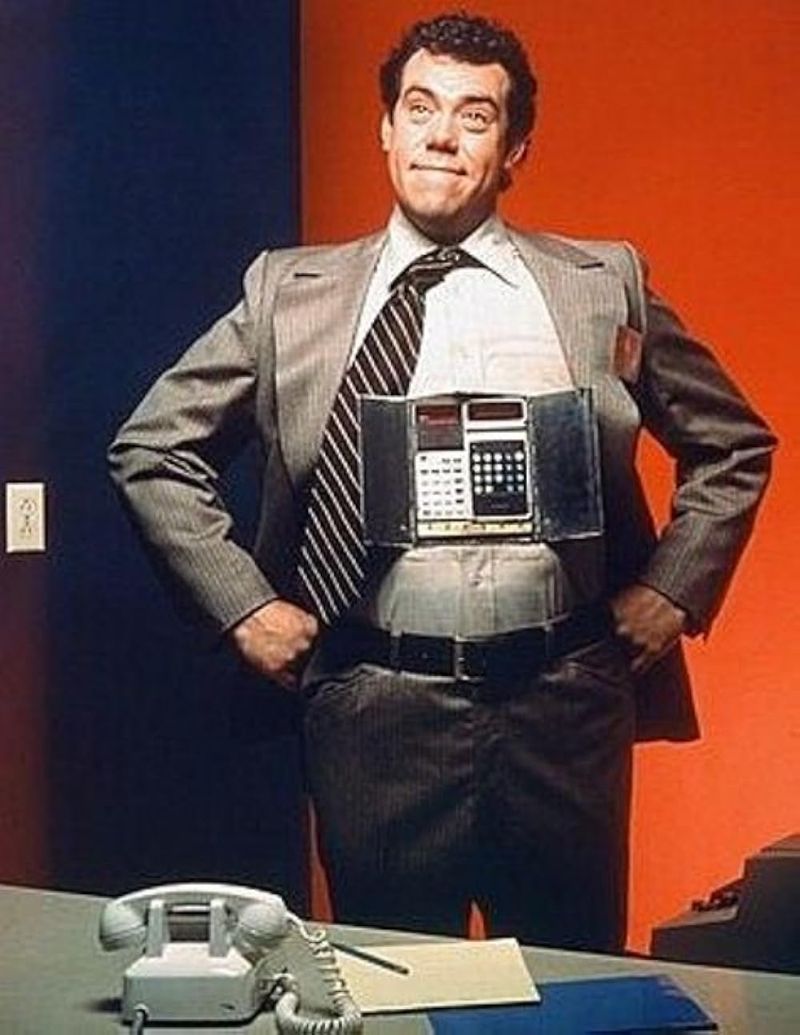
Holmes and Yoyo followed a hapless detective partnered with an android who was learning to be human, a concept that sounds quirky enough to maybe work. It absolutely did not work.
TV Guide later listed it as one of the worst shows ever made.
The show’s fatal flaw was refusing to commit to either genuine comedy or actual crime-fighting. It wobbled awkwardly between both and succeeded at neither.
After 13 episodes, ABC ended the experiment, and the android Yoyo was powered down for good.
10. The Brady Bunch Hour (1977): A Glittery Nightmare
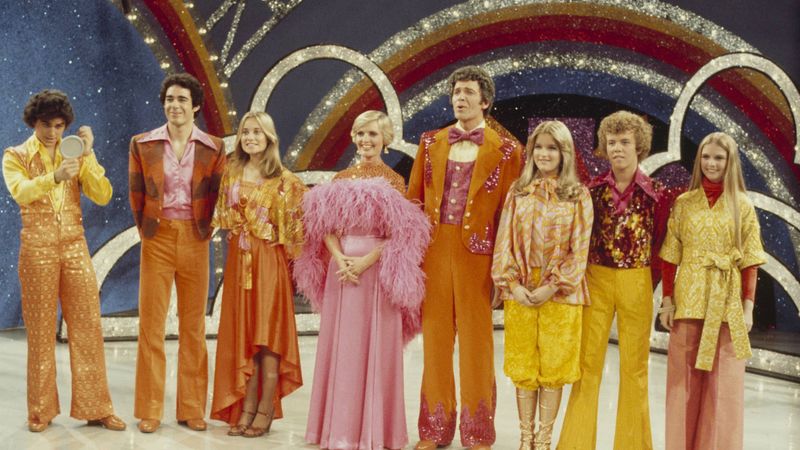
Reuniting most of the original Brady Bunch cast should have been a guaranteed crowd-pleaser, but The Brady Bunch Hour transformed a beloved family sitcom into what critics called a glittery nightmare of bad musical numbers and cringe-worthy comedy sketches.
TV Guide consistently ranks it among the five worst TV shows ever produced. The show-within-a-show storyline confused viewers, and later episodes were produced sporadically with declining enthusiasm.
Even die-hard Brady fans could not defend what this variety show became.
11. Quark (1977-1978): Space Parody With No Orbit
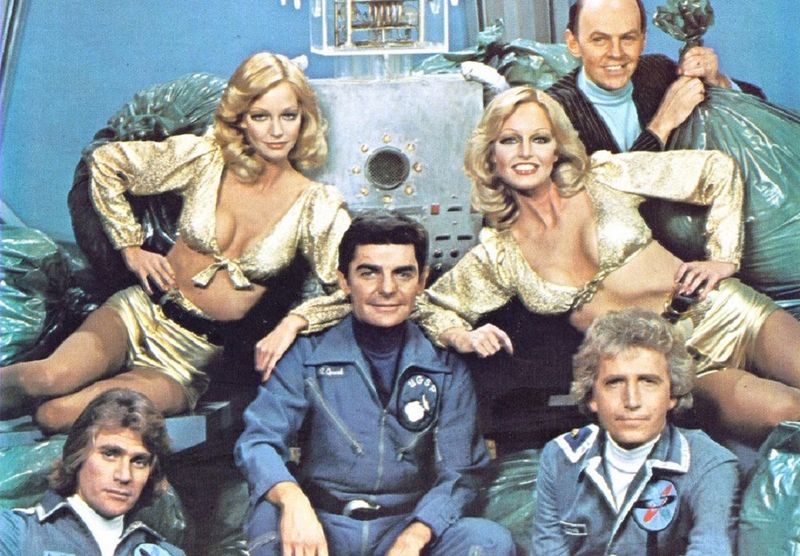
Riding the wave of Star Wars excitement, NBC launched Quark, a sci-fi comedy created by Buck Henry that aimed to parody space operas with a garbage-collecting spaceship crew. The concept had potential, and it even earned a small cult following.
Broader audiences simply never showed up. The humor was too niche, the budget too thin, and the competition too fierce.
After only eight episodes, NBC canceled it before it could find its footing. Quark drifted off into the TV universe and disappeared completely.
12. Flatbush (1979): Brooklyn Was Not Amused
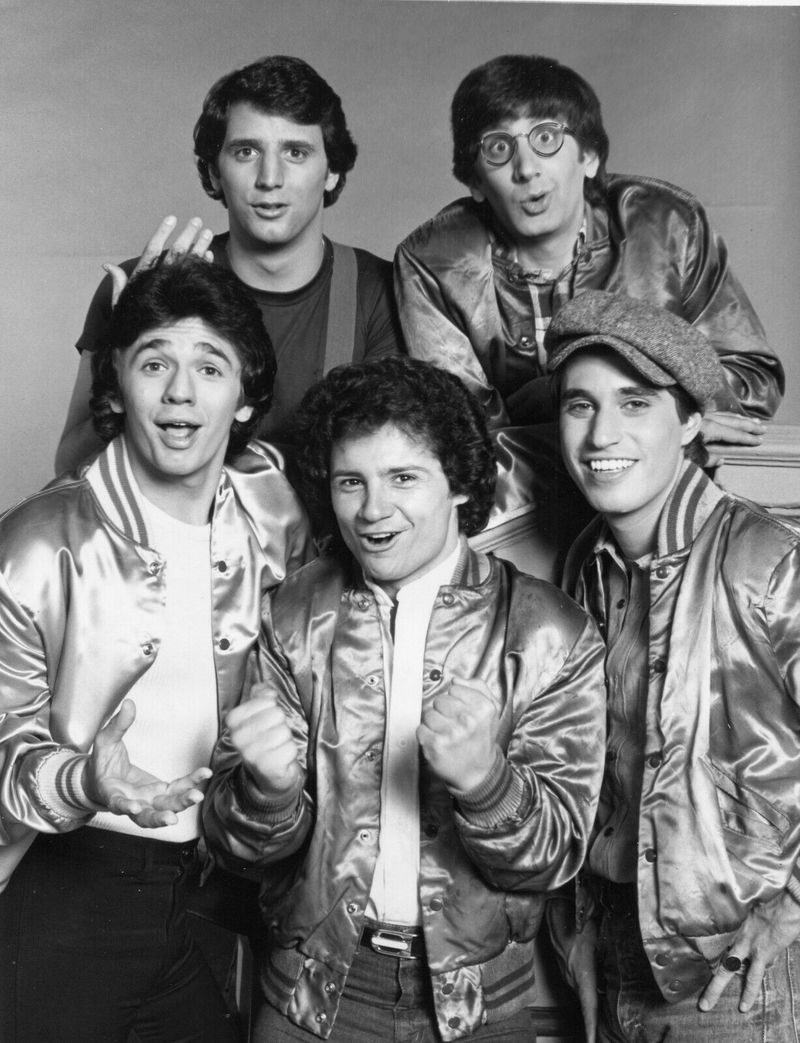
Flatbush followed a group of young men nicknamed The Fungos as they navigated life after high school in Brooklyn. Audiences did not just dislike it.
They actively demanded it be taken off the air.
The Brooklyn Borough President publicly called for the show’s cancellation due to offensive stereotypes about the neighborhood and its residents. CBS pulled it before all six produced episodes could even air, broadcasting only three.
Few shows in TV history have generated that level of community outrage so quickly.
13. Co-Ed Fever (1979): One Episode and Done
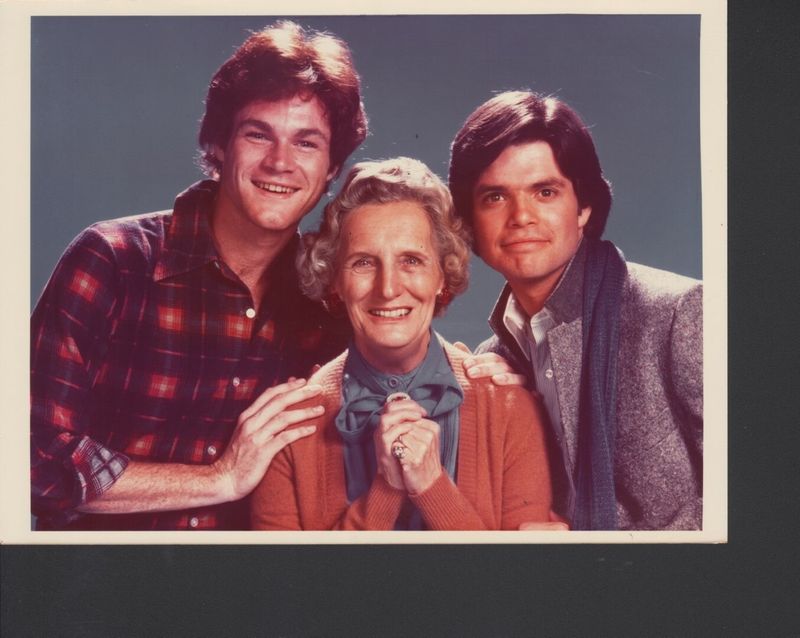
CBS tried to cash in on the Animal House craze with Co-Ed Fever, a raunchy college comedy set in a formerly all-girls dorm now invaded by male students. The network had high hopes.
Viewers had zero interest.
The dialogue was stiff, the jokes fell completely flat, and the show managed to offend family audiences without satisfying anyone looking for edgy humor either. CBS pulled it after a single episode aired, making Co-Ed Fever one of the fastest cancellations the decade ever produced.
14. Hello, Larry (1979-1980): The M*A*S*H Mistake That Haunted McLean Stevenson
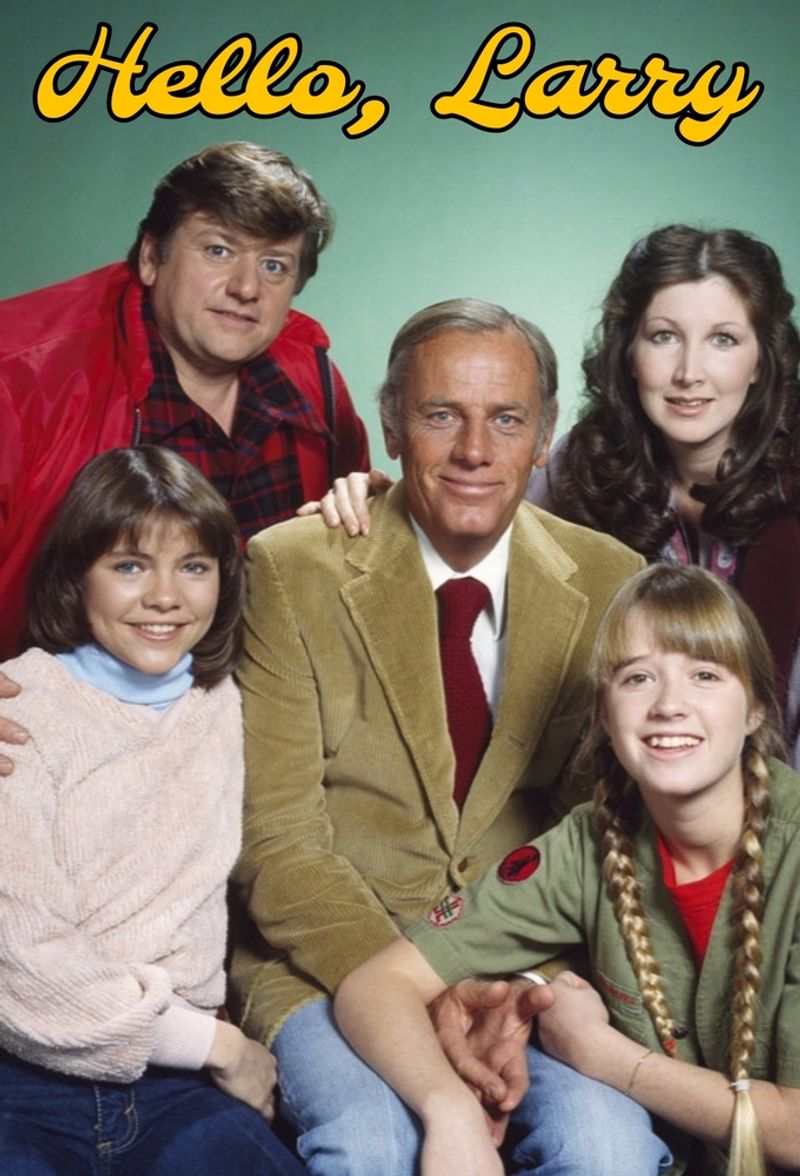
When McLean Stevenson left M*A*S*H, one of the most beloved shows on television, audiences assumed he had something amazing lined up. Hello, Larry was not amazing.
It was widely mocked as one of the weakest sitcoms of its era.
Johnny Carson ridiculed it regularly during Tonight Show monologues, turning Stevenson’s career choice into a running punchline. The show lurched awkwardly between crude jokes and sentimental family moments, never finding a consistent identity.
It became the go-to example of a star making a catastrophically bad career decision.
15. Makin’ It (1979): Disco’s Last Desperate Gasp
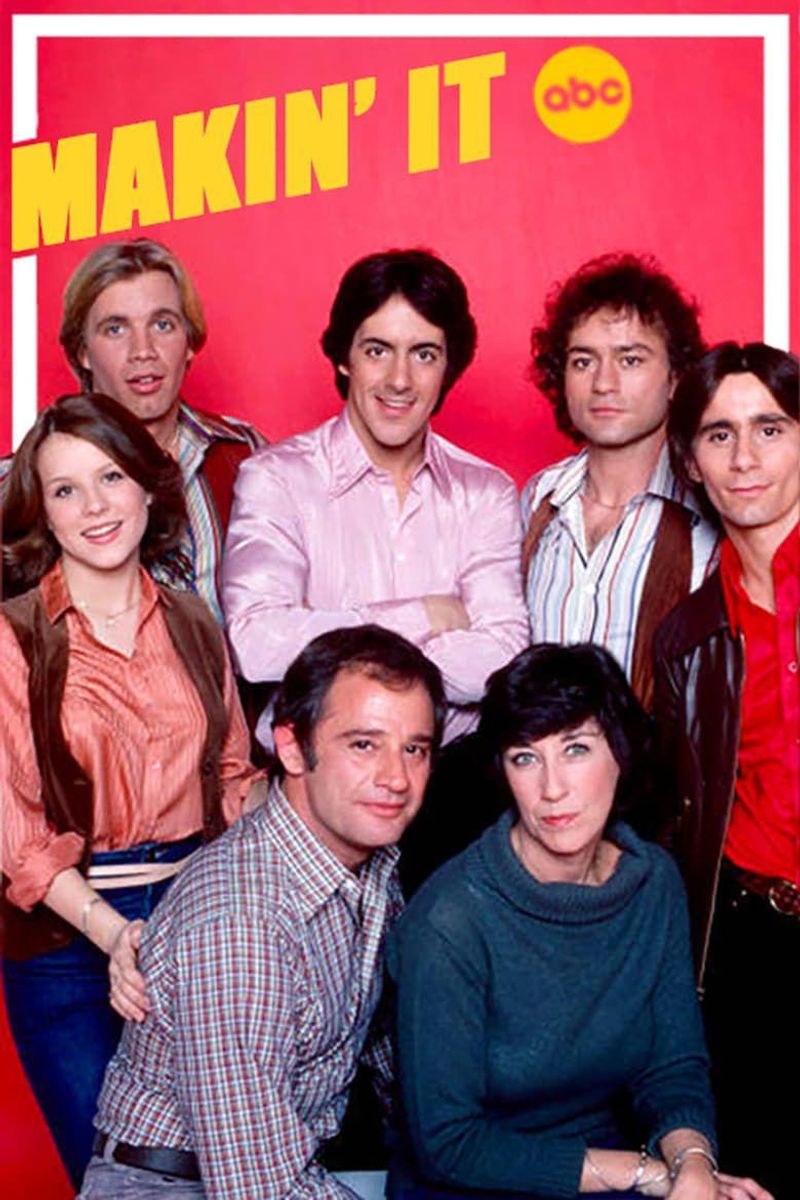
Makin’ It arrived in February 1979 riding the coattails of Saturday Night Fever, following a young man obsessed with becoming a disco dancer. The timing could not have been worse.
By early 1979, disco was already losing its cultural grip.
The show lasted only nine episodes before ABC quietly canceled it. The only piece of Makin’ It that anyone actually remembers is the theme song, which became a minor radio hit.
The show itself? Completely forgotten, like most disco-era cash grabs that arrived a season too late.
16. Supertrain (1979): The Most Expensive Disaster on Rails
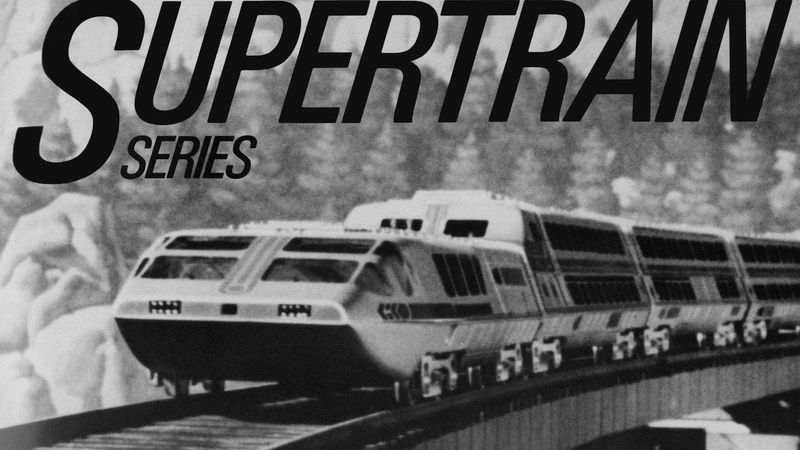
NBC poured an enormous amount of money into Supertrain, a series built around a gigantic nuclear-powered luxury train complete with swimming pools, shops, and onboard intrigue. The miniature sets alone cost millions of dollars to construct.
The show ran only nine episodes and nearly bankrupted NBC in the process. Critics called it logistically absurd, and viewers found it more baffling than entertaining.
Supertrain stands as one of the most expensive failures in American television history, a monument to network overconfidence and spectacular poor judgment.