
Every relationship hits rough patches, but some problems run so deep that even the best intentions struggle to fix them. Licensed counselors see the same painful patterns show up again and again in their offices.
Knowing what these issues are can help you spot warning signs early and make smarter choices about your relationship. Here are the problems that therapists say are the hardest to overcome.
1. Contempt That Has Become a Habit

John Gottman, one of the most respected relationship researchers alive, calls contempt the single greatest predictor of divorce. Eye-rolling, sarcasm, and mocking your partner are not just rude habits — they signal deep disrespect.
Once contempt becomes the default way a partner communicates, it poisons every conversation. Counselors report that breaking this pattern requires enormous effort from both people.
Without genuine motivation to change, contempt quietly dismantles the relationship from the inside out.
2. Chronic Infidelity and Repeated Betrayal

Trust is the foundation a relationship stands on, and repeated betrayal cracks that foundation beyond repair for many couples. Some partners cheat once and genuinely work to rebuild — but chronic infidelity is a different story entirely.
When betrayal happens again and again, the injured partner often loses the ability to feel safe, no matter how many promises are made. Counselors note that rebuilding trust after repeated cheating is one of the steepest climbs in therapy.
3. One Partner Refuses to Take Accountability
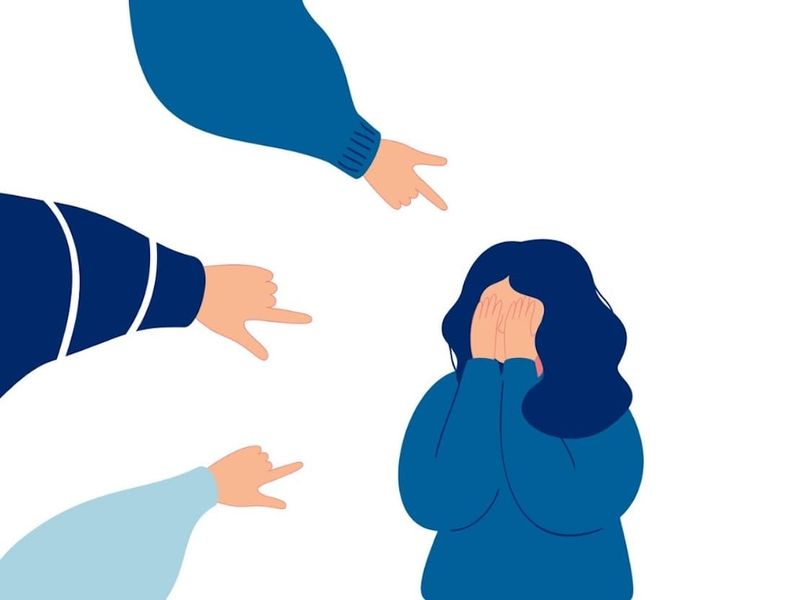
Accountability is the engine that drives real change in any relationship. When one partner consistently deflects blame, makes excuses, or turns every argument around to be the other person’s fault, growth becomes nearly impossible.
Therapists cannot force someone to own their actions. If a person walks into counseling sessions convinced they have nothing to fix, the process stalls quickly.
Counselors say this unwillingness to accept responsibility is one of the most stubborn roadblocks they encounter.
4. Untreated Mental Health Conditions

Mental health struggles like severe depression, untreated anxiety, or personality disorders can place enormous strain on a relationship. These conditions are not character flaws, but they do require individual treatment before couples therapy can make real progress.
A partner dealing with unaddressed mental illness may struggle to show up emotionally, communicate clearly, or manage conflict in healthy ways. Counselors emphasize that getting individual help first is often the most important step a struggling couple can take.
5. Any Form of Abuse in the Relationship

Abuse — whether emotional, physical, financial, or psychological — is rooted in control, and control rarely gives itself up willingly. Couples counseling is actually considered unsafe in abusive relationships because it can give the abuser more tools to manipulate their partner.
Counselors are clear: abuse is the hardest relationship problem to fix because it requires the abuser to fundamentally change how they see and treat another person. Safety for the victim always comes before saving the relationship.
6. Fundamentally Incompatible Life Goals

Wanting different things out of life sounds simple, but it is one of the most heartbreaking reasons relationships fall apart. One person dreams of having children while the other is certain they do not want them — no compromise truly satisfies either side.
Career ambitions, where to live, religious beliefs, and financial priorities can all become deal-breakers. Counselors are honest that therapy cannot make two people want the same future.
Sometimes the most loving thing two people can do is go their separate ways.
7. Deep-Rooted Resentment That Was Never Addressed

Resentment is like a slow leak — it starts small but eventually floods everything. When couples let grievances pile up without addressing them, those feelings harden into something much harder to soften.
Partners who carry years of unspoken hurt begin to assume the worst about each other and stop giving the benefit of the doubt. Counselors say festering resentment is particularly tough to treat because it rewrites the entire history of the relationship in a negative light, making it hard to remember why things were ever good.
8. Addiction Without a Commitment to Recovery

Loving someone with an addiction is exhausting and heartbreaking in equal measure. The substance or behavior becomes the relationship’s third wheel, pulling attention, energy, and trust away from the partnership.
Couples therapy has real limits when active addiction is present. Counselors consistently point out that meaningful progress in a relationship cannot happen until the person with the addiction commits to their own recovery first.
Without that commitment, patterns of codependency and broken promises tend to repeat in painful cycles.
9. Emotional Distance That Has Lasted Too Long

There is a particular kind of loneliness that comes from feeling invisible to the person you share your life with. When emotional connection fades and partners start feeling more like roommates than lovers, the gap can become very hard to close.
Counselors describe this as one of the quietest but most damaging relationship problems. The longer emotional distance goes unaddressed, the more normal it begins to feel — and that sense of resignation makes rebuilding closeness feel overwhelming for both partners.
10. Perpetual Arguments That Never Get Resolved

About 69% of relationship conflicts are considered perpetual — meaning they are rooted in personality differences that will not simply disappear. Couples who keep fighting the same fight expecting a different result often end up exhausted and hopeless.
The goal is not to win or even resolve these arguments, but to manage them with respect and humor. Counselors say couples who cannot shift from trying to fix each other to accepting each other get stuck in a cycle that therapy alone cannot break.
11. Stonewalling During Every Difficult Conversation

Shutting down completely during conflict — going silent, walking away, or giving the cold shoulder — is called stonewalling. It is one of Gottman’s Four Horsemen, and it signals that a partner has emotionally checked out of the conversation entirely.
Stonewalling often develops as a self-protection strategy, but it leaves the other partner feeling dismissed and unheard. When it becomes the automatic response to any tension, counselors say it creates a communication wall that is genuinely difficult to dismantle without serious, sustained effort from both people.
12. Toxic Patterns Neither Partner Wants to Break

Some couples fall into cycles of manipulation, guilt-tripping, or emotional neglect that feel almost impossible to escape. The tricky part is that these patterns often feel normal because they have been repeated so many times.
Counselors stress that both partners must be genuinely committed to changing the dynamic — not just saying the words, but doing the hard work. When only one person wants to break the toxic cycle, progress stalls.
Lasting change requires two people rowing in the same direction at the same time.
13. No Boundaries or Inability to Communicate Needs

Healthy relationships run on clear boundaries and honest communication about needs. When someone cannot say no, cannot ask for what they truly want, or fears upsetting their partner too much to speak up, resentment quietly builds beneath the surface.
Counselors point out that boundary problems often come from deep-rooted people-pleasing habits or fear of conflict. Without learning to advocate for yourself, the relationship becomes unbalanced and draining.
Teaching this skill in therapy takes time, and not everyone commits to the practice.
14. Fundamental Value Differences That Cannot Be Bridged
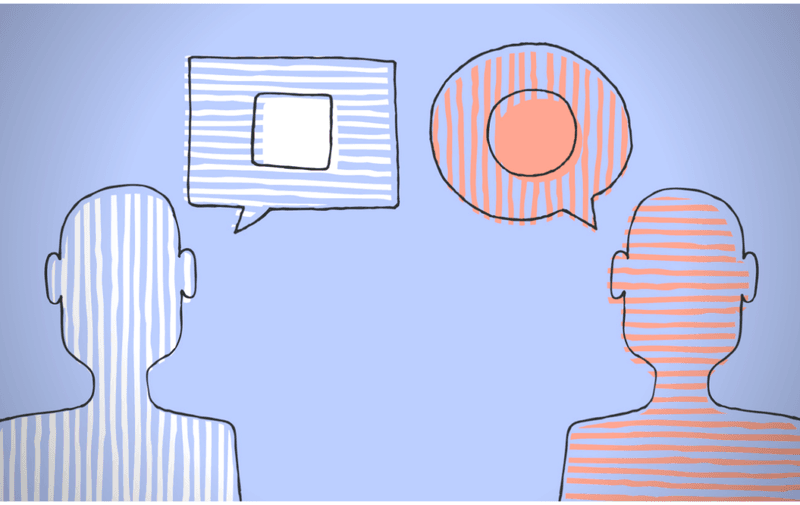
Values are the invisible framework shaping every decision a person makes. When two people hold deeply different beliefs about money, religion, family roles, or what a relationship should even look like, conflict becomes a constant companion.
Unlike surface-level disagreements, value differences go to the core of who a person is. Counselors are candid that therapy cannot rewire a person’s fundamental worldview.
Couples can learn to respect differences, but when core values clash, it often signals a compatibility issue too deep to paper over.
15. Loss of Physical and Emotional Intimacy Together

Intimacy is about more than physical closeness — it is the feeling of being truly known and chosen by another person. When both emotional and physical intimacy fade at the same time, the relationship can start to feel hollow and transactional.
Counselors see this combination as particularly difficult to reverse because each layer of disconnection reinforces the other. Rebuilding requires vulnerability, and vulnerability feels risky when partners already feel like strangers.
Many couples wait too long to seek help, making the distance even harder to close.
16. Persistent Criticism That Wears a Partner Down

There is a big difference between raising a concern and attacking a person’s character. Persistent criticism — constantly pointing out flaws, making sweeping statements like “you always” or “you never” — erodes a partner’s self-esteem over time.
Gottman identified criticism as another of his Four Horsemen for good reason. Counselors find that habitual critics often do not realize how damaging their words have become.
Changing this pattern demands self-awareness and practice, and some people simply are not willing to look that honestly at themselves.
17. Defensiveness That Blocks Every Honest Conversation

Defensiveness is the armor people wear when they feel attacked — but it also blocks any real conversation from happening. When every piece of feedback is met with counter-accusations or victim mentality, nothing ever gets worked through.
Counselors describe chronic defensiveness as one of the most frustrating barriers in couples therapy because the defensive person rarely sees themselves clearly. Progress requires a willingness to sit with discomfort and really hear your partner without immediately protecting yourself — and that is genuinely hard for many people.
18. Financial Dishonesty and Secret Spending

Money secrets have a way of unraveling everything. Hidden credit cards, secret spending habits, or lying about income are forms of financial infidelity that breach trust just as painfully as romantic betrayal.
Counselors note that financial dishonesty is often a symptom of deeper issues — shame, control, or a fear of judgment. Fixing it requires radical transparency and a willingness to rebuild financial trust from scratch.
When the dishonesty is ongoing or the shame is too heavy, many couples find they cannot get past it.
19. Growing Apart After Major Life Changes

People change — and sometimes two people change in completely different directions. A new job, having kids, a health crisis, or even personal growth can quietly shift someone’s identity in ways their partner does not recognize or share.
Counselors see this often in couples who built their relationship around a version of each other that no longer exists. Rediscovering connection after growing apart is possible, but it requires both people to be curious about who their partner has become rather than grieving who they used to be.