
Some places on Earth are so off-limits that even the most seasoned globetrotters will never set foot inside them. Whether guarded by armed soldiers, protected by law, or simply too dangerous to approach, these locations remain shrouded in mystery.
From secret government bunkers to snake-infested islands, the world holds secrets that most people will only ever read about. Get ready to explore the most forbidden corners of our planet.
1. North Sentinel Island, India
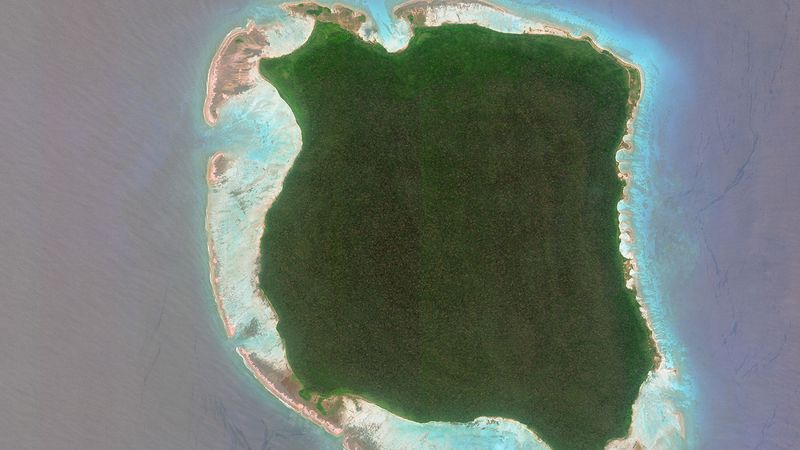
Few places on Earth carry a warning as serious as North Sentinel Island. Hidden in India’s Andaman chain, this small jungle-covered island is home to the Sentinelese, one of the last truly uncontacted tribes on the planet.
The Indian government has made it illegal to go within three miles of the island. The Sentinelese have attacked outsiders with arrows and spears, making it one of the most dangerous and protected places in the world.
2. Ilha da Queimada Grande (Snake Island), Brazil
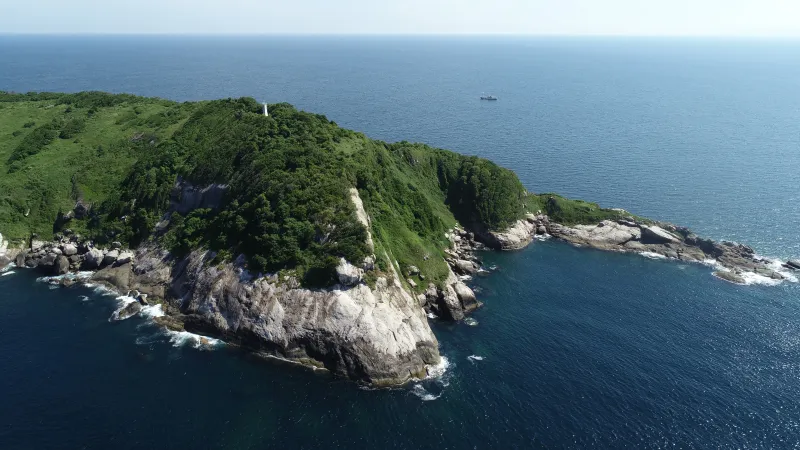
Imagine stepping onto an island where every square meter could hide up to five deadly snakes. That is the terrifying reality of Ilha da Queimada Grande, a small island off the coast of Brazil crawling with golden lancehead vipers.
The Brazilian government has banned all visitors to protect both humans and the endangered snake species living there. Even the Brazilian Navy, which maintains a lighthouse on the island, no longer stations personnel there permanently.
3. Lascaux Caves, France
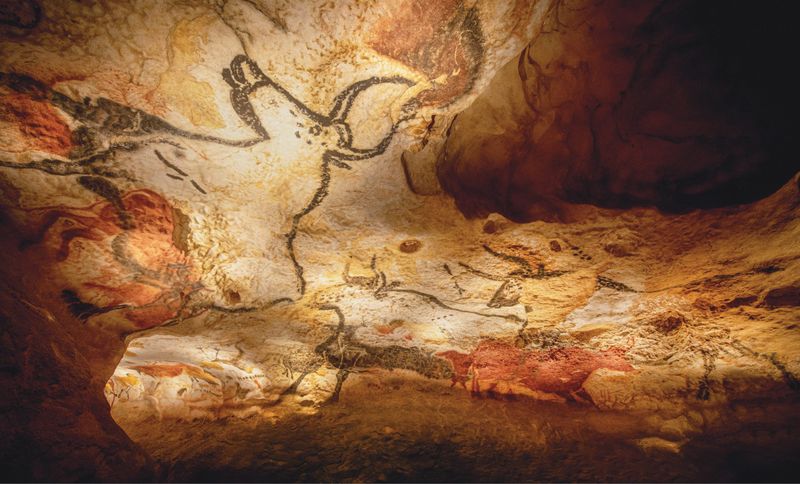
Discovered in 1940 by a group of teenagers, the Lascaux Caves in southwestern France took the world’s breath away with stunning prehistoric paintings nearly 17,300 years old. The colorful depictions of animals and humans are considered masterpieces of ancient art.
Sadly, allowing visitors caused the paintings to deteriorate rapidly due to carbon dioxide and mold. The caves were permanently sealed to the public in 1963, and even a replica built nearby cannot fully capture the magic of the original.
4. Svalbard Global Seed Vault, Norway
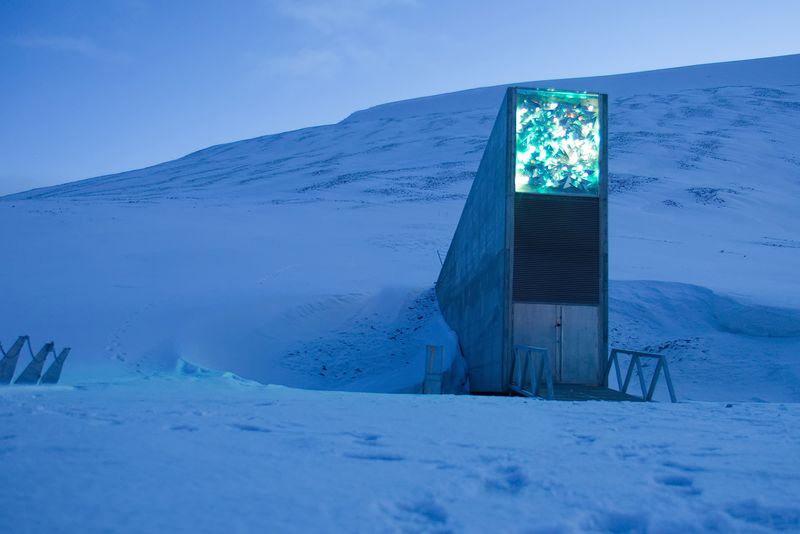
Nicknamed the “Doomsday Vault,” the Svalbard Global Seed Vault sits deep inside a frozen mountain on a remote Arctic island. It stores over one million seed samples from crops around the world, acting as a safety net if a global disaster wipes out our food supply.
Access is tightly controlled and limited to authorized personnel making seed deposits. Most of the time, the vault sits completely unattended, locked behind multiple security layers deep beneath the permafrost.
5. Vatican Apostolic Archive, Vatican City
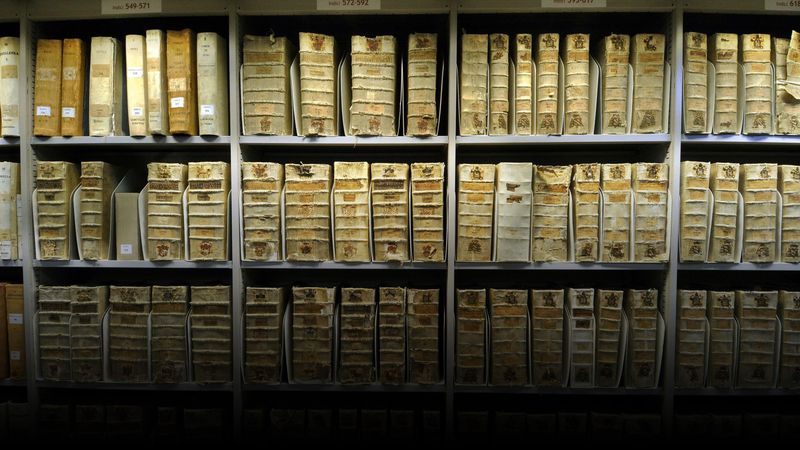
Tucked away beneath the Vatican, the Apostolic Archive holds centuries of secrets belonging to popes, kings, and empires. Dating back to 1612, it contains personal papal documents and records of some of history’s most pivotal moments.
Casual visitors have no chance of getting inside. Only accredited scholars with approved credentials may request specific documents, and even then, browsing freely is strictly forbidden.
The sheer history locked behind those walls makes it one of the most fascinating restricted places on Earth.
6. Area 51, USA (Nevada)
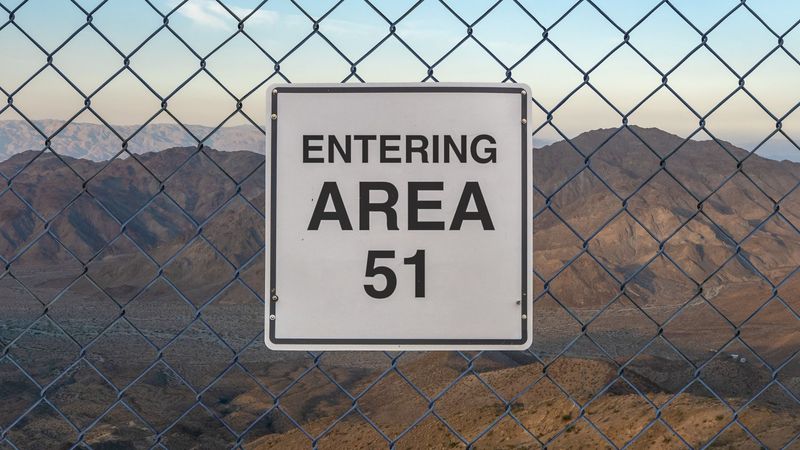
No place in America sparks more wild theories than Area 51, a classified U.S. Air Force base buried in the Nevada desert.
For decades, the government refused to even acknowledge it existed, fueling endless speculation about UFOs and secret experiments.
Today, the base is surrounded by motion sensors, armed guards, and warning signs threatening deadly force. Getting anywhere close without authorization could land you in serious legal trouble, and the military takes trespassers very seriously out there.
7. Surtsey Island, Iceland
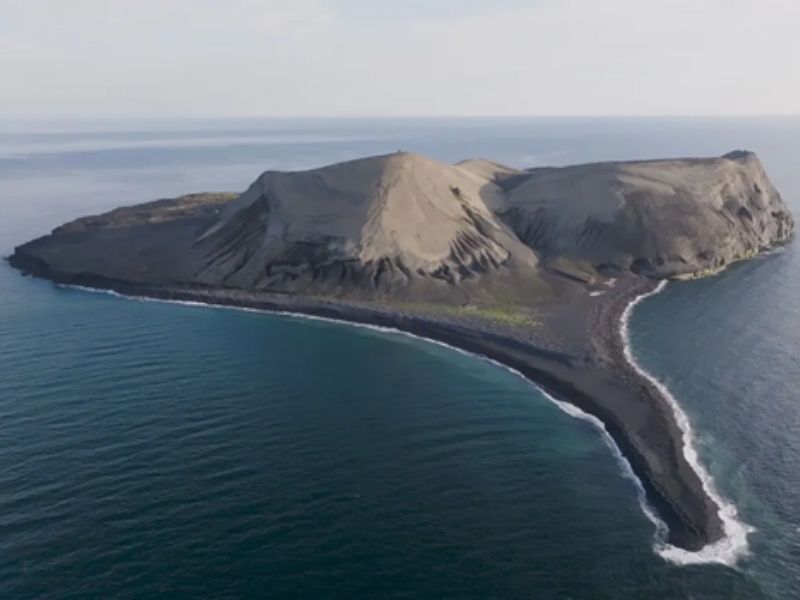
Born from a volcanic eruption that lasted four dramatic years starting in 1963, Surtsey is quite literally one of the newest pieces of land on Earth. Scientists watched in awe as life slowly colonized the barren black lava rock from scratch.
To keep this natural experiment pure, the island is off-limits to nearly everyone. Only a small group of approved scientists may visit occasionally to study how plants, birds, and insects establish themselves without any human interference.
8. Heard Island and McDonald Islands, Australia
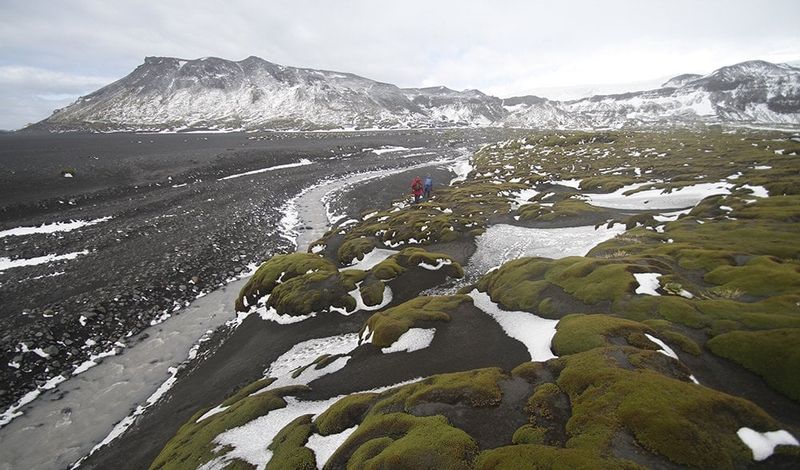
Sitting in some of the world’s most brutal ocean waters between Australia and Antarctica, Heard Island and the McDonald Islands are among the most isolated places on the planet. Active volcanoes and fierce storms make them extraordinarily difficult to even reach.
Australia has designated these islands as strictly protected nature reserves. Visitors are essentially banned to preserve the untouched wildlife colonies living there, including penguins and seals that have never learned to fear humans.
9. Poveglia Island, Italy
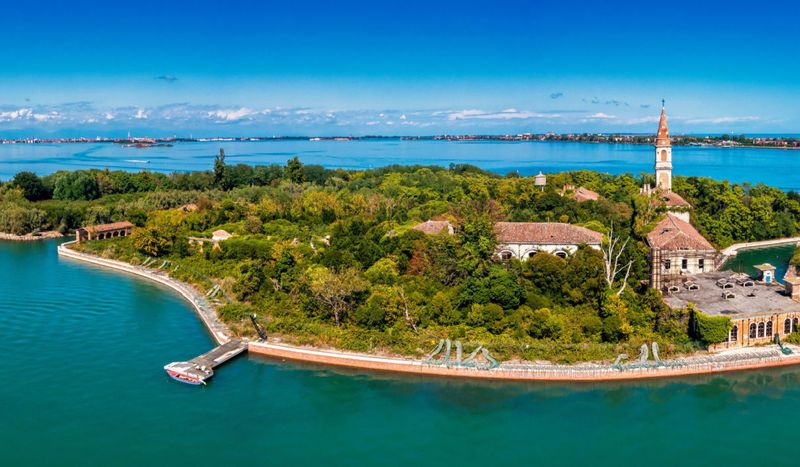
Poveglia Island floats quietly in the lagoon between Venice and Lido, but its history is anything but peaceful. It served as a dumping ground for plague victims during the Black Death and later housed a mental asylum with a notoriously dark reputation.
The island now sits completely abandoned, with crumbling buildings slowly being swallowed by vegetation. Italy has banned public access, partly for safety reasons and partly due to the island’s deeply unsettling history that has earned it the nickname “Italy’s most haunted island.”
10. Fort Knox, USA (Kentucky)
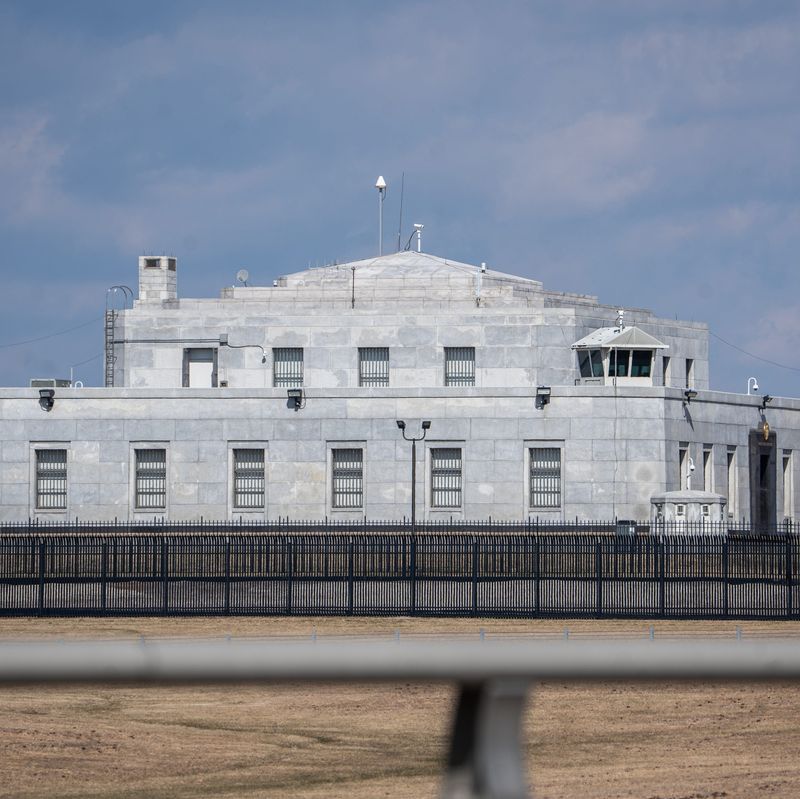
Fort Knox is practically synonymous with impenetrability. The United States Bullion Depository here holds a massive portion of America’s gold reserves, stacked in heavy gold bars behind walls of granite, steel, and concrete built to withstand almost anything.
Armed guards, surveillance cameras, and military patrols make unauthorized entry virtually impossible. Congress members have even been denied tours.
The only people who have ever officially visited were President Franklin D. Roosevelt and a handful of invited guests during World War II.
11. Niihau Island, Hawaii, USA
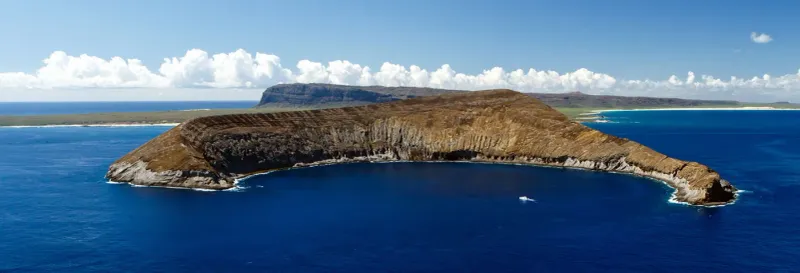
Called “The Forbidden Island” for good reason, Niihau is the smallest inhabited island in Hawaii and has been privately owned by the Robinson family since 1864. They purchased it from the Kingdom of Hawaii for $10,000 and a flock of sheep.
The island maintains a strict no-outsider policy to protect the traditional Native Hawaiian lifestyle of its small resident population. Residents live largely without electricity or running water, keeping ancient customs alive in a way found nowhere else.
12. Mezhgorye, Russia
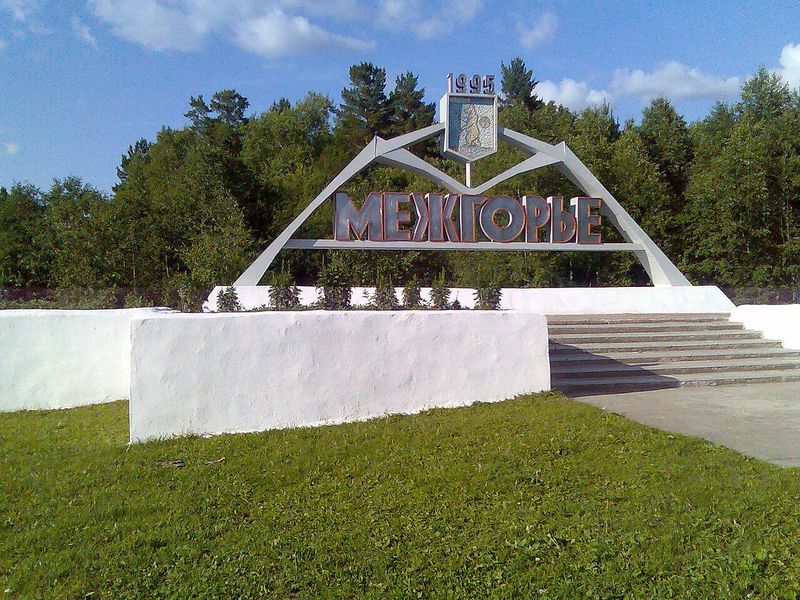
Buried deep in Russia’s Ural Mountains, the closed town of Mezhgorye is one of the country’s best-kept secrets. Outsiders are flatly prohibited from entering without special government authorization, and locals are not exactly encouraged to talk about what goes on there.
Rumors have circulated for years that massive underground bunkers beneath nearby Mount Yamantau could house missile silos or secret government facilities. Russia has never officially confirmed or denied these claims, which only makes Mezhgorye more intriguing to the outside world.
13. Cheyenne Mountain Complex, USA (Colorado)
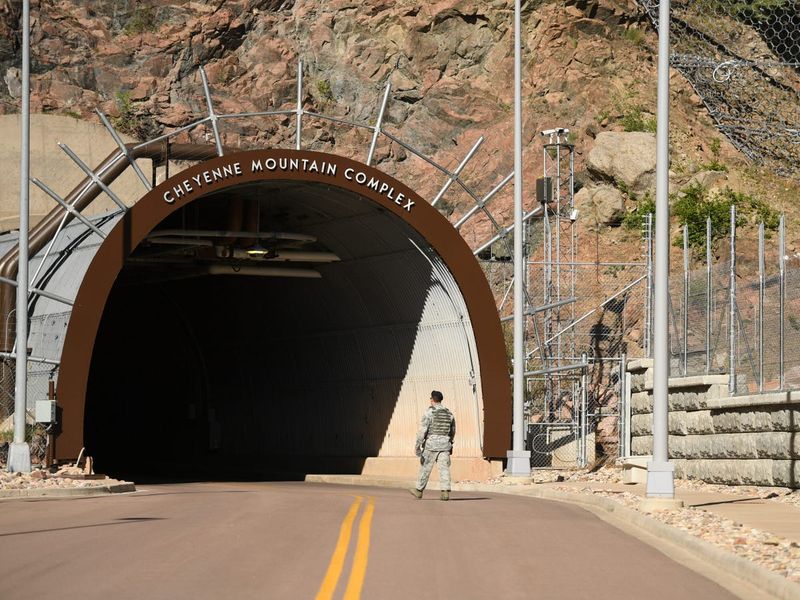
Carved directly into the granite heart of Cheyenne Mountain in Colorado, this Cold War-era bunker was built to survive a nuclear attack. For decades, it served as the nerve center for North American air defense, tracking every aircraft and missile on the continent.
Though its primary role has shifted over the years, it remains an active and heavily secured military facility. Civilians are not allowed anywhere near it, and its thick mountain walls and blast-proof doors mean it is built to keep people both out and in.
14. Room 39, North Korea
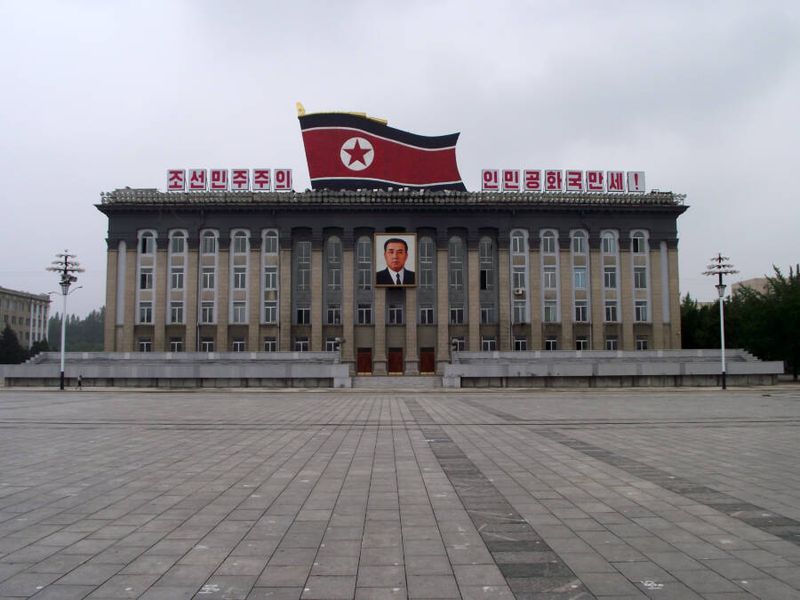
Room 39 may sound like a hotel suite, but it is actually one of North Korea’s most shadowy and feared government operations. Believed to be located inside the Workers’ Party building in Pyongyang, it reportedly runs a network of secret businesses to generate cash for the country’s leadership.
Outsiders have zero chance of learning what truly happens inside. North Korea’s extreme secrecy means that even basic information about Room 39 is scarce, pieced together mostly from defector accounts and intelligence reports.
15. Plum Island Animal Disease Center, USA (New York)
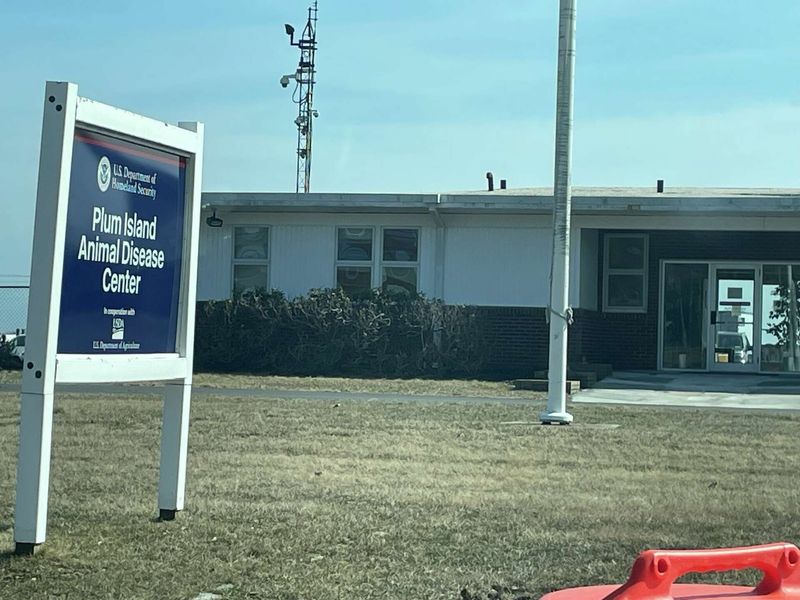
Just off the tip of Long Island sits Plum Island, home to a high-security federal laboratory dedicated to studying some of the most contagious and dangerous livestock diseases known to science. The entire island operates as a biological containment zone.
Public access is completely banned to prevent any risk of a disease outbreak reaching the mainland. For years, conspiracy theories have swirled about what else might be studied there, making it one of the most whispered-about restricted facilities in the United States.
16. Mount Weather, USA (Virginia)
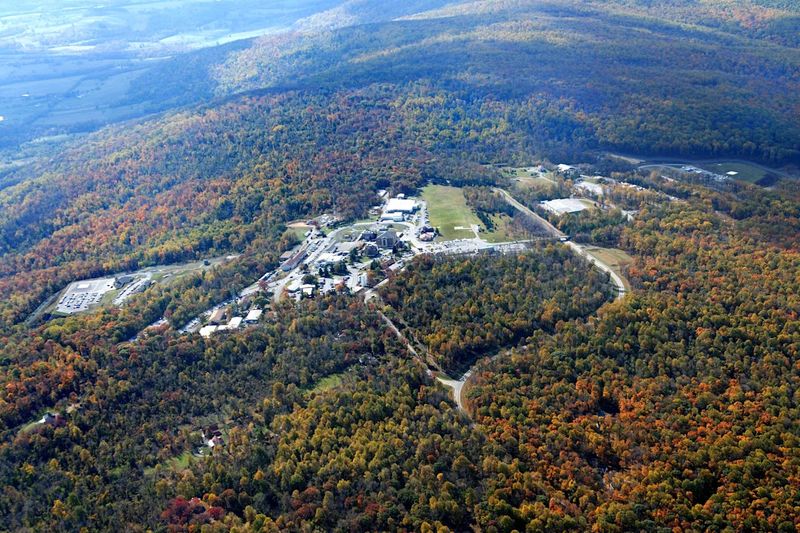
Just about an hour’s drive from Washington, D.C., Mount Weather hides one of the U.S. government’s most important emergency facilities deep underground. Operated by FEMA, it is designed to house top government officials if a catastrophic disaster ever strikes the nation’s capital.
The facility remains completely off-limits to ordinary citizens and is rarely discussed in official communications. Its existence was largely unknown to the public until a plane crashed nearby in 1974, accidentally drawing attention to this carefully hidden bunker.
17. Tomb of Qin Shi Huang, China
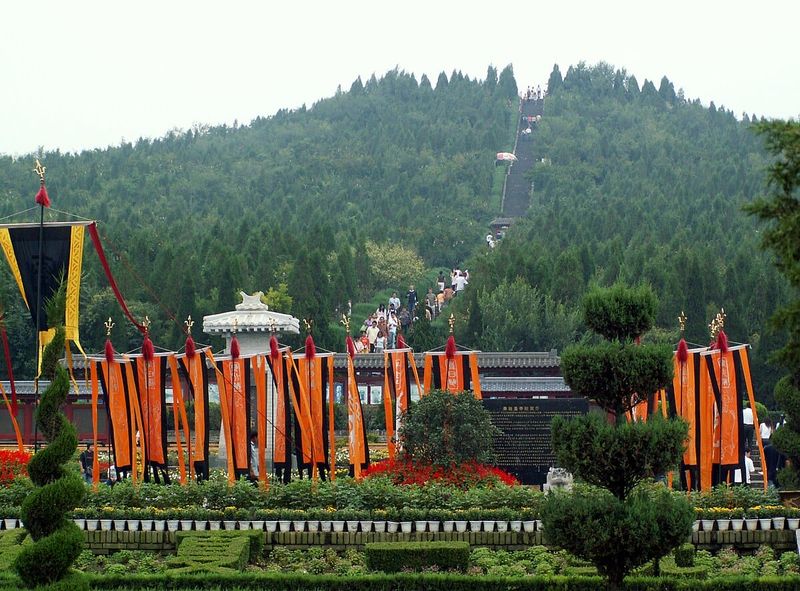
Buried beneath a massive pyramid-shaped mound in China’s Shaanxi Province, the tomb of Emperor Qin Shi Huang has sat sealed for over 2,200 years. Ancient texts describe rivers of mercury flowing through an elaborate underground palace filled with treasures beyond imagination.
The Chinese government has chosen not to excavate it, citing deep respect for the site and concerns about preserving whatever lies inside. Modern scans have confirmed unusual mercury levels underground, suggesting the ancient descriptions may not be as exaggerated as once thought.