
Fruit is often seen as a healthy snack, but some fruits can cause your blood sugar to spike much faster than others. For people managing diabetes or trying to keep their energy levels steady, knowing which fruits to watch out for really matters.
The natural sugars found in certain fruits can hit your bloodstream quickly, leaving you feeling a crash not long after. Understanding which fruits to enjoy in smaller portions can help you make smarter choices every day.
1. Watermelon
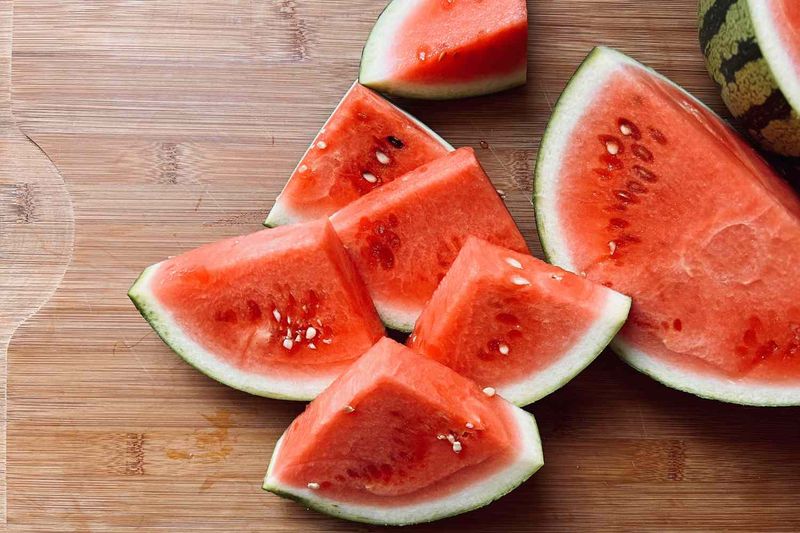
Watermelon feels like pure summer in every bite, but its high glycemic index of around 72 means it pushes blood sugar up surprisingly fast. Most of the carbohydrates in watermelon are simple sugars that absorb quickly.
The good news is that watermelon has a low glycemic load because a typical serving is mostly water. Still, eating large amounts can add up.
Keep portions to about one cup to enjoy the sweetness without the spike.
2. Dates
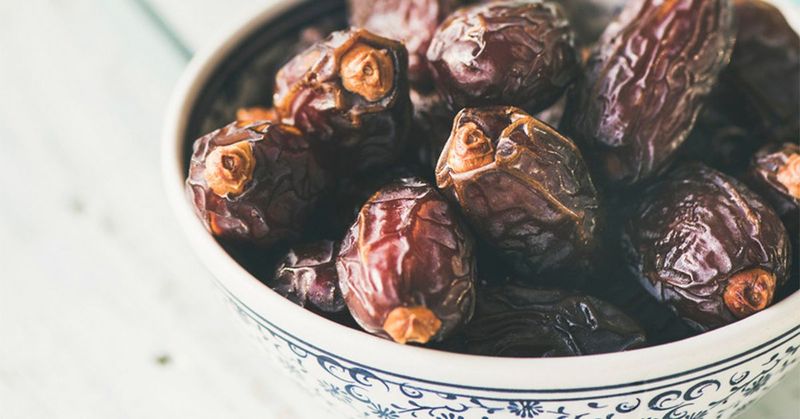
Dates are nature’s candy, and that comparison is not far off when you look at their sugar content. A single Medjool date contains about 18 grams of sugar, and eating just a few can send blood sugar climbing quickly.
Many people reach for dates as a “natural” sweetener, thinking they are a safe swap. While they do offer fiber and minerals, moderation is key.
Limiting yourself to one or two dates at a time is a smart approach.
3. Pineapple
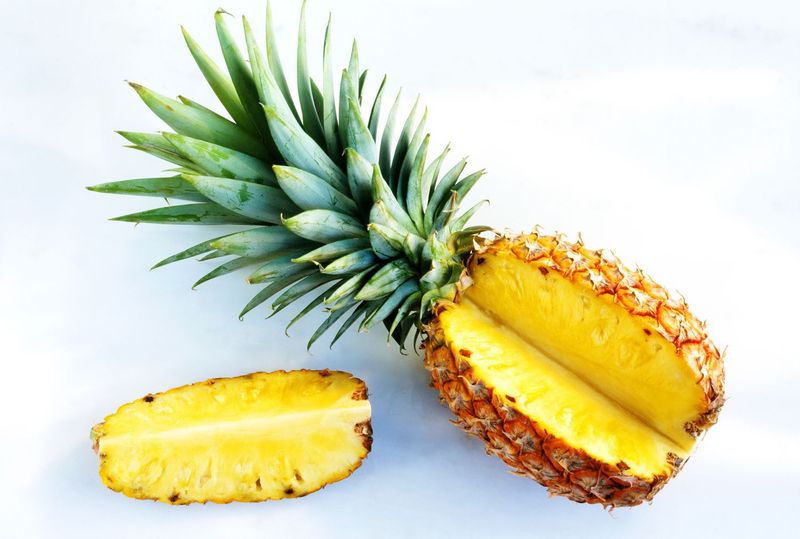
Pineapple brings a tropical punch to any meal, but its glycemic index sits around 59, which is solidly in the medium-to-high range. The natural sugars in pineapple, especially fructose and glucose, absorb fairly quickly after eating.
Grilling pineapple actually increases its sweetness as the heat breaks down more starches into sugar. Pairing it with a protein like Greek yogurt can help slow the sugar absorption.
A half-cup serving is a reasonable portion for most people.
4. Mango
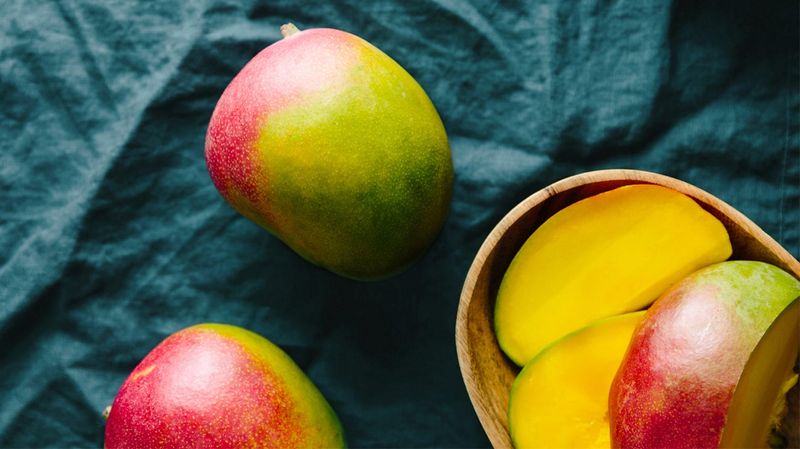
Known as the king of fruits in many parts of the world, mango is absolutely delicious but loaded with natural sugars. One cup of mango contains around 23 grams of sugar, which can cause a noticeable blood sugar rise.
Mangoes are also high in carbohydrates, with most of that coming from sugars rather than fiber. Enjoying a smaller portion, like a half cup, and pairing it with nuts or cheese can help blunt the spike and keep things balanced.
5. Grapes

Grapes are easy to snack on mindlessly because they are small and pop right into your mouth, but that ease comes with a catch. A single cup of grapes packs about 23 grams of sugar, and their glycemic index is moderate enough to cause a real spike.
Because they are small, it is very easy to eat far more than a single serving without realizing it. Measuring out a half-cup portion and eating slowly can help you enjoy grapes without overdoing the sugar.
6. Banana
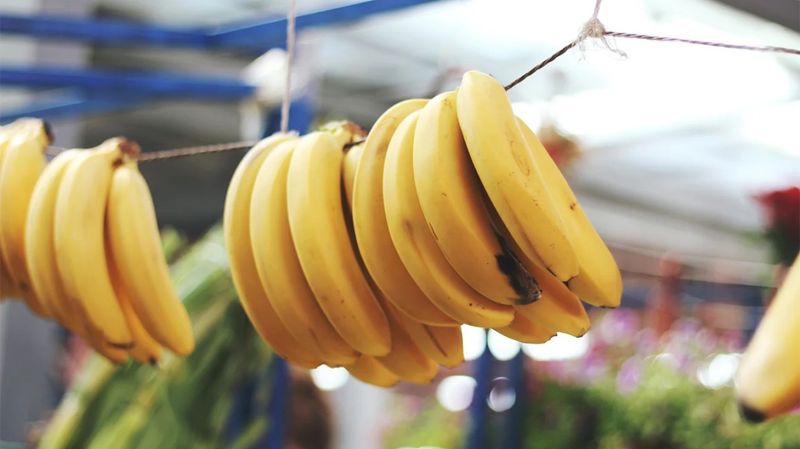
Bananas are one of the most popular fruits in the world, but a ripe banana can have a glycemic index as high as 62. The riper the banana, the more its starch has converted to simple sugars that digest rapidly.
A medium banana has about 27 grams of carbohydrates, most of which are sugars. Choosing a slightly underripe banana lowers the glycemic impact because resistant starch digests more slowly.
Pairing half a banana with peanut butter is a smart, balanced snack.
7. Lychee
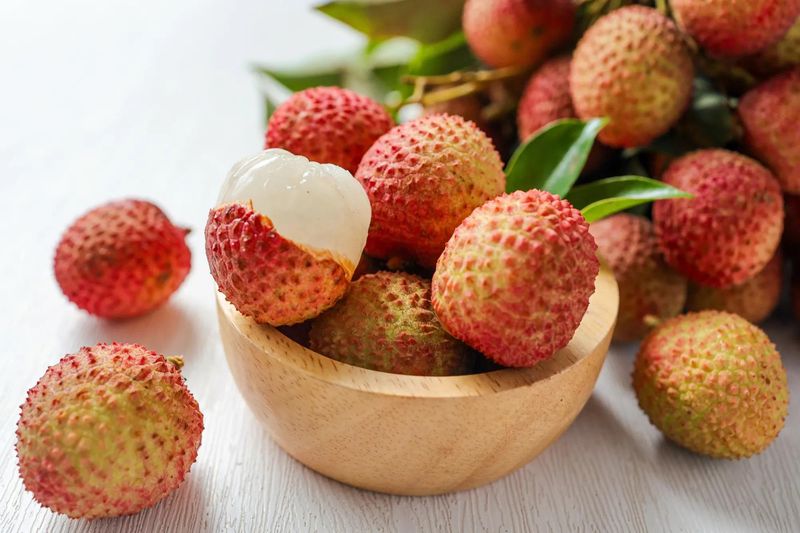
Lychee might not be the first fruit you think of when worrying about blood sugar, but it deserves attention. These small tropical fruits are surprisingly sweet, with about 16 grams of sugar per 100 grams of fruit.
Their glycemic index is estimated to be around 50 to 79 depending on ripeness, which puts them firmly in the concerning range. Because lychees are small and sweet, people often eat many at once.
Sticking to five or six at a time is a reasonable limit.
8. Cherries (Sweet Varieties)
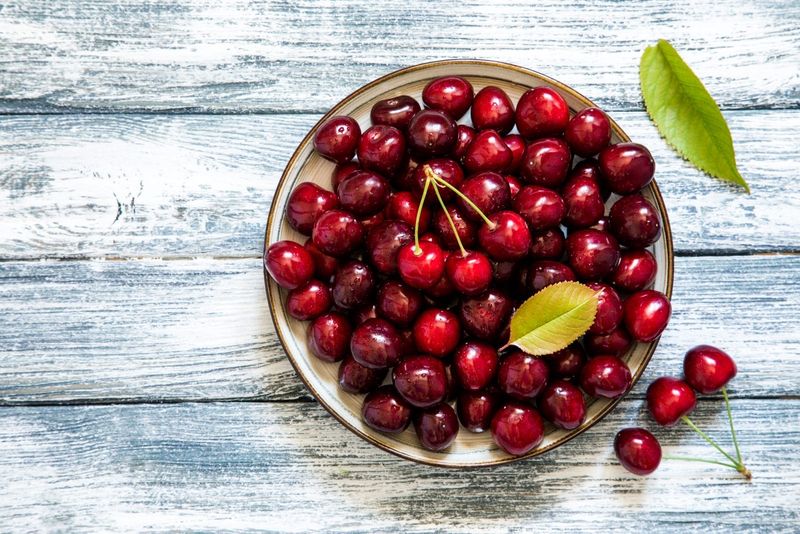
Sweet cherries are a summer treat that many people love, but they carry a higher sugar load than their tart cousins. A cup of sweet cherries contains around 20 grams of sugar, and their glycemic index is higher than tart cherries.
Tart cherries are actually a better choice for blood sugar management because they have more fiber and a lower GI. If you prefer sweet cherries, aim for about ten to twelve at a time.
Eating them with a handful of almonds can slow the sugar release.
9. Figs
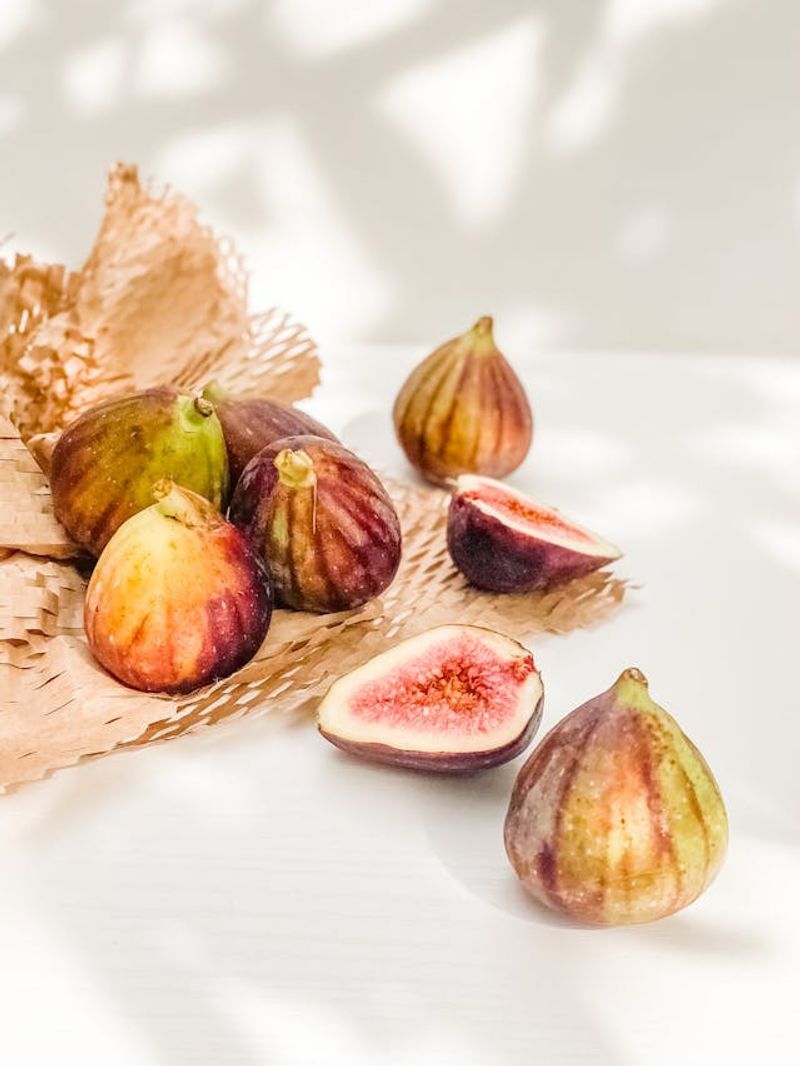
Figs have a rich, honey-like sweetness that makes them feel indulgent, and nutritionally, they kind of are. Fresh figs have a glycemic index of around 61, while dried figs are even more concentrated in sugar and can spike blood sugar quite fast.
Each fresh fig has about 8 grams of sugar, so eating three or four adds up quickly. They do offer some fiber, which helps a little.
Pairing figs with ricotta cheese or walnuts creates a more balanced snack that softens the blood sugar response.
10. Cantaloupe
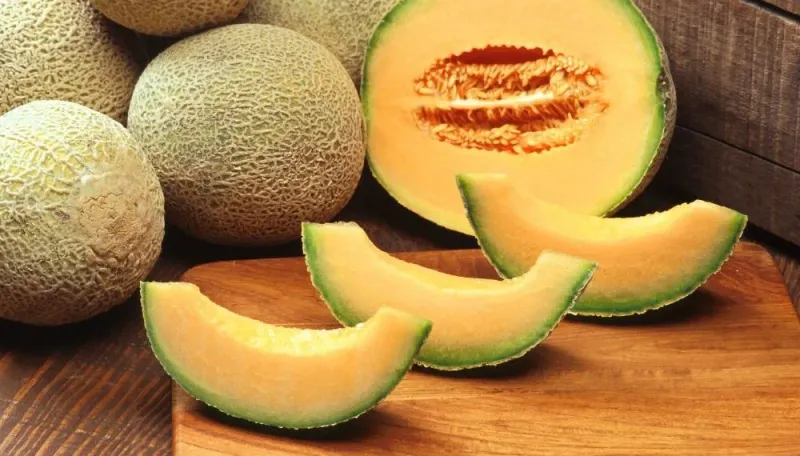
Cantaloupe has a glycemic index of around 65, putting it in the high range, though its glycemic load per serving is moderate because of its high water content. Still, eating a large bowl of cantaloupe can push blood sugar up noticeably.
The bright orange color signals high beta-carotene, which is great for your eyes and skin. But the natural sugars are plentiful.
Keeping your serving to about one cup and enjoying it alongside some cottage cheese helps balance the meal and slow sugar absorption.
11. Papaya
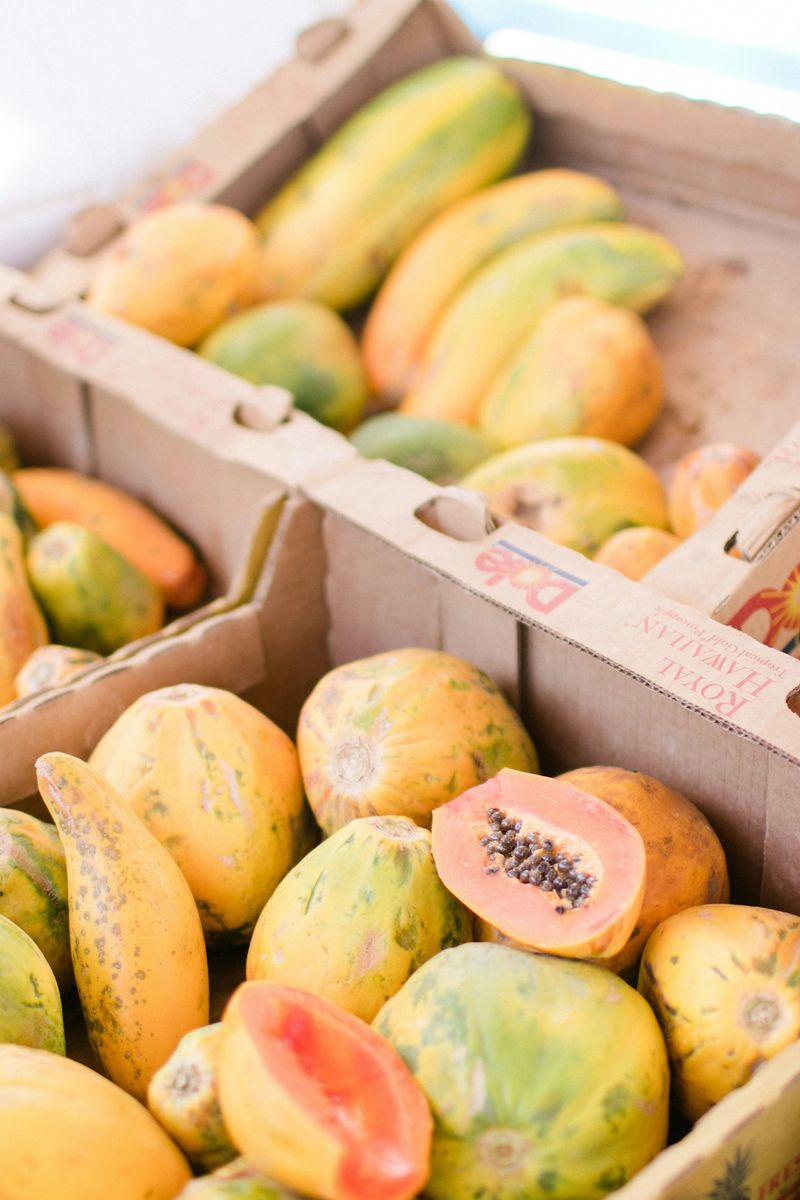
Papaya is a digestive superstar thanks to its enzyme papain, but its glycemic index of around 60 means it can move blood sugar up faster than expected. A cup of papaya has roughly 11 grams of sugar.
Many people eat papaya in large portions at breakfast, which can lead to a significant blood sugar rise in the morning when the body is already more sensitive to glucose. A half-cup portion paired with some protein, like eggs or Greek yogurt, makes for a smarter start to the day.
12. Raisins
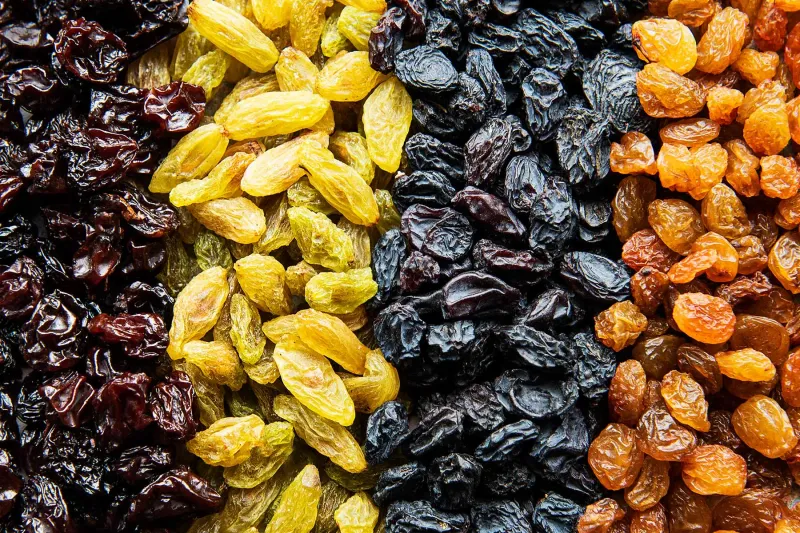
Raisins are just dried grapes, but the drying process concentrates all the sugars into a tiny package. A quarter cup of raisins contains about 29 grams of sugar and has a glycemic index of around 64.
Because they are small and easy to grab by the handful, it is very common to eat much more than a serving without thinking. Many people add them to oatmeal or trail mix assuming they are a healthy choice.
Limiting raisins to a small sprinkle rather than a full scoop helps keep blood sugar in check.
13. Overripe Plantains
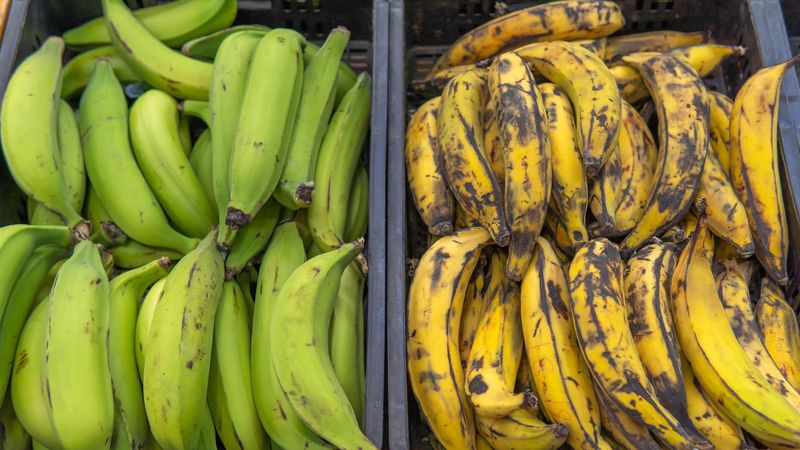
Plantains are a staple food in many cultures, but once they ripen to that black-yellow stage, their starch has almost fully converted to simple sugars. At this point, their glycemic index can climb well above 70.
Fried sweet plantains, a popular dish in Latin American and Caribbean cooking, combine high sugar content with fat, which slows but does not eliminate the blood sugar impact. Green plantains behave very differently and are much gentler on blood sugar.
Choosing less-ripe plantains is a straightforward way to manage the effect.
14. Jackfruit
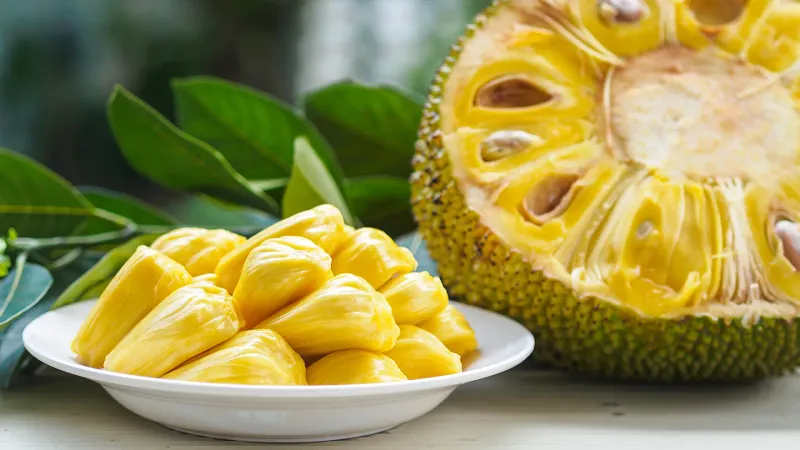
Jackfruit has become popular as a meat substitute, but the ripe fruit version is a different story nutritionally. Ripe jackfruit is quite sweet, with a glycemic index of around 50 to 75, and a cup can contain up to 40 grams of carbohydrates.
Young, unripe jackfruit used in savory dishes is much lower in sugar and is the version that works well as a meat alternative. When buying canned jackfruit, checking the label for added syrups is important.
Ripe jackfruit should be enjoyed in small portions, not as a free-for-all snack.
15. Kumquats
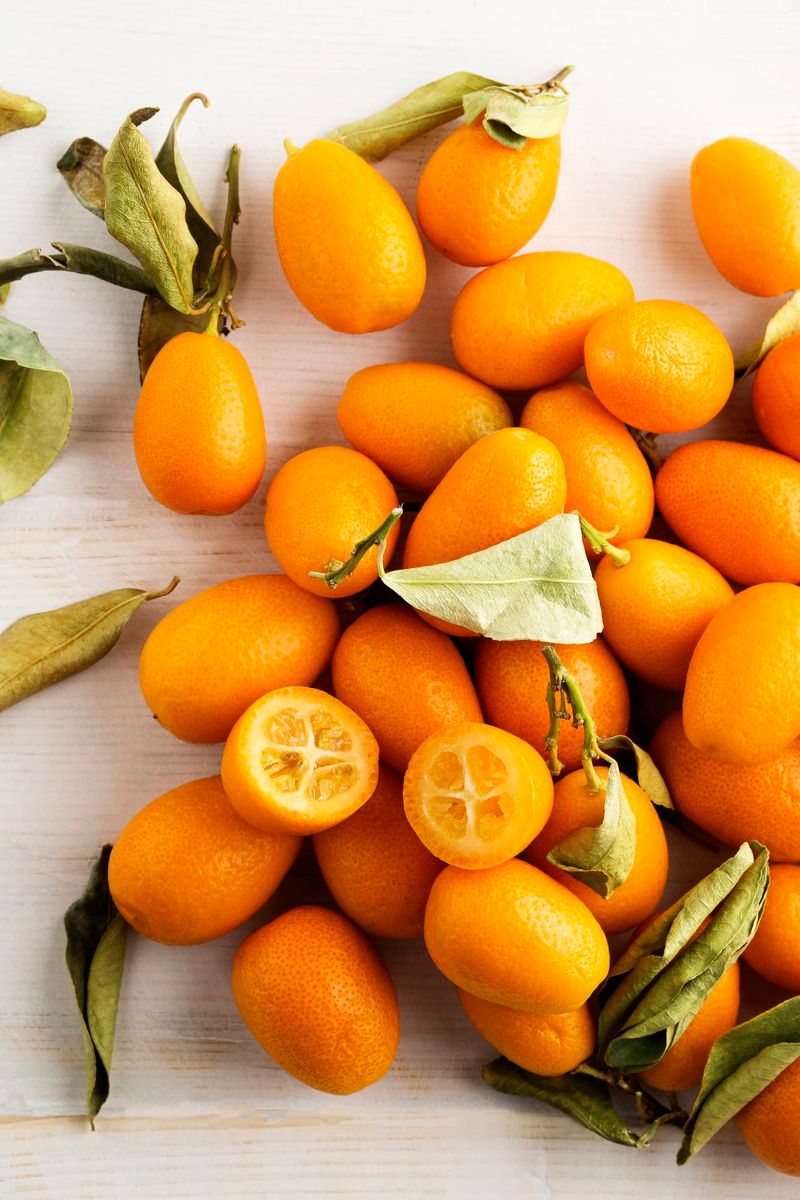
Kumquats look tiny and harmless, but their small size is deceptive when it comes to sugar content. Because you eat the whole fruit, skin and all, people tend to pop several at once, quickly adding up the sugar intake.
About five kumquats contain roughly 13 grams of carbohydrates, with most coming from natural sugars. Their glycemic index is moderate, but the portion trap is real.
Eating just two or three at a time, rather than a whole bowl, keeps the blood sugar impact manageable and still lets you enjoy their bright, tangy flavor.
16. Passion Fruit Juice
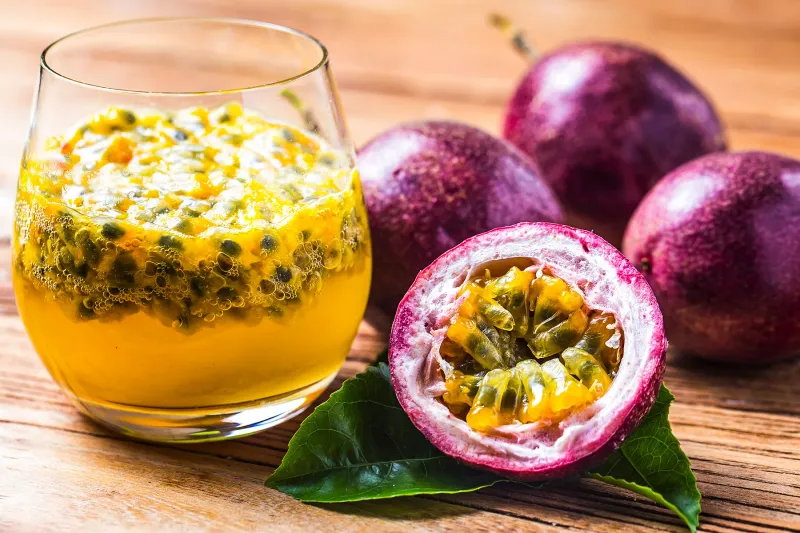
Passion fruit in its whole form is actually decent for blood sugar because of its high fiber content, but passion fruit juice is a completely different situation. Juicing removes the fiber and leaves behind a concentrated sugar liquid.
A single cup of passion fruit juice can have over 30 grams of sugar with almost no fiber to slow it down. Blood sugar can rise quickly after drinking any fruit juice, and passion fruit juice is no exception.
Eating the whole fruit with seeds is always the smarter choice over drinking the juice.
17. Longan
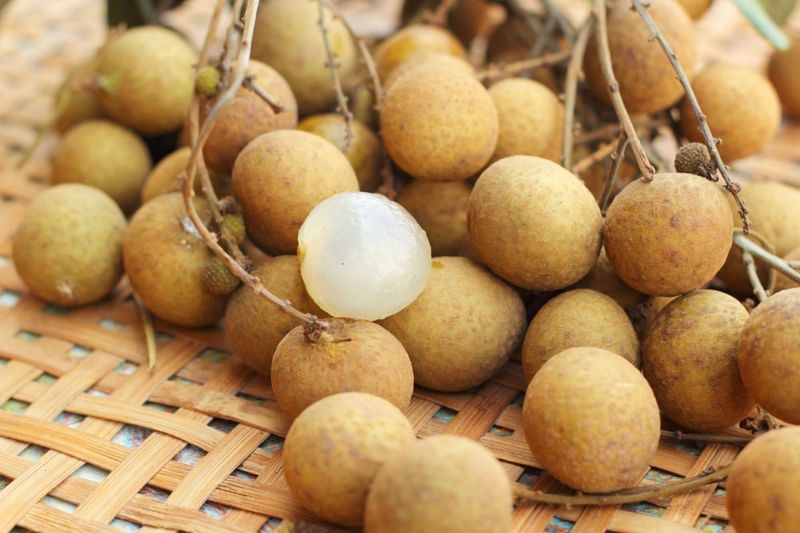
Longan is a small, round tropical fruit popular across Southeast Asia, and its sweetness comes with a real blood sugar cost. Per 100 grams, longan contains about 15 grams of sugar, and its glycemic index can be quite high depending on ripeness.
Like lychee, longan is easy to eat in large quantities because of its small size and intensely sweet flavor. Enjoying a small handful of five to eight fruits is a reasonable portion.
Pairing longan with a protein-rich food helps reduce how quickly the sugar enters the bloodstream.
18. Tangerines and Mandarin Oranges
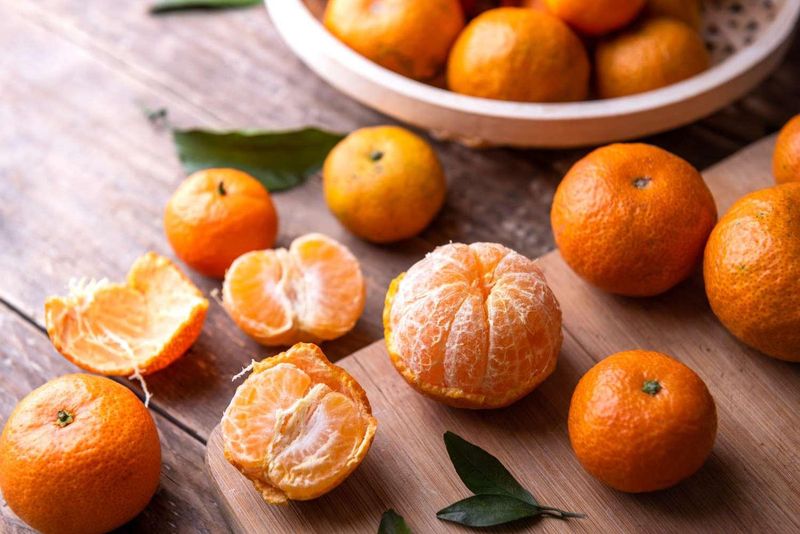
Tangerines and mandarins are easy to love because they are sweet, easy to peel, and feel like a guilt-free snack. However, their natural sugar content is higher than most people realize, with one medium tangerine having about 12 grams of sugar.
Eating two or three in one sitting, which is easy to do, can add up to 30 or more grams of sugar fairly quickly. They are not as bad as some fruits on this list, but portion awareness matters.
One fruit at a time with a small handful of walnuts is a balanced approach.
19. Dried Cranberries
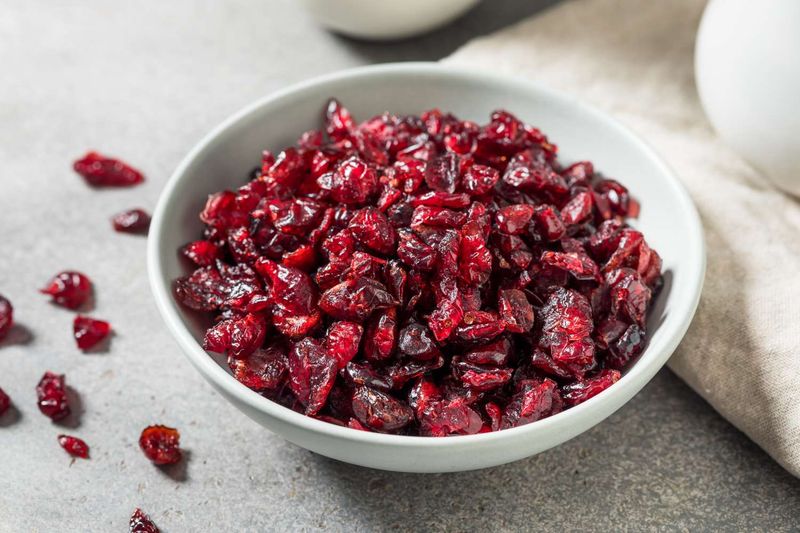
Fresh cranberries are actually very tart and low in sugar, but dried cranberries sold in stores are almost always loaded with added sugar to make them palatable. A quarter cup of sweetened dried cranberries can contain 26 grams of sugar or more.
People frequently toss dried cranberries into salads, trail mix, or oatmeal thinking they are adding a healthy ingredient. The added sugar makes them more like candy than a wholesome fruit.
Checking the nutrition label and choosing unsweetened versions, or using just a small sprinkle, makes a big difference for blood sugar.