
A friendly interview can turn tense when a question hits a personal nerve. Some stars leave, while others face a sudden cutoff or simply refuse to play along.
The headline needs a small correction: not every famous example involved live TV, and some widely shared stories were not walkouts at all. The sections below explain those differences so a dramatic clip does not get mistaken for the full story.
1. Robert Downey Jr. Leaves Personal Questions Behind
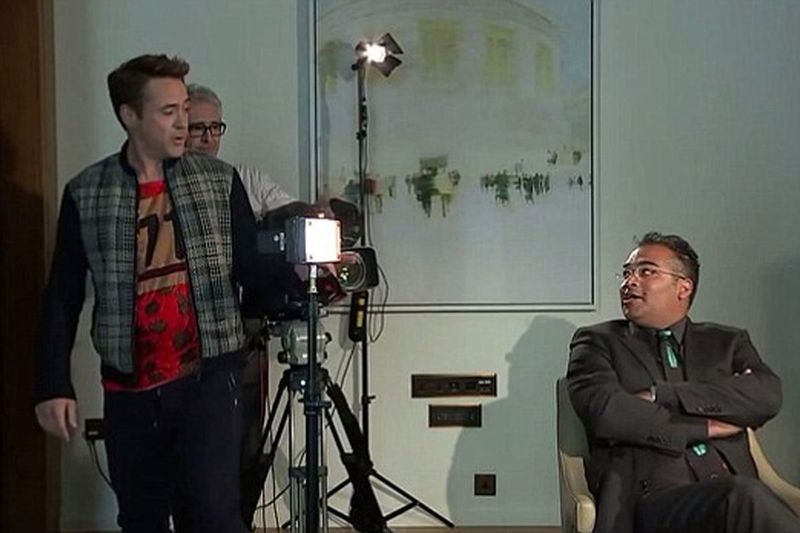
Even Iron Man has limits when a movie chat turns personal. During a recorded 2015 Channel 4 News interview, Krishnan Guru-Murthy asked about Robert Downey Jr.’s past drug use and family history.
Downey questioned the direction of the conversation, then stood up and left. He had been promoting Avengers: Age of Ultron.
The exchange was broadcast later, not a live television walkout, a useful distinction when watching the widely shared clip without its original broadcast context.
2. Adam Driver Refuses to Hear His Own Performance
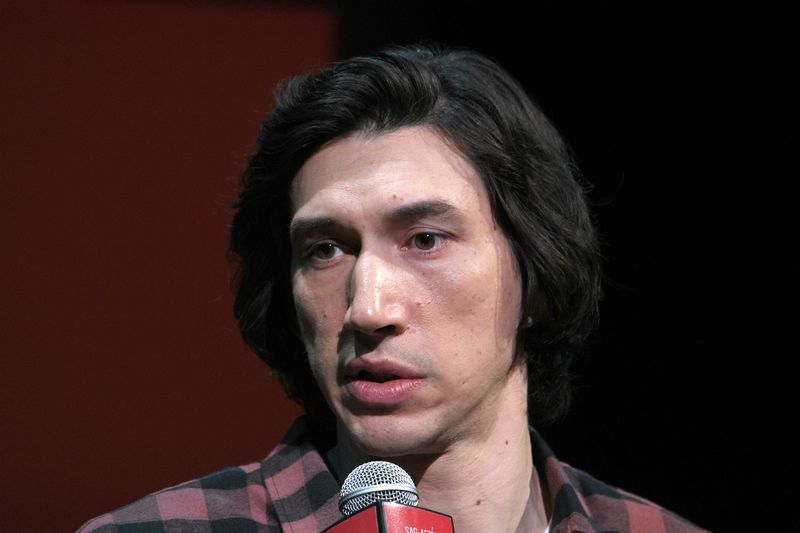
Hearing his own acting is no small matter for this famously private performer. Adam Driver left a 2019 recording of NPR’s Fresh Air when a clip from Marriage Story was played.
The production team knew he disliked listening to his performances and had suggested removing his headphones. He still departed during the playback.
This was a recorded radio interview, not live television, and the reason involved his discomfort with playback rather than an insulting personal question.
3. Joaquin Phoenix Takes a Break From a Difficult Question
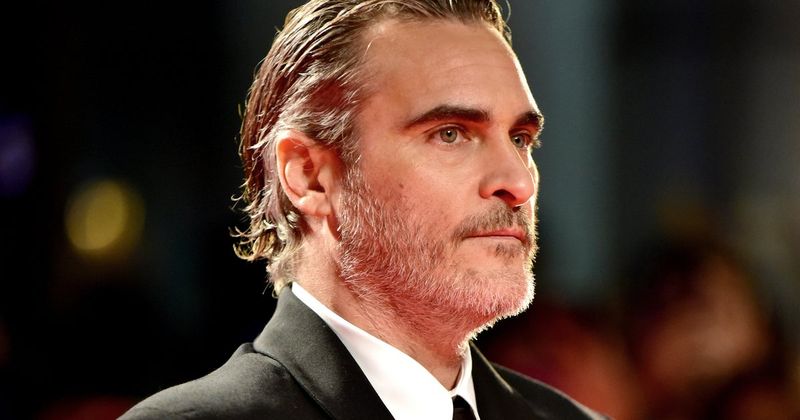
A question about Joker’s possible effect on viewers stopped this conversation cold. In 2019, Telegraph critic Robbie Collin asked Joaquin Phoenix whether the film might inspire real violence.
Phoenix left the room but later returned to continue the discussion. That return matters: he did not permanently abandon the interview.
The exchange was for a newspaper, not a live television broadcast, so it belongs among related interview walkouts rather than confirmed examples matching every word of the headline.
4. Peter Fonda’s Reported Exit Needs Better Evidence
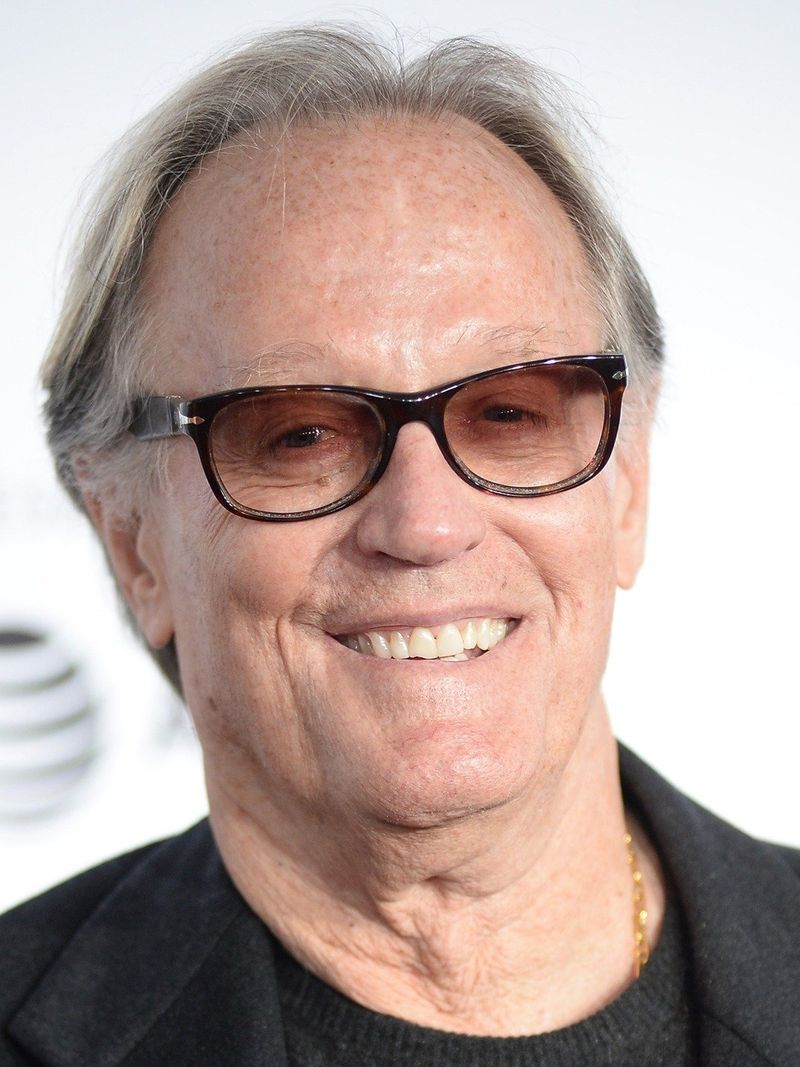
Family questions can overshadow an actor’s own work, but this particular story needs caution. Online lists claim Peter Fonda ended a 2007 Ghost Rider interview after questions about Jane Fonda’s political past.
The supplied material does not establish a clear original recording, interviewer, or broadcast setting. Without those details, calling it a verified live television exit would overstate the evidence.
Readers should treat the account as unconfirmed rather than repeat its most dramatic details as settled fact.
5. Mel Gibson’s Tense Satellite Sign-Off
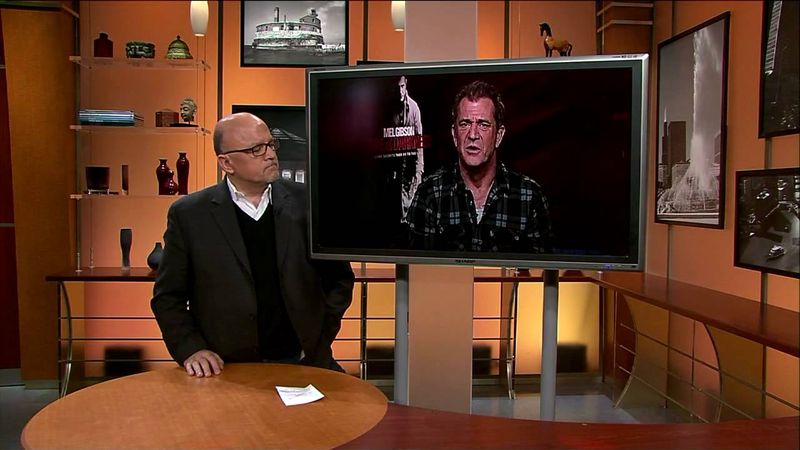
An uncomfortable goodbye made this publicity appearance especially memorable. During a 2010 WGN interview, Dean Richards asked Mel Gibson about past controversy while discussing Edge of Darkness.
Gibson pushed back, saying he had moved on. After the farewell, a microphone caught him using an insult.
The clip supports a tense ending, but not the simple claim that he stormed out halfway through. Watch the full exchange before treating an angry sign-off as an abandoned interview in progress.
6. Robert Pattinson’s Publicist Draws the Line
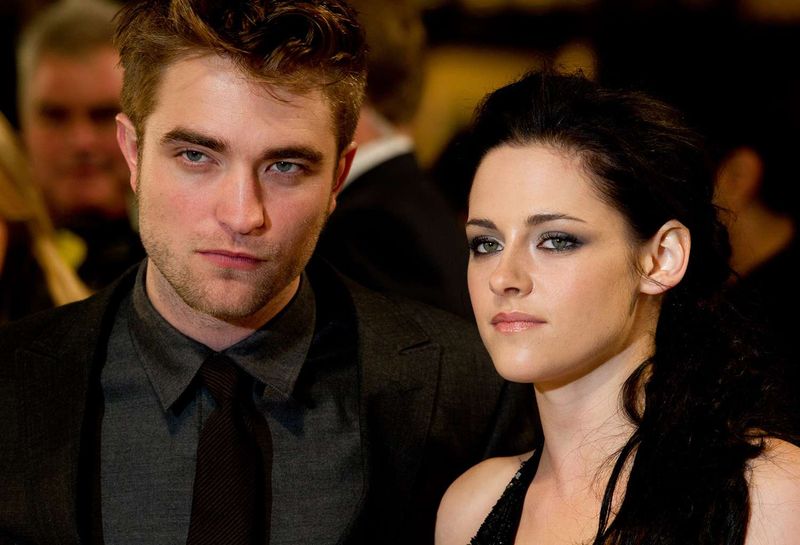
Twilight fans wanted romance news, but the publicity team had other plans. In 2009, Ryan Seacrest asked Robert Pattinson about his rumored relationship with Kristen Stewart during a New Moon promotional appearance.
A publicist intervened and brought the conversation to an end. Pattinson then left the interview area.
This was a radio interview with video footage, not a straightforward live television walkout. It also shows why the person ending an interview is not always the actor alone.
7. Russell Crowe Objects to an Accent Critique
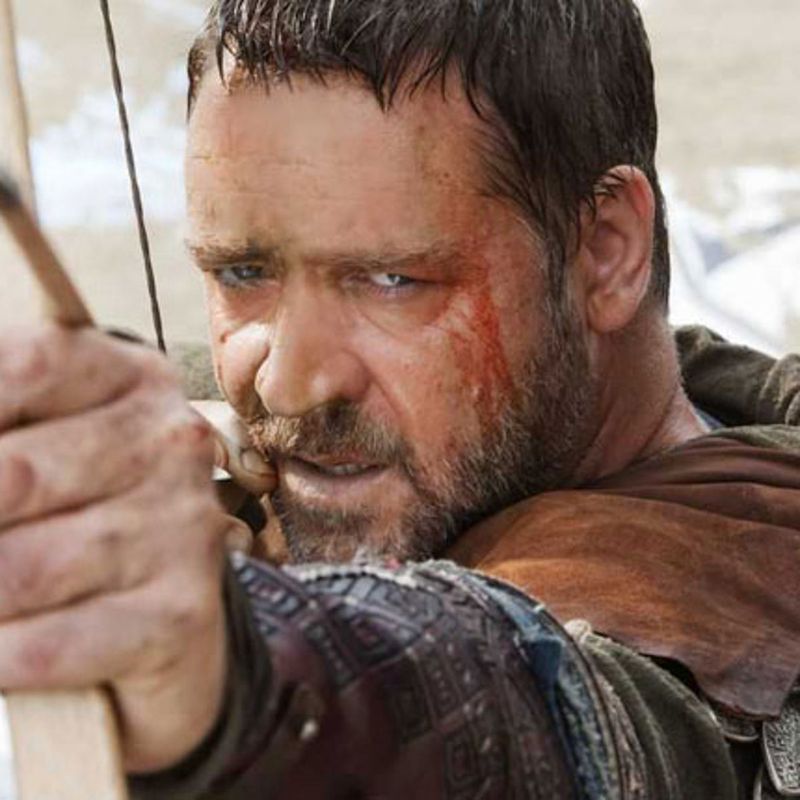
One comment about Robin Hood’s voice was enough to sour the mood. During a 2010 BBC Radio 4 interview, Mark Lawson suggested Russell Crowe’s accent had an Irish sound.
Crowe rejected the suggestion and later left the interview. Reports of the exchange became part of the film’s publicity story.
The essential correction is the medium: this happened on radio, not live TV. It remains a notable example of criticism turning a promotional conversation into a tense encounter.
8. Lily Tomlin Walks Away From a Fellow Guest
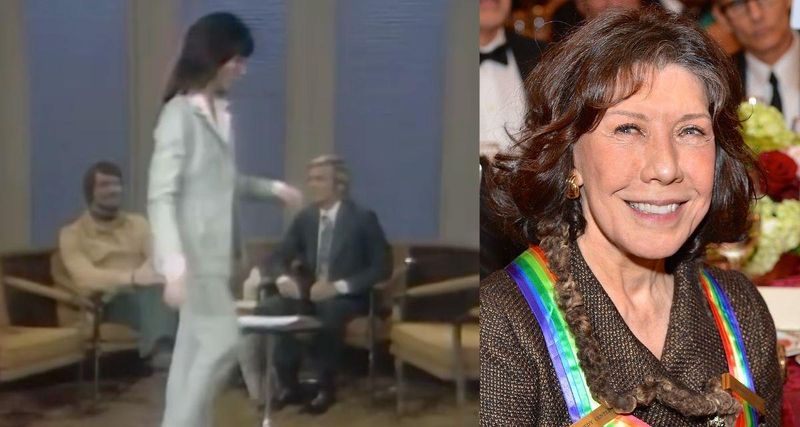
A talk-show couch became an uncomfortable place when another guest described his household. On The Dick Cavett Show in 1972, Chad Everett referred to his wife as his property.
Lily Tomlin challenged the remark and walked off the set. The incident involved a fellow guest’s attitude, not a host probing her private life.
Retellings sometimes muddle the offending comment, so the original exchange is a better guide than summaries that shift its target to Dick Cavett’s wife.
9. Cameron Diaz Defends Drew Barrymore
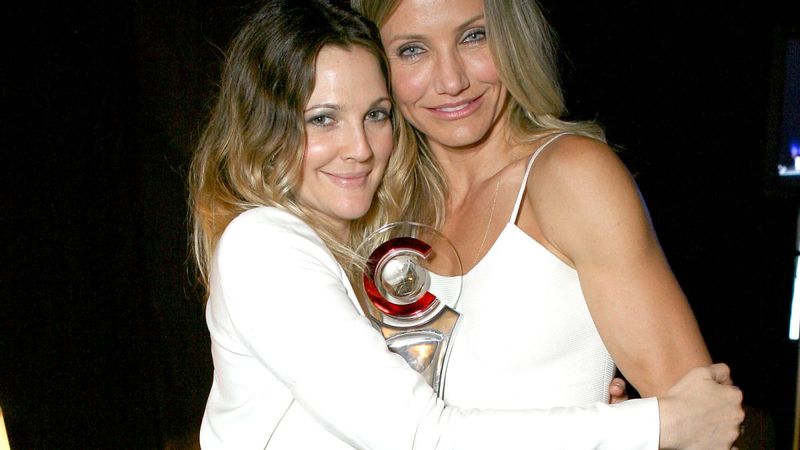
Loyalty to a friend helped derail this movie promotion. During a 2014 Australian radio interview with Kyle Sandilands and Jackie O, Cameron Diaz objected when Drew Barrymore’s troubled childhood came up.
Diaz was promoting Sex Tape alongside Jason Segel. The conversation ended shortly afterward, and reports linked the abrupt finish to the uncomfortable remarks.
Because this was radio, it should not be presented as a live TV exit. The incident is better understood as a disputed promotional boundary.
10. Joan Rivers Rejects a Defensive Interview
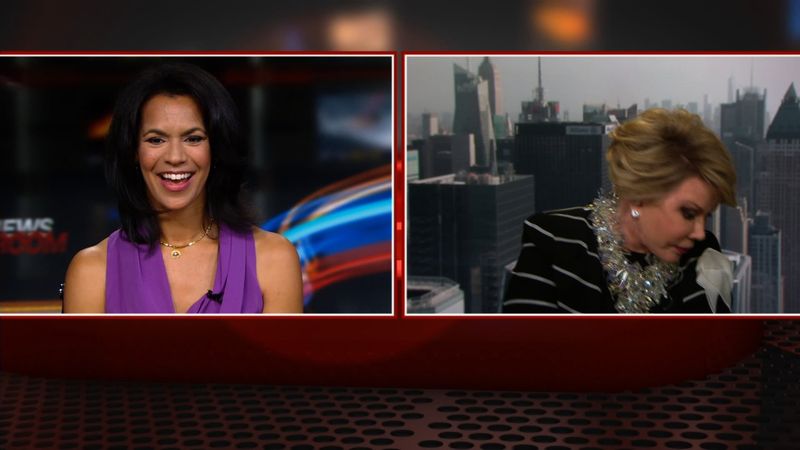
Known for sharp jokes, Joan Rivers did not welcome feeling put on trial. In a 2014 CNN interview, Fredricka Whitfield questioned her comedy and her choice to wear fur.
Rivers said the discussion had become negative, removed her earpiece, and left. She had been promoting her book, Diary of a Mad Diva.
This is a clear televised walkout, although the interview was recorded. Its full context includes several points of friction, not just one comment about meanness.
11. Paris Hilton Leaves After a Fame Question
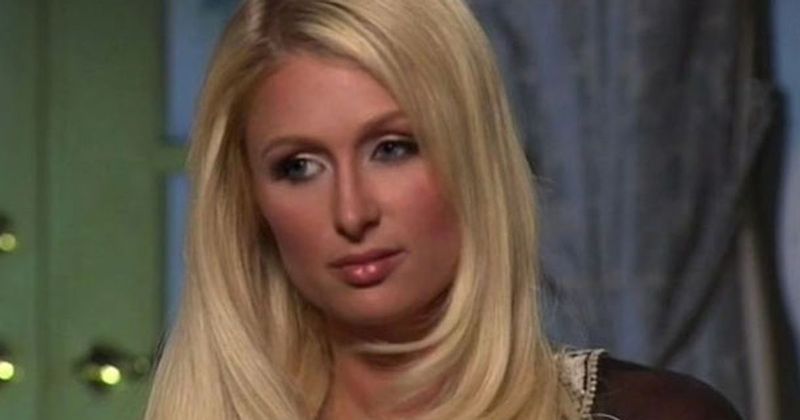
Questions about fading fame hit a nerve during this home interview. In 2011, ABC News correspondent Dan Harris asked Paris Hilton whether her moment had passed.
Hilton walked away from the camera and consulted her publicist before returning to continue. The footage later appeared on Good Morning America.
She has acting credits, but is chiefly known as a media personality. Like several examples here, this was a recorded interview and a temporary exit, not an abandoned live broadcast.
12. Selena Gomez’s Satellite Interview Gets Cut Off
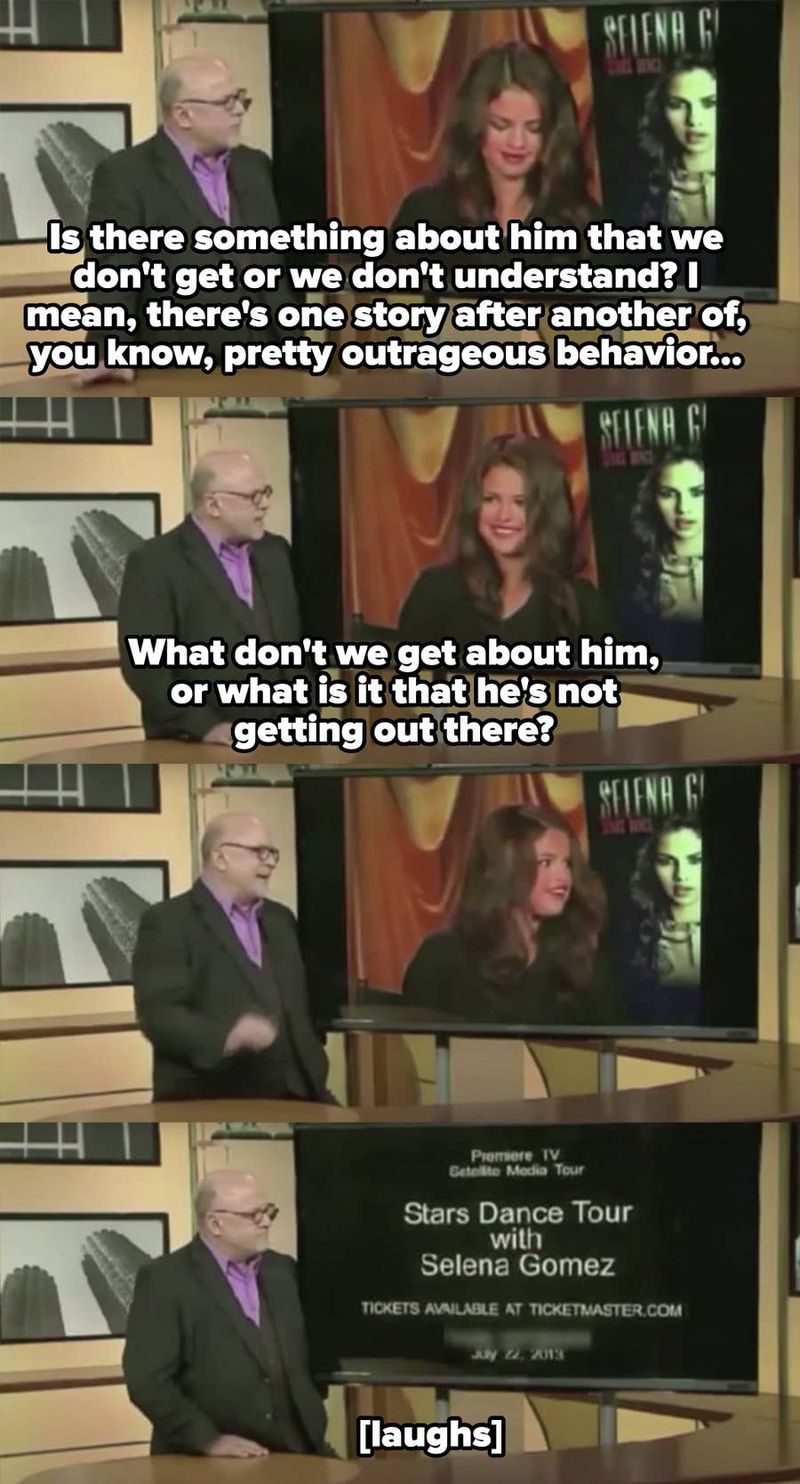
A frozen connection left viewers with more questions than answers. During a 2013 satellite interview with Chicago’s WGN, Dean Richards asked Selena Gomez about Justin Bieber’s recent behavior.
The feed ended before she answered. That timing led to reports that her team had stopped the interview, but the visible footage alone cannot establish who disconnected it.
Describe this as an abrupt cutoff rather than a proven personal walkout. Technical endings and deliberate departures are not automatically the same.
13. Samuel L. Jackson Stays to Correct a Mistake
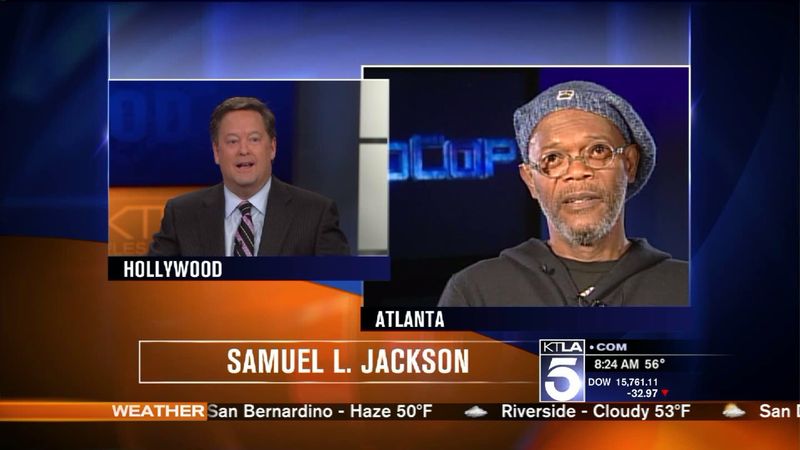
Mistaken identity produced an unforgettable correction, not a walkout. During a 2014 KTLA interview, Sam Rubin confused Samuel L.
Jackson with Laurence Fishburne while asking about a Super Bowl advertisement.
Jackson firmly challenged the mix-up and continued the appearance. His reaction often appears in collections of interviews gone wrong, which can blur the facts.
Including it as an actual sudden exit would be misleading. The lesson is simple: an awkward viral moment does not prove the guest left.
14. Meg Ryan’s Famous Standoff Was Not a Walkout
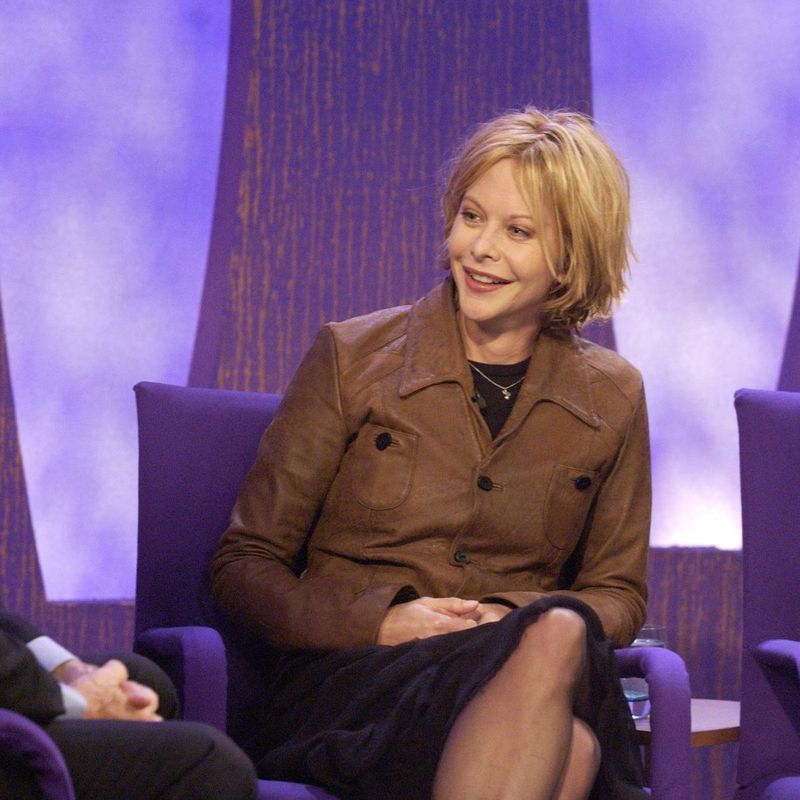
Short answers can make an interview feel as though it has already ended. Meg Ryan’s 2003 appearance with Michael Parkinson became famous for its strained mood during discussion of In the Cut.
However, she did not suddenly walk off the set. The pair continued their uncomfortable exchange, which has been revisited in later commentary.
This is a useful comparison, not a qualifying exit. A guest seeming guarded or irritated is different from that guest actually ending the interview.
15. Jesse Eisenberg’s Awkward Exchange Kept Going
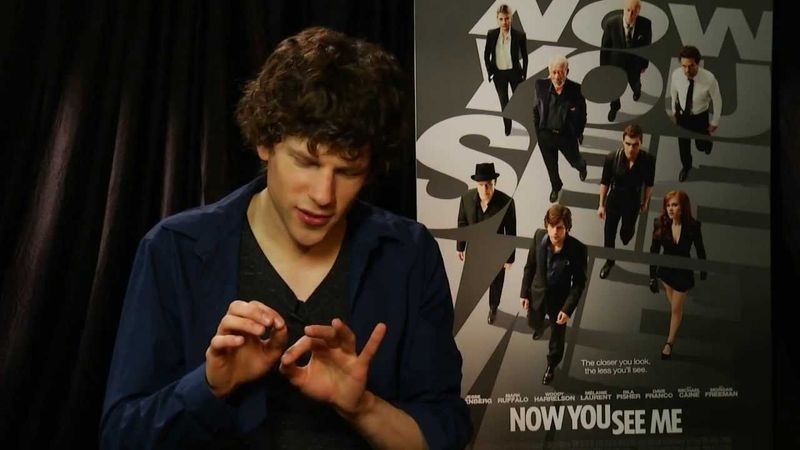
Playful teasing and rude behavior can look different depending on who is watching. A 2013 Now You See Me interview between Jesse Eisenberg and reporter Romina Puga drew attention for its uncomfortable back-and-forth.
The clip became widely discussed, but it does not show Eisenberg suddenly abandoning a live television interview. Their exchange continued through the awkwardness.
It belongs in a discussion of difficult press encounters, not a verified walkout list. Watching beyond a short excerpt helps preserve that distinction.
16. Jim Carrey’s Red-Carpet Detour Was Something Else
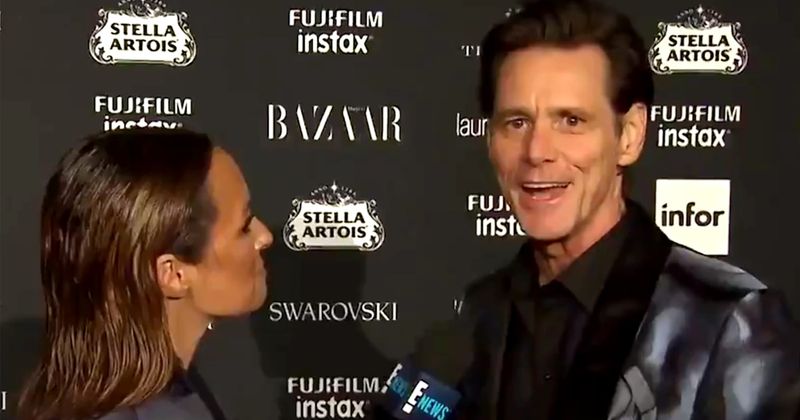
Instead of cheerful fashion talk, viewers heard an unexpected speech about meaning and identity. Jim Carrey surprised E! reporter Catt Sadler during a 2017 New York Fashion Week red-carpet interview.
He questioned the event’s importance and discussed his unusual outlook before moving on. This was a brief event encounter, not clear evidence of an angry live television walkout.
Its odd tone explains its viral life, but an unconventional answer should not be rewritten as a confirmed interview abandonment.