
Getting enough protein every day does not have to be complicated or expensive. Protein helps your body build muscle, stay full longer, and keep your energy up throughout the day.
Whether you are a busy student, a working parent, or just someone trying to eat a little healthier, small swaps and additions can make a huge difference. These simple tricks will help you sneak more protein into meals you already love.
1. Stir Greek Yogurt Into Everything
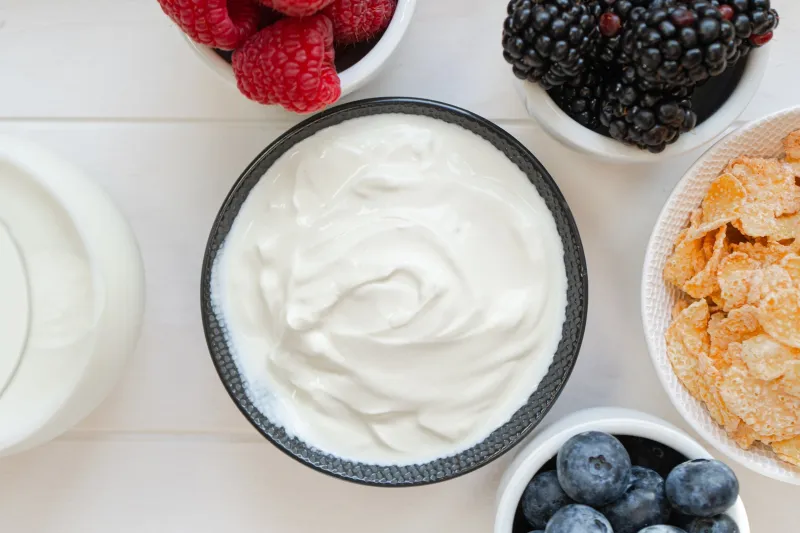
Greek yogurt is one of the sneakiest protein boosters around. With nearly twice the protein of regular yogurt, it blends smoothly into dips, dressings, soups, and even mashed potatoes without changing the flavor much.
Swap out sour cream for Greek yogurt in tacos or baked potatoes. You get a tangy, creamy result plus an extra protein punch.
A single cup can pack around 17 grams of protein, making it a powerhouse worth keeping in your fridge.
2. Crack an Extra Egg Into Your Recipes
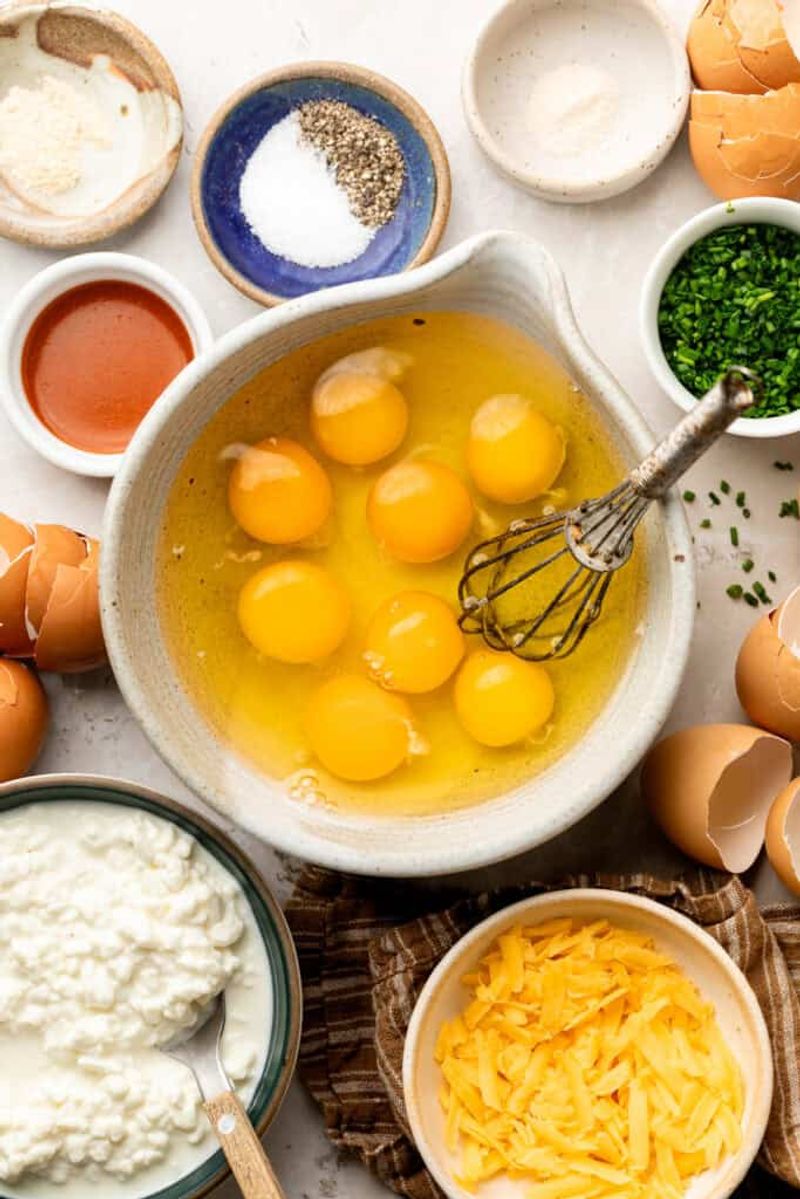
Eggs are one of the most affordable and versatile protein sources on the planet. Each egg delivers about 6 grams of complete protein, meaning it contains all the essential amino acids your body needs.
Adding just one extra egg to your scramble, fried rice, or baked goods is almost effortless. Nobody will notice the difference in taste, but your body will absolutely thank you for the boost.
Eggs also bring healthy fats and vitamins along for the ride.
3. Toss Canned Tuna Into Salads and Pasta
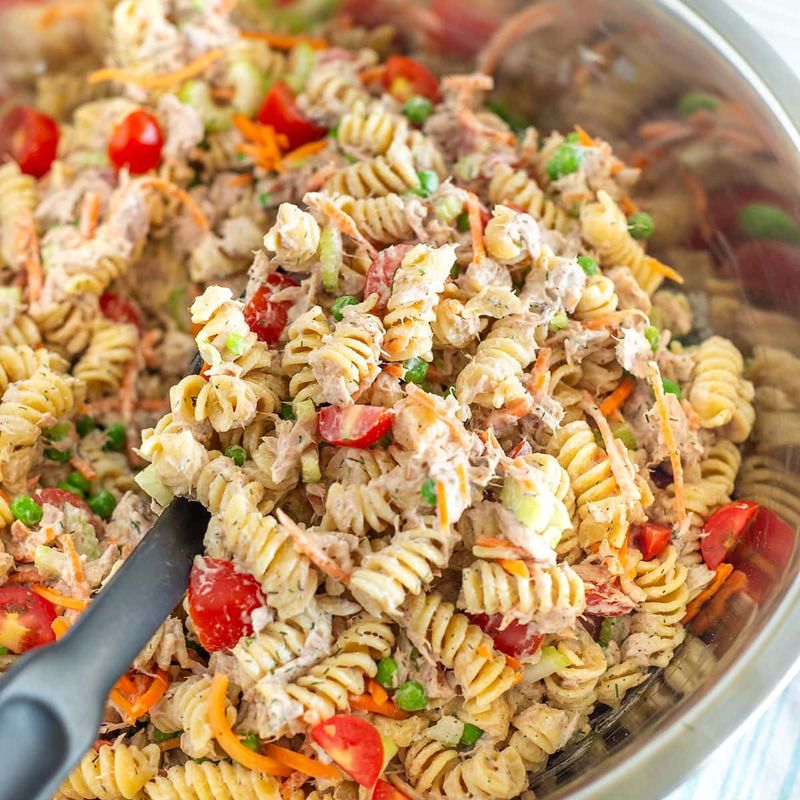
Canned tuna might not sound glamorous, but it is a serious protein champion hiding in plain sight. A single can holds around 25 grams of protein and costs very little compared to fresh fish.
Mix it into pasta, green salads, or even avocado for a quick high-protein meal. The mild flavor pairs well with lemon juice, olive oil, or your favorite dressing.
Keep a few cans stocked in your pantry and you will never be far from a protein-rich meal.
4. Blend Protein Powder Into Smoothies
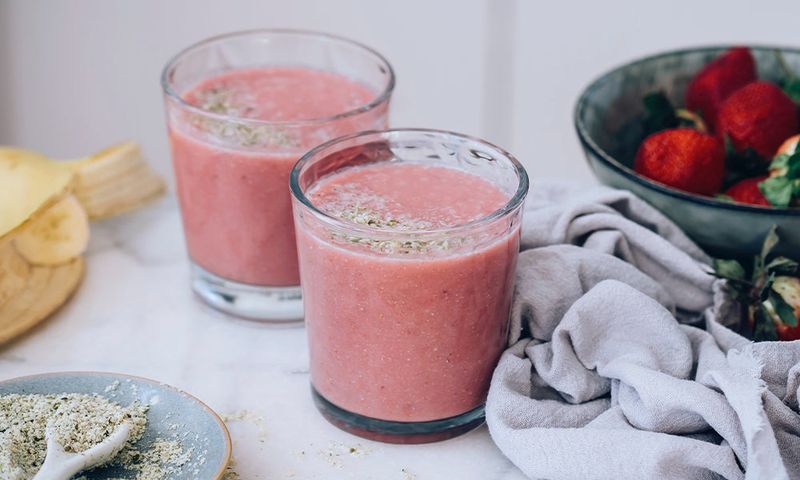
Smoothies are already a popular breakfast or snack, and adding a scoop of protein powder takes them to a whole new level. Most protein powders add 20 to 30 grams of protein without dramatically changing the taste or texture.
Vanilla and unflavored varieties work best because they blend into almost any fruit or veggie combination. Toss in some spinach, frozen banana, and almond milk for a filling, nutritious drink.
It takes about two extra minutes and makes a noticeable difference in how full you feel.
5. Sprinkle Hemp Seeds on Everything
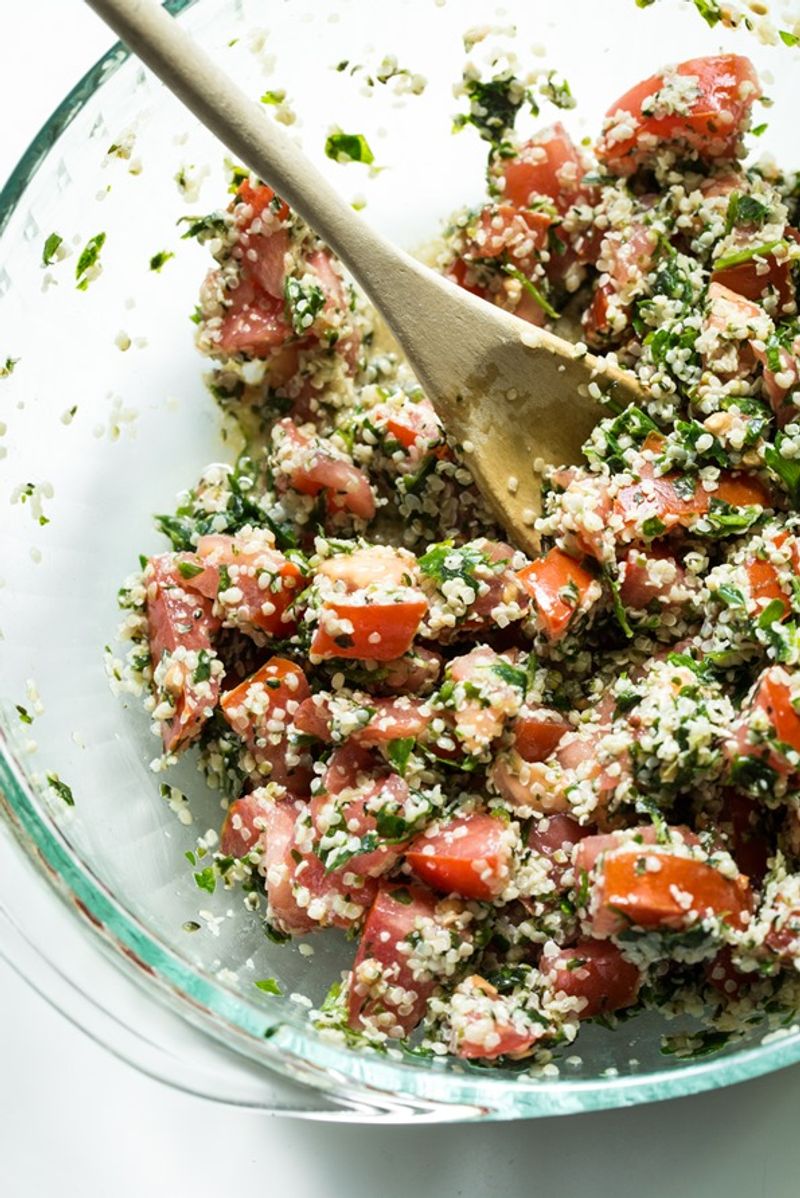
Hemp seeds are tiny but absolutely packed with nutrition. Just three tablespoons deliver around 10 grams of complete protein, plus healthy omega-3 fatty acids that support brain and heart health.
The mild, slightly nutty flavor makes them easy to add to oatmeal, yogurt, salads, or even pasta without anyone noticing. They require zero prep, no cooking, and no special equipment.
Simply keep a bag on your counter and sprinkle them onto whatever you are already eating for an instant protein upgrade.
6. Swap Regular Pasta for Lentil or Chickpea Pasta
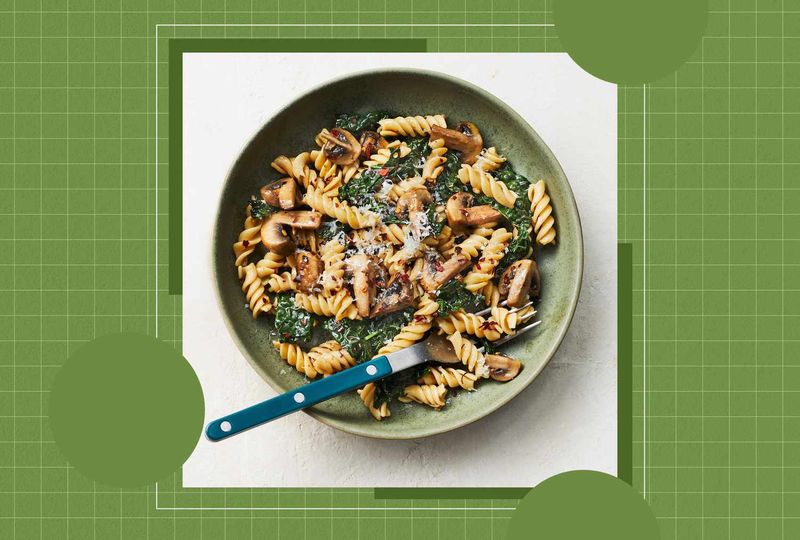
Regular pasta is delicious, but it does not bring much protein to the table. Lentil and chickpea pasta, however, can offer two to three times more protein per serving while still tasting great.
Many people cannot even tell the difference once sauce is added. These alternatives also bring extra fiber, which helps with digestion and keeping you full.
Look for them in the pasta aisle at most grocery stores. Making this one simple swap can seriously upgrade the nutrition of your favorite pasta dishes.
7. Add Cottage Cheese to Savory Dishes
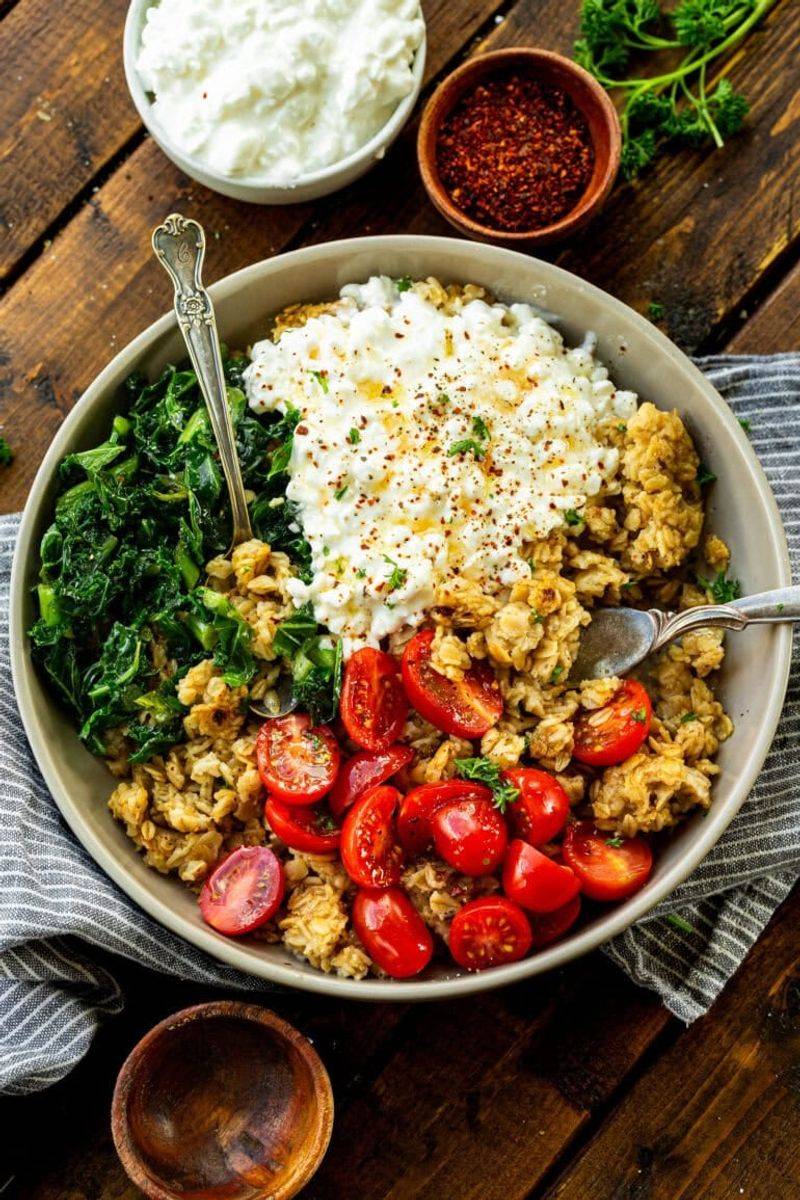
Cottage cheese has had a major comeback lately, and for good reason. It is mild, creamy, and loaded with about 25 grams of protein per cup, making it one of the most protein-dense foods available.
Blend it smooth and use it as a base for pasta sauces, dips, or even pizza topping. Stirred into scrambled eggs, it becomes extra fluffy and rich without added fat.
The texture disappears completely when blended, so even picky eaters will never know it is there.
8. Choose Edamame as Your Go-To Snack
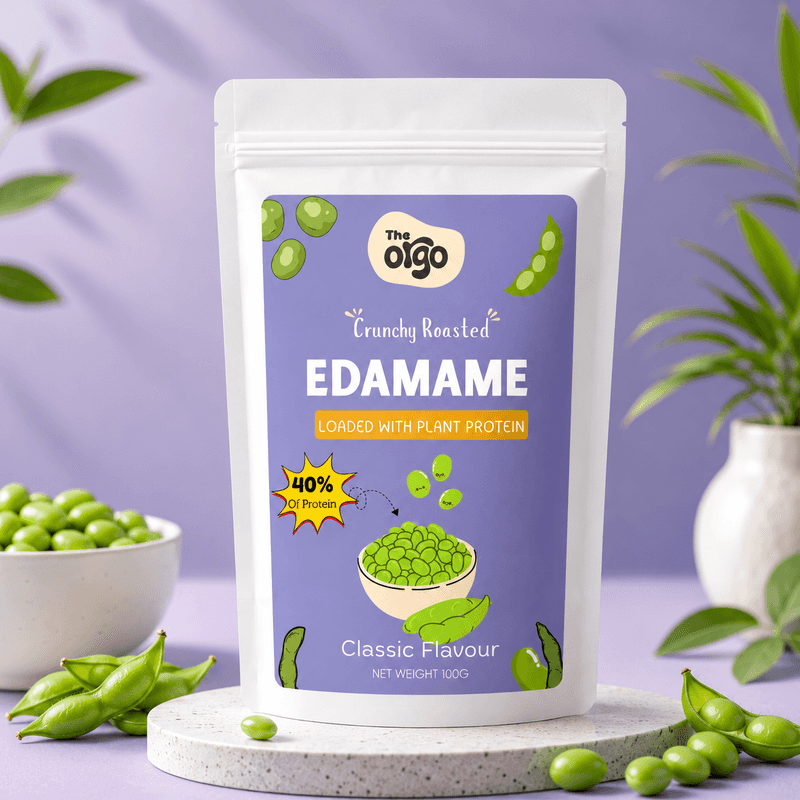
Forget chips and crackers. Edamame is one of the most satisfying snacks you can reach for when hunger strikes between meals.
A single cup of shelled edamame delivers an impressive 17 grams of plant-based protein.
These little green soybeans are also rich in fiber, iron, and calcium. Frozen edamame takes only a few minutes to steam or microwave, making it one of the fastest high-protein snacks around.
Sprinkle with sea salt or a dash of chili flakes for extra flavor.
9. Use Nut Butter More Generously
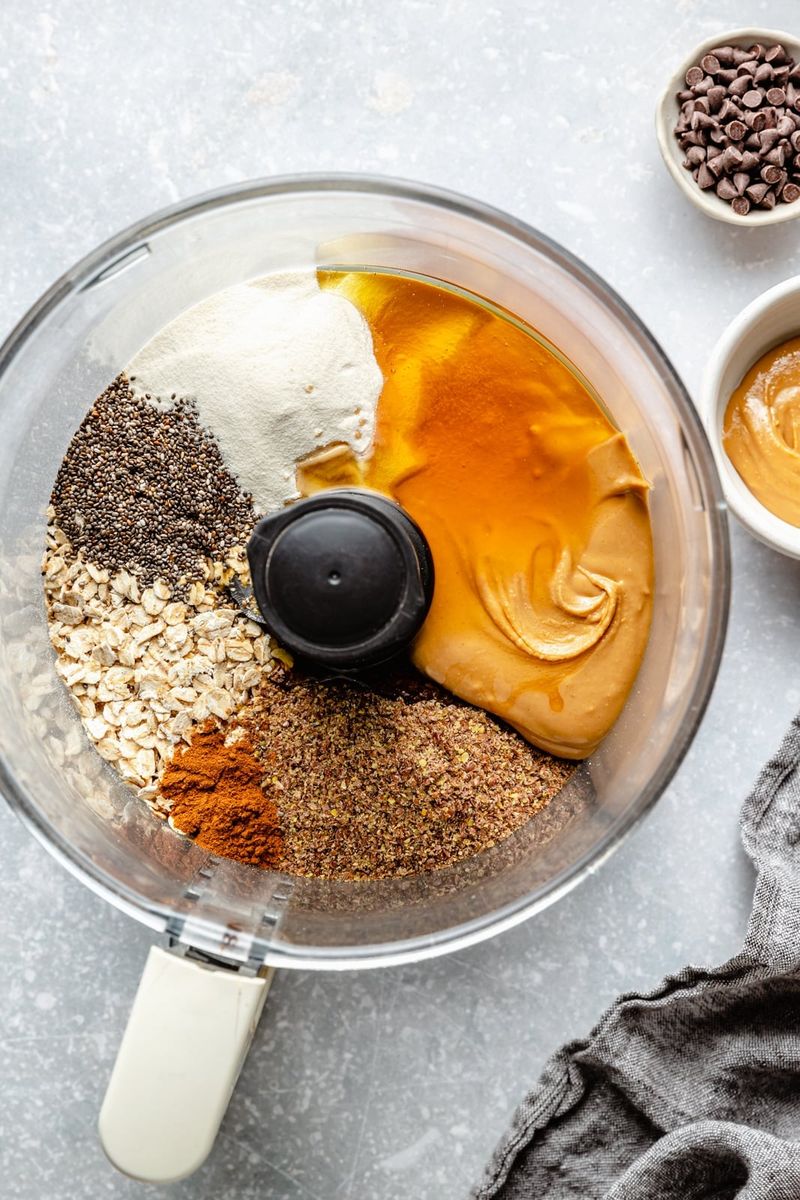
Nut butters like peanut, almond, and cashew butter are rich, satisfying, and surprisingly protein-packed. Two tablespoons of peanut butter contains about 8 grams of protein along with healthy fats that keep hunger away.
Spread it thick on toast, stir it into oatmeal, blend it into smoothies, or use it as a dip for apple slices and celery. The key is choosing natural varieties without added sugar or oils.
Nut butter is one of those foods that makes eating healthy feel genuinely enjoyable.
10. Throw Black Beans Into Almost Any Meal
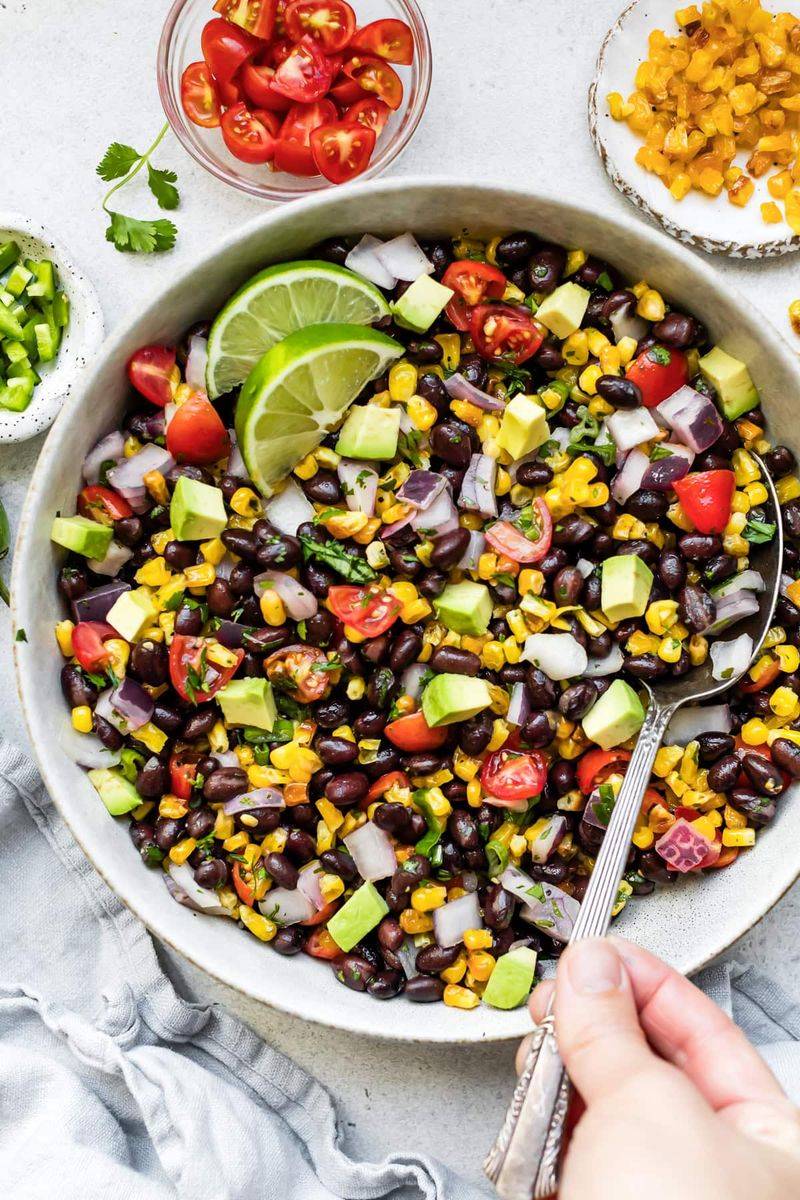
Black beans are the unsung heroes of everyday cooking. One cup provides about 15 grams of protein plus a huge dose of fiber, iron, and antioxidants that support overall health.
Add them to soups, tacos, rice bowls, omelets, or even brownies for a sneaky protein boost. They absorb flavors beautifully, so they never feel out of place in a dish.
Canned black beans are pre-cooked and ready to use in seconds, making them one of the most convenient high-protein ingredients in any kitchen.
11. Reach for String Cheese as a Quick Snack

String cheese is the kind of snack that feels like a treat but works hard nutritionally. Each stick typically contains 6 to 8 grams of protein, making it a convenient grab-and-go option for kids and adults alike.
It pairs perfectly with apple slices, whole grain crackers, or a handful of nuts for a balanced mini-meal. Stored in the fridge, string cheese stays fresh for weeks.
Sometimes the simplest snack choices are the ones that make the biggest impact on your daily protein intake.
12. Cook With Quinoa Instead of White Rice
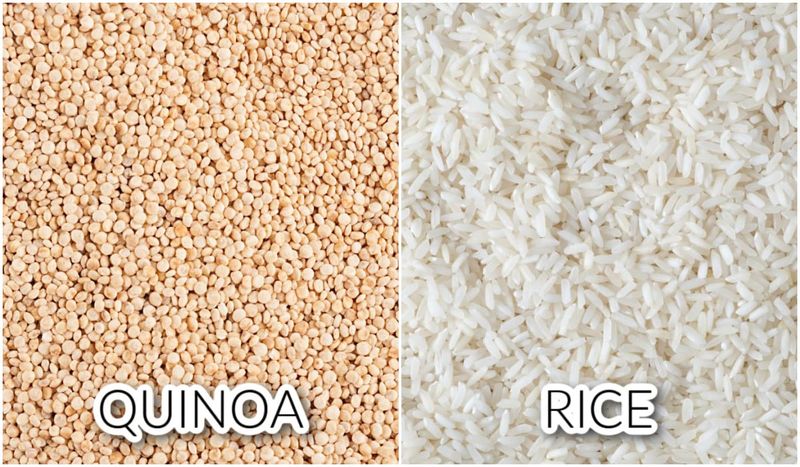
Quinoa is often called a superfood, and the title is well earned. Unlike most grains, it is a complete protein, meaning it contains all nine essential amino acids.
One cooked cup provides about 8 grams of protein compared to just 4 in white rice.
It cooks in about 15 minutes and has a mild, slightly nutty taste that works in savory and sweet dishes. Use it as a base for grain bowls, stir it into soups, or serve it as a simple side dish in place of rice.
13. Snack on Roasted Chickpeas

Crunchy, savory, and wildly satisfying, roasted chickpeas are a snack that actually fills you up. A half-cup serving delivers around 7 grams of protein and plenty of fiber to keep hunger at bay between meals.
Season them with smoked paprika, garlic powder, or cumin and roast them in the oven at 400 degrees for about 30 minutes. They also come pre-packaged in most grocery stores for zero-effort snacking.
Toss them on salads for crunch or eat them straight from the bag as a satisfying afternoon pick-me-up.
14. Add Silken Tofu to Soups and Smoothies
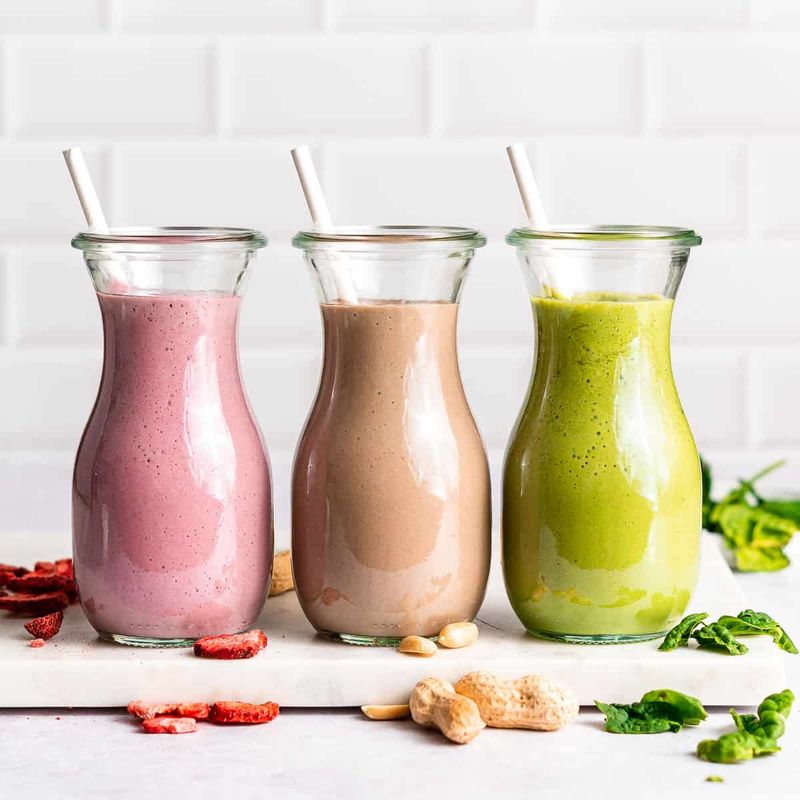
Silken tofu has a reputation for being a bit mysterious, but it is actually one of the easiest ingredients to sneak into everyday meals. It blends completely smooth, making it nearly invisible in soups, smoothies, and sauces.
Half a cup provides about 10 grams of plant-based protein with very little flavor of its own. Blend it into a fruit smoothie for a creamy texture, or stir it into miso soup for extra substance.
It is a wonderful option for vegetarians or anyone looking to cut back on animal products.
15. Mix Powdered Milk Into Baked Goods
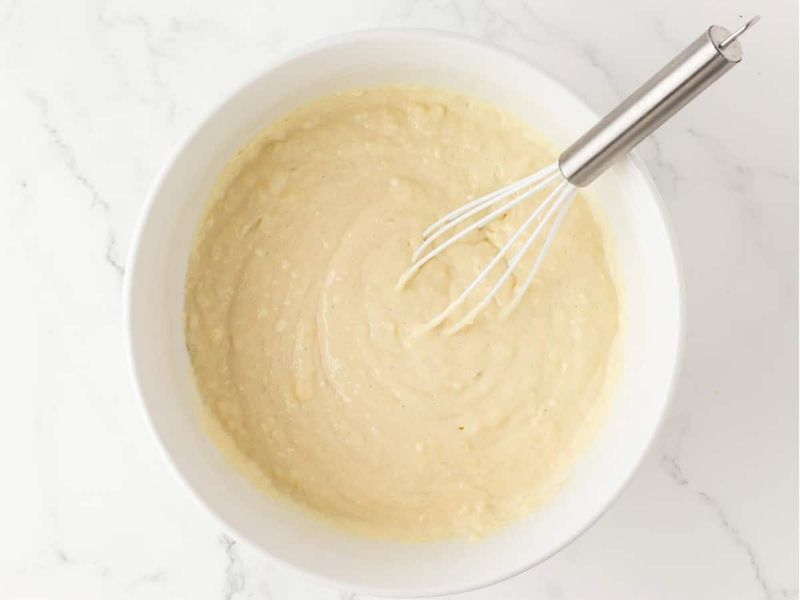
Here is a trick that home bakers have quietly used for decades. Adding a few tablespoons of powdered milk to pancake batter, muffin mix, or homemade bread boosts the protein content without changing the flavor or texture.
Each quarter-cup of powdered milk adds around 8 grams of protein. It also adds calcium and vitamin D, making your baked goods more nutritious overall.
Store a container in your pantry and start adding it to your favorite recipes for a simple, nearly invisible protein upgrade.
16. Top Your Meals With Sunflower or Pumpkin Seeds
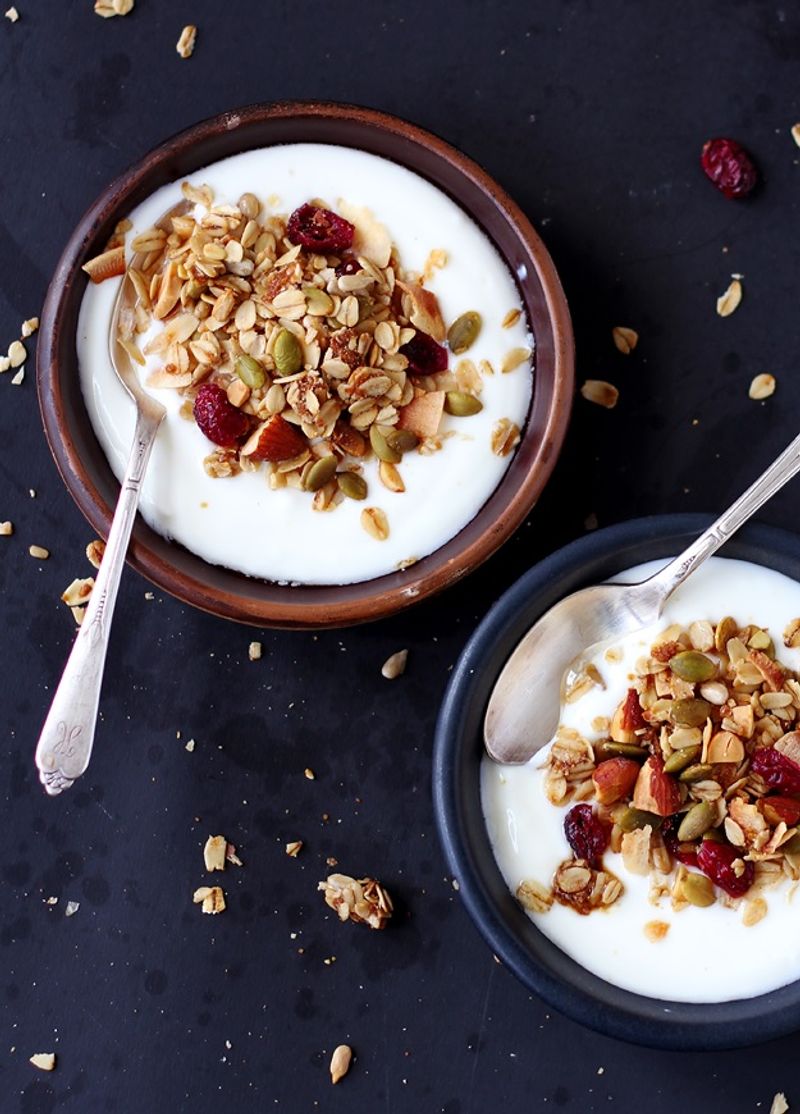
Seeds are one of those underrated toppings that quietly transform a meal. Pumpkin seeds, also known as pepitas, offer about 9 grams of protein per ounce, while sunflower seeds are not far behind.
Sprinkle them over salads, soups, grain bowls, or yogurt for added crunch and nutrition. They also bring magnesium, zinc, and healthy fats to the mix.
Buying them in bulk keeps costs low and makes it easy to grab a handful whenever you need a quick, protein-rich addition to your plate.
17. Replace Breadcrumbs With Parmesan Cheese

Breadcrumbs add crunch but almost no protein. Swapping them out for grated Parmesan cheese is one of the cleverest little upgrades you can make in the kitchen.
Parmesan delivers about 10 grams of protein per ounce and crisps up beautifully in the oven.
Use it to coat baked chicken, roasted vegetables, or even homemade meatballs. The result is a golden, flavorful crust that is lower in carbs and higher in protein than traditional breading.
It is the kind of swap that makes you wonder why you did not try it sooner.
18. Keep Hard-Boiled Eggs Ready in the Fridge

Meal prep does not have to be complicated. Boiling a batch of eggs at the start of the week means you always have a fast, high-protein snack or meal addition within arm’s reach.
Each hard-boiled egg provides 6 grams of protein and takes less than 12 minutes to prepare. Slice them over salads, mash them into avocado toast, or eat them plain with a pinch of salt.
Having protein ready to go removes the temptation to reach for less nutritious options when hunger hits unexpectedly.
19. Stir Peanut Butter Into Oatmeal
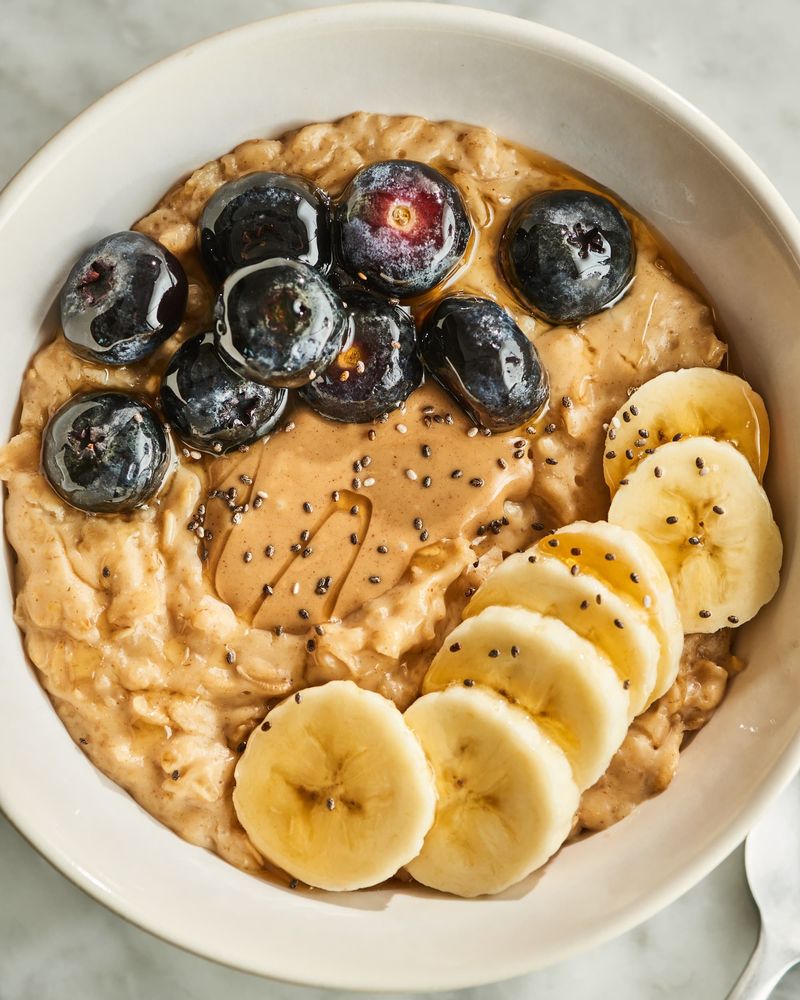
Plain oatmeal is a solid breakfast, but it can leave you hungry again before lunchtime. Stirring in a spoonful of peanut butter changes everything.
You get an extra 8 grams of protein plus healthy fats that slow digestion and keep you full much longer.
Add a sliced banana, a drizzle of honey, or a sprinkle of cinnamon to round out the flavor. This combination is warm, filling, and genuinely delicious.
It turns a simple bowl of oats into a breakfast that actually powers you through a busy morning.
20. Choose High-Protein Bread for Your Sandwiches
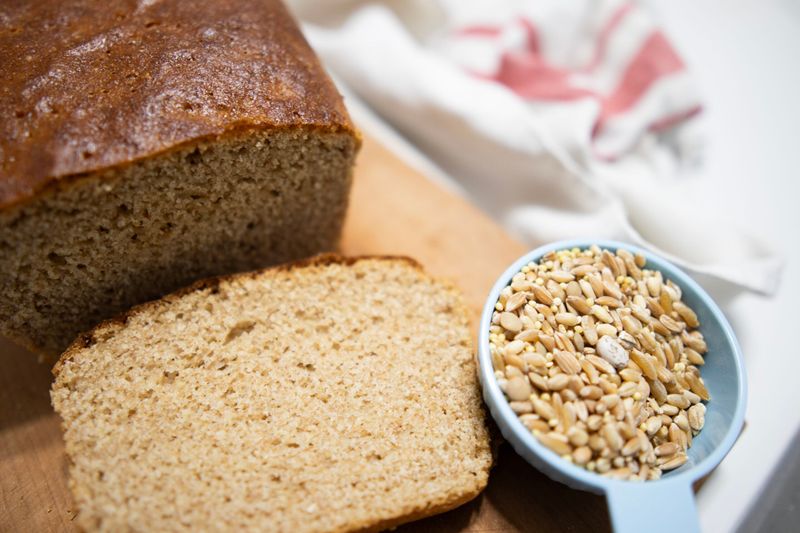
Not all bread is created equal. Some specialty breads, particularly those made with seeds, legumes, or added wheat protein, can deliver 5 to 6 grams of protein per slice compared to just 2 in standard white bread.
Check the nutrition label next time you are at the grocery store and look for options with at least 5 grams of protein per serving. Brands like Ezekiel bread are popular choices.
Upgrading your bread means every sandwich, toast, or wrap you make automatically contains more protein without any extra effort.
21. Drink a Glass of Milk With Your Meals
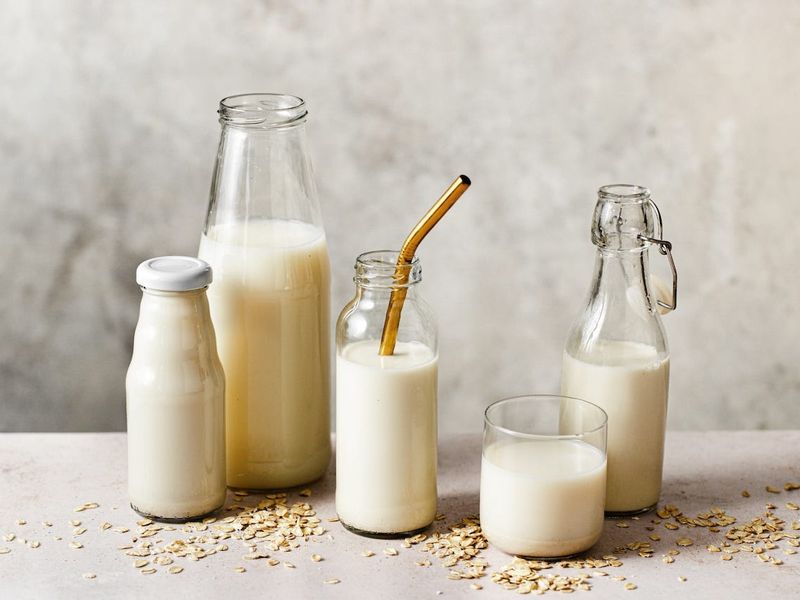
Sometimes the simplest habits are the most effective. A single glass of cow’s milk contains about 8 grams of high-quality protein along with calcium, potassium, and vitamin D that support bone health.
Swapping a sugary soda or juice for a glass of milk at mealtime is one of the easiest protein upgrades you can make. Soy milk is a great plant-based alternative with a similar protein profile.
Either way, making this one small habit change adds up to a meaningful difference in your daily nutrition over time.