
Food is one of the most exciting ways to explore the world, but did you know the same dish can taste totally different depending on where it is made? A burger in Japan, pizza in Italy, or fried chicken in Korea can feel like a completely new experience compared to what you know back home.
Different countries use unique spices, cooking methods, and local ingredients that completely change the flavor. Get ready to discover how the same foods can taste like something brand new across the globe.
1. Pizza
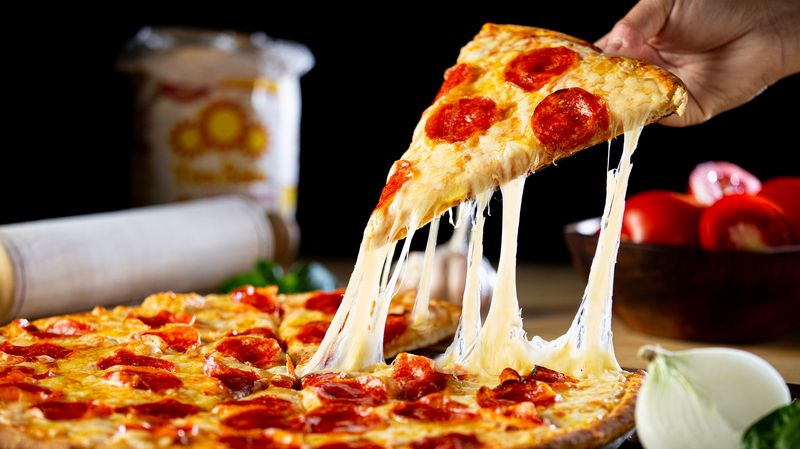
Pizza in Italy is nothing like what most Americans grow up eating. An authentic Neapolitan pizza has a thin, slightly charred crust, simple San Marzano tomato sauce, fresh mozzarella, and just a few basil leaves.
There are no mountains of toppings here.
In the United States, pizza often comes loaded with multiple cheeses, meats, and thick doughy crusts. Some cities even bake it in deep pans.
The same dish becomes almost unrecognizable depending on which country serves it to you.
2. Fried Chicken
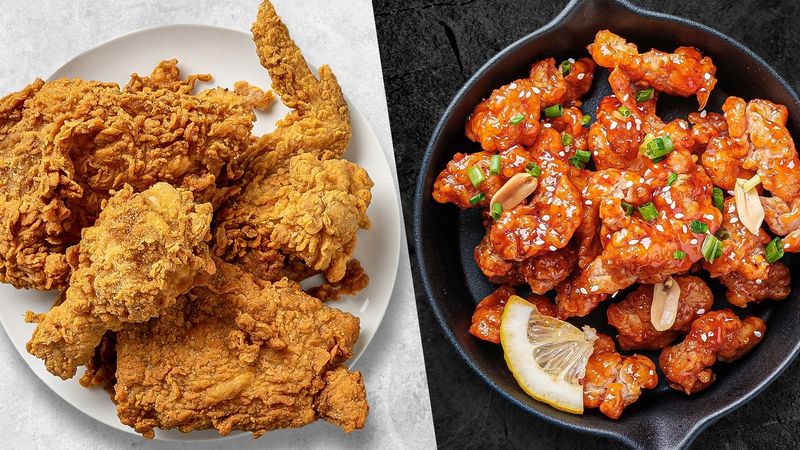
Korean fried chicken is a total game-changer compared to the Southern American version most people know. In Korea, the chicken is double-fried, making it incredibly thin and crunchy, then coated in a sticky sweet and spicy glaze that packs a serious punch of flavor.
American Southern fried chicken focuses on a thick, seasoned flour crust and a juicy, savory interior. Both versions are delicious, but they deliver completely different experiences with every single bite you take.
3. Hamburgers
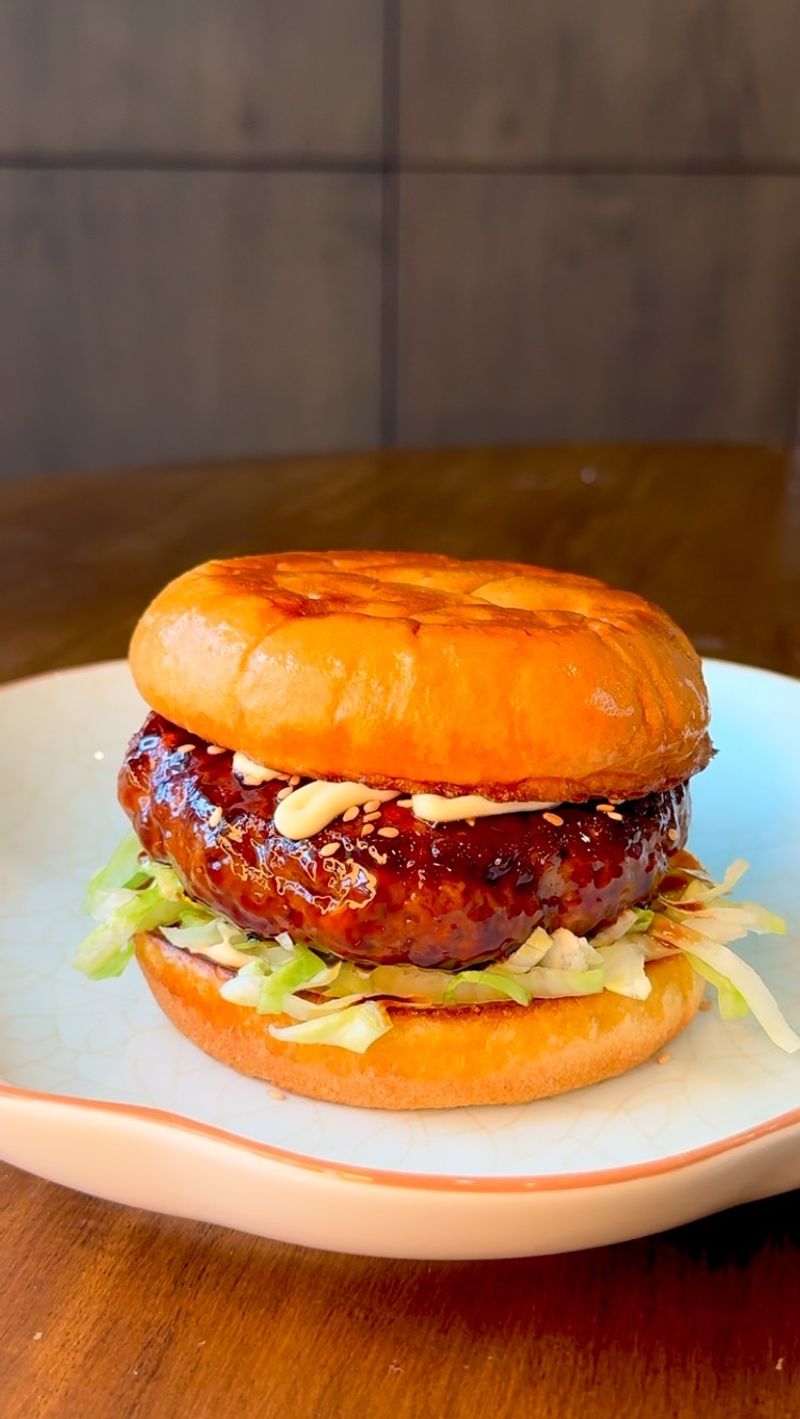
Japan took the humble hamburger and made it something completely its own. Japanese burgers often feature teriyaki-glazed patties, Japanese mayonnaise, and soft, slightly sweet buns that give the whole thing a lighter, sweeter taste compared to classic American versions.
American burgers are bold, beefy, and loaded with salty toppings like pickles, ketchup, and melted cheese. Some Japanese chains even swap the bun entirely for two rice patties.
It is a wildly creative twist on a familiar favorite that surprises first-time tasters every time.
4. Chocolate
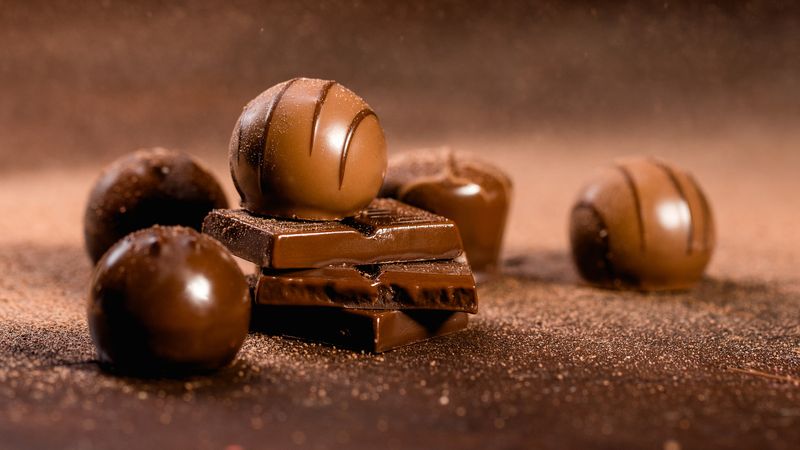
Chocolate might seem like chocolate, but tasting Swiss chocolate next to American chocolate will quickly change your mind. Swiss chocolate is known for its ultra-smooth, creamy texture and rich, mellow sweetness that melts effortlessly on your tongue.
American chocolate, especially popular mass-market brands, has a slightly tangy, almost sour note caused by a different milk processing method. Many Europeans visiting the United States are genuinely surprised by this flavor difference.
Both have loyal fans, but they truly taste like two separate products.
5. Bread
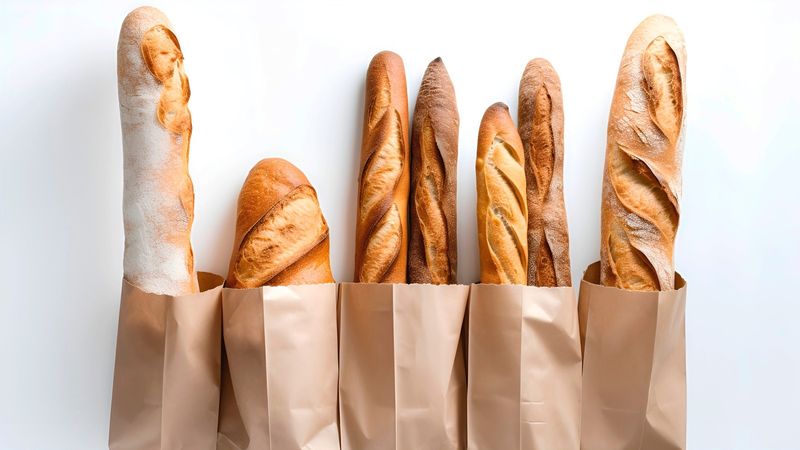
French bread and American bread share a name but almost nothing else. A classic French baguette has a shatteringly crispy crust and a chewy, slightly tangy interior that comes from a slow fermentation process using minimal ingredients.
American sandwich bread is soft, pillowy, and mildly sweet, designed for convenience and long shelf life. The difference comes down to ingredients, tradition, and purpose.
One is built for flavor and texture, the other for practicality. Trying both side by side feels like meeting two very different personalities.
6. Ramen
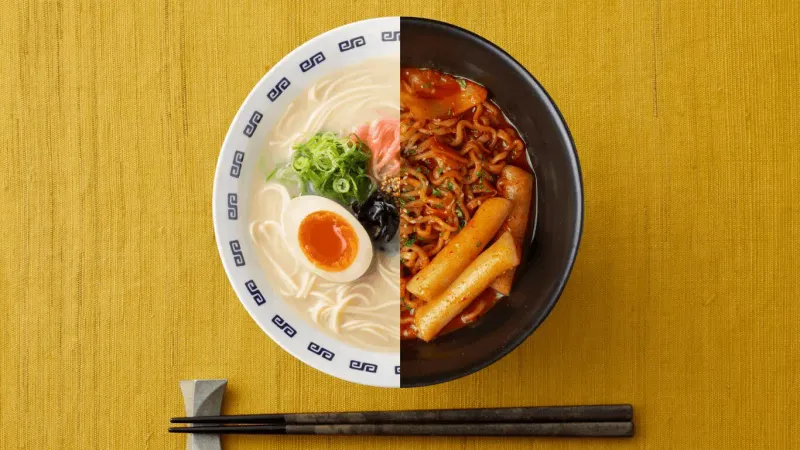
Ramen in Japan is a carefully crafted bowl of art. A proper Japanese tonkotsu ramen simmers pork bones for up to 18 hours to create a rich, creamy, deeply savory broth that coats every noodle in pure umami flavor.
Korean ramen, on the other hand, often leans heavily on bold, fiery spice and a sharper, more intense flavor profile. The two countries have completely transformed the same basic concept into distinct culinary traditions.
Choosing between them is honestly one of the best problems to have.
7. Hot Dogs

Street hot dogs in Denmark are a completely different experience from the American classic. Danish hot dogs, called polser, are served in a thin, soft bun and topped with crispy fried onions, pickled cucumbers, and a tangy remoulade sauce that adds layers of flavor.
American hot dogs tend to go simple with mustard, ketchup, or relish. The Danish version feels more like a gourmet experience even though it is still street food.
It is proof that a simple sausage can travel the world and come back totally transformed.
8. Ice Cream
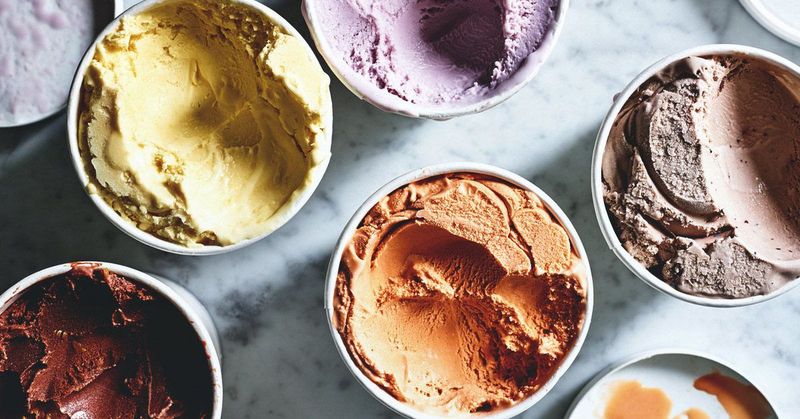
Italian gelato and American ice cream both start with similar ingredients, but they end up tasting worlds apart. Gelato is churned more slowly and contains less air and less fat, which gives it a denser, more intensely flavored texture that practically explodes with taste.
American ice cream is fluffier and creamier, with a lighter mouthfeel that many people find refreshing. Gelato tends to melt faster and taste more concentrated.
Both are wonderful, but once you try authentic gelato in Italy, regular ice cream might never feel quite the same again.
9. Potato Chips
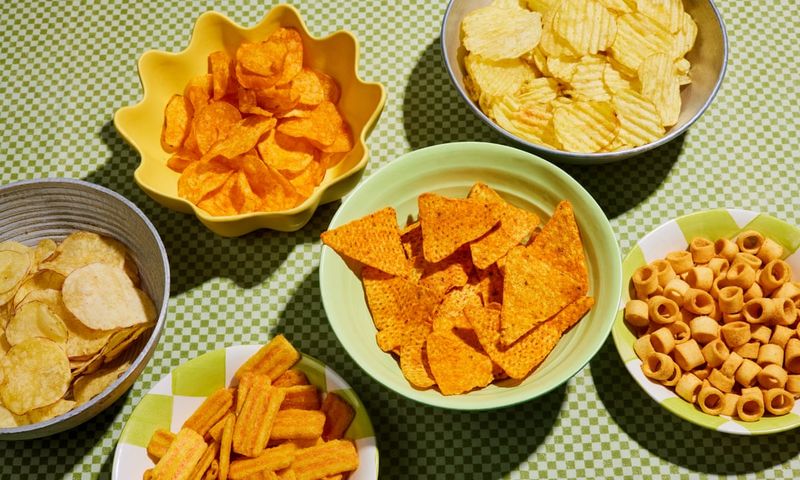
British crisps and American potato chips may look similar in the bag, but the flavor difference is surprisingly noticeable. British crisps come in wild flavors like prawn cocktail, cheese and onion, and Worcestershire sauce that feel adventurous compared to standard American options.
American chips tend to go big on salt, barbecue seasoning, or sour cream flavors. British crisps are also typically thinner and lighter.
Snacking on crisps in London feels like a completely different cultural experience from grabbing a bag of chips at an American convenience store.
10. Cheesecake
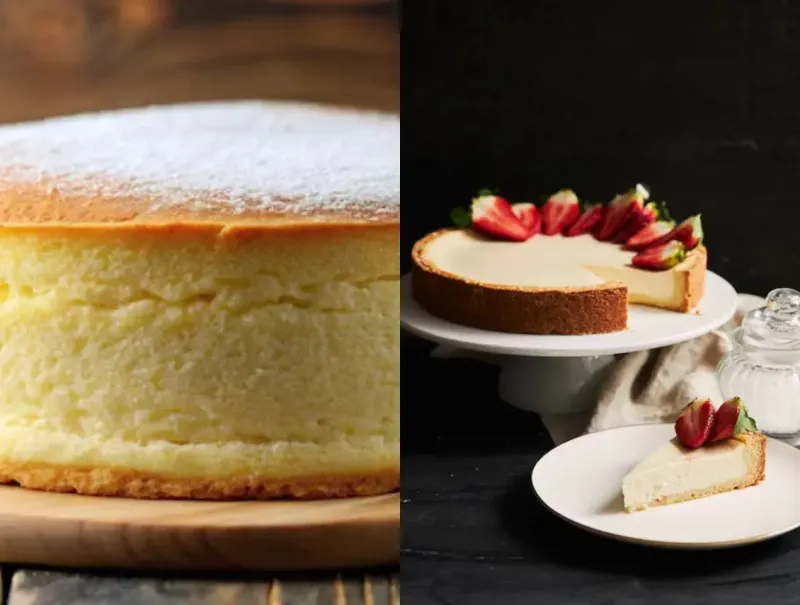
Japanese cotton cheesecake and New York-style cheesecake share a name but practically nothing else about their personality. New York cheesecake is famously dense, rich, and tangy, with a thick graham cracker crust that makes every bite feel indulgent and satisfying in a very big way.
Japanese cotton cheesecake is incredibly light and airy, almost like a cross between a cheesecake and a souffle. It jiggles when you touch it and has a mild, delicate sweetness.
One is bold and unapologetic, the other is soft and almost poetic.
11. Curry
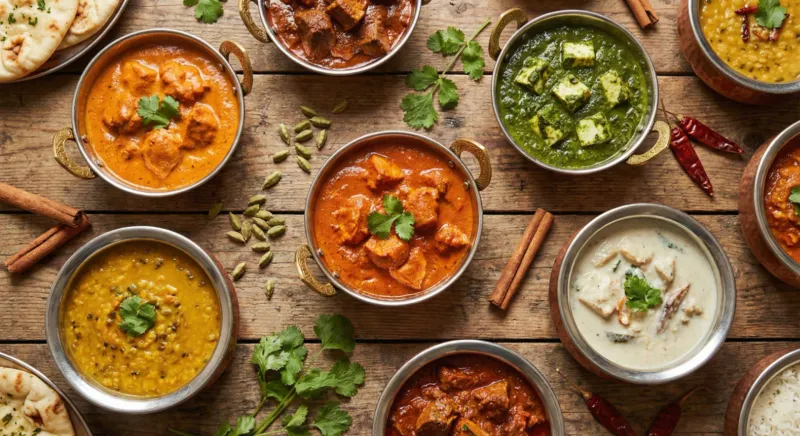
Curry means something entirely different depending on which country you are in. Indian curry is built on a deep foundation of dry spices like cumin, coriander, turmeric, and garam masala, creating bold, layered flavors that warm you from the inside out.
Thai curry gets its character from fresh herbs, lemongrass, galangal, and creamy coconut milk, producing a brighter, more fragrant taste that feels lighter on the palate. Japanese curry is even milder and slightly sweet.
The same word covers three completely different flavor worlds.
12. Donuts
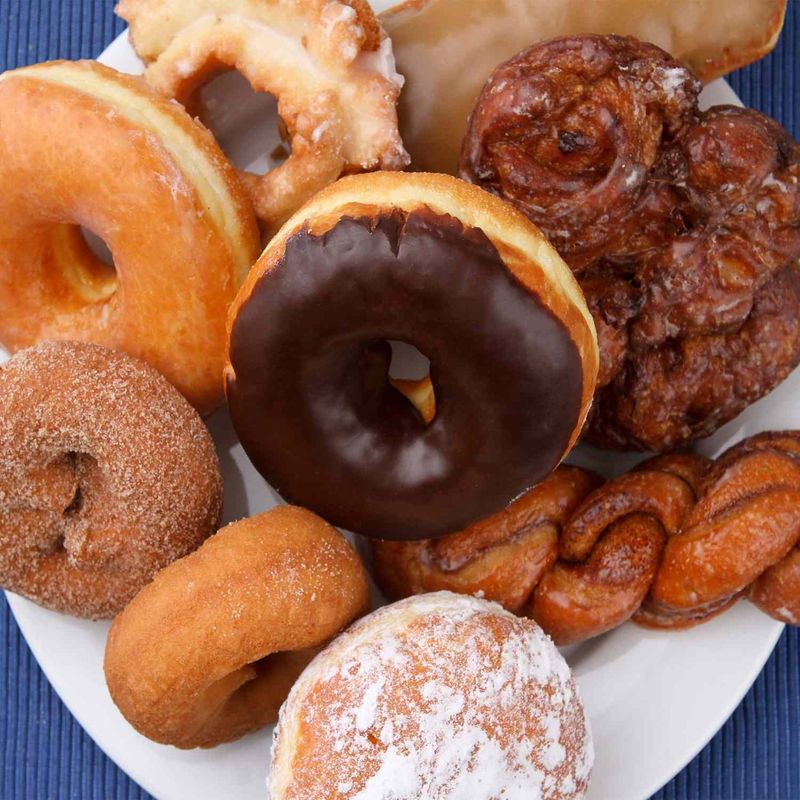
American donuts and French beignets both fry dough and cover it in sugar, but the experience of eating them is surprisingly different. American donuts are often dense, sweet, and topped with colorful glazes, sprinkles, or creamy fillings that make them feel festive and indulgent.
French beignets are lighter, airier, and simply dusted with powdered sugar, letting the delicate dough flavor shine through. New Orleans beignets are a famous American version inspired by French tradition.
Every country that fries dough seems to end up with something uniquely its own.
13. Sushi
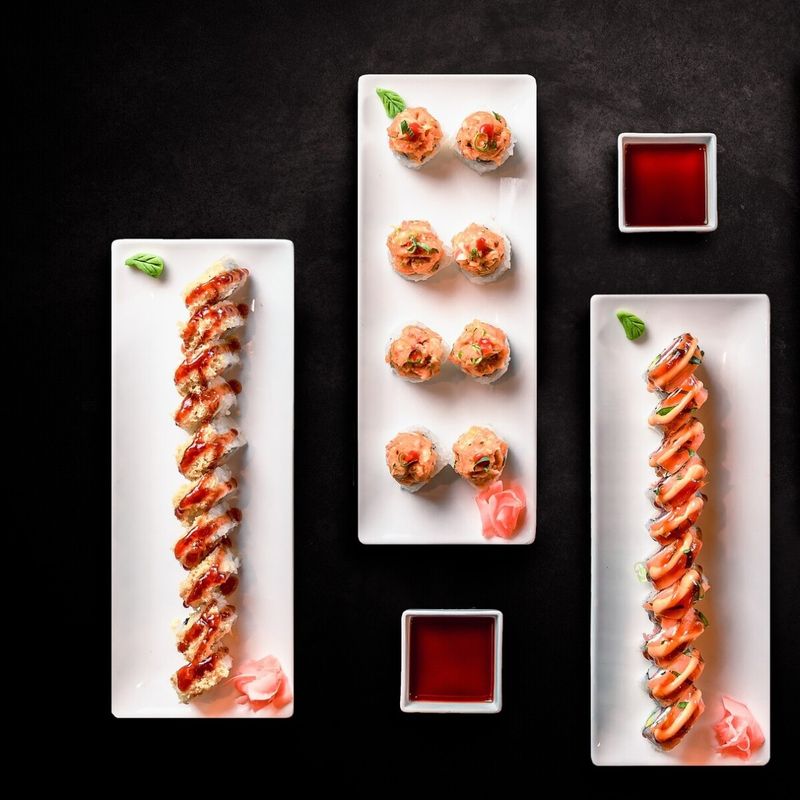
Traditional Japanese sushi is a minimalist experience focused on the pure flavor of fresh fish and perfectly seasoned rice. A skilled sushi chef in Tokyo might spend years perfecting just the rice before ever touching a piece of fish.
American-style sushi rolls often feature cream cheese, avocado, tempura crunch, and spicy mayo, creating bold, rich flavors that are more about excitement than subtlety. Neither approach is wrong, but they reflect very different ideas about what sushi should be.
One whispers, the other shouts.
14. Coffee

Coffee culture varies so dramatically between countries that ordering a coffee abroad can genuinely surprise you. Italian espresso is small, intensely concentrated, and meant to be sipped quickly while standing at a bar.
It is bold, slightly bitter, and deeply aromatic.
American drip coffee is much larger, milder, and designed to be sipped slowly over a long morning. Scandinavian coffee is often light roasted and surprisingly bright in flavor.
Around the world, coffee is the same bean transformed into a hundred different rituals and taste experiences.
15. Tacos
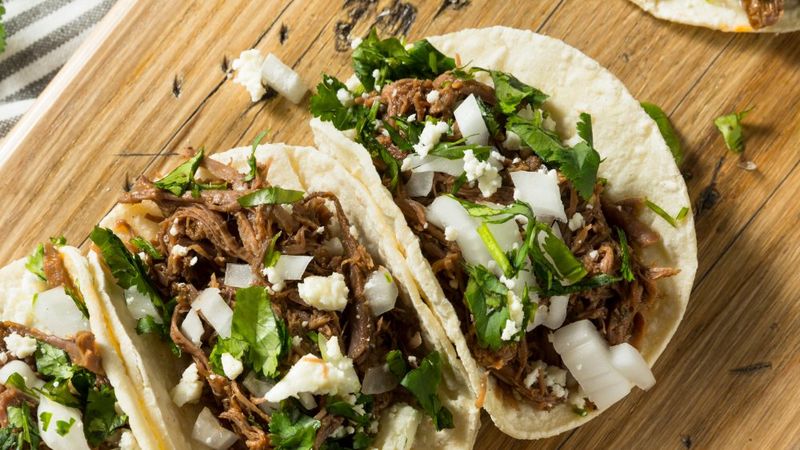
Authentic Mexican street tacos are small, simple, and packed with flavor. They use soft corn tortillas, grilled or braised meat, fresh cilantro, diced white onion, and a squeeze of lime.
Every ingredient earns its place, and nothing is wasted.
American-style tacos often come in crunchy hard shells loaded with seasoned ground beef, shredded cheese, sour cream, and lettuce. They are bigger, crunchier, and far richer.
The Tex-Mex version has become iconic in its own right, but it is a very different creation from its Mexican ancestor.
16. Pancakes
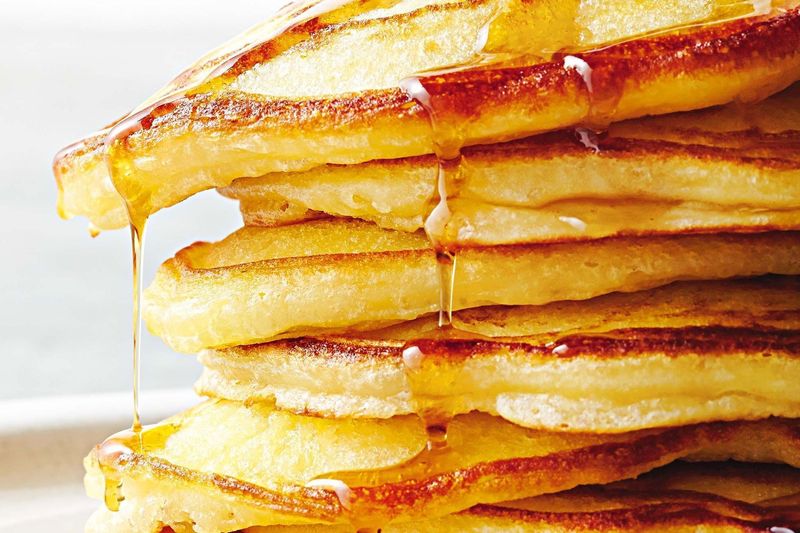
American pancakes and French crepes are both made from batter cooked on a flat pan, but they could not feel more different on your plate. American buttermilk pancakes are thick, fluffy, and slightly tangy, stacked high and drenched in maple syrup for a hearty breakfast experience.
French crepes are paper-thin, delicate, and versatile enough to be filled with sweet or savory ingredients. Japanese soufflé pancakes take fluffiness to an extreme, wobbling like a cloud on the plate.
Same idea, wildly different results across three countries.
17. Fried Rice
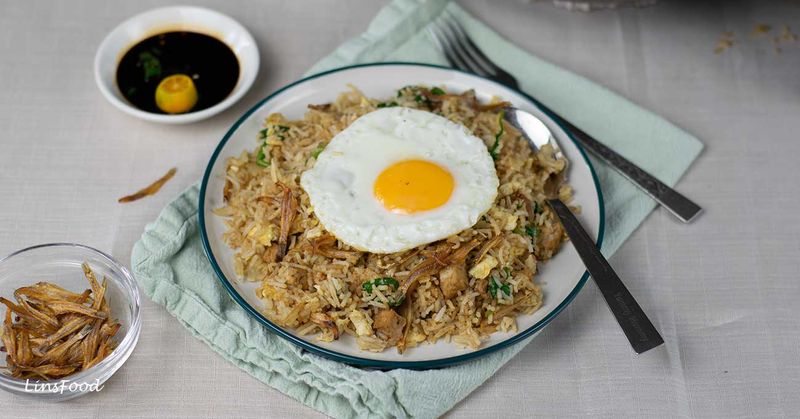
Fried rice is one of those dishes that every country seems to claim, and every version tastes genuinely different. Chinese fried rice is light, savory, and built around the flavor of soy sauce, sesame oil, egg, and wok-charred rice that carries a smoky depth called wok hei.
Indonesian nasi goreng uses sweet soy sauce called kecap manis, shrimp paste, and chili, giving it a darker color and a richer, more complex flavor. Thai pineapple fried rice adds a fruity sweetness.
The same concept becomes a passport to different flavor worlds.
18. Mayonnaise
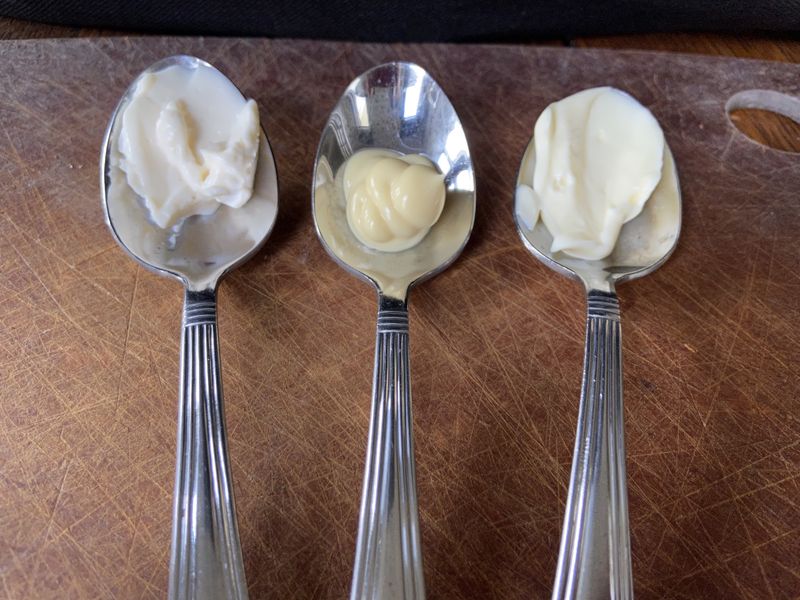
Mayonnaise might seem like the most boring condiment to compare between countries, but tasting Japanese Kewpie mayo next to American mayo is genuinely eye-opening. Kewpie uses only egg yolks instead of whole eggs and adds rice vinegar and a touch of MSG, creating a richer, creamier, slightly tangy result.
American mayo is milder and lighter, often used as a background ingredient. Kewpie has become a cult favorite worldwide because of its deep, savory flavor.
Sometimes the most unexpected foods hide the biggest surprises.
19. French Fries
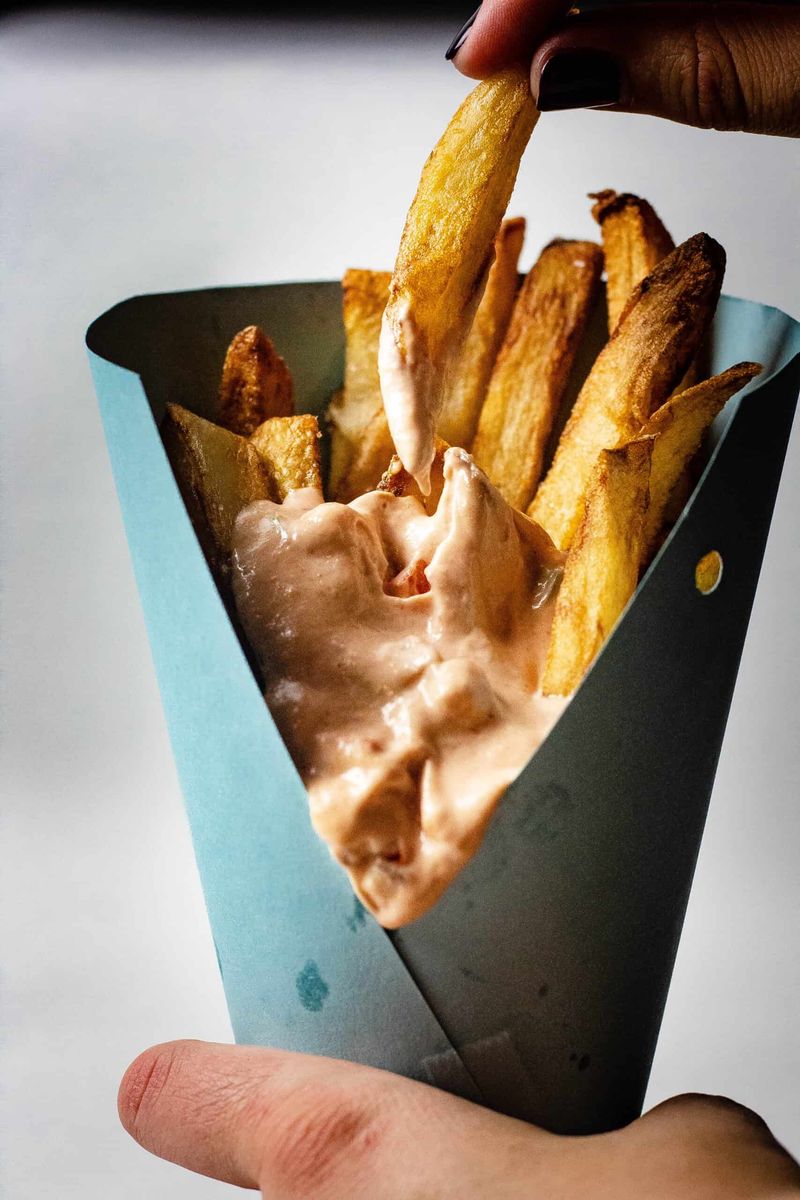
Belgium actually invented french fries, and Belgians will passionately tell you that their version is still the best. Belgian frites are double-fried in beef tallow, creating an incredibly crispy exterior with a fluffy, steamy interior, then served with a range of bold dipping sauces like andalouse or samurai.
American fries come in every thickness imaginable, from shoestring to steak-cut, and are usually paired with ketchup. Fast food chains have made thin, salty fries iconic worldwide.
But a fresh cone of Belgian frites changes what you thought you knew about this classic snack.