
Food is so much more than something we eat to stay full. Around the world, certain dishes and ingredients carry deep meaning, connecting people to their history, beliefs, and loved ones.
From wedding tables to funeral feasts, these foods tell stories that words sometimes cannot. Get ready to explore 19 fascinating foods and the powerful cultural meanings behind them.
1. Moon Cakes – China
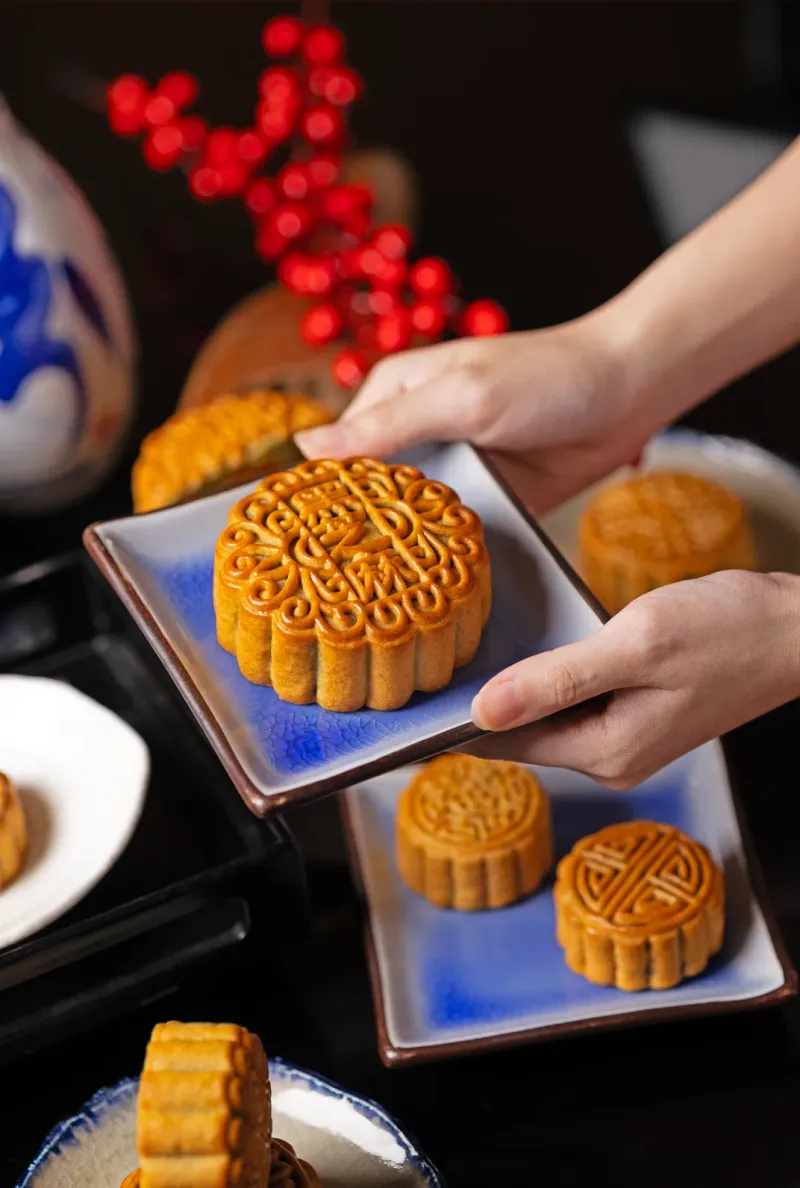
Every year during China’s Mid-Autumn Festival, families gather to share moon cakes under the full moon. These round pastries filled with lotus paste or salted egg yolk symbolize unity and family reunion.
The circular shape itself represents completeness and togetherness.
Giving moon cakes to friends and relatives is a cherished tradition that strengthens bonds. Some families even pass down secret recipes through generations, making each bite a connection to the past.
2. Tamales – Mexico
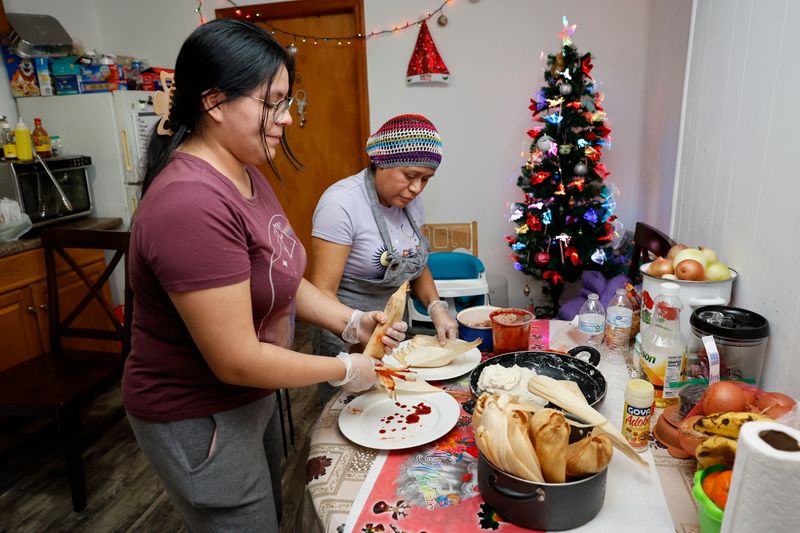
Making tamales is not just cooking in Mexico – it is a community event called a tamalada. Families gather, often around the holidays, to prepare hundreds of tamales together, laughing and sharing stories as they work.
The process itself is considered sacred in many households.
Tamales date back thousands of years to ancient Mesoamerican civilizations. They were once offered to the gods.
Today, they remain a powerful symbol of cultural pride and family togetherness.
3. Injera – Ethiopia
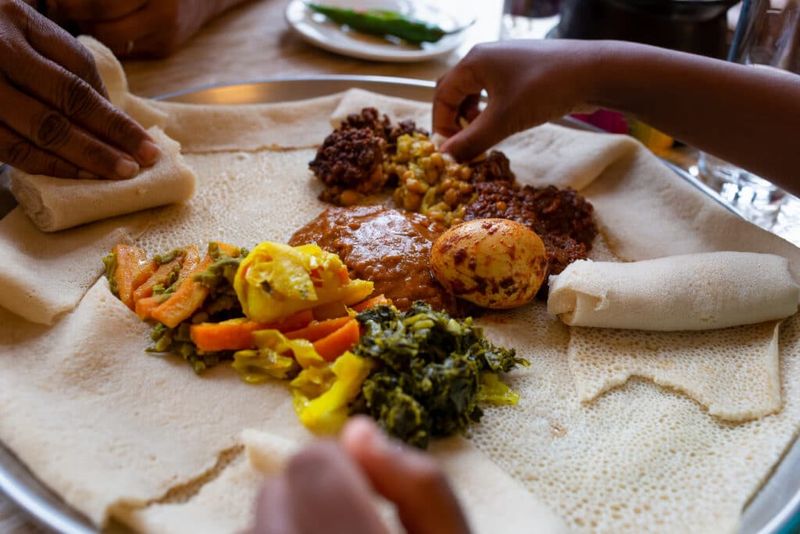
Injera is far more than a flatbread in Ethiopia. This spongy, sour bread made from teff grain acts as both the plate and the utensil during meals.
Everyone eats from the same large piece, which is a powerful symbol of sharing and equality.
Tearing injera together and eating from one communal surface reflects deep respect and trust among those at the table. In Ethiopian culture, sharing injera is practically an act of friendship itself.
4. Hot Cross Buns – United Kingdom
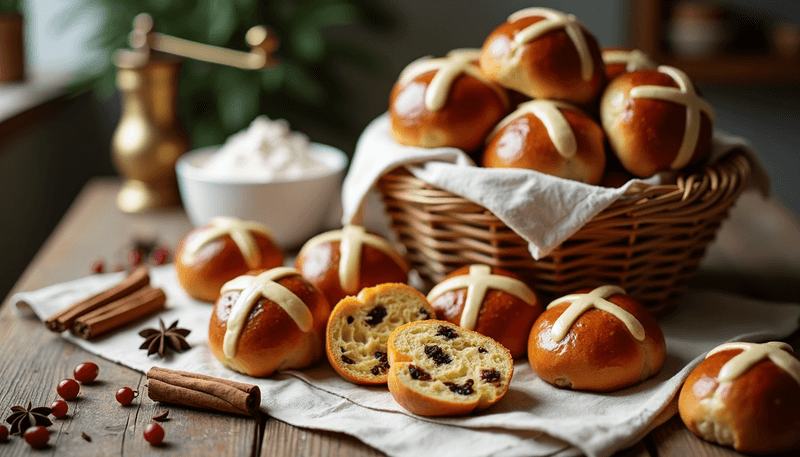
Hot cross buns have been baked in England since at least the 12th century, originally made by monks to mark Good Friday. The cross on top represents the crucifixion of Jesus, making these spiced buns deeply tied to Christian tradition and Easter celebrations.
Old superstitions claimed that buns baked on Good Friday would never go moldy. Some families hang one in their home each year for good luck.
Few foods carry quite this much folklore in a single bite.
5. Mochi – Japan
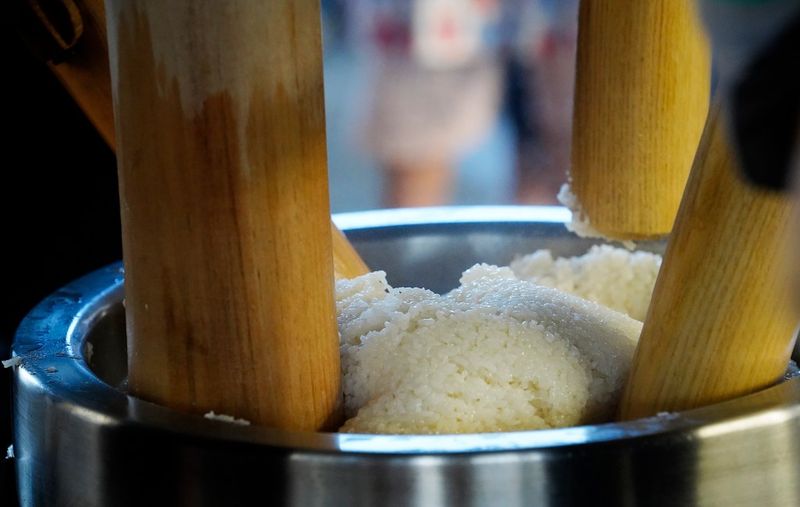
Mochi is made by pounding glutinous rice into a smooth, stretchy dough, and in Japan, this process is almost ceremonial. During the New Year holiday, families traditionally gather for mochitsuki, a rice-pounding ceremony that brings good luck for the year ahead.
The chewy texture of mochi is thought to symbolize long life because of how it stretches. Kagami mochi, a stacked mochi decoration, is placed in Japanese homes as an offering to the gods during the New Year season.
6. Bread and Salt – Russia and Eastern Europe
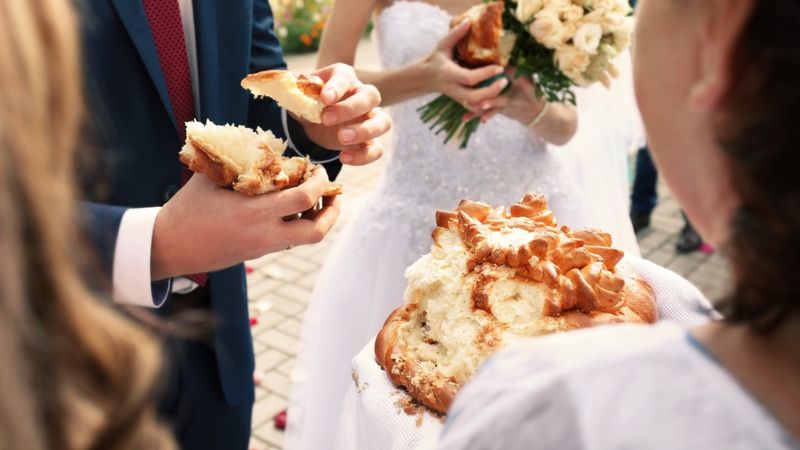
Welcoming guests with bread and salt is one of the oldest and most respected traditions across Russia, Poland, Ukraine, and neighboring countries. Bread represents prosperity and a full life, while salt stands for loyalty and friendship.
Together, they offer a guest the very best a host can give.
This ritual is still performed at weddings, official ceremonies, and when welcoming important visitors. Refusing the bread and salt is considered a serious insult to the host offering it.
7. Pomegranate – Greece and Iran
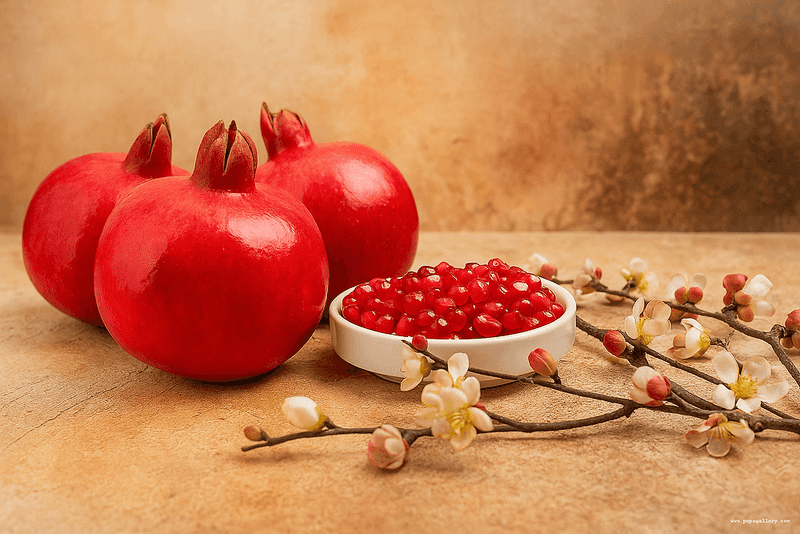
The pomegranate holds legendary status in both Greek and Iranian cultures. In Greece, smashing a pomegranate on New Year’s Day is believed to bring abundance and good fortune for the coming year.
The more seeds that scatter, the more luck the household will enjoy.
In Iran, pomegranates are eaten during Yalda Night, the winter solstice celebration, symbolizing the glow of life and the beauty of dawn. Across both cultures, every seed is practically a tiny wish for prosperity.
8. Black-Eyed Peas – Southern United States
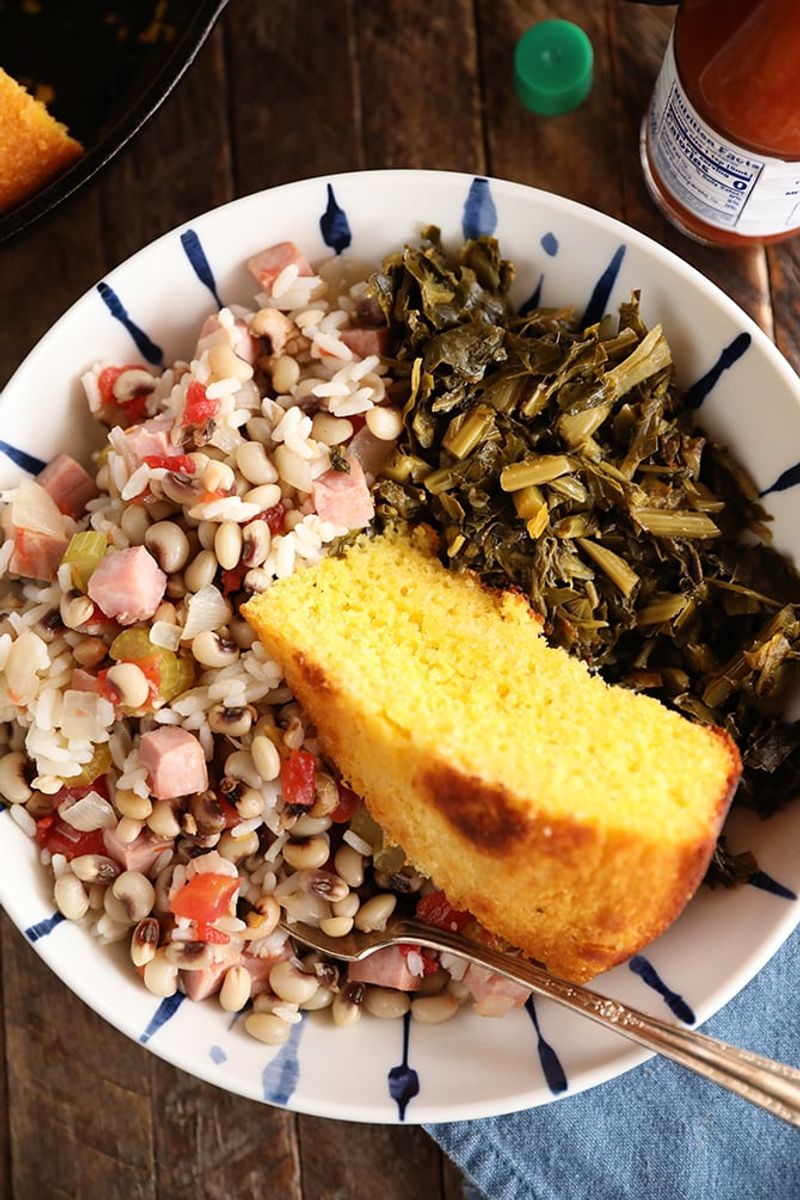
Down in the Southern United States, eating black-eyed peas on New Year’s Day is practically a law. The tradition traces back to the Civil War era, when black-eyed peas were considered humble survival food.
Over time, they transformed into a symbol of luck and prosperity for the new year.
Served alongside collard greens for wealth and cornbread for gold, this meal is called Hoppin’ John. Skipping it on January 1st?
Many Southerners would say you are asking for a rough year.
9. Marigold Flowers and Pan de Muerto – Mexico
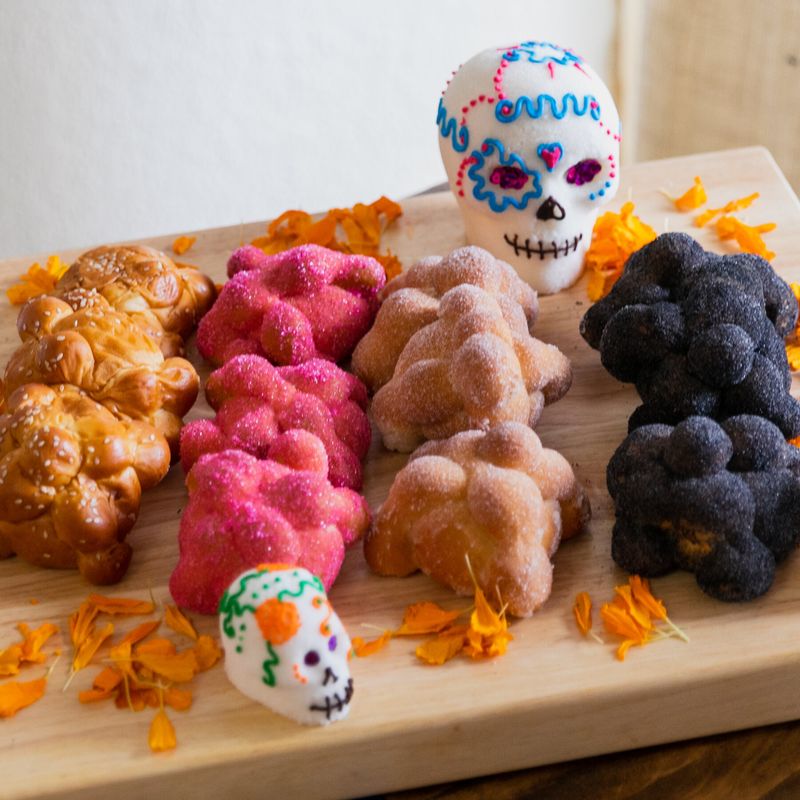
Pan de muerto, or bread of the dead, is baked each year in Mexico for Dia de los Muertos. This sweet, orange-scented bread is placed on altars alongside marigold flowers to honor and welcome the spirits of those who have passed.
Its round shape and bone-shaped decorations represent the cycle of life and death.
Families bake it together as an act of love and remembrance. Sharing it with neighbors strengthens the community’s collective bond with their ancestors.
10. Fish – China (New Year)
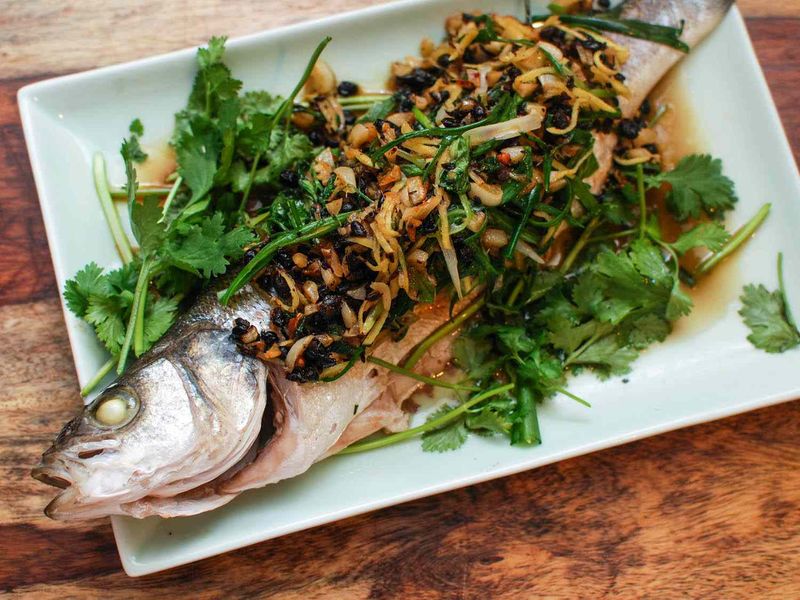
At a Chinese New Year dinner, a whole fish is almost always on the table. The word for fish in Mandarin sounds like the word for surplus, making it a symbol of abundance and wealth for the coming year.
Serving the fish whole, head and tail intact, represents a good beginning and end.
There is even an unspoken rule about which direction the fish head points at the table. Whoever it faces gets an extra blessing of good luck for the year ahead.
11. Lentil Soup – Italy (New Year)
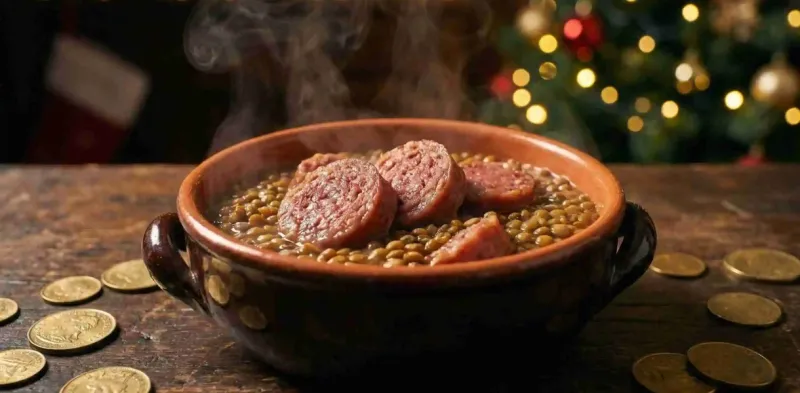
Italians have a quirky and beloved New Year’s tradition – eating lentils at midnight. Lentils are small, round, and coin-shaped, making them a natural symbol of money and financial good luck.
The more you eat, the wealthier you are supposed to become in the coming year.
They are usually served alongside cotechino, a rich pork sausage. This pairing is called cotechino con lenticchie and has been enjoyed across Italian families for centuries as a hopeful toast to prosperity.
12. Honey – Jewish Rosh Hashanah
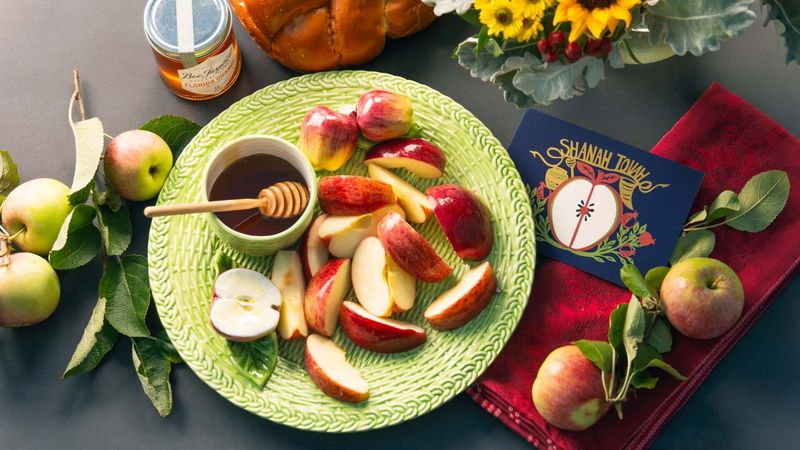
During Rosh Hashanah, the Jewish New Year, apples are dipped into honey to welcome a sweet new year. This simple yet meaningful ritual connects families to a centuries-old prayer for goodness and sweetness in the months ahead.
The honey is not just a topping – it is a heartfelt wish.
Round challah bread is also served, symbolizing the cycle of the year. Together, these foods carry warmth and hope that go far beyond the dinner table during this sacred holiday.
13. Haggis – Scotland
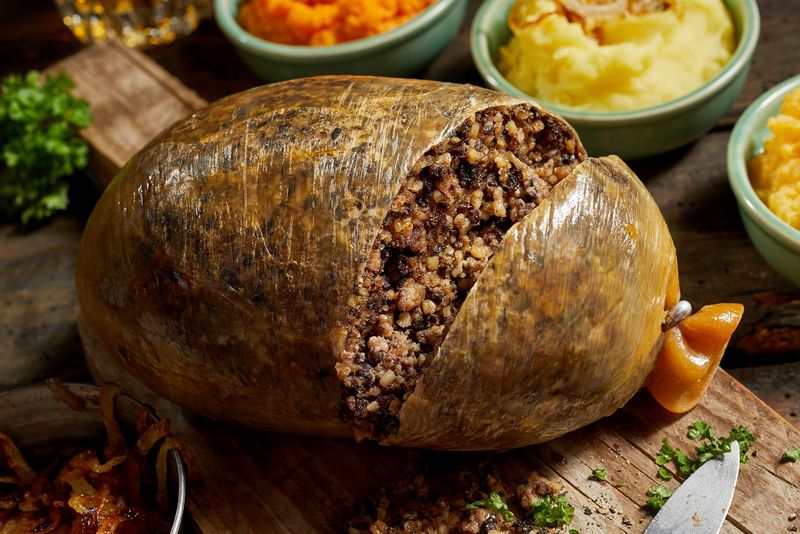
Haggis is Scotland’s national dish, made from sheep offal mixed with oatmeal, onions, and spices, cooked inside a sheep’s stomach. While that description might make some people hesitate, Scots embrace it with enormous pride, especially on Burns Night every January 25th.
Burns Night celebrates the poet Robert Burns, and haggis is ceremonially carried to the table while bagpipes play. A poem called Address to a Haggis is then recited aloud.
Few foods anywhere have their own poetry reading.
14. Fufu – West Africa
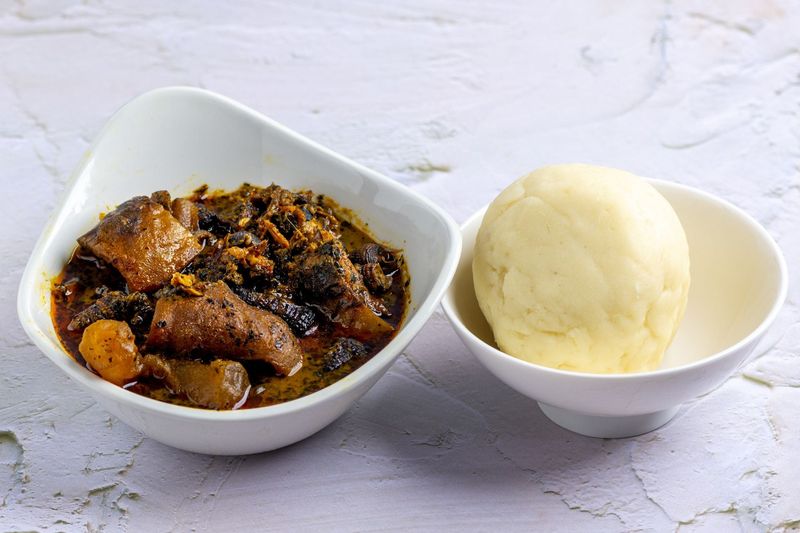
Fufu is a staple food across many West African countries, made by boiling and pounding starchy foods like cassava, yam, or plantain into a smooth, dough-like ball. It is always eaten with soup, and the act of sharing a pot of fufu and soup with others carries deep social meaning.
In many communities, fufu is never eaten alone. Gathering around a shared bowl signals trust, friendship, and belonging.
Refusing to eat from a communal pot can sometimes be seen as a sign of disrespect.
15. Matzo – Jewish Passover
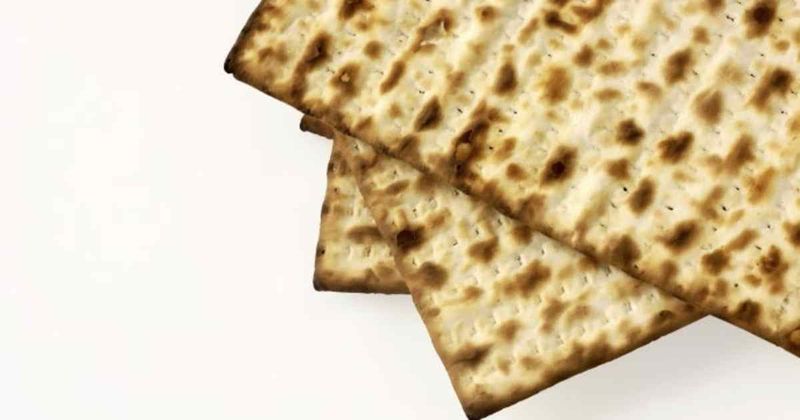
During Passover, Jewish families replace all leavened bread with matzo, a flat unleavened cracker. This food directly recalls the story of the Israelites fleeing Egypt so quickly that their bread had no time to rise.
Every crunchy piece connects the eater to thousands of years of history.
The Passover Seder meal is built around matzo and other symbolic foods, each one telling part of the Exodus story. Eating matzo is not just tradition – it is an act of collective memory passed down through generations.
16. Bibimbap – South Korea
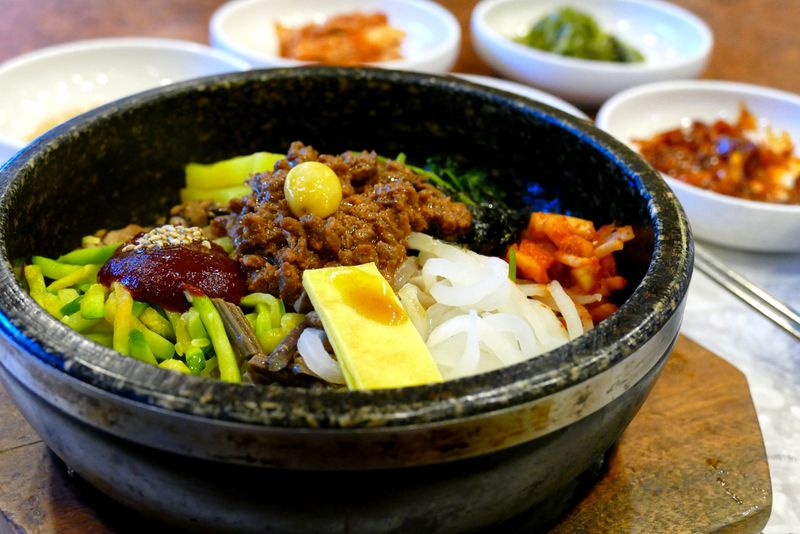
Bibimbap means mixed rice in Korean, but the cultural meaning runs much deeper than the name suggests. The dish traditionally uses leftover vegetables from the year arranged together on New Year’s Eve, representing a fresh and unified start.
Every color on the bowl has its own meaning tied to the five elements of Korean philosophy.
Red represents fire and passion, green stands for growth, and yellow symbolizes the earth. Mixing everything together before eating reflects harmony and balance, values that sit at the heart of Korean culture.
17. Dates – Middle East and Islamic Culture
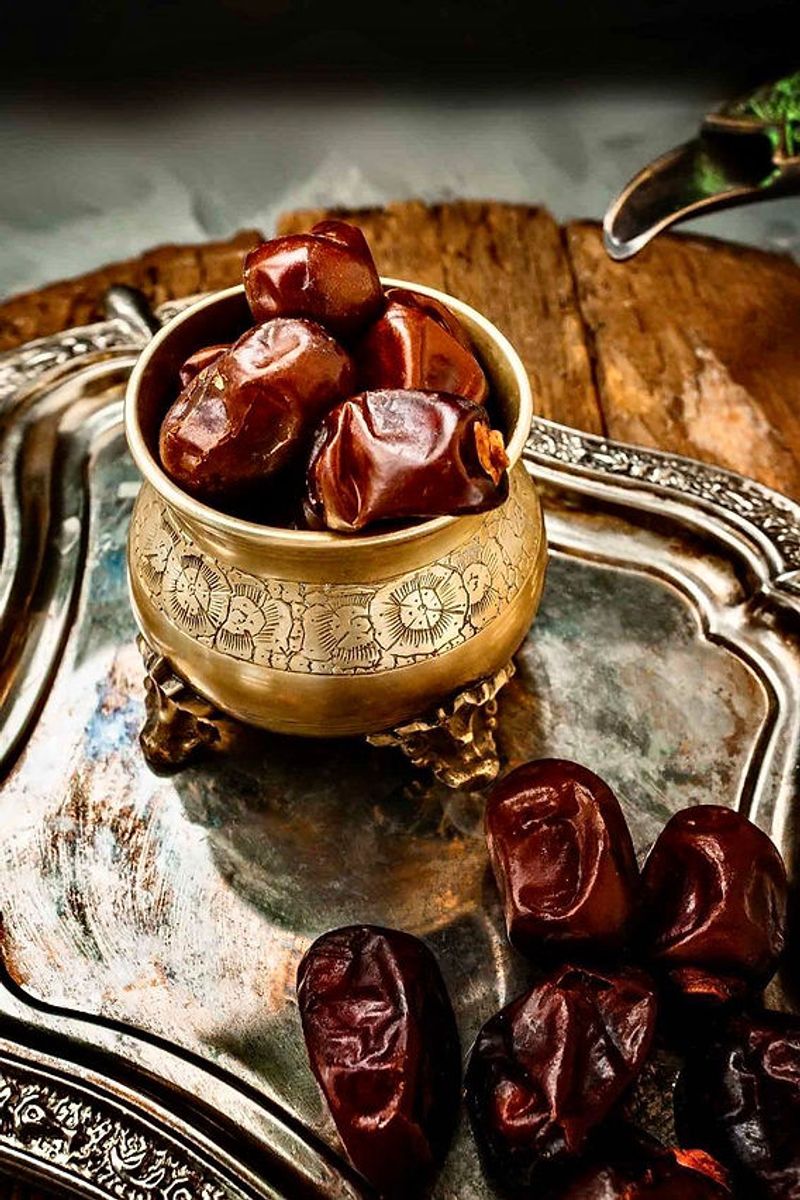
In Islamic culture, dates hold a place of extraordinary reverence. The Prophet Muhammad is said to have broken his fast with dates during Ramadan, and this practice continues today across the Muslim world.
Offering dates to a guest is a gesture of hospitality so deeply rooted it feels almost sacred.
Dates also appear at births, weddings, and funerals across Middle Eastern cultures. Their natural sweetness and long shelf life made them a symbol of endurance and blessing in desert communities for thousands of years.
18. Wedding Cake – Western Cultures
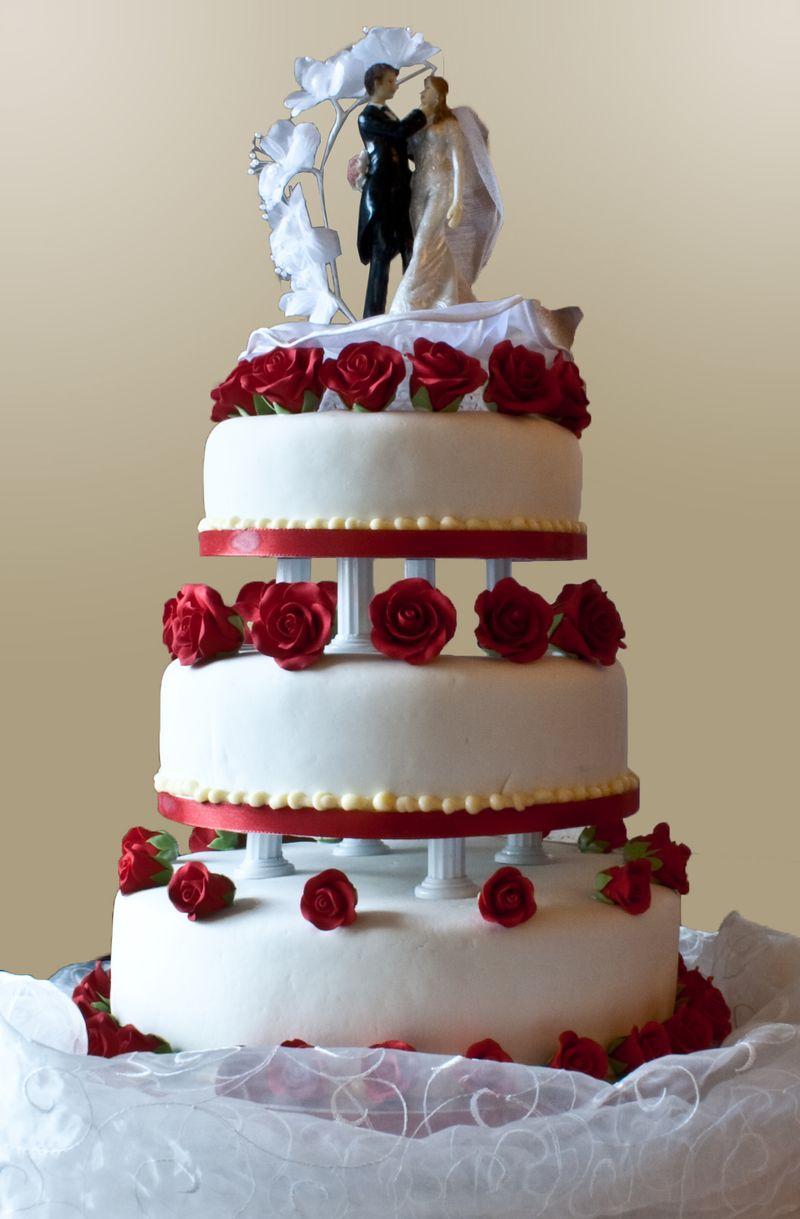
The wedding cake has been a centerpiece of Western marriage celebrations for centuries. Ancient Romans actually crumbled grain cakes over the bride’s head to bring fertility and abundance.
Over time, this evolved into the towering frosted cakes we know today, still packed with symbolic meaning.
Cutting the cake together is one of the first acts a couple performs as a married pair, representing shared commitment and a future built together. Saving the top tier for the first anniversary is a tradition many couples still follow with great care.
19. Noodles – China and Asian Cultures (Longevity)
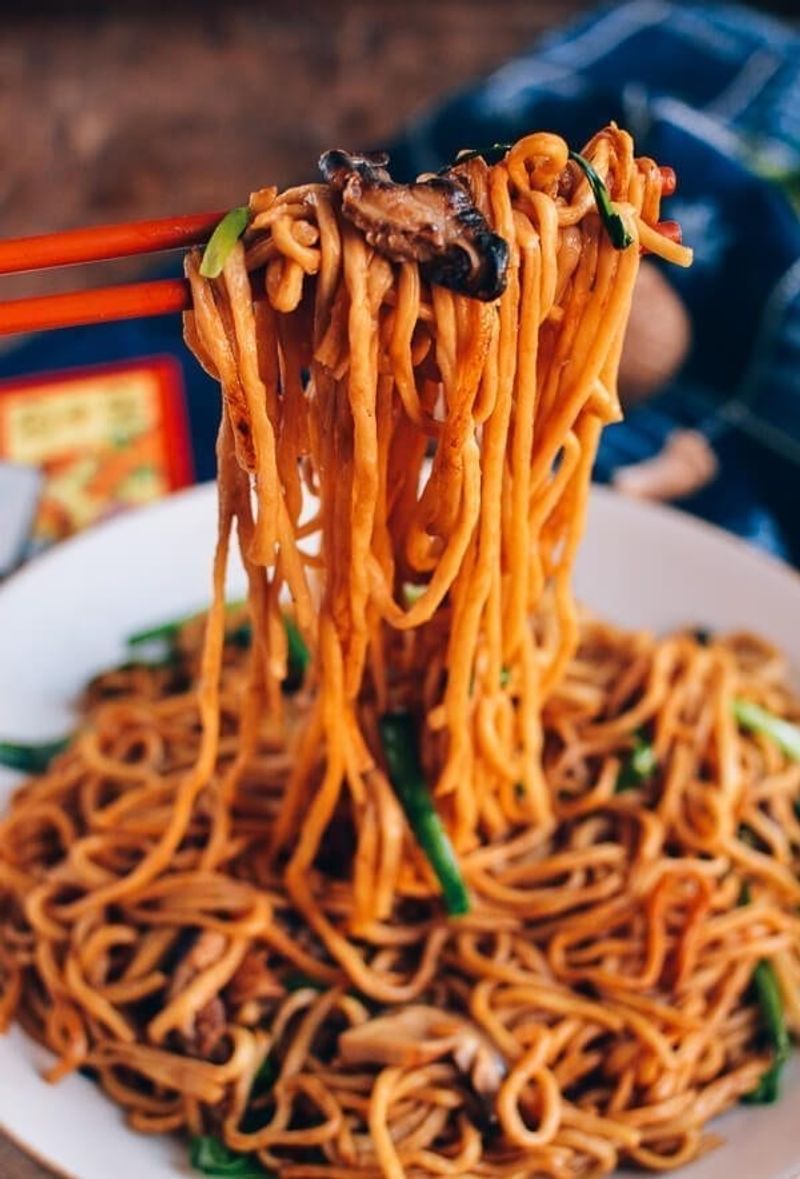
Long noodles in Chinese culture are not just a tasty meal – they are a birthday wish. Longevity noodles are served uncut because cutting them would symbolically shorten a person’s life.
Slurping them down whole is not just acceptable, it is actually encouraged as a sign of respect for the wish they carry.
This tradition extends across many Asian cultures, including Japanese and Vietnamese communities. Noodles served at birthdays, New Year celebrations, and weddings all carry that same quiet, hopeful message: may your life be long and full.