
A great meal takes more teamwork than most diners ever see. Behind each plate are people juggling hot food, busy tables, and plenty of requests.
Small choices, from ordering clearly to leaving a thoughtful tip, can make their workday easier. Being a welcome guest does not require fancy manners, just a little care for the people serving you.
1. Budget for a Fair Tip
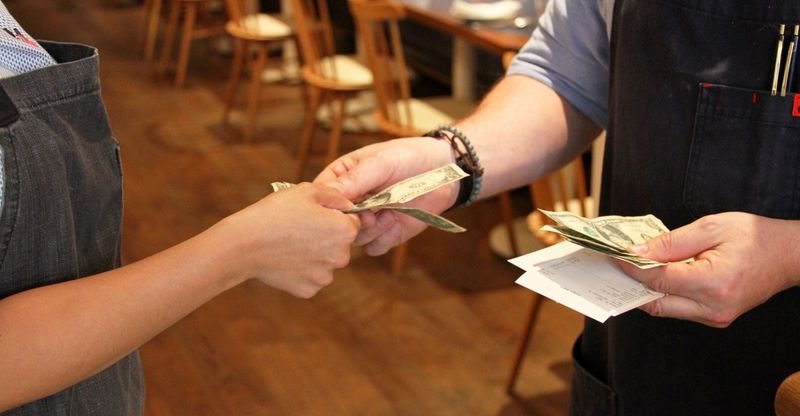
Your meal budget should cover more than the food. At full service restaurants in the United States, tipping around 18% to 20% of the bill before tax is customary, with more welcome for excellent service.
Some servers receive a lower direct wage under local tipping laws. Tips may also support bussers, bartenders, and other coworkers through tip sharing.
Plan ahead so the people caring for your table are included in what you can comfortably spend.
2. Read the Bill Before Adding More

A quick look at the check can prevent an awkward mix-up. Some restaurants add an automatic gratuity, especially for larger groups, while others list a service charge that may work differently.
Ask politely what a charge covers rather than guessing whether staff receive it. On payment screens, review the suggested amounts and the total before confirming.
Knowing what you are paying helps you make a clear choice without accidentally skipping or doubling your intended tip amount.
3. Greet the Person, Not Just the Service

Before asking for water, try a simple hello. Looking up and greeting your server reminds everyone that a real person, not a moving order screen, is helping with your meal.
Use please and thank you without turning the exchange into a long conversation during a rush. If someone wears a name tag, use their name respectfully rather than shouting it across the room.
Warm manners cost nothing, yet they can make a demanding shift feel kinder.
4. Honor Your Reservation
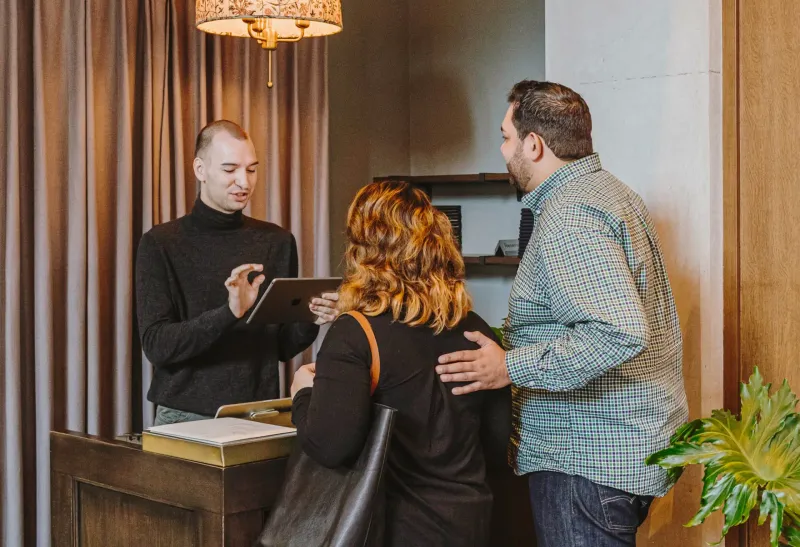
An empty reserved table can throw off an entire evening. Hosts plan seating around arrival times, party sizes, and available staff, so an unexpected change affects more than your own group.
Arrive on time, update the restaurant if you are delayed, and cancel as soon as plans change. Mention extra guests before bringing them along.
Honest updates give the team a chance to adjust instead of scrambling to find chairs while other diners are already waiting.
5. Give the Menu Your Attention
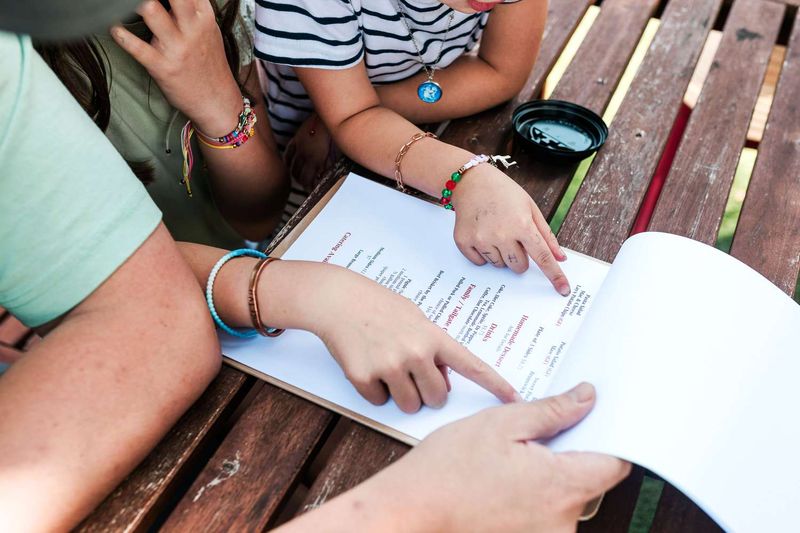
Still choosing between tacos and pasta? That is fine, but say you need another minute instead of keeping a busy server standing beside the table while everyone debates their dinner.
Read the menu, note your questions, and pause conversations when ordering begins. Tell the server clearly if your group is ready or still deciding.
A focused order cuts down on repeat visits and mistakes, giving staff more time to help every table in their busy section.
6. Make Special Requests Clear and Simple

A small change is easier to handle before cooking starts. Mention requests when you order, whether you want dressing on the side or need to leave out a particular ingredient.
Be specific, speak politely, and accept that some dishes cannot be changed. Sauces, soups, and other foods may already be prepared.
If a request is essential, ask which menu choices fit your needs rather than expecting the kitchen to rebuild a dish during a busy service.
7. Explain Food Allergies Before Ordering

For someone with a food allergy, clear words matter more than hints. Tell your server about the allergy before ordering, and explain which ingredients you must avoid, including possible cross-contact during preparation.
Ask whether the kitchen can safely meet your needs. Staff may need to check labels, equipment, or cooking methods before answering.
Never describe a preference as an allergy, and do not assume removing a topping makes an unsafe dish safe for you to eat.
8. Catch Attention Without Making a Scene

Snapping fingers might get noticed, but it also sends an unkind message. A brief glance and a small raised hand are usually enough to let your server know you need help.
Wait until they can safely respond, especially when they are carrying hot plates or speaking with another table. Avoid grabbing clothing, blocking walkways, or calling across the room.
Respectful signals keep the dining room calmer and let staff finish one task before starting the next.
9. Bundle Small Requests Together
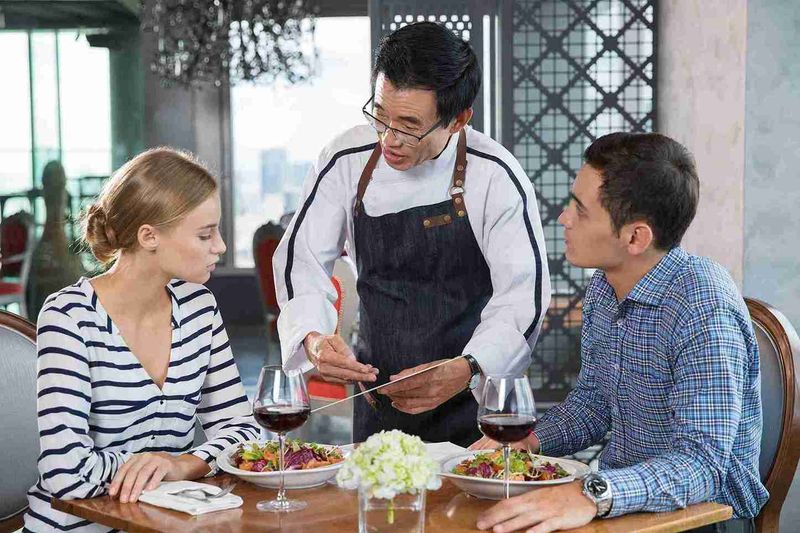
One trip for ketchup, another for napkins, then another for water can turn into a tiny marathon. Before asking, check whether anyone else at your table needs something at the same time.
A short, clear list helps your server plan the trip and remember what to bring. There is no need to stay silent if you forget something later.
Simply grouping obvious requests reduces extra steps, especially when the dining room is full and moving quickly.
10. Keep Phones From Taking Over
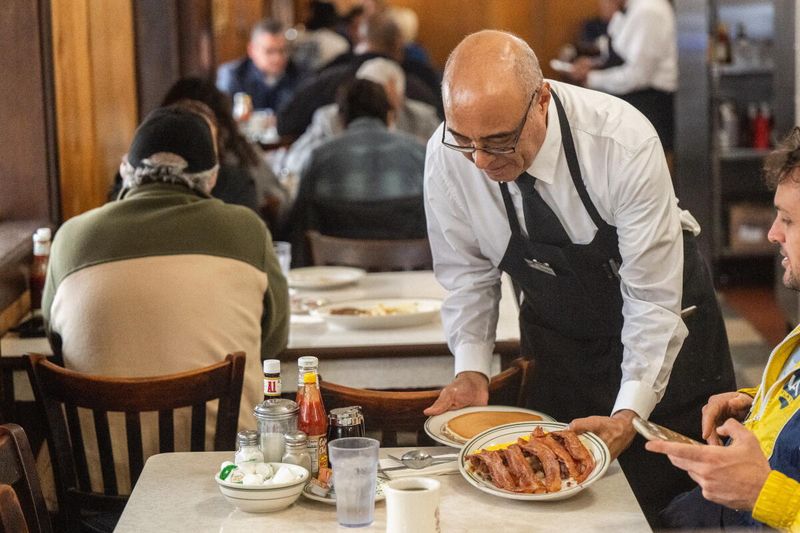
Your server should not have to compete with a video call. Put your phone aside when ordering, answering questions, or making room for plates, so nobody has to repeat information over background noise.
If you need to take a call, step outside or into an allowed area away from other diners. Keep bags and devices out of serving spaces, too.
Being present for these brief moments helps food arrive smoothly and shows respect for everyone’s shared surroundings.
11. Leave a Manageable Table
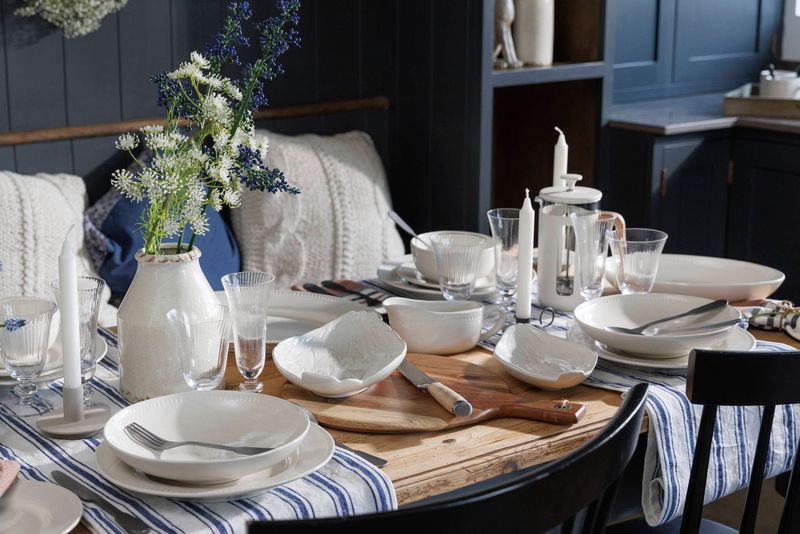
A little tidiness saves someone a much bigger cleanup. Keep scraps on your plate, gather loose wrappers, and tell staff about spills promptly so nobody slips or reaches into a sticky surprise.
Avoid stuffing napkins into glasses or building tall stacks of dishes that may fall. Staff often have their own clearing method.
You can help most by leaving items easy to reach and moving personal belongings when someone arrives to clear your finished meal away.
12. Help Children Share the Space

Restaurant aisles are busy work paths, not playgrounds. Servers may carry heavy trays, hot soup, or glassware, so children wandering between tables can create risks that nobody wants during a family meal.
Bring a quiet activity, choose a suitable dining time, and help kids practice indoor voices. Handle tantrums with a brief break when needed.
A quick cleanup of dropped food, when safe, also shows care without expecting young children to behave like tiny adults all evening.
13. Allow Breathing Room During a Rush
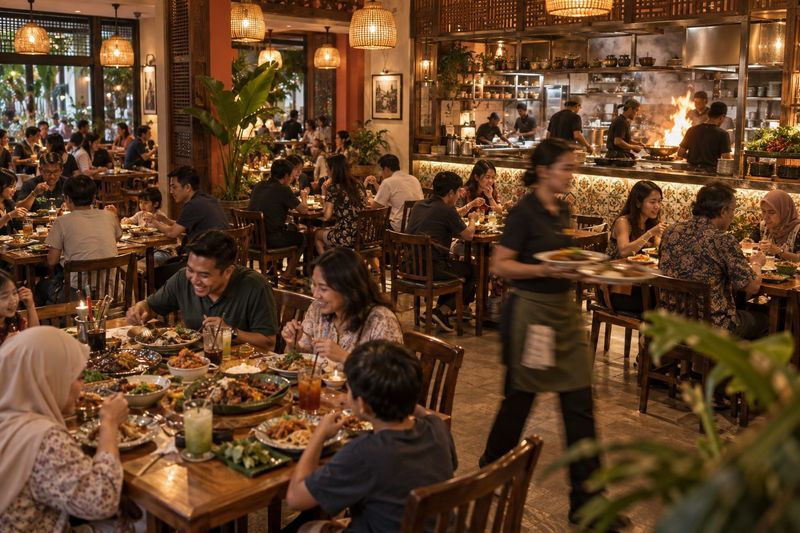
Behind a slow refill may be six tables needing help at once. Busy periods can stretch even a skilled team, especially when orders reach the kitchen together or someone calls out sick.
Ask for an update calmly if you are concerned, and mention real time limits before ordering. Patience does not mean accepting unsafe food or serious neglect.
It means judging the situation fairly instead of treating every delay as proof that your server does not care.
14. Raise Problems While They Can Be Fixed

The wrong side dish is easier to replace before the meal is over. Tell your server about a problem soon after noticing it, using a calm voice and a clear description of what happened.
Focus on the fix you need, not on blame or insults. A server may not control kitchen mistakes, menu prices, or restaurant rules.
Giving staff a fair chance to help often solves the issue faster than saving your frustration for a public review.
15. Notice When It Is Time to Leave

Lingering over conversation can be lovely, until the restaurant needs your table. During busy hours, an occupied seat may keep waiting guests from dining and limit the next seating for your server.
After paying, notice the room and consider continuing your chat elsewhere. Near closing, finish up without making staff repeatedly hint that they need to clean.
If you expect a long visit, ask about timing beforehand and tip thoughtfully for the service your group has received.
16. Give Good Work Specific Credit
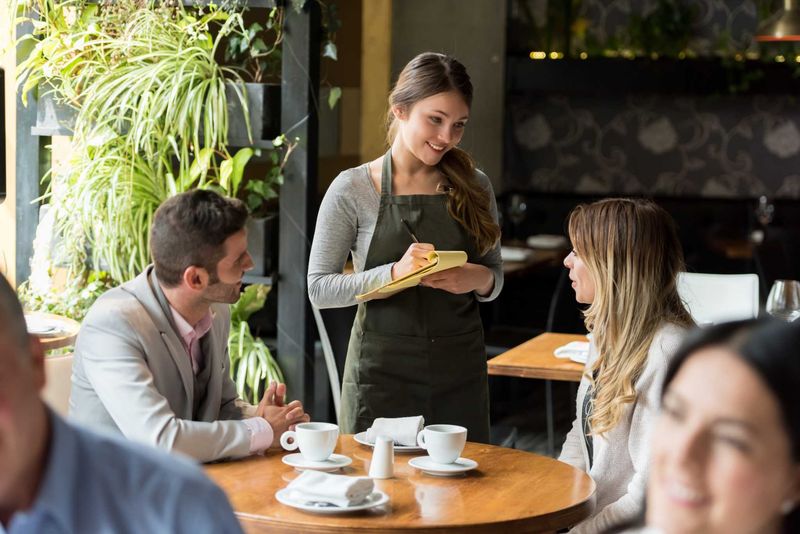
A sincere compliment can outlast the dinner rush. When someone handles your meal with care, tell them what stood out, whether it was a helpful menu explanation or patient attention to your group.
You can also share praise with a manager or leave an honest review naming the employee, if they are comfortable with that. Specific feedback makes good work visible.
Pair kind words with fair payment, because appreciation matters most when it comes with practical support.