
Protein helps your body build muscle, heal cuts, and stay full between meals. The good news is that getting more of it does not have to mean eating plain chicken every night.
Small swaps and tasty add-ons can boost your protein without much effort. Here are some simple ideas you can start using today.
1. Swap Regular Yogurt for Greek Yogurt
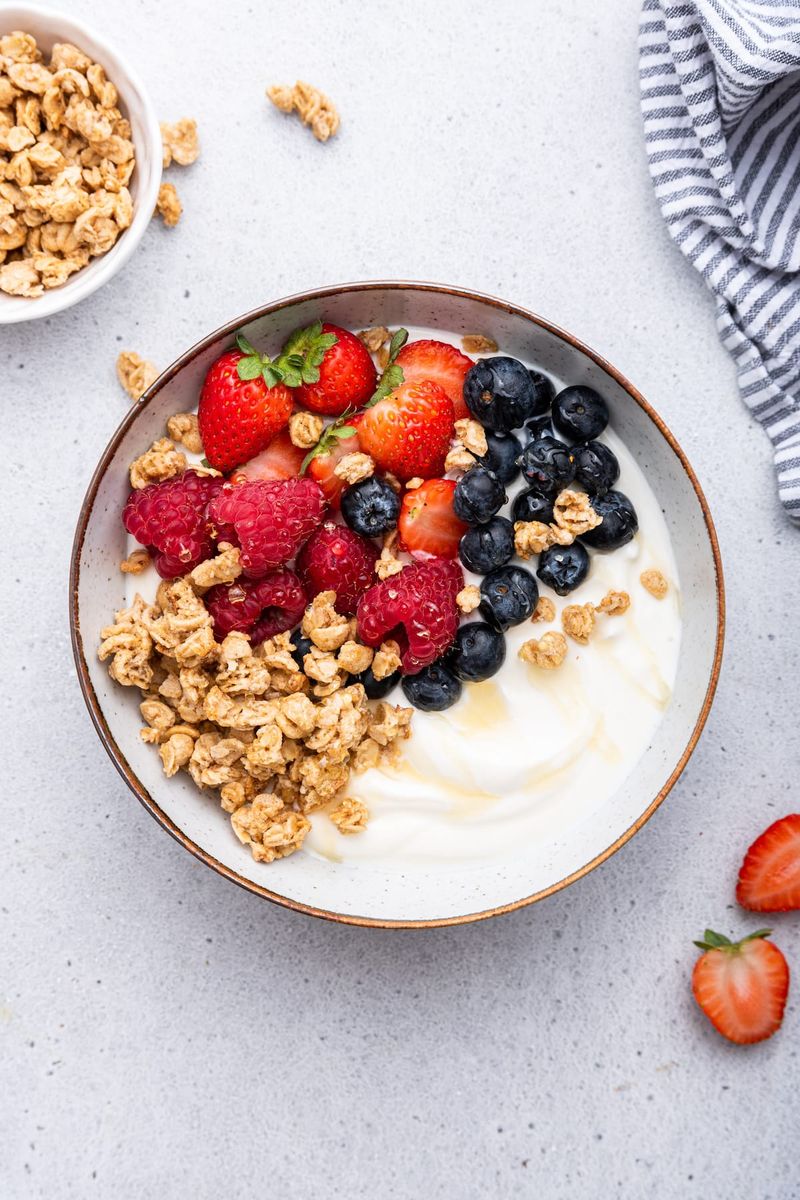
Thick, creamy, and a little tangy, Greek yogurt packs about twice the protein of regular yogurt. A single cup can give you around 20 grams.
Try it for breakfast with fresh berries and a drizzle of honey. You can also use it in place of sour cream on tacos or baked potatoes.
Pick plain versions when you can, since flavored ones often hide lots of added sugar.
2. Keep Hard-Boiled Eggs Ready
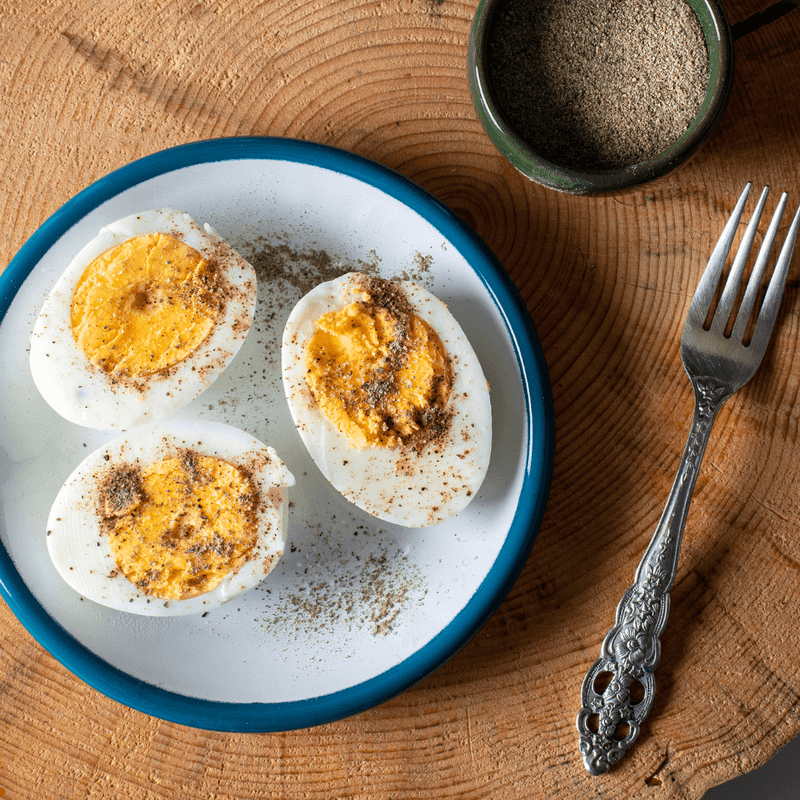
Picture opening the fridge, starving after school, and finding a snack that is already done. Hard-boiled eggs make that happen.
Each egg has about 6 grams of protein, and boiling a dozen on Sunday covers you for days. Sprinkle them with salt, pepper, or a pinch of paprika.
Fun fact: older eggs are actually easier to peel than super fresh ones.
3. Sprinkle Seeds on Everything
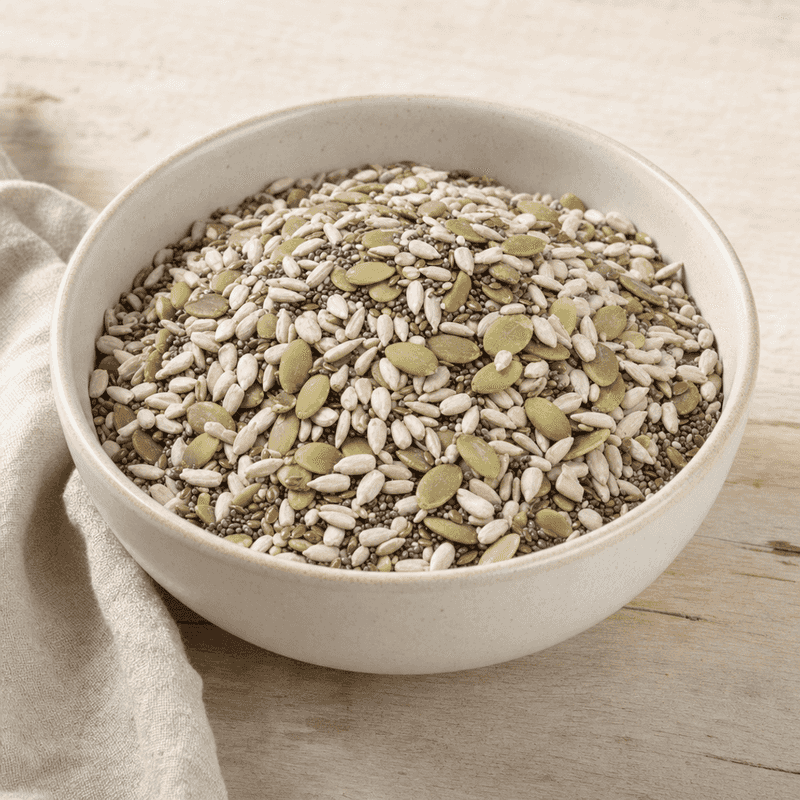
Tiny but mighty, seeds are an easy way to sneak in extra protein. Hemp seeds give about 10 grams in three tablespoons, while pumpkin seeds are not far behind.
Toss them on salads, oatmeal, smoothie bowls, or even popcorn. They add a nice crunch too.
Store them in a jar on the counter so you remember to use them every day.
4. Blend a Protein-Packed Smoothie
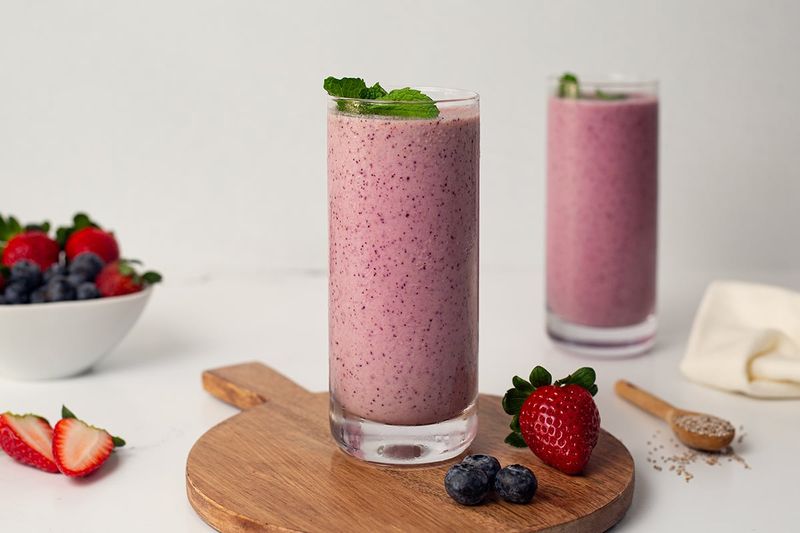
Busy mornings call for breakfast you can drink on the go. A smoothie is perfect for that.
Blend milk, a banana, frozen berries, and a scoop of peanut butter or Greek yogurt. Adding a scoop of protein powder can push it past 25 grams.
Want it extra thick? Use frozen fruit instead of ice.
The flavor stays strong and never gets watered down.
5. Make Cottage Cheese Your New Friend
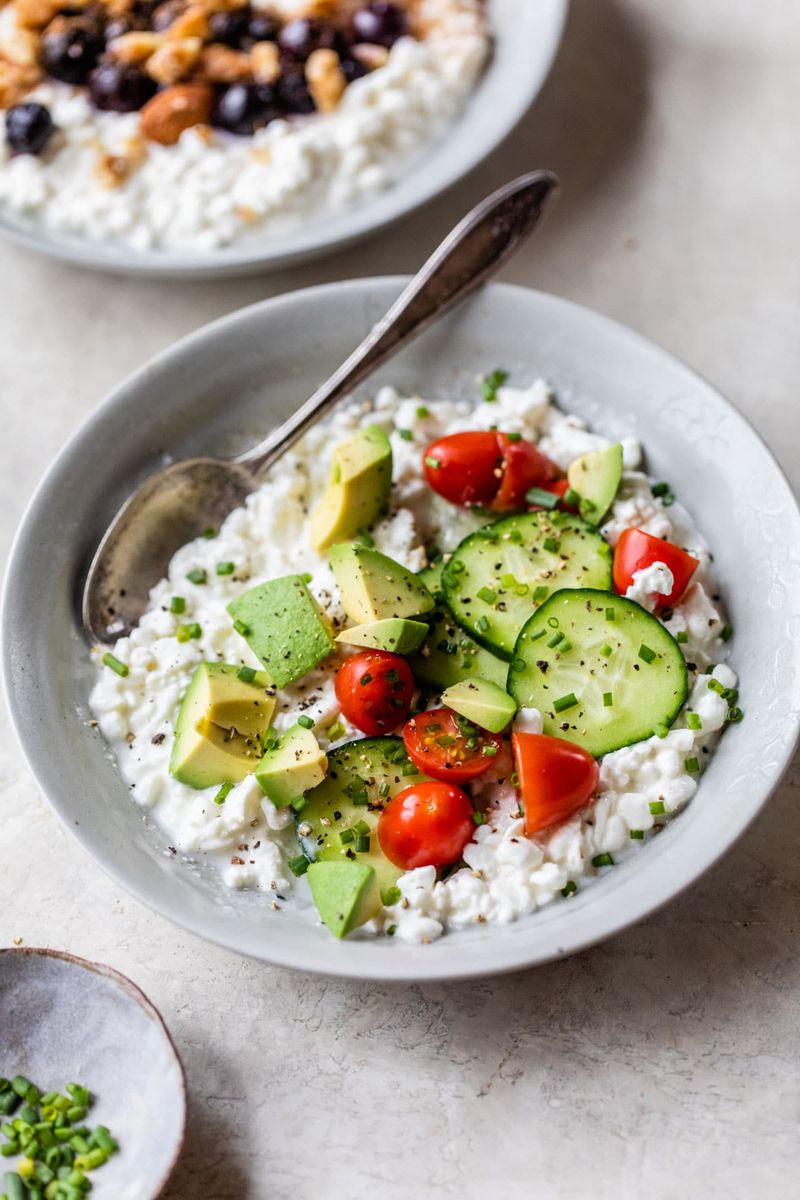
Cottage cheese had a reputation as old-fashioned diet food, but it is making a big comeback. One cup has roughly 25 grams of protein.
Eat it sweet with pineapple and cinnamon, or savory with tomatoes and black pepper. Some people even blend it into pasta sauce for extra creaminess.
If the lumpy texture bugs you, a quick spin in the blender makes it silky smooth.
6. Go Nuts for Nut Butter
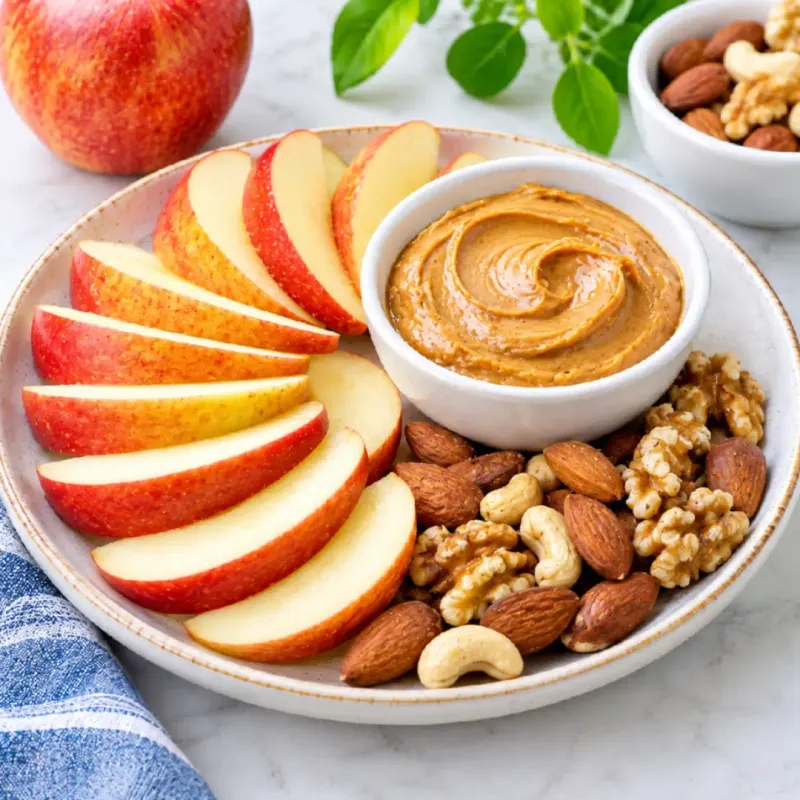
Peanut butter on apple slices is a classic for a reason. Two tablespoons give about 7 grams of protein plus healthy fats that keep hunger away.
Spread almond or peanut butter on toast, stir it into oatmeal, or dip celery into it.
Just check the label. The best kinds list only nuts and maybe salt, without extra oils or sugar.
7. Add Beans to Soups and Salads
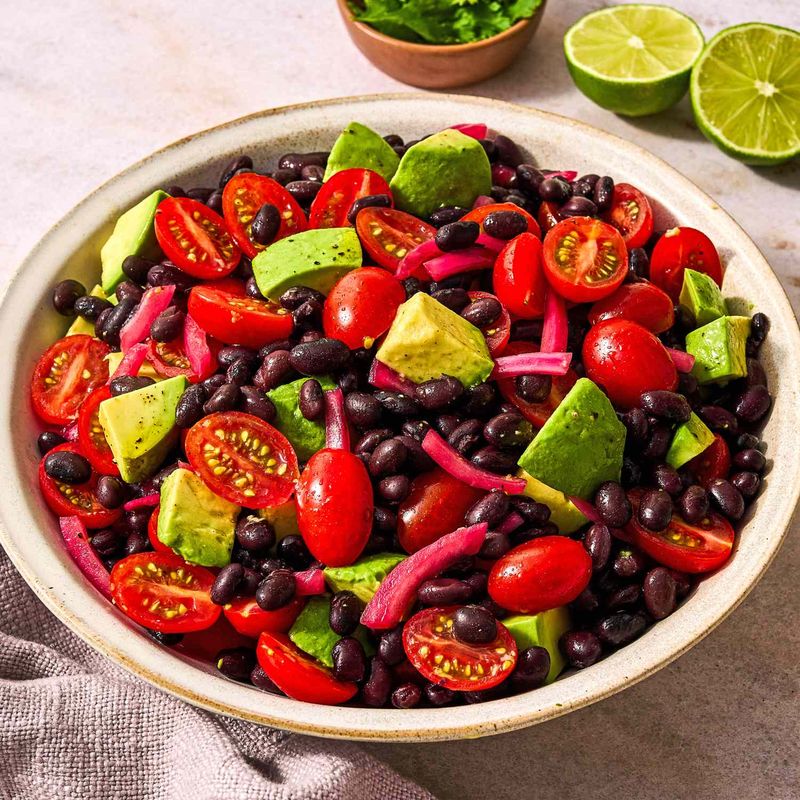
Cheap, filling, and easy to find, beans are a budget hero. A cup of black beans offers around 15 grams of protein along with lots of fiber.
Rinse a can and toss it into soups, chili, salads, or burritos. Chickpeas also roast up nice and crunchy in the oven.
Your wallet and your stomach will both thank you for this habit.
8. Choose Lentils for Hearty Meals
Did you know lentils have been eaten for over 9,000 years? People clearly figured out early how good they are.
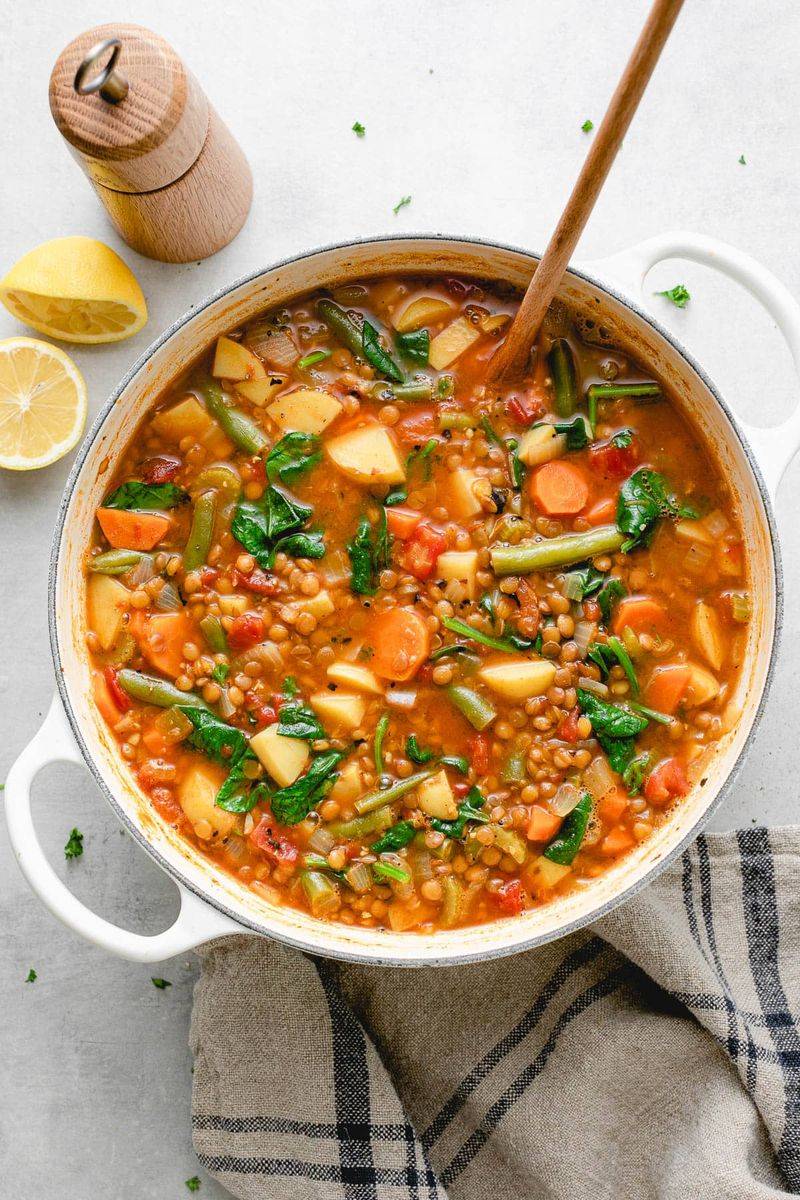
One cooked cup holds about 18 grams of protein. Unlike dry beans, lentils need no soaking and cook in about 20 minutes.
Make a cozy lentil soup, add them to spaghetti sauce, or mix them into rice for a warm, filling dinner.
9. Snack on Edamame
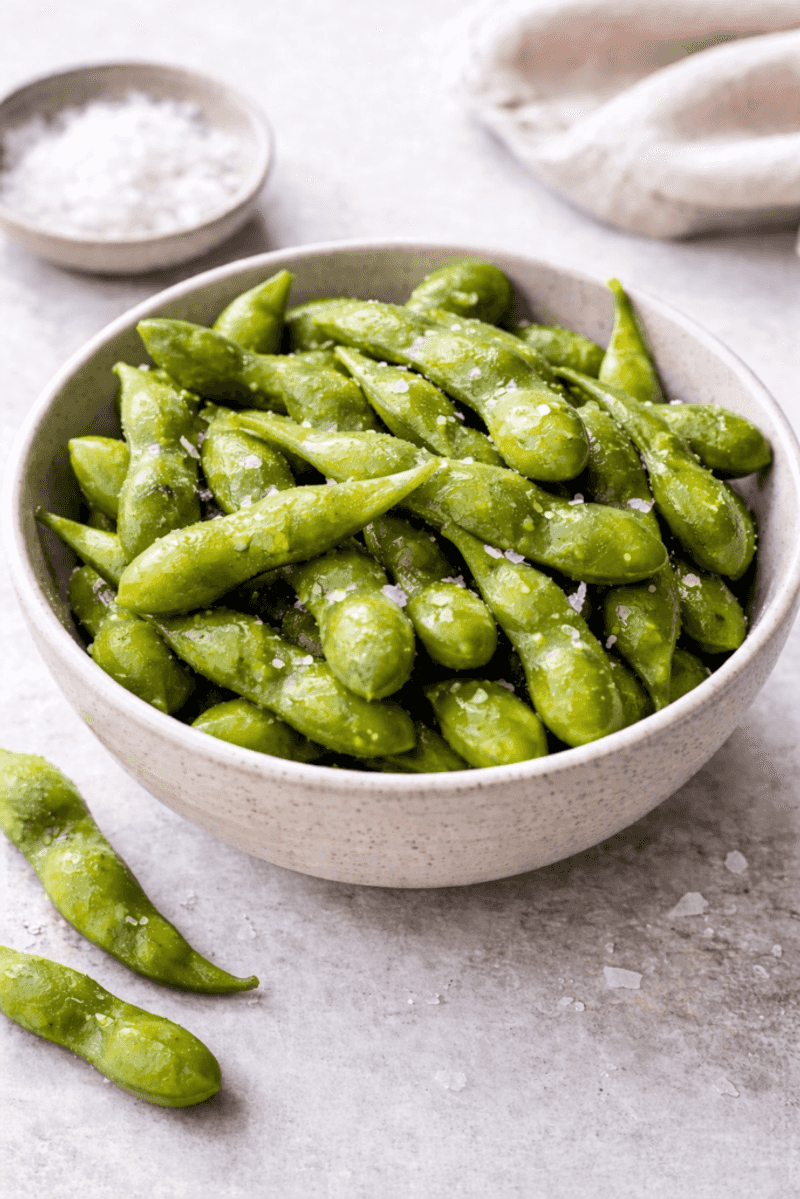
Popping edamame out of the pod is weirdly fun, almost like a game you can eat. These young soybeans bring about 17 grams of protein per cup.
Buy them frozen, steam them for a few minutes, and sprinkle with salt. Shelled edamame also works great in stir-fries and grain bowls.
They make a smart swap for chips when you want a salty snack.
10. Stock Up on Canned Tuna and Salmon
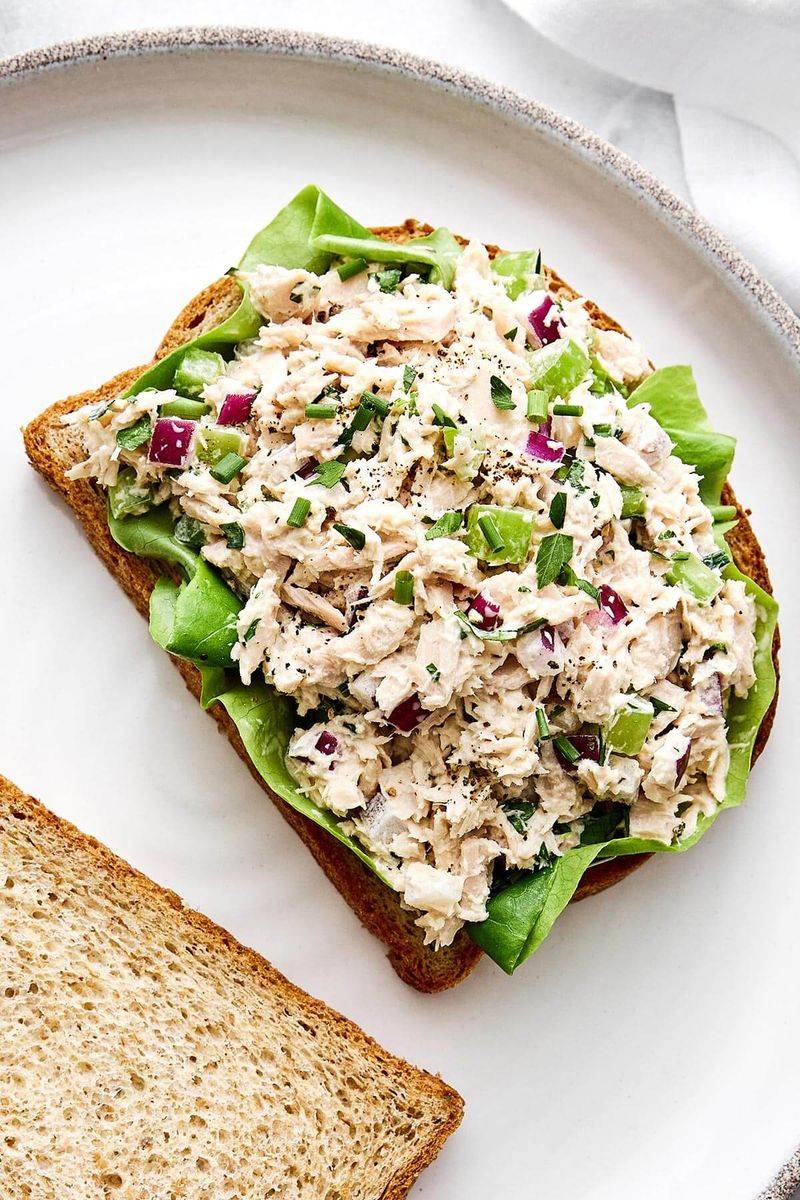
Sometimes the easiest protein sits right in your pantry. A small can of tuna has around 20 grams, and canned salmon adds heart-healthy omega-3 fats.
Mix either one with a little mayo or Greek yogurt for a quick sandwich. You can also toss it into pasta or on crackers.
Keep a few cans handy for days when cooking feels like too much work.
11. Try Tofu in a Stir-Fry
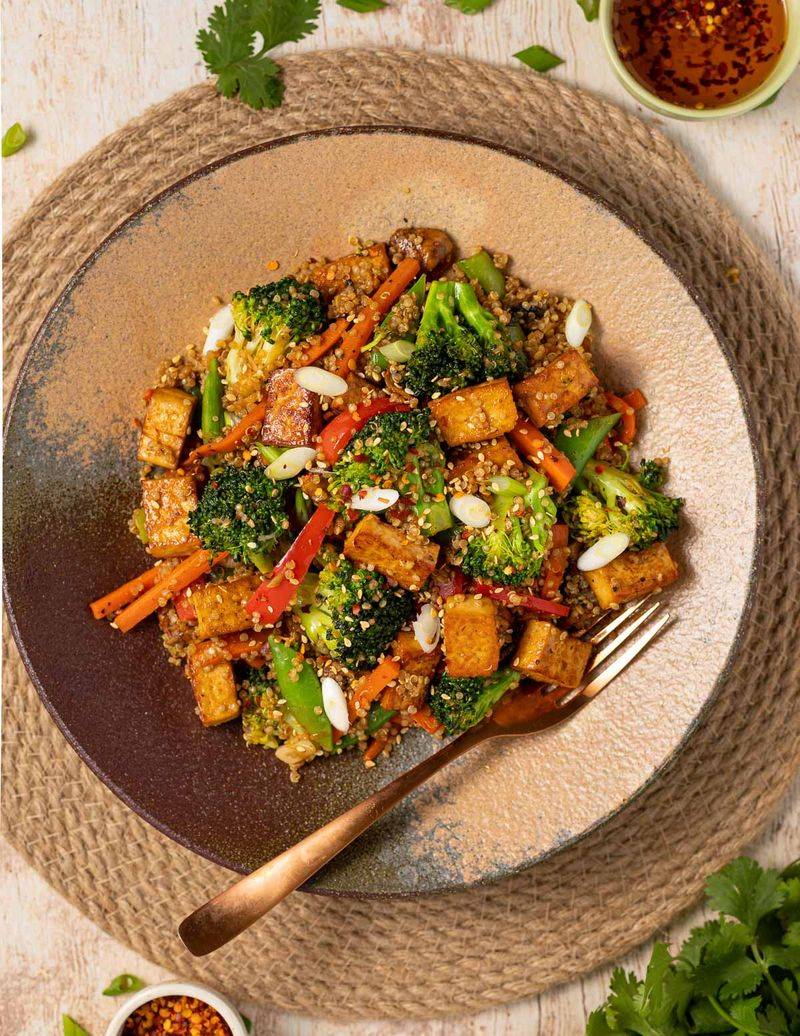
Tofu is like a sponge for flavor. On its own it tastes plain, but it soaks up sauces beautifully.
Firm tofu has about 20 grams of protein per cup. Press out the water, cut it into cubes, and fry until golden and crispy.
Toss it with veggies and teriyaki sauce for a fast dinner. Even skeptics often change their minds after one bite.
12. Grab Cheese Sticks for Snacks

Remember peeling string cheese into thin strips as a kid? Turns out it was a smart snack all along.
Each stick has about 7 grams of protein and fits easily into a backpack or lunchbox. Cubes of cheddar or Swiss work well too.
Pair cheese with fruit or whole grain crackers for a snack that actually keeps you full until dinner.
13. Upgrade Your Oatmeal
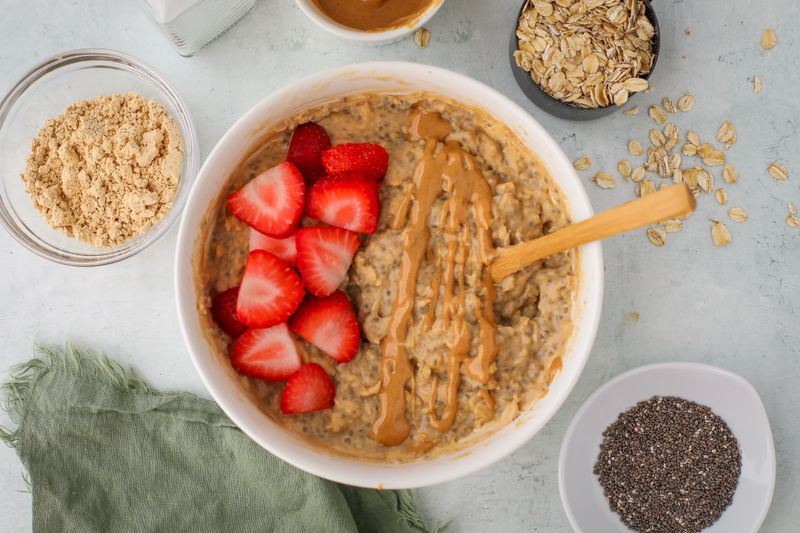
Plain oatmeal is comforting, but it is a bit low on protein. Luckily, it is easy to fix.
Cook your oats in milk instead of water, then stir in nut butter, seeds, or a spoon of protein powder. Some people even whisk in egg whites while it cooks for a fluffy texture.
These tweaks can turn a 5-gram bowl into a 20-gram powerhouse.
14. Pick Protein Pasta
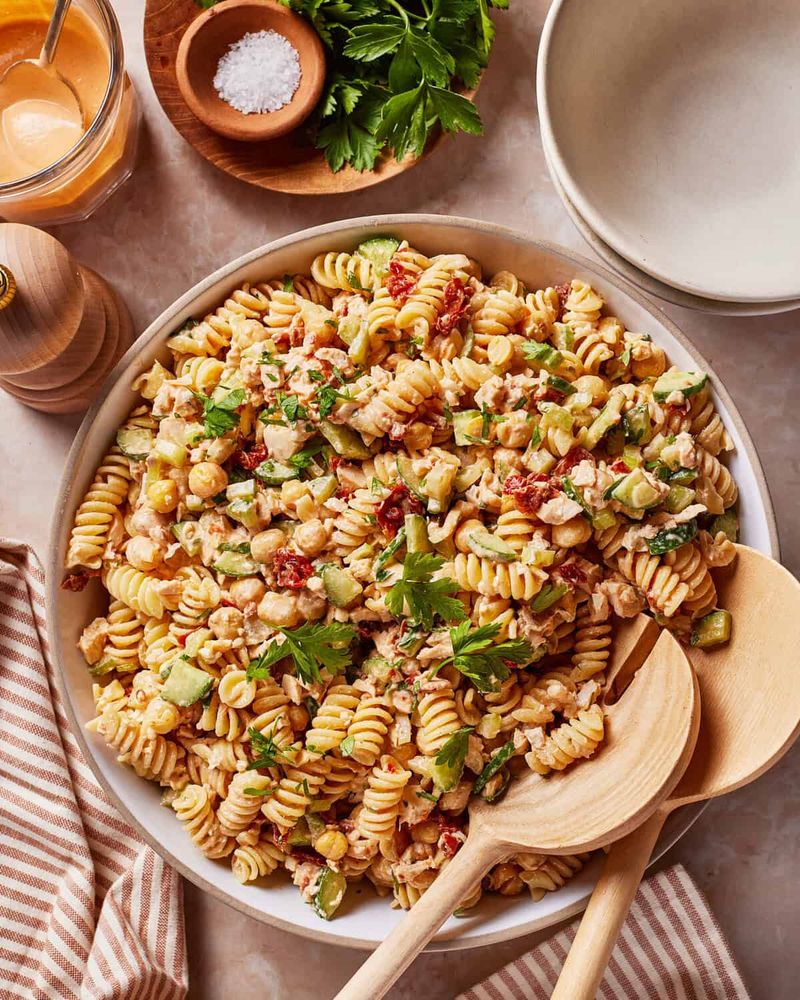
Pasta night does not have to be a protein flop. Many stores now sell noodles made from chickpeas, lentils, or edamame.
These can have double or even triple the protein of regular pasta. They cook just like normal noodles and taste surprisingly similar with sauce on top.
Add meatballs or a sprinkle of parmesan, and you have a dinner the whole family will enjoy.
15. Cook Extra Chicken for Leftovers
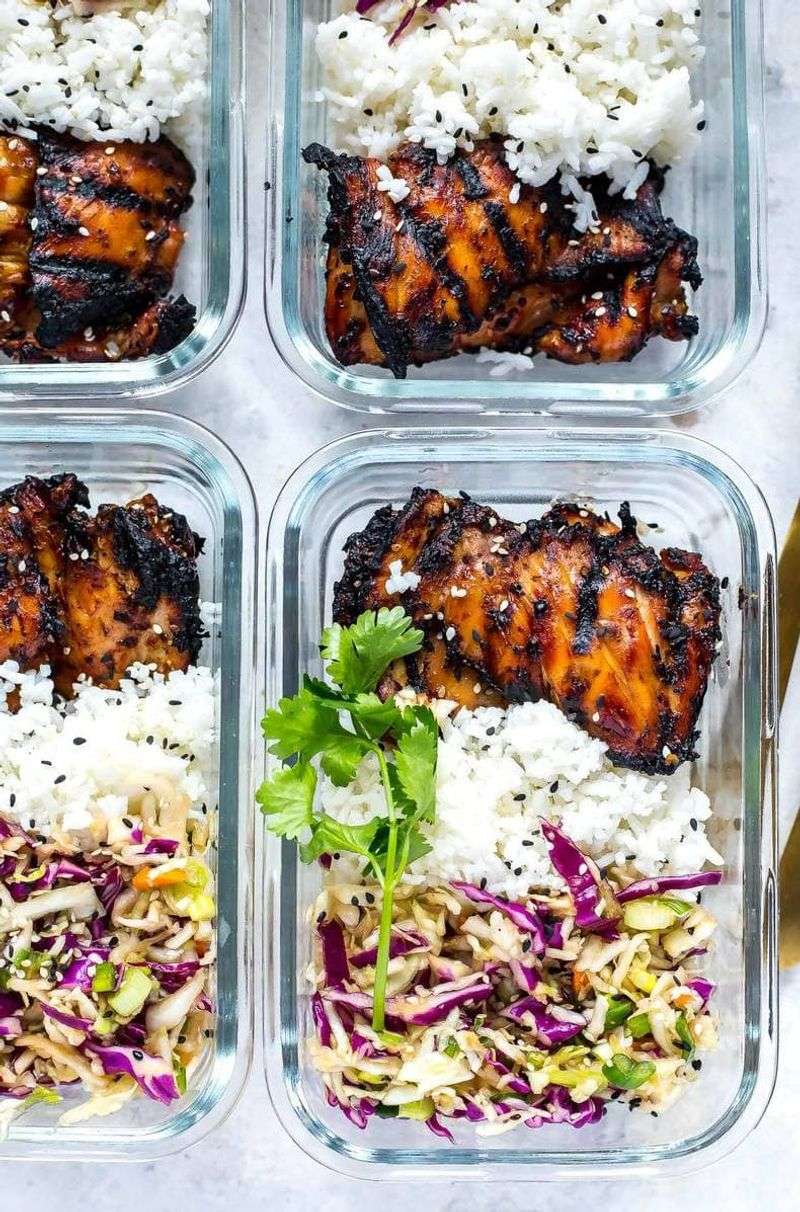
Here is a lazy cook’s trick: whenever you make chicken, make double. Cooked chicken breast has about 30 grams of protein in a small portion.
Leftovers can top salads, fill wraps, or go into quesadillas the next day. It saves time and makes healthy choices way easier.
Store it in the fridge for up to four days in a sealed container.
16. Bake with Protein-Rich Swaps
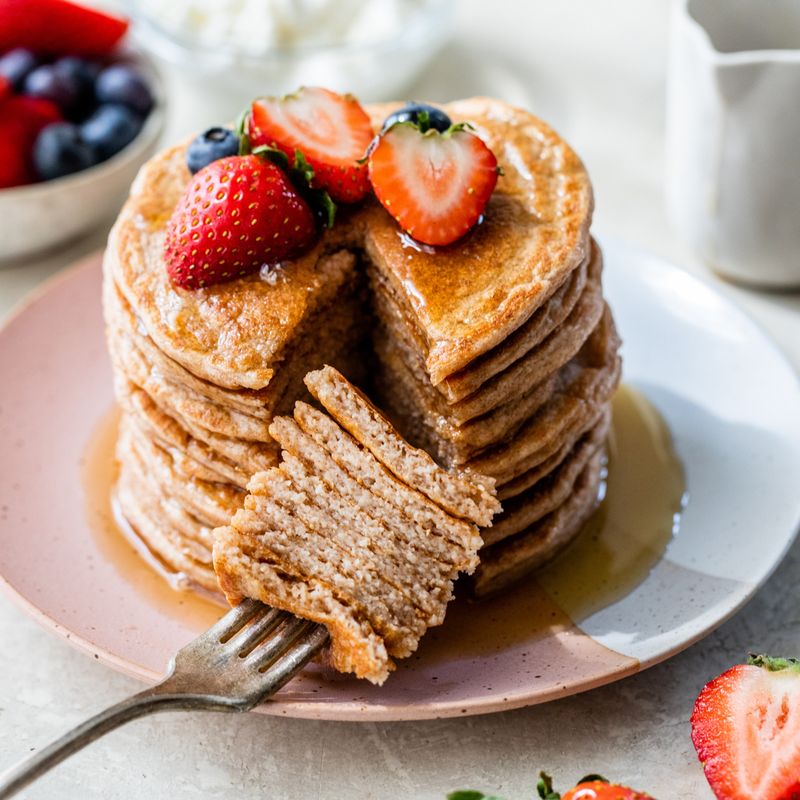
Who says treats cannot pull their weight? With a few changes, baked goods can deliver real protein.
Use Greek yogurt in muffins, add almond flour to cookies, or mix cottage cheese into pancake batter. Protein pancakes are a weekend favorite in many homes.
Kids usually cannot tell the difference, and the snacks keep everyone fuller much longer than regular versions.
17. Pour a Glass of Milk
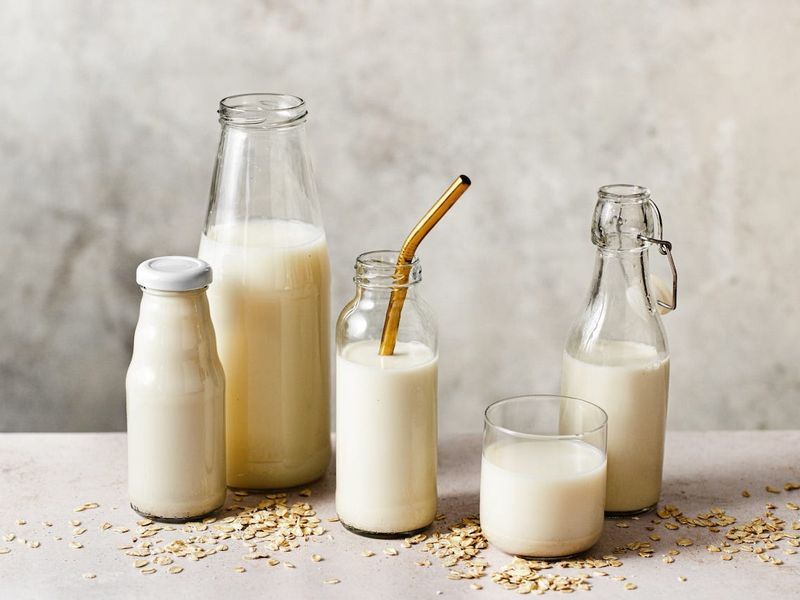
Sometimes the simplest answer is the best one. A cup of cow’s milk gives you about 8 grams of protein, plus calcium for strong bones.
Drink it with meals, use it in cereal, or warm it up with cocoa before bed. Soy milk is a great dairy-free option with similar protein.
Almond and rice milks taste nice but have much less protein.