
The Beach Boys made songs that feel like summer, but their best music goes far beyond surfboards and sunshine. Behind those bright harmonies are stories about love, fear, growing up, and finding your place.
This ranking weighs the songwriting, singing, studio craft, and lasting appeal, counting down from wonderful early favorites to their greatest achievement.
1. Surfer Girl
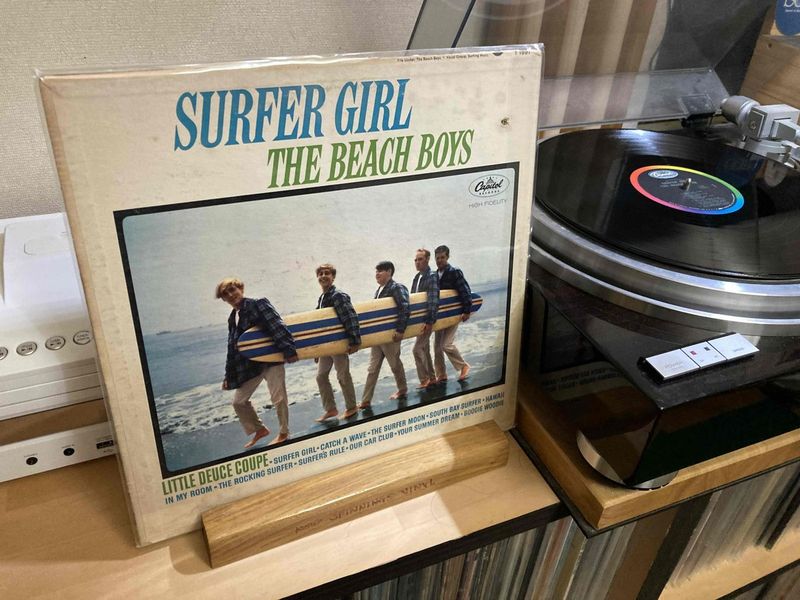
A slow dance hides inside this seaside classic. Released in 1963, the song pairs Brian Wilson’s tender lead with harmonies that seem to float above the sand.
Its simple promise of love feels sincere rather than flashy.
Listen for how the backing voices support the melody without crowding it. That careful balance reveals the group’s growing skill.
Before the grand studio experiments arrived, they already knew how to make a small moment feel truly lasting.
2. California Girls
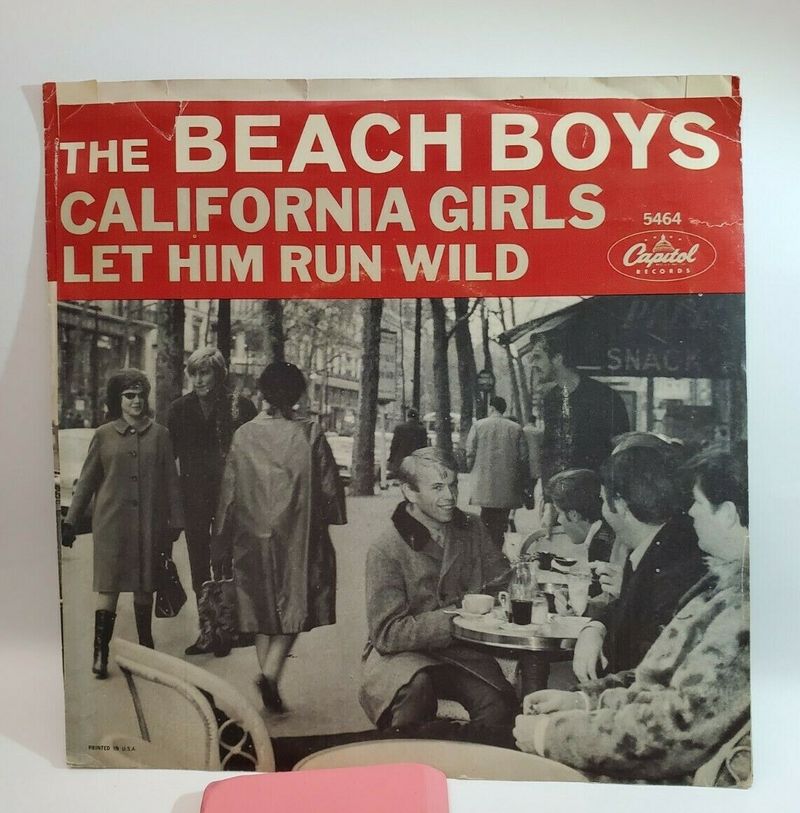
Before anyone sings, the opening music builds a whole sunny world. That dreamy introduction gives way to a bouncing beat and Mike Love’s familiar lead.
Released in 1965, the recording captures the band’s knack for turning a catchy idea into something bigger.
The lyrics reflect their era, but the arrangement remains the main attraction. Pay attention to the bass line and layered voices.
Beneath the postcard image sits a surprisingly rich piece of pop craftsmanship.
3. The Warmth of the Sun
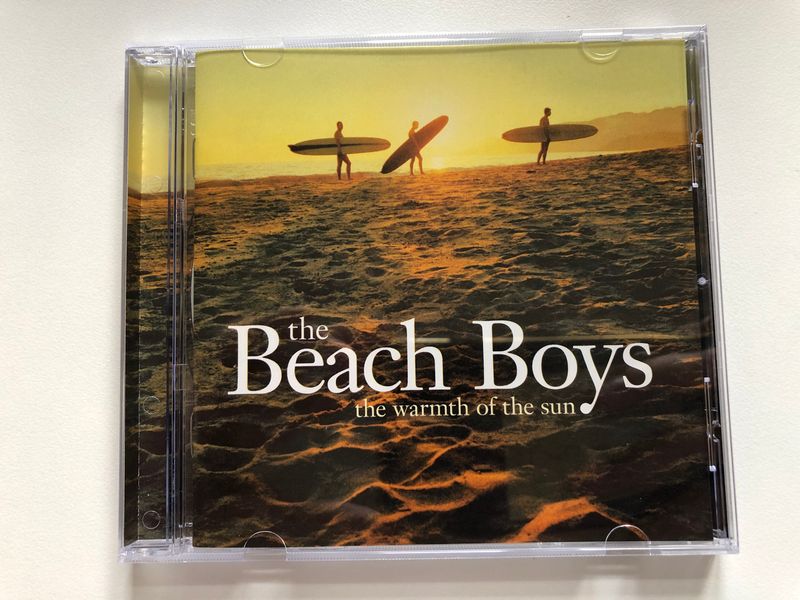
Heartbreak rarely sounds this peaceful. Brian Wilson and Mike Love wrote a ballad that finds comfort in the memory of love, even after a relationship ends.
The gentle pace gives every rise in the melody room to breathe.
Rather than pushing toward a huge finish, the performance stays controlled and deeply felt. Try hearing it beside the band’s faster early hits.
Its patience shows how much emotional range they had beyond cars, beaches, and parties.
4. She Knows Me Too Well
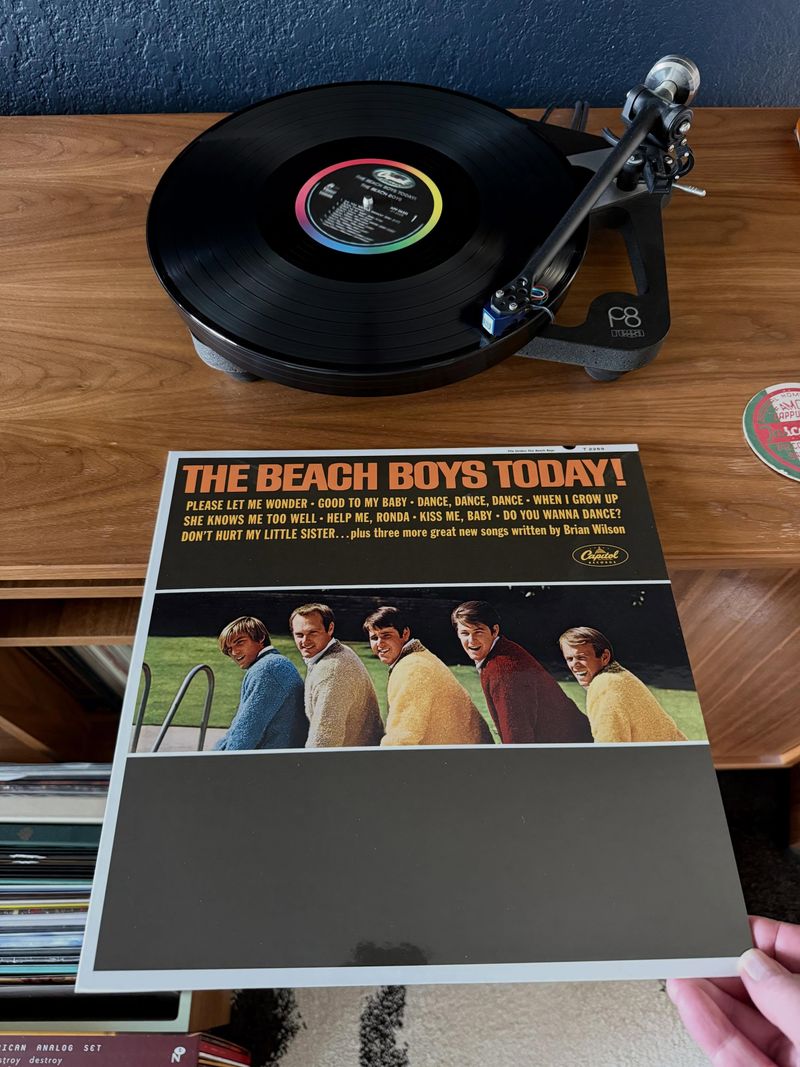
Jealousy interrupts the sunshine here. On this standout from The Beach Boys Today!, the narrator admits behavior that hurts someone he loves.
Brian Wilson’s soaring voice makes those ugly feelings sound painfully honest instead of easy to excuse.
Notice the contrast between the troubled story and the lovely backing vocals. That tension points toward the deeper writing of Pet Sounds.
It earns its place by showing how beautiful music can hold uncomfortable truths without flinching.
5. Please Let Me Wonder
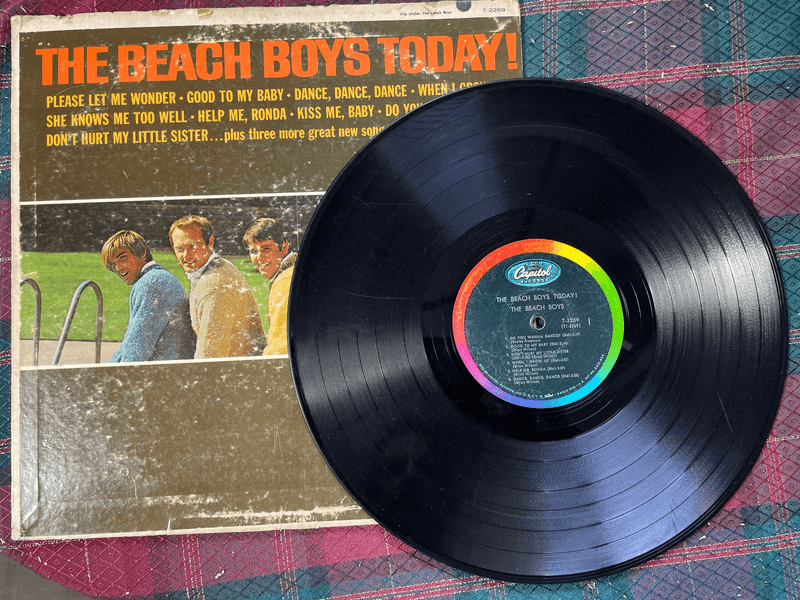
Sometimes the biggest romantic question is whether to ask at all. Released in 1965, this delicate track turns that nervous feeling into a graceful blend of voices and carefully arranged instruments.
Hope and doubt share the same space.
Give the quieter details your attention, especially the way the harmonies gather around the lead. The song rewards patient listening rather than demanding it.
Its emotional shading makes it a bridge between early hits and later breakthroughs.
6. Don’t Talk (Put Your Head On My Shoulder)
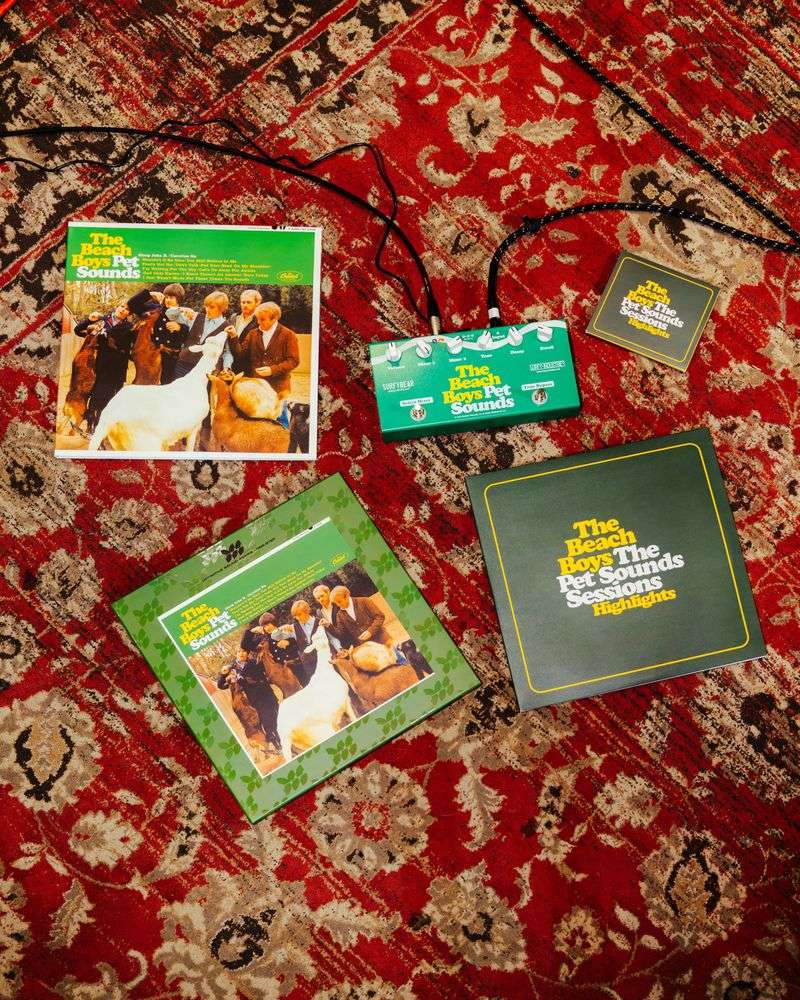
No grand speech could improve this quiet moment. From Pet Sounds, the song asks for closeness when words no longer help.
Brian Wilson’s soft singing and the rich string arrangement make that request feel almost weightless.
Use headphones to follow the movement beneath the vocal, where the instruments carry much of the emotion. Nothing needs to rush.
Its strength comes from restraint, proving that the band’s boldest music could also arrive as a near whisper.
7. ‘Til I Die

A tiny cork on a vast ocean becomes an image of human doubt. Written by Brian Wilson, this 1971 song uses plain pictures from nature to ask enormous questions about life.
The voices sound beautiful, but the feeling underneath is unsettled.
Follow the repeating musical patterns as the harmonies shift around them. They suggest someone searching without finding firm ground.
Few Beach Boys recordings bring beauty and fear together with such directness, patience, and force.
8. Heroes and Villains
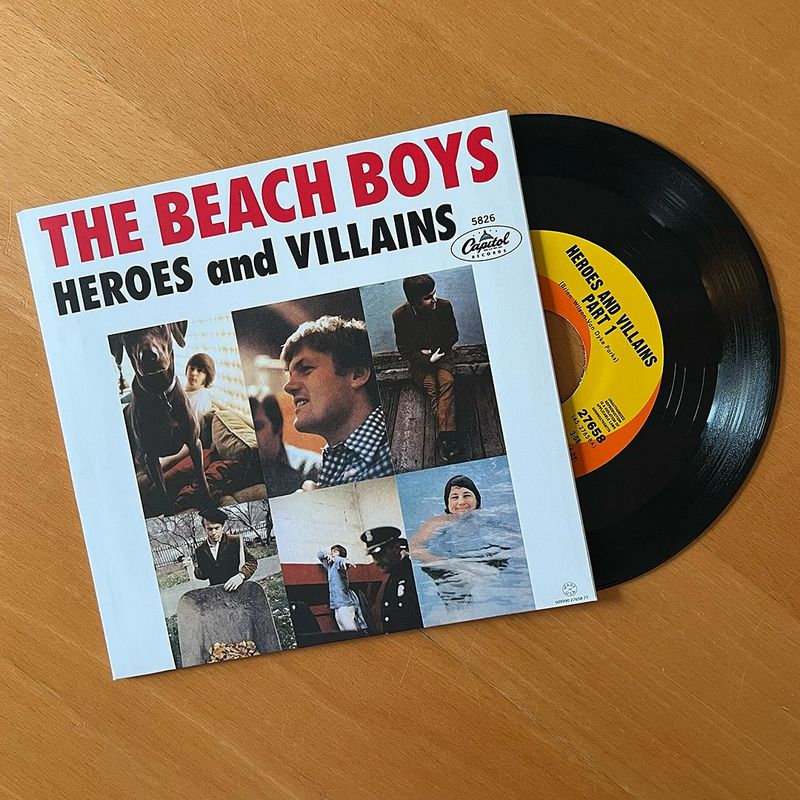
Forget a straight road from verse to chorus. Released in 1967, this strange adventure jumps between musical scenes, with Brian Wilson’s ideas meeting Van Dyke Parks’ playful lyrics.
The result feels part Western tale and part pocket theater.
Start with the original single before exploring the versions assembled from the Smile sessions. Comparing them reveals how flexible the material was.
Its restless design earns a high ranking because the surprises still feel fresh decades later.
9. In My Room
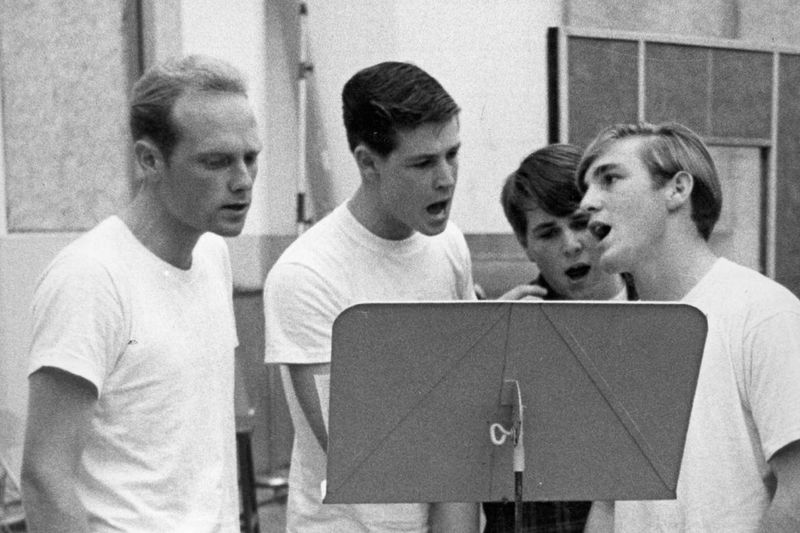
For anyone who has needed a place to hide, this song understands. The 1963 ballad treats a bedroom as shelter from worry and judgment.
Brian Wilson’s lead feels personal, while the surrounding harmonies offer quiet company.
The arrangement stays modest, allowing the message to land without fuss. Play it after one of the band’s beach anthems to hear the contrast.
Their public world was full of crowds, but their private one could be deeply lonely.
10. I Get Around
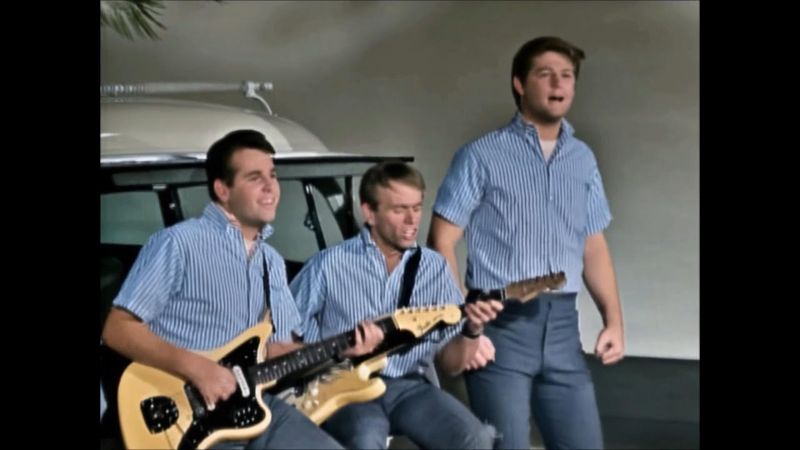
Confidence arrives before the first verse even settles in. The band’s first American number one single, released in 1964, packs sharp vocal exchanges, driving rhythm, and restless energy into a short burst.
Every turn seems built to grab attention.
Listen beyond the famous hook for the sudden stops and changes in texture. Those details keep the track from becoming ordinary cruising music.
It is proof that clever construction and carefree fun can share the same lane.
11. Don’t Worry Baby
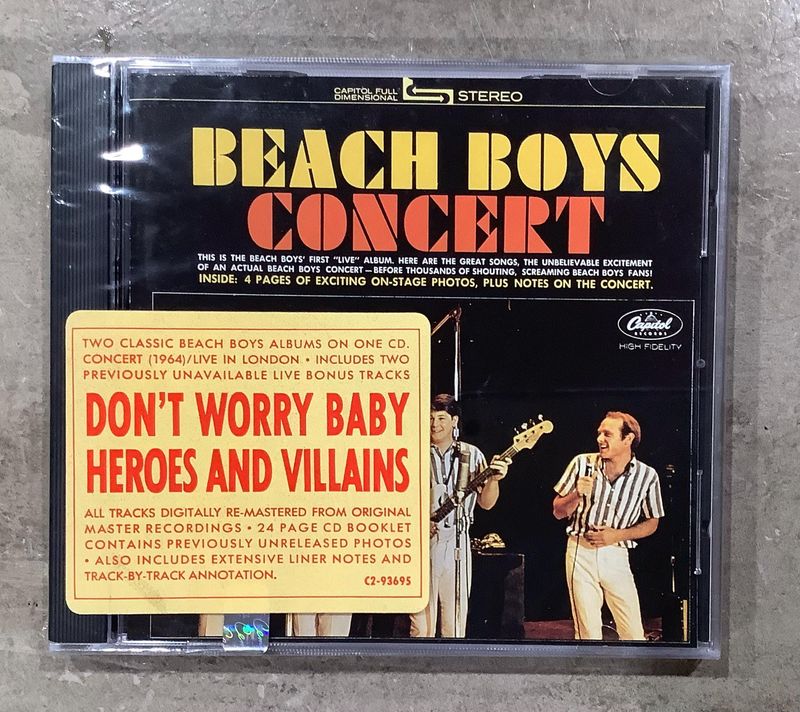
Reassurance becomes the real star of this racing story. Released alongside I Get Around in 1964, the song lets a nervous narrator find courage in his girlfriend’s words.
Brian Wilson’s high lead turns that simple comfort into something soaring.
The drums provide weight while the backing voices soften every edge. Focus on how the chorus releases the tension built by the verses.
Beneath the car culture setting lies a lasting truth about needing someone’s support.
12. Wouldn’t It Be Nice
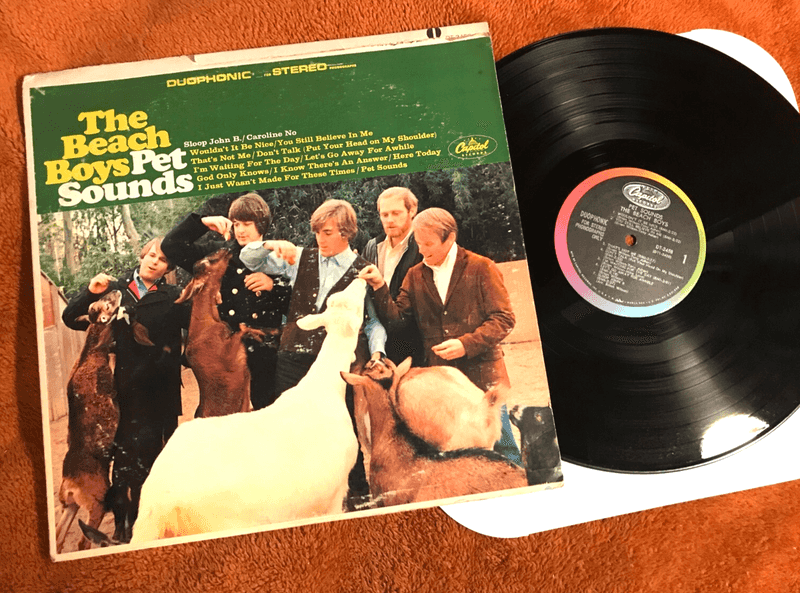
Growing up sounds thrilling until waiting becomes the hardest part. Opening Pet Sounds in 1966, this song imagines a future where young lovers can finally share everyday life.
Its bright rhythm makes the longing even sharper.
Notice how the busy arrangement briefly relaxes before gathering strength again. The changing pace mirrors a daydream that refuses to fade.
Few pop songs capture the gap between wanting adulthood and being ready for it with such generous warmth.
13. Surf’s Up
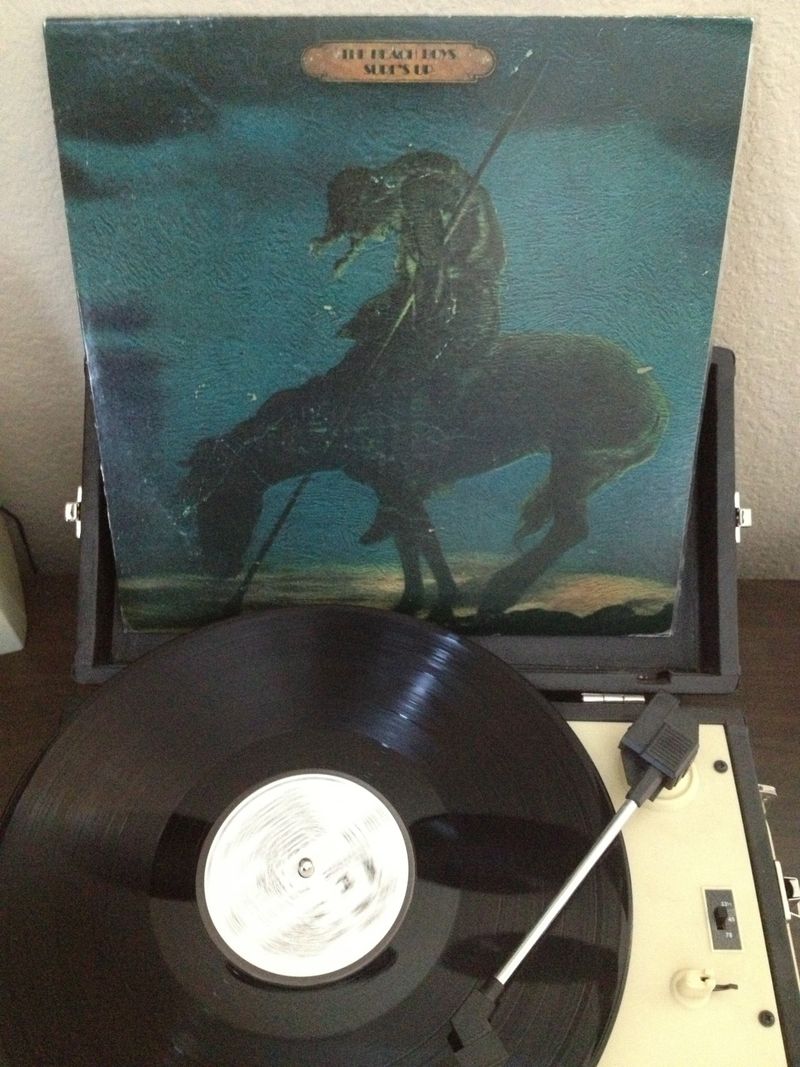
The title promises waves, but the music opens a stranger door. Begun during the Smile project and released on the 1971 album, this piece joins Brian Wilson’s sweeping writing with Van Dyke Parks’ puzzling poetry.
Carl Wilson leads its opening section.
Do not worry about solving every line immediately. Follow the melody and the closing vocal layers first.
Its mystery is part of the appeal, making repeated listens feel like visits to a moving painting.
14. God Only Knows
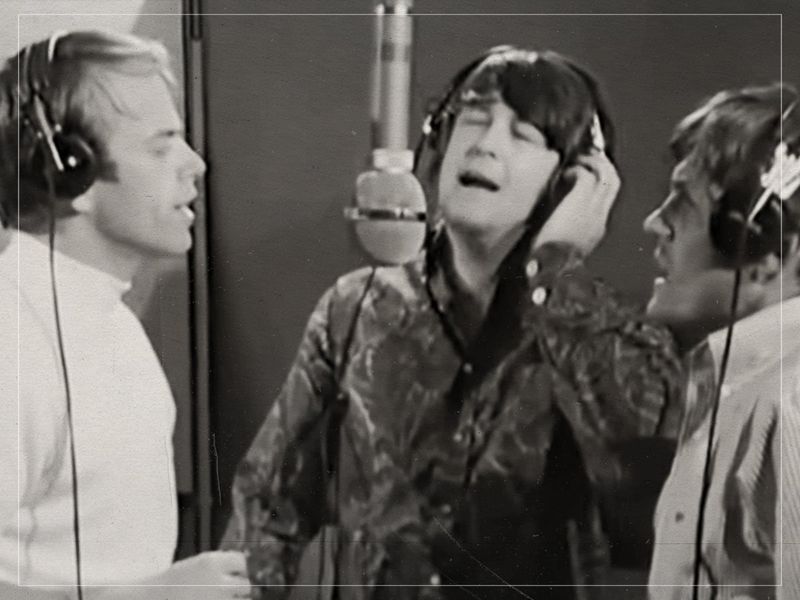
An uncertain opening line makes the devotion feel more believable. Written by Brian Wilson and Tony Asher for Pet Sounds, this 1966 recording places Carl Wilson’s clear, tender lead inside an arrangement full of unexpected colors.
Love sounds grateful, vulnerable, and real.
Stay through the ending, when overlapping voices circle around one another. That closing passage turns a private confession into something shared.
Its emotional honesty and melodic grace bring it within reach of first.
15. Good Vibrations
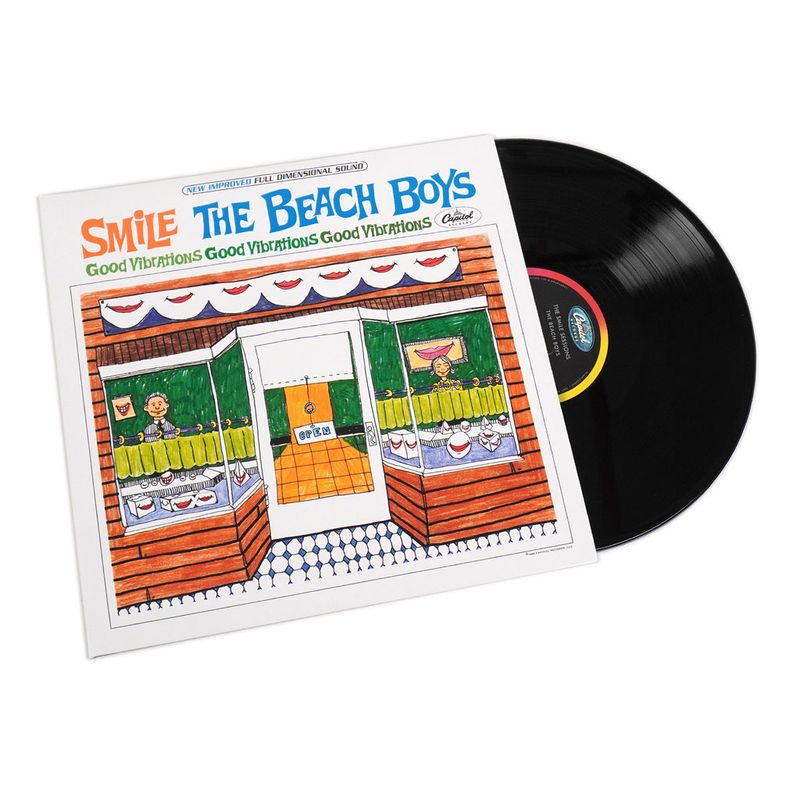
Pop music becomes a thrilling invention machine here. Released in 1966, the single grew from months of sessions as Brian Wilson shaped separate recorded sections into one flowing adventure.
The eerie Electro-Theremin adds a sound that remains instantly recognizable.
Each change brings another surprise, yet the chorus keeps everything welcoming. Listen for the shifts in rhythm, instruments, and vocal color.
It takes first place because its daring studio craft never gets between listeners and pure delight.