
The 1980s were a tough time for Western movies. Audiences were flocking to sci-fi adventures and fantasy blockbusters, leaving cowboys and gunslingers behind.
But a handful of filmmakers refused to let the genre die, and they created some truly unforgettable films. From epic miniseries to quirky comedies and vampire-infused thrillers, these 19 Westerns prove the decade had more to offer than people remember.
1. Lonesome Dove (1989)
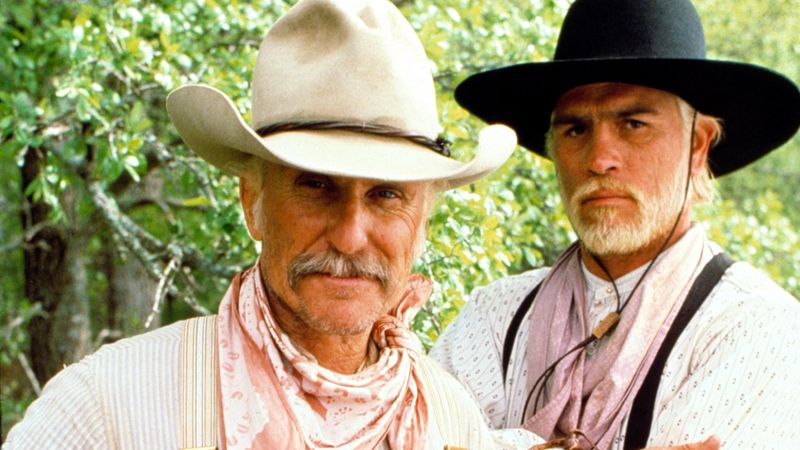
Few stories have captured the soul of the American West quite like this one. Based on Larry McMurtry’s Pulitzer Prize-winning novel, this CBS miniseries starred Robert Duvall and Tommy Lee Jones as retired Texas Rangers chasing one last great adventure on a cattle drive north.
Many critics credit it with single-handedly reviving the Western genre heading into the 1990s. Watching it feels like reading a great American novel come to life on screen.
2. Pale Rider (1985)
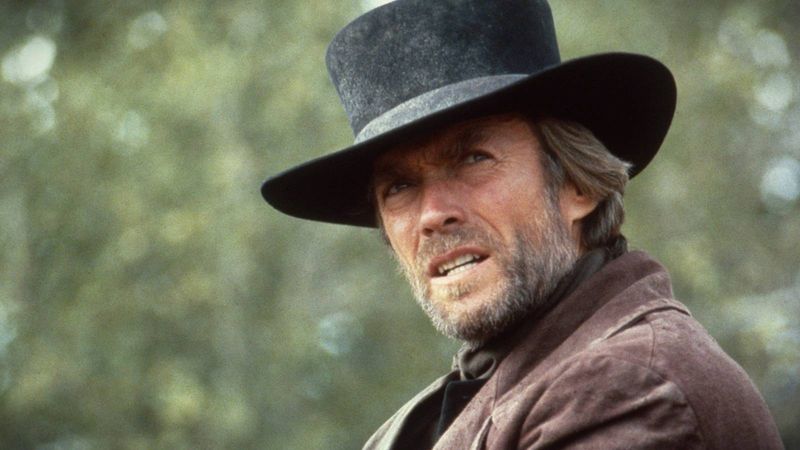
Clint Eastwood riding back into Western territory in the mid-1980s was exactly what the genre needed. Playing a shadowy, almost supernatural preacher, Eastwood defends a community of small-time gold prospectors being crushed by a ruthless mining corporation.
Pale Rider became the highest-grossing Western of the entire decade, which says everything. Eastwood brought his signature quiet intensity to a role that felt both timeless and urgent, reminding audiences why they fell in love with Westerns in the first place.
3. Silverado (1985)
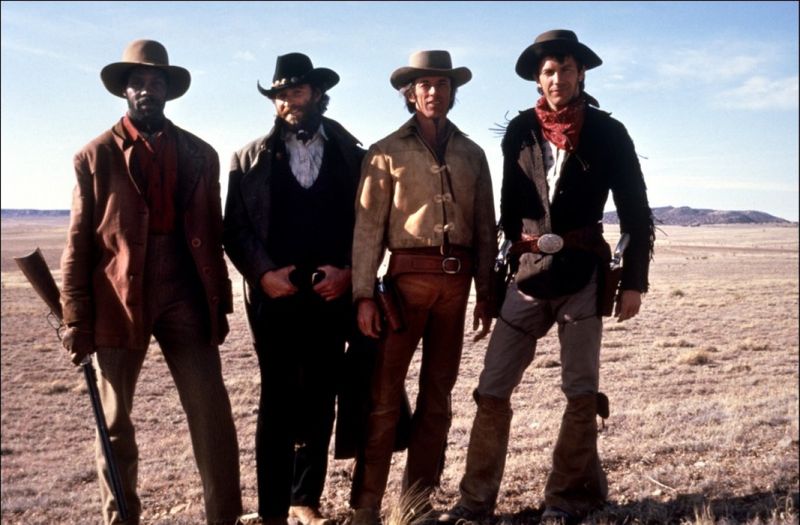
Lawrence Kasdan assembled one of the most exciting ensemble casts of the decade for this rollicking adventure. Kevin Kline, Kevin Costner, Scott Glenn, and Danny Glover each brought something electric to their roles, making every scene crackle with energy.
Witty banter, jaw-dropping shootouts, and gorgeous wide-open landscapes made Silverado a crowd-pleaser that also earned serious critical praise. Fun fact: Kevin Costner nearly stole the whole movie in a breakout performance that launched his superstar career.
4. Heaven’s Gate (1980)
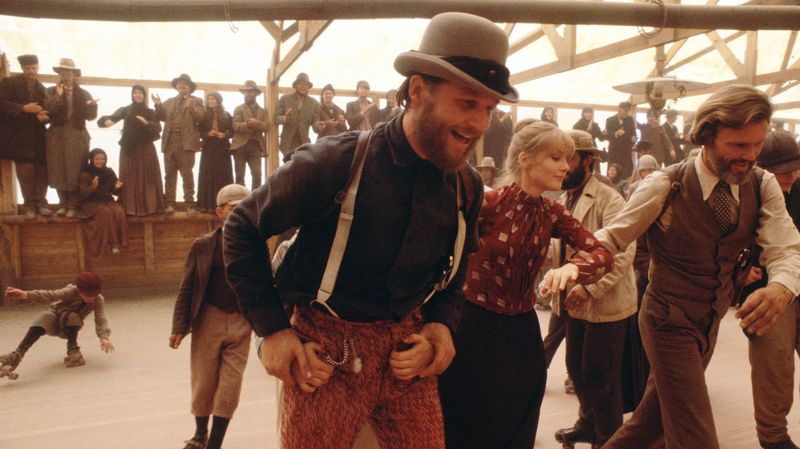
When it first hit theaters, Heaven’s Gate was a catastrophic flop that nearly destroyed United Artists studio. Michael Cimino’s sprawling epic about the Johnson County War was dismissed as self-indulgent and overlong, running nearly four hours in its director’s cut.
Decades later, critics took a second look and found something remarkable. The film’s grand visual ambition, rich themes of class conflict, and haunting portrayal of American violence have earned it a genuine place among the decade’s most important Westerns.
5. Young Guns (1988)
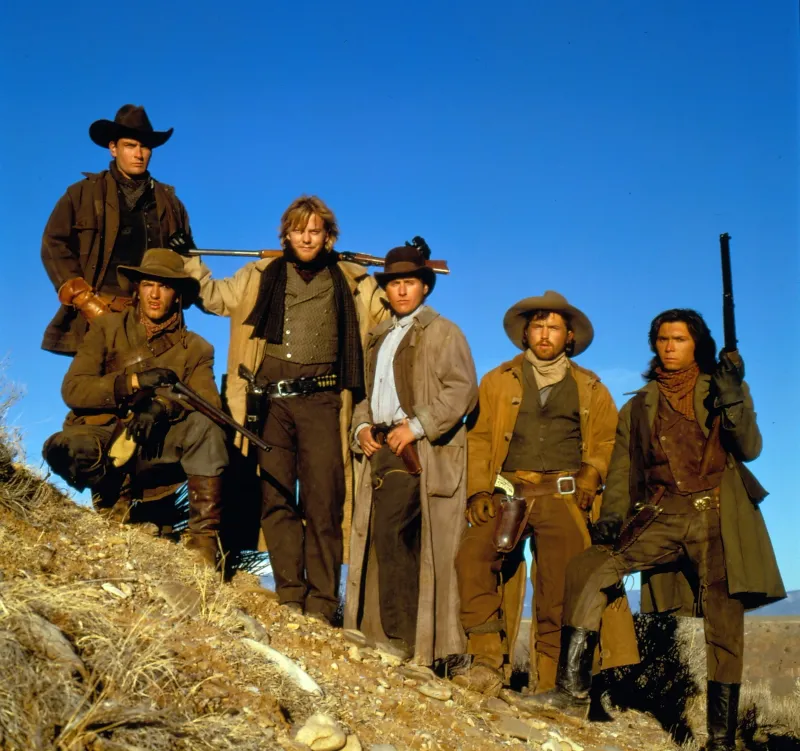
Billy the Kid got a serious Hollywood makeover when Emilio Estevez took on the role with wild-eyed energy and a pack of young stars behind him. Kiefer Sutherland, Lou Diamond Phillips, and Charlie Sheen rounded out a cast that brought the Lincoln County War roaring back to life.
Young Guns was a genuine box office hit because it spoke the language of the 1980s while wearing cowboy boots. A new generation discovered the outlaw mythology of the Old West through this action-packed ride.
6. The Long Riders (1980)
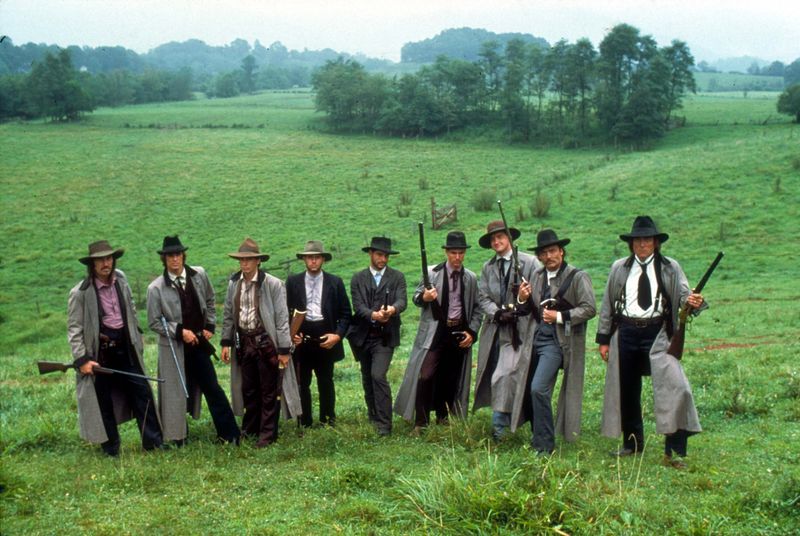
Walter Hill had a genuinely clever casting idea for this retelling of the James-Younger gang story: hire real brothers to play the outlaw brothers. James and Stacy Keach, the Carradine brothers, the Quaid brothers, and the Guest brothers all appeared together on screen.
The result felt surprisingly authentic. There was a natural chemistry between the sibling actors that no amount of rehearsal could fake.
The film’s brutal action sequences and Ry Cooder’s haunting musical score also deserve special recognition.
7. The Grey Fox (1982)
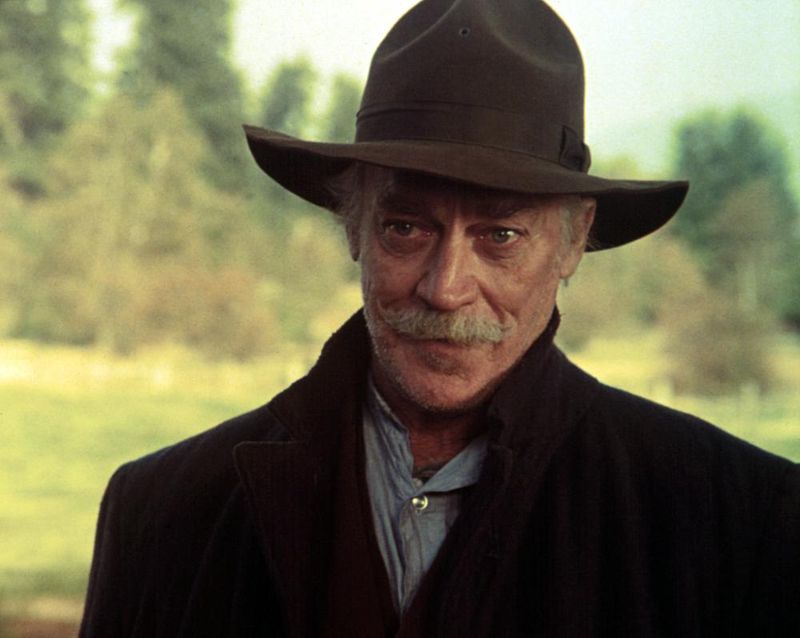
Richard Farnsworth was already in his 60s when he played Bill Miner, a real-life stagecoach robber who stepped out of prison after 33 years only to find the world completely transformed around him. Rather than adapting, Miner simply shifted from robbing stagecoaches to robbing trains.
This quiet Canadian gem earned Farnsworth a Genie Award and introduced many viewers to a side of Western storytelling that felt more melancholy than heroic. Aging, identity, and stubborn dignity are at the heart of every scene.
8. Tom Horn (1980)
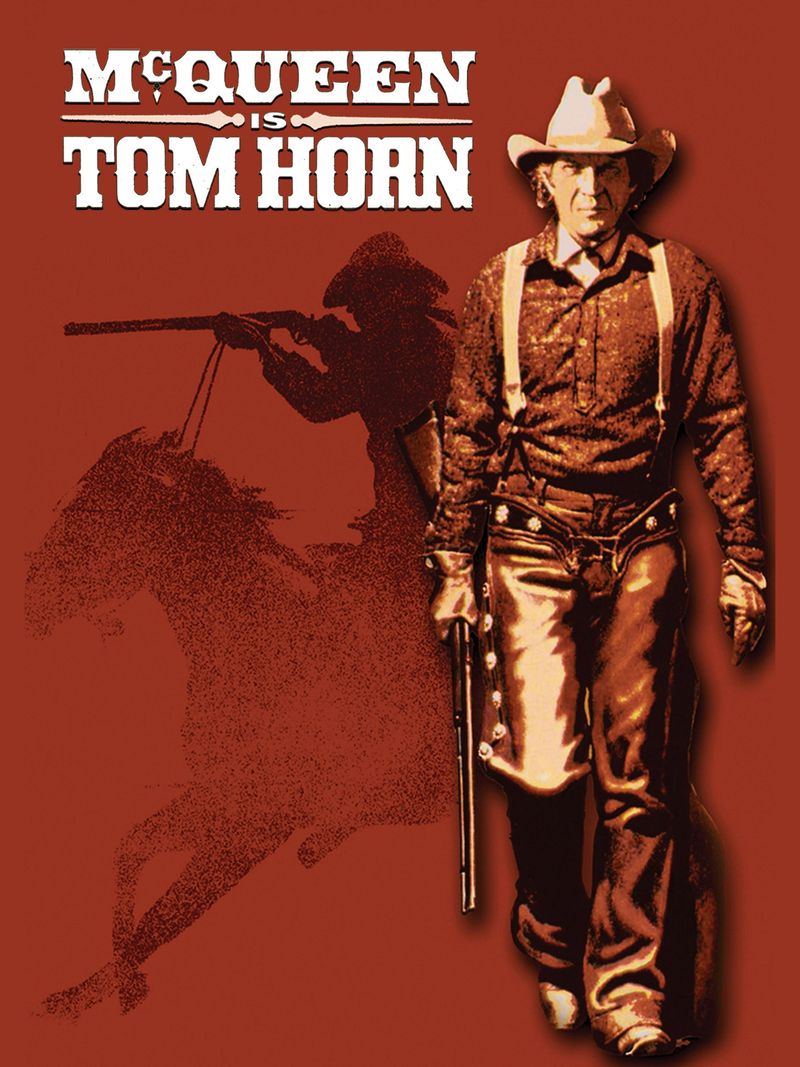
Steve McQueen knew he was dying of cancer while filming this portrait of the legendary frontier scout Tom Horn, and that knowledge bleeds into every quiet, weary moment of his performance. Horn was a real historical figure, a man who outlived his usefulness to a changing West.
McQueen’s final starring role carries an emotional weight that goes beyond acting. Watching it now, knowing what McQueen was going through, transforms a solid Western into something genuinely moving and hard to shake.
9. Barbarosa (1982)
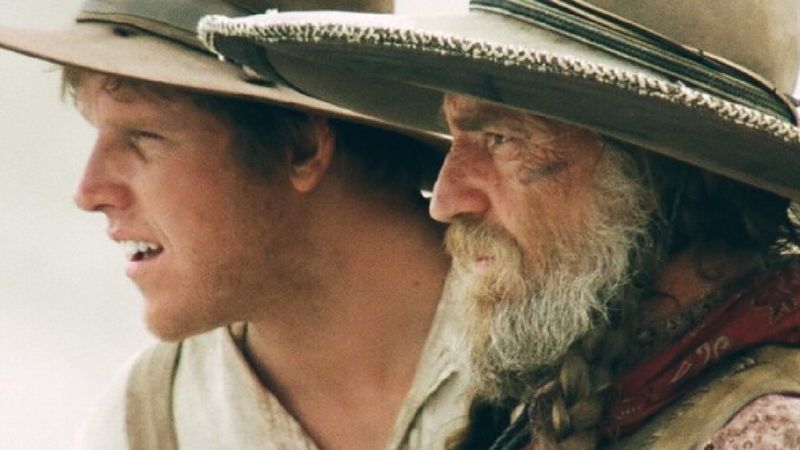
Willie Nelson, the legendary country music icon, proved he could hold the screen with serious dramatic weight alongside Gary Busey in this underrated Texas Western. Barbarosa is an aging outlaw stuck in a blood feud that has defined his entire life, unable to escape no matter how far he rides.
Busey plays the young drifter who stumbles into this world and slowly learns what real survival looks like. The film has a fable-like quality that makes it feel unlike anything else from the decade.
10. The Man from Snowy River (1982)
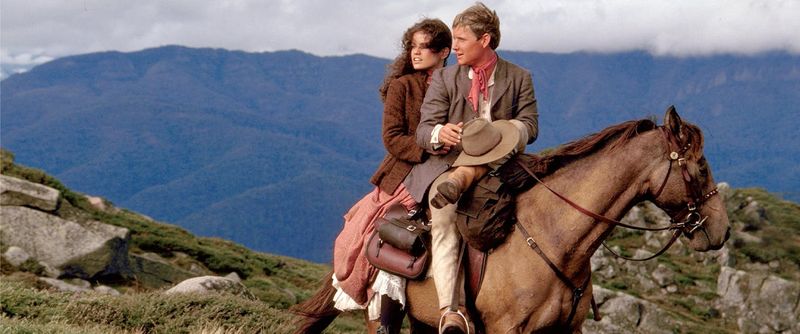
Australia gave the world one of the most breathtaking horse-riding sequences ever committed to film with this adaptation of Banjo Paterson’s beloved poem. Jim Craig, a young mountain horseman, must prove his worth in the rugged high country after his father’s death leaves him with nothing but determination.
The film became a massive international hit and introduced global audiences to the Australian bush as a Western frontier. Tom Burlinson’s performance and the stunning mountain cinematography made it genuinely unforgettable for a generation of viewers.
11. Outland (1981)
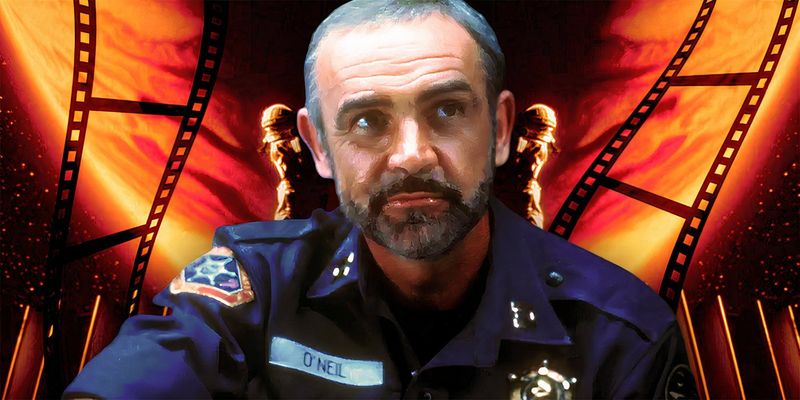
What happens when you take the classic High Noon storyline and drop it onto one of Jupiter’s moons? You get Outland, a wildly inventive sci-fi Western that starred Sean Connery as a federal marshal uncovering a drug conspiracy at a remote space mining outpost.
The film never pretends to be anything other than a Western in space, and that honesty is part of its charm. Connery’s commanding screen presence carried the familiar story into genuinely thrilling territory that still holds up surprisingly well.
12. Three Amigos! (1986)
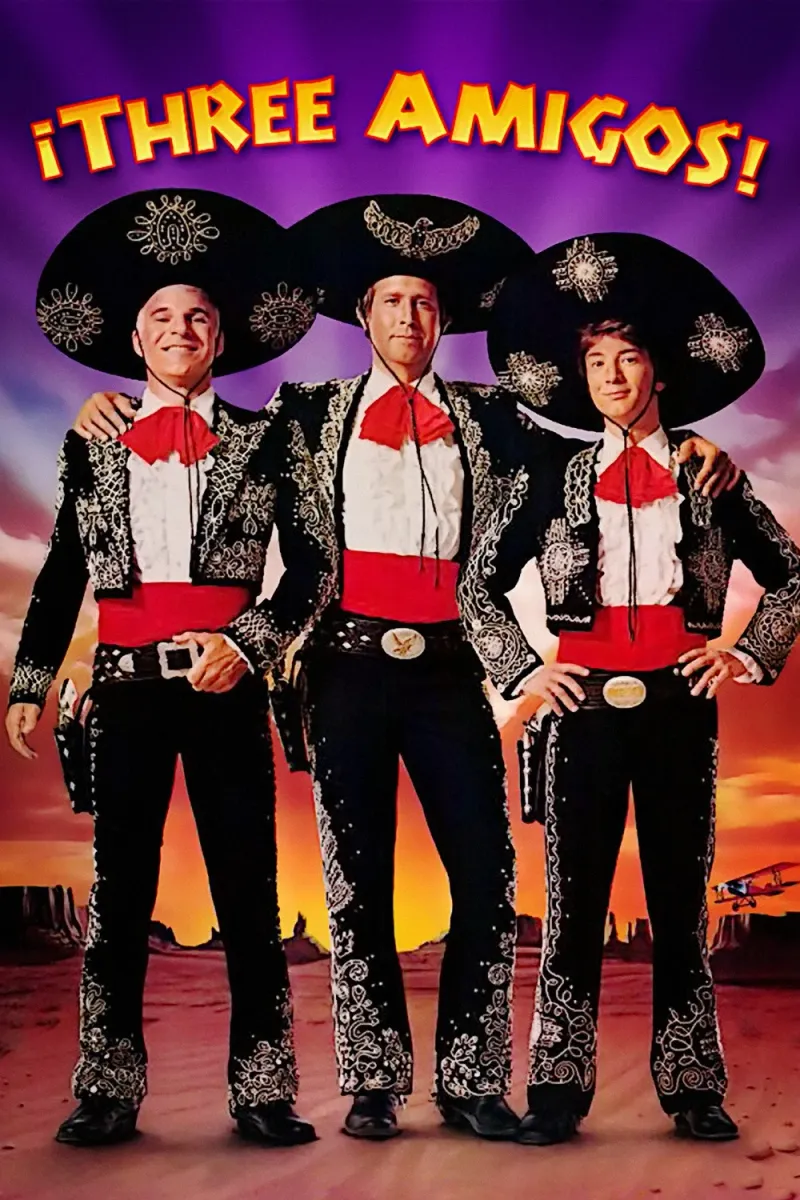
Steve Martin, Chevy Chase, and Martin Short playing washed-up silent film cowboys mistaken for real heroes by a desperate Mexican village is exactly as funny as it sounds. Three Amigos! leaned hard into its absurd premise and delivered one of the decade’s most quotable comedies.
Beneath all the silliness lives a surprisingly warm story about courage and community. The film poked loving fun at classic Western conventions while also celebrating them, making it a comedy that genuine Western fans could enjoy right alongside everyone else.
13. Near Dark (1987)
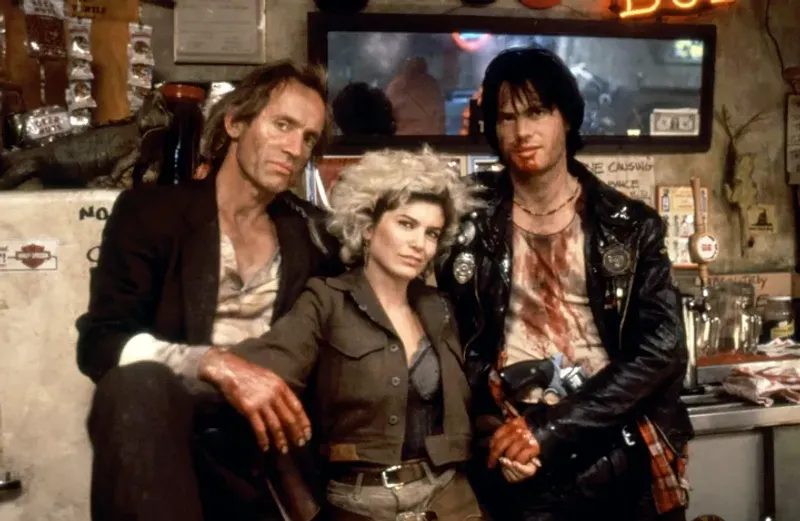
Kathryn Bigelow, years before winning an Oscar, blended vampire horror with sun-scorched Western atmosphere in this genuinely strange and brilliant cult classic. Near Dark follows a young Oklahoma farm boy who gets pulled into a roaming family of bloodthirsty nocturnal drifters who move like classic Western outlaws.
The film’s willingness to mix genres without apology gave it a raw, unpredictable energy that mainstream audiences missed at the time. Today it is rightly celebrated as one of the most creative and daring films of the entire decade.
14. Bronco Billy (1980)
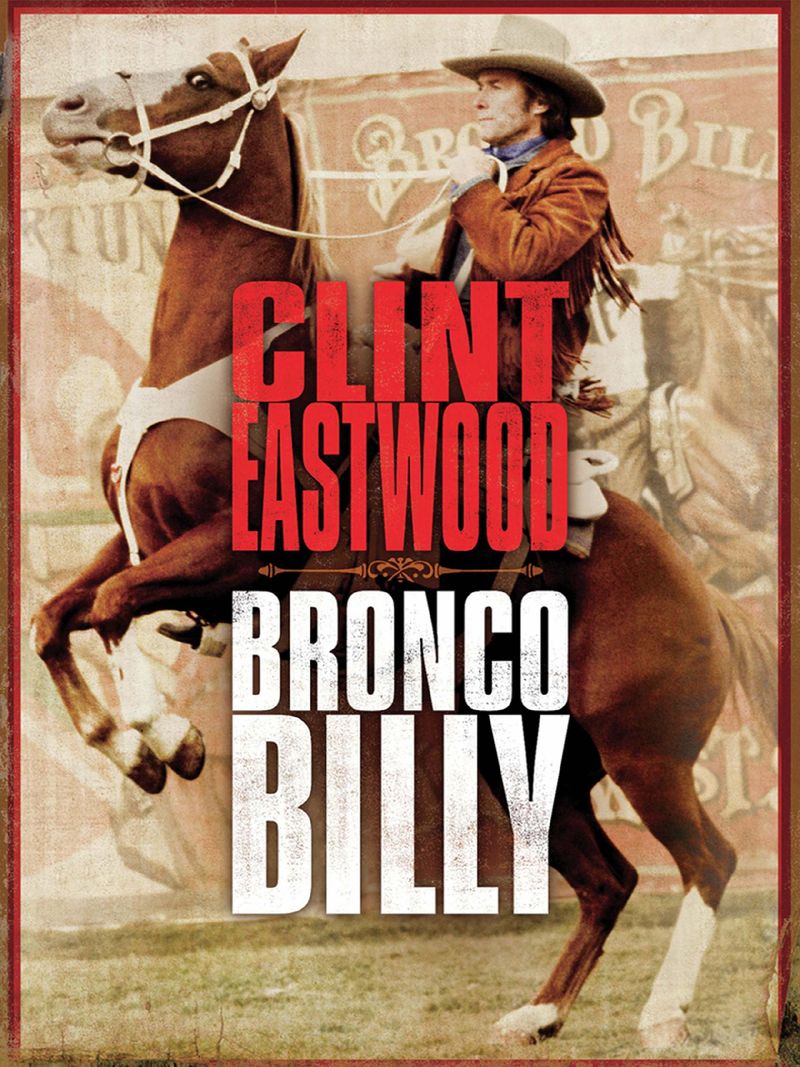
Clint Eastwood played against type here, trading cold-eyed menace for warmhearted charm as the leader of a ragtag, barely surviving Wild West show. Bronco Billy is a dreamer who refuses to let reality crush his love for the mythology of the American West.
The film works as both a gentle comedy and a quietly touching character study. Eastwood clearly adored this project, and that affection shows in every scene.
It remains one of his most personal and overlooked films from an incredibly productive career.
15. Death Hunt (1981)
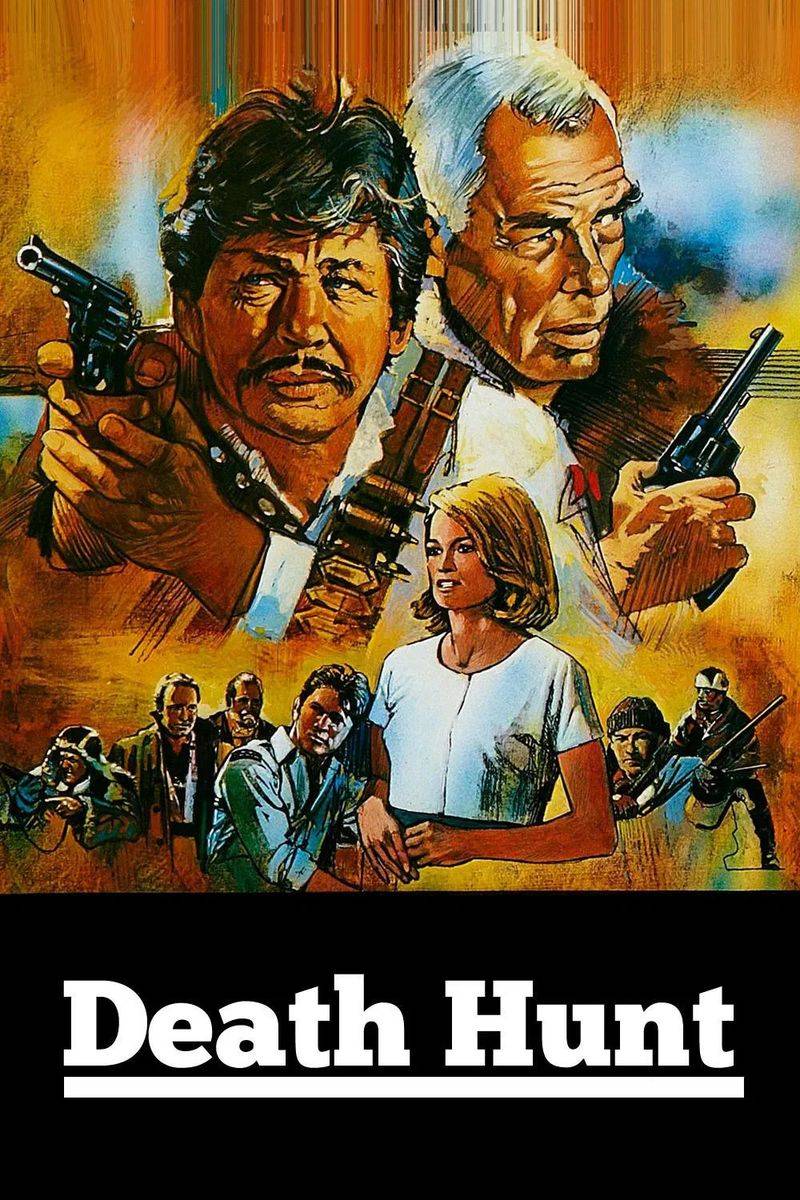
Charles Bronson and Lee Marvin sharing the screen was already a compelling reason to watch, but Death Hunt added a gripping true-crime story to sweeten the deal. Set in the Yukon during the 1930s, Bronson plays a trapper falsely accused of murder who must outrun an entire armed manhunt.
Marvin plays the lawman leading the chase, and their mutual respect across enemy lines gives the film unexpected emotional depth. The frozen wilderness setting makes every scene feel dangerous and beautifully desolate at the same time.
16. The Milagro Beanfield War (1988)
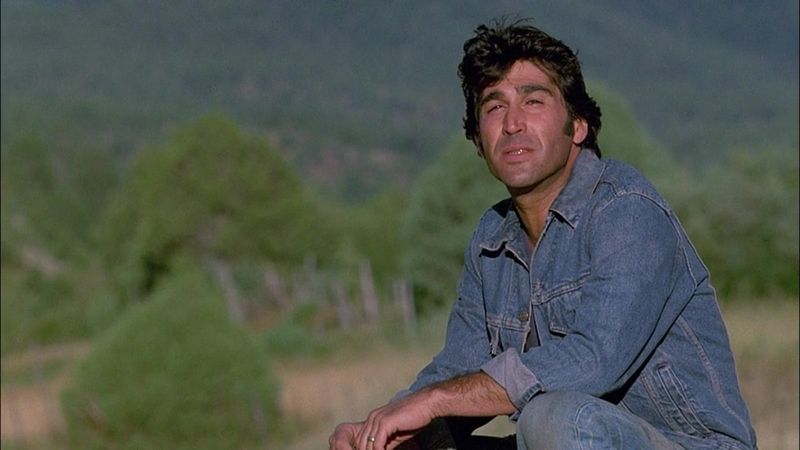
Robert Redford brought a deeply human and politically charged story to the screen with this adaptation of John Nichols’ beloved novel. A humble New Mexico farmer accidentally starts a revolution when he illegally diverts water to grow beans on his land, threatening powerful development interests.
The film mixes magical realism with classic Western themes of land, justice, and community resistance. It never got the wide audience it deserved, but those who found it tend to love it fiercely for its warmth and quiet moral courage.
17. The Quick and the Dead (1987)
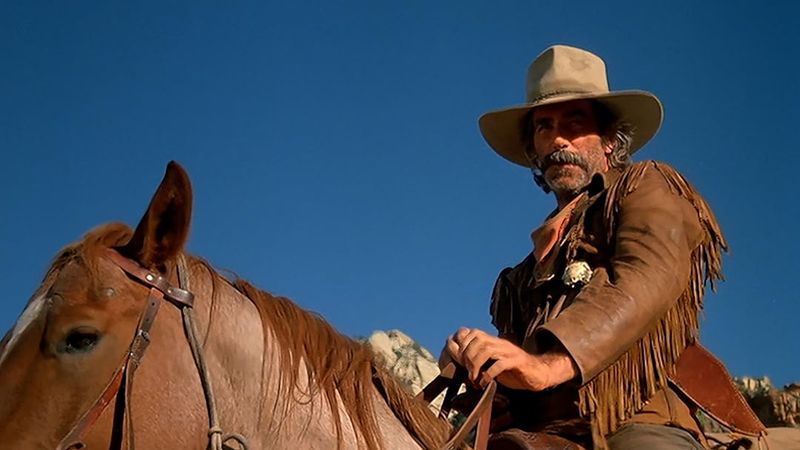
Long before Sharon Stone starred in a theatrical version of the same title, Sam Elliott brought his trademark mustache and magnetic screen presence to this made-for-television Western about a wandering gunfighter seeking justice for past wrongs.
Elliott has always had a gift for making Western characters feel lived-in and real rather than like movie costumes. This TV film gave him room to do exactly that.
It may not have had a theatrical budget, but it delivered a satisfying, character-driven story that fans of classic Westerns genuinely appreciated.
18. The Shadow Riders (1982)
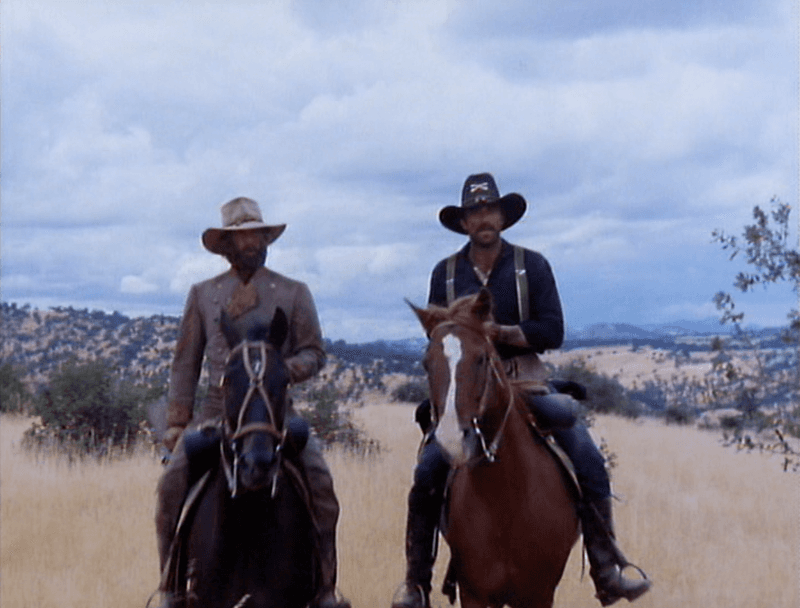
Tom Selleck and Sam Elliott reuniting on screen after their chemistry in The Sacketts made this Louis L’Amour television adaptation feel like a genuine event for Western fans. The story follows two brothers, formerly on opposite sides of the Civil War, who join forces to rescue kidnapped family members.
Elliott and Selleck had an easy, natural rapport that made their brotherly bond completely convincing. For fans of traditional Westerns who felt the genre was disappearing in the 1980s, films like this one kept the campfire burning.
19. The Tracker (1988)
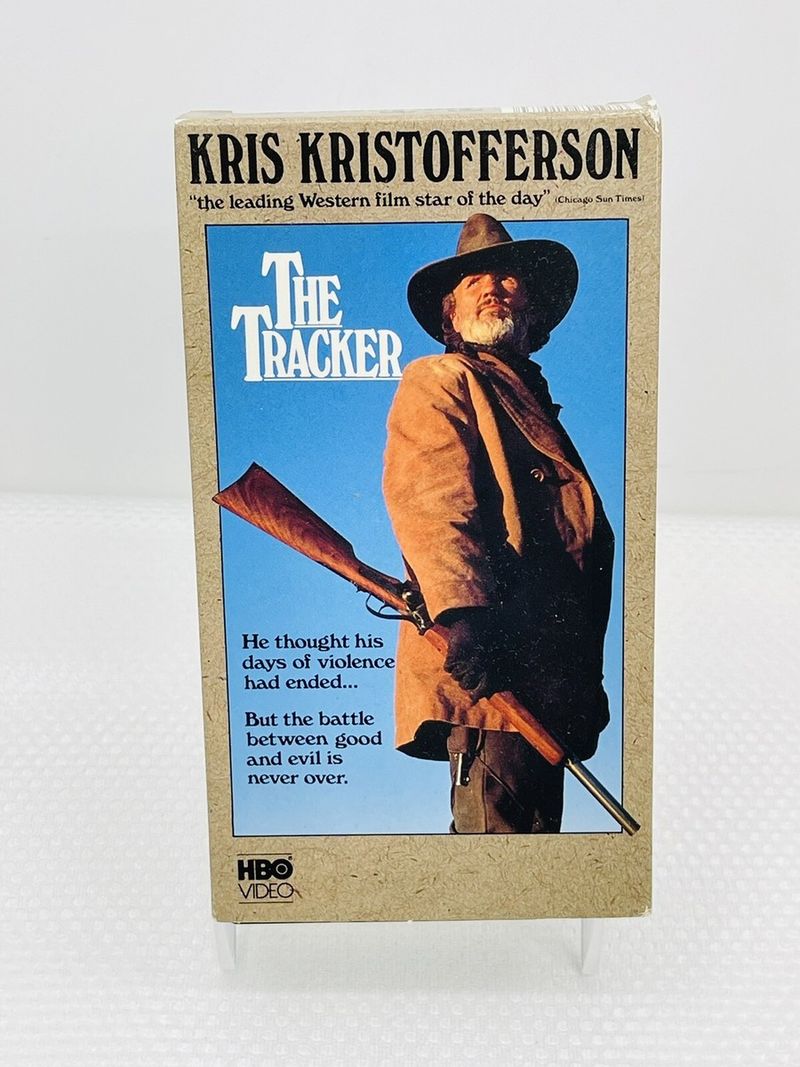
Kris Kristofferson brought quiet authority to this made-for-television Western about a seasoned frontier tracker leading a posse through harsh terrain on a tense manhunt. The film leaned on atmosphere and character over explosive action, which gave it a more thoughtful pace than most of its contemporaries.
Director Graham Baker kept things grounded and gritty, avoiding the flashy excess that made some 1980s films feel dated. Kristofferson’s natural ruggedness suited the role perfectly, and the film stands as a solid, no-nonsense entry in a decade that often struggled to take the Western seriously.