
The Rolling Stones have one of the biggest catalogs in rock history, and not every track gets the same love. Some songs get skipped not because they are bad, but because they are buried deep on albums or just feel a little too weird for casual listening.
From psychedelic experiments to forgotten blues covers, these 17 tracks deserve a second look. You might be surprised by what you have been missing.
1. Off the Hook (1965)
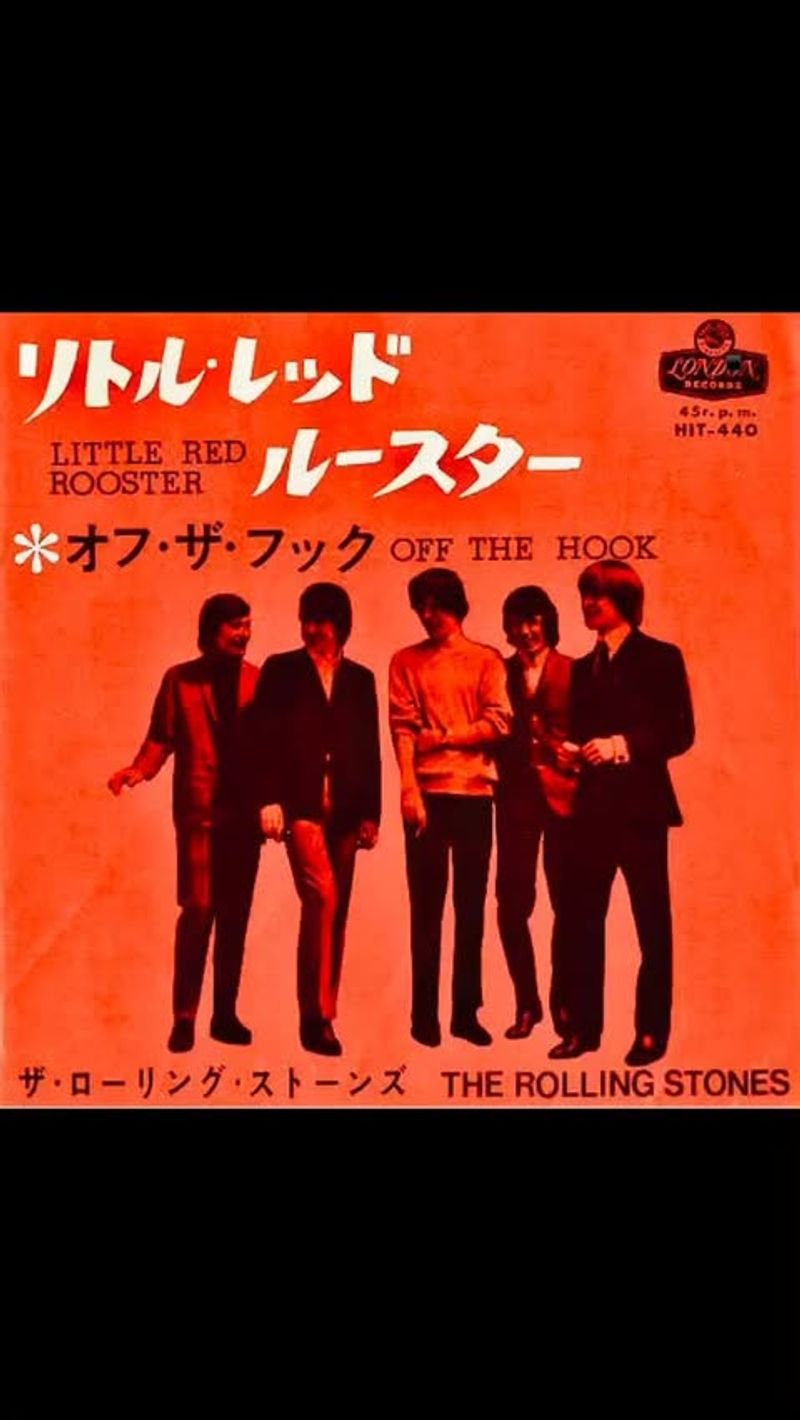
Mick Jagger wrote this one all by himself, which was a big deal back in 1965. It was the first song he composed without Keith Richards, inspired by his rocky relationship with model Chrissie Shrimpton.
The song has a catchy, bouncy energy that feels totally different from the Stones’ harder stuff.
It even pops up briefly at the end of the “She Was Hot” music video. For a deep cut, it packs a surprising amount of personality.
2. One Hit to the Body (1986)
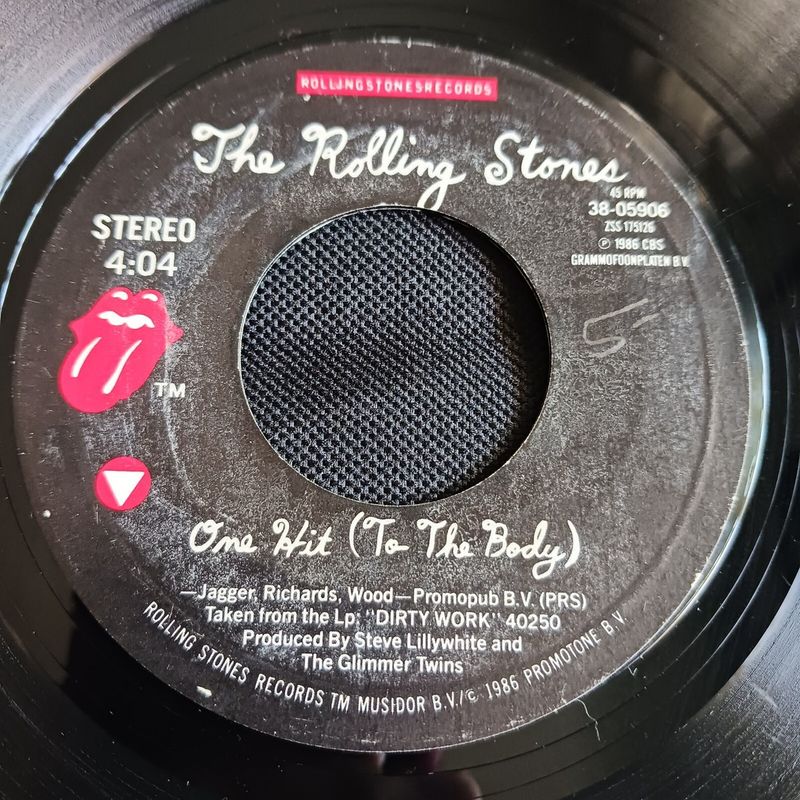
Behind every great song, there is sometimes a story of tension, and this track is no exception. Keith Richards basically carried this one after Mick Jagger shifted focus toward his solo career, making the band dynamic feel seriously strained.
The friction between the two legends was practically baked into the recording sessions for Dirty Work.
Even with all that behind-the-scenes drama, the track punches hard. It just got overshadowed by the band’s public conflicts at the time.
3. Undercover of the Night (1983)
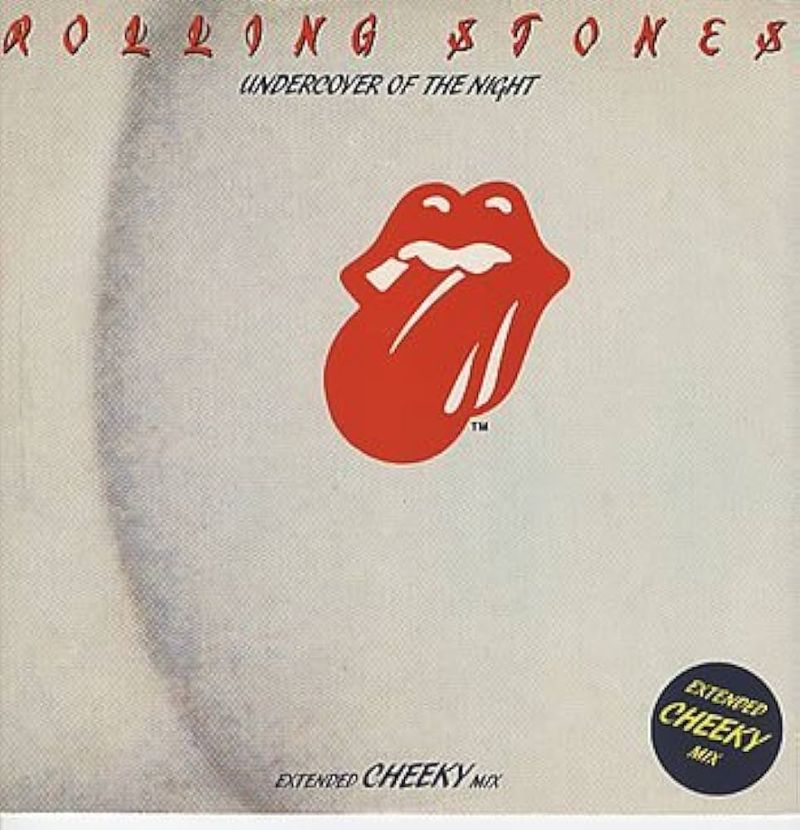
New Wave was ruling the airwaves in 1983, and this title track from Undercover tried something bold by mixing rock with political commentary. Some fans felt the message was too heavy, while others simply were not ready for the Stones to sound this edgy and experimental.
Looking back, it holds up as one of the more underrated efforts of their 1980s catalog. The dark groove and urgent rhythm give it a tension that rewards patient listeners willing to press play.
4. Sing This All Together (See What Happens) (1967)
Clocking in at over eight and a half minutes, this sprawling psychedelic jam from Their Satanic Majesties Request is probably the wildest detour the Stones ever took. There is no traditional song structure here, just a swirling, chaotic soundscape that sounds more like a fever dream than a pop record.
Most fans bail out within the first two minutes. But if you stick with it, there is something hypnotically strange about the whole experience that feels like a genuine time capsule of 1967.
5. In Another Land (1967)
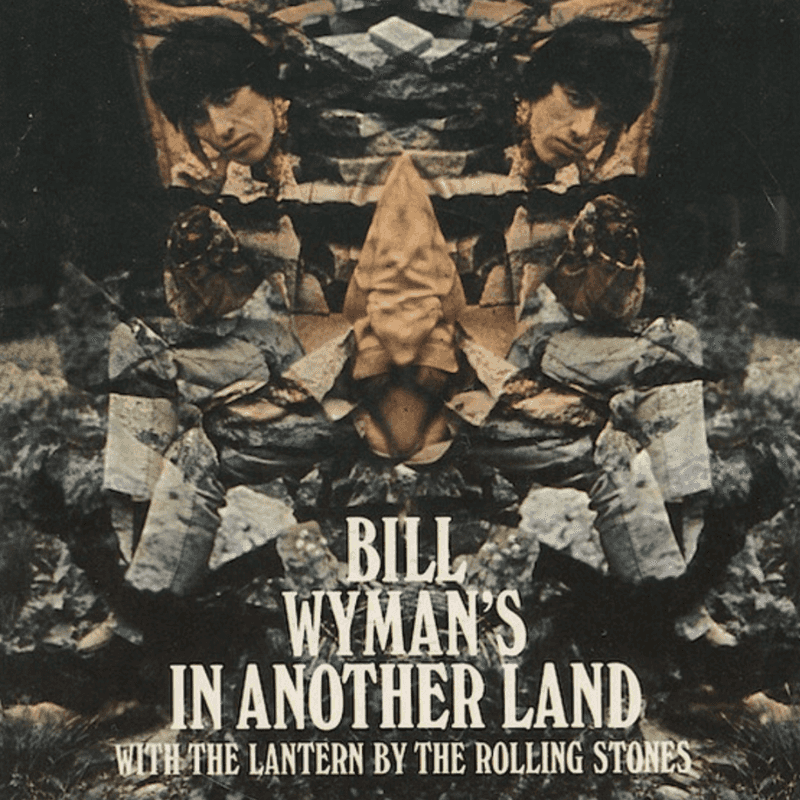
Bill Wyman, the quiet backbone of the Stones, actually took the microphone for this one, making it genuinely unique in the band’s catalog. His dreamy, slightly unsteady vocals match the hazy, floaty tone of the track perfectly.
It sounds like someone half-asleep describing a strange dream.
Also from Their Satanic Majesties Request, this song reflects just how loose and experimental those sessions were. Fans who overlook it miss a rare chance to hear a side of Bill Wyman that almost never surfaced.
6. Gomper (1967)
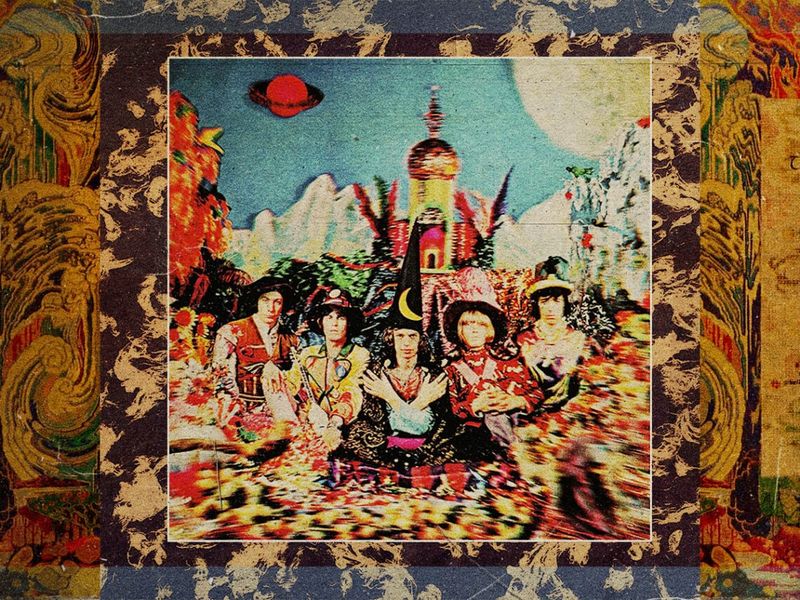
Slow, droning, and thick with sitar, Gomper sits deep in the back half of Their Satanic Majesties Request like a musical fog you have to wade through. Even die-hard Stones fans admit this one is tough to finish.
It feels less like a song and more like an extended mood experiment.
That said, it represents a fascinating moment when the band was clearly chasing the same Eastern-influenced sounds as other late-1960s rock acts. Curious?
Give it a patient listen.
7. Dear Doctor (1968)
Country music and the Rolling Stones might seem like an odd pairing, but Beggars Banquet proved otherwise. Dear Doctor tells the story of a man desperately trying to avoid walking down the aisle, delivered by Mick Jagger with a straight-faced seriousness that is oddly hilarious.
Most listeners skip straight to Street Fighting Man without giving this quirky gem a chance. The acoustic twang and theatrical storytelling make it one of the most charming oddities in the Stones’ entire back catalog.
8. Stray Cat Blues (1968)
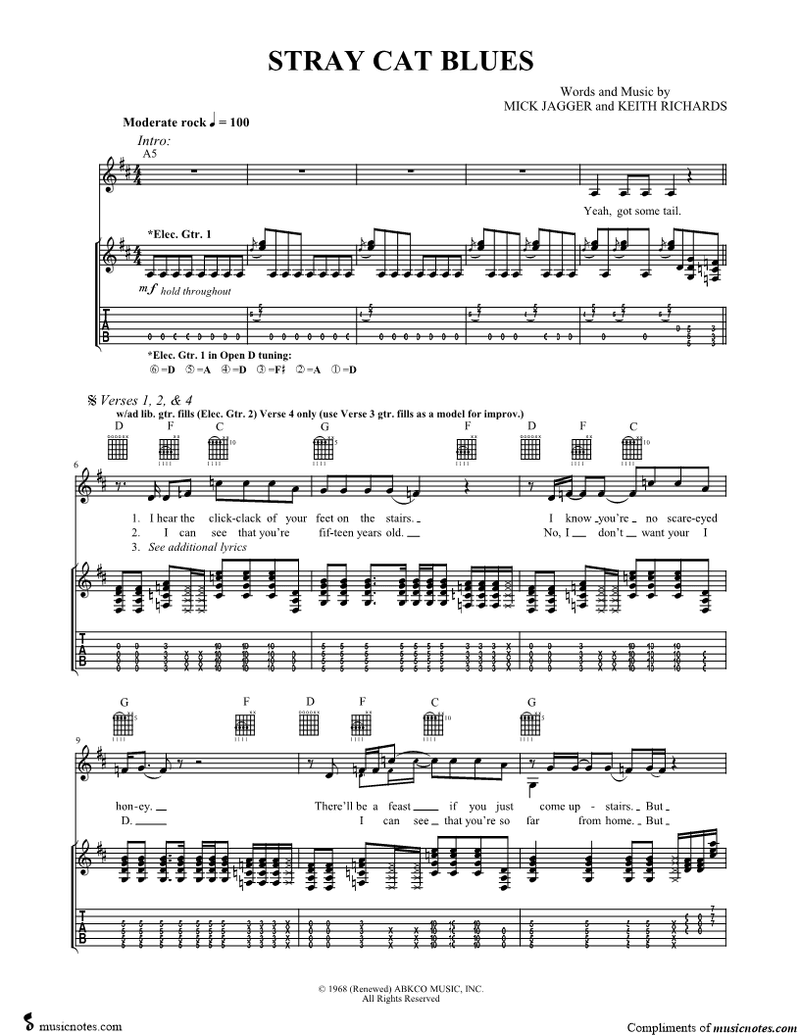
Raw, bluesy, and unapologetically provocative, Stray Cat Blues is the kind of track that only the most devoted Stones fans tend to revisit. Its lyrics push boundaries in ways that feel deeply rooted in the rebellious spirit of late-1960s rock and roll.
Also from Beggars Banquet, the track showcases just how blues-driven the Stones could get when they stripped everything back. The slow, predatory groove builds tension in a way that few songs from that era can match.
9. Turd on the Run (1972)
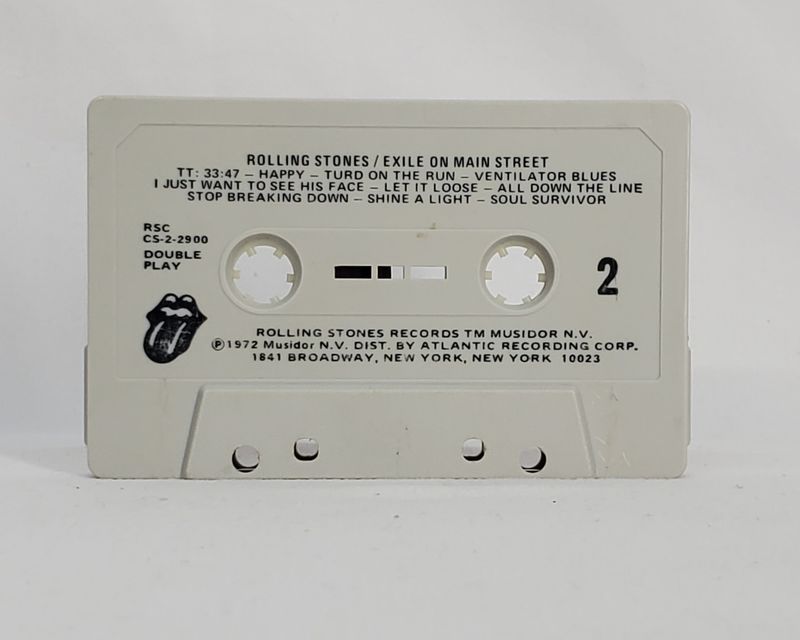
Honestly, the title alone has kept this track off more than a few playlists. Buried in the sprawling double album Exile on Main St., it is a frantic, fast-moving rocker that showcases Mick Taylor’s sharp guitar work brilliantly.
The energy is almost chaotic, like the whole band is sprinting toward the finish line.
Casual listeners often scroll right past it based on the name alone. That is genuinely their loss, because the musicianship here is some of the tightest on the entire record.
10. Hold Back (1986)
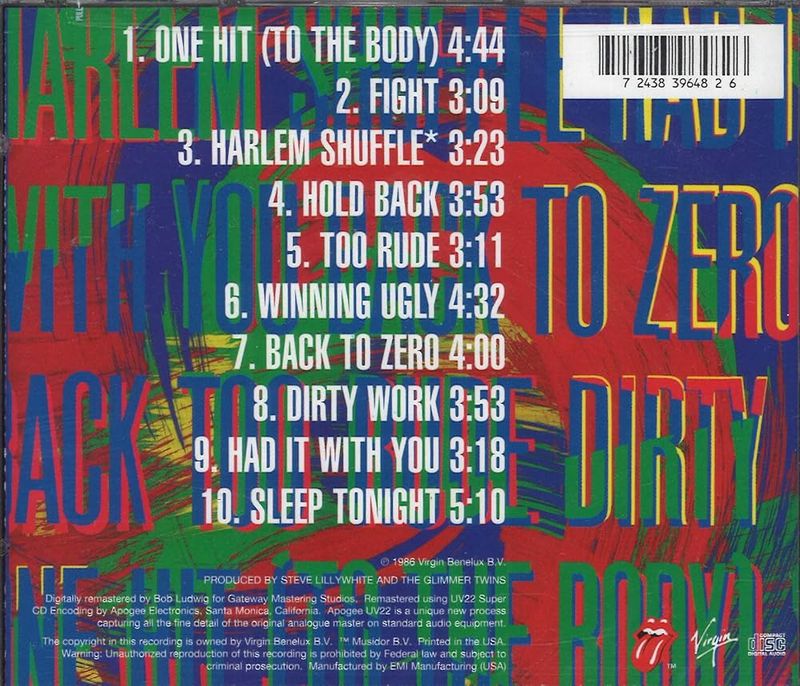
Thick synths, forced energy, and a production style that screams 1986 in the least flattering way possible, Hold Back is the kind of track that makes longtime Stones fans cringe a little. Dirty Work as an album already divides opinion, and this song represents everything that felt off about the band during that era.
Still, it is an interesting artifact of its time. For fans who enjoy the messy, transitional period of the Stones’ catalog, it is worth one honest listen.
11. 2120 South Michigan Avenue (1964)
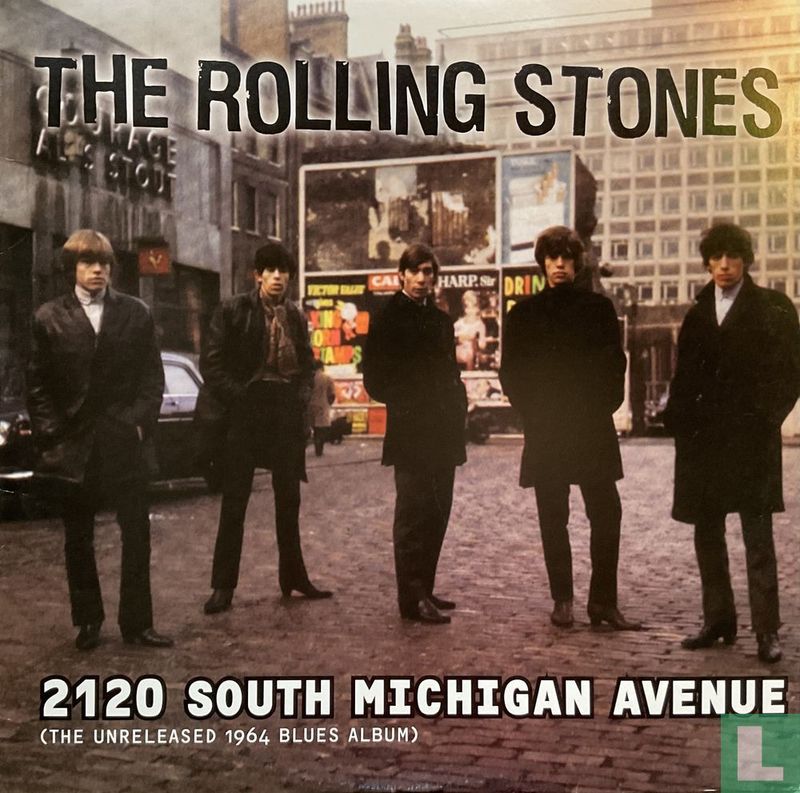
Named after the actual address of Chess Records in Chicago, this instrumental track from 12×5 is a direct tribute to the blues roots that shaped the Rolling Stones. The title is not exactly designed to grab attention, which probably explains why it gets skipped so often.
But underneath that bland name is a genuinely fun, groove-heavy instrumental that captures the band in pure, unfiltered blues mode. Chess Records was sacred ground for the Stones, and this track proves it.
12. You Can Make It If You Try (1964)
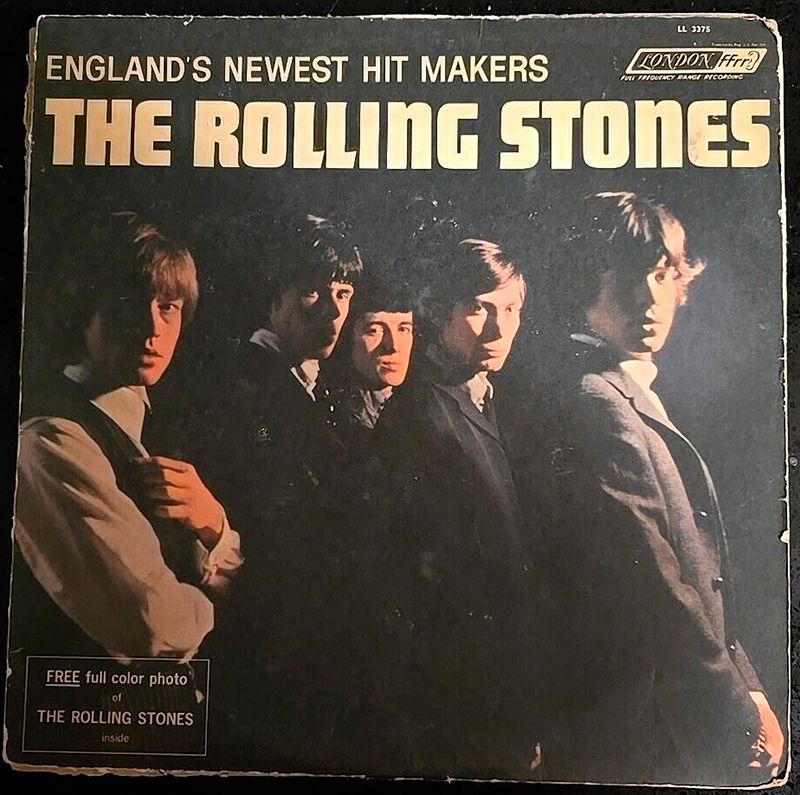
Originally recorded by Gene Allison back in 1957, this cover appeared on England’s Newest Hitmakers, the Stones’ debut US album. The band’s version faithfully follows the original but does not quite bring anything new to the table, which is probably why it fades into the background so easily.
Early Stones albums were packed with covers, and some landed better than others. This one sits in the forgettable middle.
It is harmless and pleasant, but not the reason anyone puts on that record.
13. Oh Baby (We Got a Good Thing Goin’) (1965)
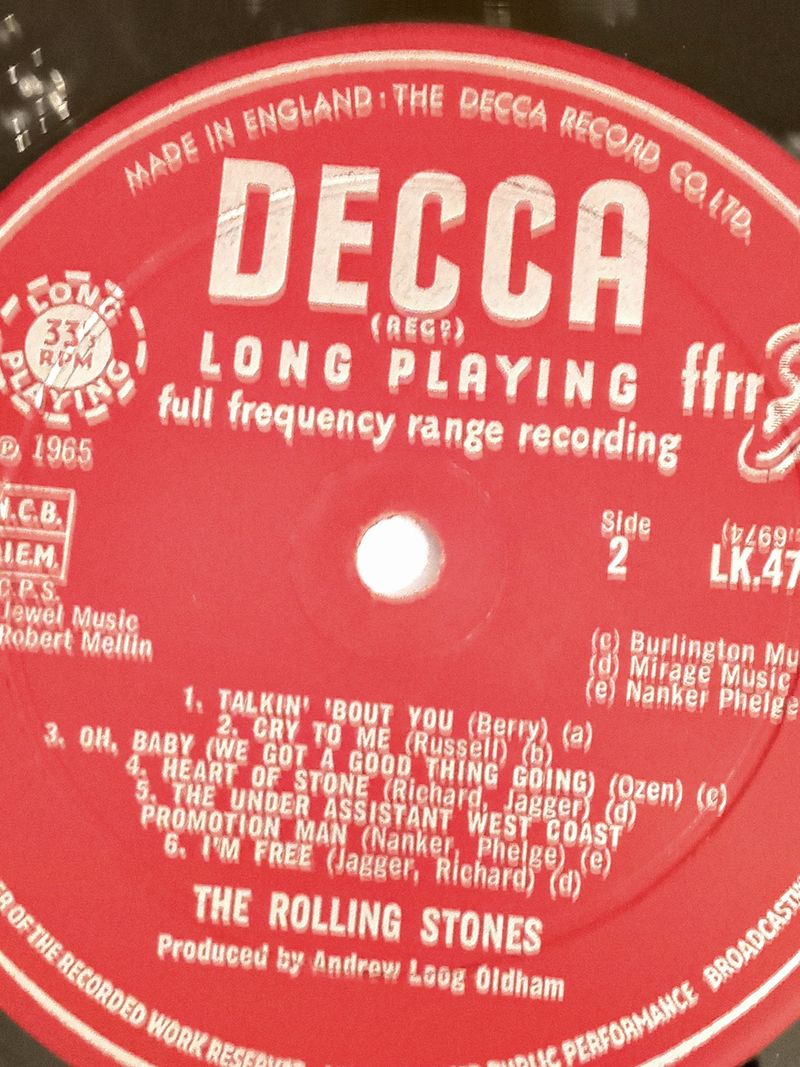
Barbara Lynn’s original version of this song has a warmth and soulfulness that is genuinely hard to top. The Stones recorded their cover for The Rolling Stones, Now! and while it is perfectly decent, it never quite escapes the shadow of the source material.
Fans tend to skip past it in favor of the more energetic tracks on the album. As a cover, it shows the band’s love of American soul and R&B, even if the execution feels a little by-the-numbers compared to their best work.
14. Live With Me (1969)
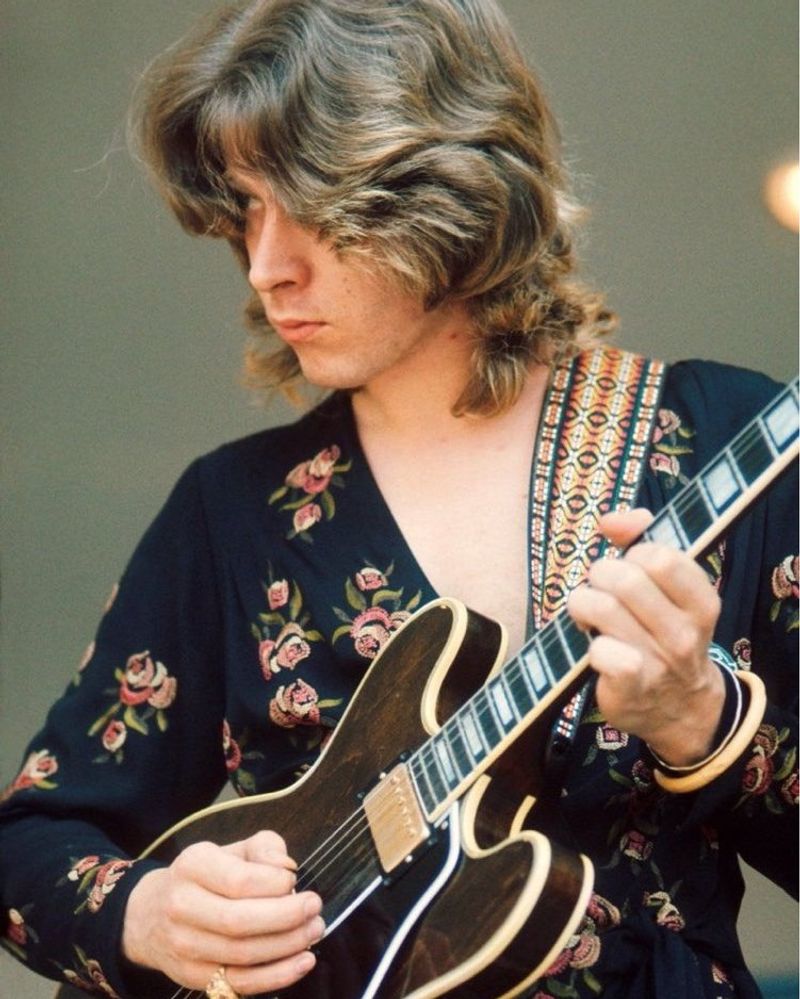
Keith Richards played that opening bass line himself, and it is genuinely one of the juiciest intros on all of Let It Bleed. Yet somehow, this track still ends up being the most skipped song on the album.
Go figure.
What makes it even more historically interesting is that it was the very first recording Mick Taylor made with the Stones after joining the band. That alone gives it a special place in their story, even if casual fans tend to overlook it completely.
15. You Gotta Move (1971)
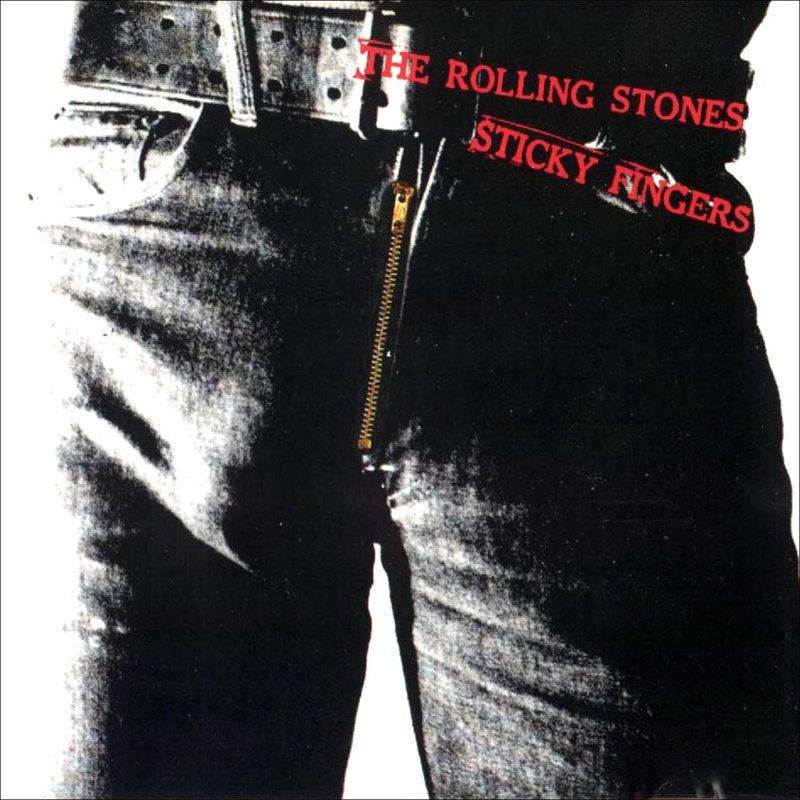
Mississippi Fred McDowell made this blues spiritual famous long before the Stones recorded it, and their version on Sticky Fingers treats the original with real respect. Slow, deliberate, and rooted in tradition, it is the only cover on an otherwise all-original album.
That contrast might actually be why it gets skipped so often. Surrounded by Brown Sugar and Wild Horses, it can feel like a pause button.
But as a pure blues exercise, it is quietly powerful and completely sincere in its reverence.
16. Neighbours (1981)
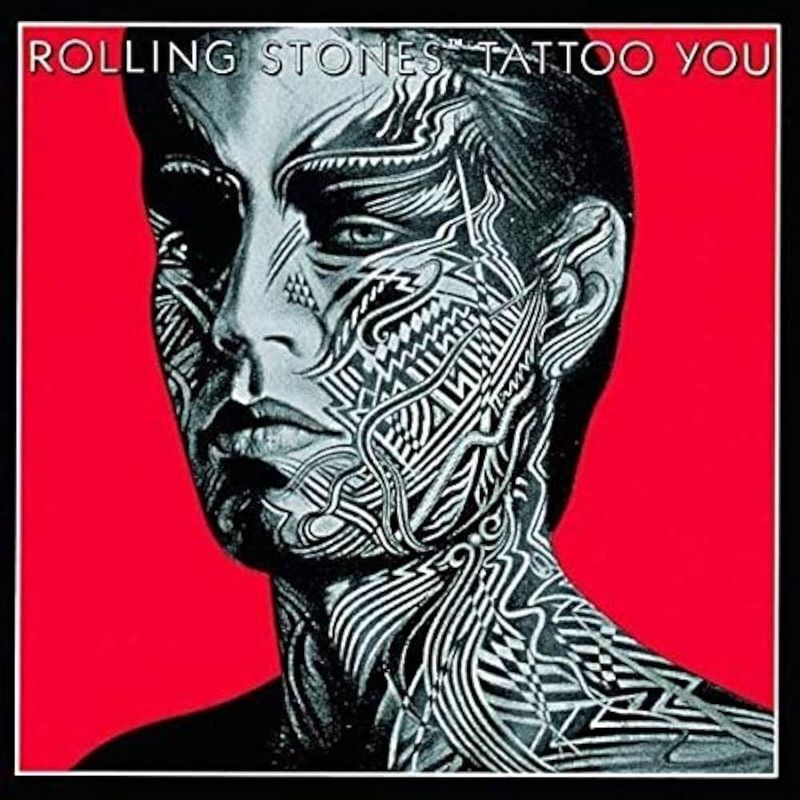
Start Me Up gets all the glory from Tattoo You, and honestly, that is fair. But Neighbours sitting at the opposite end of the attention spectrum feels a little harsh.
It is a loose, funky track with a playful energy that does not take itself too seriously.
The Stones recorded Tattoo You by pulling together older outtakes, and Neighbours fits that patchwork quality perfectly. It may not be essential listening, but it has a laid-back charm that rewards anyone who bothers to scroll past the album’s bigger names.
17. Mean Disposition (1994)
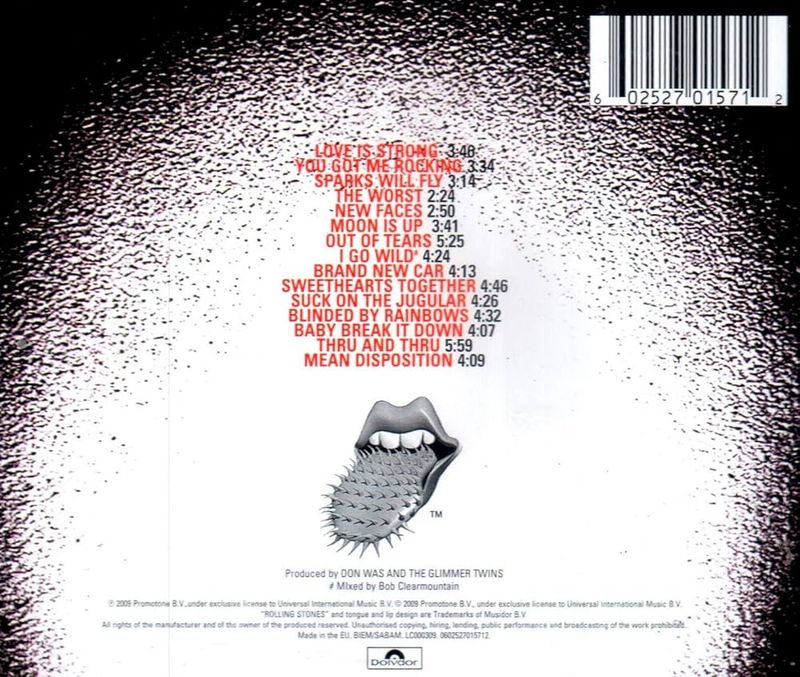
Voodoo Lounge was a comeback album of sorts, and most fans gravitate toward its bigger moments. Mean Disposition, tucked toward the end of the record, is a loose, easygoing blues rock track that never quite demands your attention.
That is both its strength and its weakness.
It never overstays its welcome, but it also never fully grabs you by the collar. For blues purists, there is something genuinely satisfying about its relaxed groove.
Everyone else tends to hit skip before it even gets going.