
Fashion and fame don’t always go hand in hand. Some of the biggest names in Hollywood have been turned away by top designers, simply because of their size, age, or lack of “status” in the industry.
It’s a side of the red carpet most people never see, but these stories are real, raw, and surprisingly common. Here are 19 celebrities who were told “no” by major fashion houses, and how they handled it.
1. Melissa McCarthy
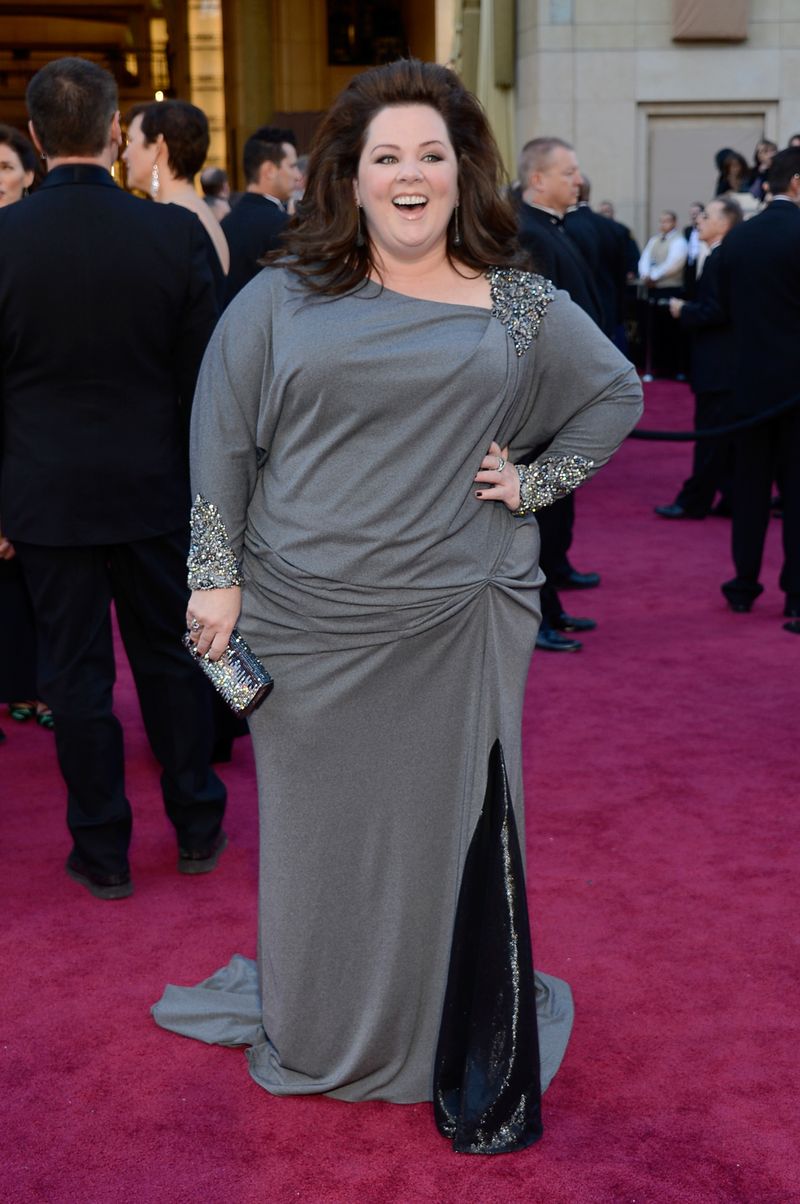
After starring in the blockbuster hit “Bridesmaids,” Melissa McCarthy was still turned away by five or six top designers when she needed a dress for the 2012 Oscars. She ended up wearing a Marina Rinaldi ready-to-wear piece from a department store.
The experience stung, but it lit a fire under her.
McCarthy channeled that rejection into action, launching her own clothing line focused on stylish options for all sizes. Her response showed the industry that exclusivity has a real cost.
2. Leslie Jones
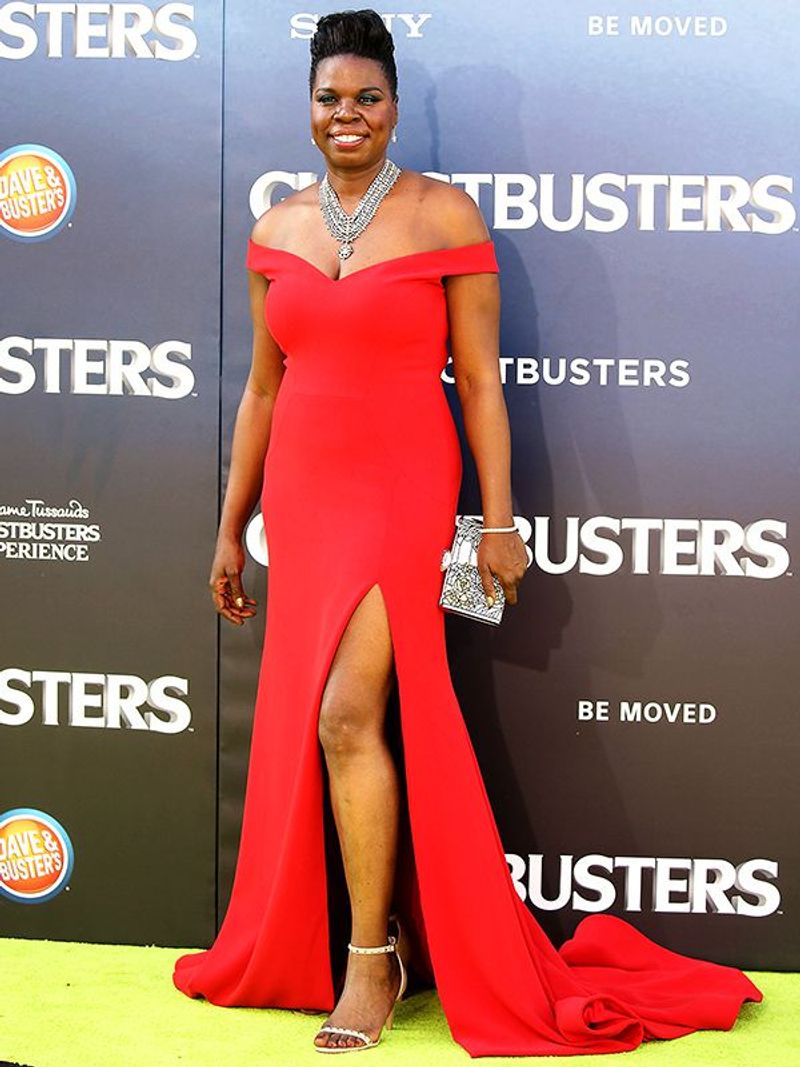
When Leslie Jones needed a gown for the 2016 “Ghostbusters” premiere, designer after designer said no. Frustrated and vocal about it, she took to Twitter to call out the fashion industry’s lack of inclusivity. Her honesty sparked a public conversation that couldn’t be ignored.
Christian Siriano saw her tweets and immediately offered to create a custom gown. Jones looked stunning, and Siriano became a champion for dressing all body types on the red carpet.
3. Bebe Rexha
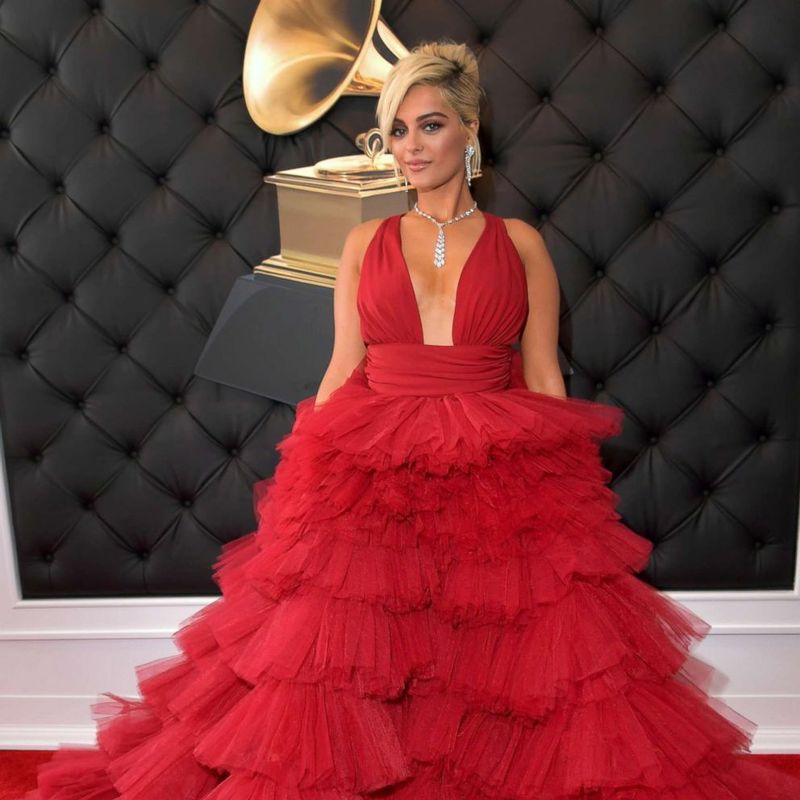
Grammy-nominated and still turned away. Bebe Rexha went public in 2019 after multiple designers refused to dress her for the Grammy Awards, saying she was too big for their sample sizes.
She named names and the backlash was swift. The music world rallied around her.
Rexha ultimately wore a stunning custom gown and used the moment to push for body inclusivity in fashion. Her boldness turned a painful rejection into a powerful statement heard across the industry.
4. Octavia Spencer
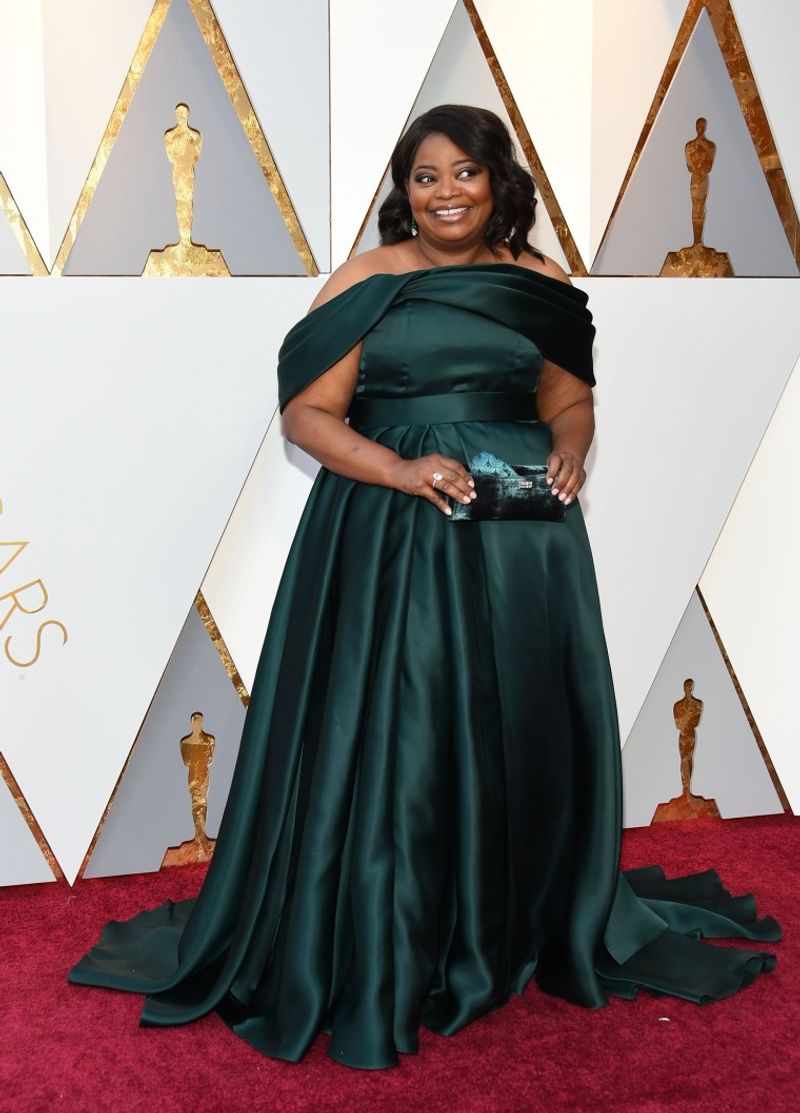
Winning a Golden Globe should have made dress shopping exciting, but Octavia Spencer had a hard time finding a designer willing to dress her for the 2012 ceremony. She openly described herself as “a short, chubby girl” navigating an industry that didn’t make room for her body type.
The struggle was real despite her award-winning talent.
Spencer has since become a vocal supporter of inclusive fashion and works with designers who celebrate all body shapes without hesitation.
5. Ashley Graham
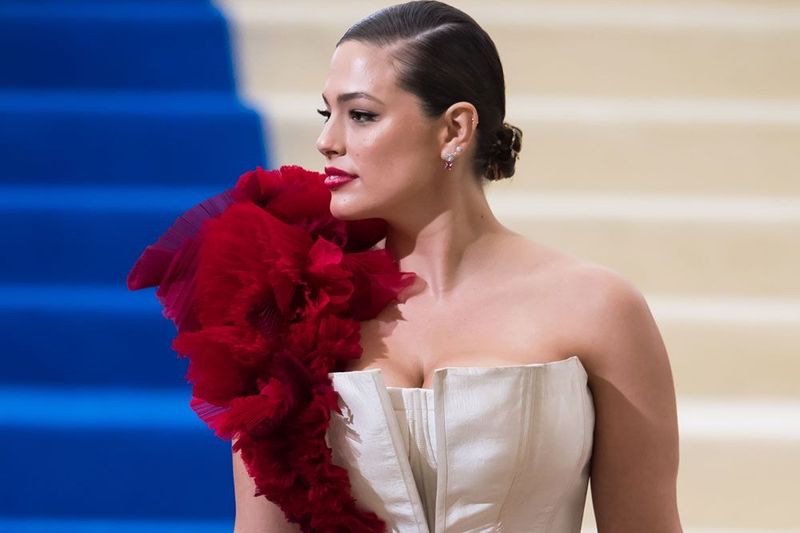
Missing the Met Gala because no designer would dress you is a tough reality, but that’s exactly what happened to Ashley Graham. She couldn’t attend one year simply because she had no outfit options from the major fashion houses invited to the event.
Even her former Vogue editor noted the industry’s reluctance.
Graham has never stopped fighting for representation. Her persistence helped push the conversation about size inclusivity into mainstream fashion media, changing how the industry views beauty.
6. Megan Mullally
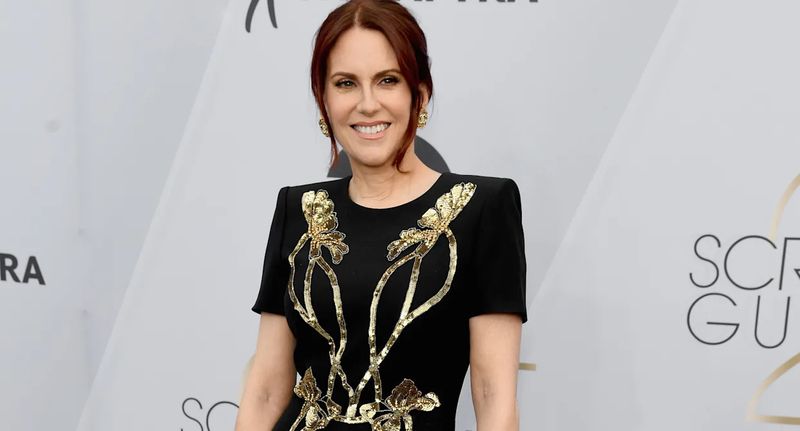
Hosting the 2019 Screen Actors Guild Awards is a big deal, and you’d think designers would be lining up to dress someone guaranteed to be on camera all night. Not so for Megan Mullally.
She shared that designers simply weren’t interested in sending her options, leaving her to shop online for her own look.
Her willingness to talk about the experience openly shined a spotlight on how ageism and size bias can affect even the most accomplished women in Hollywood.
7. Christina Hendricks
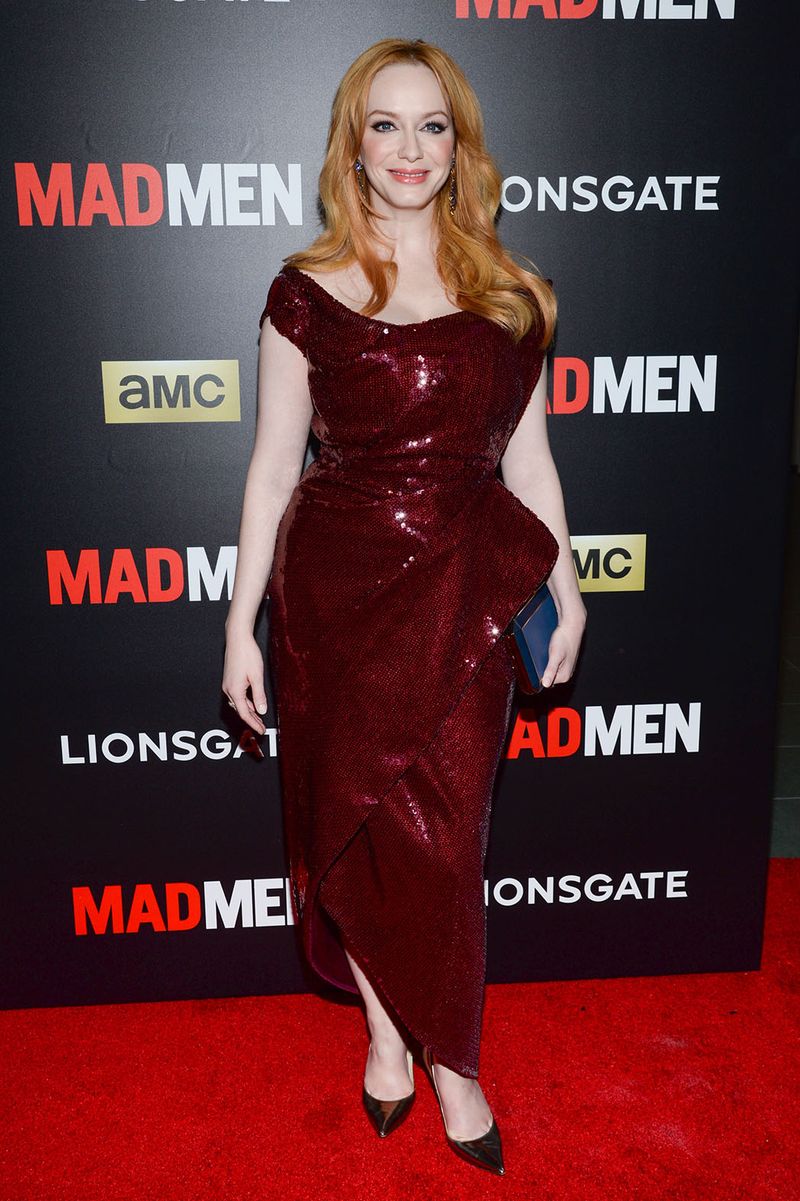
“Mad Men” made Christina Hendricks a household name, but her curves made finding red carpet dresses surprisingly difficult. She spoke openly about how designers primarily loaned out size zero or two samples, leaving her with very few options despite her fame.
The fashion world celebrated her look on screen while shutting her out off screen.
Her candid comments helped spark a broader industry conversation. Hendricks proved that talent and visibility don’t automatically open fashion’s doors for everyone.
8. Gabourey Sidibe
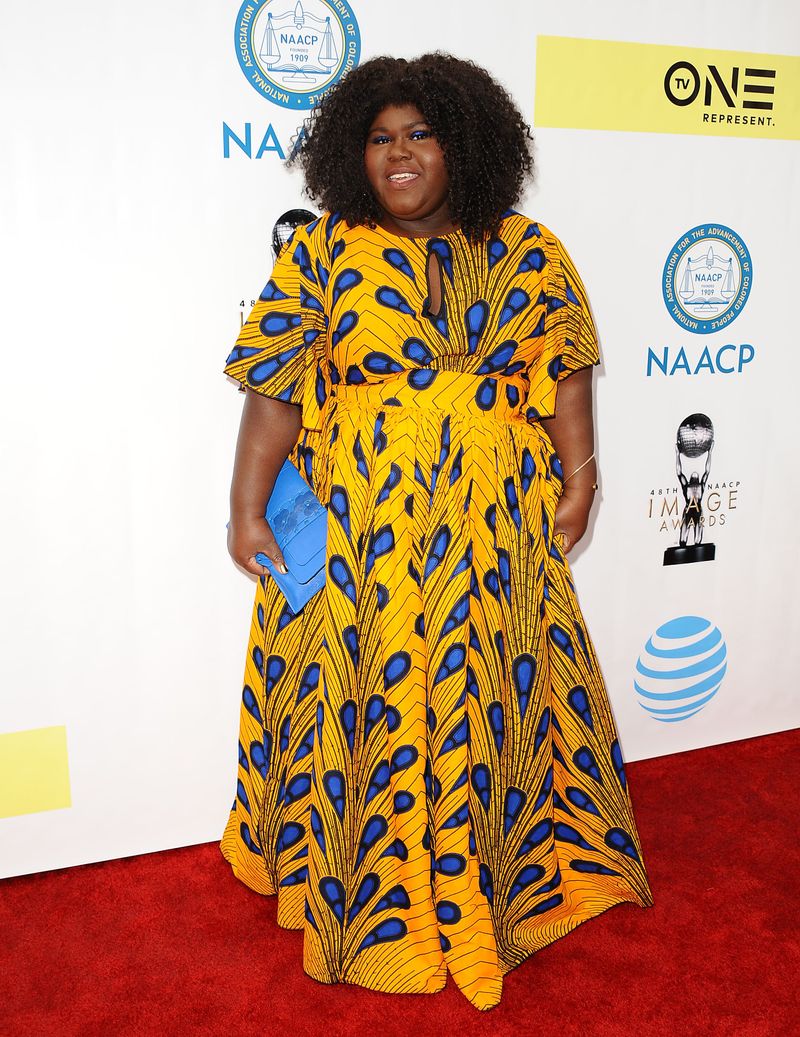
After her breakout role in “Precious” earned her an Oscar nomination, Gabourey Sidibe was ready for her red carpet moment. But designers told her she was too big to wear their clothes, refusing to provide outfits for the newly celebrated star.
The rejection was blunt and deeply personal.
Rather than shrink away, Sidibe responded with her signature humor and confidence. She’s used her platform to advocate fiercely for body positivity and representation in an industry that initially tried to overlook her.
9. Beyonce
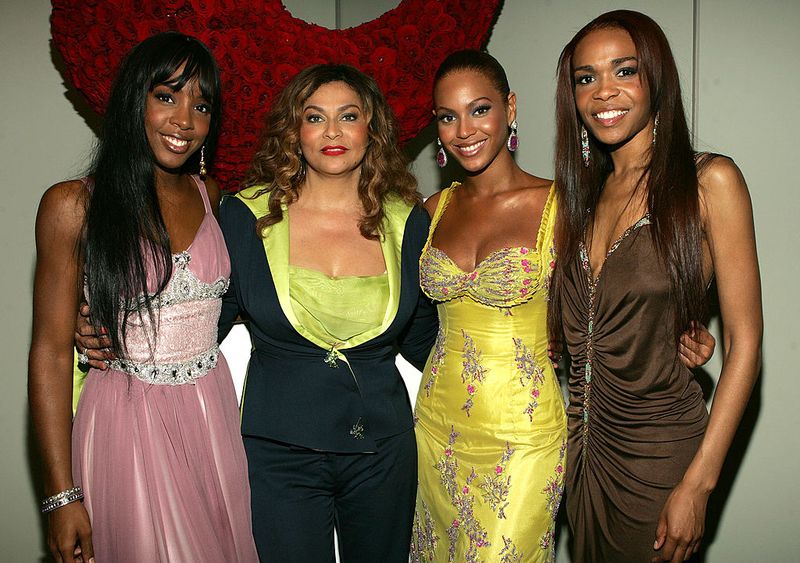
Before she became a global icon, Beyonce and her Destiny’s Child bandmates struggled to get high-end fashion labels to dress them. Major designers didn’t want to dress what she described as “four Black, country, curvy girls.” The rejection was layered with racial and body-based bias that was impossible to ignore.
Her mother, Tina Knowles, stepped in and designed many of their most iconic stage outfits. That creative response helped shape Beyonce’s powerful relationship with fashion for decades to come.
10. Zendaya
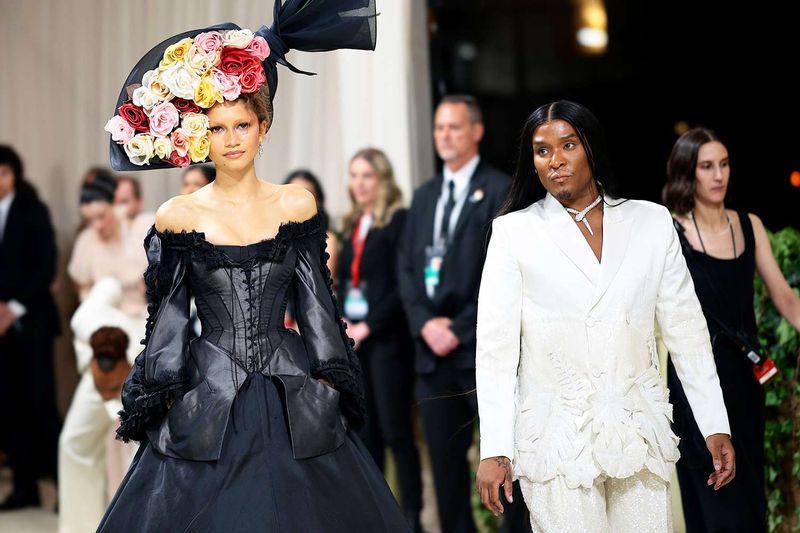
Zendaya’s stylist Law Roach revealed that early in her career, powerhouse fashion houses like Chanel, Gucci, Dior, Valentino, and Saint Laurent all refused to dress her. Their reason?
She was “too green,” meaning not established enough for their brand image. For someone with her obvious star power, the rejections were stunning.
She eventually signed a contract with Valentino and became one of fashion’s most celebrated figures. The brands that said no certainly noticed what they missed out on.
11. Danielle Brooks
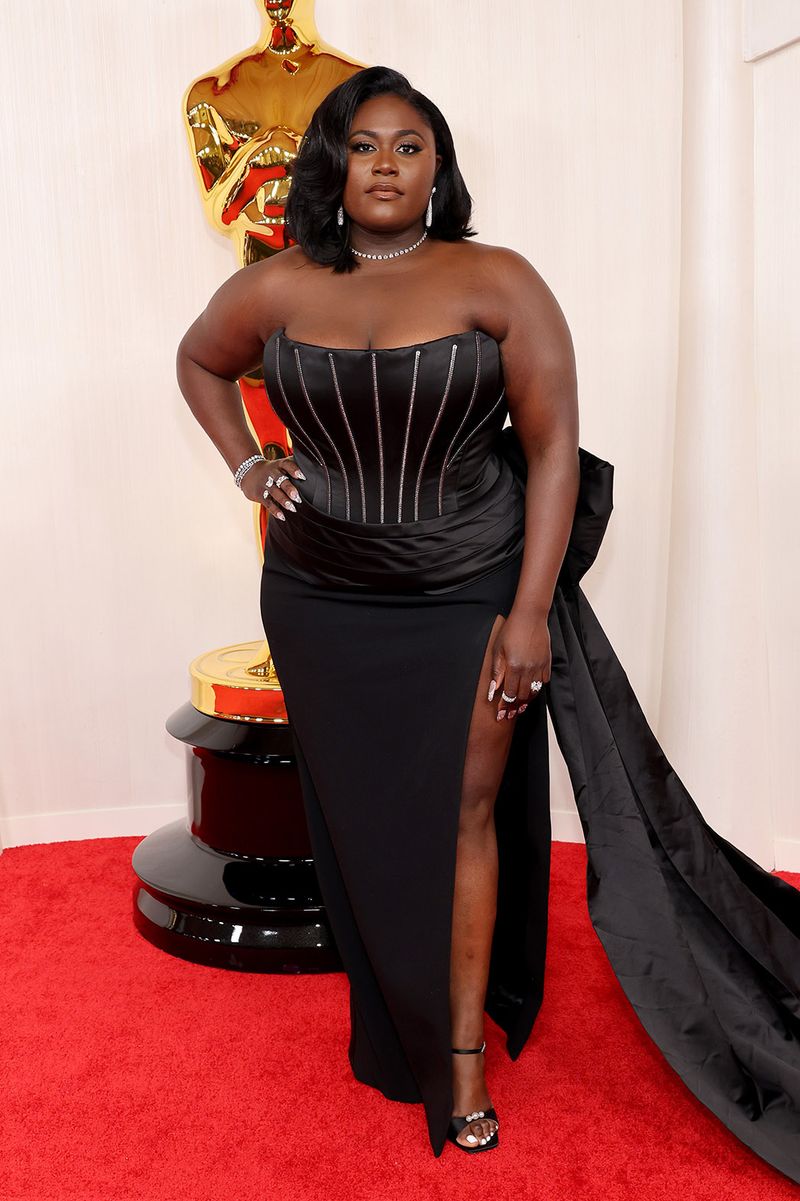
Despite earning critical acclaim and nominations for her role in “Orange Is the New Black,” Danielle Brooks found that top designers never reached out to dress her. The silence from fashion houses spoke volumes about whose bodies were considered worthy of high-end style.
She wasn’t shy about calling it out.
Brooks became a passionate advocate for body inclusivity in fashion, working with brands that actually celebrate diverse body types. Her voice helped push real change within an industry long overdue for it.
12. Meghan Markle
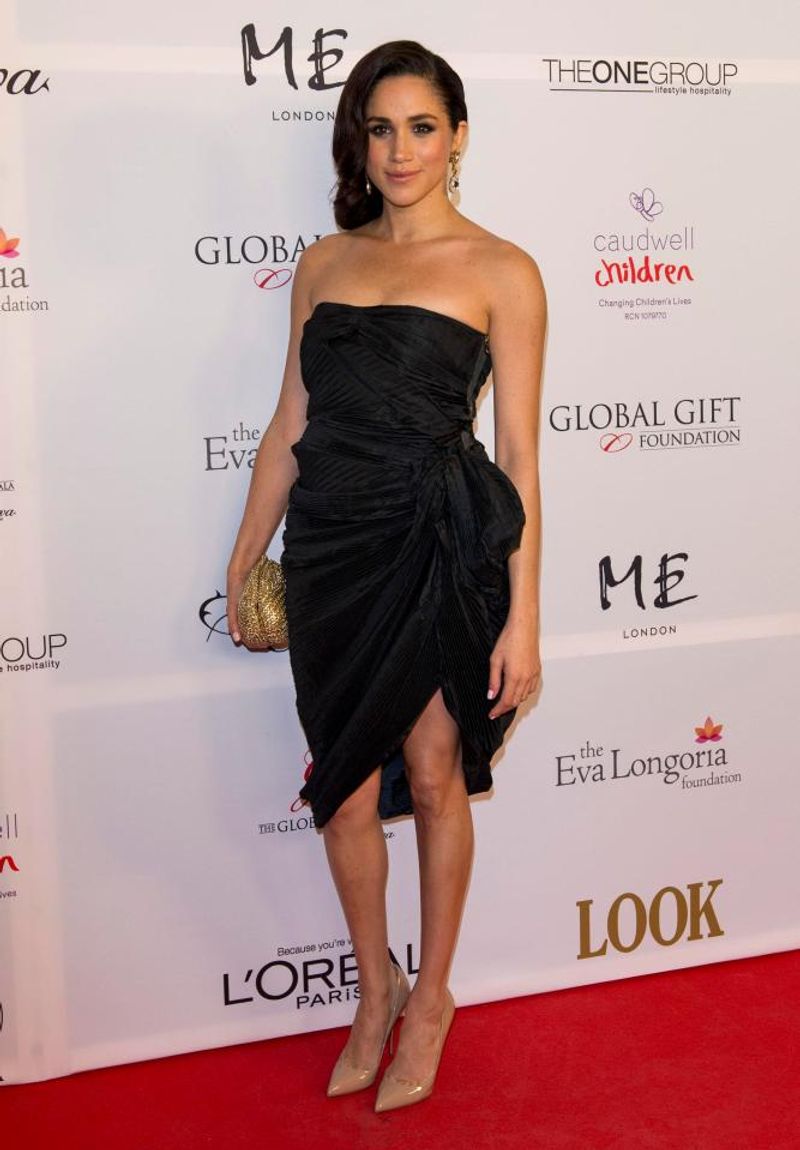
Long before she became the Duchess of Sussex, Meghan Markle was just an actress trying to make her mark in London. British designers reportedly refused to lend her clothing during a press trip, not yet seeing her as someone worth dressing.
It was a snub she likely never forgot.
Of course, her royal status changed everything almost overnight. The same industry that once turned her away now clamors to dress her, proving how much perception can shift the fashion world’s priorities.
13. Dascha Polanco
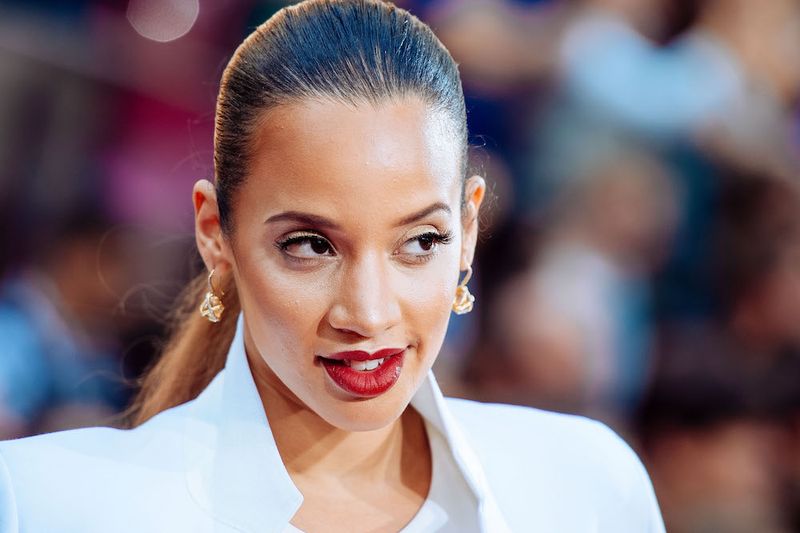
Luxury brands shutting the door on a passionate fashion lover is particularly harsh. Dascha Polanco, also known for “Orange Is the New Black,” revealed in 2016 that high-end labels turned her away because of her size, even though she was an enthusiastic and loyal customer of those same brands.
Her story highlighted a frustrating contradiction in fashion, where brands happily take shoppers’ money but won’t put their clothes on those same bodies at public events. She spoke up, and people listened.
14. Anna Kendrick
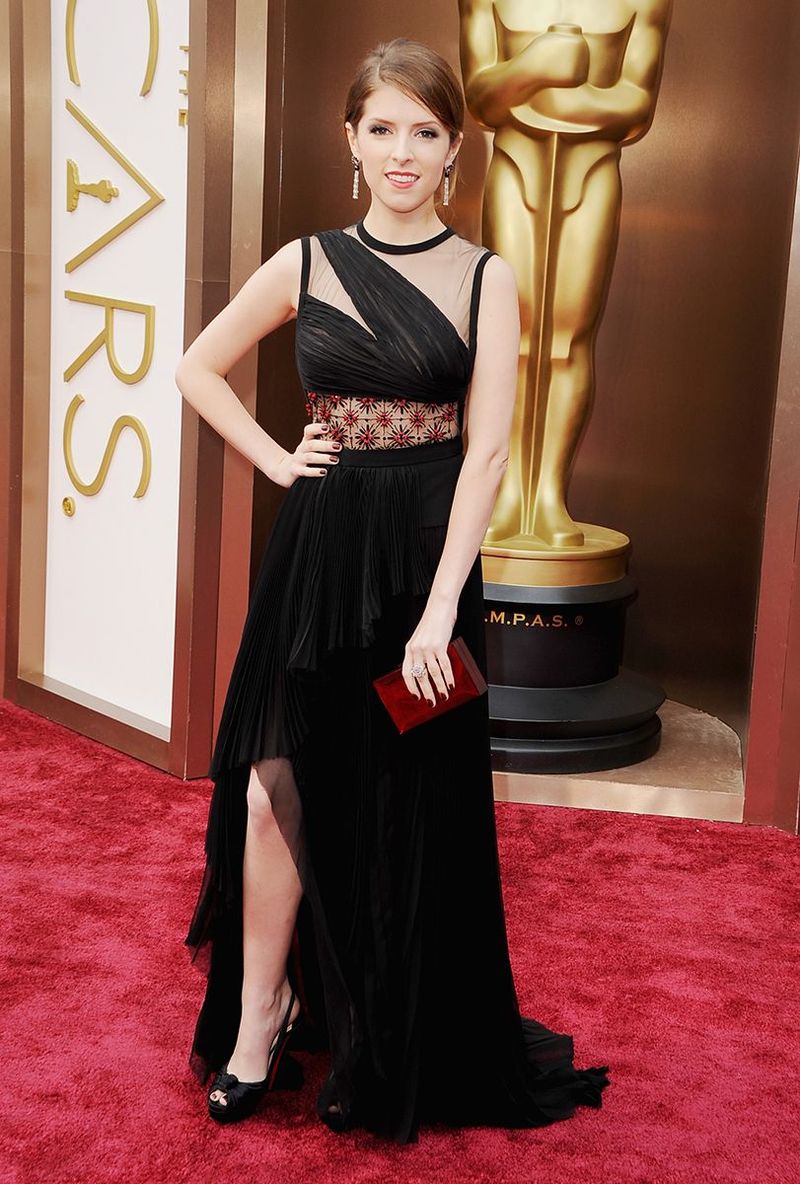
Most celebrities borrow designer shoes for premieres, but Anna Kendrick had to buy her own $1,000 pair because no brand would lend her any. This happened even after her Oscar nomination for “Up in the Air,” which should have made her an attractive choice for any fashion house eager for exposure.
Her experience is a quirky but telling example of how arbitrary fashion’s gatekeeping can be. Sometimes even a golden resume isn’t enough to get a free pair of heels.
15. Sheryl Lee Ralph
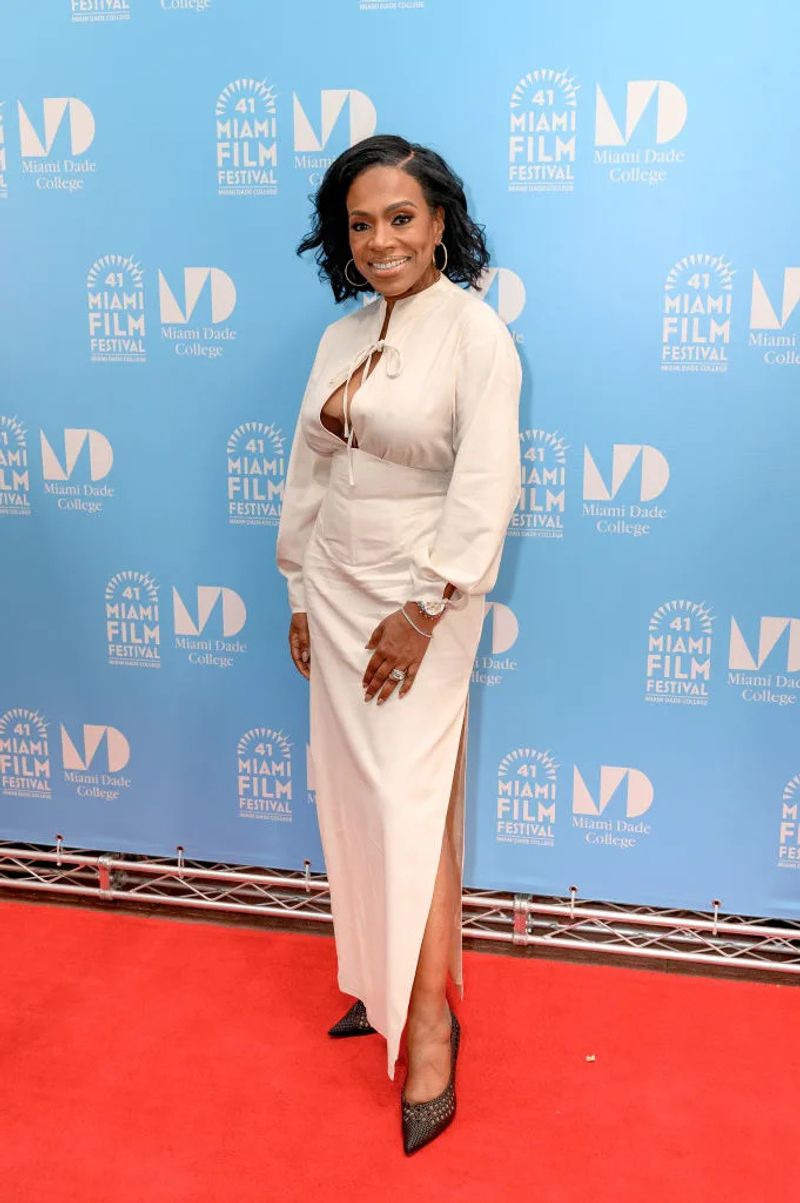
Sheryl Lee Ralph has one of the most jaw-dropping rejection stories in Hollywood fashion history. A major fashion house refused to dress her, describing her body as having “vulgar in-n-outs,” a shockingly offensive way to reference her curves.
The comment was so hurtful that Ralph chose to boycott the brand entirely.
Her decision to speak about the experience publicly gave many women permission to acknowledge similar humiliations. Ralph’s grace and self-respect in the face of cruelty remains genuinely inspiring to fans everywhere.
16. Khloe Kardashian
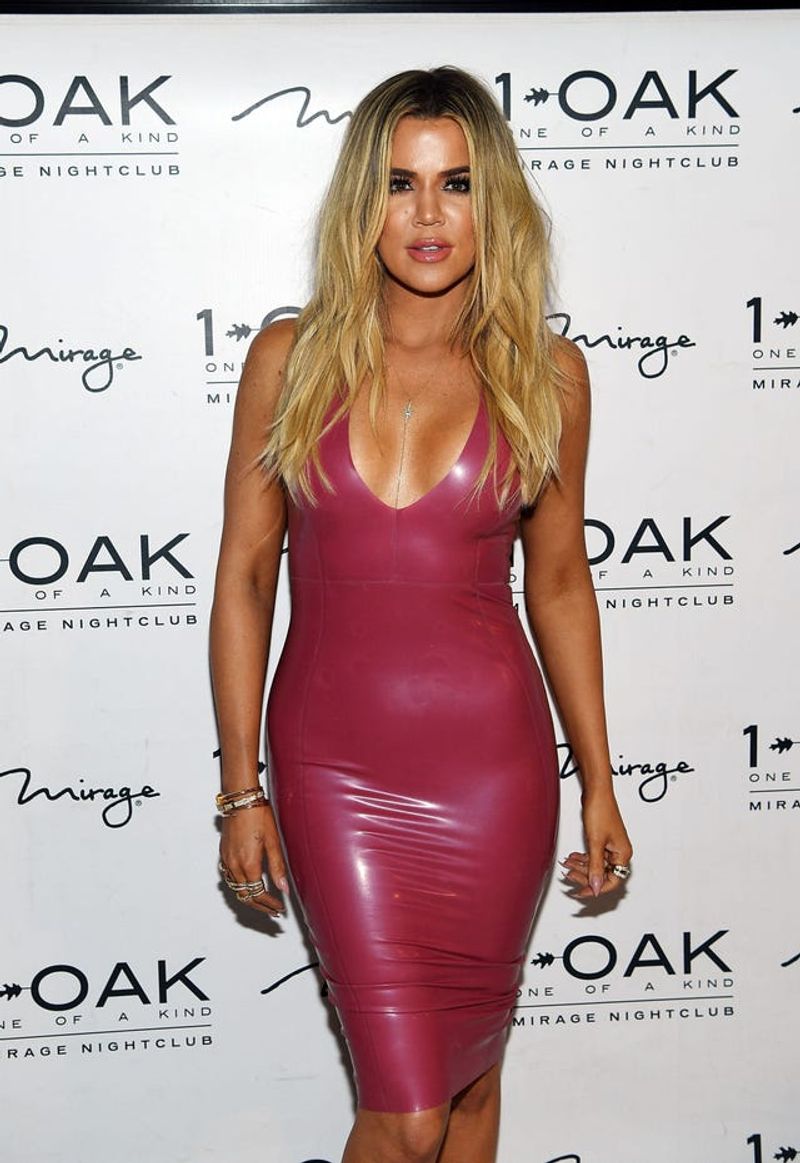
Khloe Kardashian watched firsthand how the fashion industry’s treatment of her changed dramatically after she lost weight. Stylists who previously had little to offer her suddenly flooded her with options.
The shift made it crystal clear that the industry valued a narrower body type, regardless of a person’s fame or influence.
Her honest reflections on this double standard resonated with millions of fans who had experienced similar treatment. Khloe used her platform to highlight how shallow and exclusionary fashion’s gatekeeping truly can be.
17. Kristen Stewart
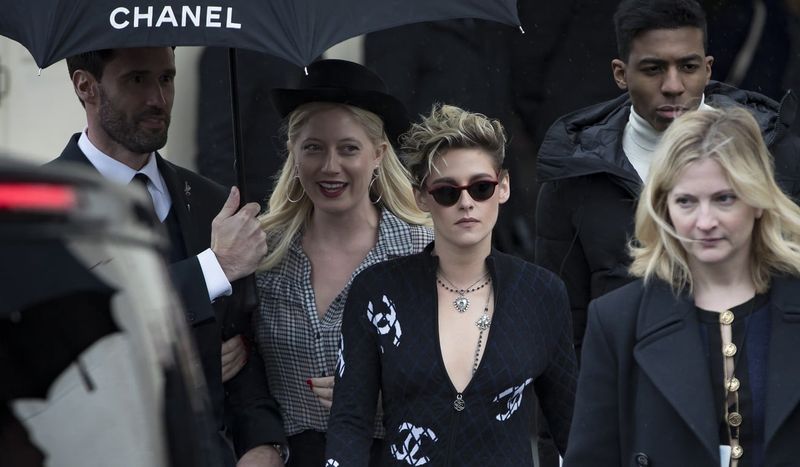
Seven years is a long time to knock on a door that won’t open. Kristen Stewart’s stylist spent nearly a decade trying to get Lanvin to dress her, but the fashion house kept saying no, reportedly because she didn’t match their target audience.
It was a stubborn and puzzling refusal given her massive global profile.
Stewart eventually became a Chanel ambassador, one of fashion’s most prestigious partnerships. It’s a satisfying twist that the girl Lanvin passed on became the face of an even bigger brand.
18. Kim Kardashian
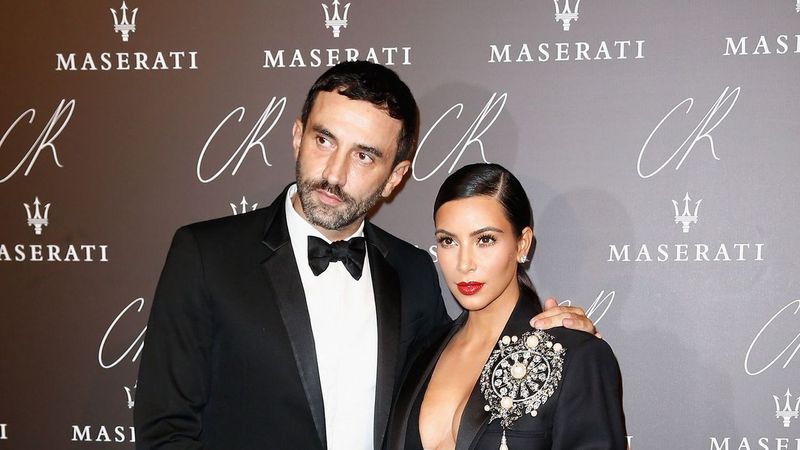
Hard to imagine now, but in the early 2010s, nearly every major fashion brand rejected Kim Kardashian. Despite her massive social media following and pop culture presence, most designers didn’t consider her the right fit for their image.
Only a handful, including Riccardo Tisci of Givenchy, were willing to work with her early on.
That early support helped legitimize her fashion ambitions. Today she’s a style icon and business mogul, which makes those early rejections look like the industry’s biggest miscalculation.
19. Cardi B
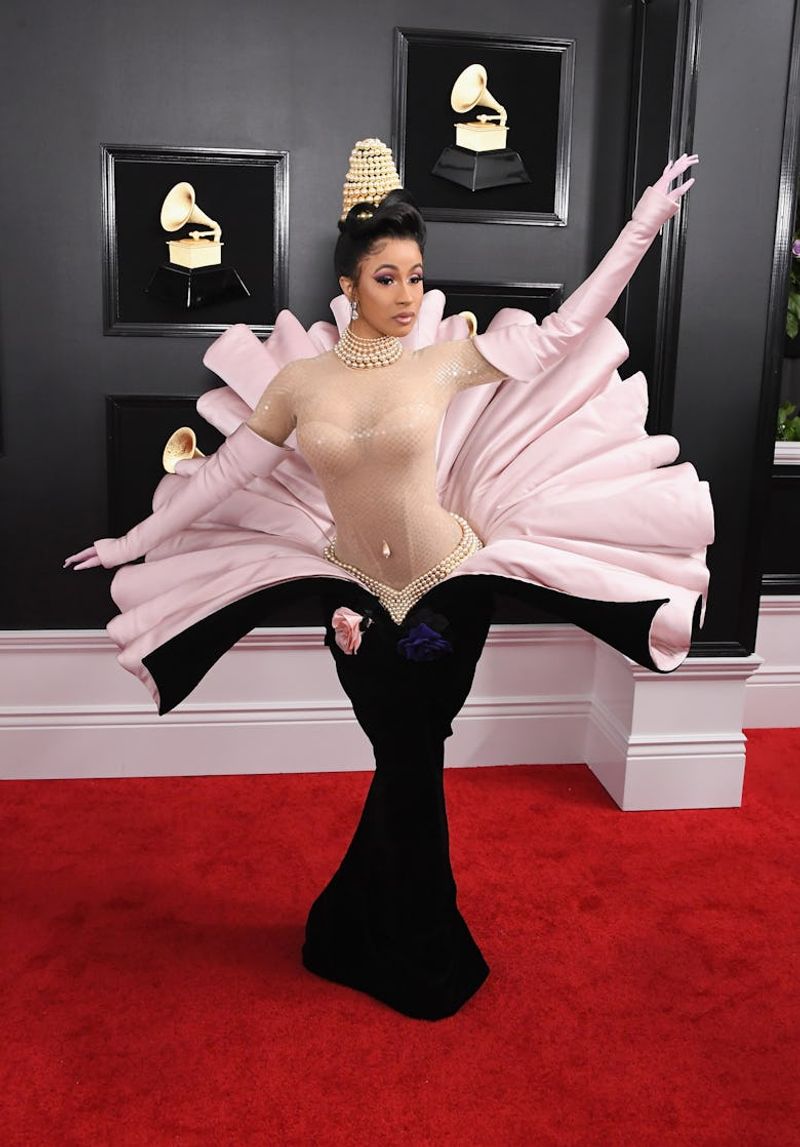
Before Cardi B became a red carpet queen, designers in 2018 turned her away, saying she wasn’t “it girl” enough for their brand. The rejection felt ironic given that she was one of the hottest rising stars in music at the time, with chart-topping hits and a rapidly growing fan base.
She kept pushing, and the fashion world eventually came around in a big way. Now she’s one of the most talked-about style figures at any event she attends, proving those early critics spectacularly wrong.