
Most people expect marriage to feel like a safe place, but sometimes the person closest to you can slowly chip away at your sense of self. Manipulation in a relationship does not always look obvious — it can hide behind jokes, concern, or even acts of kindness.
Recognizing the warning signs early can protect your emotional health and help you make informed decisions. Understanding these patterns is the first step toward taking back your power.
1. Gaslighting and Reality Distortion

Have you ever walked away from an argument feeling like you imagined the whole thing? Gaslighting is when a spouse repeatedly denies events, dismisses your feelings, or insists your memory is wrong — even when you know what happened.
Over time, this makes you question your own mind. Phrases like “That never happened” or “You’re too sensitive” are classic red flags.
Trusting your gut is not overreacting — it is self-preservation.
2. Quietly Cutting You Off from Loved Ones

Isolation rarely happens all at once. A manipulative spouse might start by expressing “concerns” about your friends or family, planting seeds of doubt that slowly grow into distance between you and the people who care about you most.
Before long, they become your only source of support and connection. Watch for a partner who consistently makes you feel guilty for spending time with others or frames your relationships as threats to the marriage.
3. Turning Guilt Into a Weapon

Setting a boundary should never feel like a crime, but a guilt-tripping spouse makes it feel exactly that way. Every time you try to assert your needs, they reframe it as proof that you do not love them enough.
Dramatic statements like “I guess I just do not matter to you” are designed to put you on the defensive. Healthy love never requires you to constantly prove yourself through self-sacrifice.
4. Love That Comes With Conditions

Affection should not feel like a prize you have to earn. When a spouse gives warmth and attention only after you behave in ways they approve of — and pulls it away the moment you disappoint them — love becomes a transaction.
This push-and-pull cycle keeps you constantly trying to win their approval. Feeling like you are always on thin ice in your own home is a serious sign that something is deeply unhealthy in the relationship.
5. The Goalposts Keep Moving

Yesterday it was fine, today it is a problem — sound familiar? A manipulative spouse constantly shifts what they expect from you, making it impossible to ever feel settled or “good enough.” You spend so much energy trying to keep up that you forget to check whether the relationship is actually healthy.
This exhausting cycle creates hypervigilance, where you are always bracing for the next mood shift. No one should live in a permanent state of emotional suspense.
6. Criticism Dressed Up as Concern

There is a big difference between a partner who offers genuine encouragement and one who wraps put-downs in the language of helpfulness. “I am just trying to help you improve” can be a cover for ongoing criticism that slowly erodes your self-worth.
Unsolicited feedback about your choices, appearance, or abilities — especially when it happens regularly — is not support. Real support builds you up rather than leaving you feeling smaller after every conversation.
7. Always Playing the Victim

No matter how a conflict starts, somehow they always end up as the one who was wronged. A spouse who habitually plays the victim flips the script so skillfully that you find yourself comforting them — even when they were the one who caused the problem.
This tactic sidesteps accountability while pulling your sympathy. Over time, you may notice that their stories about conflicts with others always paint themselves as blameless.
That pattern is worth paying close attention to.
8. Nothing Is Ever Their Fault
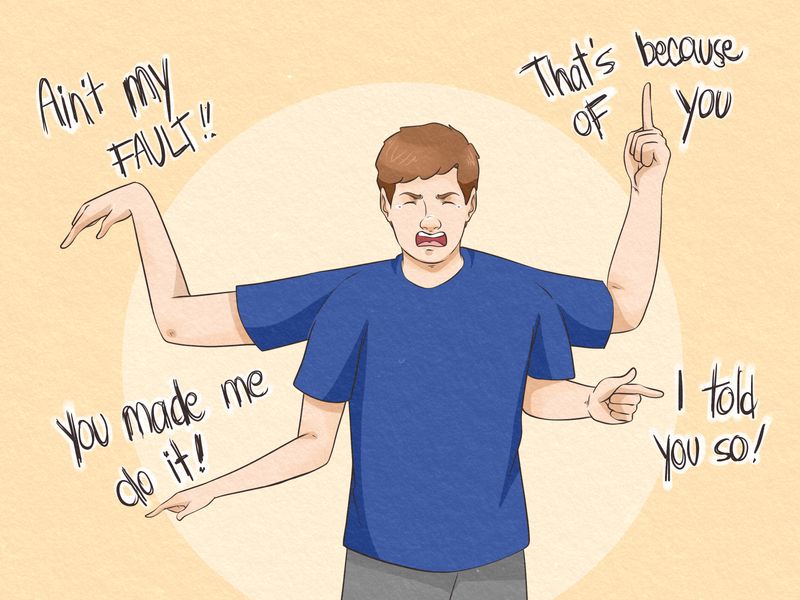
Accountability is a cornerstone of healthy relationships, but a manipulative spouse avoids it at all costs. They deflect, minimize, and redirect blame so consistently that you end up apologizing for things you did not even do.
“You made me act this way” is a textbook line used to transfer responsibility. If every argument ends with you feeling at fault and them walking away clean, that is not a communication problem — it is a control strategy.
9. Stonewalling and the Silent Treatment

Silence can be louder than any argument. When a spouse deliberately shuts down, refuses to speak, or withdraws emotionally as a form of punishment, they are using silence as a tool of control rather than a way to cool down.
Being stonewalled leaves you anxious, desperate to fix things, and willing to accept blame just to restore peace. Healthy partners take space when needed but always return to resolve the issue together, not use silence to dominate.
10. Unfavorable Comparisons to Make You Feel Small

“My coworker’s wife would never complain about that” — comments like this are not harmless observations. A manipulative spouse uses comparisons to make you feel inadequate, pushing you to work harder for their approval.
Whether it is an ex, a friend, or even a stranger, being held up against someone else chips away at your self-esteem over time. A loving partner celebrates who you are rather than measuring you against who you are not.
11. Building a Dependency You Did Not Notice

At first, it looked like devotion. They were always there, always ready to help, always the first one you called.
But slowly, your confidence in handling things on your own began to fade — and that did not happen by accident.
Manipulative spouses can subtly undermine your independence by making you doubt your judgment or by positioning themselves as the only one who truly understands you. Healthy love encourages you to grow, not shrink into reliance.
12. Downplaying Your Wins and Goals

Getting a promotion or finishing a personal goal should feel exciting, but a manipulative spouse has a way of taking the shine off your achievements. A lukewarm response, a quick subject change, or a subtle “well, it is not that big a deal” can sting deeply.
Over time, you may stop sharing good news altogether. When a partner consistently minimizes your accomplishments or quietly redirects your goals, they are managing your growth to keep you within reach of their control.
13. Lying and Rewriting the Past

Memory is imperfect, but there is a clear difference between forgetting and deliberately rewriting history. A manipulative spouse may flatly deny saying something, claim events happened differently, or insist that a conversation you both had simply never took place.
This persistent dishonesty is designed to make you distrust your own recollection. Keeping a journal or saving messages can help you stay grounded in reality when someone works hard to blur it for you.
14. Jokes That Are Not Really Jokes
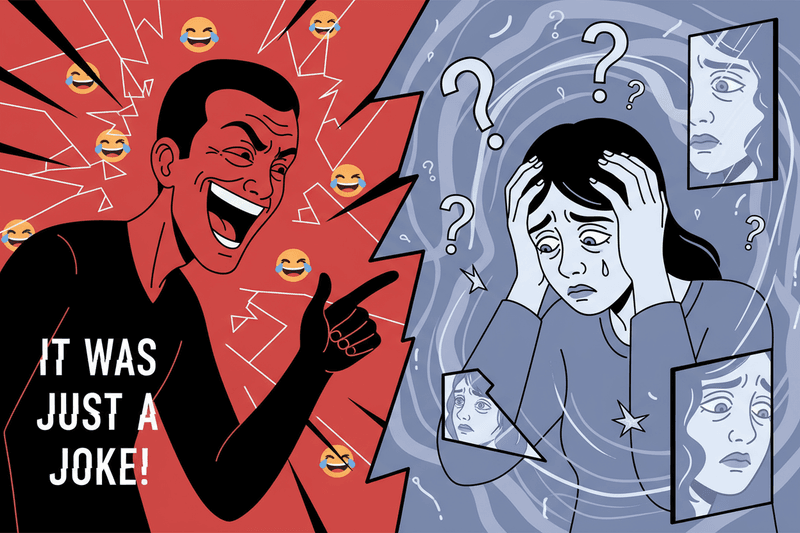
Humor is healthy in a marriage — but not when you are always the punchline. A manipulative spouse delivers cutting remarks disguised as teasing, then brushes off your hurt feelings with “Can’t you take a joke?” or “You’re so sensitive.”
The joke format gives them plausible deniability while the damage accumulates quietly. If you notice a pattern of feeling embarrassed, belittled, or deflated after your partner’s “humor,” trust that feeling.
Loving teasing should make both people laugh, not just one.
15. Controlling What You Wear or How You Look

What starts as “I just think you look better in this” can quietly evolve into something much more controlling. A manipulative spouse may express strong, persistent opinions about your clothing or appearance until you stop trusting your own style instincts.
Sometimes this control is wrapped in what looks like generosity — buying you clothes that match their preferences rather than yours. Your appearance is your own, and a healthy partner respects that boundary without needing to manage it.
16. Unpredictable Moods That Keep You On Edge

Living with someone whose moods swing without warning is exhausting in a way that is hard to explain to outsiders. You learn to scan the room the moment you walk in — checking tone of voice, body language, and energy levels before saying a word.
This kind of hypervigilance is not normal relationship stress. When a spouse’s unpredictable reactions make you afraid to speak freely in your own home, that emotional environment is a form of control, even if no one ever raises a voice.
17. Invading Your Privacy

Everyone in a relationship deserves a reasonable degree of personal privacy. A spouse who regularly checks your phone, reads your emails, monitors your location, or demands constant check-ins is not acting out of love — they are enforcing surveillance.
This behavior is often justified as “just wanting to make sure you are safe,” but the real function is control. Privacy violations in a marriage signal a serious lack of trust and respect, two things no healthy partnership can survive without.
18. Triangulation — Using Others to Stir the Pot

Triangulation is when a manipulative spouse pulls a third person into your dynamic to create jealousy, insecurity, or conflict. They might hint that someone else finds them attractive, gossip about you to family members, or play people against each other to stay in control.
This tactic keeps you off-balance and competing for their attention rather than addressing real issues together. Healthy couples handle their problems directly — they do not recruit audiences or use other people as emotional leverage.