
Some people just seem to think differently — they ask better questions, stay calm under pressure, and always seem one step ahead. But what actually sets them apart?
Psychology has uncovered some surprising and fascinating clues that point to above-average intelligence. You might even recognize a few of these traits in yourself or someone you know.
1. They Can Never Stop Being Curious

Ever meet someone who just can’t stop asking “why”? Highly intelligent people have an almost endless hunger for learning that goes way beyond school or work.
They explore topics outside their usual field just because something caught their interest.
This curiosity isn’t forced — it feels completely natural to them. Psychology research consistently links a deep desire to learn with high cognitive ability.
Knowledge, to them, has no boundaries.
2. Adapting to Change Comes Naturally

Smart people don’t panic when plans fall apart — they pivot. Adaptability is one of psychology’s strongest markers of high intelligence, because it requires quick thinking, flexibility, and a willingness to try new approaches.
Where others see chaos, they see a puzzle worth solving. Studies show that cognitively flexible individuals handle unexpected situations far more effectively.
Life throws curveballs, and they’re already swinging.
3. Figuring Things Out Before Asking for Help

Before reaching out, smart individuals usually try every angle on their own first. This self-reliant approach to problem-solving reflects strong reasoning skills and a genuine enjoyment of the challenge itself.
Psychology links this behavior to effective cognitive processing — the brain is actively working through patterns and logic. It’s not stubbornness; it’s a trained mental habit that builds stronger thinking over time.
The satisfaction of solving it alone? That’s the real reward.
4. Open to Ideas That Challenge Their Own
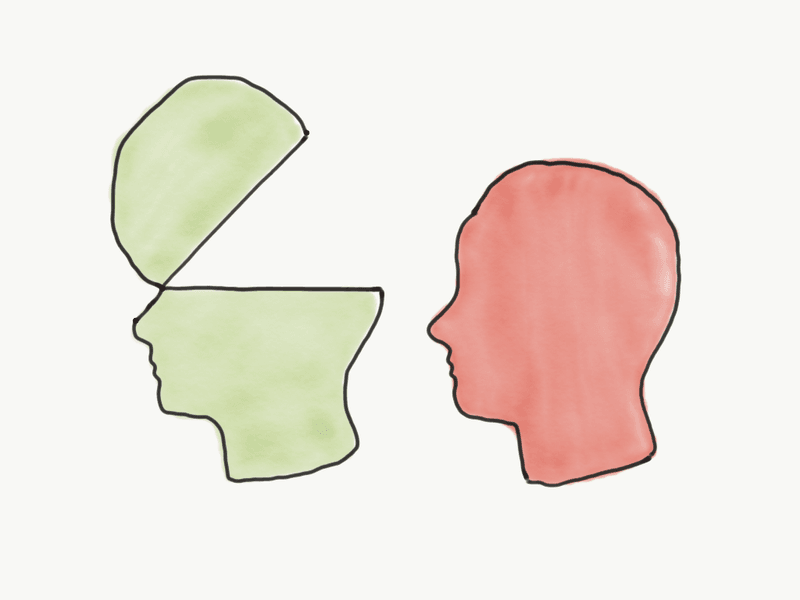
Truly smart people don’t feel threatened when someone disagrees with them. Open-mindedness — the ability to seriously consider perspectives that contradict your own — is a well-documented psychological indicator of higher intelligence.
Rather than digging in defensively, they ask questions and genuinely weigh the other side. Forming an opinion only after hearing multiple viewpoints shows real intellectual maturity.
Strong minds stay flexible, not rigid.
5. Comfortable Saying “I Don’t Know”

Here’s something that might surprise you: admitting ignorance is actually a sign of smarts. Psychologists call this “awareness of ignorance,” and it’s directly tied to intellectual humility — a trait strongly correlated with high IQ.
Smart people recognize how vast knowledge really is, which makes them aware of their own gaps. Rather than faking expertise, they see not knowing something as an exciting invitation to learn more.
6. They Ask the Uncomfortable Questions

Smart individuals rarely accept things at face value. They push deeper, asking “what if” or “but why” questions that can make others squirm a little — because those questions challenge assumptions everyone else just quietly accepted.
This habit of digging beneath the surface is rooted in critical thinking, a cornerstone of above-average intelligence. It’s not about being difficult; it’s about refusing to let lazy answers slide without scrutiny.
7. Their Memory and Processing Speed Stand Out
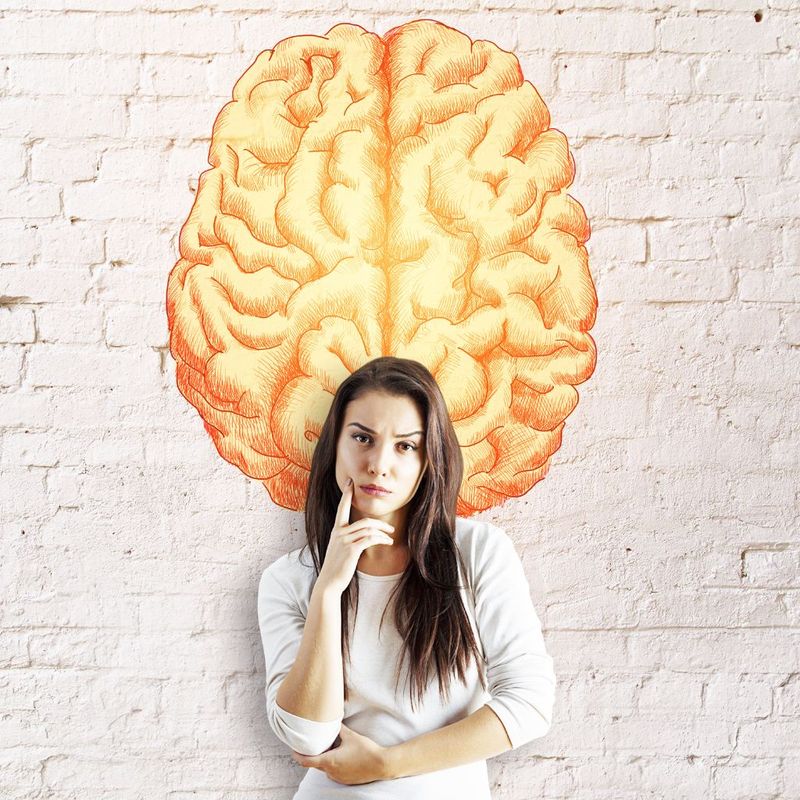
Gifted individuals often process new information at a noticeably faster pace than average — and they retain it well, too. Strong working memory is one of the most reliable cognitive markers researchers use to assess intelligence.
You might notice they remember details from conversations weeks later or pick up new concepts after hearing them just once. It’s not a trick — their brains are simply wired to absorb and organize information efficiently.
8. Spotting Patterns Nobody Else Notices

Pattern recognition is one of the brain’s most impressive tricks — and highly intelligent people are exceptionally good at it. They spot connections between things that seem completely unrelated to everyone else.
Whether it’s noticing a trend in numbers, a recurring theme in history, or a link between two different fields, this skill reflects deep analytical thinking. It’s the mental equivalent of seeing the picture in the puzzle before the pieces are fully assembled.
9. Always Reflecting on What They’ve Learned

Smart people don’t just consume information — they chew on it. After reading something interesting or having a thought-provoking conversation, their minds naturally go into “make sense of this” mode, connecting new ideas to what they already know.
Psychology refers to this as cognitive reflection, and it’s a strong predictor of sound decision-making and reasoning ability. Sitting with an idea rather than rushing past it is actually a form of mental strength.
10. Thinking Several Steps Ahead

Chess players, great leaders, and scientists all share one thing: they think ahead. Highly intelligent people naturally consider the downstream consequences of their actions and decisions before taking the first step.
This forward-thinking ability reflects advanced cognitive processing and the capacity to hold multiple scenarios in mind simultaneously. It’s not overthinking — it’s strategic clarity.
Seeing around corners before everyone else is one of intelligence’s most practical superpowers.
11. A Sharp and Unexpected Sense of Humor

Funny and smart often go hand in hand. Research found that people who write funnier captions and professional comedians consistently score higher on verbal intelligence tests — which means wit isn’t just personality, it’s brainpower.
Humor requires quick thinking, wordplay, timing, and the ability to see the absurd in everyday situations. Someone who can make you laugh with a truly clever observation is almost certainly working with an above-average mind.
12. High Self-Control in Tempting Situations

Resisting the urge to act on impulse is harder than it sounds — and smarter people tend to be better at it. Psychology consistently links high self-control with higher intelligence, partly because both rely on strong executive function in the brain.
Delaying gratification, carefully weighing options before deciding, and staying patient when results take time are all behaviors that reflect cognitive discipline. Smart choices rarely come from snap reactions.
13. They Actually Enjoy Being Alone

Solitude gets a bad reputation, but for intelligent people, alone time is genuinely productive. Research shows a meaningful correlation between comfort with solitude and higher intelligence — because smart minds use that quiet space to think, plan, and reflect.
Rather than feeling bored or lonely, they find being alone mentally stimulating. It’s during those solo hours that their best ideas often surface.
Not antisocial — just recharging in a way that works for them.
14. Setting Impossibly High Standards for Themselves

Perfectionism and high IQ often travel together. Psychologists have noted that individuals with above-average intelligence tend to set exceptionally high personal standards — sometimes to a fault.
They notice every flaw, every missed opportunity, every gap between good and excellent.
While this drive can fuel remarkable achievements, it can also create real stress or fear of failure. The upside?
That relentless push for better is often what separates good work from truly great work.
15. Deep Empathy and Emotional Sensitivity

Intelligence isn’t just about logic — emotional depth matters too. Many highly intelligent individuals are remarkably tuned in to other people’s feelings, picking up on subtle emotional cues that others miss entirely.
This empathy reflects emotional intelligence, which psychologists recognize as a distinct and valuable form of cognitive ability. Being able to read a room, understand unspoken feelings, and respond with genuine compassion takes real mental sophistication.
Smart hearts and smart minds often come together.
16. A Healthy Dose of Skepticism
Smart people don’t just believe something because someone said it confidently. A healthy skepticism — the habit of withholding judgment until there’s solid evidence — is one of psychology’s most consistent markers of above-average intelligence.
This isn’t cynicism; it’s intellectual discipline. They ask for sources, look for data, and question narratives that seem too neat or too simple.
In a world overflowing with misinformation, that critical filter is an incredibly valuable mental tool.