
Not every hit TV show had a smooth road to your screen. Some of the most beloved series almost never made it past the pitch meeting, facing rejection, rewrites, and total chaos before a single episode aired.
From fantasy epics to beloved sitcoms, the behind-the-scenes stories are just as dramatic as the shows themselves. Get ready to be surprised by how close we came to losing some of your all-time favorites.
1. Game of Thrones
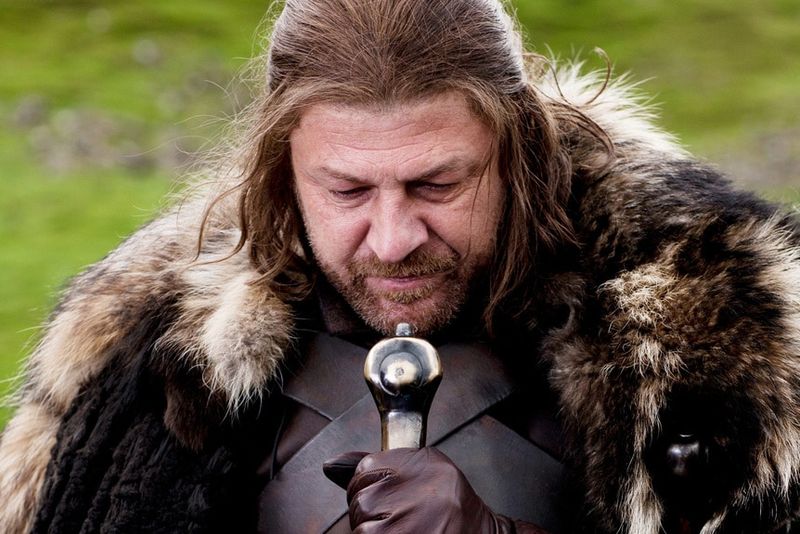
Almost no show in history had a rockier start than HBO’s fantasy epic. The original pilot was so bad that nearly 90% of it had to be reshot from scratch.
Test audiences found the story confusing and couldn’t keep track of the characters.
The production team went back to the drawing board, reworked key scenes, and recast important roles. That massive do-over paid off in a big way, turning the series into one of the most-watched shows in television history.
2. Stranger Things
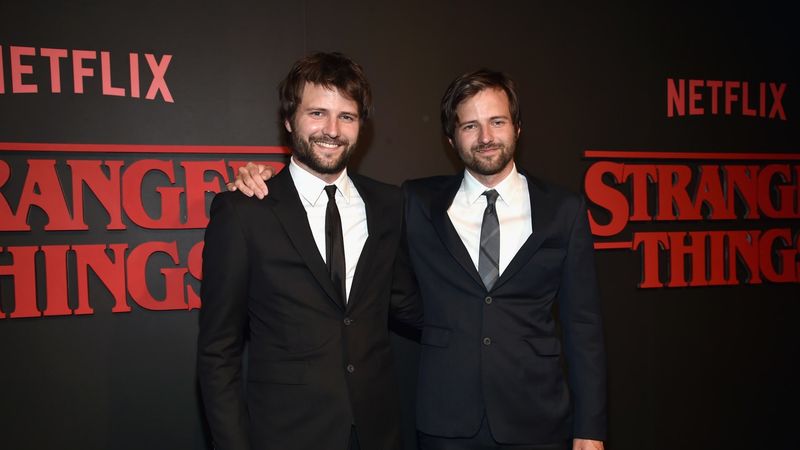
Twenty rejections would crush most people, but the Duffer Brothers kept pushing. Before “Stranger Things” became a Netflix phenomenon, nearly every major network passed on it.
Executives couldn’t figure out how to market a sci-fi story that featured child heroes but was clearly written for grown-up audiences.
Netflix finally took the chance, and the rest is streaming history. The show’s unique blend of childhood adventure and adult horror found an audience that nobody in Hollywood had even imagined existed.
3. The Big Bang Theory
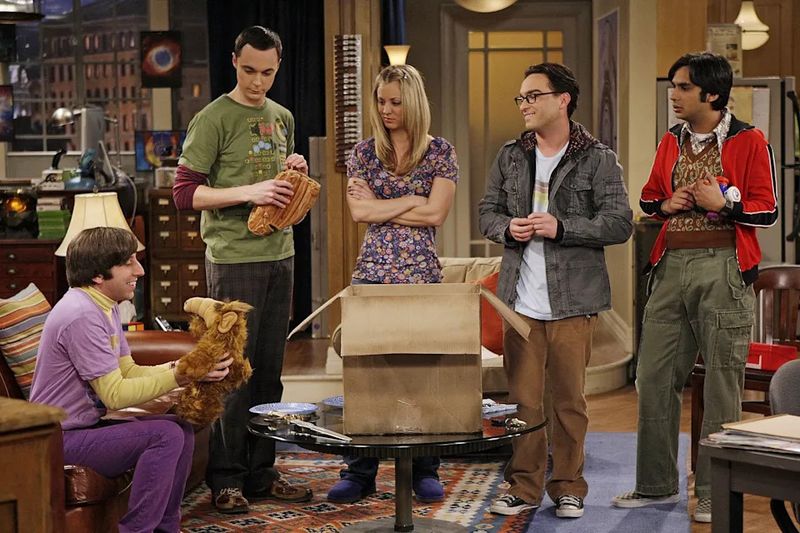
CBS nearly pulled the plug on this sitcom before it ever reached your living room. After the first pilot was filmed, executives agreed with creator Chuck Lorre that it simply wasn’t working.
The lead female character was completely recast, and major storylines were reworked from the ground up.
Kaley Cuoco stepped in as Penny, bringing the chemistry the show desperately needed. That bold decision to start over transformed a shaky concept into a 12-season ratings powerhouse that redefined the nerdy sitcom genre.
4. Star Trek: The Original Series
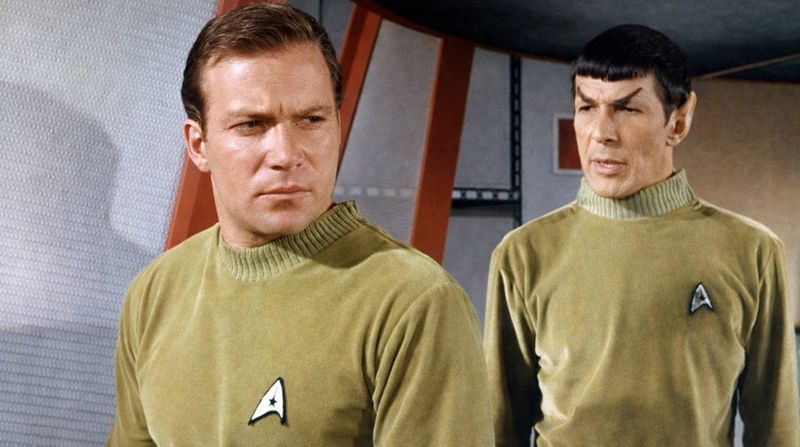
NBC called the very first Star Trek pilot “too cerebral” and sent creator Gene Roddenberry back to try again. That original episode, titled “The Cage,” was shelved and a second pilot was ordered, which meant building an almost entirely new cast.
Most of the original actors were replaced.
That unusual second-chance decision gave us the iconic crew we know today, including William Shatner as Captain Kirk. Without that rare network move, one of sci-fi’s most influential franchises might never have launched at all.
5. The Sopranos
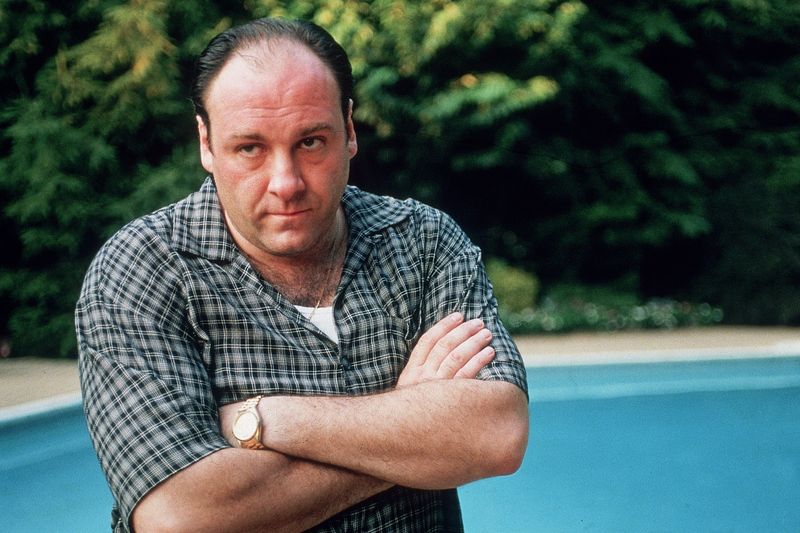
Fox took one look at “The Sopranos” script and passed. The network expected wall-to-wall mob violence, but creator David Chase had written something far more complicated, a story about a gangster in therapy juggling family pressures and criminal life.
That layered approach confused Fox executives completely.
Chase rewrote the script for HBO, which understood the vision immediately. The resulting show became widely considered one of the greatest dramas ever made, proving that complex, character-driven storytelling was exactly what audiences had been waiting for.
6. Breaking Bad
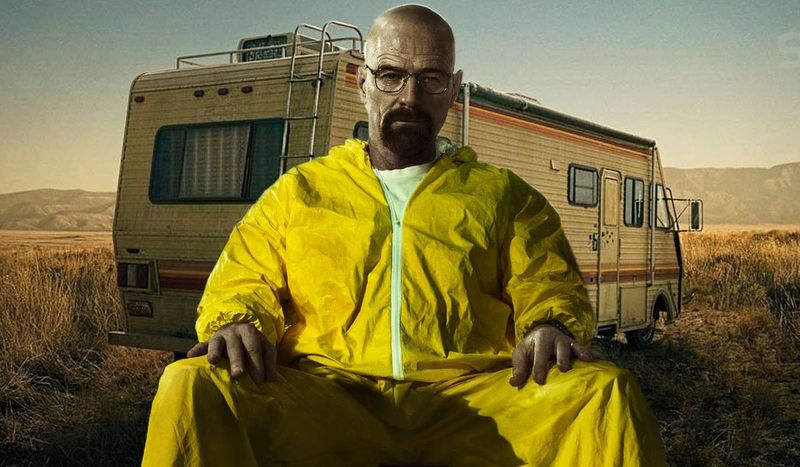
HBO said no. FX said yes, then changed its mind. TNT also passed.
Creator Vince Gilligan spent years fighting to get “Breaking Bad” made, facing constant network hesitation about the show’s dark themes and violent content. At one point, it genuinely seemed like the series would never exist.
AMC finally greenlit it, and the story of Walter White became a cultural landmark. The show’s willingness to go dark and uncomfortable, the very thing that scared off other networks, turned out to be its greatest strength.
7. Mad Men
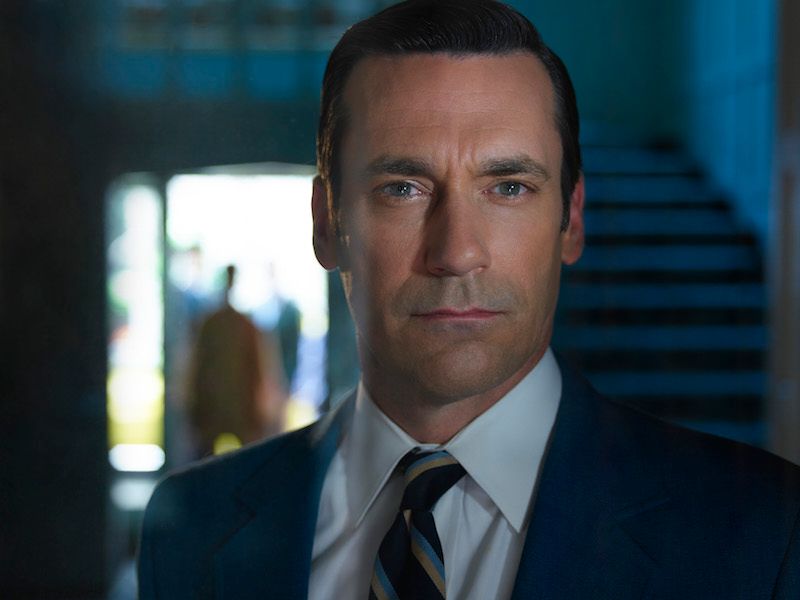
Matthew Weiner’s script for “Mad Men” sat collecting dust for years. HBO passed.
Showtime passed. Nobody wanted a slow-burn period drama set in a 1960s advertising office, filled with morally ambiguous characters sipping cocktails and smoking cigarettes.
It seemed like a tough sell in any era.
AMC, a network better known for airing old movies, took the gamble. The show went on to win 16 Emmy Awards and is now credited with kicking off a golden age of prestige television drama that reshaped the entire industry.
8. Squid Game
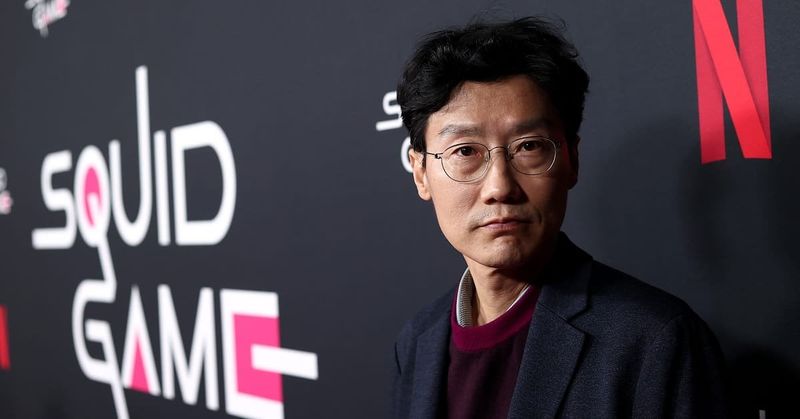
Ten years. That’s how long creator Hwang Dong-hyuk spent trying to get “Squid Game” made.
Networks kept passing on the story of desperate people competing in deadly childhood games, unable to connect with its themes of economic inequality and survival. The script gathered dust for nearly a decade.
The COVID-19 pandemic changed everything. As financial anxiety swept the globe, the show’s themes suddenly felt urgent and relatable.
Netflix picked it up, and it became the platform’s most-watched series ever, reaching over 111 million households worldwide.
9. Desperate Housewives
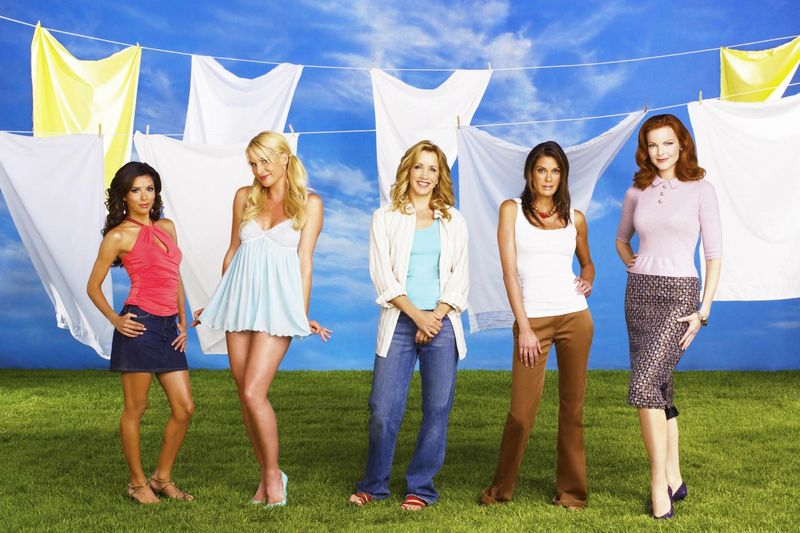
Network executives didn’t think anyone would watch a show centered on middle-aged women navigating marriage, secrets, and suburban drama. That assumption almost killed “Desperate Housewives” before it started.
The concept was passed over because decision-makers underestimated exactly the audience they were trying to reach.
ABC eventually took the risk, and the show became a massive Sunday night sensation. Audiences, particularly women who rarely saw their own experiences reflected on screen, showed up in enormous numbers and kept the show running for eight successful seasons.
10. CSI: Crime Scene Investigation
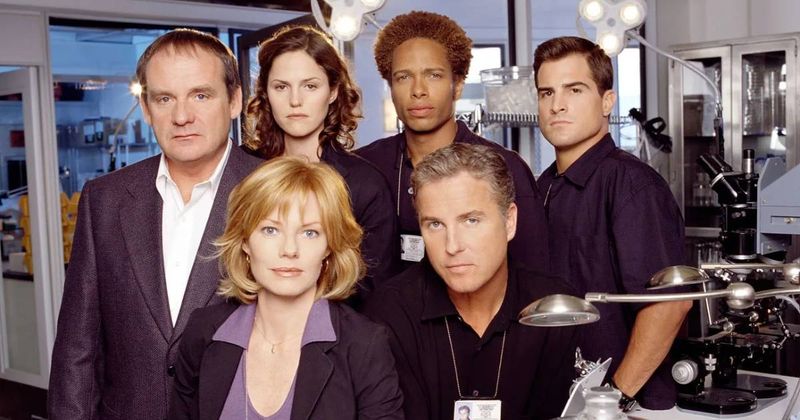
ABC took a hard pass on CSI, convinced that forensic science would go over viewers’ heads. The idea of a show built around lab work, trace evidence, and technical investigation seemed too niche and too confusing for a mainstream audience.
That call turned out to be spectacularly wrong.
CBS picked it up, and CSI became one of the highest-rated dramas on television for years. It also launched an entire franchise with multiple spinoffs, proving that audiences were far more curious about crime science than anyone at ABC had given them credit for.
11. Manchester Prep (Cruel Intentions Series)
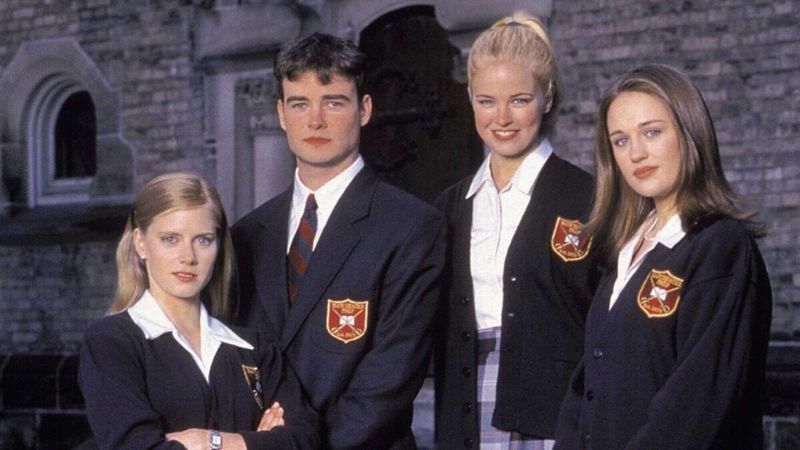
Fox greenlit this “Cruel Intentions” prequel series, shot two episodes, and then immediately canceled it over controversy surrounding its racy content. Executives grew nervous about the explicit material and lost confidence in the project before a single episode ever aired on television.
Rather than let the footage disappear entirely, the completed episodes were reworked and released as a direct-to-video film called “Cruel Intentions 2.” It’s a genuinely odd footnote in TV history, a show that technically became a movie before it was ever actually a show.
12. The Grubbs
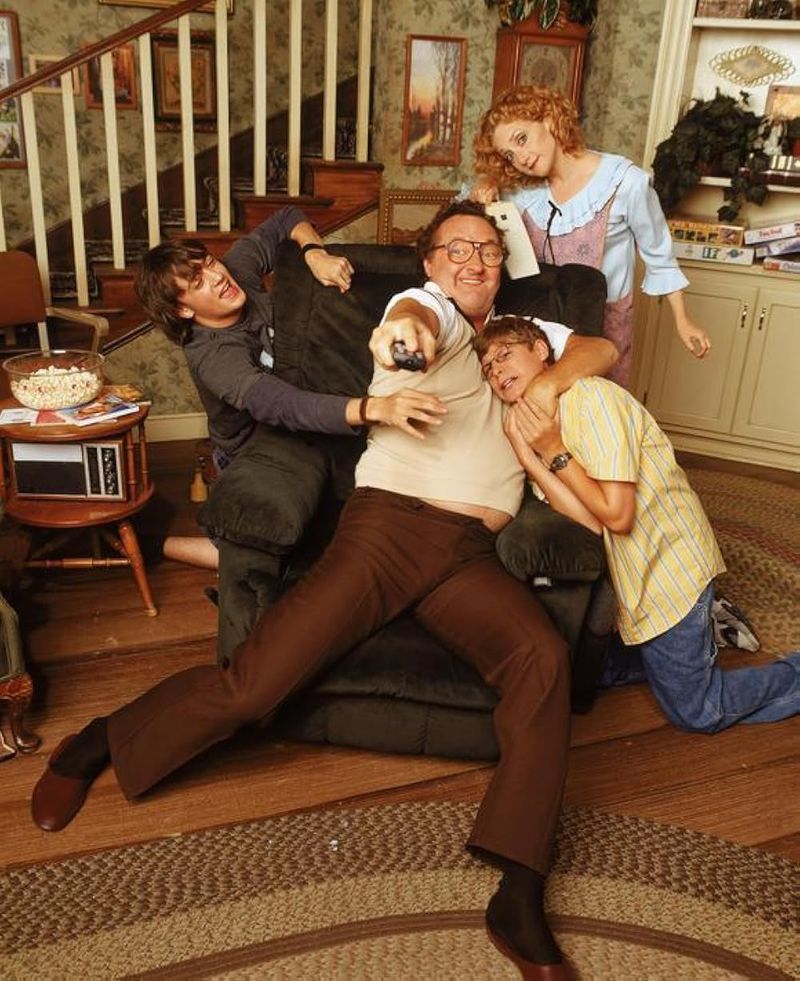
Fox adapted the British sitcom “The Grimleys” into an American version called “The Grubbs,” but early reviews were absolutely savage. Critics tore the show apart so thoroughly that the network made an extraordinary decision: cancel it just two days before its scheduled premiere date.
The show never aired a single episode. It stands as a rare example of a network pulling the plug at the very last second based entirely on critical reaction.
Sometimes the reviewers genuinely do save audiences from something truly painful.
13. Day One (NBC Sci-Fi Drama)
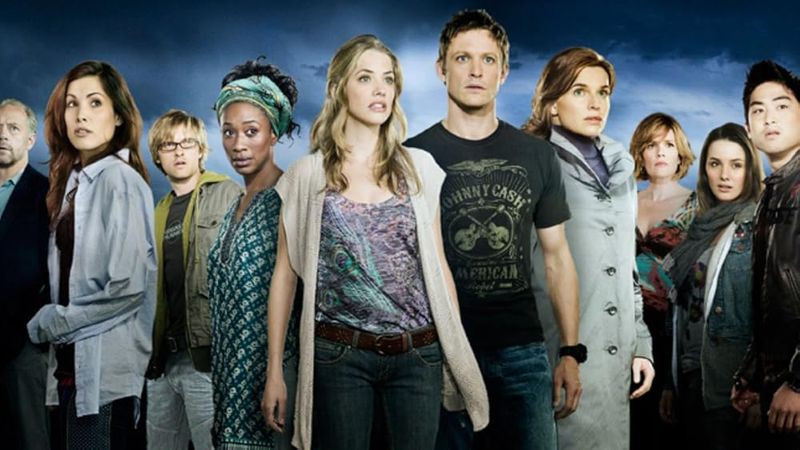
NBC originally ordered a full season of this ambitious sci-fi drama about surviving a global catastrophe. Then the plans started shrinking.
A full season became a four-episode mini-series, which then shrank to a two-hour special, which was eventually shelved altogether without ever airing a single frame.
The show became a textbook example of network indecision at its most frustrating. A creative team spent real time and money building something, only to watch it get quietly buried through a slow series of cutbacks. “Day One” never got its day at all.
14. Hollyweird
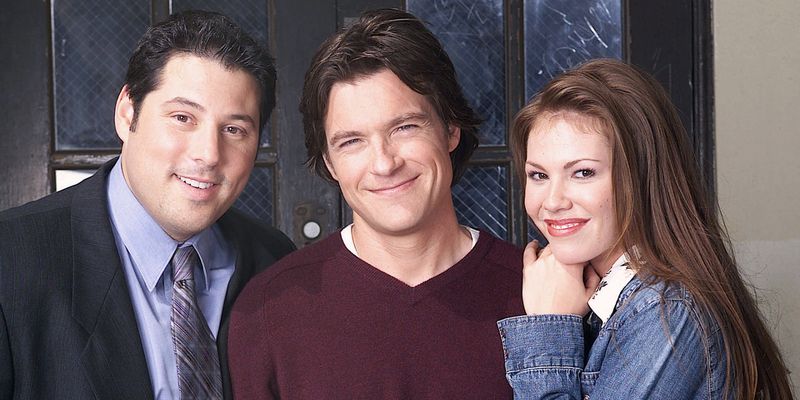
Fox launched a major promotional campaign for “Hollyweird,” a weekly horror series created by Shaun Cassidy. Billboards went up, ads ran, and buzz was building.
Then, behind the scenes, a bitter creative dispute between Cassidy and the network spiraled out of control.
Fox canceled the show before its premiere rather than resolve the conflict. All that marketing money was essentially wasted.
The feud between a creator and his network killed a show that audiences never even got the chance to judge for themselves, which is a genuinely strange way to end a story.
15. Lizzie McGuire Reboot

When Disney+ announced a “Lizzie McGuire” reboot with Hilary Duff returning to the role, fans were genuinely thrilled. The nostalgia factor was enormous.
But creative differences between Duff and Disney brought production to a screeching halt before the show could reach its audience.
Duff publicly confirmed the cancellation after negotiations broke down, citing a disconnect over the tone and direction of the series. She wanted a more mature story for a grown-up Lizzie, while Disney had different priorities.
Sometimes nostalgia alone just isn’t enough to make a show happen.
16. Ultimate Slip ‘N Slide

Nobody could have predicted this one. Production on this reality competition series was shut down mid-shoot when up to 40 crew members became seriously ill with giardia, a gastrointestinal illness caused by a parasitic infection.
The outbreak was traced back to conditions on the outdoor set.
With so many people sick and production in chaos, the show was scrapped entirely before it could air. It remains one of the most bizarre cancellation stories in reality TV history, a show literally stopped in its tracks by a microscopic organism nobody saw coming.
17. Domestic Goddess (Roseanne Barr Cooking Show)
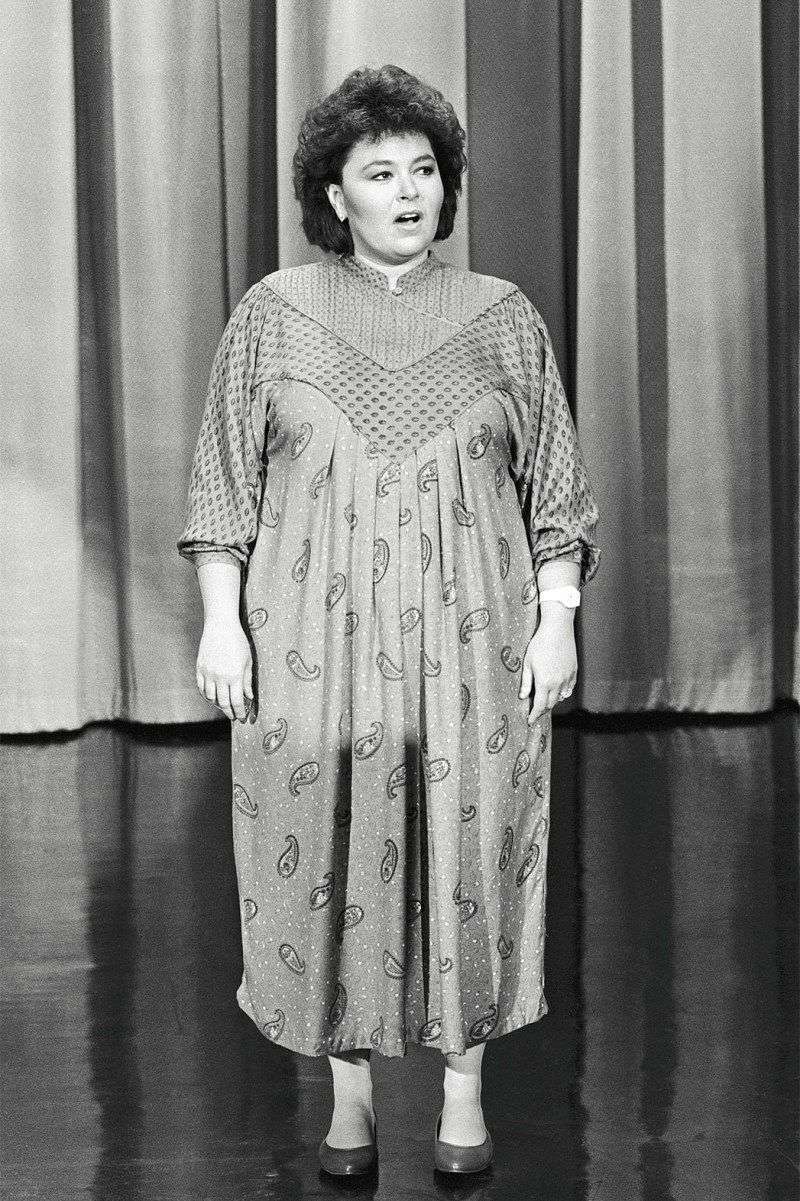
ABC Family ordered 13 episodes of a cooking show starring Roseanne Barr, banking on her larger-than-life personality to drive ratings. Then Barr underwent an emergency hysterectomy, which made the required reshoots physically impossible to complete before the premiere date arrived.
With no way to finish the episodes on schedule, the entire project was canceled before a single one aired. It’s a rare case where a genuine medical emergency, not creative failure or executive cold feet, ended a show’s run before it ever truly began.
Timing, in television, really is everything.
18. The Young Astronauts
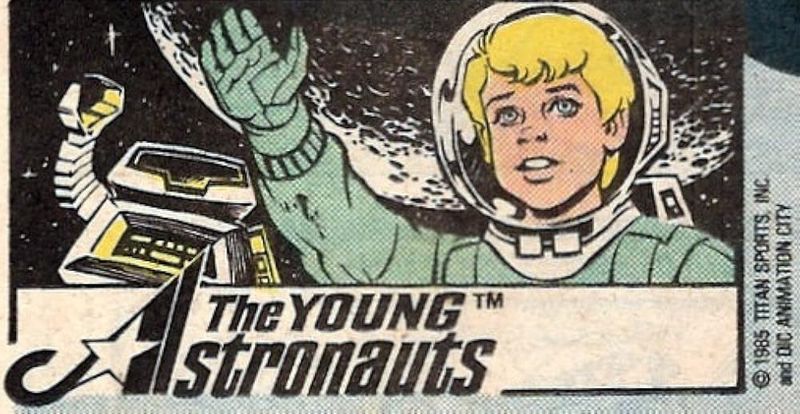
Two million dollars had already been invested in this animated series when tragedy struck. On January 28, 1986, the Space Shuttle Challenger exploded shortly after launch, killing all seven crew members and devastating the nation.
The mood around space travel changed overnight.
Releasing a cheerful children’s cartoon about young astronauts suddenly felt deeply inappropriate. The project was quietly shelved and never released to the public.
It’s a haunting reminder that sometimes world events can reach into Hollywood and reshape what stories are even possible to tell.