
Chinese New Year is one of the most celebrated holidays in the world, and food plays a huge role in the festivities. Each dish on the table is carefully chosen for its symbolic meaning, believed to bring good luck, wealth, health, or happiness in the year ahead.
From crispy spring rolls to sweet rice balls, these traditional foods carry stories and wishes passed down through generations. Get ready to explore the delicious and meaningful foods that make Chinese New Year feasts truly special.
1. Dumplings (Jiaozi)
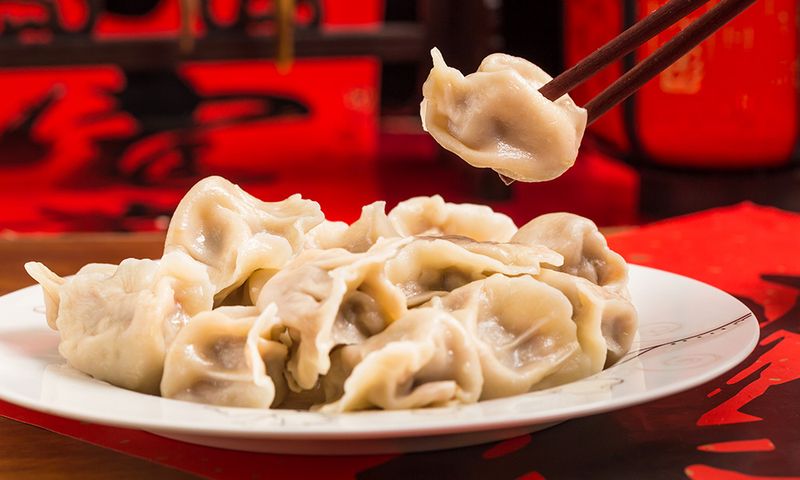
Shaped like ancient gold ingots, dumplings carry one of the most powerful symbols of wealth during Chinese New Year. Families gather to fold and fill these little pockets of dough together, turning the cooking process into a bonding ritual.
Hiding a coin inside one dumpling is a popular tradition. Whoever bites into it is said to enjoy extra good fortune that year.
The more you eat, the more prosperity supposedly comes your way!
2. Spring Rolls (Egg Rolls)
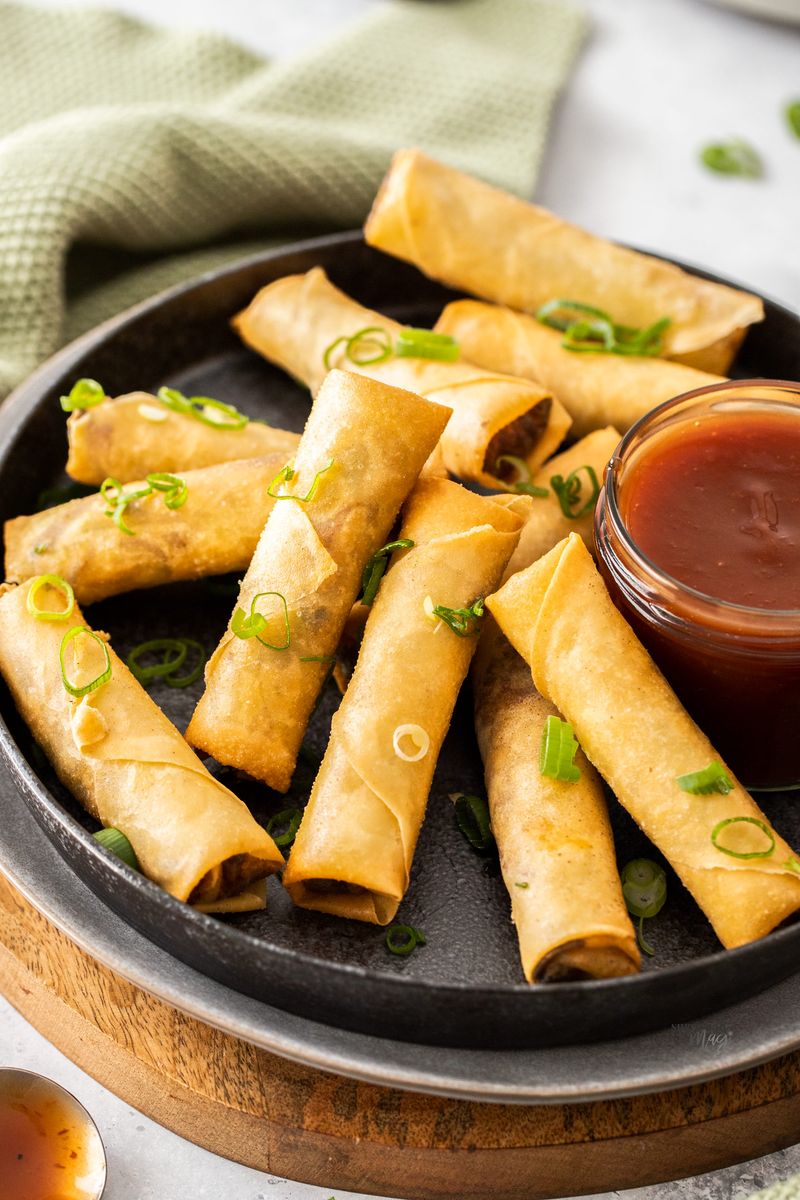
Golden, crunchy, and absolutely irresistible, spring rolls earn their lucky status by looking just like shiny gold bars. Their color and shape make them a visual symbol of wealth, which is why they are a staple at New Year celebrations across China and beyond.
Fillings vary by region, but the crispy exterior is always the star. Biting into one feels like cracking open a little treasure chest.
No wonder people can never stop at just one!
3. Longevity Noodles
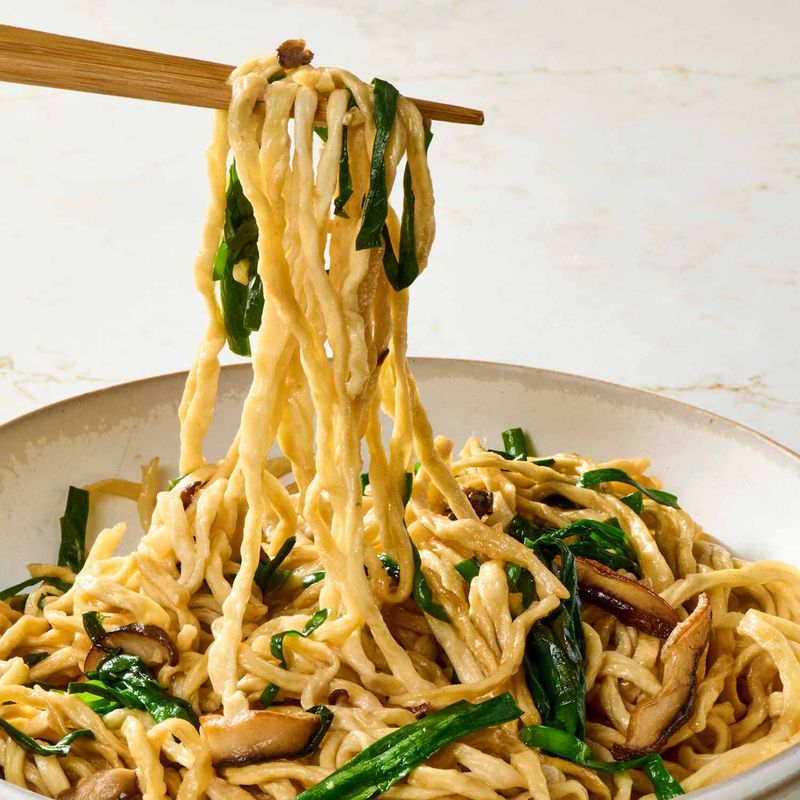
Long life comes in many forms, but during Chinese New Year, it comes in the shape of extra-long noodles. These strands are never cut before serving, because shortening the noodle is thought to symbolically shorten the life of the person eating it.
Slurping them up whole is not just acceptable here, it is practically encouraged! Each bite is a wish for health and a long, fulfilling life.
They are usually served in a simple, savory broth to let their meaning shine.
4. Whole Fish (Yu)
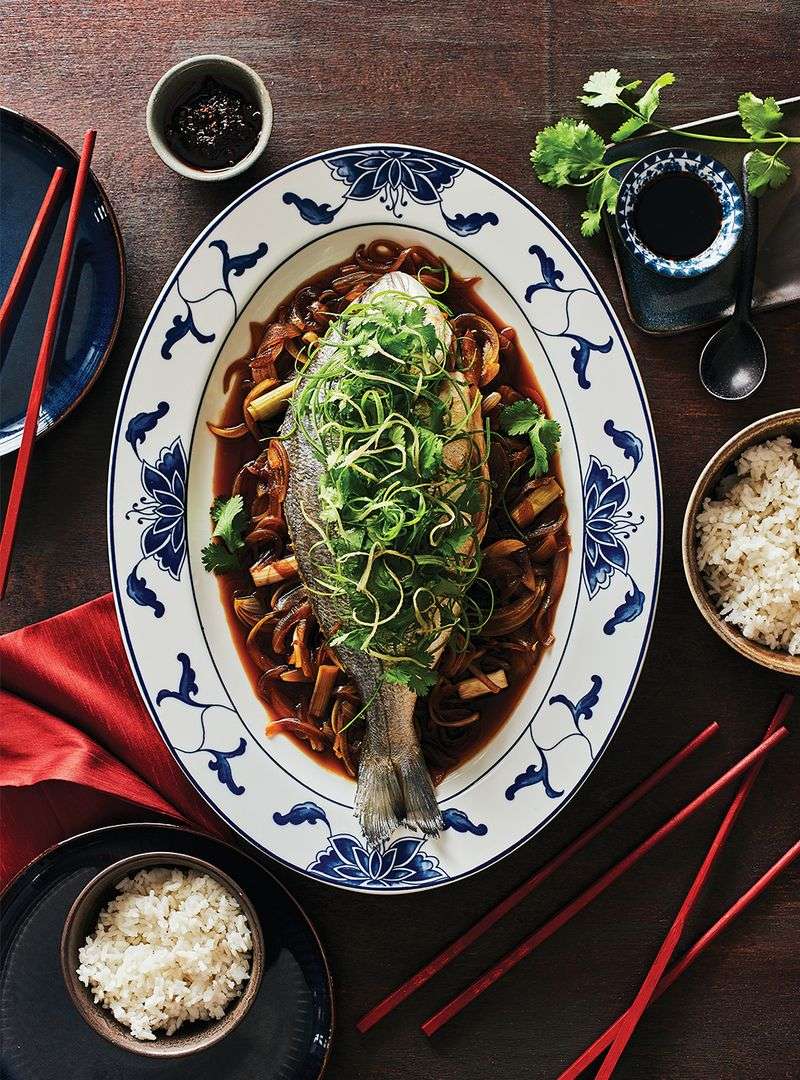
In Chinese, the word for fish, “yu,” sounds exactly like the word for surplus or abundance. Serving a whole fish at the New Year table is a wish for more than enough of everything good in the coming year.
The fish must be presented whole, with both head and tail intact, to represent a complete and successful year from start to finish. Traditionally, the head is pointed toward honored guests as a sign of respect.
Talk about a dish with serious meaning!
5. Mandarins, Tangerines, and Oranges
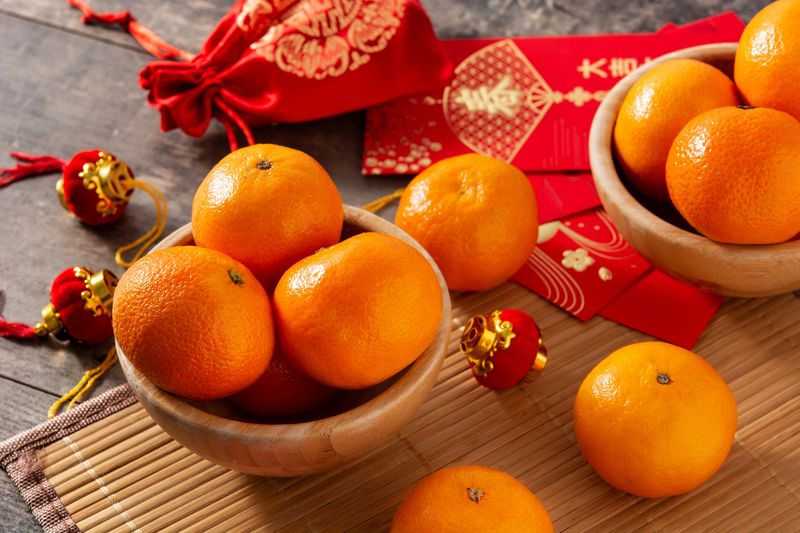
Bright, round, and golden, these citrus fruits practically glow with good fortune. Their color mirrors the hue of gold coins, and their Chinese names carry sounds that resemble words meaning “luck” and “success.” Placing them around the home is just as meaningful as eating them.
Families often exchange pairs of mandarins during New Year visits as a gesture of well-wishing. Giving two at a time doubles the luck being shared.
They are simple, sweet, and loaded with symbolism all at once.
6. Tang Yuan (Sweet Rice Balls)
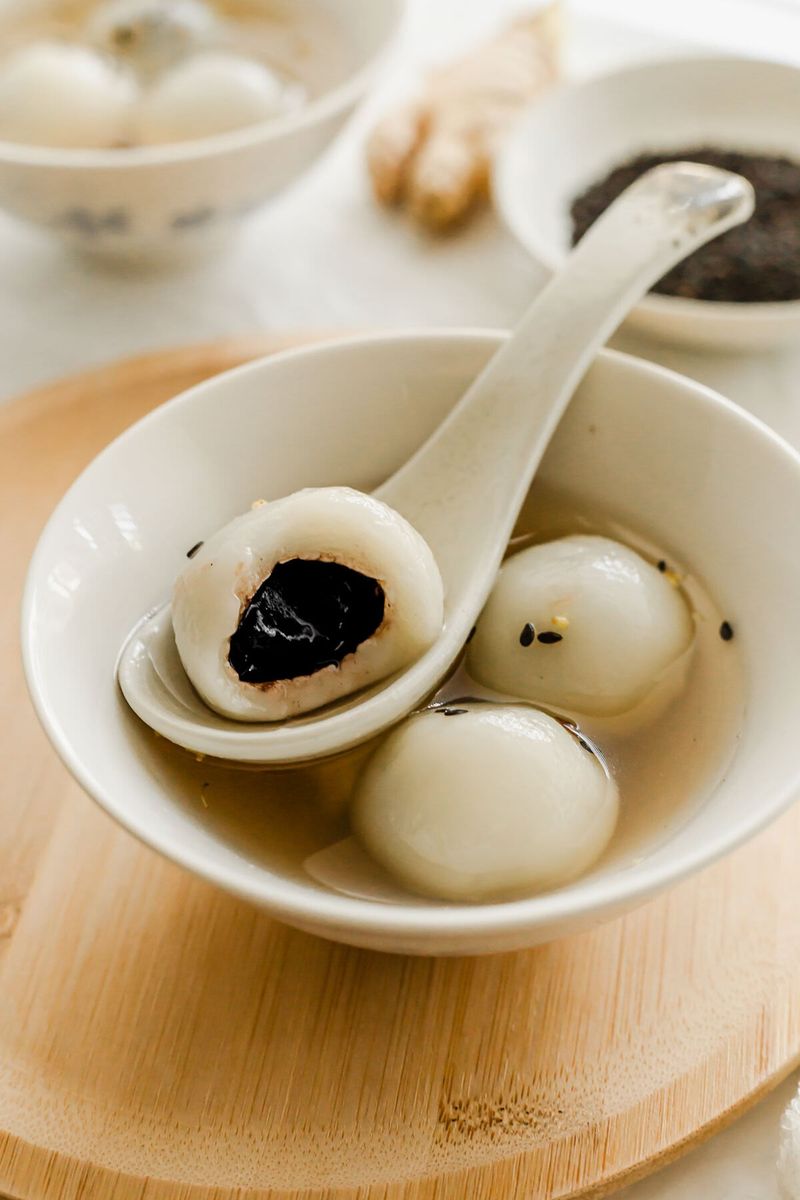
Round, soft, and filled with sweet surprises, Tang Yuan are more than just a dessert. Their name echoes the Chinese phrase for reunion, making them the perfect food to enjoy with family gathered around the table.
Common fillings include black sesame paste, peanut butter, or sweet red bean. The round shape of each ball represents harmony and wholeness in the family unit.
Whether boiled in plain water or sweet ginger syrup, these little treats always carry a big emotional meaning.
7. Niangao (Glutinous Rice Cake)
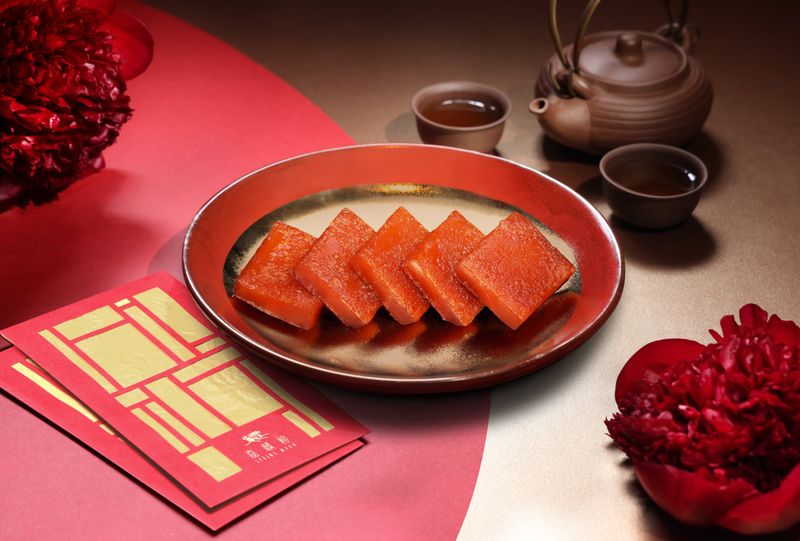
Say “niangao” out loud and you are basically saying “getting higher year after year” in Chinese. That wordplay is exactly why this sticky, chewy cake holds such a special place on the New Year table.
Made from glutinous rice flour and sugar, it comes in sweet and savory versions depending on the region. Some families pan-fry slices until golden and crispy on the outside, soft and gooey inside.
Every bite is a small wish for improvement, growth, and a better year ahead.
8. Whole Chicken or Duck
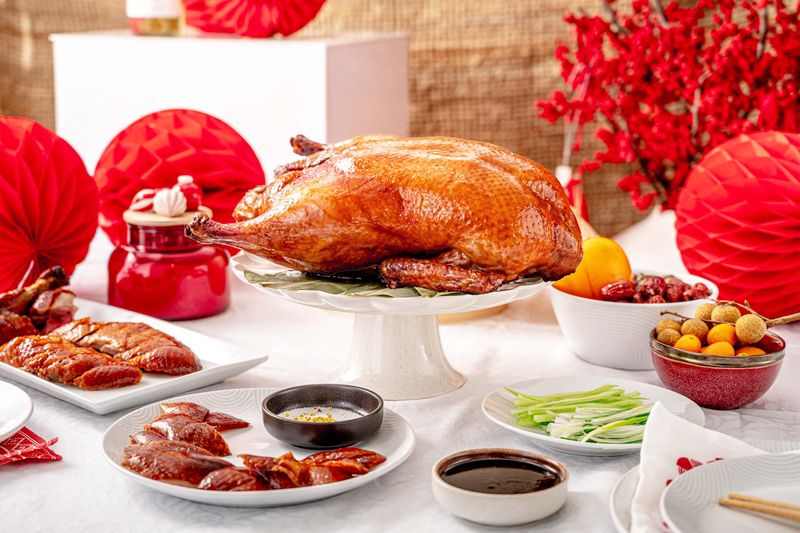
Serving a bird whole at the New Year feast is all about unity. The unbroken form of the chicken or duck represents a complete family, strong bonds, and loyalty that holds through every season of life.
Peking duck is a popular choice, its lacquered, mahogany skin signaling good fortune through its golden color. Families who keep the whole bird intact during serving believe it strengthens the family circle for the year ahead.
Crispy skin, rich meaning, and great flavor all in one dish.
9. Pomelos
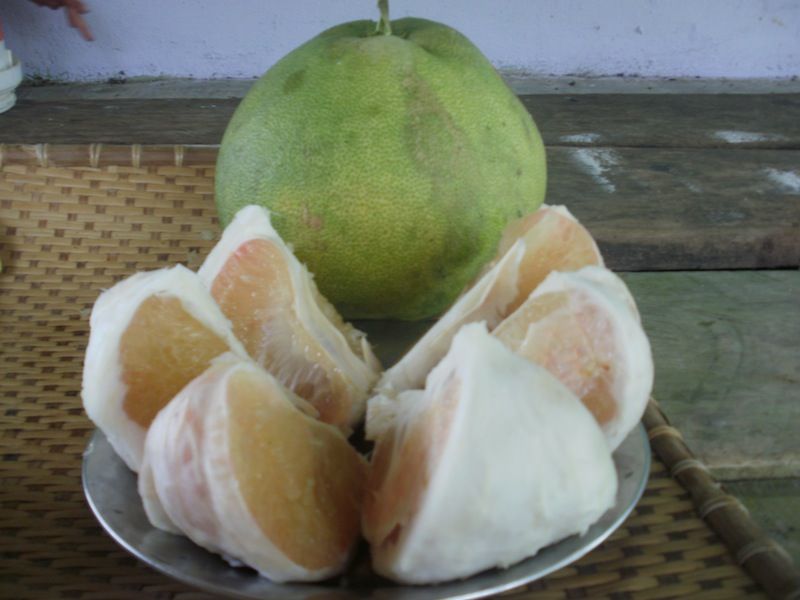
Bigger than a grapefruit and packed with symbolic meaning, the pomelo is a quiet star of Chinese New Year celebrations. Its Mandarin name, “you,” sounds like the word for “to have,” linking it directly to abundance and good fortune.
Families often display pomelos as decorations before eating them, since their cheerful size and color bring positive energy to any room. The fruit is also associated with health and happiness.
Peeling one open feels like unwrapping a gift of good luck.
10. Fortune Candies
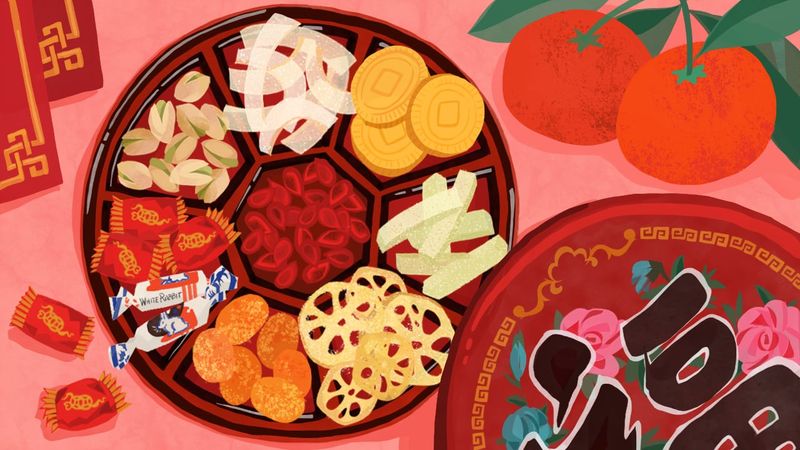
The traditional Chinese New Year candy tray, often called the “Tray of Togetherness,” is loaded with sweet treats that each carry their own lucky message. Candied lotus root represents abundance year after year, while candied winter melon signals good health and a strong start to the year.
Pistachios, nicknamed “happy fruit” in Chinese, bring smiles with every crack of the shell. Guests help themselves throughout the holiday, snacking on sweetness and good wishes at the same time.
Every candy is basically a bite-sized blessing.
11. Buddha’s Delight (Luohan Zhai)
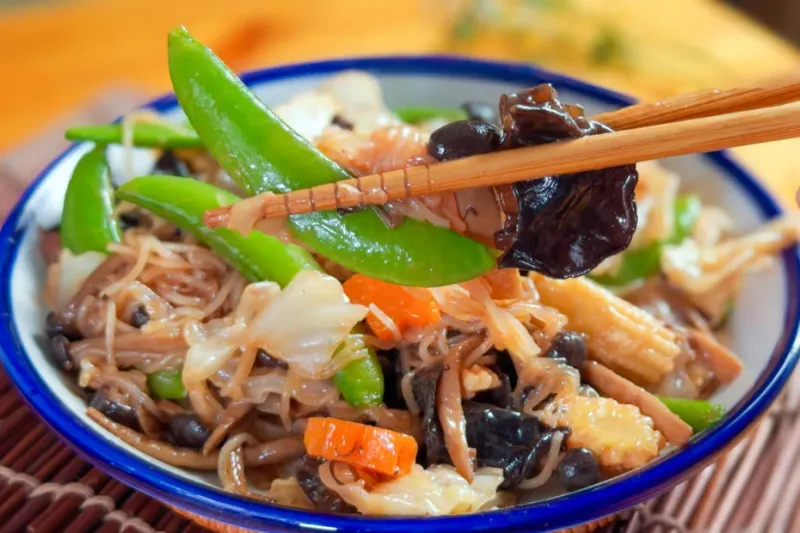
Eaten on the first day of Chinese New Year, this hearty vegetarian dish is all about starting fresh. Buddhist tradition calls for avoiding meat on this day as an act of purification, and Buddha’s Delight answers that call beautifully.
Packed with ingredients like tofu, glass noodles, lily buds, and mushrooms, each component carries its own symbolic meaning. Together, they form a dish that represents clarity, humility, and good intentions for the year ahead.
It is a humble bowl with an enormous amount of meaning behind every spoonful.
12. Lion’s Head Meatballs
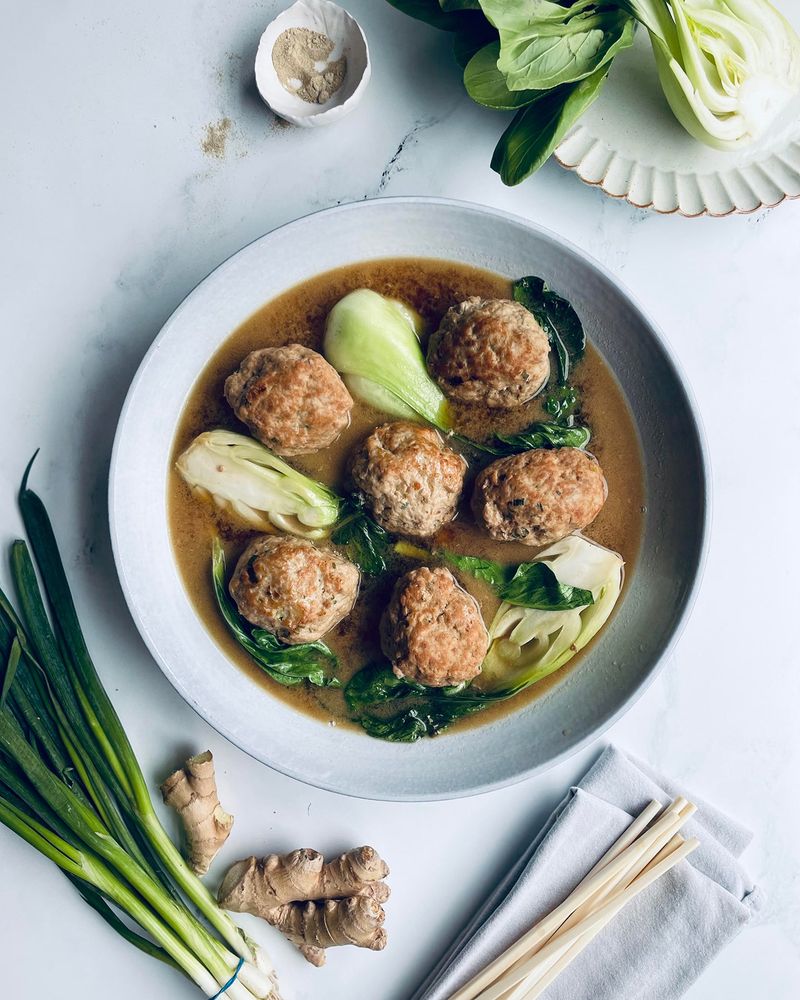
Named for their impressive size and the leafy greens that fan out around them like a lion’s mane, these oversized meatballs are a crowd favorite at Chinese New Year dinners. Their dramatic appearance makes them one of the most visually striking dishes on the table.
Made from ground pork and often braised in a rich savory broth, they symbolize family unity and togetherness. The large meatball at the center represents the family head, while the surrounding greens represent everyone gathered close.
A powerful image, served for dinner.
13. Steamed Pork Belly with Taro
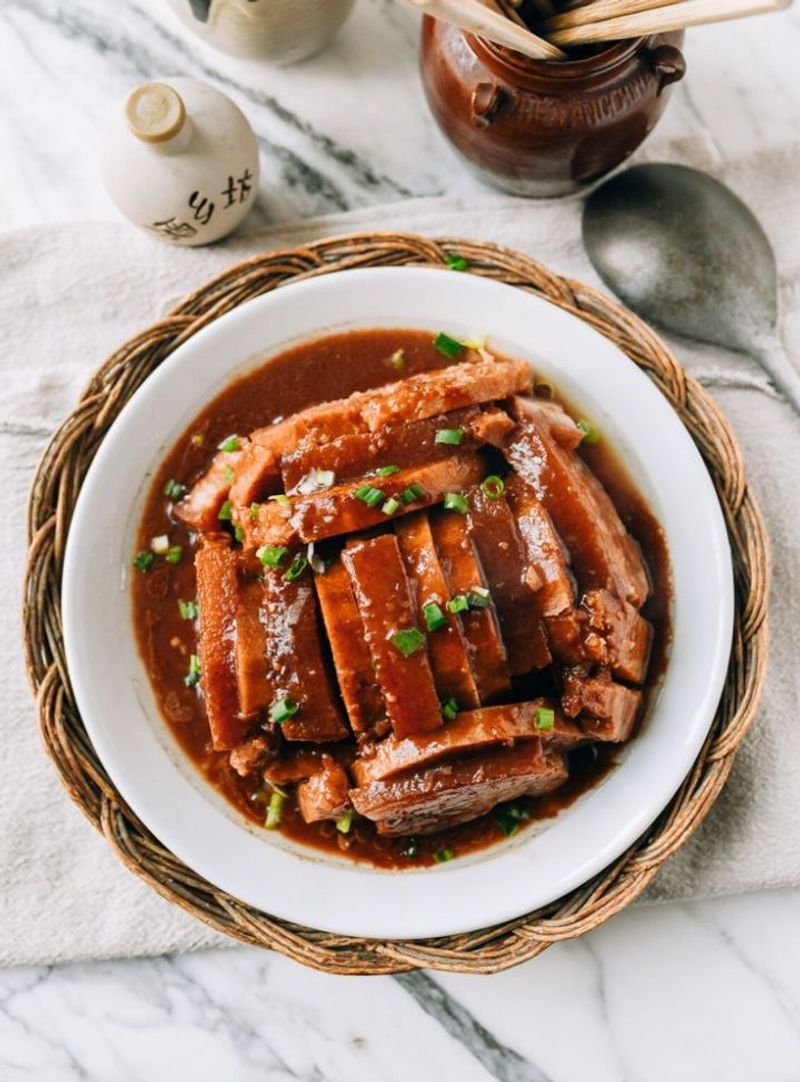
Rich, tender, and deeply satisfying, steamed pork belly with taro is a dish that feels like a warm hug from the inside out. The alternating layers of silky pork and starchy taro create a beautiful pattern that is as pleasing to the eye as it is to the stomach.
Symbolically, the dish stands for wealth, strength, and abundant blessings flowing into the new year. Taro in Chinese culture is linked to good outcomes and prosperity.
This pairing is not just delicious, it is considered downright auspicious.
14. Shrimp
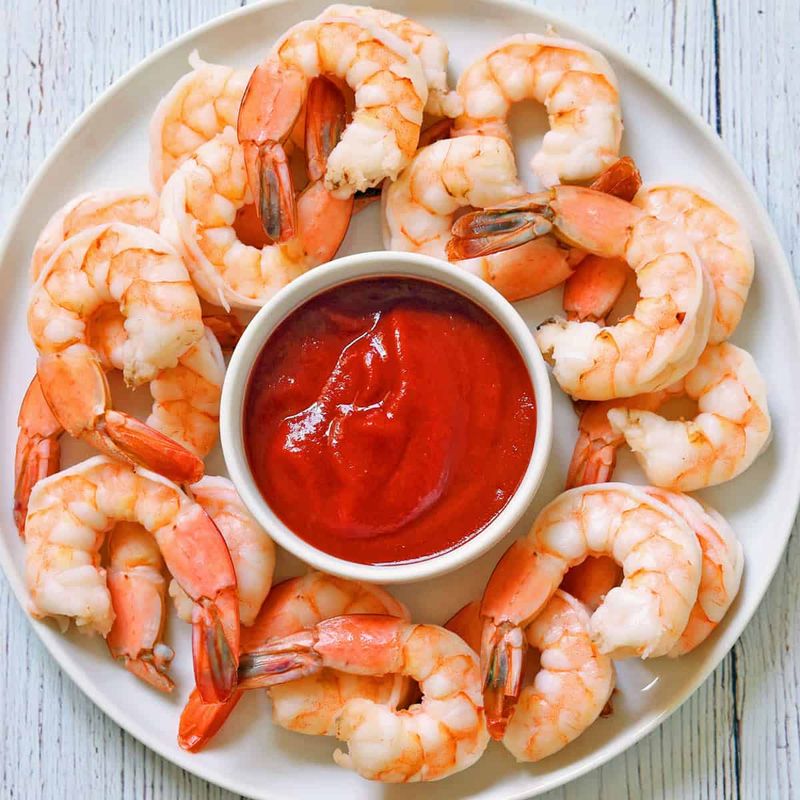
Shrimp turn a brilliant red when cooked, a color that matches the festive spirit of Chinese New Year perfectly. In Cantonese, the word for shrimp sounds similar to laughter, making these little crustaceans a symbol of joy, happiness, and lively celebrations.
Beyond the wordplay, shrimp are associated with good fortune, health, and success. They cook quickly, look stunning on a plate, and taste amazing stir-fried with garlic and ginger.
Essentially, eating shrimp during New Year is like laughing your way into a lucky year.
15. Sesame Balls
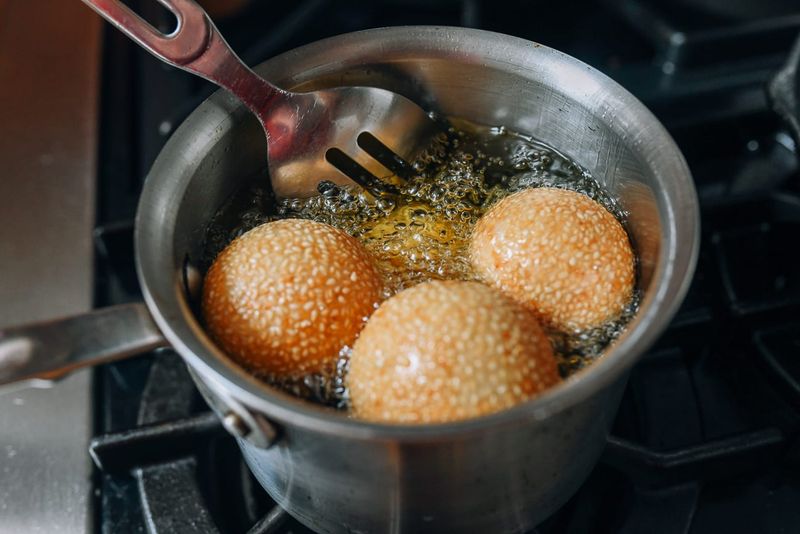
Watch a sesame ball drop into hot oil and something magical happens. It puffs up and expands as it fries, and that outward growth is exactly the point.
Sesame balls symbolize expanding luck, the idea that good fortune keeps growing throughout the year.
Made from glutinous rice flour and rolled in sesame seeds, they are crispy outside and wonderfully chewy inside. Sweet fillings like red bean paste or lotus paste make every bite a treat.
Small, golden, and puffed with promise, they are the perfect way to end a lucky meal.