
Castle views, lively markets, and meals worth lingering over could shape your next European trip. For travelers planning ahead to 2027, these cities offer a mix of famous sights and places that deserve a closer look.
The list reaches across Eastern Europe in the broad travel sense, including Central Europe, the Baltics, and the Balkans. Use it as inspiration, then check transport, prices, and entry rules before booking.
1. Prague, Czech Republic: Spires Above the River
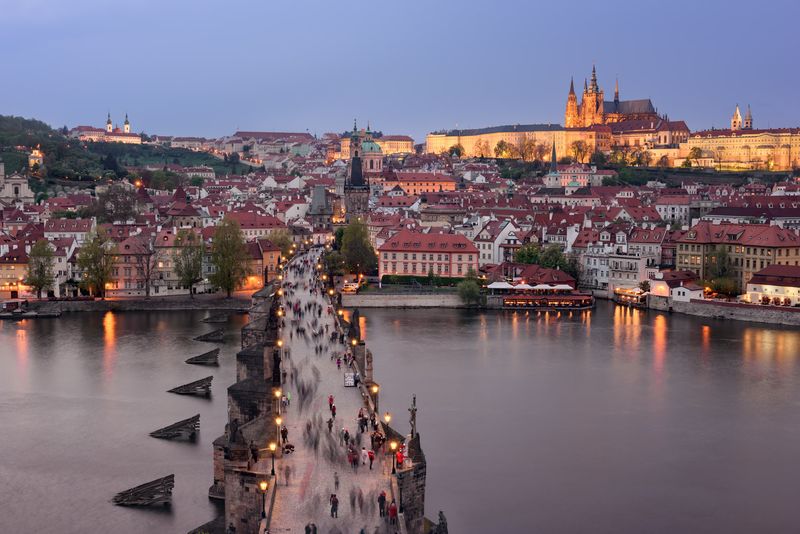
Before the crowds arrive, Charles Bridge feels like a stage waiting for its actors. Gothic towers, stone statues, and castle views make Prague an easy introduction to the region.
Stay beyond the main square to find quieter streets and neighborhood restaurants. Trams help connect major sights, while comfortable shoes handle the cobblestones.
For a slower afternoon, explore Letná Park, then try Czech dumplings at a traditional pub. Reserve popular attractions ahead during busy travel periods.
2. Budapest, Hungary: A City Built for Soaking
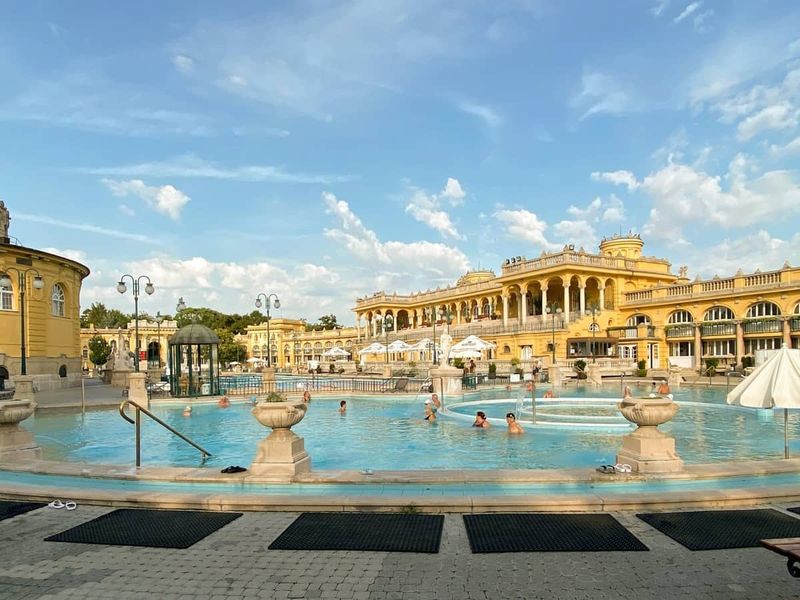
A warm outdoor pool can turn a chilly Budapest morning into a favorite travel memory. Thermal baths are a signature experience, alongside grand buildings and sweeping views across the Danube.
Split your sightseeing between hilly Buda and lively Pest rather than rushing both. Book baths through official channels, and check rules about towels, footwear, and age limits.
After dark, riverside walks offer lovely views of illuminated landmarks without requiring an expensive dinner cruise or tour.
3. Kraków, Poland: History Around the Market Square
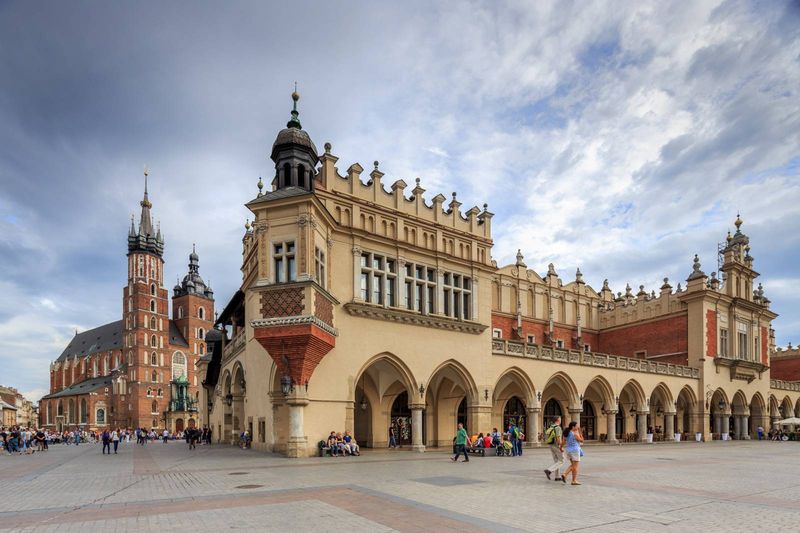
Listen for the trumpet call from St. Mary’s Basilica as you cross the vast Main Market Square. Kraków rewards curious walkers with courtyards, church towers, and streets that invite another turn.
Allow time for Kazimierz, where Jewish heritage sites sit near cafés and galleries. Choose guided visits thoughtfully, especially when learning about the Holocaust.
Local milk bars can offer filling Polish meals at reasonable prices, leaving more room in your budget for museums and tours.
4. Tallinn, Estonia: Medieval Walls, Modern Ideas
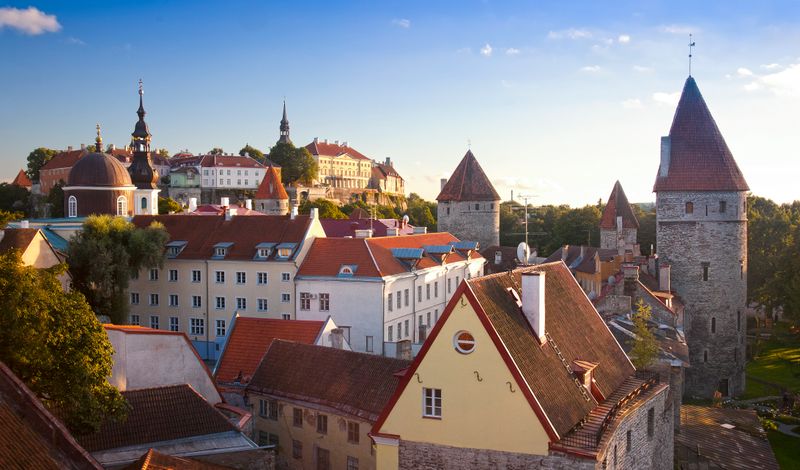
Behind Tallinn’s stone walls, medieval lanes share a city with a strong technology scene. That contrast gives Estonia’s capital a character beyond its postcard rooftops.
Walk uphill to Toompea for views, then head toward Telliskivi for creative spaces and casual food. The old town is compact, but uneven paving can slow you down.
Pack layers for Baltic weather, and leave time for the waterfront instead of treating Tallinn only as a quick cruise stop ashore.
5. Riga, Latvia: Look Up for the Best Details
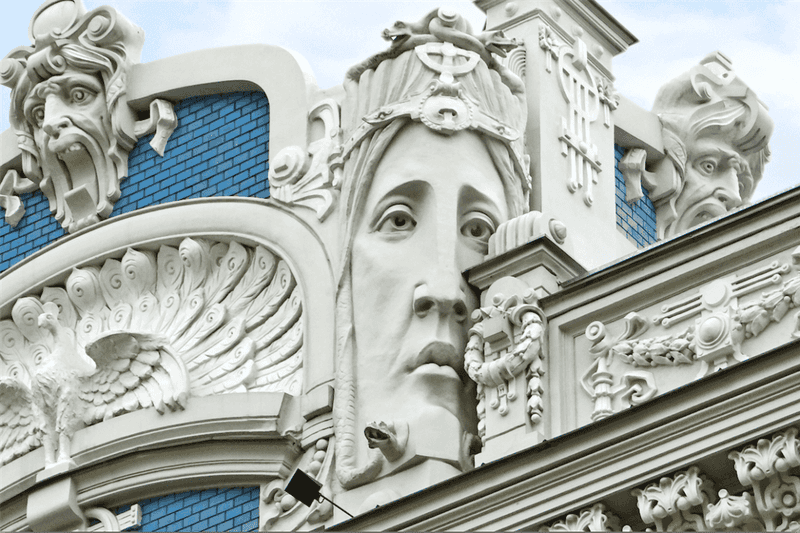
Faces, flowers, and strange creatures decorate Riga’s buildings, so remember to look above street level. The Latvian capital is especially rewarding for travelers who enjoy architecture without spending every hour inside museums.
Explore the Art Nouveau streets around Alberta iela, then browse Central Market for local flavors. Comfortable walking routes link many central sights.
If sunshine arrives, consider a separate trip to nearby Jūrmala for sandy beaches, checking train schedules before you leave your hotel.
6. Sofia, Bulgaria: Ancient Layers on a Budget
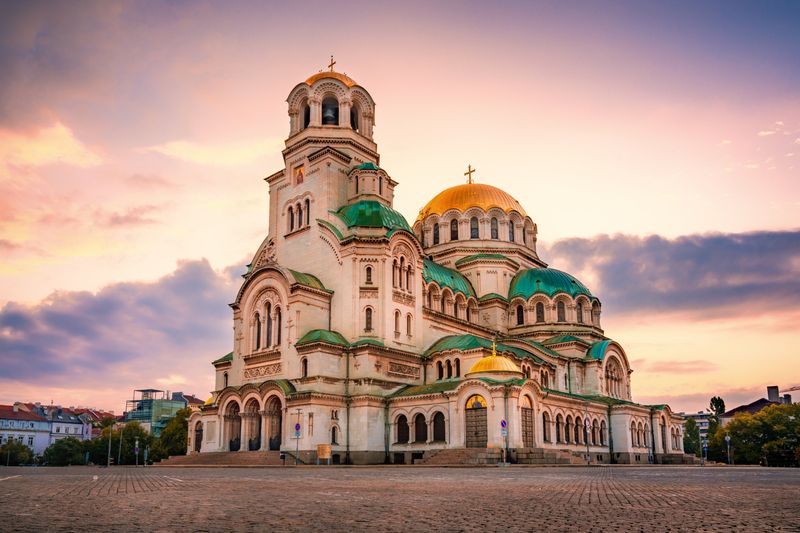
Roman ruins appear beside everyday streets in Sofia, making history feel surprisingly close. Bulgaria’s capital also offers mountain views and often lower travel costs than many better known European capitals.
Start around Serdika, then visit Alexander Nevsky Cathedral and nearby parks. Use the metro when distances grow, and compare accommodation by location rather than price alone.
Vitosha Mountain can add an outdoor day, but check weather, transport, and trail conditions before heading beyond the city.
7. Bucharest, Romania: Grand Buildings and Fresh Energy
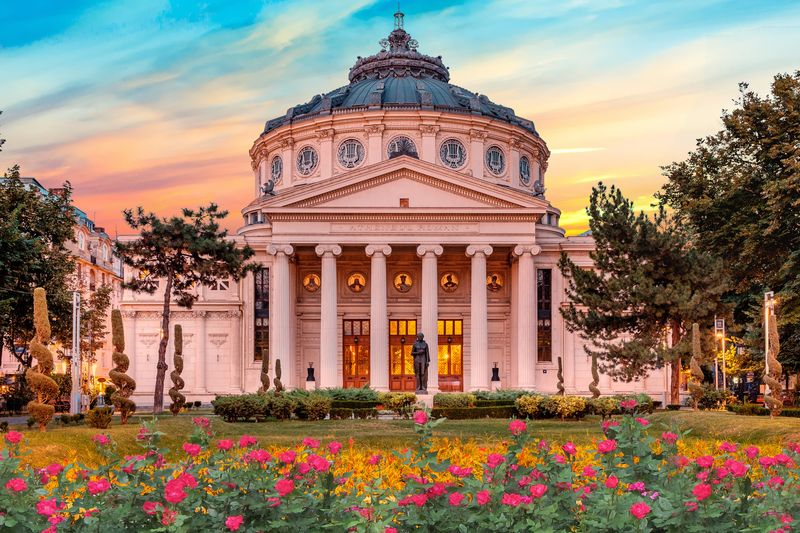
Grand old houses and bold concrete blocks tell different chapters of Bucharest’s story. Between them, independent cafés, bookstores, and cultural spaces give the Romanian capital fresh energy.
Visit the Romanian Athenaeum area, then balance busy boulevards with a park break. The Palace of Parliament requires advance planning, so check official visitor rules.
Hotels can offer good value, but compare recent reviews carefully. Choose a quieter street if late nightlife near the old town would bother you.
8. Dubrovnik, Croatia: Sea Views Worth Planning For
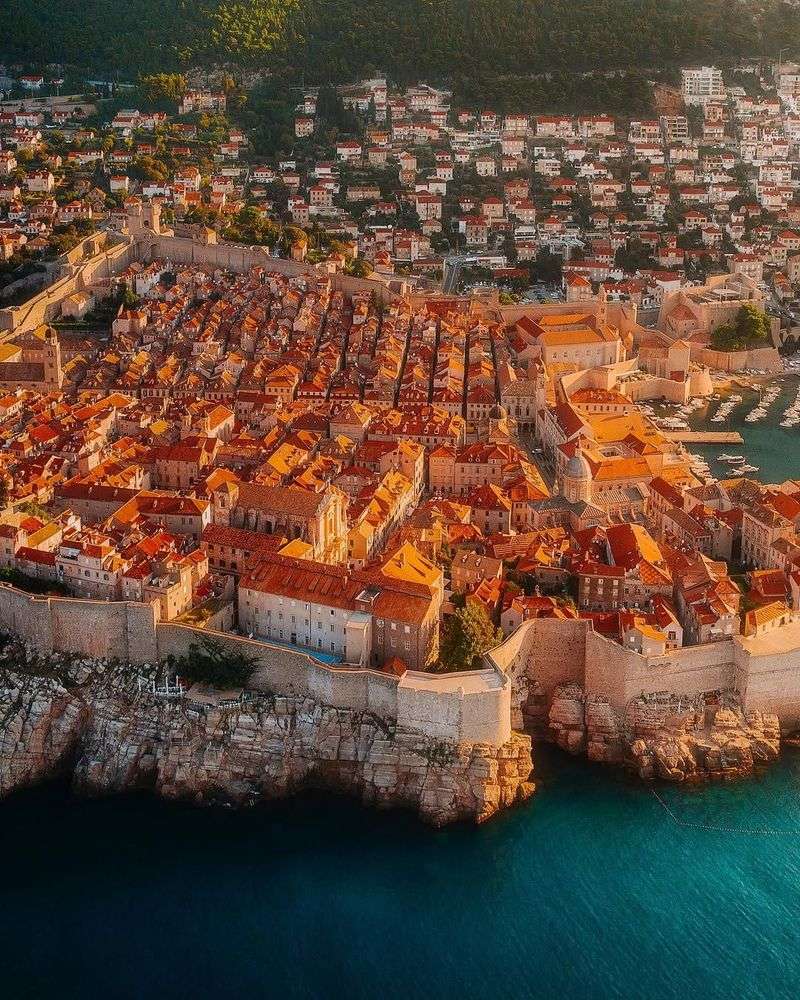
Sunlight on limestone streets gives Dubrovnik a glow that photographs rarely capture fully. Its walls frame red roofs and Adriatic views, but popularity makes careful timing especially useful.
Consider spring or autumn, while remembering that warm weather and crowds can still overlap. Walk the walls early, carry water, and expect stairs.
Staying outside the old town may stretch your budget. Check cruise arrival schedules when planning quieter sightseeing, and leave space for swimming or kayaking.
9. Ljubljana, Slovenia: Permission to Slow Down
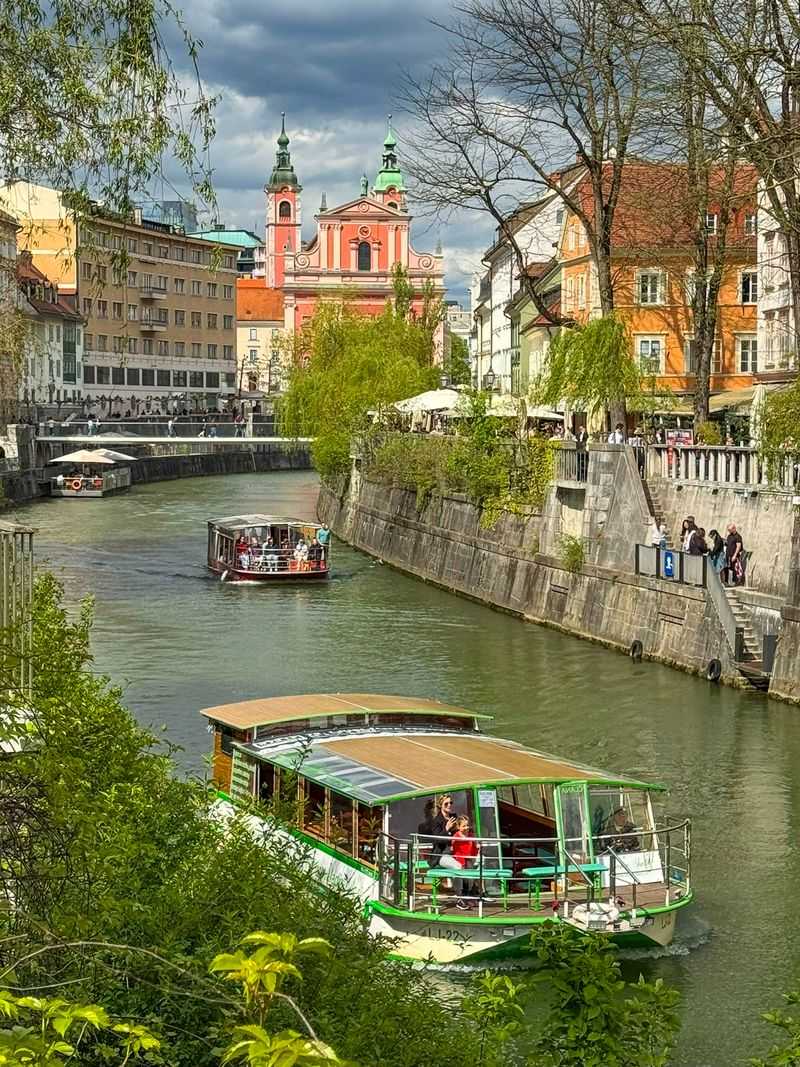
Coffee beside the Ljubljanica River can become the main event in Ljubljana. Slovenia’s small capital suits travelers who would rather linger than race between landmarks.
Follow the riverside paths, cross the city’s distinctive bridges, and climb or ride up to the castle. Much of the central area favors pedestrians, making casual exploring pleasant.
Browse the market for picnic supplies, then add a museum if rain arrives. Two nights allow breathing room beyond a brief afternoon stop.
10. Sibiu, Romania: Rooftops With Watchful Eyes
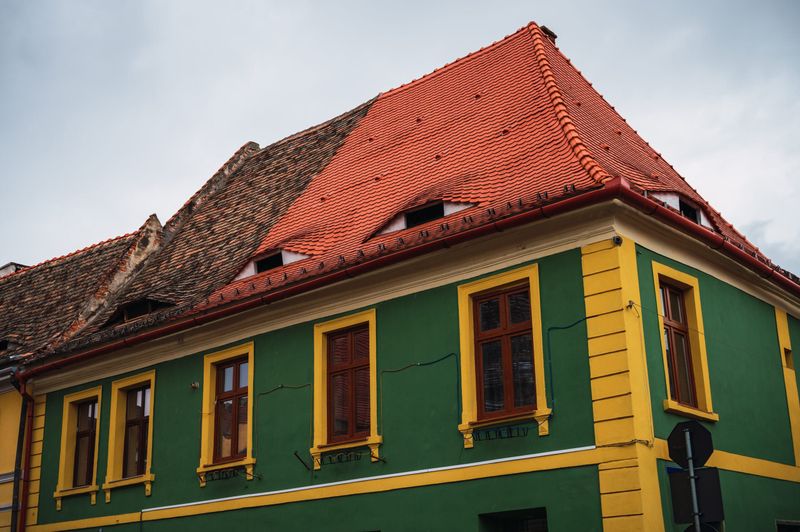
Little windows seem to watch you from Sibiu’s rooftops. Those famous roof eyes add a playful touch to a city shaped by centuries of Saxon heritage.
Move between the upper and lower town on foot, pausing in the main squares and small workshops. The outdoor ASTRA Museum deserves several hours if traditional buildings interest you.
Check the cultural calendar before choosing dates, since performances and festivals can shape both the atmosphere and available hotel rooms.
11. Gdańsk, Poland: A Port With Powerful Stories
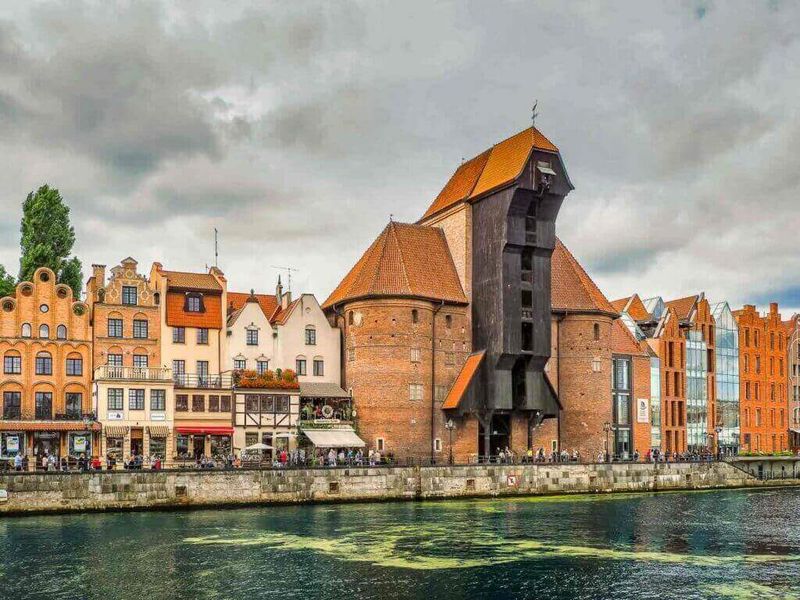
Colorful merchant houses line streets with stories that reach far beyond pretty façades. Gdańsk pairs Baltic port scenery with museums exploring war, freedom, and the Solidarity movement.
Give the European Solidarity Centre time rather than squeezing it between photo stops. Along the waterfront, seek quieter side streets when restaurants feel crowded.
Regional trains make nearby Sopot and Gdynia possible additions. Bring a windproof layer, even in summer, because breezes off the Baltic can feel cool.
12. Brno, Czech Republic: Cafés Above, Secrets Below
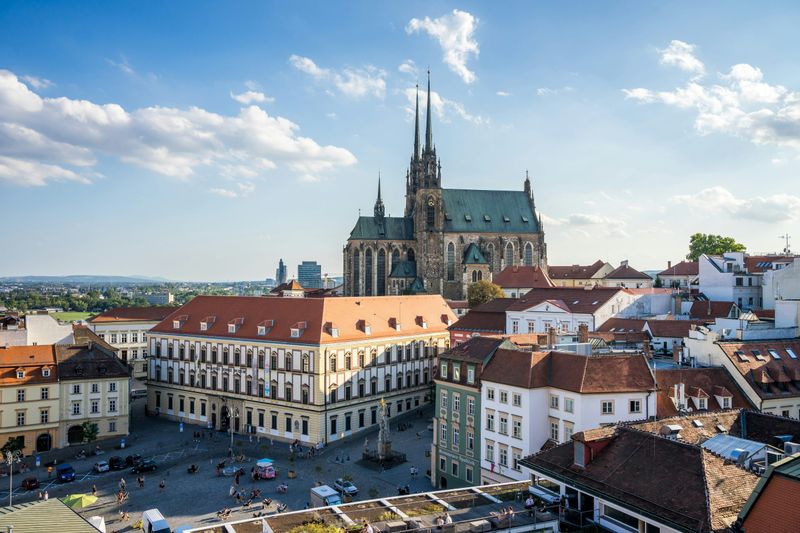
Below Brno’s busy squares, underground spaces reveal a different side of the city. Above ground, student life and an inventive café scene keep the mood relaxed.
Book specific underground tours ahead, since access varies by site. Architecture fans should investigate Villa Tugendhat reservations well before traveling.
Between visits, explore vegetable market stalls and climb toward Špilberk Castle. Brno works as a city break of its own, not simply a cheaper substitute for Prague next door.
13. Tirana, Albania: Color With a Complicated Past
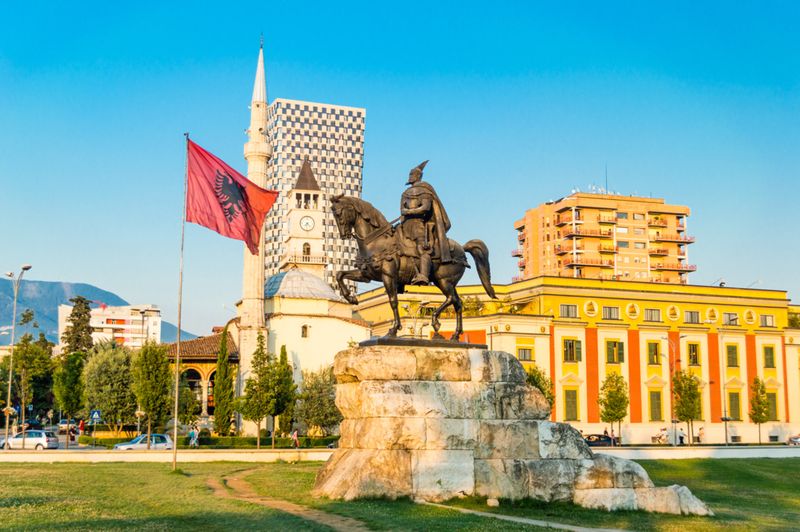
Bright buildings and busy terraces give Tirana an upbeat first impression. Look closer, and museums about Albania’s communist past add a serious layer to the colorful streets.
Use Skanderbeg Square as your starting point, then explore Blloku for cafés and evening meals. Bunker museums contain difficult history, so consider your group’s interests before visiting.
Traffic can be tiring outside central walking areas. For mountain views, check operating conditions for the Dajti cable car before setting out.
14. Kotor, Montenegro: Mountains Meet the Bay
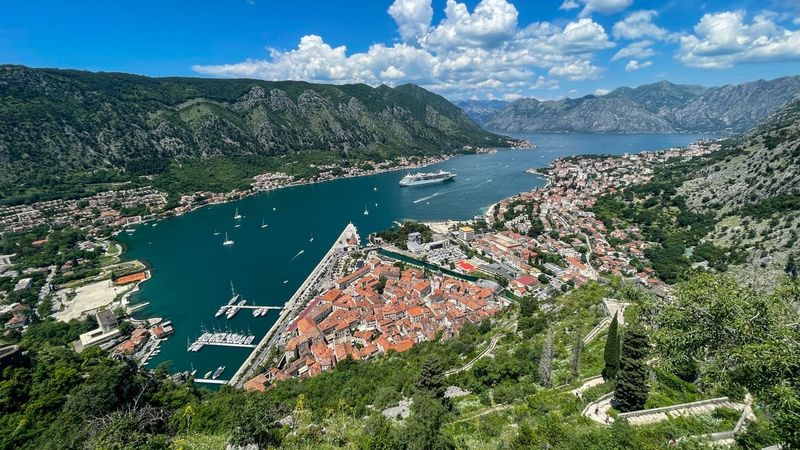
Mountains rise so sharply above Kotor that the waterfront can feel like a theater set. Inside the walls, narrow lanes open onto squares filled with church bells and conversation.
Save steep fortress walks for cooler hours, wear shoes with grip, and carry water. Cruise visits can swell daytime crowds, while evenings often feel calmer.
Check accommodation access if carrying heavy luggage through the old town. A boat outing offers another angle on the surrounding bay.
15. Mostar, Bosnia and Herzegovina: More Than a Bridge
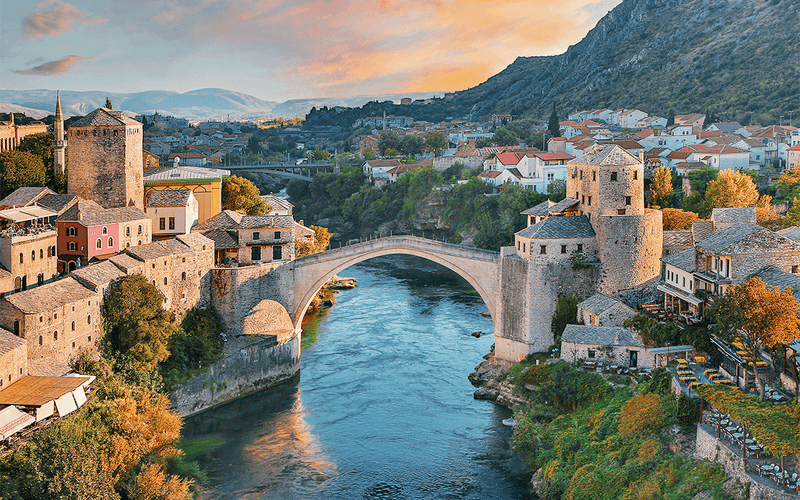
The curve of Stari Most draws your eye before anything else in Mostar. Yet the bridge’s destruction and rebuilding make it more than a scenic landmark.
Learn its history through a local guide or museum, then wander the stone lanes respectfully. Smooth paving becomes slippery, so choose sturdy footwear.
Summer afternoons can be very hot; mornings suit longer walks. Staying overnight allows time for quieter meals and a fuller picture than a hurried day trip.
16. Brașov, Romania: Medieval Streets Beneath the Forest
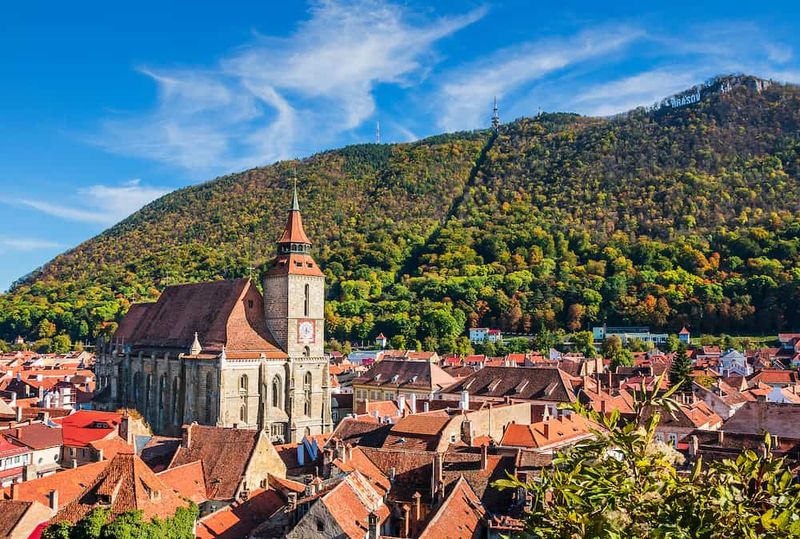
Forested slopes stand just beyond Brașov’s rooftops, giving this Transylvanian city an outdoorsy edge. The Black Church, old defenses, and Council Square provide plenty to explore before leaving town.
Base yourself near the center for easy evening walks and restaurant choices. Mountain outings need suitable clothing and current weather checks, even when streets feel warm.
If visiting nearby castles, compare transport options carefully. Their fame can bring queues, while Brașov itself deserves an unhurried full day.
17. Český Krumlov, Czech Republic: Stay After the Day Trips
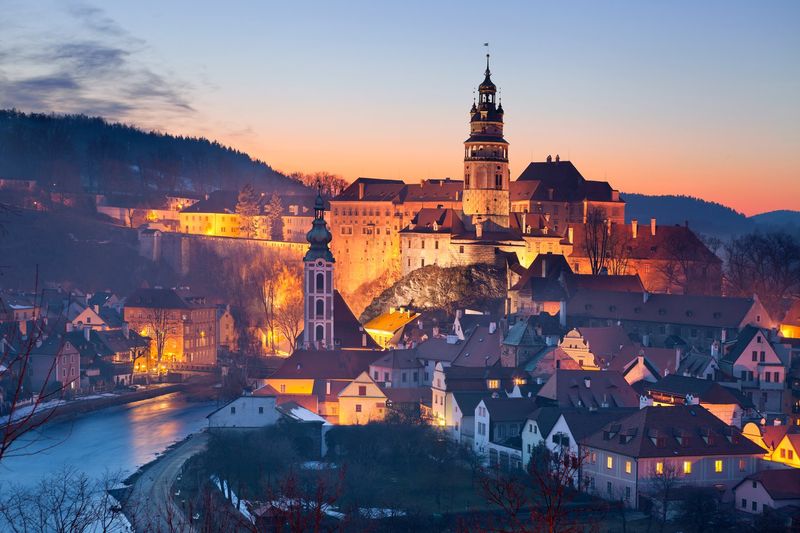
A bend in the Vltava wraps around Český Krumlov like a natural frame. Castle towers and tightly packed rooftops explain its appeal, especially when viewed from above.
Rather than arriving only for midday crowds, consider an overnight stay. Early walks reveal calmer lanes, and evenings bring softer light along the river.
Castle interiors may have seasonal schedules, so check before booking. Expect hills, steps, and cobblestones, and choose manageable luggage if your hotel lacks vehicle access.
18. Vilnius, Lithuania: Baroque Beauty With a Playful Side
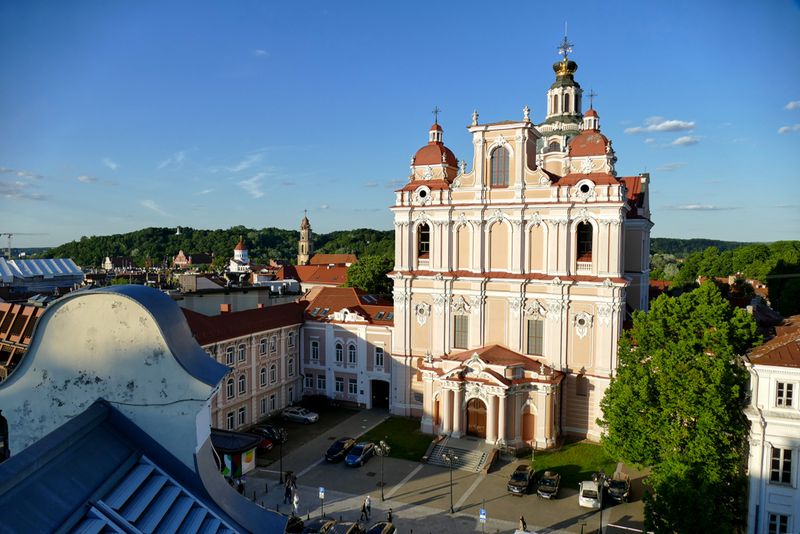
Church towers rise above courtyards that reward anyone willing to wander. Vilnius combines a UNESCO listed old town with independent shops and a playful creative streak.
Explore its Baroque streets, then cross into Užupis, a neighborhood known for art and its symbolic republic. Leave room for Jewish history, an essential part of understanding the city.
Many central sights are walkable, but comfortable shoes help. For 2027 plans, confirm museum hours and transport schedules closer to departure.