
John Wayne is best known for his larger-than-life roles in classic Westerns and war films, but there is so much more to his career than the famous titles everyone remembers. Tucked away in his long filmography are dozens of movies that most people have never seen or even heard of.
Some of these hidden gems show a completely different side of the Duke, from romantic leads to morally complex characters. Get ready to discover 16 John Wayne films that deserve a second look.
1. The Big Trail (1930)
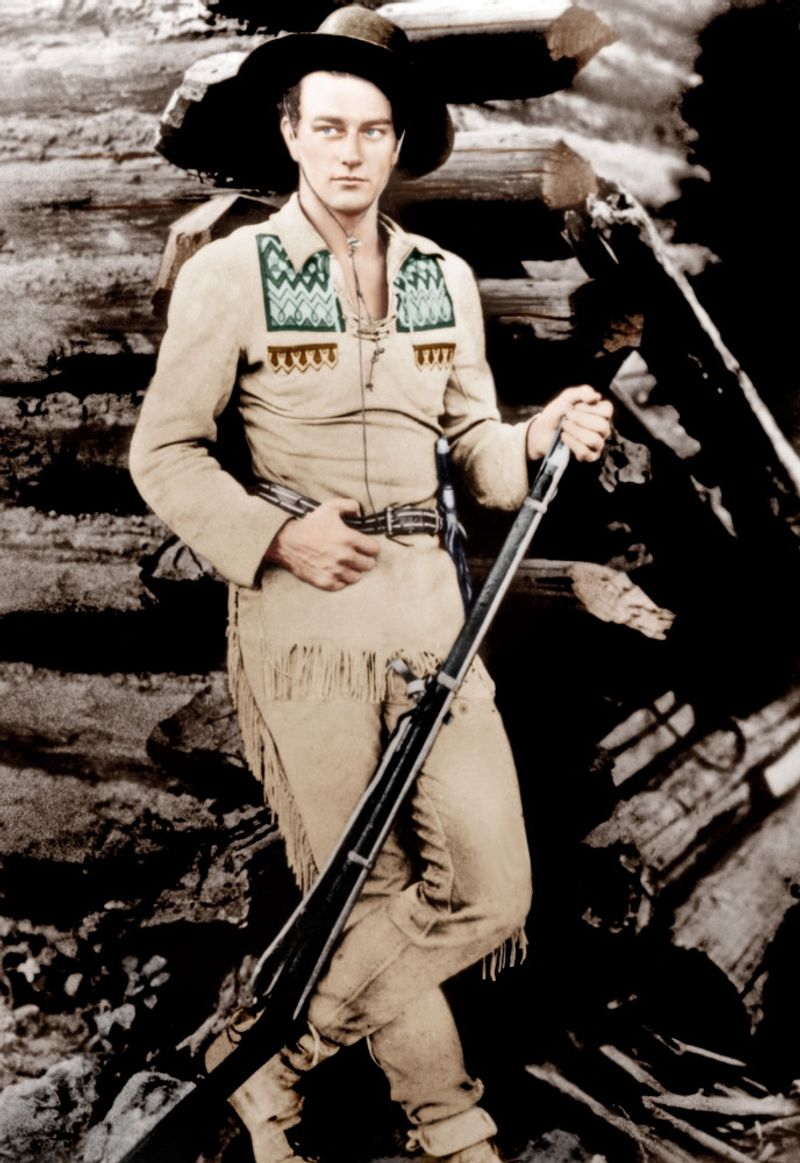
Before John Wayne became a household name, he was handed one of the biggest gambles in Hollywood history. The Big Trail was his first leading role, shot in an early widescreen format that most theaters could not even show properly.
The film flopped at the box office, sending Wayne back to low-budget B-movies for nearly ten years.
Still, watching it today reveals a young, raw talent full of energy and screen presence that studios simply mishandled.
2. The Three Musketeers (1933)
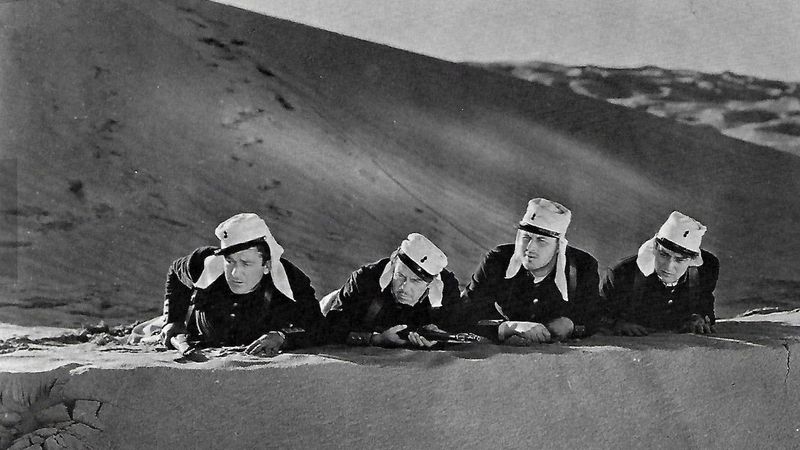
Most people picture sword fights and fancy French costumes when they hear The Three Musketeers, but this 1933 version threw all of that out the window. Wayne starred in a twelve-chapter serial that relocated the classic story to the scorching deserts of North Africa, replacing swords with rifles and muskets with sand dunes.
It is quirky, fast-paced, and surprisingly fun. For fans curious about Wayne’s earliest work, this serial is a fascinating and unusual chapter in his career.
3. Dark Command (1940)
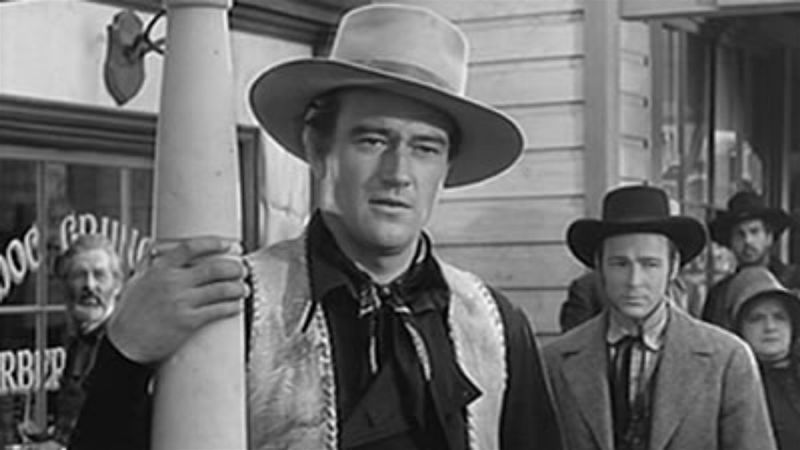
Dark Command arrived at just the right moment in Wayne’s career, right after the massive success of Stagecoach had finally made him a star. Set during the Civil War, the film reunited him with Claire Trevor and placed him under the direction of Raoul Walsh, a filmmaker known for bringing gritty energy to action stories.
The chemistry between the cast is electric. Despite strong reviews, this one rarely comes up in conversations about Wayne’s best work, which is a real shame.
4. The Long Voyage Home (1940)
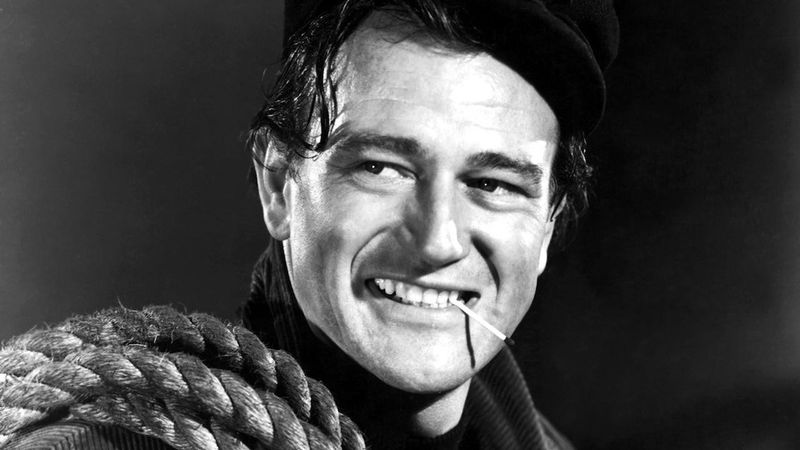
John Ford directed this brooding sea drama based on four one-act plays by Eugene O’Neill, and the result is one of the most artistically striking films of Wayne’s entire career. Wayne plays Ole Olsen, a quiet Swedish sailor longing to return home, a role miles away from his typical cowboy image.
Cinematographer Gregg Toland’s shadowy, painterly visuals are breathtaking. This film proves Wayne had genuine dramatic depth that Hollywood rarely bothered to explore fully.
5. Reap the Wild Wind (1942)
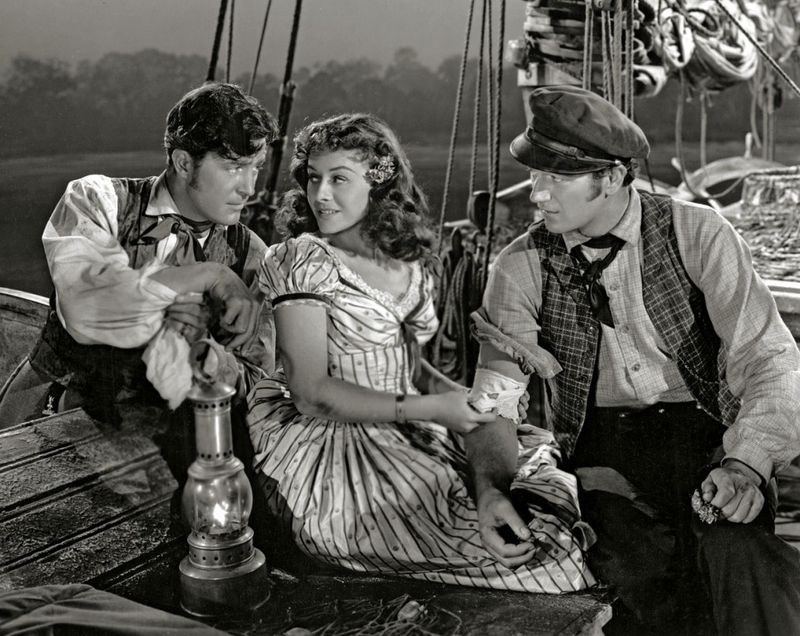
Cecil B. DeMille cast Wayne against type in this lavish Technicolor adventure, and the result is something audiences rarely expected from the Duke.
Wayne plays a sea captain involved in marine salvaging off 1840s Florida, but his character carries a selfish, scheming edge that makes him genuinely unsettling to watch.
There is even a giant squid battle that was considered spectacular for its time. Ray Milland and Paulette Goddard round out a strong cast that keeps the story moving briskly.
6. Pittsburgh (1942)
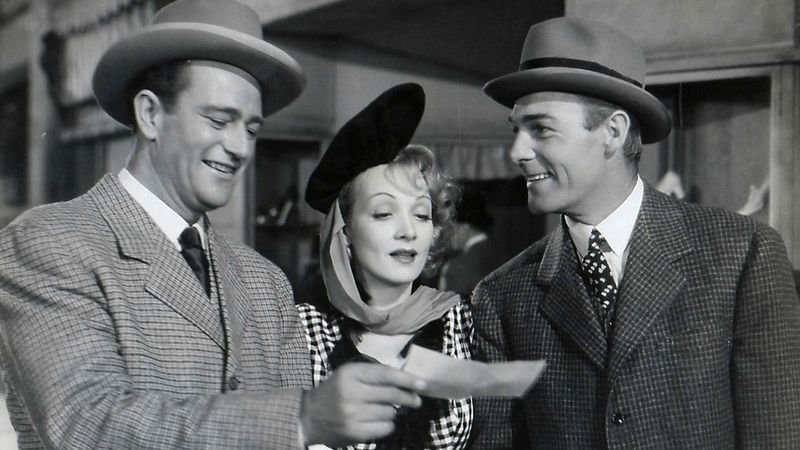
Starring alongside Marlene Dietrich and Randolph Scott, Wayne plays a rough coal miner with big ambitions and an even bigger ego in this surprisingly gripping drama. The love triangle at the center of Pittsburgh crackles with tension, largely because all three leads brought real charisma to their roles.
Dietrich and Wayne had made two previous films together, and their easy chemistry shows. Despite that star power, Pittsburgh is rarely mentioned today, making it one of the most overlooked films of the early 1940s.
7. The Fighting Seabees (1944)
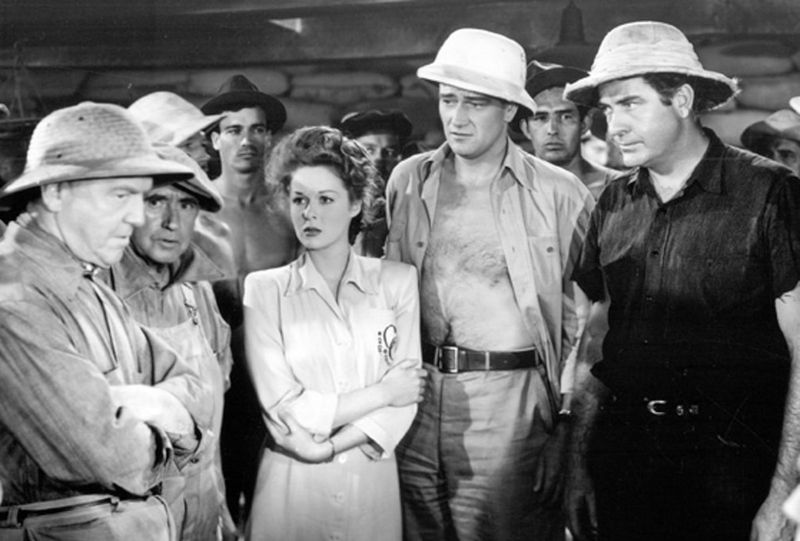
Not every hero carries a rifle. The Fighting Seabees shines a spotlight on the U.S.
Navy Construction Battalions, the unsung builders who erected bases and airstrips in war zones while enemy fire rained down around them.
Wayne plays Wedge Donovan, a hard-headed construction boss who clashes with the military over how to handle combat situations. The film mixes action with a genuine appreciation for working-class bravery, giving it a different emotional texture than most World War II movies of its era.
8. Back to Bataan (1945)
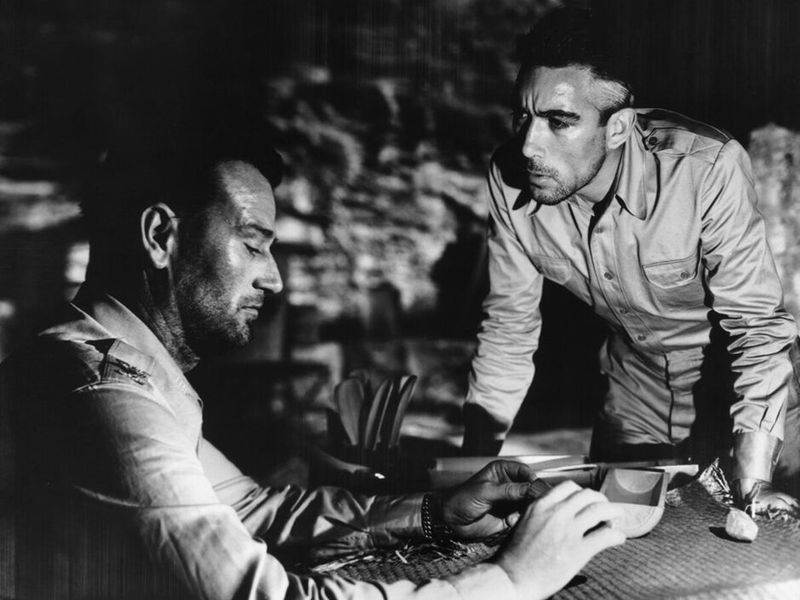
Shot in stark black and white, Back to Bataan tackles one of the most brutal chapters of World War II in the Pacific with surprising emotional honesty. Wayne plays Colonel Joseph Madden, an American officer who organizes Filipino resistance fighters to battle Japanese occupation forces.
The film honors the courage of the Filipino people rather than centering everything on its American star. That choice gives the story a respectful weight that still resonates today, long after most wartime propaganda films have been forgotten.
9. Angel and the Badman (1947)
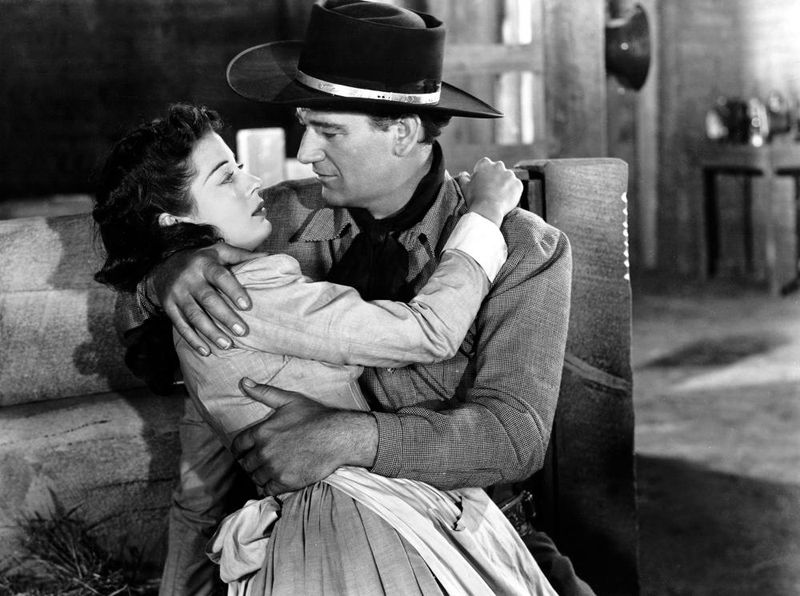
What happens when a gun-slinging outlaw falls for a woman who does not believe in violence? Angel and the Badman answers that question with warmth, humor, and a surprisingly tender love story.
Wayne plays Quirt Evans, a wounded gunfighter taken in by a Quaker family, and his chemistry with Gail Russell is effortlessly charming.
Wayne also produced the film himself, giving him creative control that shows in every frame. It stands as one of the most quietly romantic Westerns of the 1940s.
10. Wake of the Red Witch (1948)
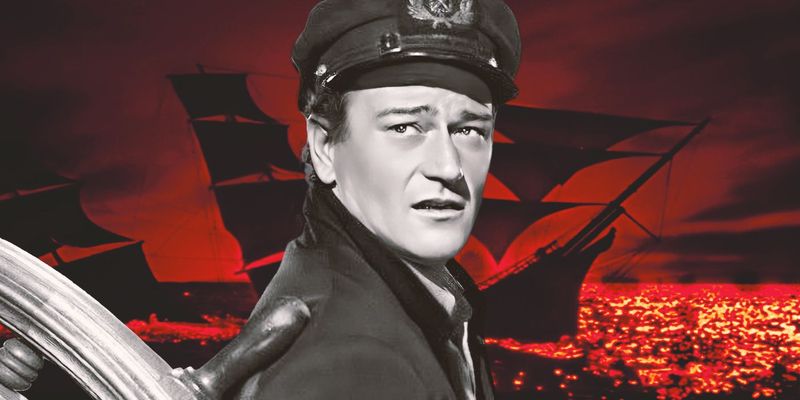
John Wayne playing a ruthless, revenge-obsessed ship captain is not something most fans picture when they think of the Duke, but that is exactly what Wake of the Red Witch delivers. Set across exotic South Pacific locations, the film follows Captain Ralls as he pursues a bitter feud with a powerful merchant over sunken treasure and a lost love.
The story is surprisingly dark and morally tangled. Wayne fans who want to see him play a truly complicated antihero owe themselves a viewing of this forgotten gem.
11. 3 Godfathers (1948)
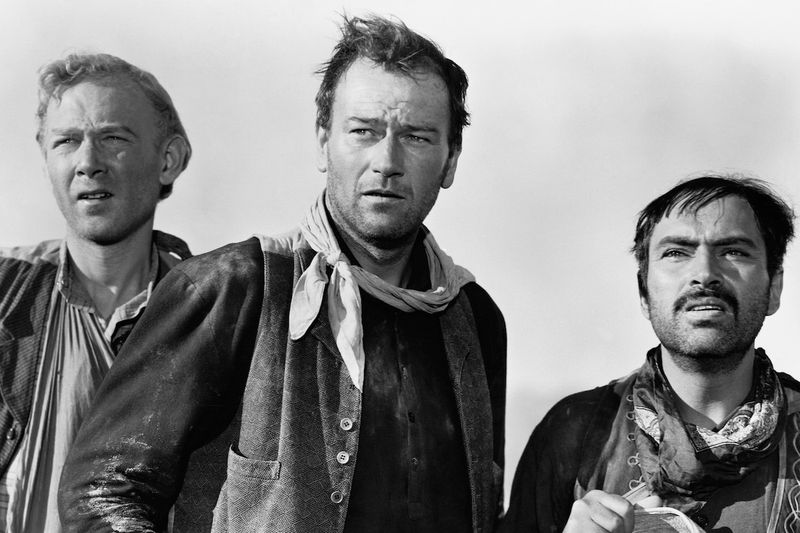
John Ford turned a simple premise into something genuinely moving with 3 Godfathers. Three bank robbers stumble upon a dying woman in the desert and make a desperate promise to deliver her newborn baby to safety, crossing miles of brutal terrain to keep their word.
Wayne leads the trio with a gruff tenderness that sneaks up on you. Ford dedicated the film to his old friend Harry Carey Sr., adding a layer of personal emotion that gives the whole movie a bittersweet, elegiac quality.
12. Island in the Sky (1953)
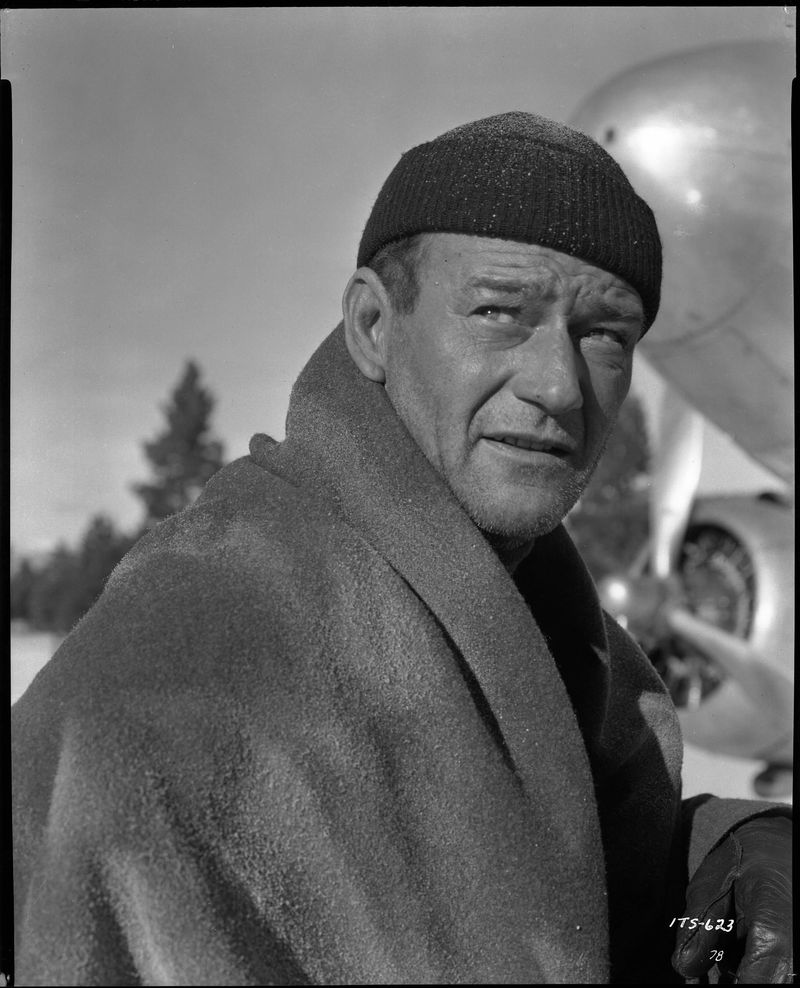
Crash-landing a plane in the frozen Canadian wilderness and then waiting to see if anyone finds you before the cold kills you sounds terrifying, and Island in the Sky captures that dread beautifully. Wayne plays Captain Dooley, a stoic but clearly frightened leader trying to keep his crew alive while rescuers race against time.
The film strips away all the bravado usually attached to Wayne’s image. What remains is a quietly powerful portrait of leadership under pressure that feels remarkably grounded and human.
13. Trouble Along the Way (1953)
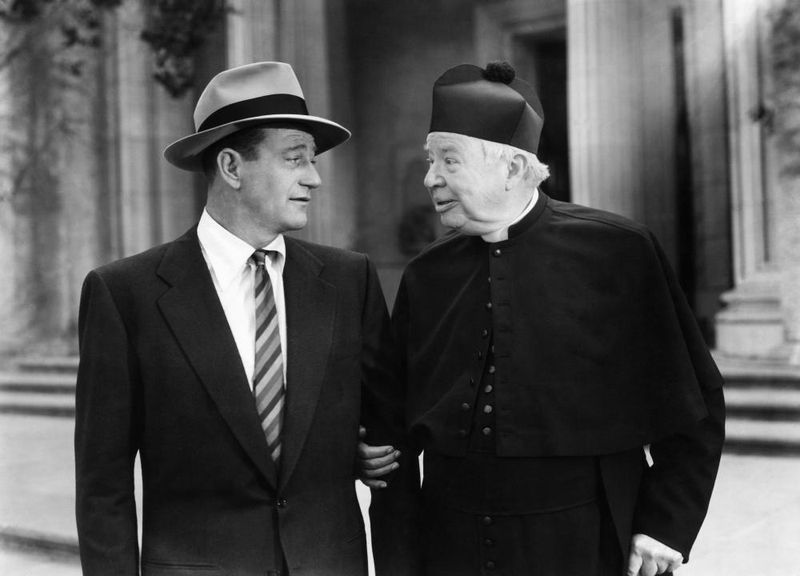
Before Wayne starred in Stagecoach, he actually played football at the University of Southern California on a scholarship, so casting him as a college football coach in this 1953 drama was inspired. He plays Steve Aloysius Williams, a down-on-his-luck coach hired to save a struggling Catholic college by building a winning team.
The film blends comedy, sports drama, and a custody battle into an unexpectedly touching package. It is warm, funny, and surprisingly personal for a Wayne picture of this era.
14. The High and the Mighty (1954)
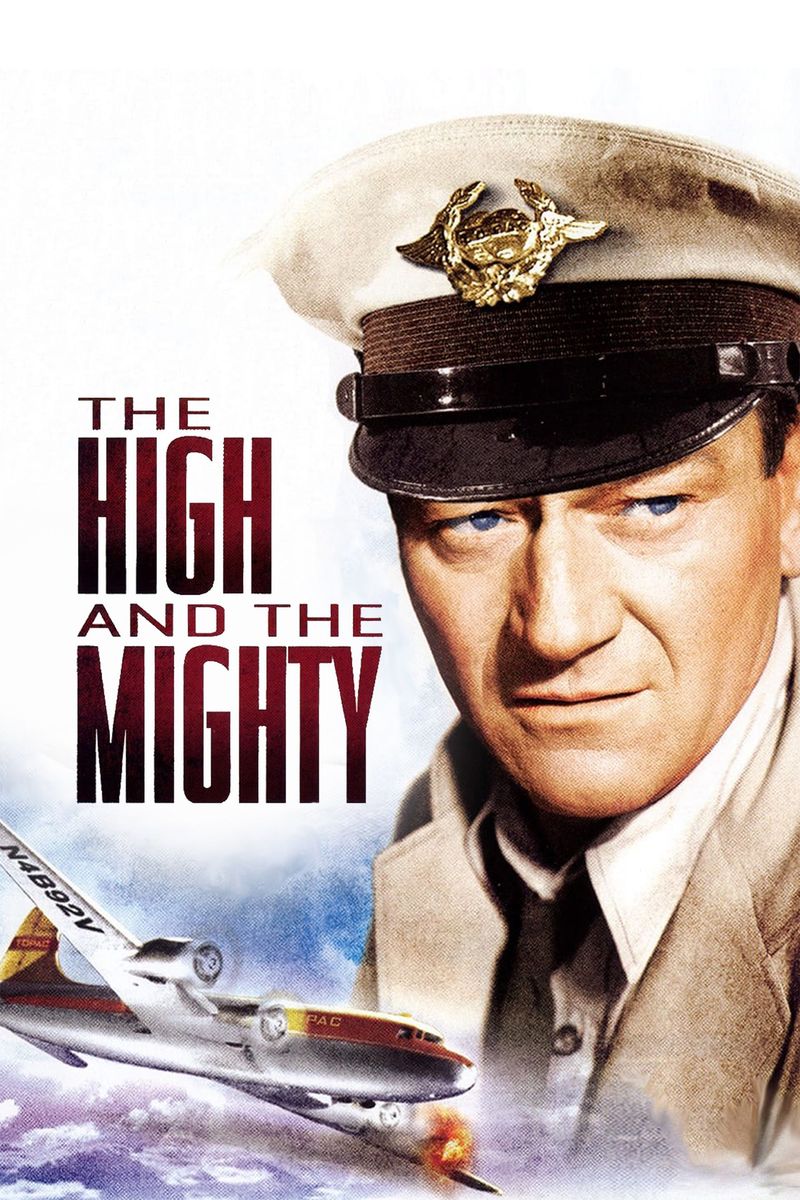
Years before Airport and its many sequels made airplane disaster films a genre staple, The High and the Mighty was doing it first and doing it well. Wayne plays Dan Roman, a veteran co-pilot haunted by a past tragedy who must help land a crippled airliner over the Pacific Ocean.
The film features a whistled theme that became iconic almost immediately. Wayne’s performance is restrained and deeply human, showing a vulnerability that his tougher roles rarely allowed audiences to see.
15. The Barbarian and the Geisha (1958)
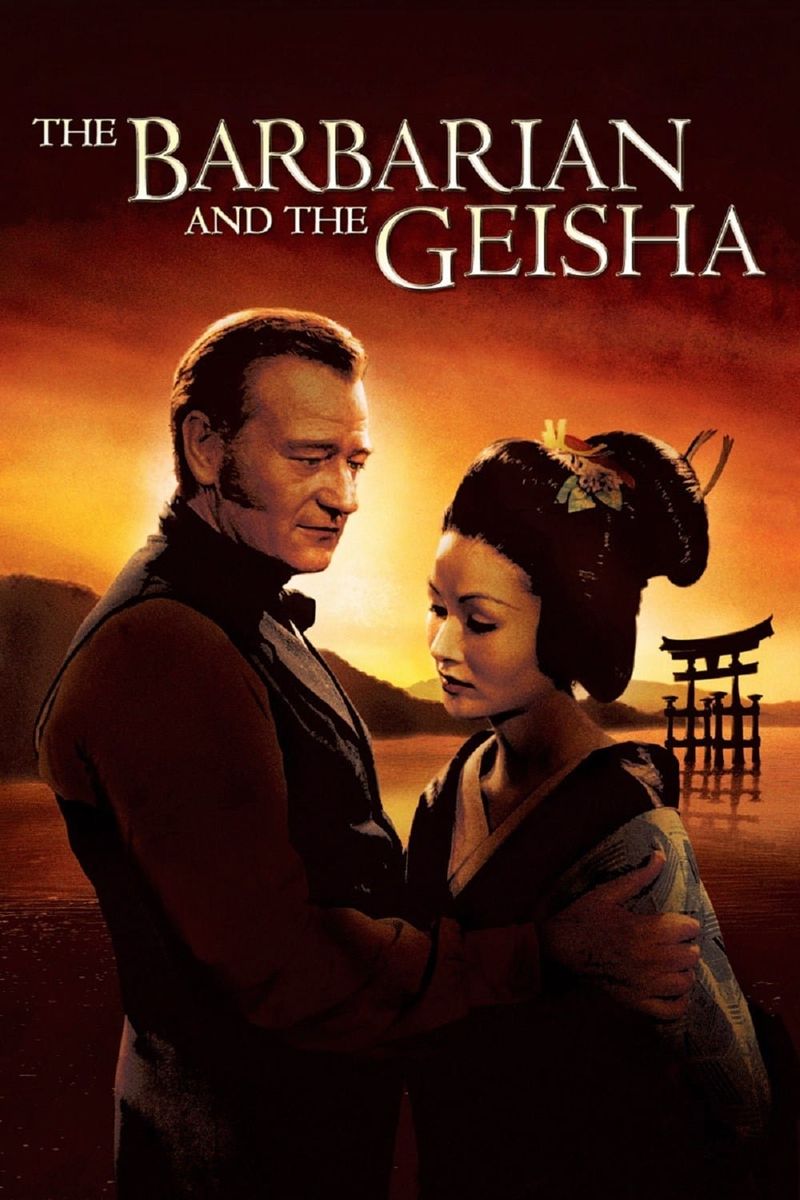
John Huston directing John Wayne in a period historical drama set in 19th century Japan sounds like an unlikely combination, and honestly, the production was famously troubled from start to finish. Wayne plays Townsend Harris, the first American consul general to Japan, navigating cultural clashes and political danger in a nation deeply suspicious of outsiders.
Despite behind-the-scenes friction between Wayne and Huston, the film is visually gorgeous. It remains a genuinely unique entry in both men’s filmographies, unlike anything else either made.
16. Donovan’s Reef (1963)
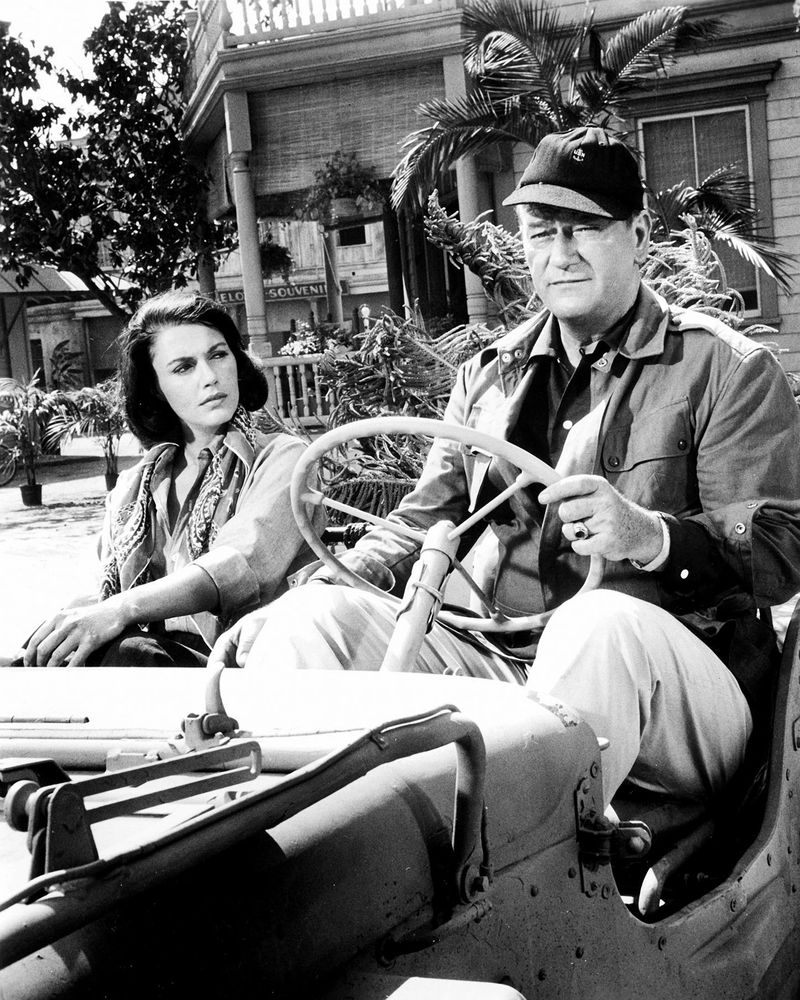
Not every John Wayne film needed to be serious, and Donovan’s Reef is proof that the Duke could be genuinely funny when given the right material. Set on a fictional Pacific island, the story follows a group of World War II veterans who never quite made it back to regular life, and honestly, they seem perfectly happy about that.
Wayne and director John Ford reunite here for pure, breezy fun. The film is light, colorful, and packed with the kind of easy camaraderie that only comes from people who truly enjoy working together.