
The 1960s were packed with unforgettable music, but not every great song stuck around in our memories. Some tracks blazed up the charts, captured everyone’s hearts for a moment, and then quietly faded away.
Many of these forgotten gems deserve a second listen because they tell the story of a decade bursting with creativity, rebellion, and pure musical fun. Get ready to rediscover 16 one-hit wonders that prove the 1960s had way more magic than most people remember.
1. Harper Valley PTA (1968) by Jeannie C. Riley
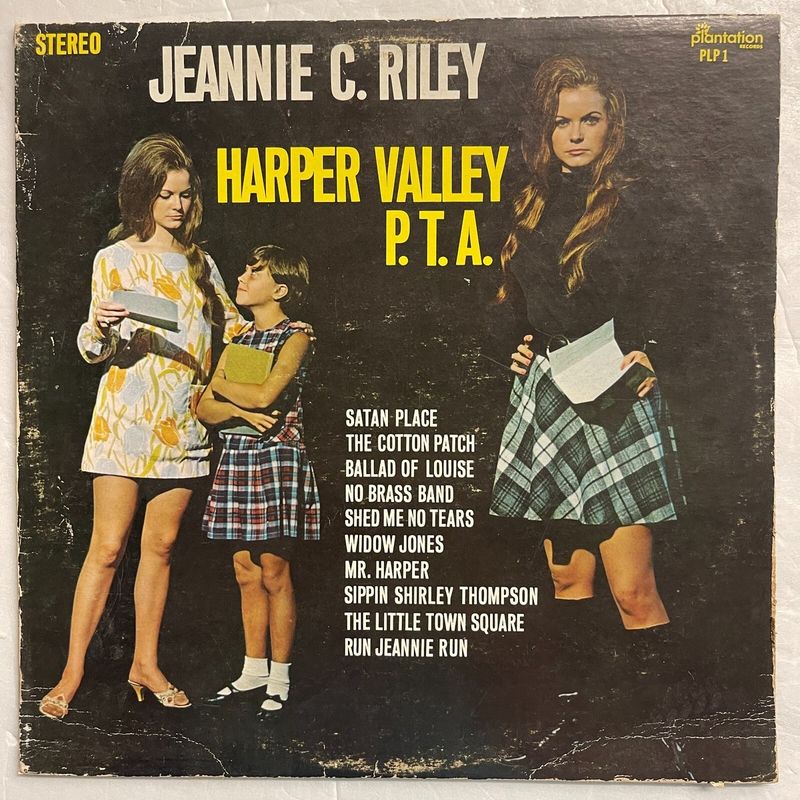
Jeannie C. Riley made history with one bold, sassy song. “Harper Valley PTA” became the first track by a female artist to simultaneously top both the Billboard Hot 100 and the U.S.
Hot Country Singles charts. That double achievement was unheard of at the time.
The song mixed country storytelling with a pop energy that felt fresh and daring. It was later turned into a 1978 movie starring Barbara Eden, proving its cultural staying power long after the charts moved on.
2. I Had Too Much to Dream (Last Night) (1966) by The Electric Prunes
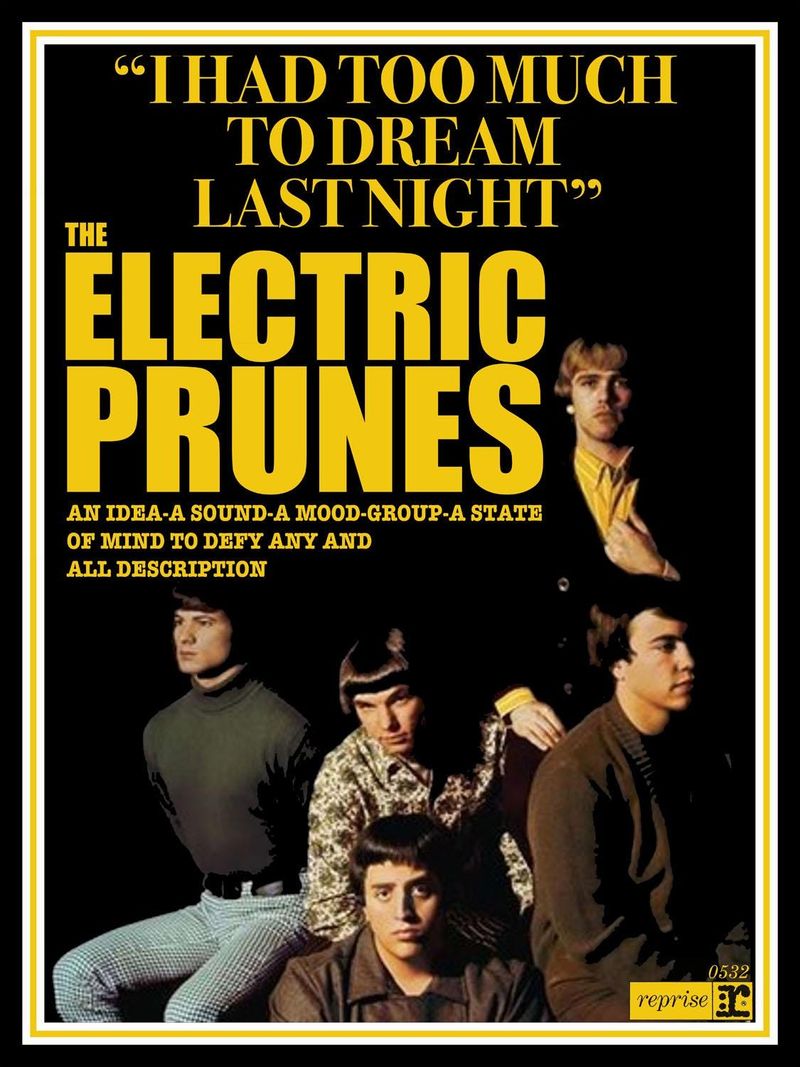
Fuzzy guitars, dreamy vocals, and a wall of sound that felt like it came from another dimension – that is exactly what The Electric Prunes delivered in 1966. “I Had Too Much to Dream (Last Night)” is widely considered one of the defining tracks of the garage rock and psychedelic movement.
The band never quite matched this commercial peak again, but this single alone earned them a permanent spot in rock history. Crank it up and feel the strange, wonderful buzz it creates.
3. Who Put the Bomp (in the Bomp, Bomp, Bomp) (1961) by Barry Mann
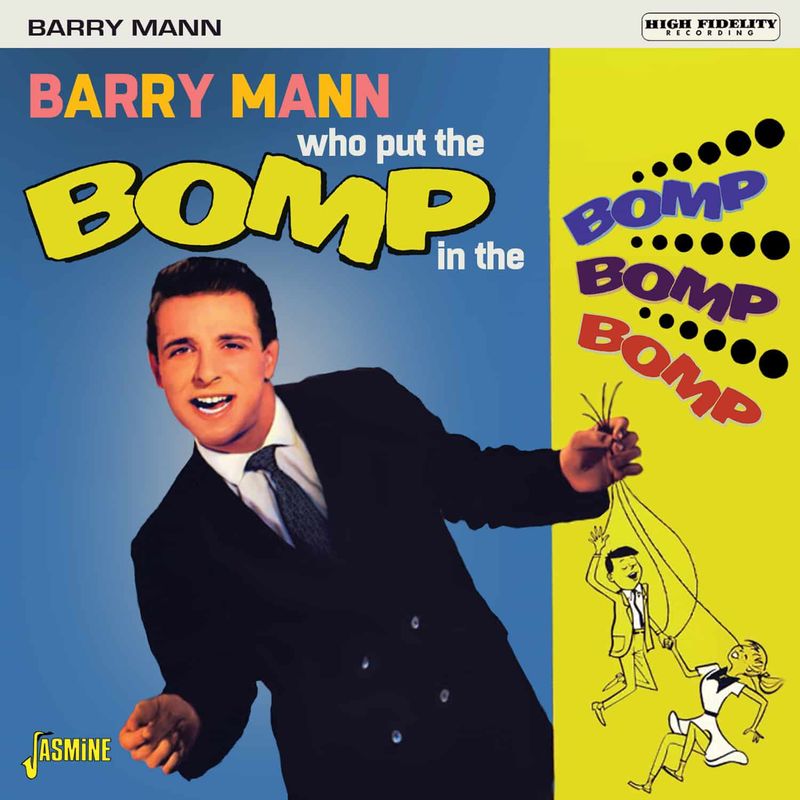
Barry Mann spent most of his career writing hits for other people, but in 1961 he stepped into the spotlight himself with this irresistibly goofy track. “Who Put the Bomp” is a playful, rhythmic celebration of doo-wop music that makes it nearly impossible to sit still.
Mann co-wrote songs for legends like The Drifters and The Animals, yet this silly, charming novelty tune ended up being his biggest moment as a performer. Pure, joyful fun from start to finish.
4. Angel of the Morning (1968) by Merilee Rush and The Turnabouts
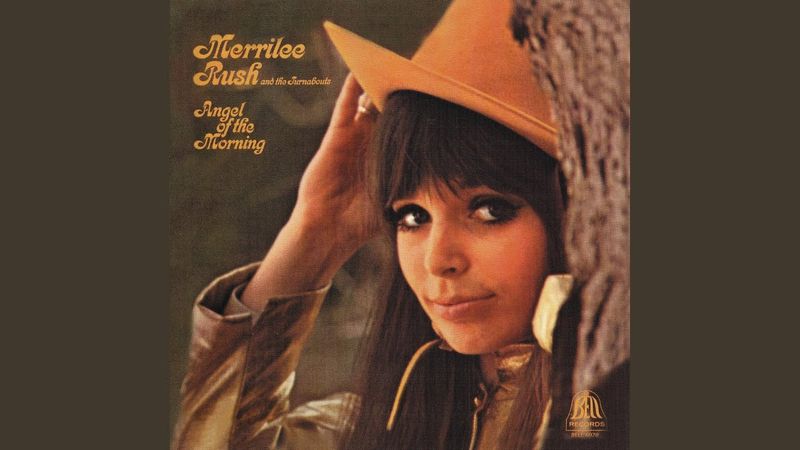
Written by the talented Chip Taylor in 1967, “Angel of the Morning” found its true commercial voice with Merilee Rush and The Turnabouts. The soft, emotionally charged ballad earned gold certification and became Rush’s defining moment in pop music.
The song’s lyrically driven story felt mature and honest, standing out among the more upbeat tracks of the era. Juice Newton later covered it in 1981, introducing it to a whole new generation – but Rush’s original version still hits differently.
5. I’ve Told Every Little Star (1961) by Linda Scott
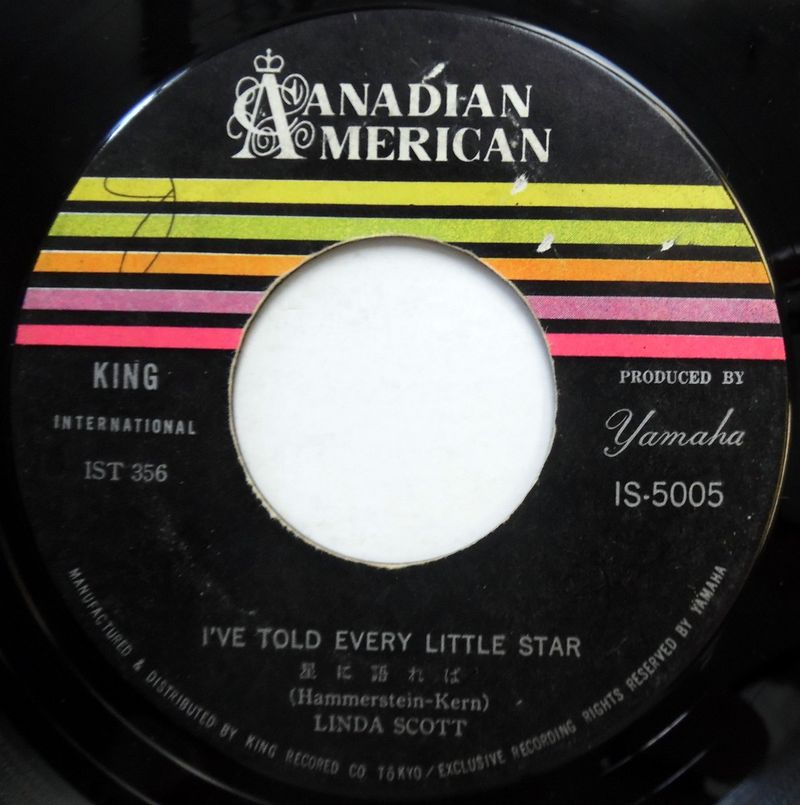
Originally written back in 1932, “I’ve Told Every Little Star” got a fresh, bubbly makeover from teenager Linda Scott in 1961. Her version climbed all the way to number three on the Billboard Hot 100, which was an impressive feat for such a young artist covering an old standard.
Scott’s music career was brief, and this sweet, optimistic track remained her highest-charting song. Sometimes one magical moment is all it takes to leave a lasting mark on pop music history.
6. California Sun (1963) by The Rivieras
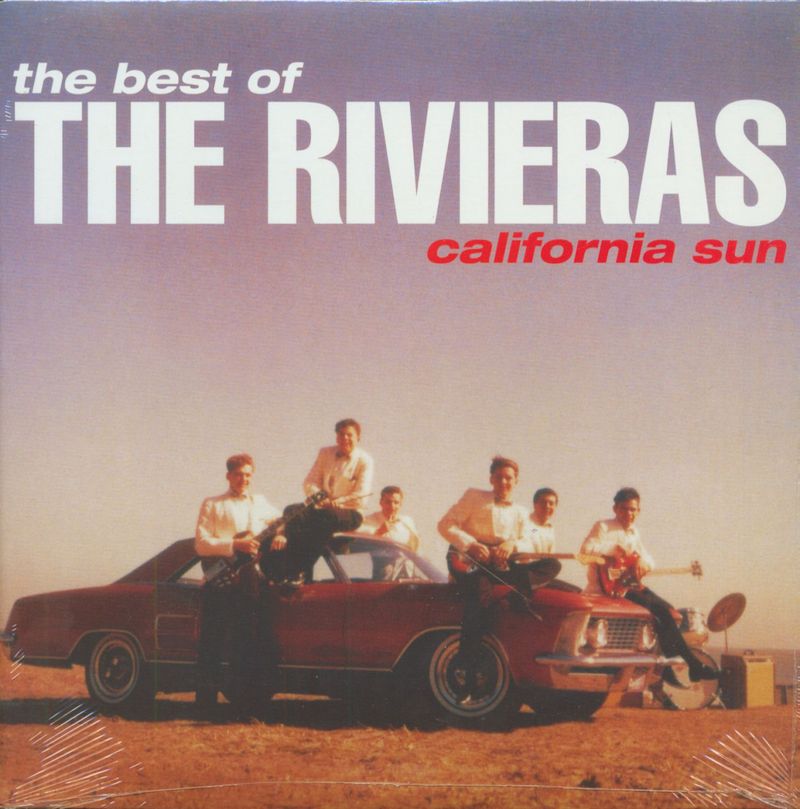
Before The Beach Boys made California the soundtrack of summer, The Rivieras were already riding that wave. Their rock and roll version of “California Sun,” originally written by Henry Glover, became the frat rock anthem nobody knew they needed.
The song had an infectious, carefree energy that felt like a road trip with the windows down. Sadly, the band broke up in 1966 after this single’s success, leaving behind just one shining moment – but what a moment it was.
7. The Entertainer (1969) by Tony Clarke
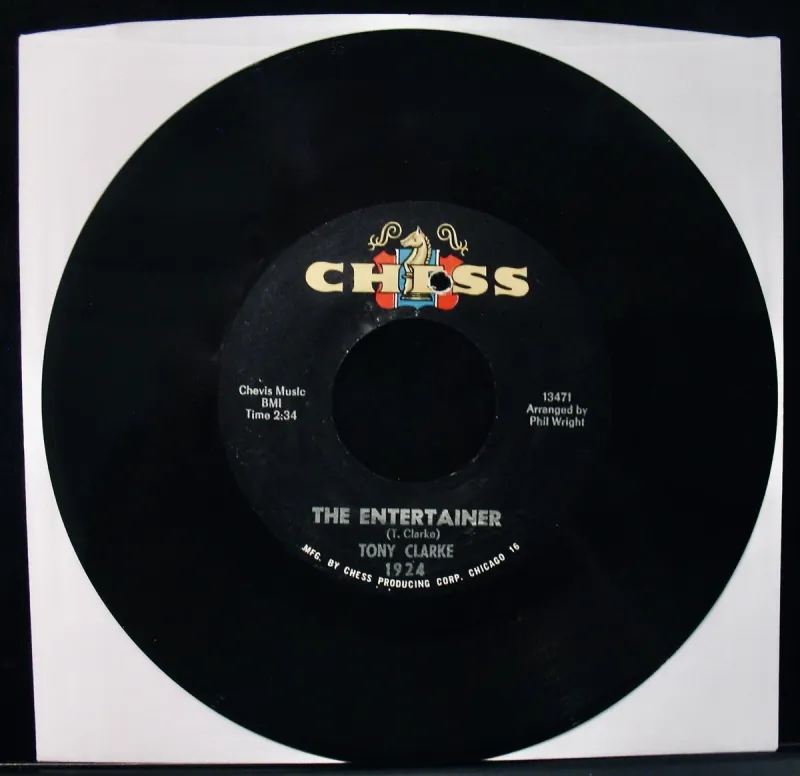
Tony Clarke’s “The Entertainer” reached number 10 on the R&B charts in 1969, yet somehow slipped through the cracks of popular music memory. The track had a smooth, soulful charisma that deserved far more attention than it received at the time.
Tragically, Clarke passed away at just 31 years old in 1971, cutting short what could have been a remarkable career. His one major hit stands as a bittersweet reminder of the talent the music world lost far too soon.
8. The Cheater (1966) by Bob Kuban and The In-Men
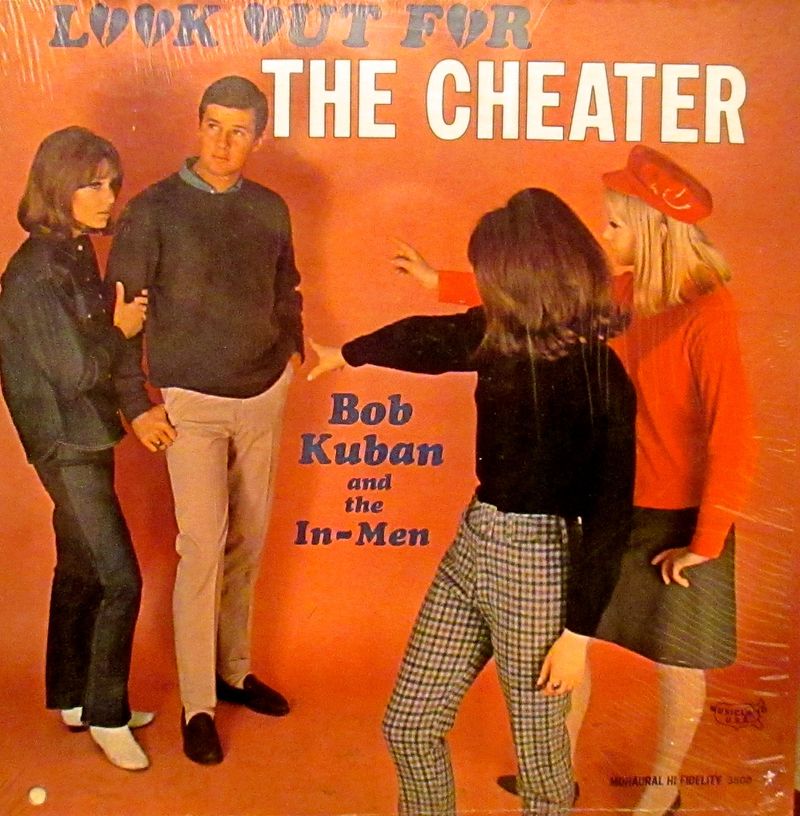
Straight out of St. Louis, Bob Kuban and The In-Men brought a punchy, horn-driven sound to the pop charts in 1966. “The Cheater” cracked the top 20 on the Billboard Hot 100, giving the band their one shining moment of national fame.
The song had a fun, almost theatrical quality that made it stand apart from the smoother pop of the era. Despite the band’s best efforts, they never managed to repeat that chart magic – but “The Cheater” remains a genuinely entertaining listen.
9. Dominique (1963) by The Singing Nun (Soeur Sourire)
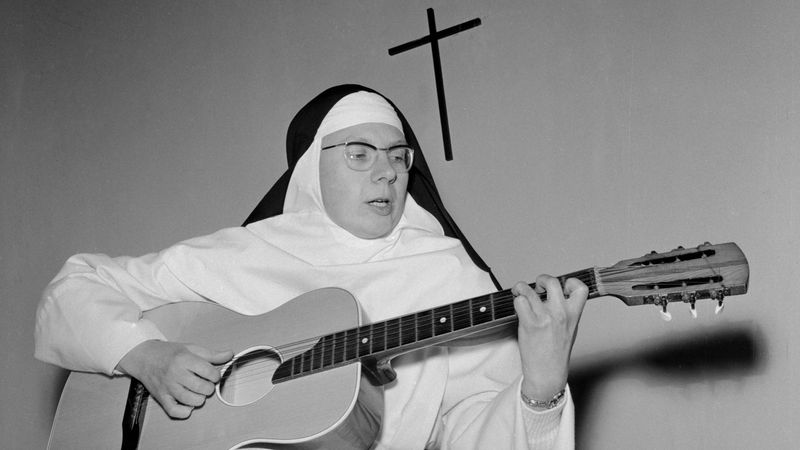
A Belgian nun topping the American pop charts sounds like the setup for a joke, but it actually happened. Jeanine Deckers, known as Soeur Sourire or The Singing Nun, reached number one in the U.S. with the simple, joyful French-language folk song “Dominique” in 1963.
The song proved that innocence and sincerity could cut through the noise of any era. Sadly, Deckers struggled with the overwhelming commercialization of her music and fame, making her story as heartbreaking as her hit was cheerful.
10. A Hundred Pounds of Clay (1961) by Gene McDaniels
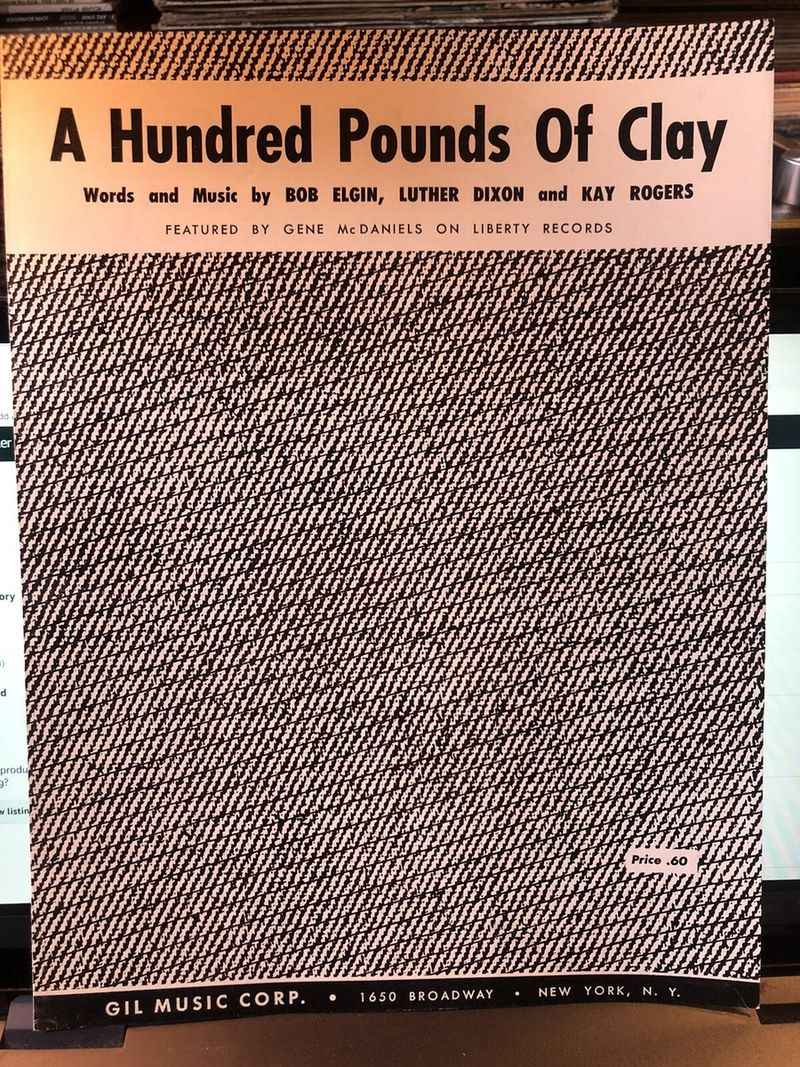
Gene McDaniels had a voice that could float effortlessly between gospel warmth and pop smoothness, and “A Hundred Pounds of Clay” showed off every bit of that gift. The track reached number three on the Billboard charts in 1961, riding on its soulful, uplifting energy.
McDaniels later became a respected songwriter behind the scenes, but this track was his biggest spotlight moment as a performer. Its blend of gospel roots and pop production still sounds surprisingly fresh more than sixty years later.
11. Angel Baby (1960) by Rosie and The Originals
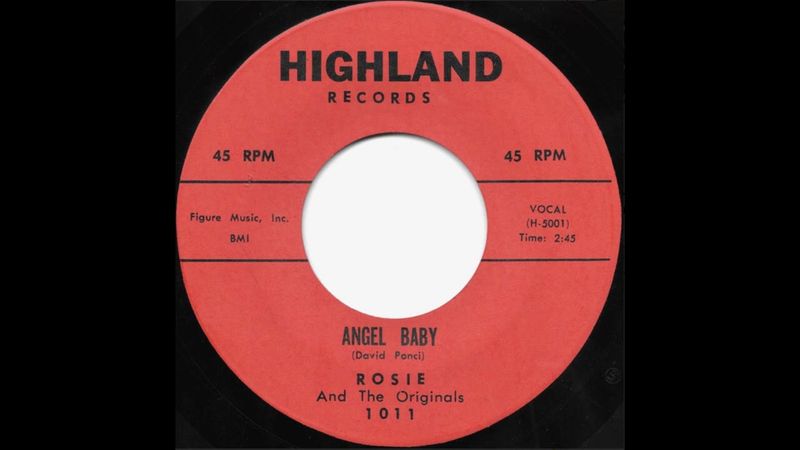
Recorded by a 15-year-old named Rosie Hamlin, “Angel Baby” has a raw, slightly imperfect quality that makes it feel deeply human and real. The song hit number five on the charts in 1960, remarkable for such a young and unknown artist.
Rosie and The Originals never landed another major hit, but the song’s haunting charm left a lasting impression even on John Lennon, who later recorded his own version. That kind of legacy speaks louder than any chart position ever could.
12. Tracy (1969) by The Cuff Links
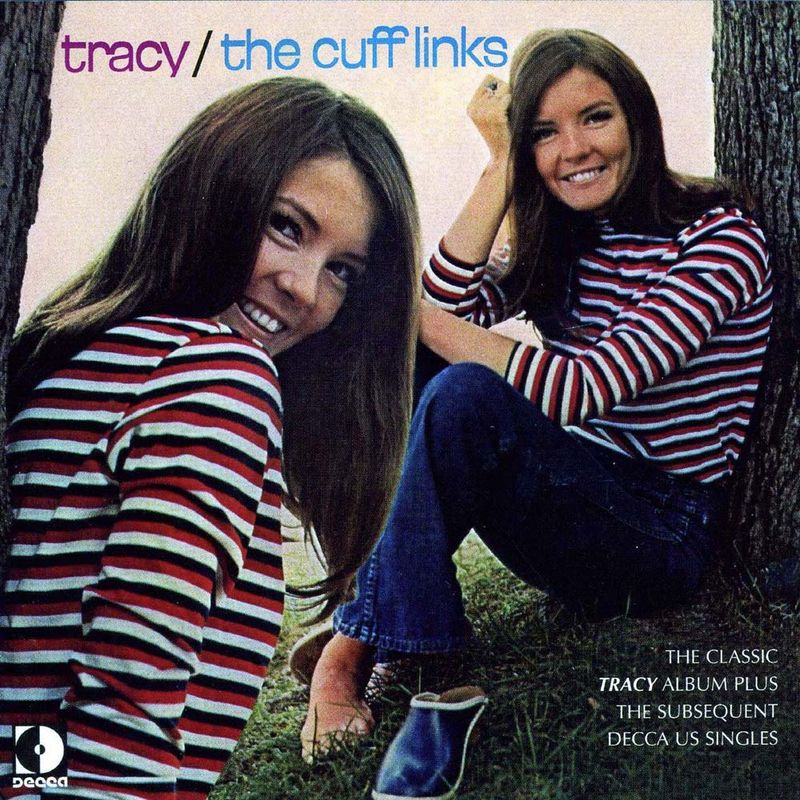
Here is a quirky behind-the-scenes secret: The Cuff Links were essentially a studio creation, with singer Ron Dante providing all the vocals. Dante was also the voice behind The Archies and their mega-hit “Sugar Sugar,” making him one of the most heard yet least recognized voices of the era.
“Tracy” hit number nine on the Billboard Hot 100 in 1969, delivering pure bubblegum bliss. The song is so cheerful and bouncy it feels like a musical version of a perfect summer afternoon.
13. Steal Away (1964) by Jimmy Hughes
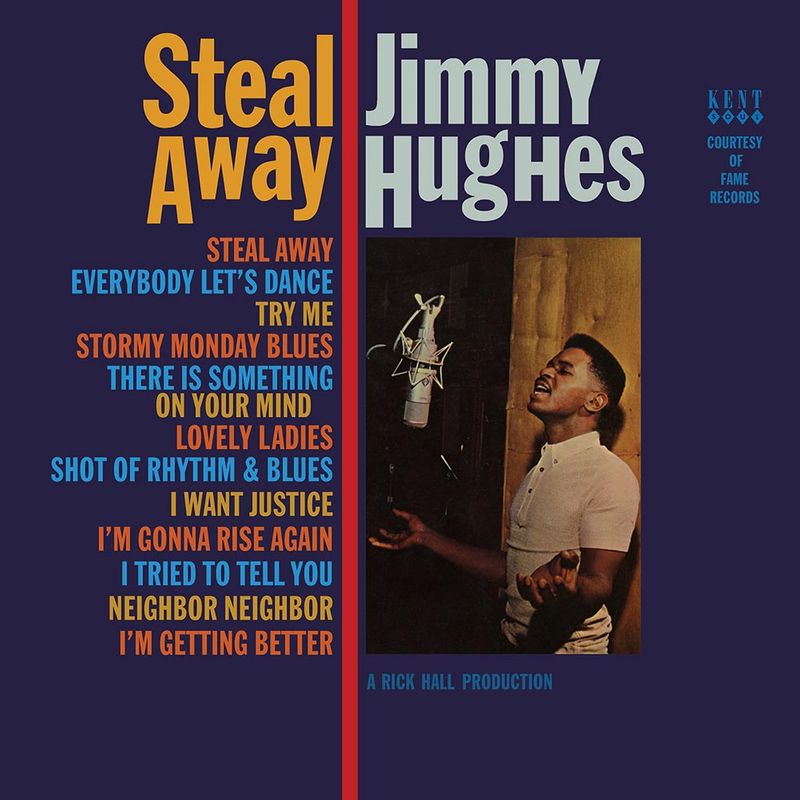
“Steal Away” holds a special place in music history as the very first song ever recorded at FAME Studios in Muscle Shoals, Alabama – a studio that would go on to shape the sound of soul music for decades. That alone makes it worth celebrating.
Jimmy Hughes brought a tender, pleading quality to this Southern soul gem, which crossed over to reach number 17 on the Hot 100 in 1964. The warmth and authenticity in his voice made it impossible to ignore.
14. Telstar (1962) by The Tornados
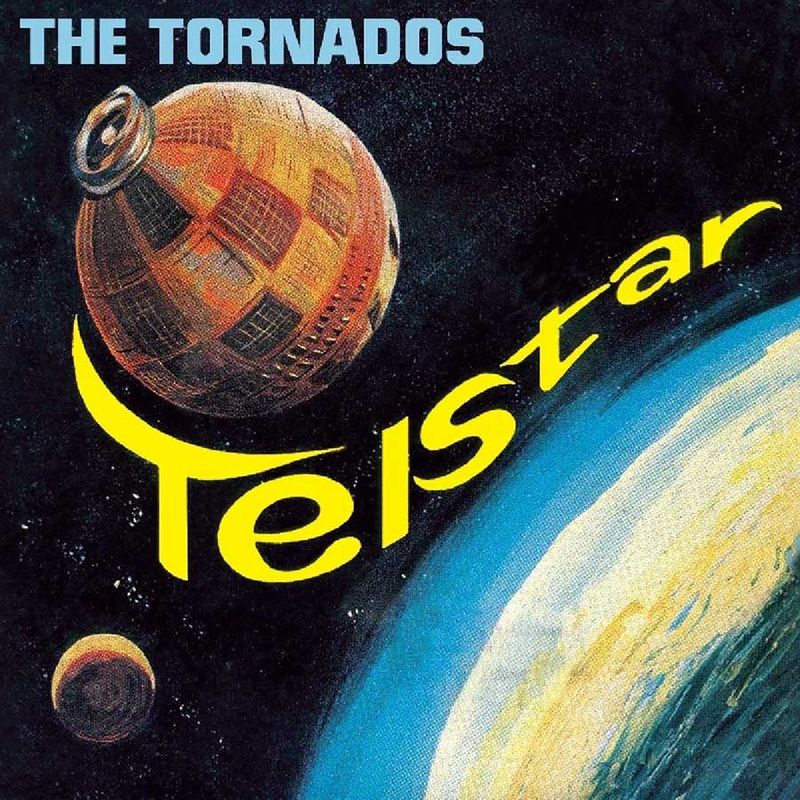
Named after the real communications satellite launched in 1962, “Telstar” by The Tornados captured the entire world’s excitement about the space age in just a few minutes of instrumental brilliance. The track hit number one on the Billboard Hot 100, making The Tornados the first British group to top the U.S. charts.
Its swooping, otherworldly synthesizer melody still sounds futuristic today. The band never cracked the U.S.
Top 40 again, but this single alone secured their legendary status in pop history.
15. Little Bit O’ Soul (1967) by The Music Explosion
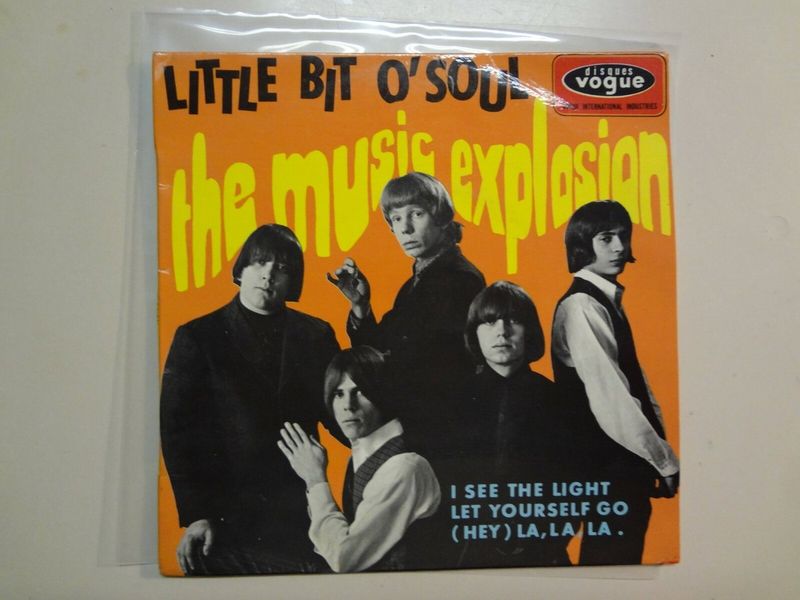
Few songs in 1967 had the sheer, stomping energy of “Little Bit O’ Soul” by The Music Explosion. The track charged all the way to number two on the Billboard Hot 100, which is an astonishing achievement for a scrappy garage rock band from Ohio.
The song’s handclaps, driving beat, and shouted vocals gave it a raw excitement that polished studio productions of the time often lacked. Unfortunately, the band could never recapture that lightning-in-a-bottle moment, leaving this one track as their entire legacy.
16. Lies (1965) by The Knickerbockers
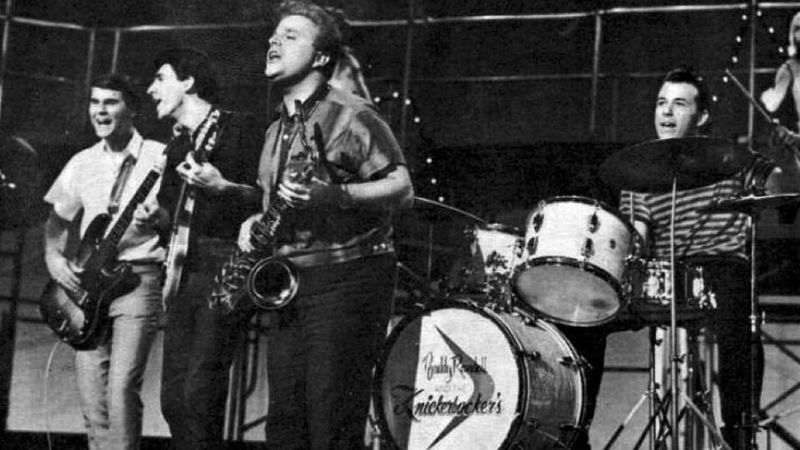
Many listeners who first heard “Lies” on the radio in 1965 were convinced they were hearing a lost Beatles track. The Knickerbockers nailed the British Invasion sound so convincingly that the resemblance became part of the song’s legend.
With its punchy rhythm, urgent vocals, and catchy hook, “Lies” became the band’s one defining moment in pop music. Other artists were inspired to record their own versions, but none captured the original’s breathless, Beatle-esque energy quite as well as The Knickerbockers themselves did.