
Music has always been a mirror for the world around us, including its darkest moments. Some of the most powerful songs ever written were inspired by real crimes, murders, and injustices that shocked entire nations.
Artists from Bob Dylan to Nirvana have turned true criminal cases into unforgettable music. Get ready to hear these famous songs in a whole new way.
1. Nebraska by Bruce Springsteen
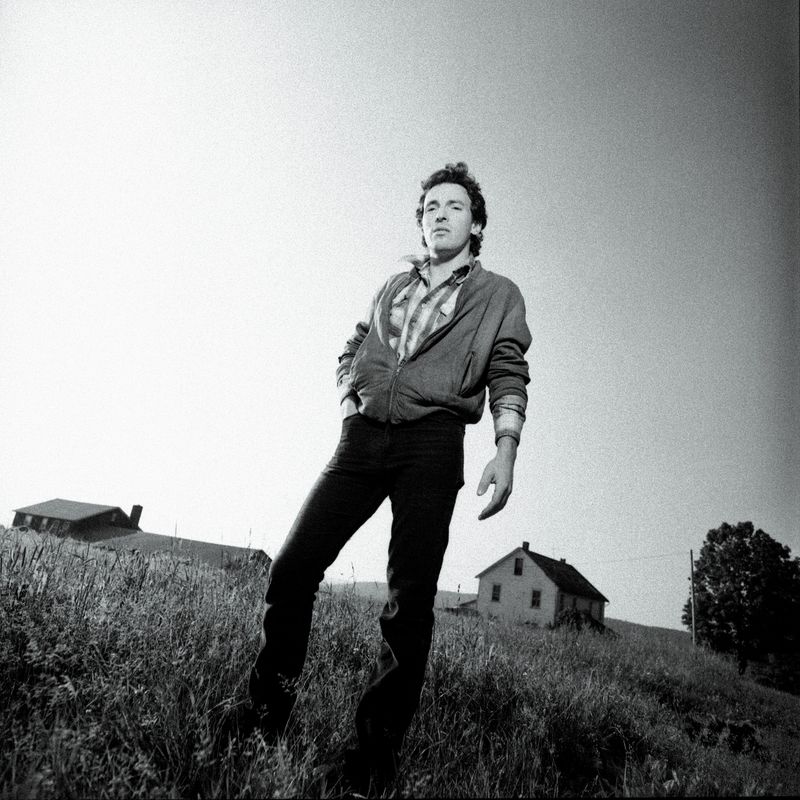
Back in 1958, a 19-year-old named Charles Starkweather and his teenage girlfriend Caril Ann Fugate went on a terrifying killing spree across Nebraska and Wyoming, leaving 11 people dead. Bruce Springsteen wrote this chilling song from the killer’s perspective, making it one of rock’s most unsettling tracks.
The sparse, acoustic sound matches the cold emptiness of the crime. Springsteen recorded it on a simple cassette tape, and that raw quality makes the darkness feel even more real.
2. The Ripper by Judas Priest
Jack the Ripper is arguably history’s most famous unidentified serial killer, and Judas Priest turned his terrifying legend into a heavy metal anthem. The killer stalked the Whitechapel district of London in 1888, murdering at least five women and vanishing without a trace.
Judas Priest captured the menace and mystery in every grinding guitar riff. The song puts listeners right inside the fog-covered streets, making the horror feel uncomfortably close even over a century later.
3. Suffer Little Children by The Smiths
Few songs carry as much emotional weight as this haunting track from The Smiths. It was written about the Moors murders, one of England’s most horrifying crimes, in which Ian Brady and Myra Hindley killed at least five children between 1963 and 1965, burying their bodies on Saddleworth Moor.
Morrissey even included the names of some victims in the lyrics, which caused significant controversy. Parents of the victims were initially outraged, though some later acknowledged the song was a tribute.
4. Polly by Nirvana
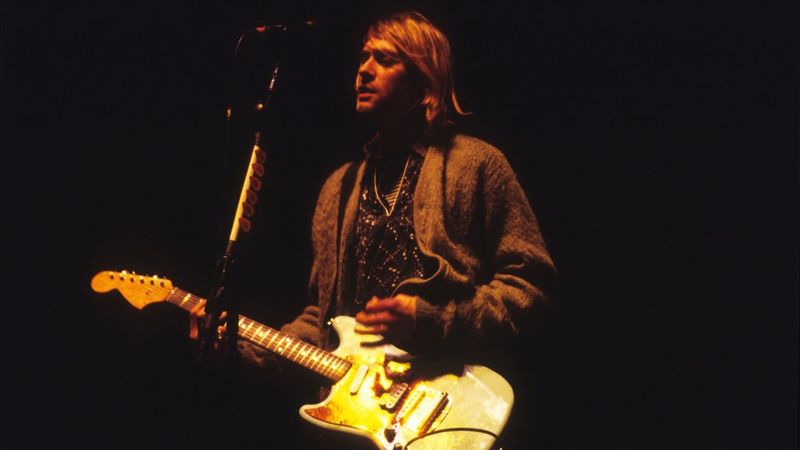
Kurt Cobain read a newspaper story about a horrifying 1987 abduction in Tacoma, Washington, and could not shake it. Gerald Friend kidnapped a teenage girl after she accepted a ride from him following a rock concert, subjecting her to days of torture before she escaped.
Cobain wrote “Polly” from the kidnapper’s perspective to make listeners feel deeply uncomfortable. The song became one of Nirvana’s most talked-about tracks, proving that discomfort can be a powerful creative tool when used responsibly.
5. The Lonesome Death of Hattie Carroll by Bob Dylan
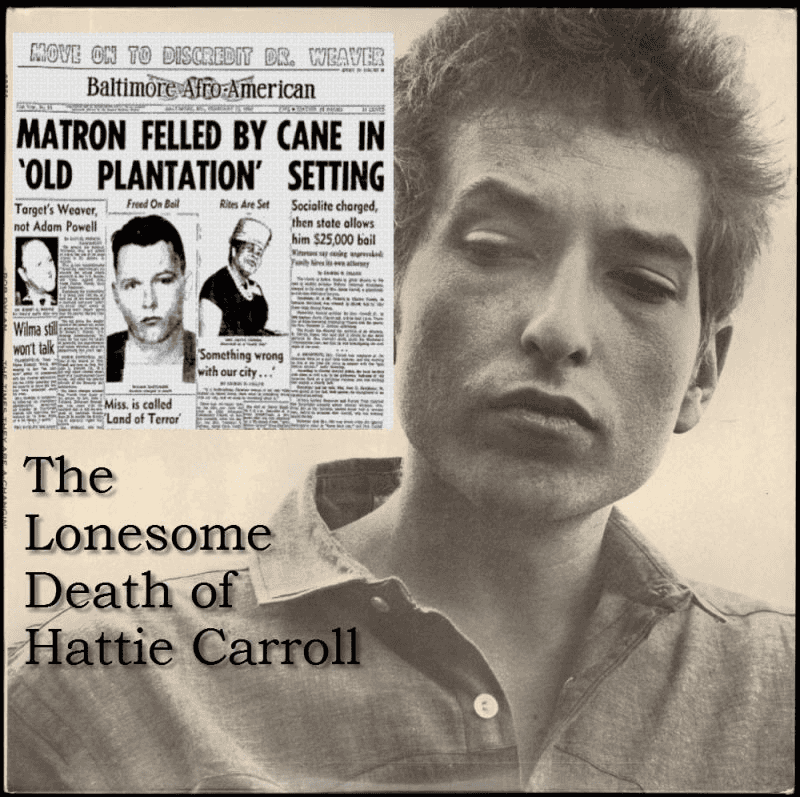
Bob Dylan wrote this folk ballad after a real 1963 injustice that made him furious. At a white-tie ball in Baltimore, wealthy tobacco farmer William Zantzinger struck 51-year-old Black barmaid Hattie Carroll with his cane.
She died hours later, and Zantzinger received only a six-month sentence.
Dylan’s song methodically builds the story, holding back the listener’s anger until the final verse. It remains one of the most powerful protest songs ever written, exposing how race and wealth shaped justice in America.
6. I Don’t Like Mondays by The Boomtown Rats
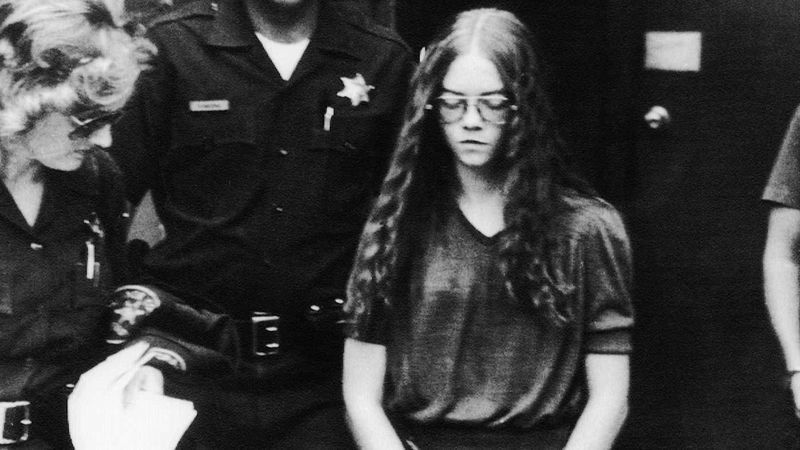
When journalist Bob Geldof read a wire report about a 16-year-old girl named Brenda Ann Spencer who opened fire on a San Diego elementary school in 1979, he was stunned by her reason. She told reporters she did it simply because she did not like Mondays.
That chilling quote became the song’s unforgettable hook. Spencer killed two adults and wounded several children.
The track shot to number one in multiple countries, turning a real tragedy into a global conversation about senseless violence.
7. Jenny Was a Friend of Mine by The Killers
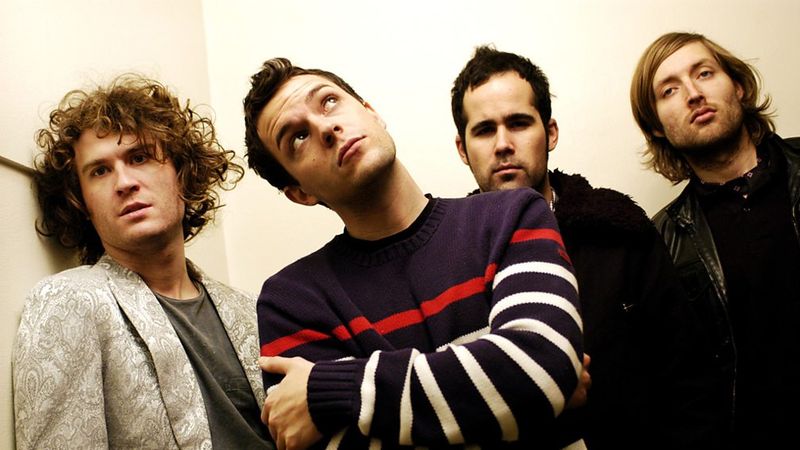
The Killers opened their debut album with this gripping track told entirely from a murderer’s point of view. The song was inspired by the 1986 “Preppy Murder” case, in which Robert Chambers strangled 18-year-old Jennifer Levin in Central Park and then tried to claim it was an accident.
Chambers insisted he knew Jennifer and that she was not a stranger to him, which fed directly into the song’s lyrics. The case became a media sensation, and The Killers transformed it into a tense, unforgettable rock track.
8. Ohio by Neil Young
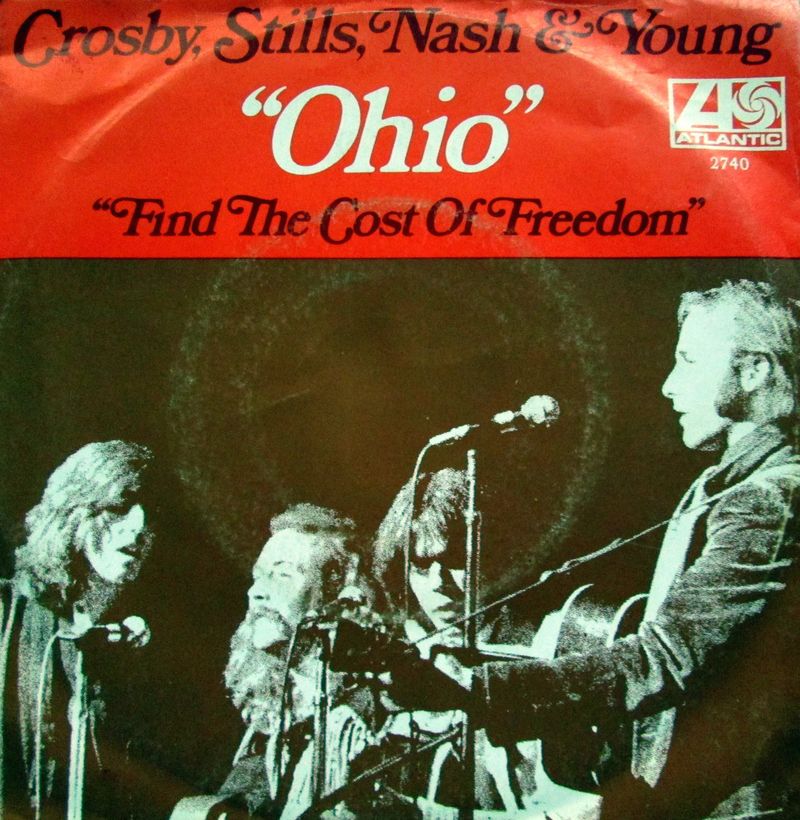
Neil Young wrote “Ohio” within days of learning that four unarmed college students had been shot and killed by National Guard troops at Kent State University on May 4, 1970. Students were protesting America’s involvement in the Vietnam War when soldiers opened fire.
Young was so outraged that the song was recorded and released within weeks of the tragedy. It became an anthem of an entire generation’s grief and anger.
Few songs in history have been written, recorded, and released so quickly in response to a real event.
9. Deep Red Bells by Neko Case

Neko Case grew up in Tacoma, Washington, during the years when Gary Ridgway, the Green River Killer, was murdering women across the region. That personal connection makes this song feel genuinely haunted rather than simply dramatic.
Ridgway was eventually convicted of killing 48 women, making him one of America’s most prolific serial killers. Case’s song captures the unsettling feeling of living near evil without knowing it.
The slow, dreamlike melody makes the subject matter hit even harder than a more aggressive approach would.
10. Hurricane by Bob Dylan
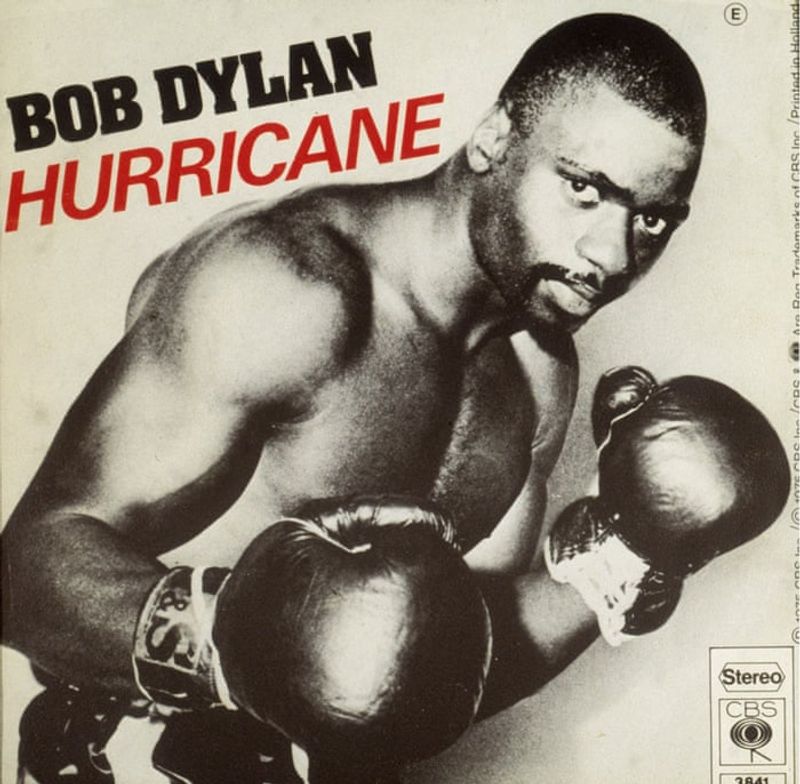
Rubin “Hurricane” Carter was a rising middleweight boxing champion when he was wrongfully convicted of a triple murder in Paterson, New Jersey, in 1966. Bob Dylan believed Carter was innocent and wrote this eight-minute song to shine a spotlight on what he saw as a serious racial injustice.
The song brought massive public attention to Carter’s case and helped fuel the legal battles that eventually led to his release in 1985. Dylan proved that a single song can genuinely change the course of a person’s life.
11. Annie Christian by Prince
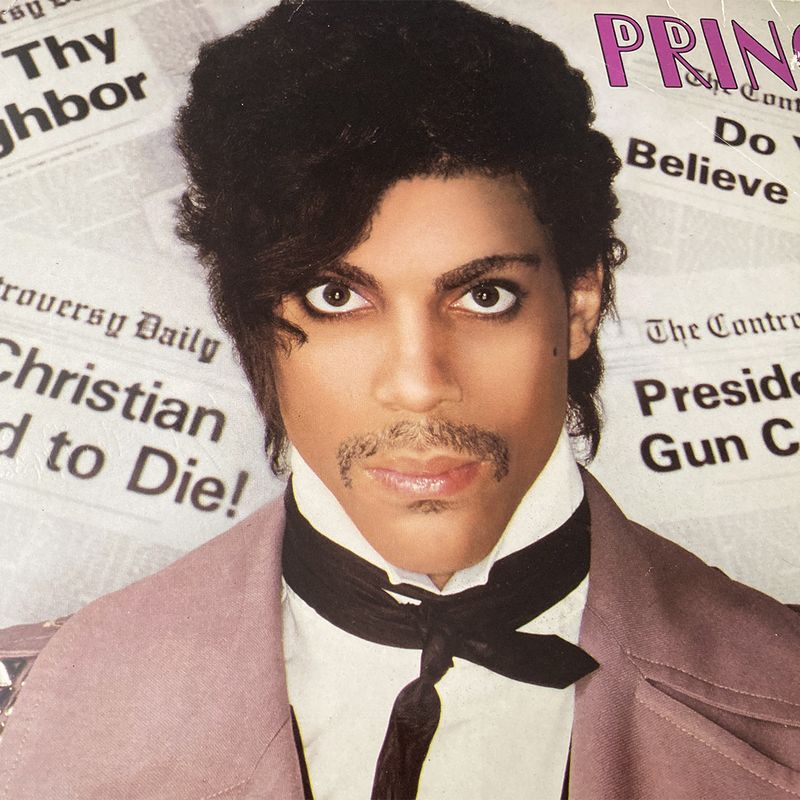
Prince packed three separate real-world horrors into this eerie, unsettling 1981 track. The song references the Atlanta Child Murders of 1979 to 1981, Mark David Chapman’s murder of John Lennon, and the attempted assassination of President Ronald Reagan, tying them together under a symbol of pure evil.
Prince used the name “Annie Christian” as a twisted play on words. The song is one of his most experimental and darkest recordings, showing that the artist behind pop hits could also confront America’s most disturbing moments head-on.
12. I Just Shot John Lennon by The Cranberries
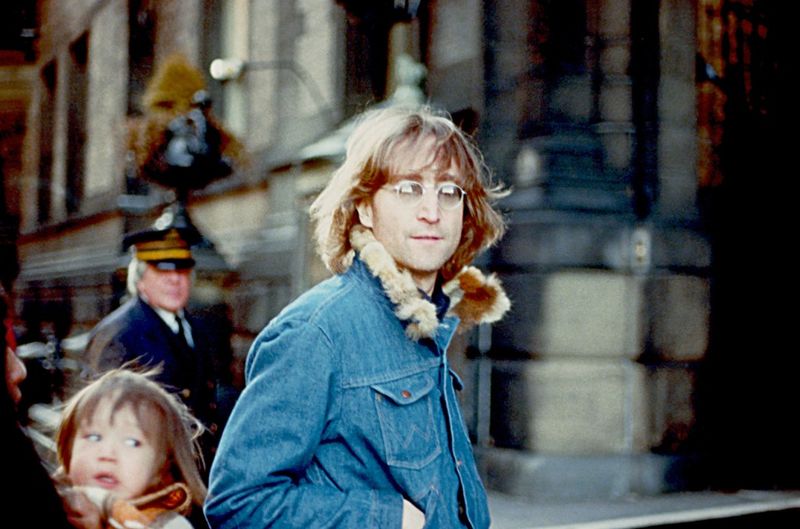
On December 8, 1980, Mark David Chapman shot John Lennon outside his New York City apartment building, the Dakota, shocking the entire world. The Cranberries revisited this devastating moment in their 1996 track, linking Lennon’s murder to a broader commentary on violence and celebrity obsession.
The song is blunt and confrontational right from the title. Dolores O’Riordan’s vocal delivery adds raw emotion that makes the subject feel fresh even decades later.
It stands as one of rock’s most direct responses to a real-world assassination.
13. Bullet by Misfits
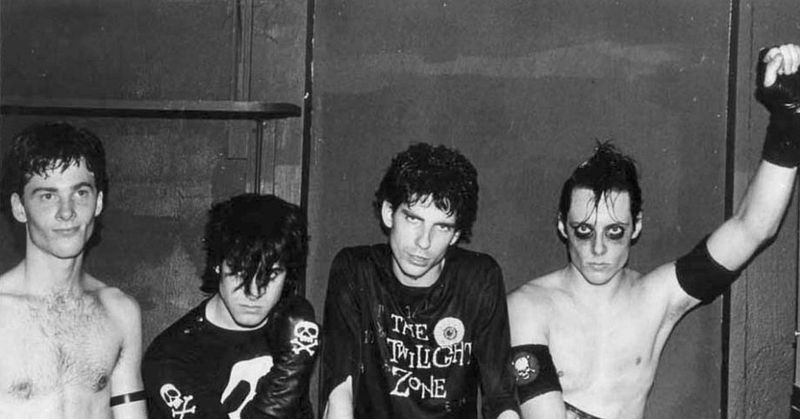
The Misfits never shied away from controversy, and “Bullet” is their most brazenly provocative song. Written about the 1963 assassination of President John F.
Kennedy in Dallas, Texas, the track strips away any sense of reverence and tackles the event with raw punk aggression.
The song shocked audiences when it was released and remains one of the most debated tracks in punk rock history. Love it or hate it, the Misfits made sure nobody could ignore the cultural impact of that terrible November day in 1963.
14. Evil by Interpol
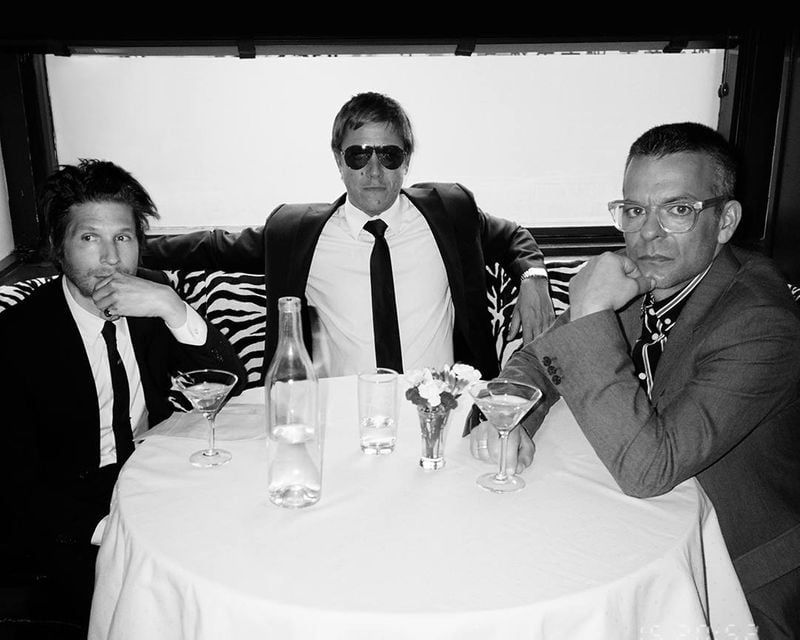
Interpol’s moody post-punk style made them the perfect band to tackle a subject as dark as Rosemary West. Along with her husband Fred, Rosemary was responsible for the torture and murder of at least ten young women and children in Gloucester, England.
The band has confirmed the inspiration behind the track, and listening with that knowledge changes everything about how the song feels. The repetition in the music mirrors the relentless horror of the crimes. “Evil” is one of those rare songs where the title says exactly what it means.
15. In Cold Blood by alt-J
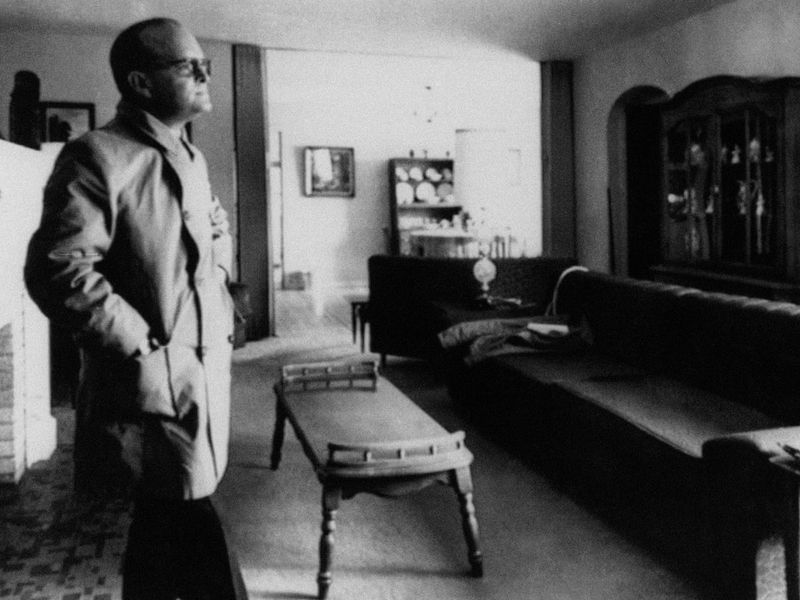
Truman Capote’s 1966 non-fiction book “In Cold Blood” told the story of the brutal 1959 murders of the Clutter family in their rural Kansas home. Richard Hickock and Perry Smith killed all four family members during a botched robbery.
Decades later, alt-J turned that story into a hypnotic, layered track.
The song captures the eerie stillness of Holcomb, Kansas, the small town shattered overnight by the crime. alt-J’s atmospheric sound suits the subject perfectly, making listeners feel the isolation and dread that Capote so brilliantly described in his landmark book.
16. Four Walls (The Ballad of Perry Smith) by Bastille
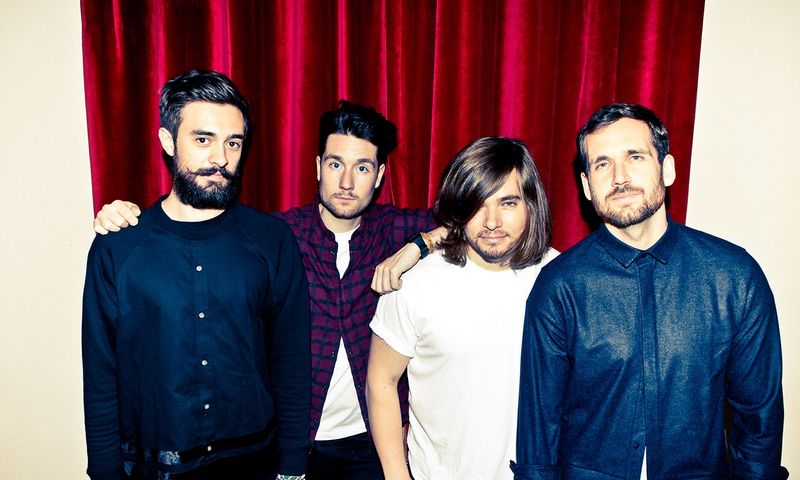
While alt-J captured the broader story of the Clutter murders, Bastille zoomed in specifically on Perry Smith, one of the two killers. Smith’s troubled childhood and complex inner life fascinated Truman Capote, who wrote about him with unusual sympathy in “In Cold Blood.”
Bastille’s song follows Smith’s emotional journey from the crime to his execution. The track has a tragic, almost cinematic quality that makes it feel more like a film score than a pop song.
It is a rare example of true crime inspiring genuinely compassionate storytelling through music.
17. The Night Chicago Died by Paper Lace
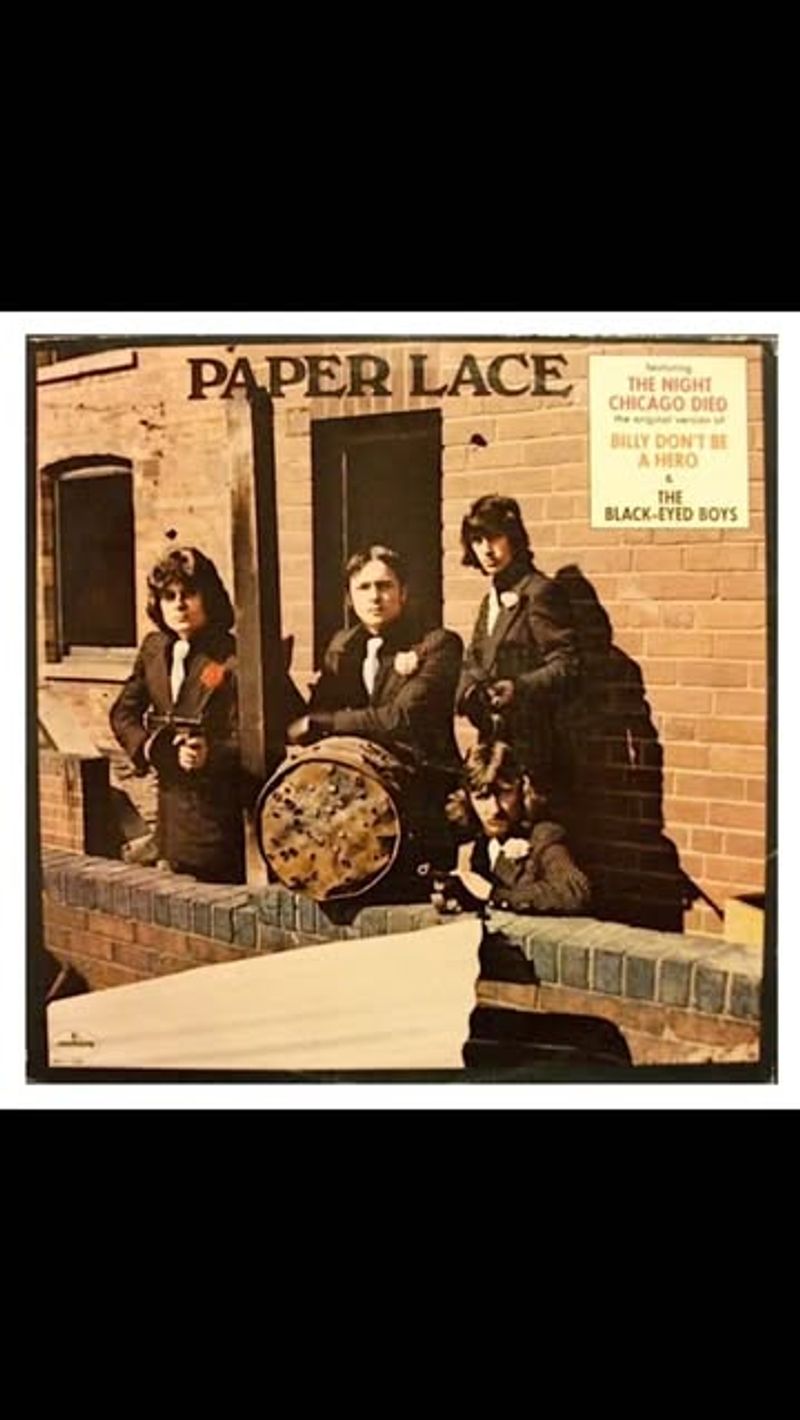
Paper Lace turned one of America’s most notorious gangland slayings into a catchy 1974 pop hit. The St. Valentine’s Day Massacre of 1929 saw members of Al Capone’s gang execute seven rivals from George “Bugs” Moran’s North Side gang in a Chicago garage during Prohibition.
The song is more romanticized than historically accurate, but it captured the public’s lasting fascination with the gangster era. It hit number one in both the UK and the US, proving that even a 45-year-old massacre could inspire a chart-topping song.