
Spam has been a kitchen staple for decades, showing up in everything from Hawaiian musubi to quick weeknight fried rice. But even though it comes pre-cooked and ready to go, there are plenty of ways to mess it up in the pan.
Getting Spam right is simpler than you think once you know what to avoid. Here are ten common mistakes that could be standing between you and a perfectly cooked slice.
1. Slicing It Too Thick or Too Thin
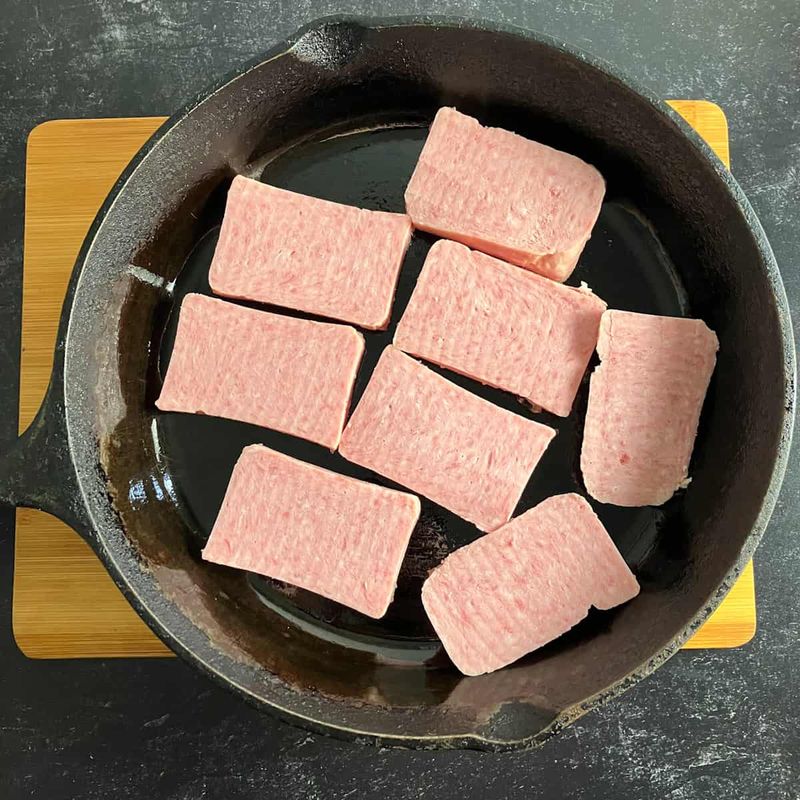
Getting the slice thickness right is one of the most overlooked steps when cooking Spam. Cut it too thick, and you risk a center that never fully heats through while the outside browns too fast.
Go too thin, and those delicate slices scorch before you even blink.
Aim for about a quarter-inch thickness each time. That sweet spot gives you a golden, caramelized crust with a warm, tender inside every single time.
2. Starting with a Cold Pan
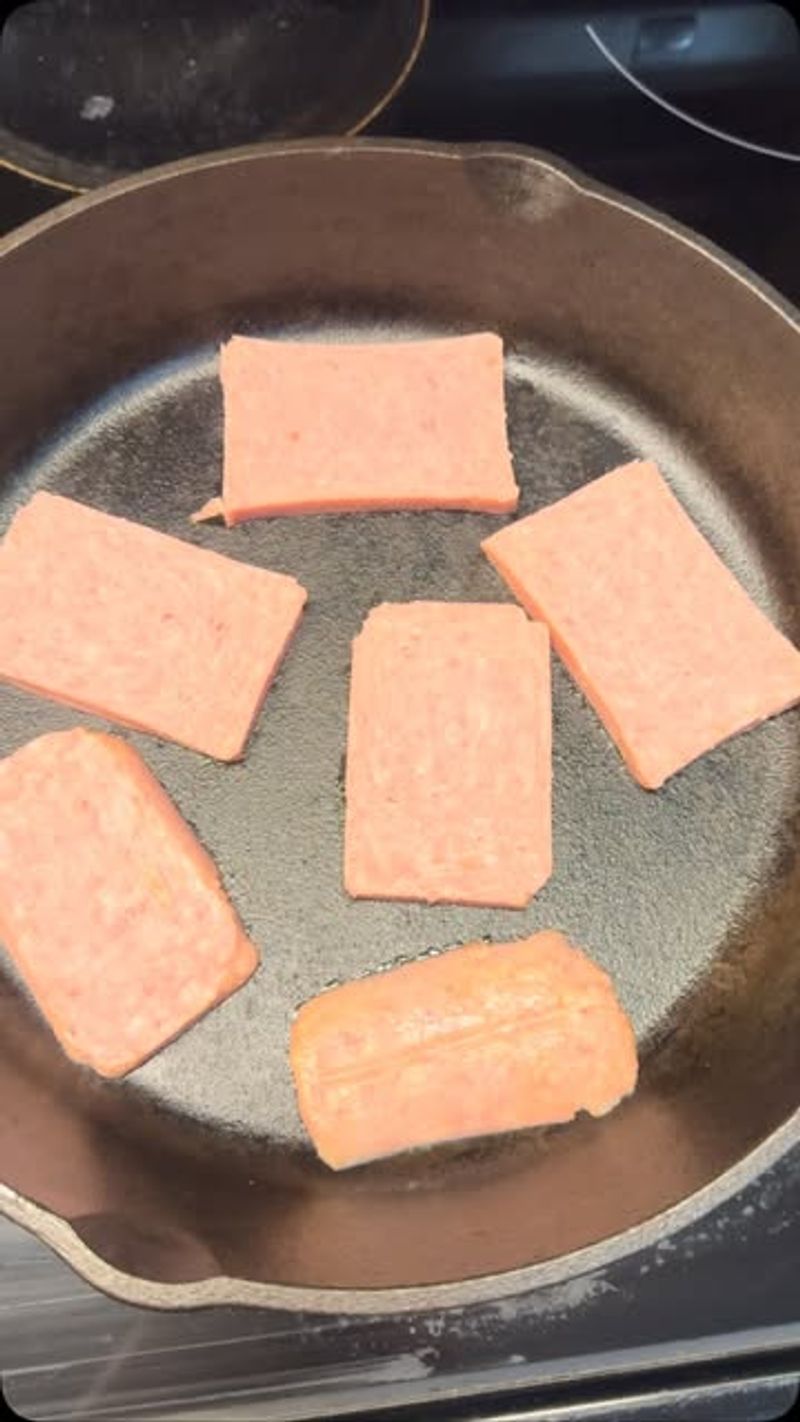
Tossing Spam into a cold pan might seem harmless, but it actually ruins the texture before cooking even begins. When the pan is not hot enough, the fat in the Spam slowly renders out rather than searing the surface, leaving you with a pale, greasy result.
Always preheat your pan over medium-high heat for a minute or two first. A properly hot surface creates that satisfying golden crust almost immediately upon contact.
3. Crowding the Pan with Too Many Slices
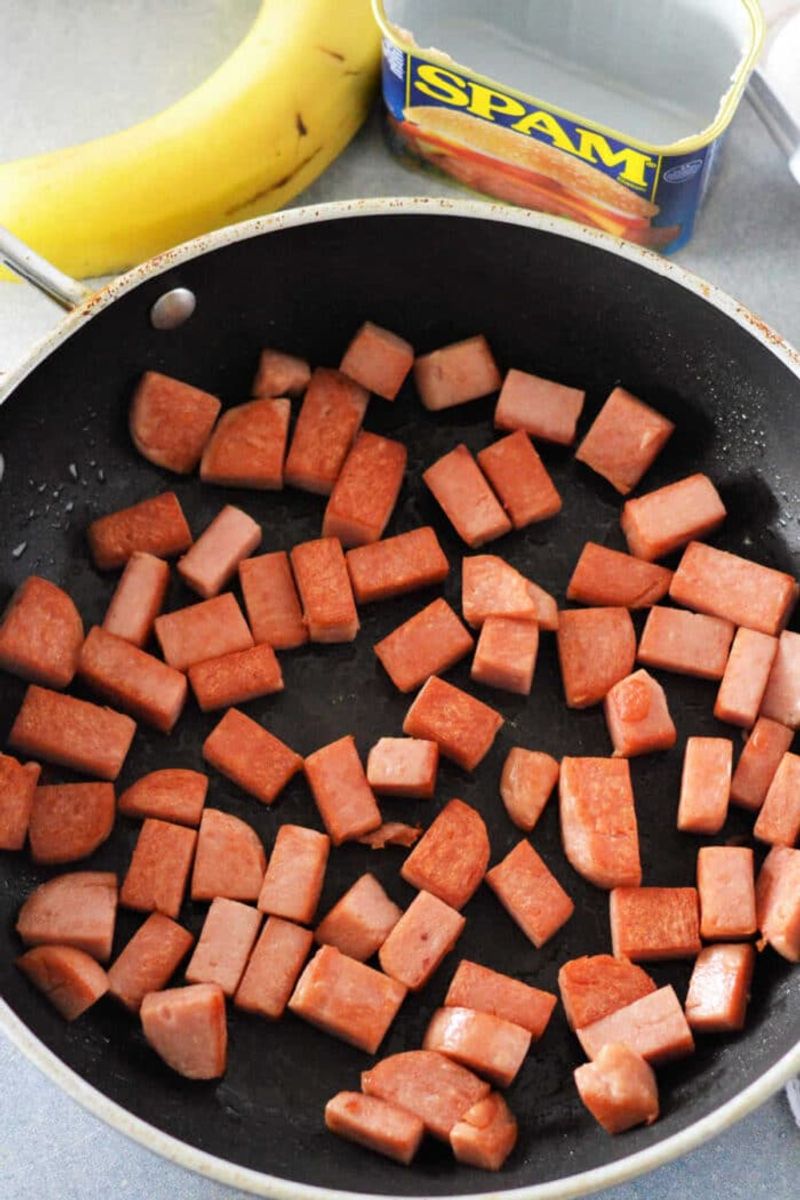
Stacking your pan full of Spam slices feels efficient, but it actually works against you. Too many pieces lower the overall pan temperature, which means the Spam steams in its own moisture rather than frying properly.
The result? Mushy, soggy slices that lack any crispiness.
Cook in batches instead, leaving space between each piece. It takes a little longer, but every slice comes out evenly browned and satisfyingly firm.
4. Pouring Extra Oil Into the Pan
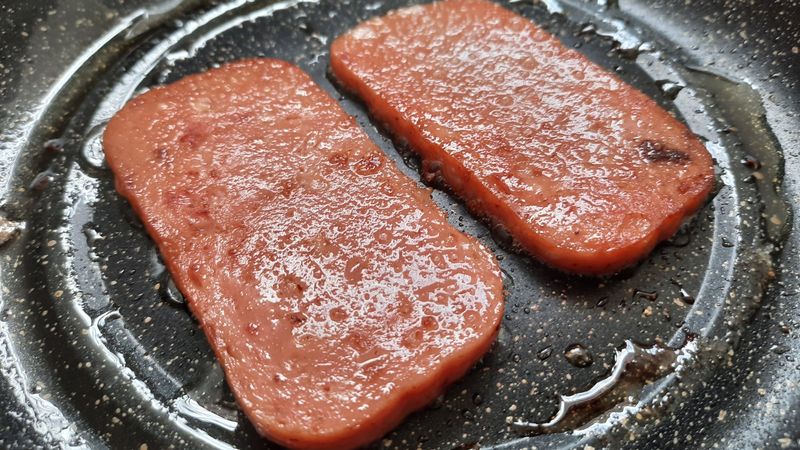
Here is a fun fact: Spam already contains plenty of fat on its own. Adding extra oil to the pan before frying is one of those habits that feels right but actually makes things worse.
The excess oil coats each slice, making it greasy and heavy rather than crisp and satisfying.
Skip the added oil entirely. Let Spam do its own thing, and you will be surprised how beautifully it browns using just its natural fat content.
5. Skipping the Paper Towel Drain
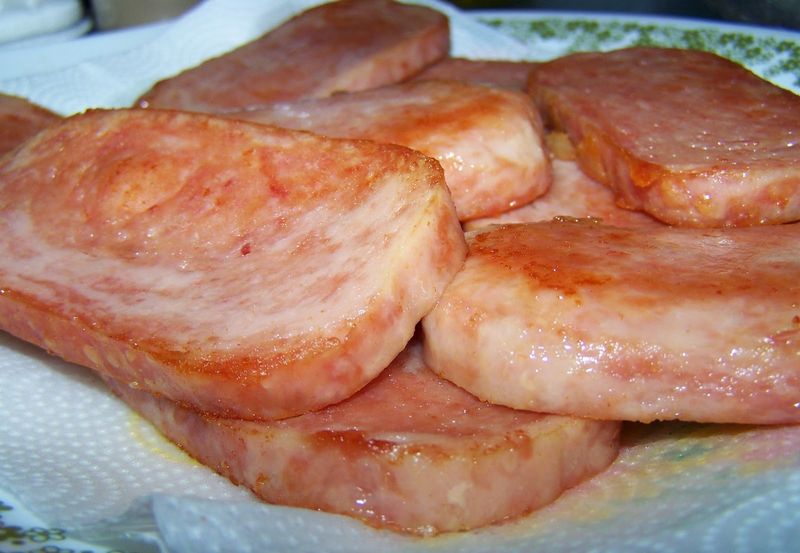
Even when you cook Spam perfectly, there is still residual oil clinging to each slice right after it leaves the pan. Skipping the draining step means that oil seeps back into the meat, making your crispy slices turn soft and overly greasy within minutes.
A simple fix: place each cooked slice on a paper towel for about thirty seconds before serving. It is a small step that makes a noticeable difference in both texture and flavor.
6. Ignoring the High Sodium Content
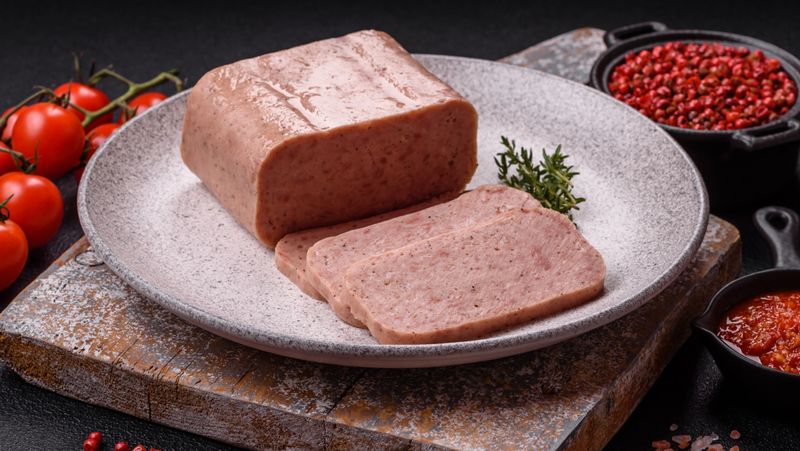
Spam is salty by nature, and forgetting that fact can throw off an entire dish. When you add soy sauce, seasoning blends, or salty broths without adjusting for Spam’s already high sodium level, the final result can be almost too salty to enjoy.
Consider buying the lower-sodium variety, rinsing slices under cold water before cooking, or simply tasting as you go. Balancing Spam’s saltiness with ingredients like lime juice or a splash of vinegar works wonders.
7. Forgetting to Add a Glaze or Seasoning
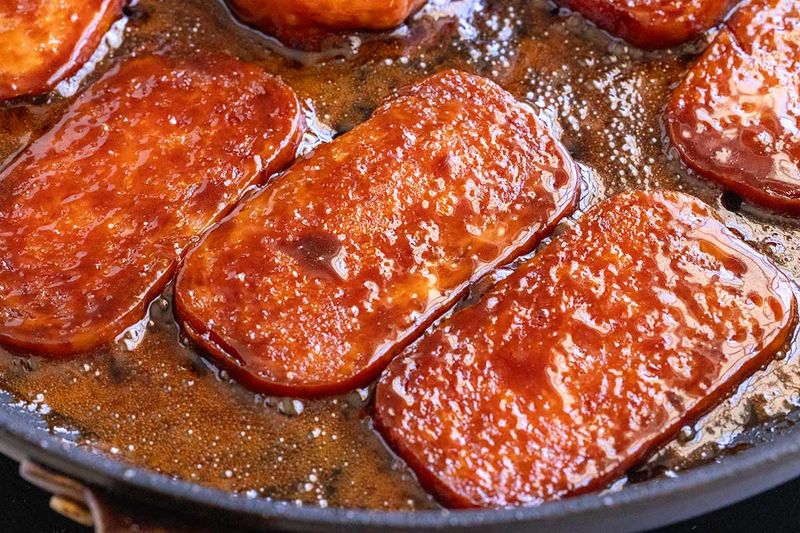
Plain Spam straight from the can has a one-dimensional flavor that leaves a lot of room for improvement. Many home cooks forget that a simple glaze or seasoning blend can completely transform it into something crave-worthy and restaurant-quality.
A classic mix of soy sauce, brown sugar, and a splash of mirin creates a sticky, caramelized coating that is absolutely irresistible. Even a quick rub of garlic powder, smoked paprika, or chili flakes can elevate your Spam game significantly.
8. Only Ever Frying It in a Skillet
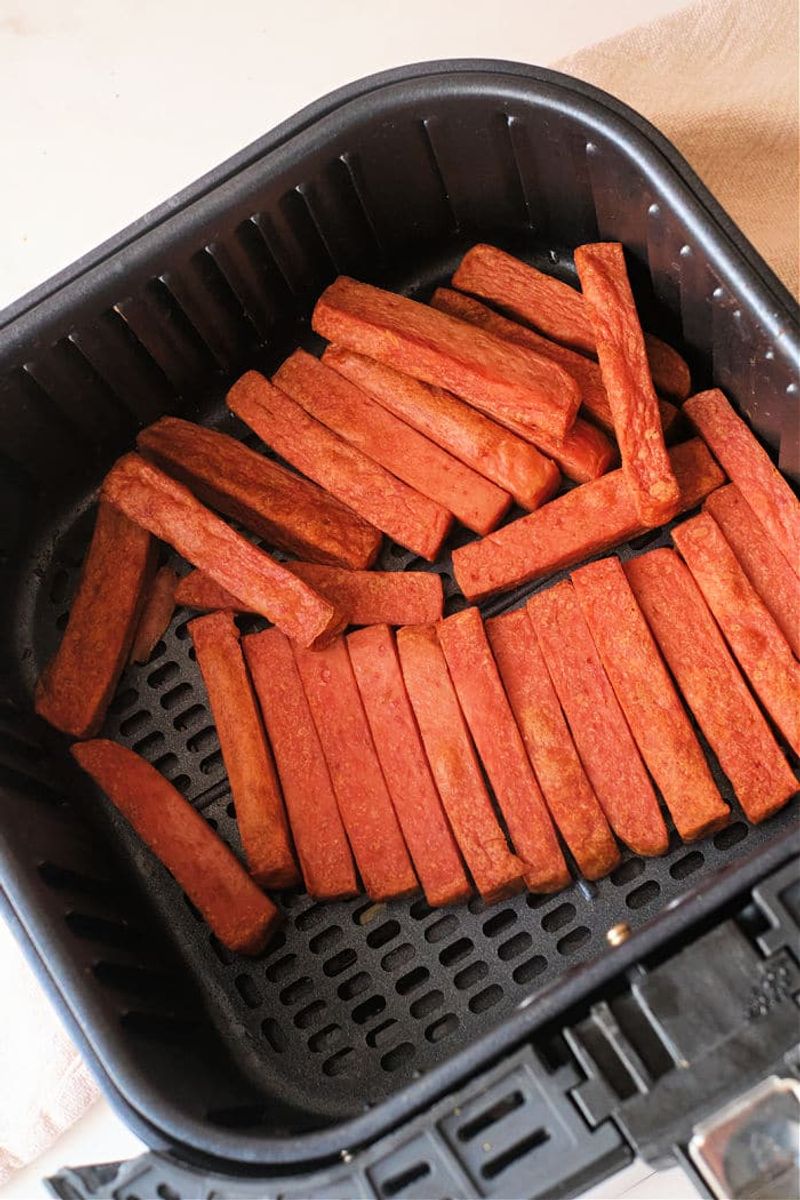
Frying is the go-to method for most people, but limiting yourself to just one cooking technique means missing out on some seriously delicious results. Spam is surprisingly versatile and responds beautifully to grilling, baking, and air frying too.
Air frying at 400 degrees Fahrenheit for about eight to ten minutes produces incredibly crispy slices without any added oil. Grilling adds smoky char marks that pair perfectly with rice dishes.
Branch out and experiment with different methods for exciting new textures.
9. Cooking Spam Straight from the Fridge
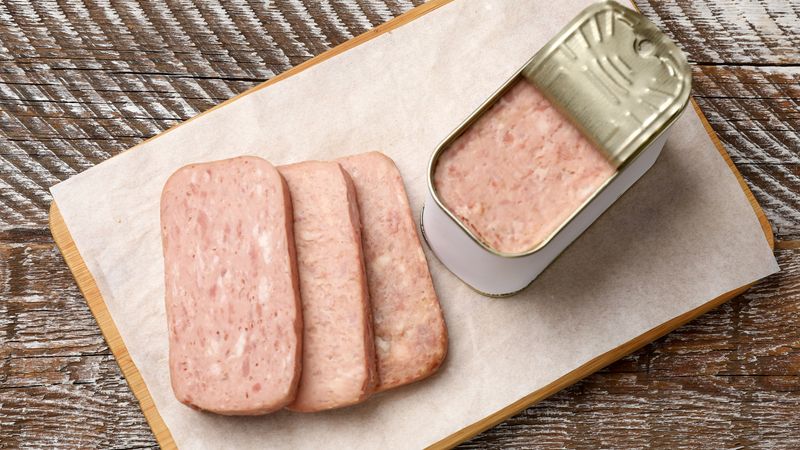
Pulling Spam directly from the refrigerator and tossing it into a hot pan causes an instant temperature drop that disrupts the searing process. Cold Spam lowers the pan’s heat rapidly, which means instead of getting a quick, crisp crust, you end up steaming the surface again.
Letting your Spam sit at room temperature for about ten to fifteen minutes before cooking makes a real difference. It is a tiny habit that leads to noticeably better browning and more even cooking throughout.
10. Not Scoring Thick Cuts Before Cooking
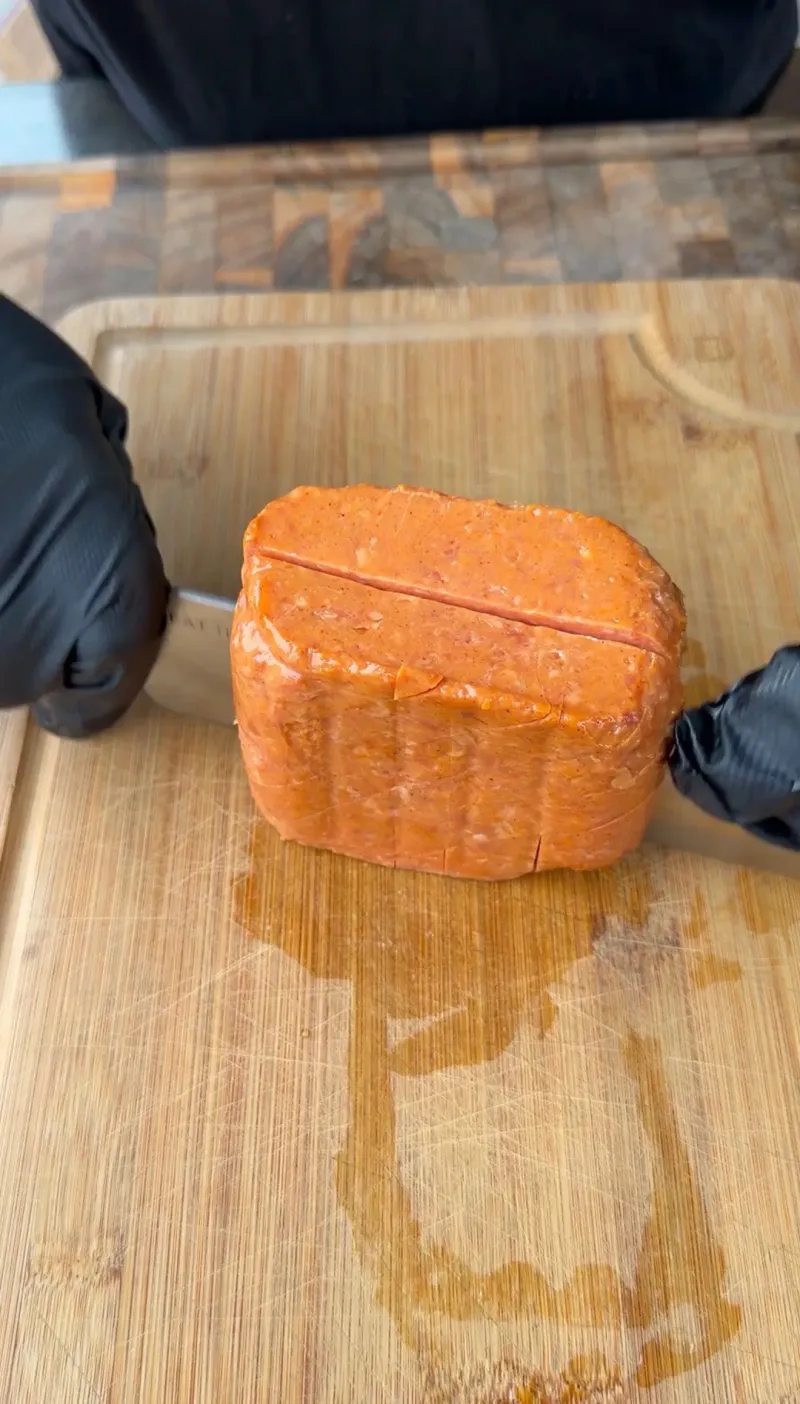
When you cut Spam into thicker pieces, the fat inside does not always render out evenly during cooking. Without scoring, the exterior can look done while the inside remains soft and under-crisped, which is frustrating after all that effort.
Making shallow crosshatch slashes across the surface before cooking solves this completely. Those little cuts allow heat to penetrate deeper and help the fat render properly, giving you a crispier exterior and a more evenly cooked, flavorful slice from edge to edge.