
Netflix has produced some truly incredible shows over the years, but not every series lives up to the hype. Some arrive with massive budgets, star-studded casts, and sky-high expectations, only to crash and burn with critics and viewers alike.
Whether they started strong and lost their way or simply never found their footing, these shows left audiences feeling cheated. Here are 15 Netflix originals that turned out to be a major letdown.
1. Marco Polo
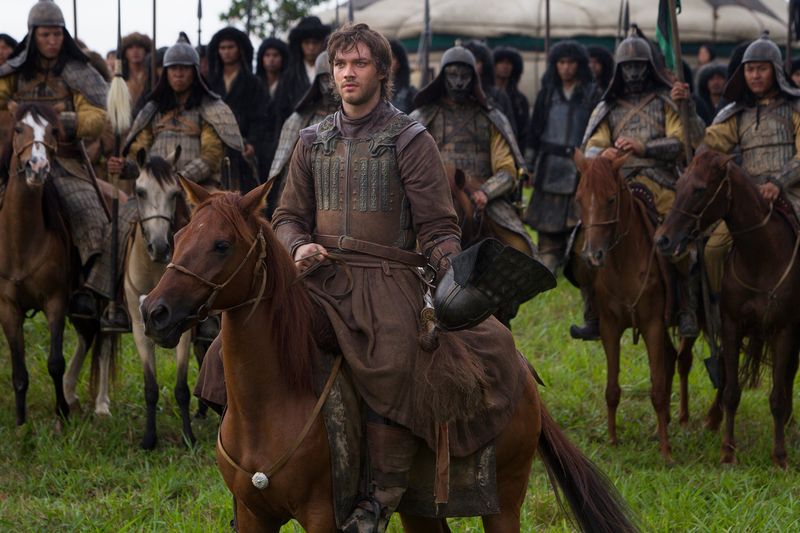
Netflix poured an estimated $90 million into Marco Polo, making it one of the most expensive series the platform had ever produced. The result?
A first season that landed a painful 33% on Rotten Tomatoes.
Critics found the show visually stunning but hollow at its core, with weak storytelling that failed to match its lavish production design. Despite a second season attempt to course-correct, Netflix quietly cancelled it, writing off a massive financial loss.
2. Iron Fist
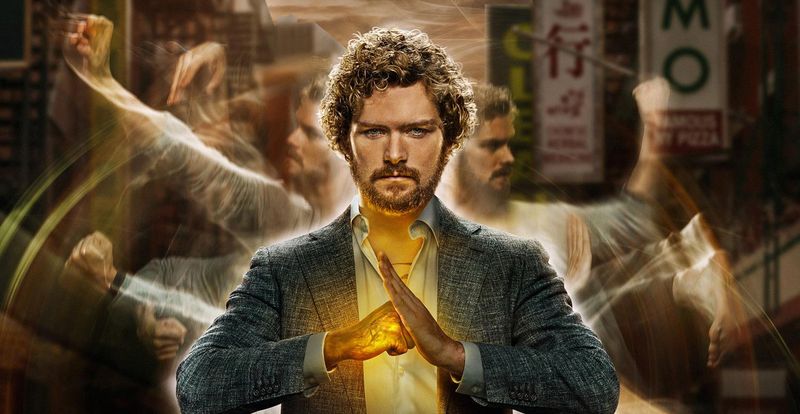
Marvel’s Netflix universe had an incredible run with Daredevil and Jessica Jones, so Iron Fist had every reason to succeed. Instead, it became the weak link nobody wanted to talk about.
Reviewers slammed the slow pacing, unconvincing fight choreography, and a lead performance that felt flat compared to its superhero peers. For a show about the world’s greatest martial artist, the action was surprisingly boring.
Fans had hoped for so much more from Danny Rand.
3. House of Cards (Later Seasons)
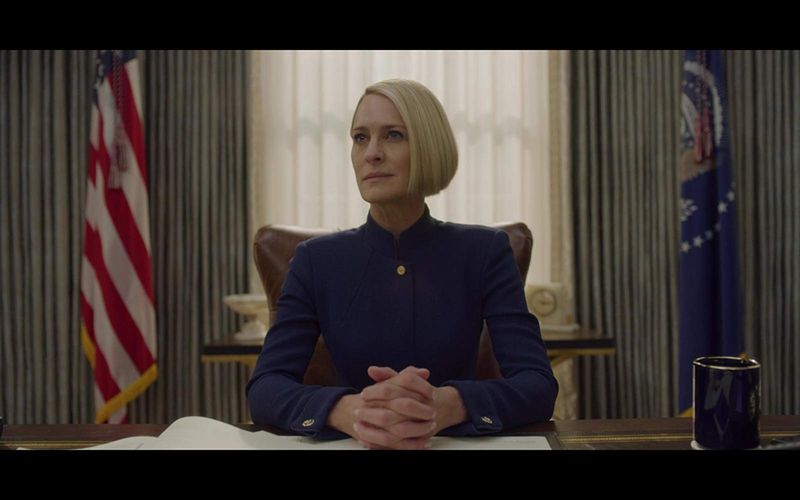
House of Cards started as one of the sharpest political dramas on television. Kevin Spacey’s Frank Underwood was chilling, calculated, and completely addictive to watch.
After Spacey’s real-life controversy forced the show to pivot, the final season tried to carry on without its central pillar. The result felt forced and unsatisfying.
Earlier seasons had also grown bloated and slow, losing the razor-sharp wit that made the show a cultural phenomenon in the first place.
4. Jupiter’s Legacy
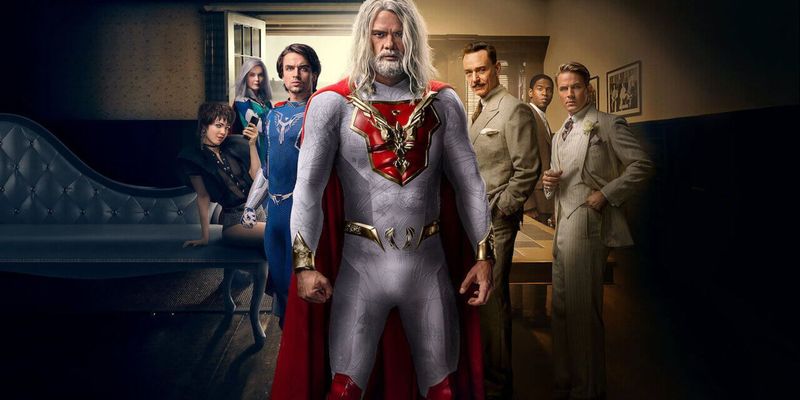
Based on Mark Millar’s beloved comic book series, Jupiter’s Legacy arrived with serious superhero credentials and a promising premise about aging heroes passing the torch to the next generation.
Sadly, the show got tangled in its own ambition. Awkward dialogue, overstuffed storylines, and a frustrating focus on style over emotional depth left viewers cold.
Netflix cancelled it after just one season, despite decent viewership numbers. Comic fans felt the adaptation missed what made the source material so compelling.
5. The Witcher: Blood Origin
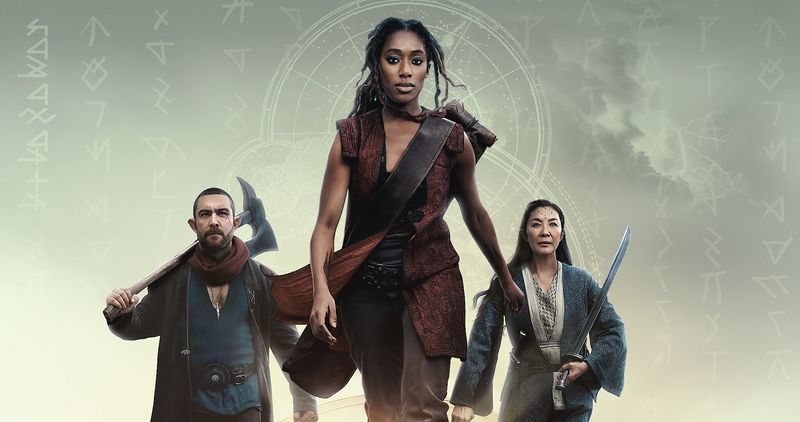
Prequels are always a gamble, and Blood Origin proved just how badly they can go wrong. Set 1,200 years before the events of The Witcher, it promised to explain the origins of the Continent’s monsters and magic.
Most fans and critics found it rushed, shallow, and lacking the complex world-building that made the original show enjoyable. Crammed into just four episodes, the story felt like it needed far more room to breathe.
It stands as one of Netflix’s most criticized spin-offs in recent memory.
6. Resident Evil (2022)
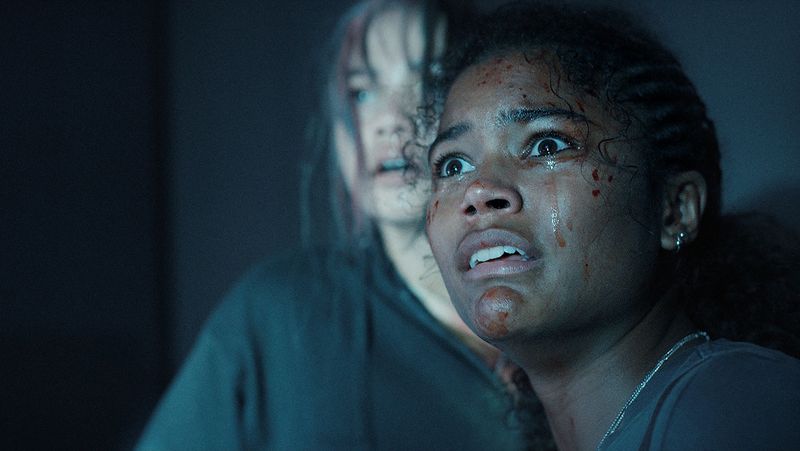
Video game adaptations have a rocky history, and Netflix’s live-action Resident Evil series did nothing to change that reputation. Viewers who grew up with the iconic games were especially frustrated.
Set across two timelines, the show tried to juggle too many ideas at once, resulting in storytelling that felt muddled and unconvincing. Many fans described it as expensive-looking but emotionally empty.
Netflix cancelled the series after just one season, confirming what most viewers had already concluded: this one missed the mark badly.
7. Squid Game Season 2
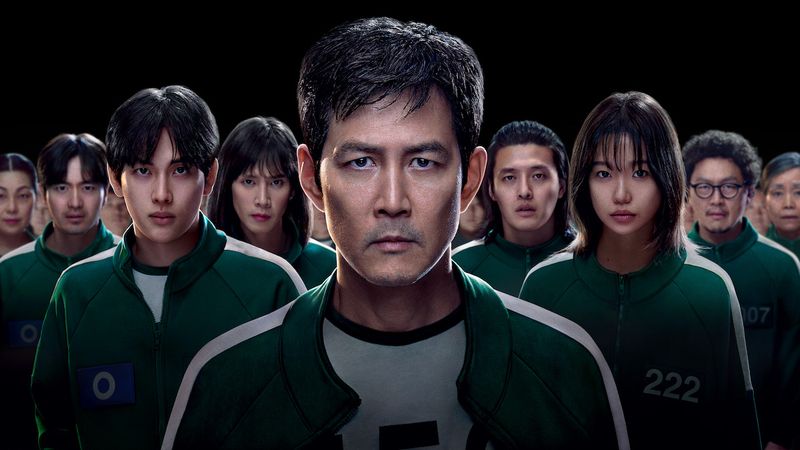
Season one of Squid Game was a global phenomenon that nobody saw coming. It broke records, sparked endless conversations, and made the whole world obsessed with Korean drama overnight.
Season two had nearly impossible shoes to fill, and for many fans, it stumbled trying. Reddit users described it as “completely terrible,” citing a slower pace and less emotional payoff compared to the original.
While still widely watched, the second season left a large portion of the fanbase feeling deflated and underwhelmed by the continuation.
8. 13 Reasons Why (Later Seasons)
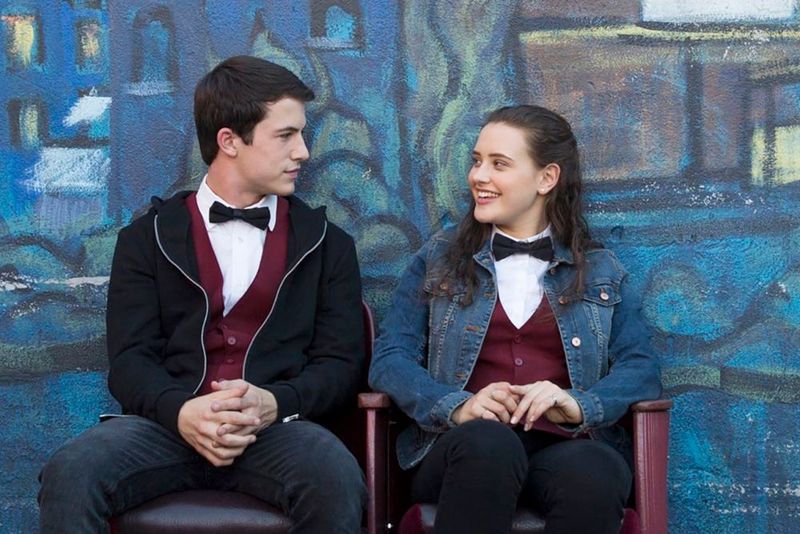
When 13 Reasons Why first premiered, it sparked a national conversation about teen mental health, bullying, and suicide. The first season was bold, uncomfortable, and impossible to ignore.
Unfortunately, the show kept going long after its natural ending point. Later seasons introduced increasingly dramatic and far-fetched storylines that felt disconnected from the raw emotion of the original.
Mental health experts also raised concerns about irresponsible depictions of sensitive topics. By the final season, the show had strayed far from its original purpose and emotional honesty.
9. Space Force
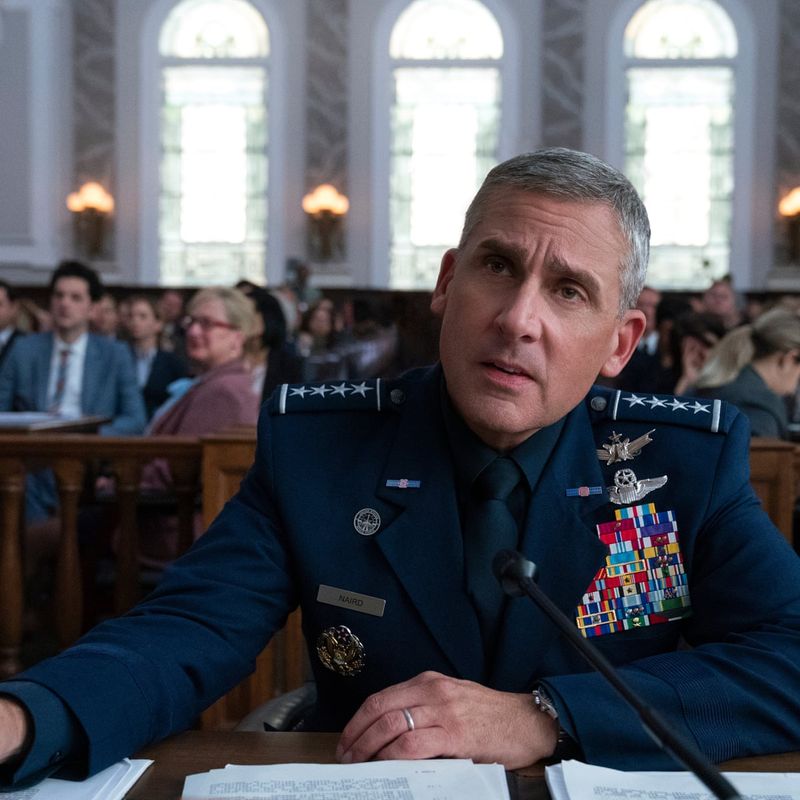
With Steve Carell attached and a concept ripe for sharp political satire, Space Force looked like a guaranteed hit on paper. The real-world creation of the U.S.
Space Force gave the show a perfectly timed premise.
Critics and audiences found the execution disappointingly bland. Rather than skewering its subject with wit, the show felt cautious and oddly toothless.
A second season attempted improvements, but viewership had already dropped off significantly. For a comedy with this much talent involved, Space Force never truly launched the way fans had hoped.
10. Gypsy
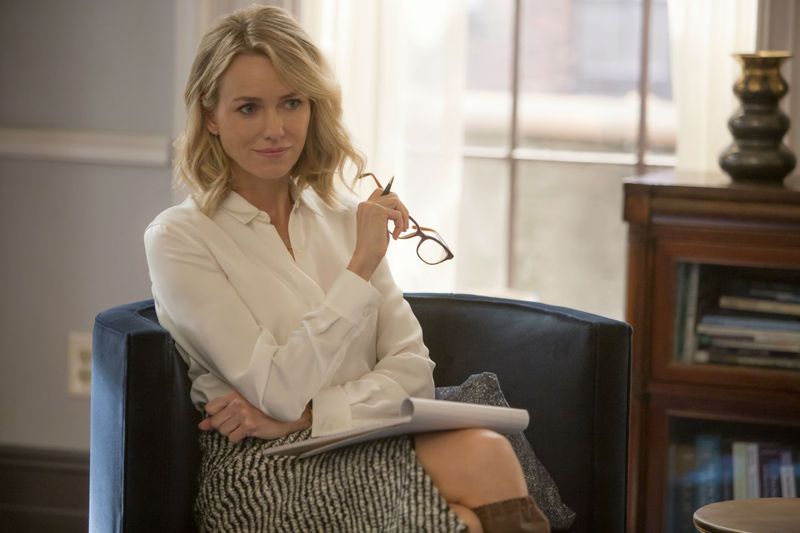
Naomi Watts starring in a psychological thriller about a therapist crossing dangerous personal boundaries sounds like a recipe for gripping television. Gypsy had all the ingredients for a stylish, unsettling drama.
Critics were not impressed. Words like “boring,” “flat,” and “flavourless hodgepodge” showed up repeatedly in reviews.
The slow burn never paid off, and the supposed tension felt manufactured rather than genuinely unnerving. Netflix cancelled Gypsy after one season, and it quickly faded from memory despite its glamorous surface appeal.
11. Friends From College

A stacked cast of talented comedic actors reuniting as old college friends navigating messy adult lives – that pitch practically writes itself. Friends From College had genuine potential for warm, relatable humor.
Instead, critics found the characters mostly unlikable and the storylines too generic to stand out in a crowded comedy landscape. Despite the impressive roster of performers, the writing let everyone down.
A second season aired, but audience enthusiasm was minimal. The show never figured out how to make its characters feel worth rooting for.
12. The Get Down
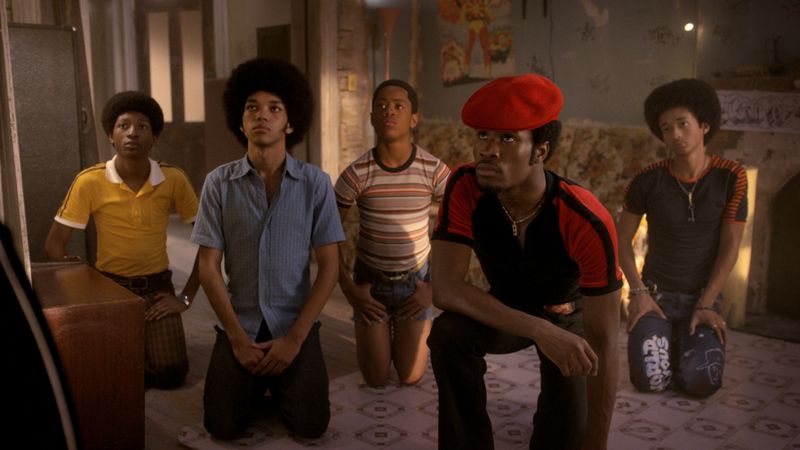
Baz Luhrmann bringing the birth of hip-hop to life on Netflix sounded like a dream project. The Get Down had stunning visuals, incredible music, and a fascinating slice of New York City history to draw from.
However, the reported $120 million budget became a talking point for all the wrong reasons. Audiences did not tune in at the numbers Netflix needed, and the show was cancelled after just 11 episodes.
Critics admired its ambition but admitted the storytelling could not consistently match its spectacular production design.
13. Blockbuster

Few names carry more nostalgic weight than Blockbuster, and Netflix – of all companies – making a sitcom about the last surviving store seemed like inspired, self-aware comedy gold.
The execution, however, was painfully generic. Critics pointed out that the show barely used its incredible premise to its advantage, delivering instead a forgettable workplace sitcom that could have been set anywhere.
It currently ranks among Netflix’s lowest-rated originals. The concept deserved far sharper writing than what audiences actually received on screen.
14. Disjointed
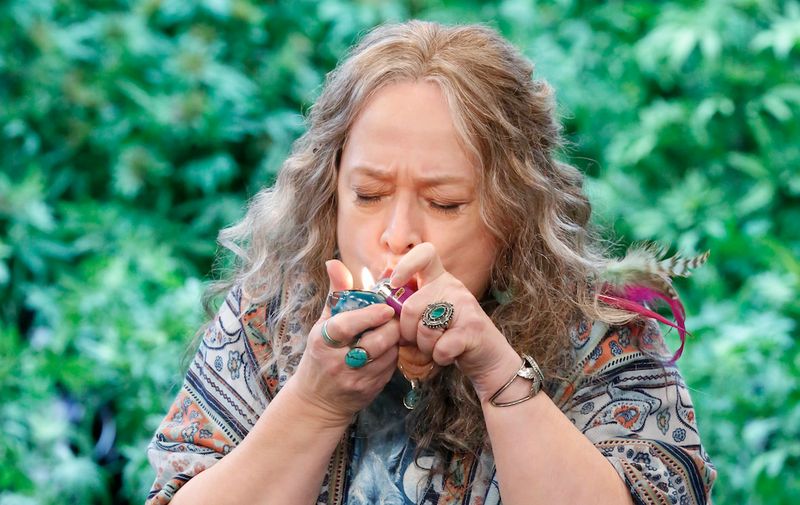
Kathy Bates is one of the most talented actresses working in Hollywood, which made Disjointed feel like such a strange misfire. The show centered on a marijuana dispensary and leaned hard into the growing cultural fascination with cannabis legalization.
Critics were almost universally unkind, calling it a committee-built cash grab rather than genuine comedy. The laugh track felt outdated and the jokes rarely landed.
Netflix cancelled it after one season. Bates deserved far better material than this oddly lifeless workplace comedy managed to provide.
15. FUBAR
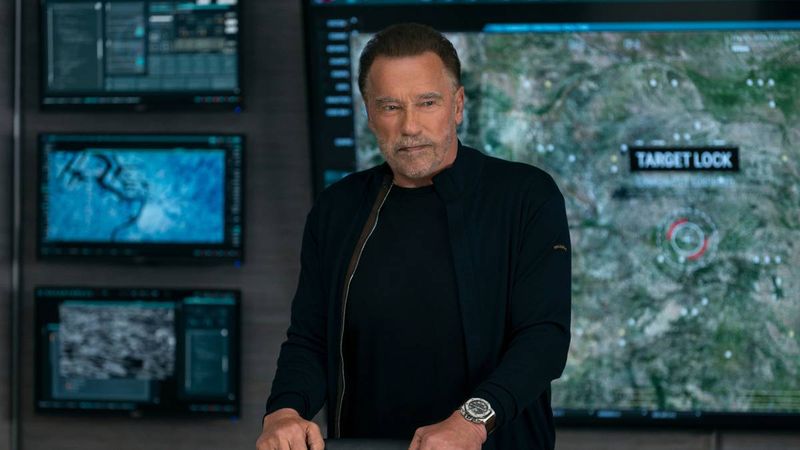
Arnold Schwarzenegger returning to action-comedy television was a genuinely exciting prospect. FUBAR premiered with strong numbers and seemed poised to become a reliable crowd-pleaser for fans of old-school action entertainment.
Season two told a very different story. Viewership dropped by a staggering 76% compared to the first season, and Netflix swiftly cancelled the show.
Critics suggested the novelty wore off quickly, and the writing could not sustain audience interest beyond the initial curiosity factor of seeing Schwarzenegger back in familiar territory.