
Some of the tastiest foods on Earth come with a side of drama. Countries have argued for years, sometimes centuries, about who cooked a famous dish first.
These fights are about more than bragging rights, because food is tied to pride, history, and family memories. Grab a snack and get ready to pick a side in some of the world’s most delicious debates.
1. Baklava
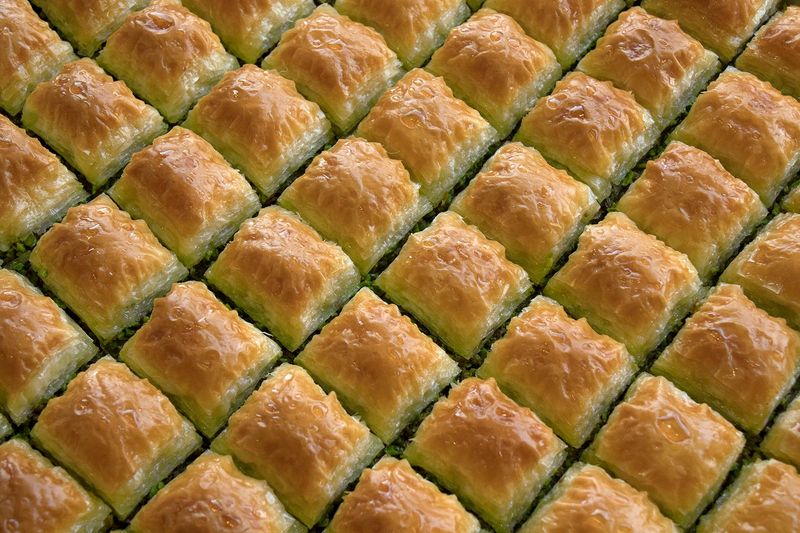
Flaky, sticky, and dripping with syrup, baklava has sparked a sweet rivalry between Turkey and Greece. Both nations serve it proudly at holidays and family gatherings.
Turkey points to the kitchens of Ottoman palaces, where chefs layered thin dough with nuts. Greece argues that ancient Byzantine bakers made something similar much earlier.
Here is a fun tip: Turkish versions often use pistachios, while Greek ones lean on walnuts and cinnamon. Try both and judge for yourself!
2. Hummus
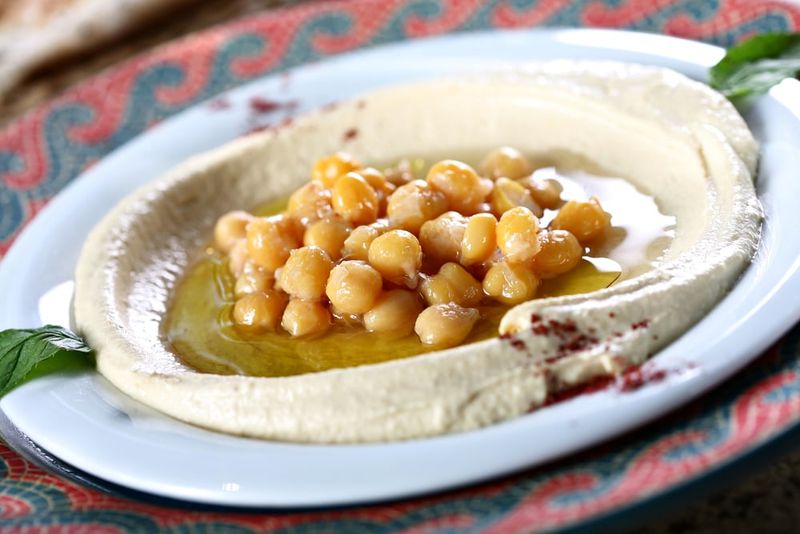
In 2008, Lebanon got so serious about hummus that it tried to claim the dip legally. Soon after, Lebanese and Israeli chefs competed to make the world’s biggest bowl.
Chickpeas have been eaten in the Middle East for thousands of years, so pinning down one inventor is nearly impossible. Many countries in the region have their own style.
Want a smoother batch at home? Peel your cooked chickpeas before blending.
It really works!
3. Pavlova
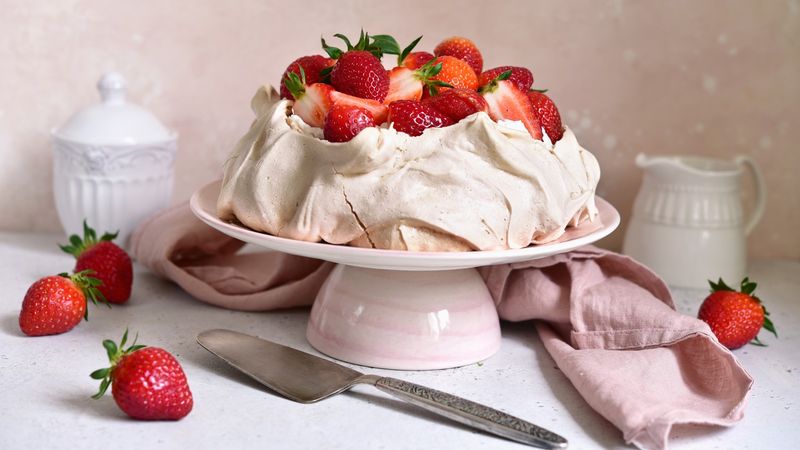
Named after a famous Russian ballerina, this fluffy meringue dessert has Australia and New Zealand squabbling like siblings.
Anna Pavlova toured both countries in the 1920s, and each nation insists its baker created the treat in her honor. Researchers have found early recipes in New Zealand cookbooks, but Australians are not giving up.
Crispy outside, marshmallowy inside, and piled with fruit, it tastes amazing no matter who gets the credit.
4. French Fries
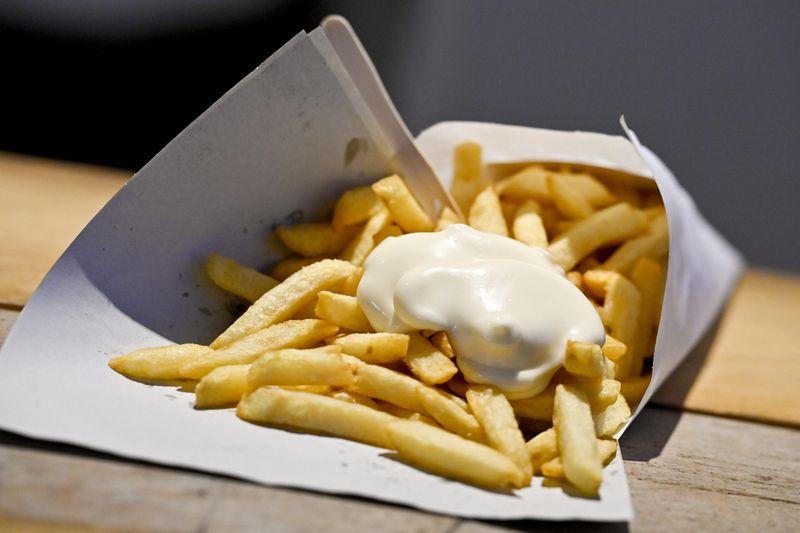
Ask a Belgian about French fries and you might get a lecture. Belgium claims villagers fried potato strips back in the 1600s when rivers froze and fish were scarce.
France says Paris street vendors sold them first. One theory suggests American soldiers in World War I called them French because Belgians spoke French.
Belgians even fry theirs twice for extra crunch. Try that trick at home, and dip them in mayo like locals do.
5. Pizza
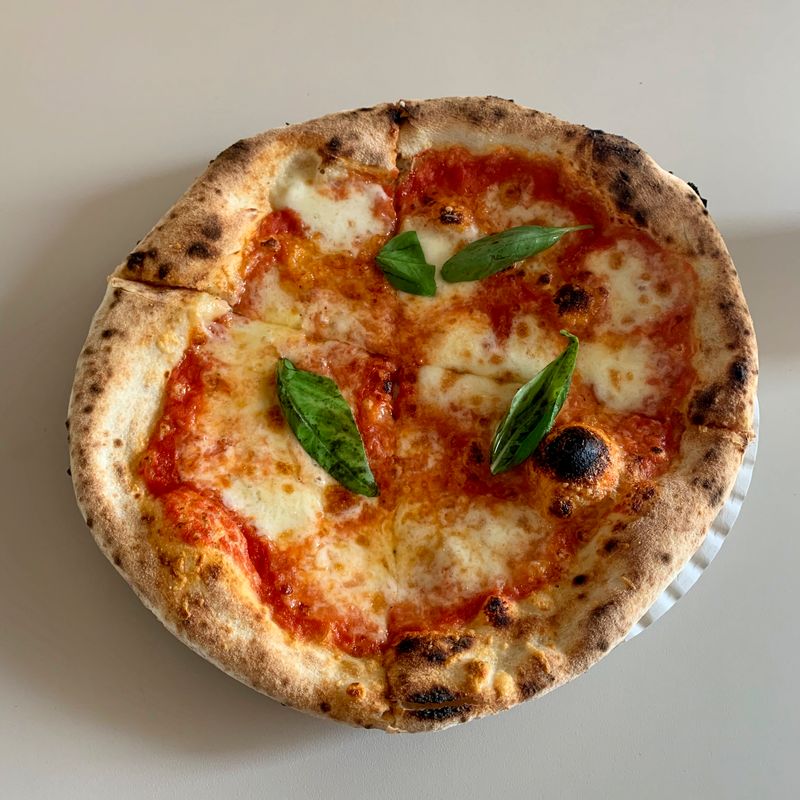
Flatbreads with toppings existed in ancient Greece, Egypt, and Rome, so who really made the first pizza?
Most people credit Naples, Italy, where the margherita was supposedly created in 1889 for Queen Margherita. Its colors match the Italian flag.
Still, Greeks like to remind everyone about their early topped breads.
Then America added deep dish, pineapple, and stuffed crust, starting brand new arguments. Pizza clearly loves a good fight, and so do pizza fans.
6. Dumplings
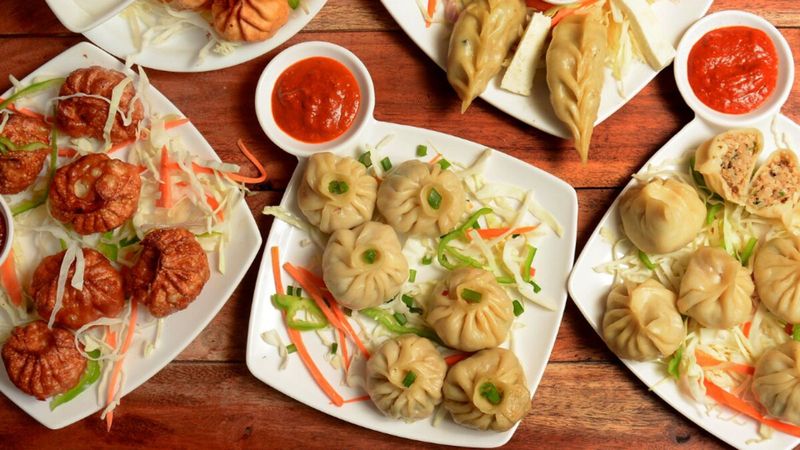
Picture a little pocket of dough wrapped around something tasty. Almost every culture has one, from Chinese jiaozi to Polish pierogi to Nepali momos.
China has the oldest evidence, including dumplings found in a tomb over 1,000 years old. Yet Central Asian and Eastern European cooks proudly claim their versions grew on their own.
Maybe everyone just had the same brilliant idea. Folding dumplings with friends makes a fun weekend kitchen project, too.
7. Croissant
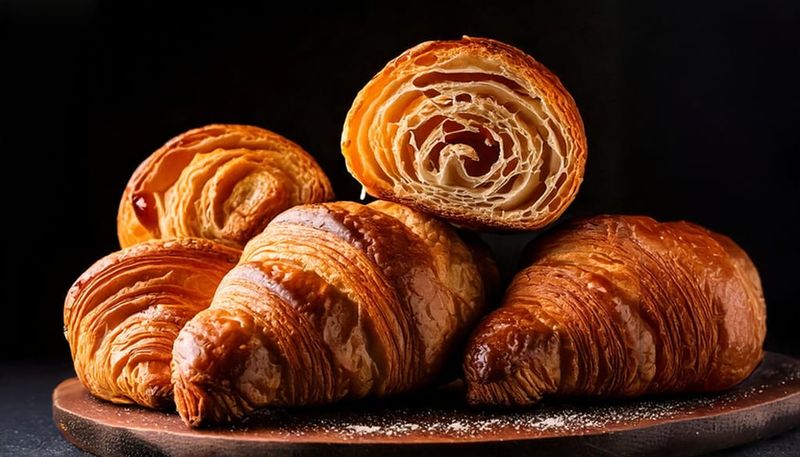
Paris cafes made it famous, but Austria wants some credit. Vienna had a crescent-shaped bread called the kipferl long before croissants appeared in France.
Around 1838, an Austrian baker opened a shop in Paris and sold Viennese treats. French bakers later added the flaky, buttery layers we love today.
So who wins? Austria gave the shape, and France perfected the texture.
Sometimes the best foods come from teamwork, even between rival countries.
8. Ceviche
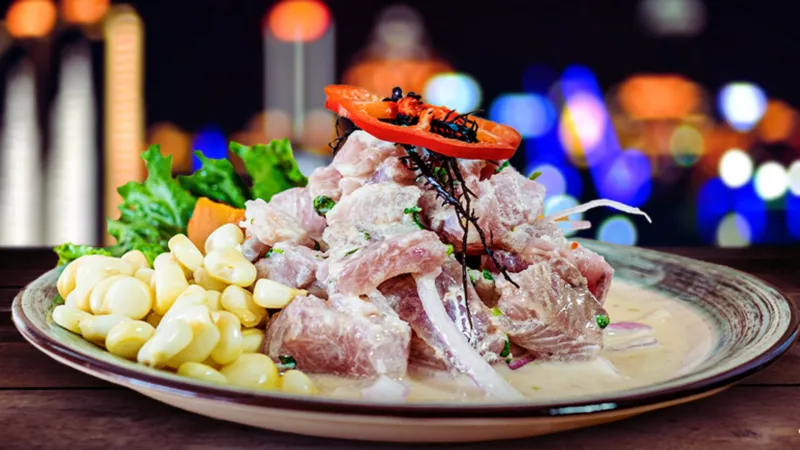
Fish cooked without fire? Lime juice does the work, turning raw seafood firm and tangy.
Peru calls ceviche its national dish and even celebrates it with a special holiday every June. Ecuador, Mexico, and Chile all serve their own popular versions, and each one says its recipe is the real deal.
Only use super fresh fish from a trusted seller if you try making it. Your stomach will thank you later!
9. Borscht
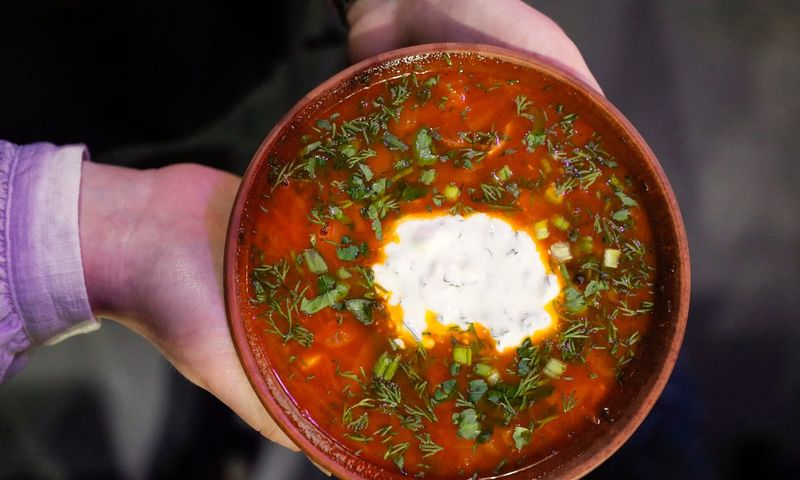
A bright red soup became a big cultural deal in 2022. UNESCO officially recognized Ukrainian borscht cooking as heritage needing protection.
Russia, Poland, and Lithuania also serve beet soup and consider it part of their traditions. Ukrainians point out that the earliest records of borscht come from their lands.
Every grandma makes it differently, with beans, mushrooms, or meat. A spoonful of sour cream on top is almost a rule everywhere.
10. Hamburger
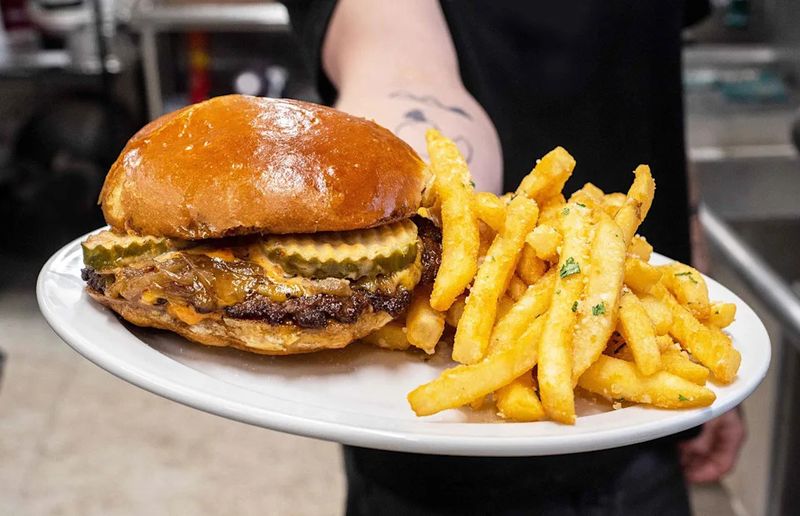
At least four American towns swear they served the first hamburger. Connecticut, Texas, Wisconsin, and Ohio all have stories and even plaques.
Germany joins the debate because the name comes from Hamburg, where people ate seasoned ground beef steaks. Those sailors and immigrants brought the idea to America.
Putting the patty between bread seems to be the American twist. Today, burgers are eaten on nearly every continent, often with surprising local toppings.
11. Kimchi
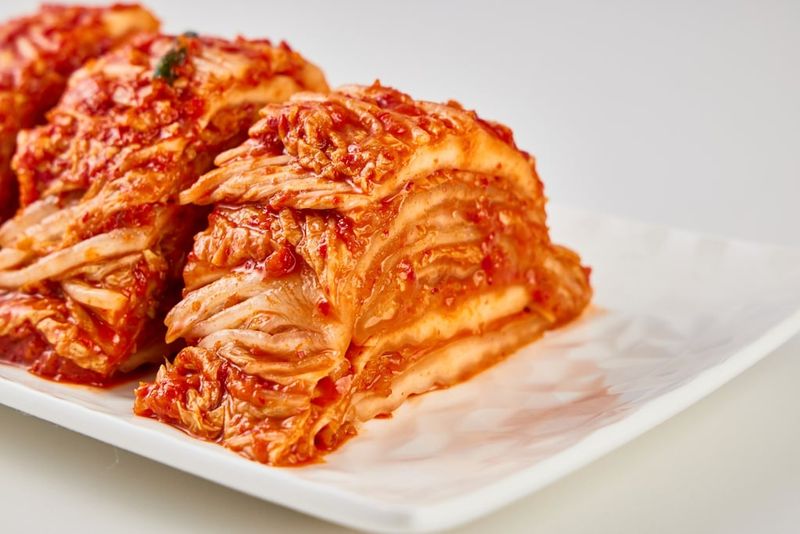
Spicy, sour, and crunchy, kimchi is a point of serious pride for South Korea.
Trouble started in 2020 when China received an international standard for pao cai, its pickled vegetables, and some reports called it kimchi. Koreans were upset, saying the two foods are totally different.
Korean families still gather each fall for kimjang, a big kimchi-making day. Fun fact: kimchi is full of healthy bacteria that help digestion.
12. Dolma
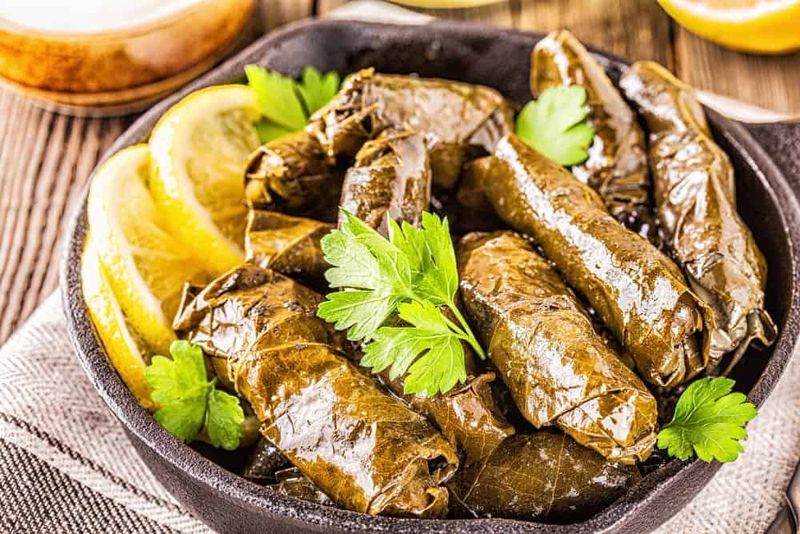
Rolling rice and meat inside grape leaves takes patience, and so does settling this argument.
Azerbaijan earned UNESCO recognition for its dolma tradition in 2017, which annoyed neighboring Armenia. Turkey, Greece, and Iran also serve stuffed leaves and vegetables with their own names.
The word dolma comes from Turkish, meaning stuffed. Whoever started it, these bite-sized rolls are perfect for parties because you can make a big batch ahead of time.
13. Pisco Sour Snacks Aside, Chicken Tikka Masala
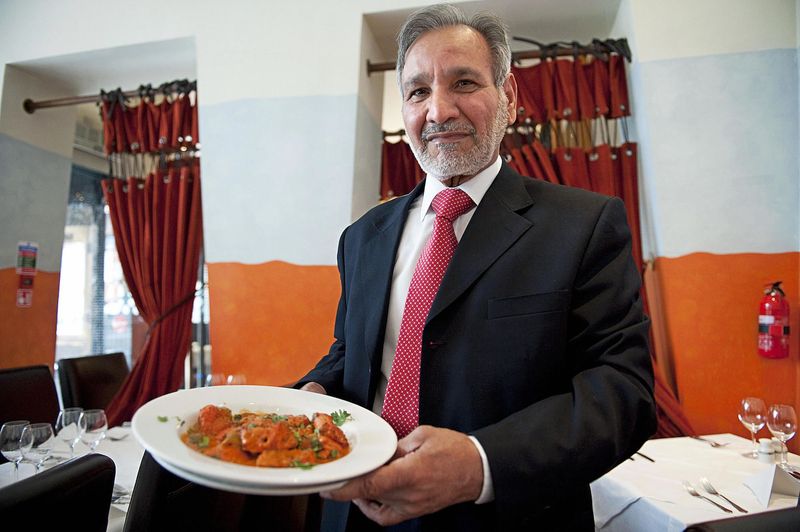
Here is a twist: one of Britain’s favorite dinners might have been invented in Scotland.
A Glasgow chef named Ali Ahmed Aslam claimed he created chicken tikka masala in the 1970s by adding tomato soup to a curry. Many Indian cooks disagree, saying butter chicken from Delhi came first and inspired it.
Either way, the dish shows how food changes when people move. It blends two cultures into one creamy, comforting plate.
14. Lamington
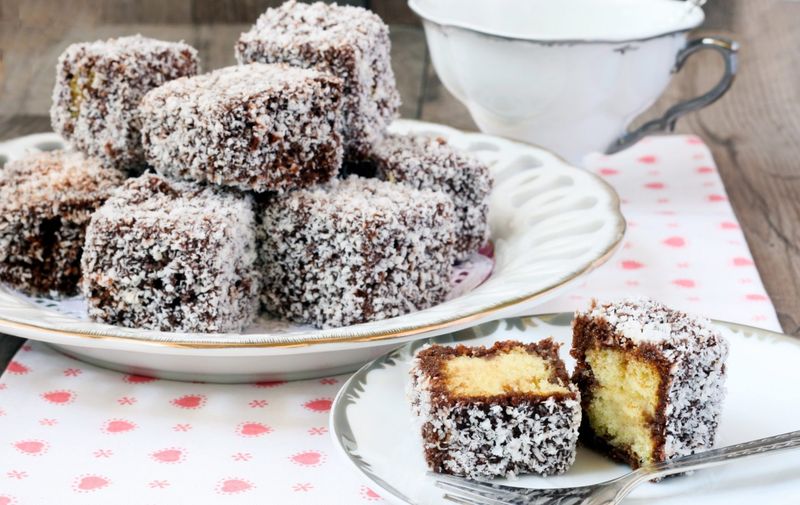
Chocolate, coconut, and fluffy sponge cake make the lamington an Aussie classic. Most stories say it was named after Lord Lamington, a governor of Queensland around 1900.
Then in 2014, a New Zealand university joked, or maybe seriously claimed, that it began as the Wellington cake. Australians were not amused.
Try dipping cubes of plain cake into chocolate sauce and rolling them in coconut. It is messy, sticky fun for any birthday party.
15. Ice Cream

Long before freezers, people found clever ways to chill sweet treats. Ancient China mixed milk and rice packed in snow, while Persians enjoyed a cold dessert called faloodeh.
Italy gets credit for modern gelato, and France helped make it fancy. Some legends even say Marco Polo carried the idea from China, though historians doubt it.
So the true inventor stays frozen in mystery. Honestly, most of us are just happy to grab a cone.
16. Tempura
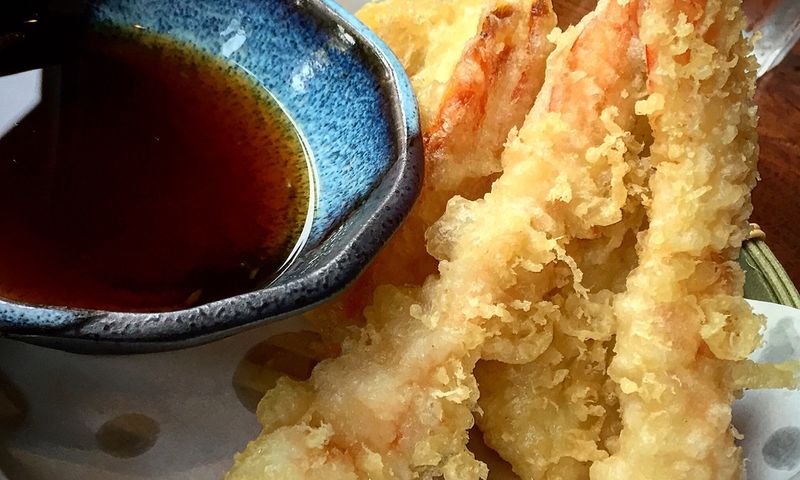
Japan’s crispy fried shrimp may have a surprising Portuguese grandparent.
Portuguese missionaries arrived in Japan during the 1500s and ate fried green beans during religious fasting periods called tempora. Japanese cooks adapted the idea with a lighter batter and local ingredients.
Portugal still makes peixinhos da horta, or little fish of the garden, which look a lot like tempura. Want an airy batter?
Use ice-cold water and mix gently.
17. Jollof Rice
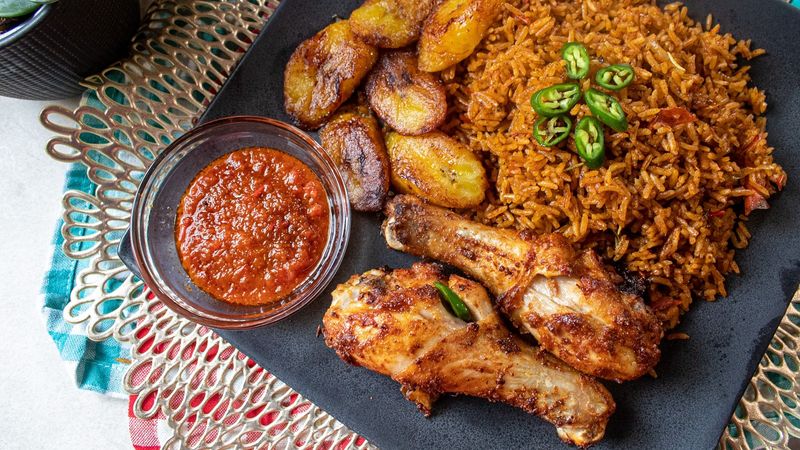
Online jollof wars are legendary! Nigeria and Ghana trade playful insults about who makes the best tomato-rich rice.
Neither one actually invented it, though. Historians trace the dish to the Wolof people of Senegal, where a meal called thieboudienne came first.
Nigerians love a smoky party-style jollof, while Ghanaians often use fragrant basmati rice. Liberia and Sierra Leone have versions too.
Everyone agrees it belongs at every celebration.
18. Fortune Cookies
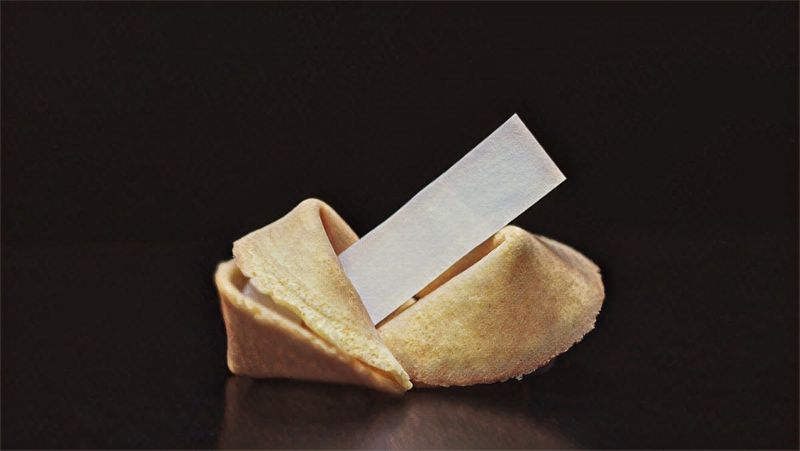
You crack one open after Chinese takeout, yet these cookies are barely known in China.
Japanese immigrants in California likely baked them first, based on crackers from Kyoto. In 1983, San Francisco even held a mock trial between that city and Los Angeles to decide the inventor.
San Francisco won.
Chinese restaurants made the cookies popular during the 1940s. Next time you read your fortune, remember its tangled backstory!
19. Feta Cheese
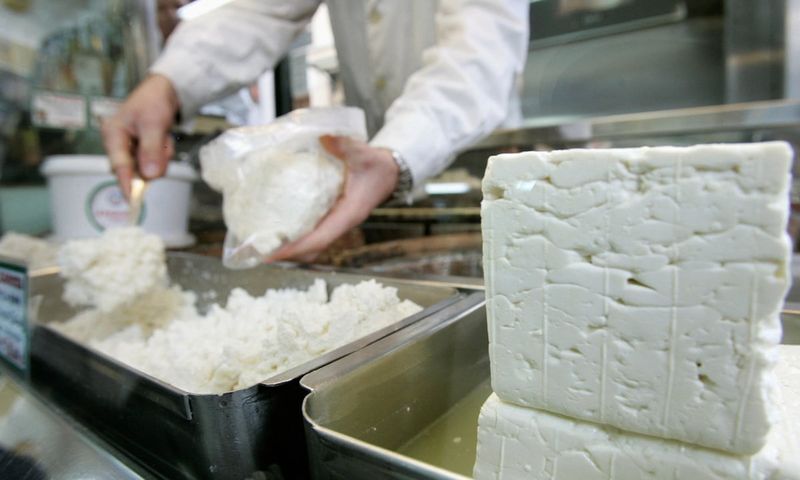
Salty and crumbly, feta became the center of a long courtroom battle in Europe.
Greece argued that only cheese made in certain Greek regions from sheep and goat milk could use the name. Denmark and Germany had been selling their own feta for years.
In 2005, the European Court sided with Greece.
Shopping tip: look for protected Greek labels if you want the real thing. It tastes amazing crumbled over salads.