
What we eat is always changing, and the next few years look extra exciting. New flavors, smarter farming, and fresh ideas about health are shaping what shows up on our plates.
Knowing what is coming can help you shop smarter, cook better, and maybe even try something new before your friends do. Here is a look at the tastes and habits likely to fill kitchens and menus soon.
1. Mushrooms Everywhere
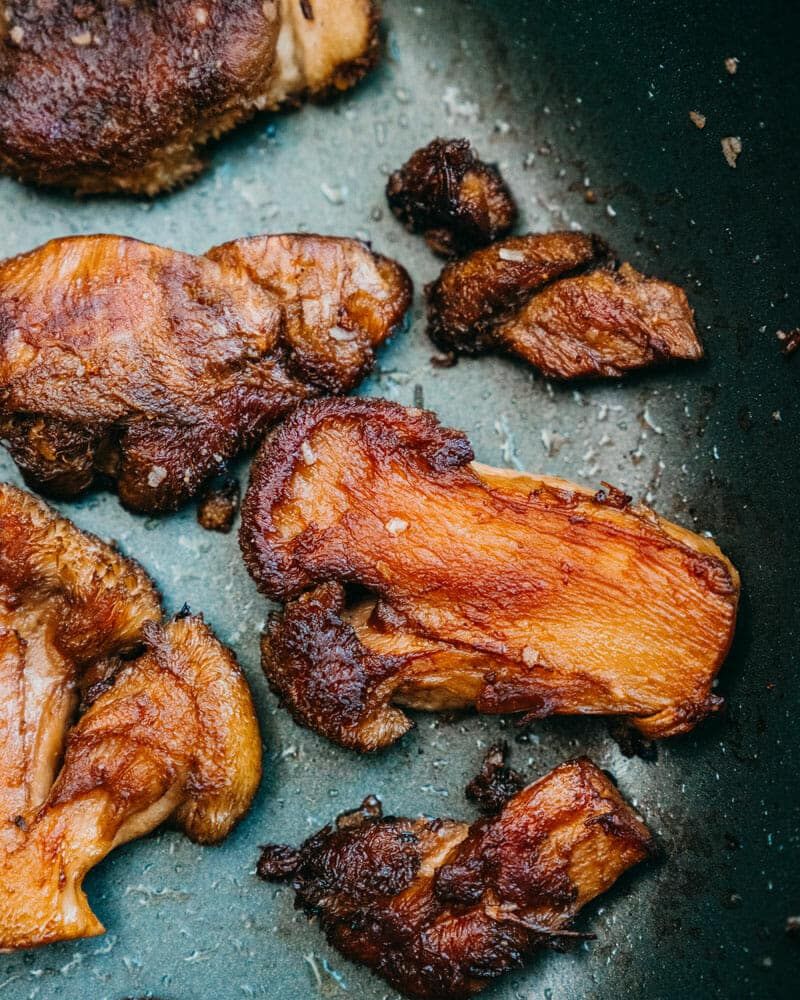
Picture a burger made from lion’s mane mushrooms that tastes almost like crab. Chefs are falling hard for fungi, and home cooks are catching on fast.
Mushrooms grow quickly, need little space, and pack a meaty, savory flavor called umami. You will see them in coffee blends, jerky, and even chocolate bars.
Want to try the trend? Slice oyster mushrooms thin, pan-fry them until crispy, and toss them on tacos.
2. Climate-Friendly Grains

Ever heard of kernza? It is a grain whose roots grow up to ten feet deep, which helps protect soil and saves water.
Farmers and bakers are turning to tough crops like sorghum, millet, and fonio that handle heat and drought well. They also bring nutty, earthy flavors to bread and cereal.
Look for these grains in pasta, crackers, and pancake mixes. Swapping just one meal a week makes a difference.
3. Swicy Flavors Heat Up
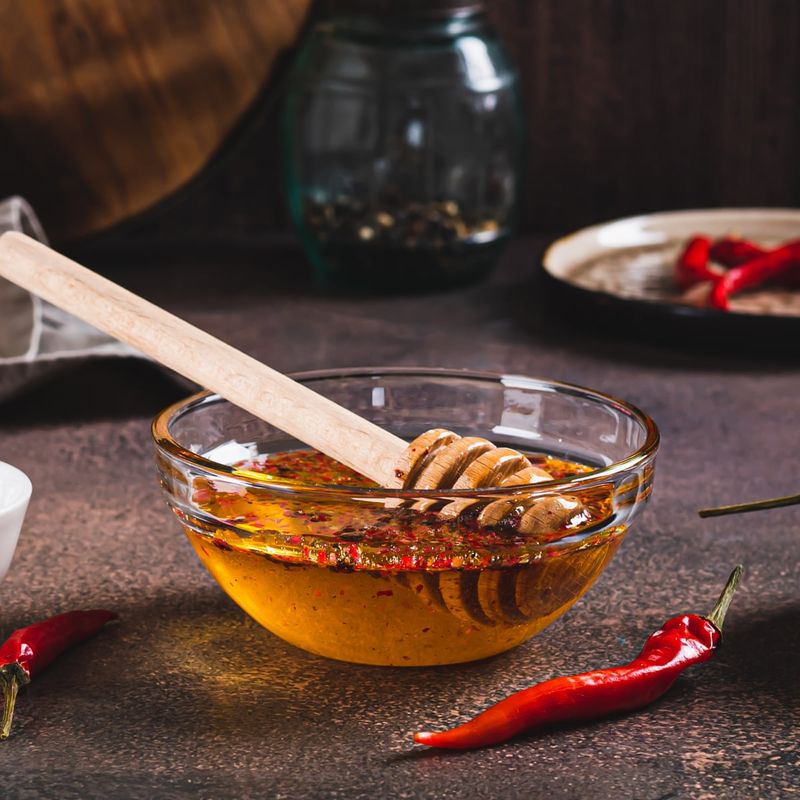
Sweet plus spicy equals swicy, and people cannot get enough. Think hot honey on pizza, chili mango candy, or spicy maple glaze on wings.
The combo works because sugar calms the burn while heat keeps sweetness from feeling boring. Your taste buds stay curious with every bite.
Easy home hack: mix honey with a pinch of chili flakes and warm it gently. Drizzle it over popcorn, toast, or roasted carrots.
4. Gut Health Goes Mainstream
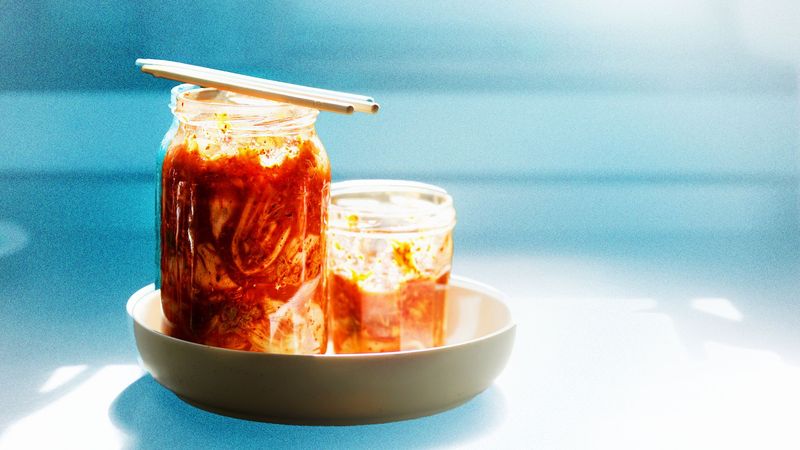
Your belly holds trillions of tiny helpers called microbes. Scientists keep finding links between a happy gut and better mood, sleep, and energy.
That is why fermented foods like kimchi, kefir, miso, and sauerkraut are showing up in more fridges. Fiber-rich beans and oats feed those good bacteria too.
Start small with a spoonful of sauerkraut on a sandwich. Your digestion might thank you within a couple of weeks.
5. Upcycled Snacks
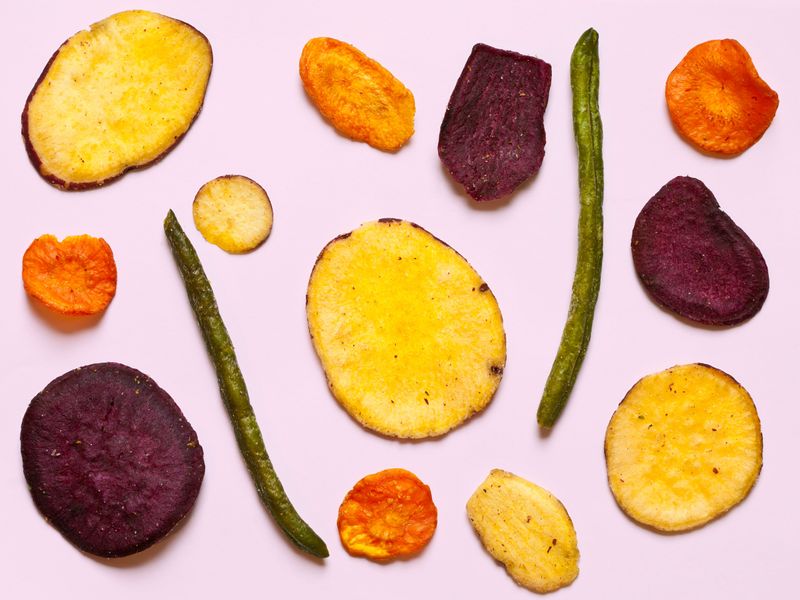
Grandma never threw anything away, and food companies are finally following her lead. Upcycled snacks use leftovers that once went to waste.
Brewers’ spent grain becomes crackers. Juice pulp turns into chips.
Banana peels even show up in baking flour. About one third of all food gets wasted worldwide, so these clever ideas really matter.
Check labels for an Upcycled Certified seal next time you shop.
6. Seaweed on Every Plate
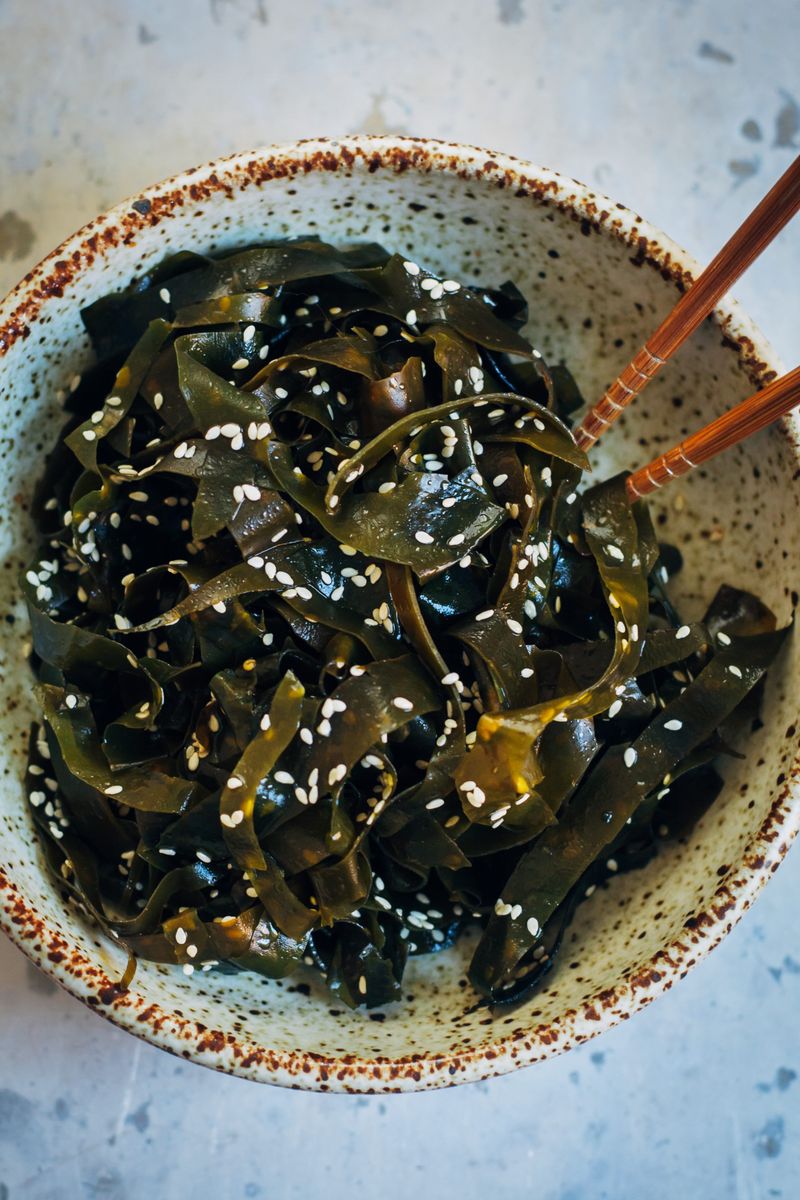
Here is a wild fact: kelp can grow nearly two feet in a single day. No fertilizer, no fresh water, no farmland needed.
Ocean farmers are growing it to make noodles, burgers, seasonings, and salty snacks. Seaweed is loaded with iodine, minerals, and a briny flavor that tastes like a beach breeze.
Crumble roasted nori over rice or popcorn for a quick salty boost without much extra sodium.
7. AI in the Kitchen
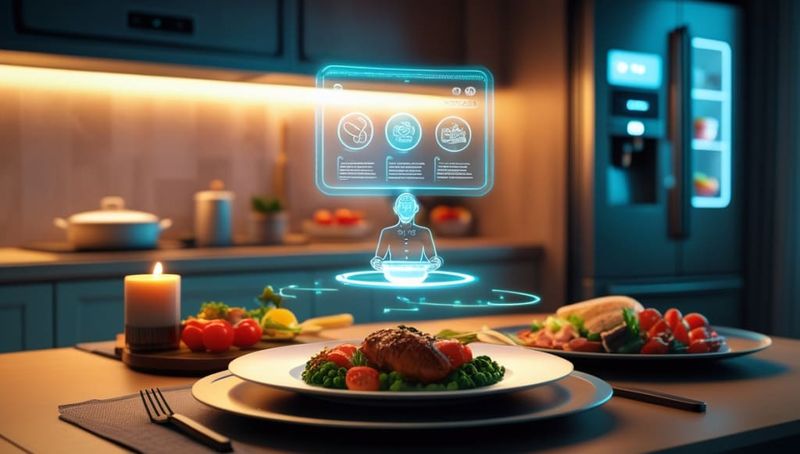
Imagine your fridge noticing the spinach is wilting and suggesting a smoothie recipe before it spoils. That future is closer than you think.
Smart apps can now plan meals from what you already own, build grocery lists, and adjust recipes for allergies. Some ovens even recognize food and set cooking times on their own.
Try a free meal-planning app this week. It may save money and cut food waste.
8. West African Flavors Rise
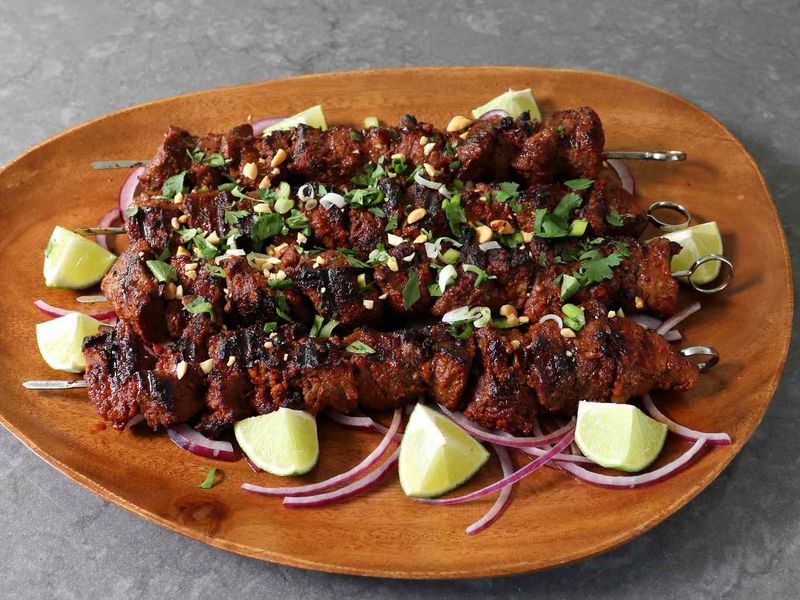
Jollof rice debates get heated between Nigeria and Ghana, and now the rest of the world wants a taste.
Bold spices like suya seasoning, grains of paradise, and berbere-style blends are hitting grocery aisles. Restaurants are serving egusi soup, fried plantains, and peanut stews to curious diners.
A smart first step is buying a jar of suya spice. Rub it on chicken or roasted veggies for smoky, nutty heat.
9. Protein Gets Creative
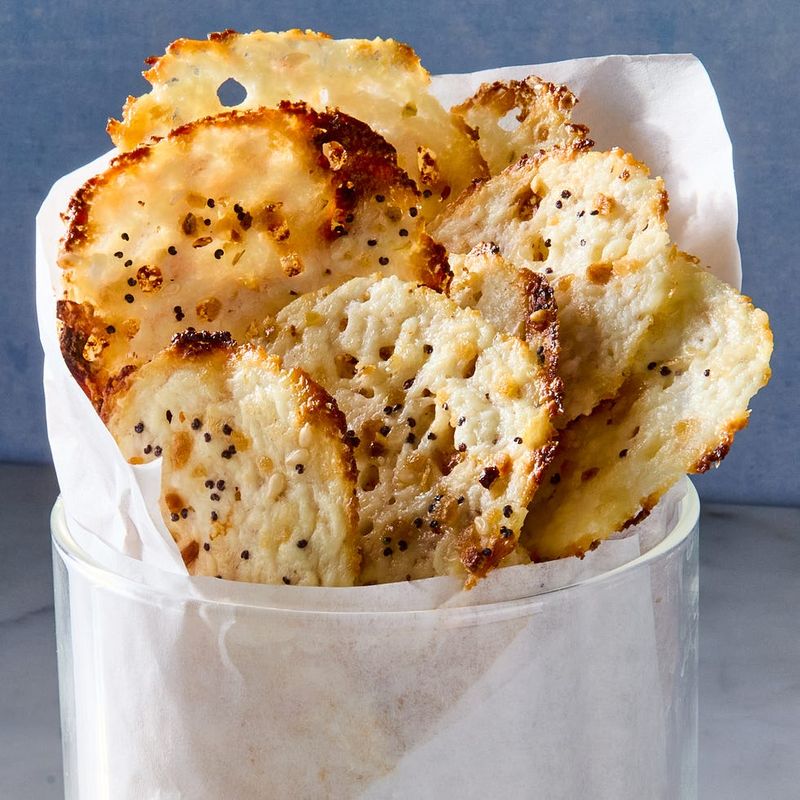
Cottage cheese ice cream went viral, and that was only the beginning. Folks want more protein, but they are tired of chalky shakes.
So brands are adding it to pasta, chips, pancakes, and even coffee. Beans, lentils, eggs, and Greek yogurt are getting fresh attention as simple, cheap sources.
Quick tip: blend cottage cheese into pasta sauce. It turns creamy, tastes rich, and nobody will guess the secret.
10. Tinned Fish Fever
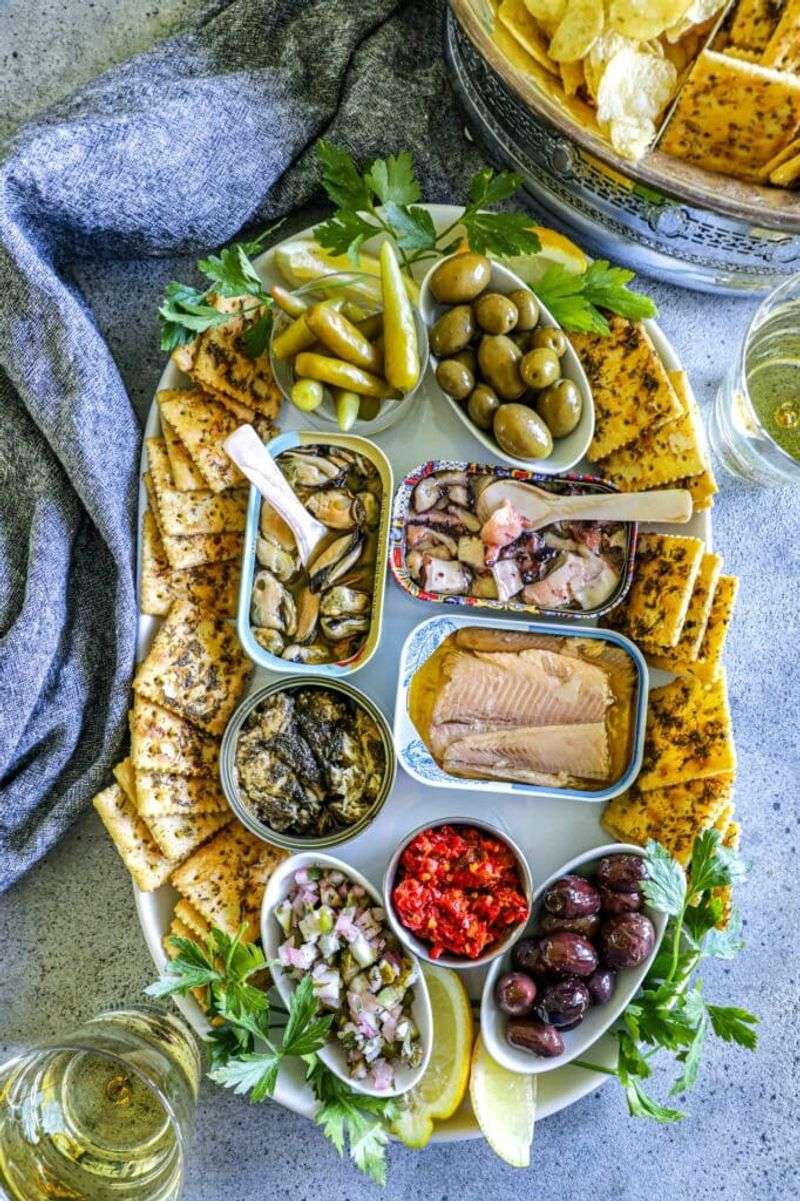
Those colorful little cans look fancy enough to frame. Tinned fish has gone from pantry backup to party star.
Sardines, mackerel, and mussels are full of omega-3 fats that help your heart and brain. They last for years, cost less than fresh seafood, and need zero cooking.
Build a tinned fish board with crackers, pickles, lemon wedges, and herbs. It makes a fun, easy dinner on busy nights.
11. Zero-Proof Drinks
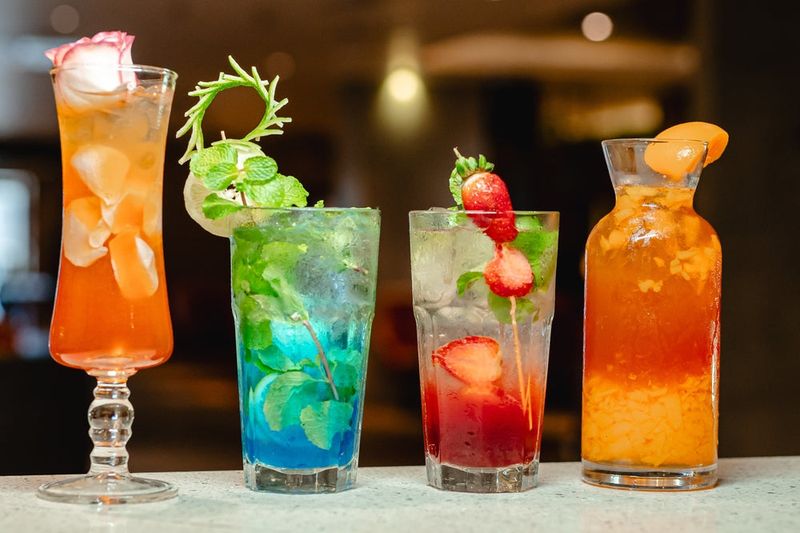
Fancy glass, fresh herbs, a twist of citrus, and no alcohol at all. Mocktails have grown up and found their style.
Many people are choosing alcohol-free drinks for better sleep and health. Bars now offer creative menus with shrubs, botanical sodas, and tea-based spritzers.
Make one at home by mixing sparkling water, muddled berries, a splash of lime, and a mint sprig. Simple, pretty, and refreshing.
12. Hyperlocal Eating
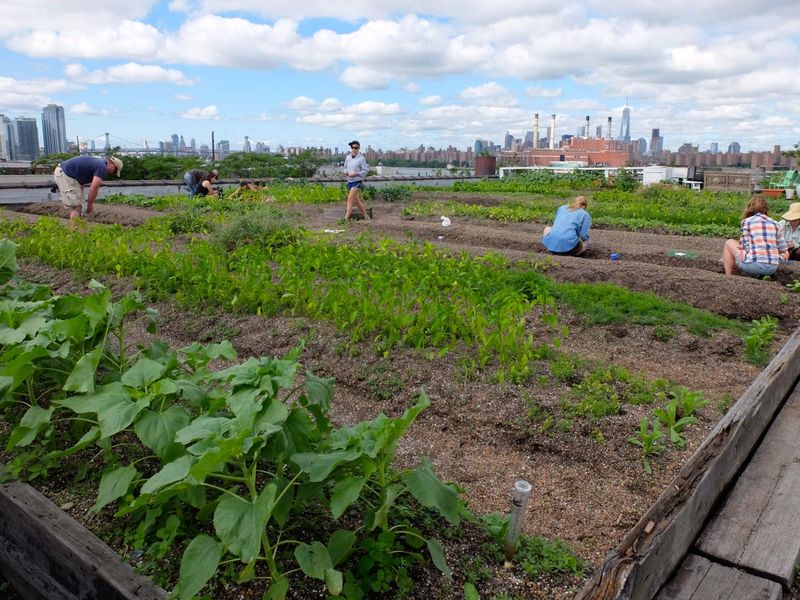
Some restaurants now grow lettuce on their own rooftops. That salad traveled about fifty feet instead of fifteen hundred miles.
Hyperlocal eating means buying food grown very close to home. It tastes fresher, supports nearby farmers, and cuts pollution from trucks and planes.
Visit a farmers market this weekend and ask growers what is in season. You might discover a new favorite tomato or a peach that changes everything.
13. Functional Mushrooms and Adaptogens
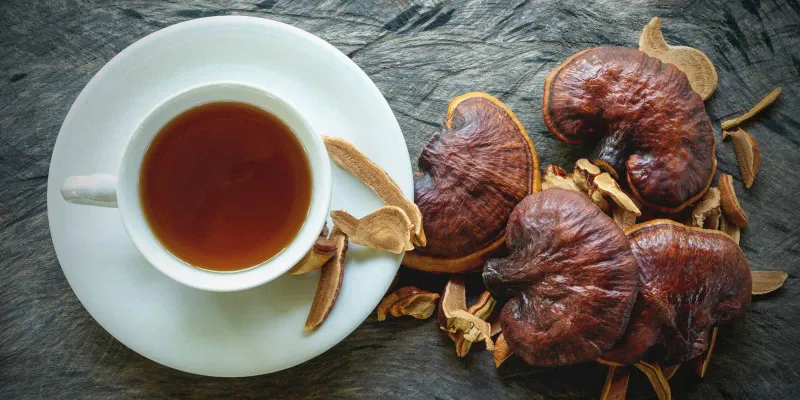
Coffee drinkers are swapping jitters for calmer energy. The secret ingredient?
Mushrooms like reishi, chaga, and cordyceps.
Along with herbs such as ashwagandha, these are called adaptogens, and fans say they help the body handle stress. Science is still catching up, so keep expectations realistic.
You will find them in teas, hot cocoa mixes, and gummies. Always check with a doctor before adding new supplements to your routine.
14. Cultivated Meat Arrives
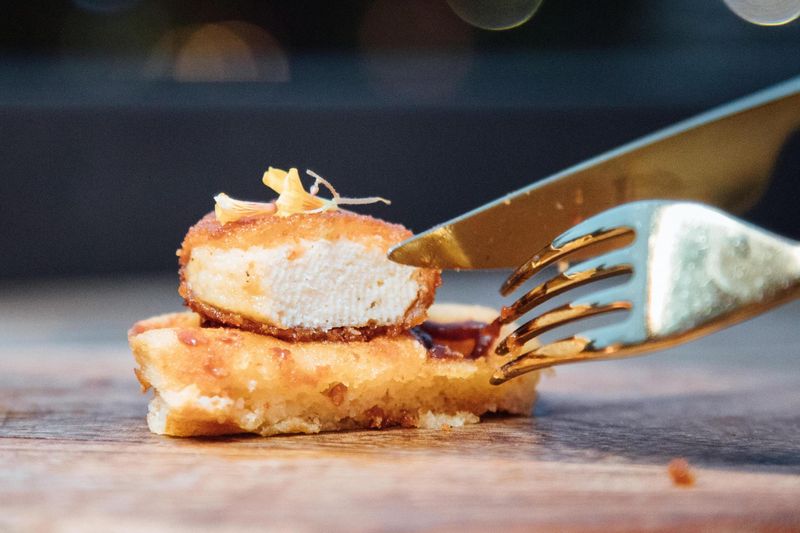
Real chicken, no chicken farm required. That sounds like science fiction, yet a few restaurants have already served it.
Cultivated meat grows from animal cells inside steel tanks. Supporters believe it could use less land and water than regular farming.
Prices are still high, though costs keep dropping.
Expect more taste tests and news stories soon. Would you take a bite?
Plenty of curious eaters are lining up to find out.
15. Pickle Mania

Pickle pizza. Pickle lemonade.
Pickle-flavored cotton candy. Yes, really.
The tangy, salty crunch of dill has become a full-blown obsession. Brands keep rolling out wild pickle snacks, and fans happily line up to try every one.
Pickling at home is surprisingly easy. Pour hot vinegar, water, salt, and a little sugar over sliced cucumbers or onions.
Chill overnight, and you have zippy toppings ready for burgers and bowls.
16. Nostalgic Comfort Food Remixes
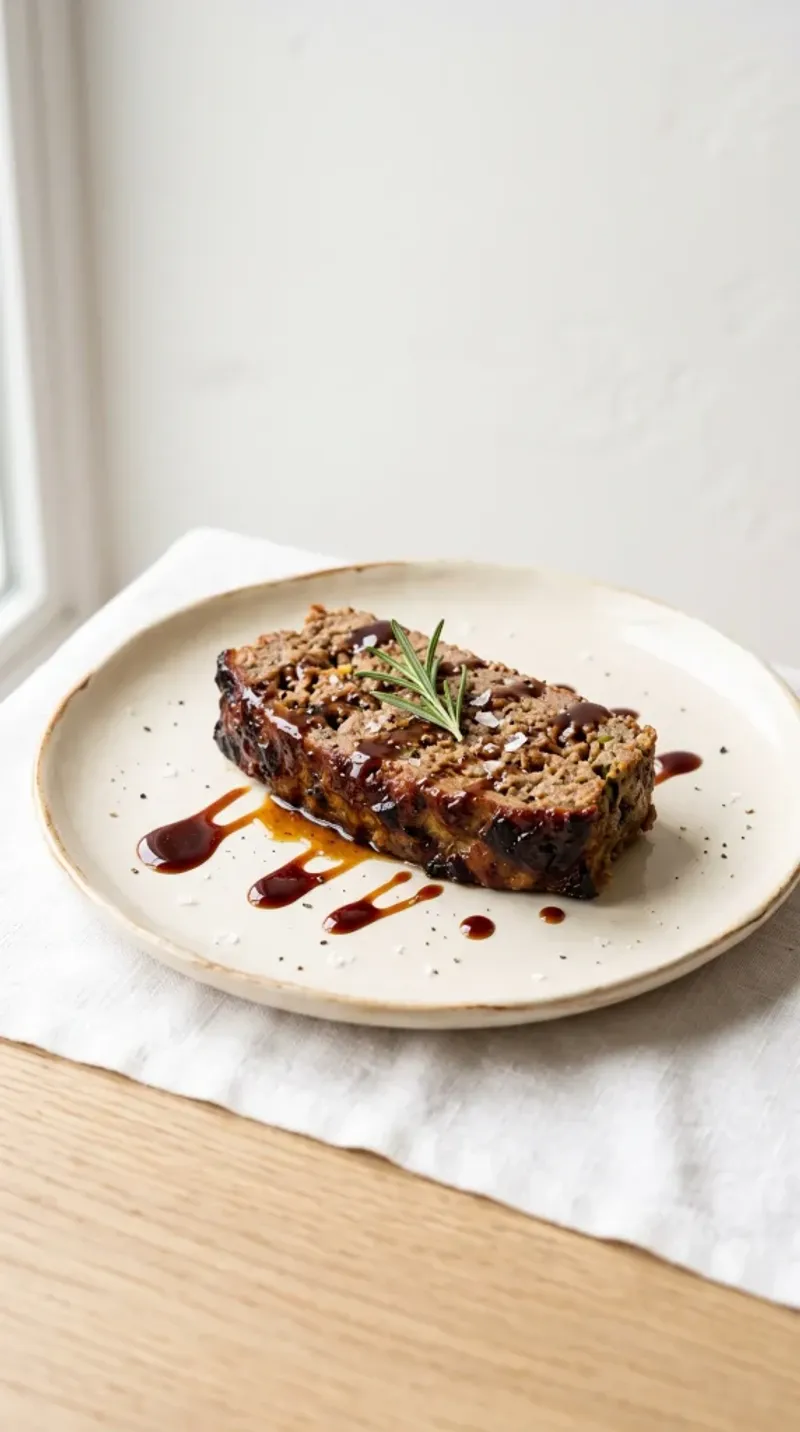
Remember lunchbox snacks and Sunday casseroles? Chefs sure do, and they are giving those memories a glow-up.
Expect truffle tater tots, kimchi grilled cheese, and fancy versions of after-school treats. When life feels busy, familiar flavors offer a warm hug on a plate.
Try remixing a childhood favorite tonight. Add pesto to mac and cheese or swap regular bread for sourdough in a classic PB and J.
17. Bean-Forward Meals
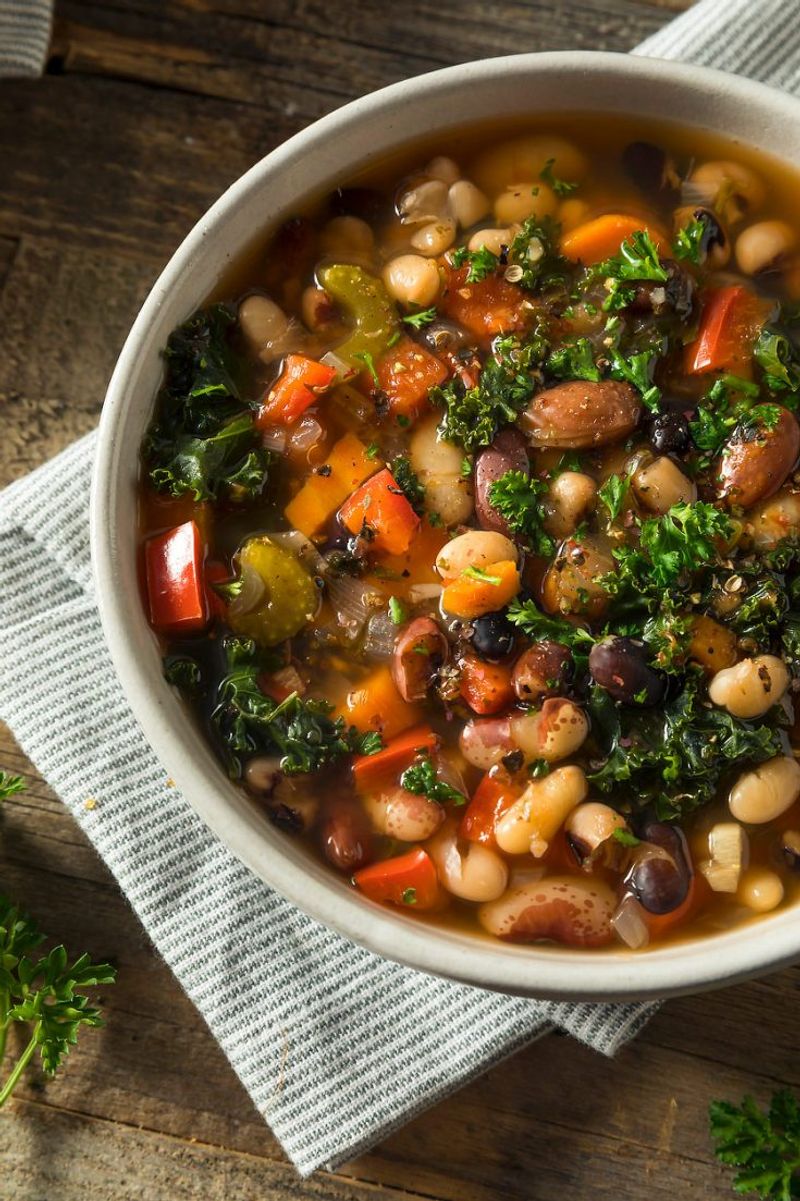
Beans are cheap, filling, and quietly heroic. They even pull nitrogen into soil, making farmland healthier.
Home cooks are going big on brothy bean pots, crispy roasted chickpeas, and lentil pastas. Fancy heirloom beans with names like Christmas Lima and Rio Zape are selling out online.
Cooking dried beans takes patience, but the payoff is huge. Soak them overnight, simmer with garlic and herbs, and enjoy all week.
18. Global Breakfast Swaps
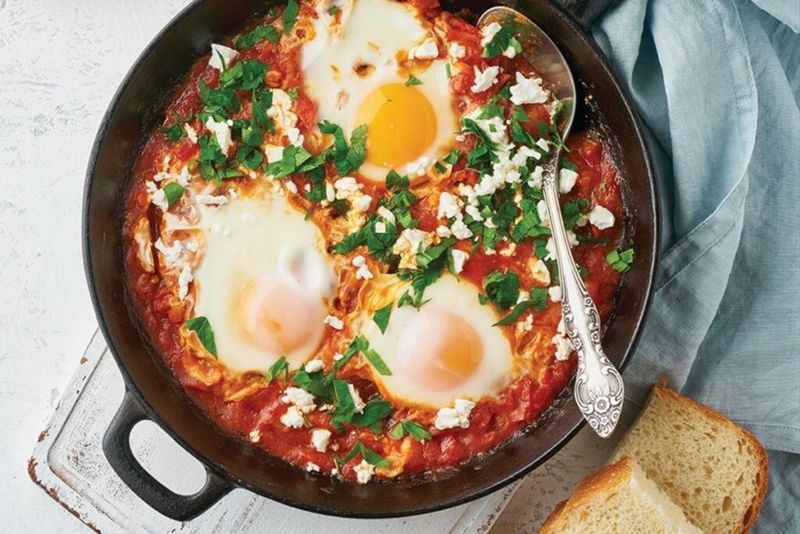
Cereal is fine, but have you tried congee? Plenty of people are trading boring morning routines for dishes from around the globe.
Shakshuka from North Africa, Turkish breakfast platters, Japanese rice bowls, and Mexican chilaquiles are popping up at cafes. These meals tend to be savory, hearty, and packed with veggies.
Weekends are perfect for experimenting. Crack a few eggs into spiced tomato sauce and call it brunch.
19. Smart Packaging Saves Food
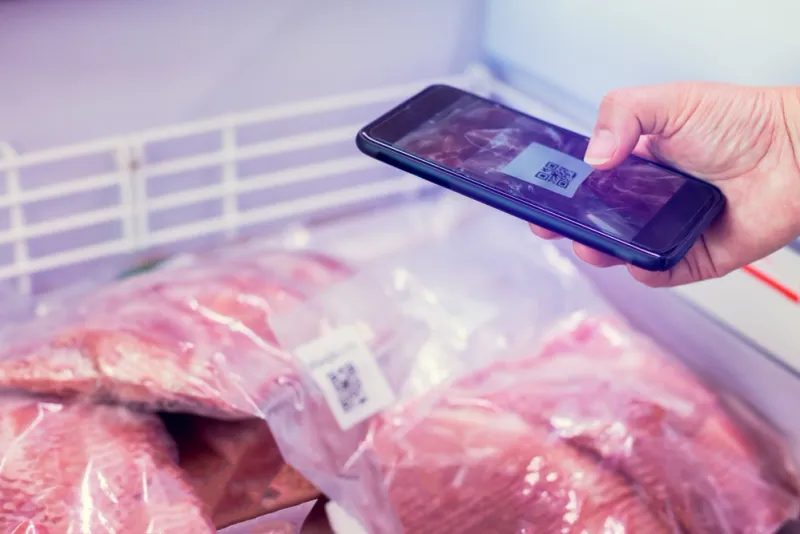
What if your milk carton changed color when it started to spoil? Companies are testing labels that do exactly that.
Smart packaging can track freshness, while edible coatings help fruit last days longer. Compostable wrappers made from seaweed or plant fibers are replacing some plastics too.
Small shopper move: choose loose produce and bring reusable bags. Every bit of plastic skipped helps oceans and landfills breathe a little easier.
20. Dates as Natural Sweetener
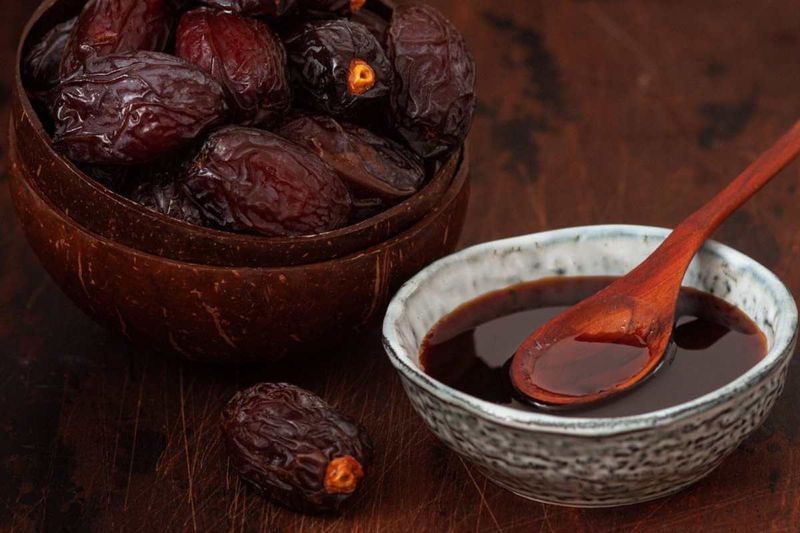
Ancient travelers carried dates across deserts because they were sweet, filling, and kept for months. Today they are replacing refined sugar in kitchens everywhere.
Date syrup, date sugar, and blended dates add caramel-like sweetness plus fiber and potassium. Brands use them in bars, sauces, and baked goods.
Easy treat: blend dates, oats, and peanut butter, roll into balls, and chill. You get a snack that tastes like dessert.
21. Chef-Led Home Meal Kits

Cooking like a famous chef used to mean a pricey reservation. Now the chef shows up in a box at your door.
Restaurants are selling kits with prepped sauces, special ingredients, and video lessons. Families get to learn new skills together while saving the cost of dining out.
Kids can join in by measuring, stirring, and plating. Who knows?
Your kitchen might produce the next big cooking star.