
Hollywood has no shortage of talented Hispanic actors, but some of them stand out for being boldly honest about their personal beliefs, including their lack of religious faith. Across Latin America, Spain, and the United States, several well-known performers have spoken openly about atheism or agnosticism.
Their honesty challenges the stereotype that all Latino culture is deeply tied to Catholicism. From Oscar winners to comedy legends, these actors prove that speaking your truth can be just as powerful as any role on screen.
1. Javier Bardem
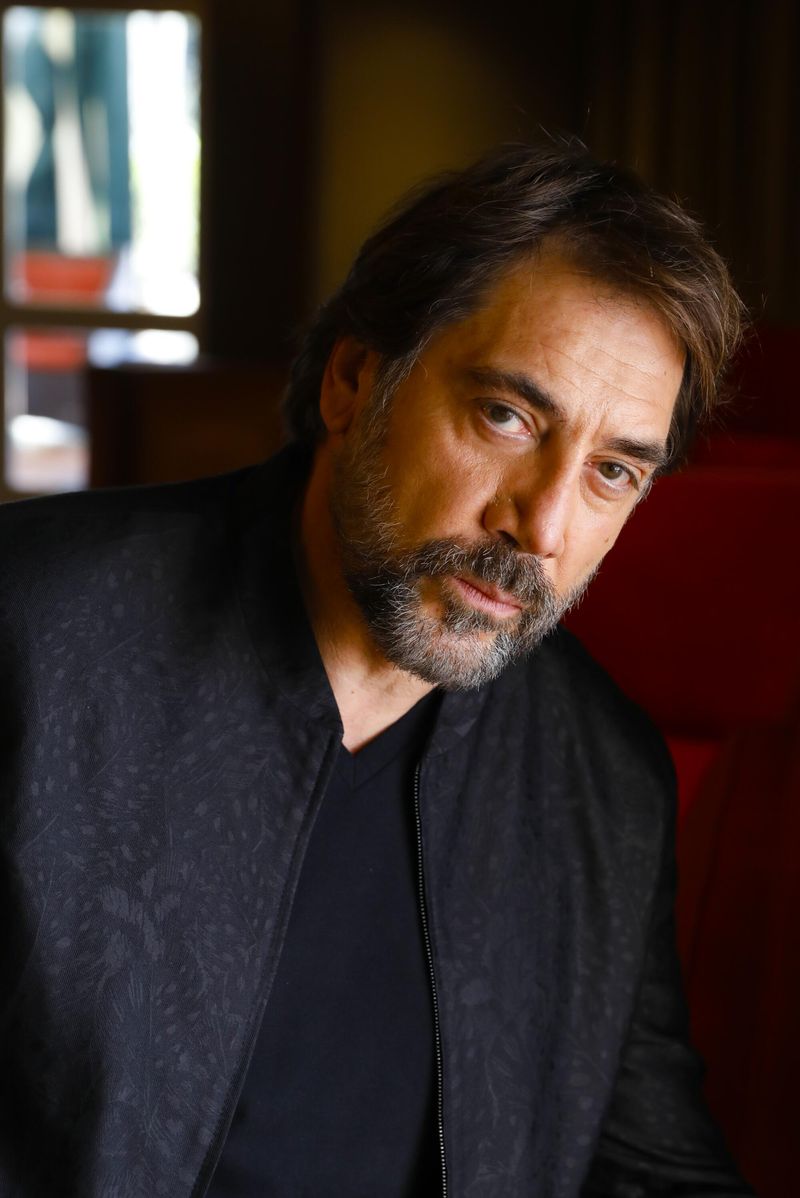
Oscar-winning Spanish actor Javier Bardem once quipped, “I don’t believe in God, I believe in Al Pacino.” That line alone tells you a lot about where his devotion really lies. Raised in a Catholic household, Bardem eventually walked away from the faith entirely.
His atheism is not rooted in anger but in honest reflection. He sees his craft and the people who inspired it as his true guiding forces.
For Bardem, cinema replaced the church a long time ago.
2. Michelle Rodriguez
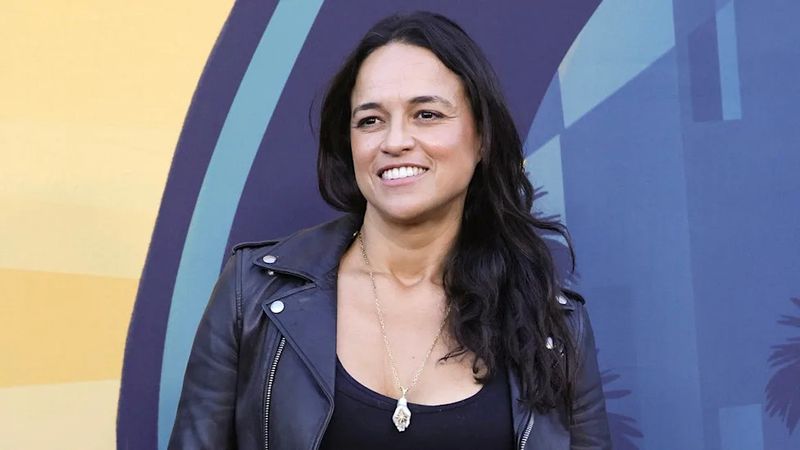
Growing up as a Jehovah’s Witness shaped Michelle Rodriguez’s early worldview, but she eventually left that life behind. Today, she describes herself as more of a “growing scientist” than a religious person, embracing curiosity over doctrine.
Rodriguez has spoken about how her thinking shifted as she got older and started asking harder questions. Science and personal exploration replaced organized religion for her.
She represents a quiet but firm departure from her childhood faith.
3. Cameron Diaz
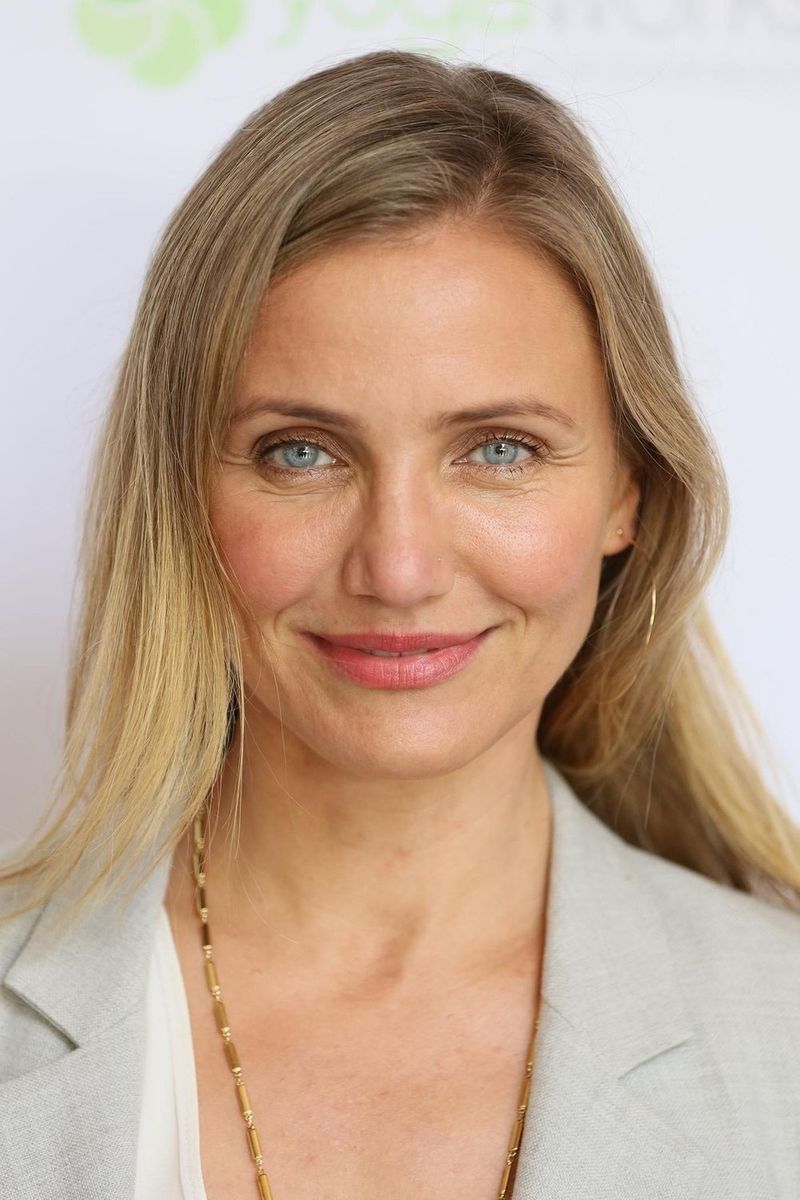
Cameron Diaz credits her atheist Cuban-American father for shaping her secular worldview. She has spoken openly about growing up without religion and seeing it, in some cases, as a “crutch” people lean on during hard times.
Her upbringing gave her a science-first approach to understanding the world. Diaz never framed her non-belief as rebellious; it was simply the environment she was raised in.
That foundation clearly stuck with her well into adulthood and her public life.
4. Gael Garcia Bernal
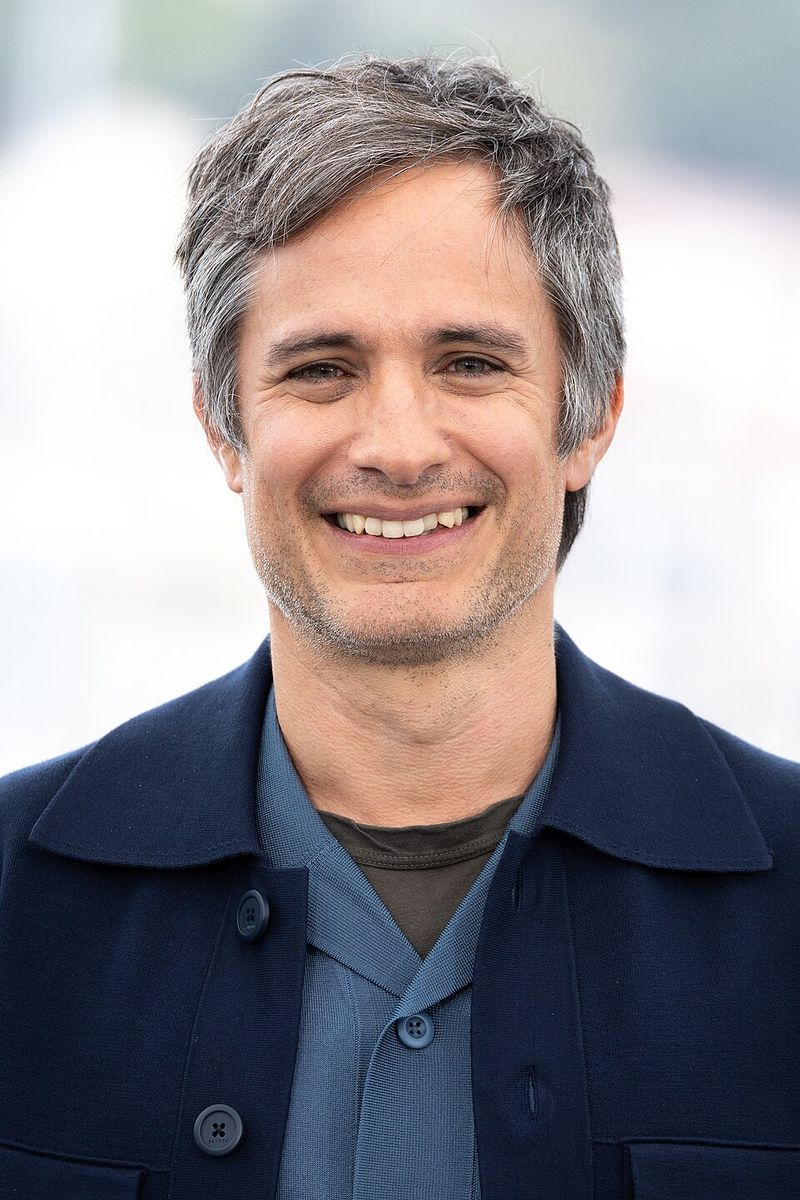
Gael Garcia Bernal describes himself as “culturally Catholic but spiritually agnostic,” a phrase that captures a feeling many Latinos quietly relate to. He values the traditions and heritage of Catholicism without buying into its supernatural claims.
He once said, “Nothing ends. Everything transforms,” but was careful to add he did not say that as a believer.
His worldview is philosophical rather than religious. Garcia Bernal shows that you can honor your roots without accepting every belief that came with them.
5. Rita Moreno
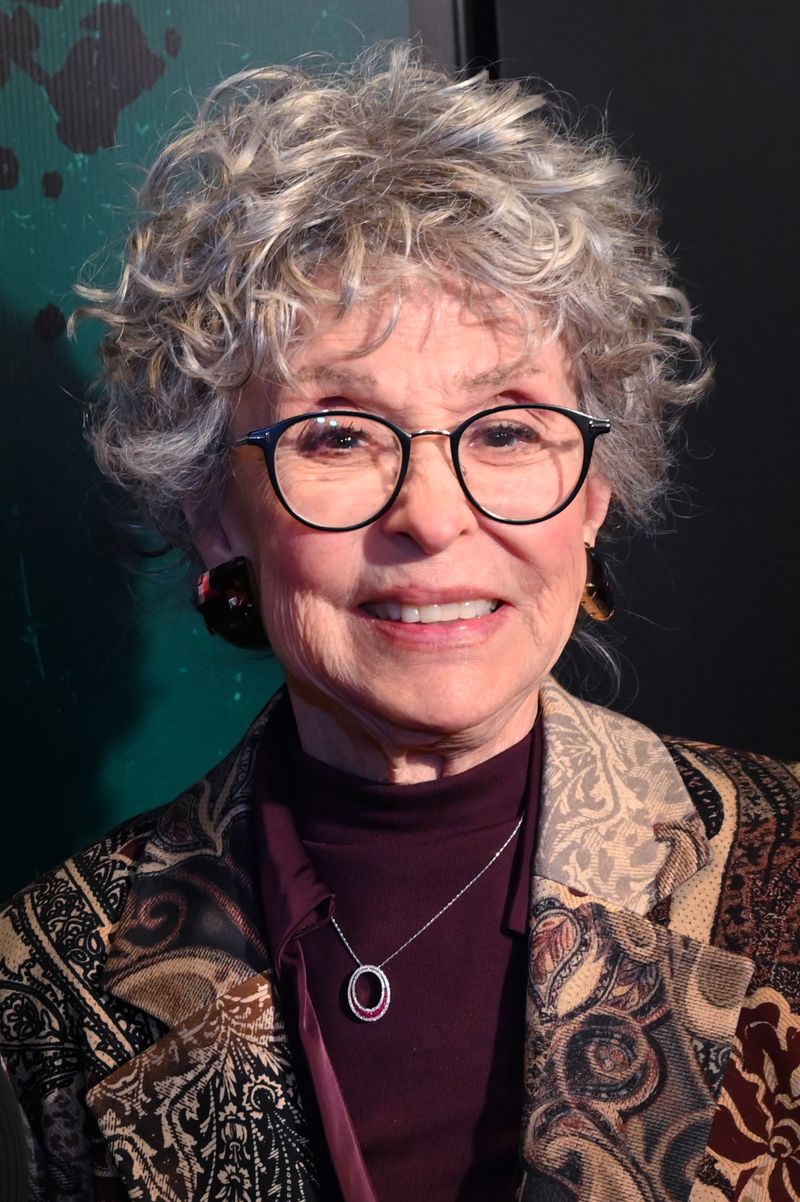
Rita Moreno is one of the most decorated performers in entertainment history, and she has never been shy about her lack of faith. She flatly stated, “I don’t believe in God, I don’t feel guilty, and I don’t think God’s going to strike me dead.”
For Moreno, film itself serves as her sacred text. That bold honesty is very on-brand for a woman who has spent decades breaking barriers.
Her atheism is just one more way she refuses to play by anyone else’s rules.
6. Aubrey Plaza
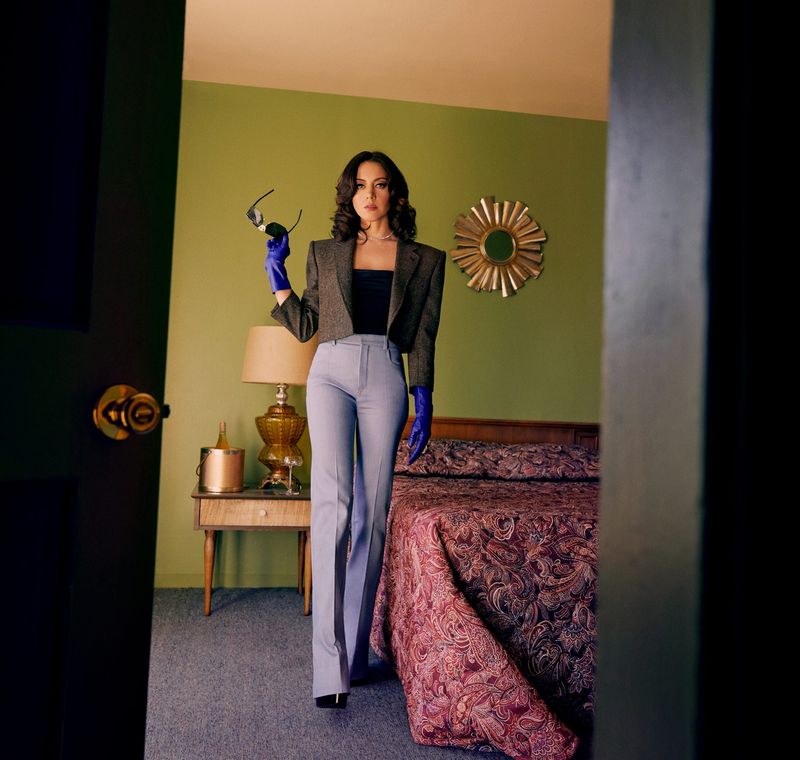
Aubrey Plaza grew up in a Catholic household, but somewhere between childhood and adulthood, she quietly left that faith behind. In interviews, she has been direct about not believing in God, without making a dramatic announcement of it.
Her deadpan humor and offbeat personality make her atheism feel very much in character. Plaza does not preach about her non-belief; she simply lives it.
That low-key honesty is refreshing in an industry where public image is often carefully managed.
7. Ricardo Darin
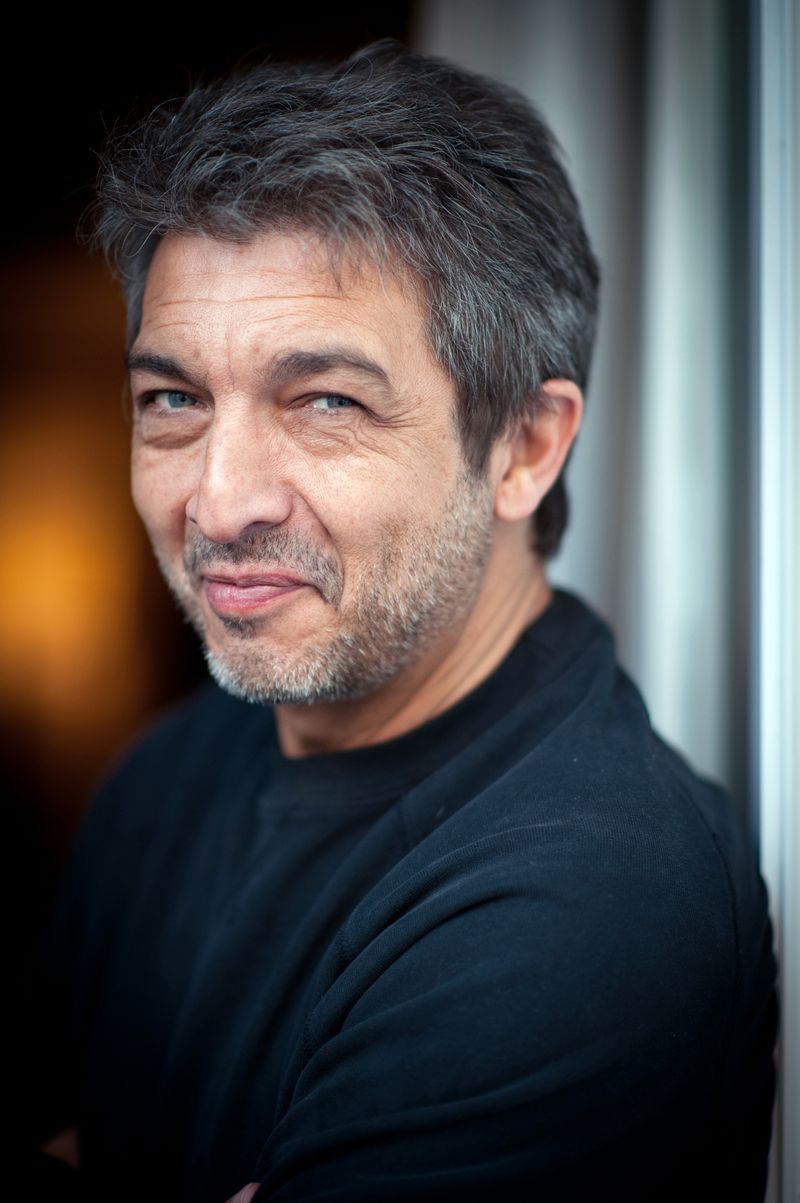
Argentina’s most celebrated actor, Ricardo Darin, is a self-proclaimed atheist who has been refreshingly direct about it. He has stated that he does not need a god to navigate his life and views religion as a human invention designed to manage fear.
His perspective is grounded and pragmatic rather than combative. Darin approaches the topic the same way he approaches acting: with careful thought and no pretense.
His honesty resonates with fans who share a secular outlook on life.
8. Fred Armisen
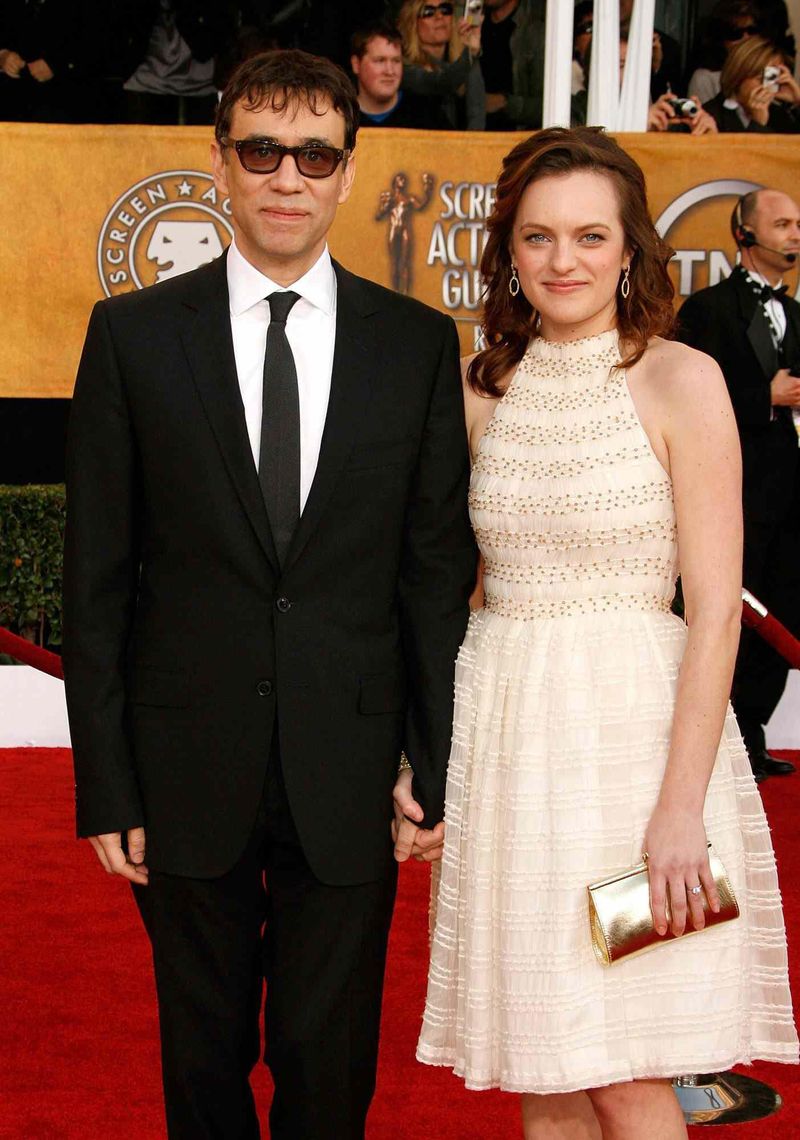
Fred Armisen, best known for his years on Saturday Night Live, has openly identified as an atheist. His Venezuelan and German heritage gave him a multicultural upbringing, but religion was not a major force in his adult life.
Armisen approaches the world from a decidedly secular perspective, and that outlook often sneaks into his comedy. He finds humor in human behavior without needing a spiritual framework to explain it.
His atheism feels natural, unpretentious, and very much his own.
9. Guillermo del Toro
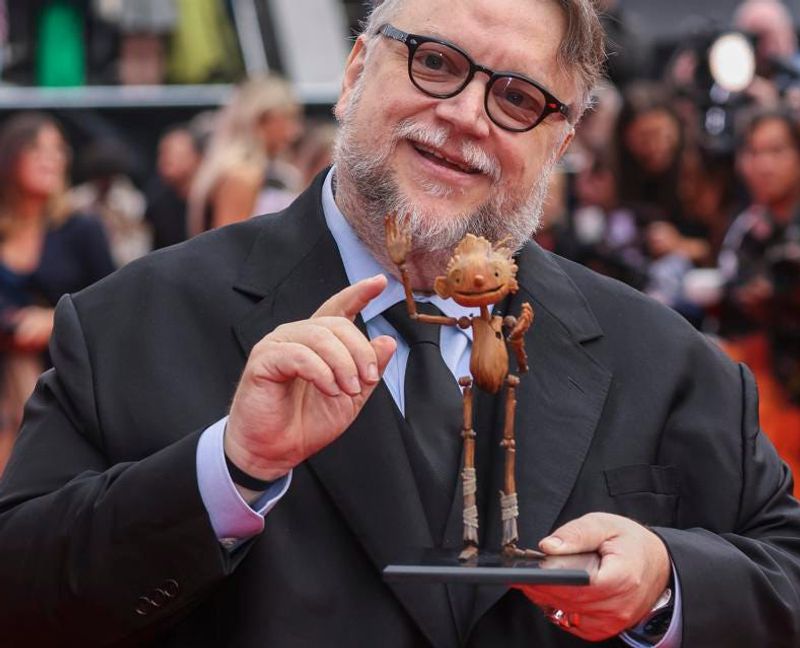
Guillermo del Toro was raised in a strict Catholic home in Mexico, but he did not stay there spiritually. He has called himself a “raging atheist,” a label he wears with zero apology.
Interestingly, his films are packed with religious imagery and mythology.
Del Toro uses faith as a storytelling tool, not a personal belief system. He finds the stories of religion fascinating even while rejecting their literal truth.
That contradiction is part of what makes his creative mind so uniquely compelling.
10. Louis C.K.
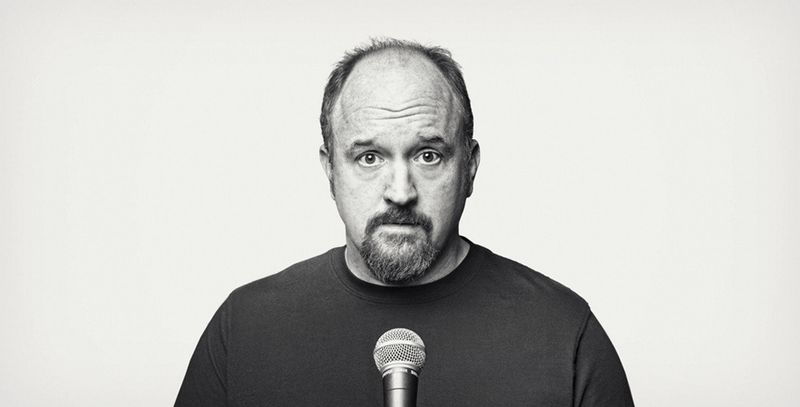
Louis C.K. holds Mexican citizenship and spent part of his childhood in Mexico City, giving him a real connection to his Latin roots. His stand-up comedy regularly touches on his lack of belief in God, usually with raw honesty and dark humor.
He identifies as agnostic or atheist depending on the context, but either way, organized religion is clearly not his thing. His comedy treats existential questions without flinching.
Whether you agree with him or not, his openness about non-belief is hard to ignore.
11. Diego Luna
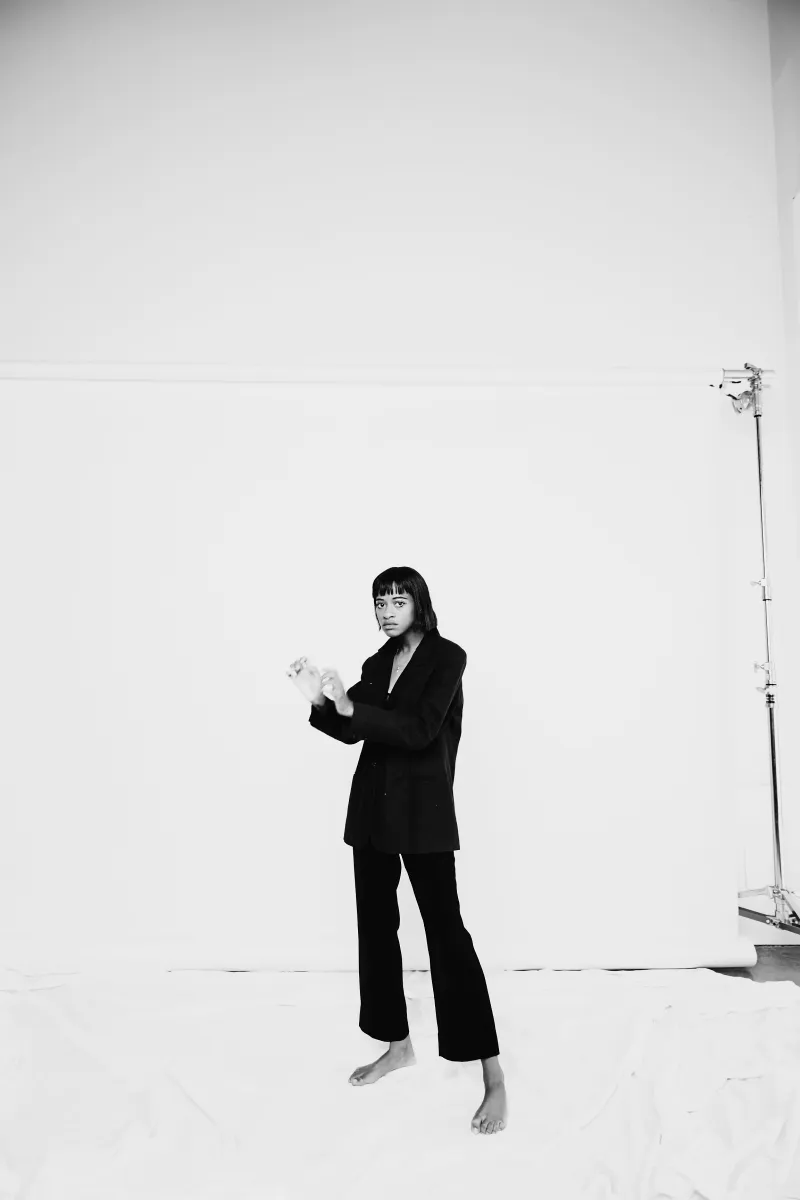
Diego Luna has a way of putting things that sticks with you. He once said, “Theatre is my church, my religion,” and that single line sums up where his spiritual energy actually goes.
Art, not organized faith, is his guiding force.
Luna maintains a secular worldview and has collaborated frequently with other non-believers in the film world. He does not make a big political statement out of his atheism; it simply shapes how he sees life.
His passion for storytelling is clearly his version of the sacred.
12. John Leguizamo
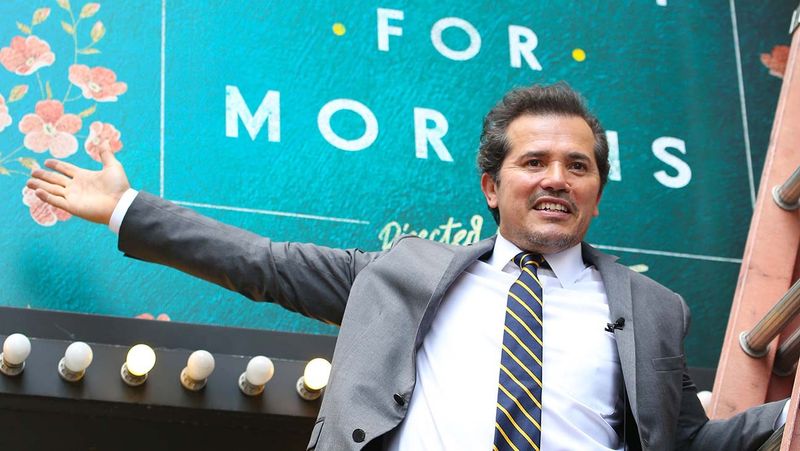
John Leguizamo calls himself a “recovering Catholic,” a term that perfectly captures his complicated relationship with the faith he grew up in. He has made it clear that he no longer subscribes to the religion, even while acknowledging its deep cultural roots.
His one-man shows often explore his Latino identity, including the role religion played in his upbringing. Leguizamo uses humor to process those experiences without bitterness.
Walking away from Catholicism, for him, was part of a broader journey toward owning his own story.
13. Pedro Pascal
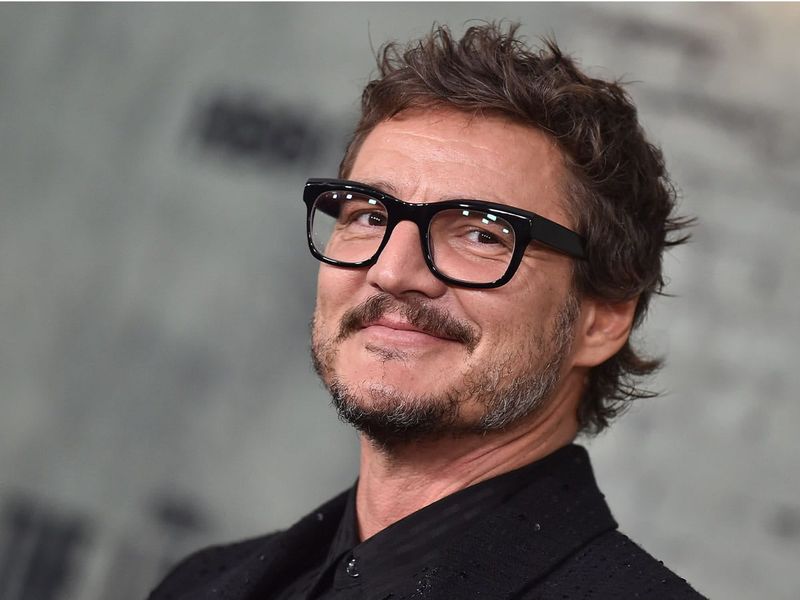
Pedro Pascal has described himself as agnostic when it comes to spiritual matters, saying he is comfortable sitting with uncertainty rather than forcing an answer. He has also noted that the concept of a deity strikes him as “quite silly.”
That kind of honest, low-pressure approach to big questions feels very true to his public personality. Pascal does not seem interested in convincing anyone of anything.
He just speaks his truth and moves on, which is honestly a pretty healthy way to handle the whole thing.
14. Penelope Cruz
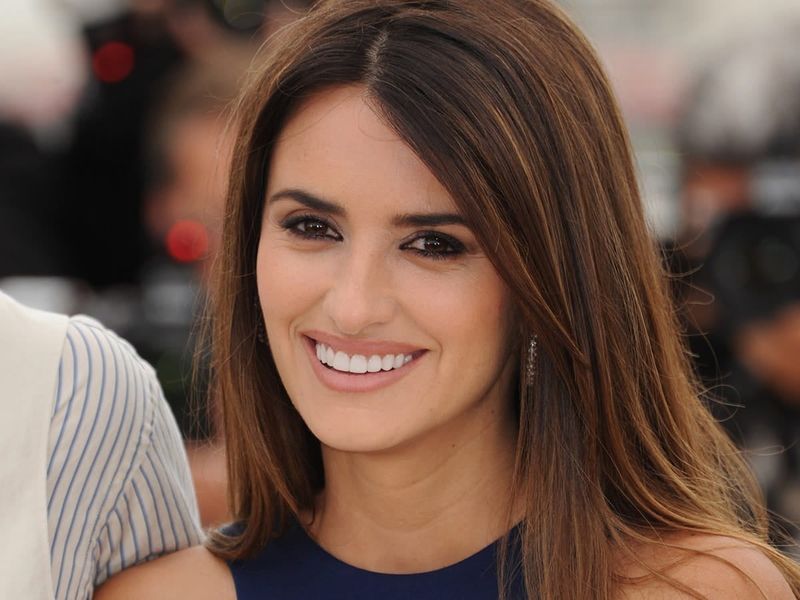
Penelope Cruz once said she does not believe in God but instead believes in director Pedro Almodovar, a witty line that echoes Javier Bardem’s famous quip. While she respects various philosophies and feels drawn to elements of Buddhism, she does not practice Catholicism.
Cruz grew up in Spain where the Church has historically held enormous influence, making her openness about non-belief all the more notable. Her spirituality is personal, exploratory, and definitely not tied to a pew.
She follows her own compass, wherever it leads.
15. America Ferrera
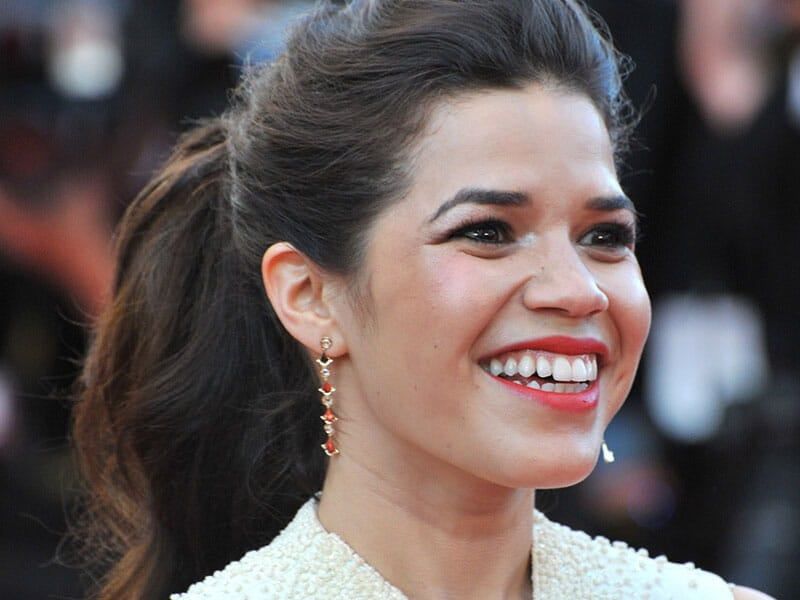
America Ferrera was raised in a Catholic household in Los Angeles, but as an adult she has identified as agnostic. Rather than rejecting her upbringing with hostility, she simply chose personal exploration over inherited religious tradition.
Her journey reflects a broader shift happening among younger Latinos who grew up Catholic but found their beliefs evolving over time. Ferrera has always been vocal about self-discovery and social justice, and her spiritual openness fits right into that.
She asks her own questions and trusts her own answers.