
Spanish food is so much more than paella and tapas. From mountain villages to coastal towns, Spain has a treasure chest of dishes that most people never get to try.
Each region has its own flavors, traditions, and recipes passed down for generations. If you love food and adventure, these 16 hidden gems of Spanish cuisine are absolutely worth adding to your must-try list.
1. Cocido Madrileno
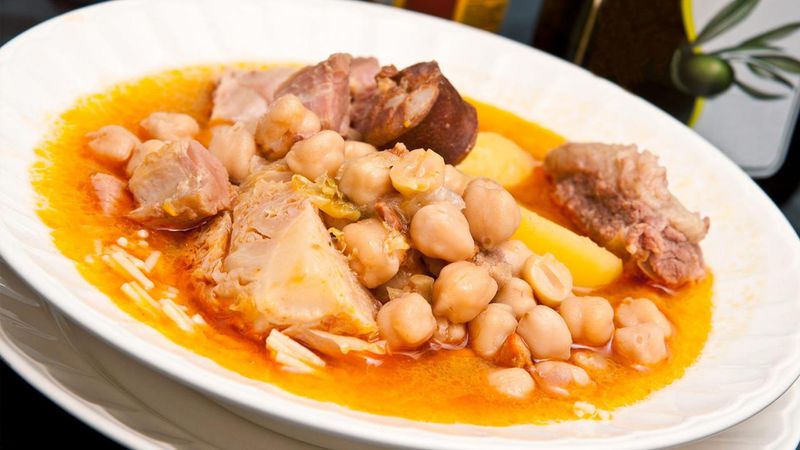
On a cold winter day in Madrid, nothing warms you up quite like a steaming bowl of Cocido Madrileno. This hearty chickpea stew has been a staple of Madrid kitchens for centuries, combining chickpeas, chorizo, morcilla, pork belly, and vegetables into one deeply satisfying meal.
Traditionally, the broth is served first as a soup, then the chickpeas and meats come next. It is a full experience, not just a dish.
2. Fabada Asturiana
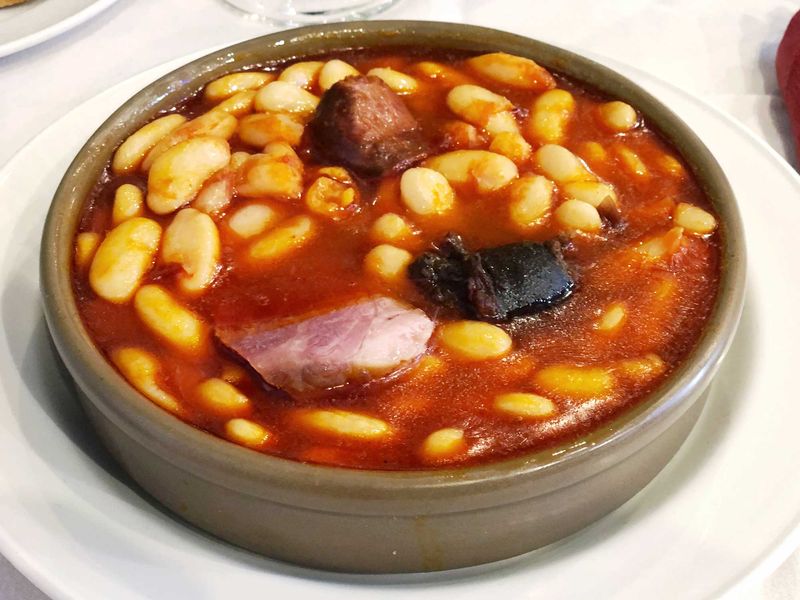
Fabada Asturiana comes from the green, rainy region of Asturias in northern Spain, and it is the kind of dish that feels like a warm hug. Large, creamy white beans are slow-cooked with chorizo, morcilla, and laccon, a type of cured pork shoulder, until everything melts together beautifully.
Many Spaniards consider this the ultimate comfort food. The beans soak up all the smoky, rich flavors from the meats, making every spoonful incredibly bold and satisfying.
3. Pisto Manchego
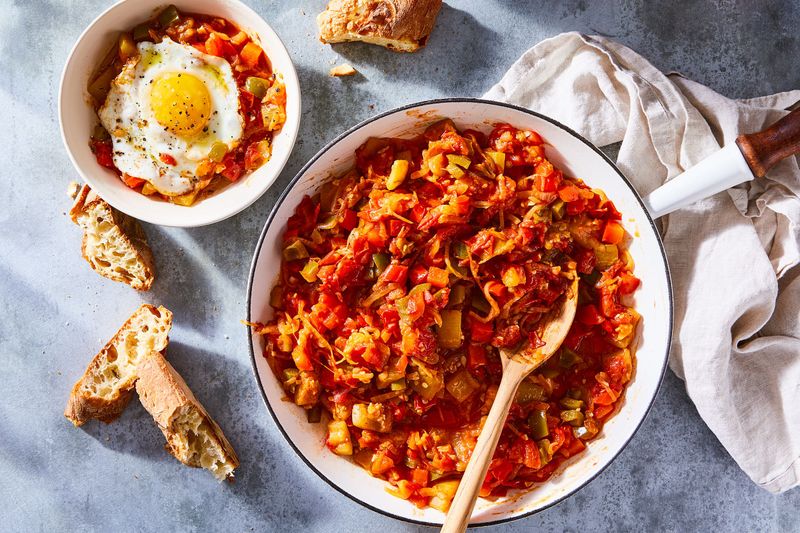
Think of Pisto Manchego as Spain’s answer to French ratatouille, but with its own bold, sun-soaked personality. Originating from the La Mancha region, this vibrant dish is made by slow-cooking tomatoes, zucchini, bell peppers, and onions together in generous amounts of olive oil.
It is often topped with a fried egg, which makes it hearty enough for a full meal. Pisto works beautifully as a side dish or scooped onto crusty bread for a simple, satisfying lunch.
4. Marmitako
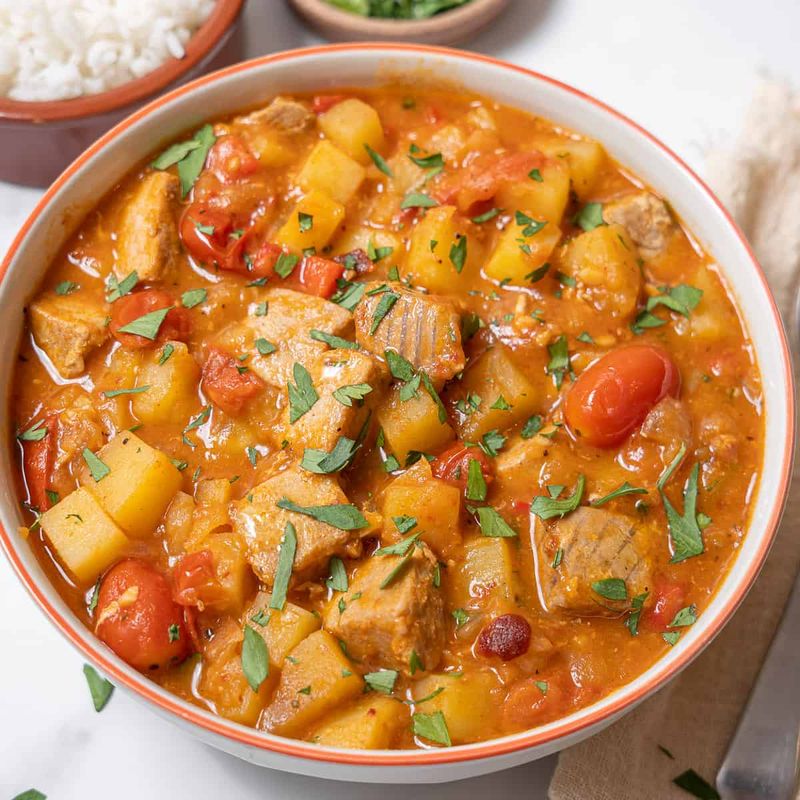
Fishermen along the Basque coast invented Marmitako right on their boats, using whatever fresh tuna and vegetables they had on hand. The name actually comes from the word marmita, meaning cooking pot, which tells you a lot about how simple and honest this dish really is.
Chunky potatoes, fresh tuna, red peppers, and tomatoes are simmered together into a thick, flavorful stew. It is rustic, filling, and absolutely packed with the taste of the sea.
5. Escudella i Carn d’Olla
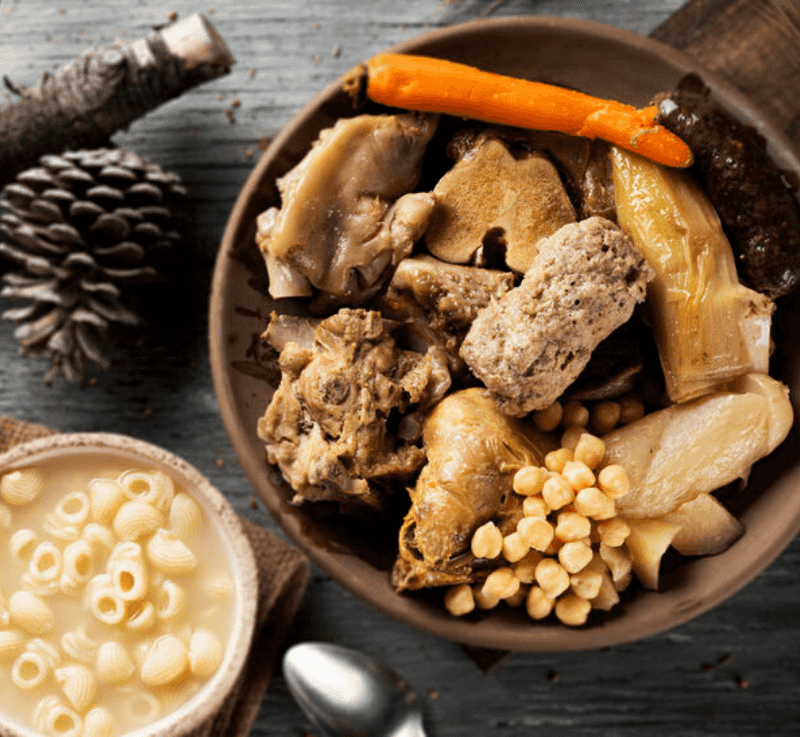
Catalans have been making Escudella i Carn d’Olla for special occasions since the Middle Ages, and it remains a beloved holiday tradition today. The dish is served in two separate courses: first a rich broth with pasta or rice, then a platter of mixed meats, chickpeas, and root vegetables.
The star of the show is the pilota, a large meatball made with pork, egg, and spices. It is festive, generous, and deeply rooted in Catalan family culture.
6. Migas
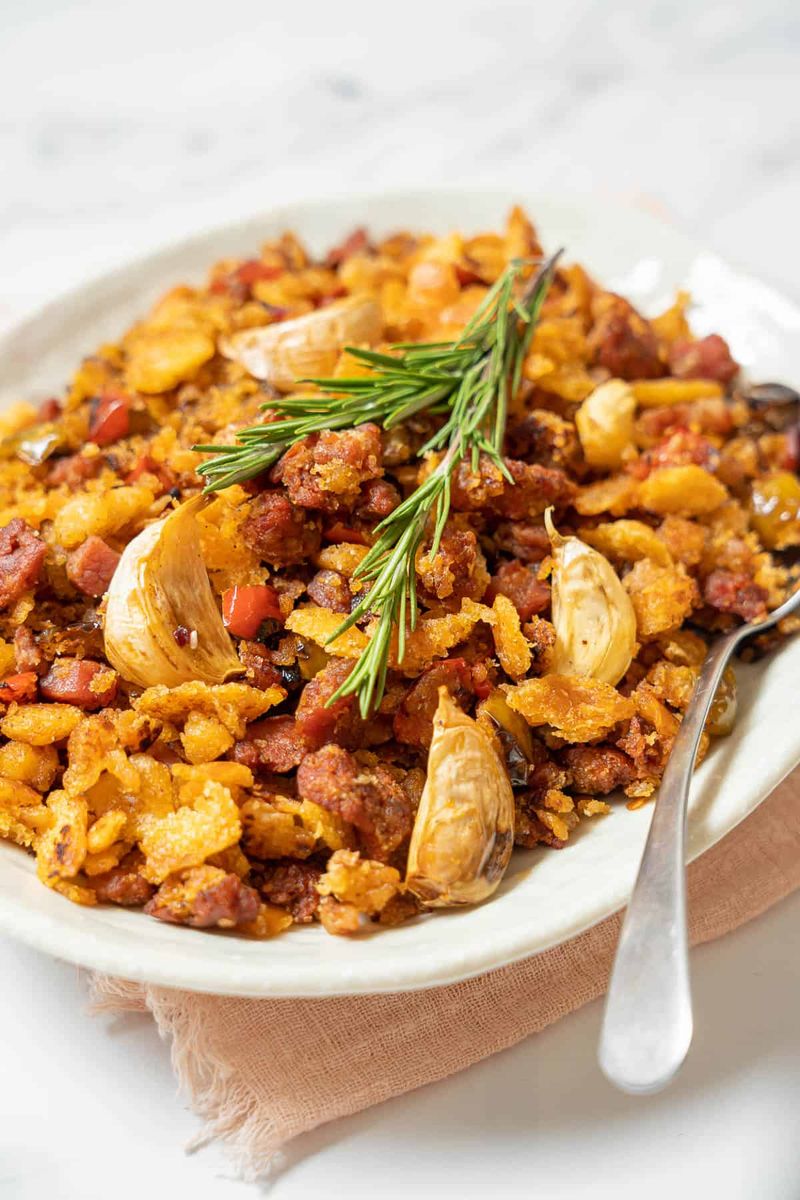
Migas started as a way for Spanish shepherds and farmers to use up stale bread, and somehow it became one of the most beloved dishes in the country. Breadcrumbs are slowly fried in olive oil with garlic, chorizo, and paprika until they turn golden and incredibly crispy.
Some regions add grapes or fried peppers on top for a sweet-savory contrast. It sounds humble, but the flavors are surprisingly complex and deeply satisfying in the best possible way.
7. Caldereta de Langosta
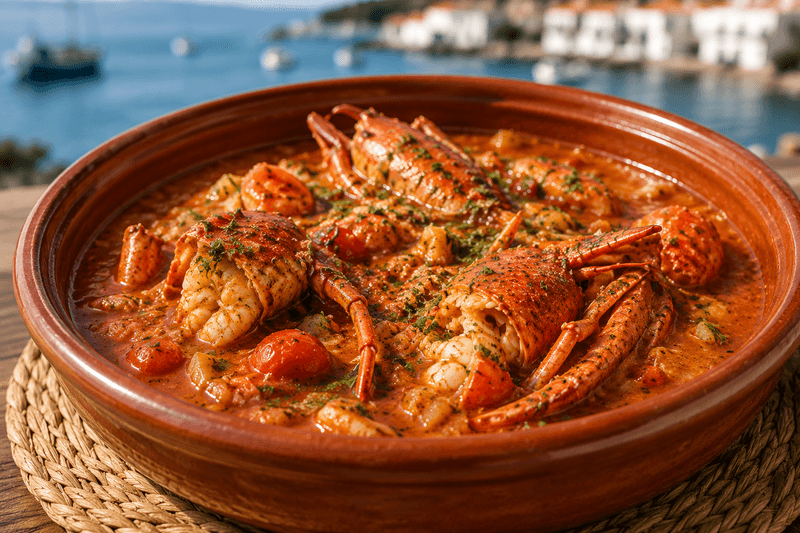
Menorca, a quiet island in the Balearic archipelago, is famous among food lovers for one extraordinary dish: Caldereta de Langosta. Fresh spiny lobster is slow-cooked in a rich tomato and onion broth that is sometimes thickened with toasted bread or almonds for extra depth.
Locals traditionally scoop up the broth with slices of crusty bread before eating the lobster itself. It is a dish worth traveling for, celebrated as one of Spain’s finest seafood experiences.
8. Olla Podrida
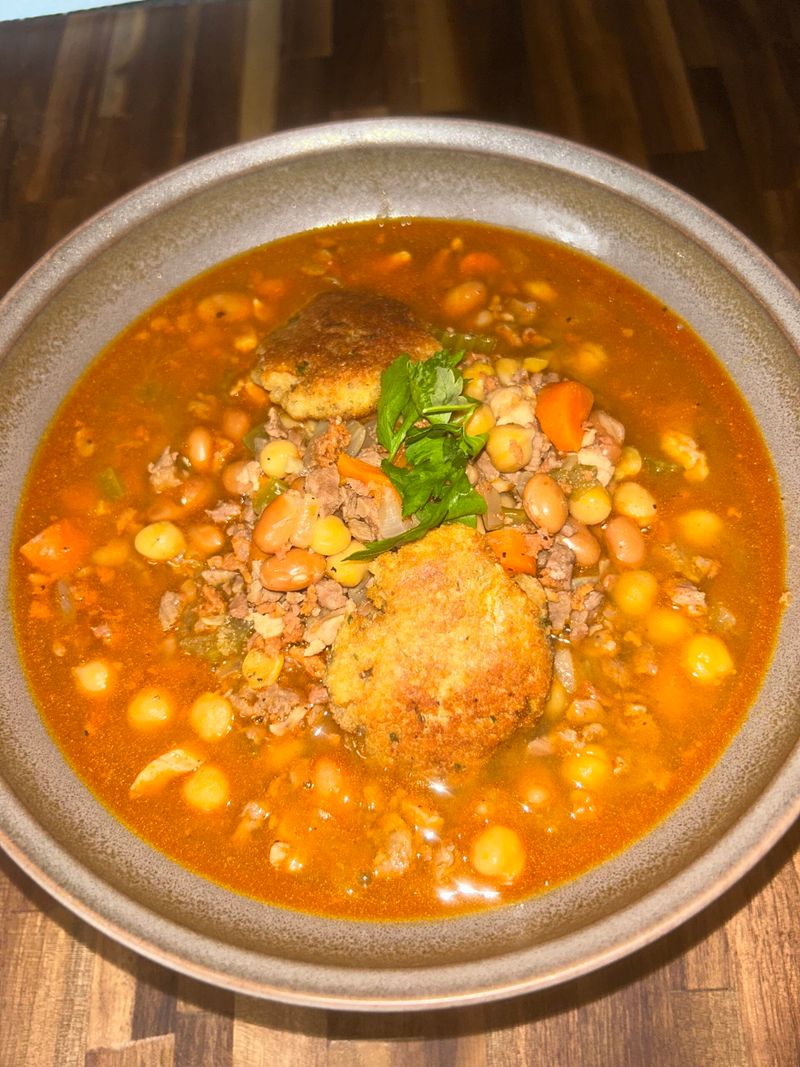
With a name that loosely translates to rotten pot, Olla Podrida sounds alarming but tastes absolutely magnificent. Dating back to the 16th century, this ancient Castilian stew packs pork, beef, chickpeas, and an assortment of vegetables into one enormous pot for hours of slow simmering.
It was once considered a dish of the wealthy because of how many ingredients it required. Today, it is a proud symbol of Castilian culinary history and still made in traditional homes across the region.
9. Zurruputuna
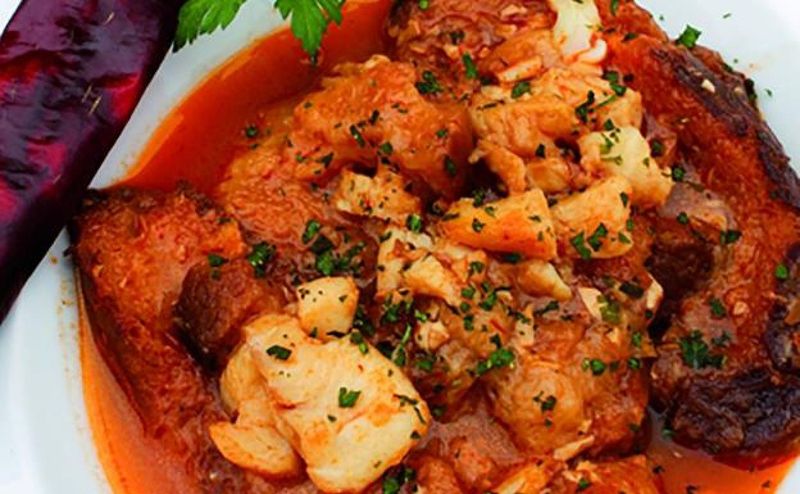
Zurruputuna is a Basque soup that most tourists never encounter, but locals absolutely swear by it. Made from salt cod, garlic, olive oil, dried peppers, and eggs, this dish has a bold, smoky depth that is unlike anything else in Spanish cooking.
The salt cod is rehydrated and broken into flakes before being stirred into the garlicky broth. Each bowl is warming, intensely flavored, and feels like a direct connection to centuries of Basque fishing tradition.
10. Papas Arrugadas con Mojo
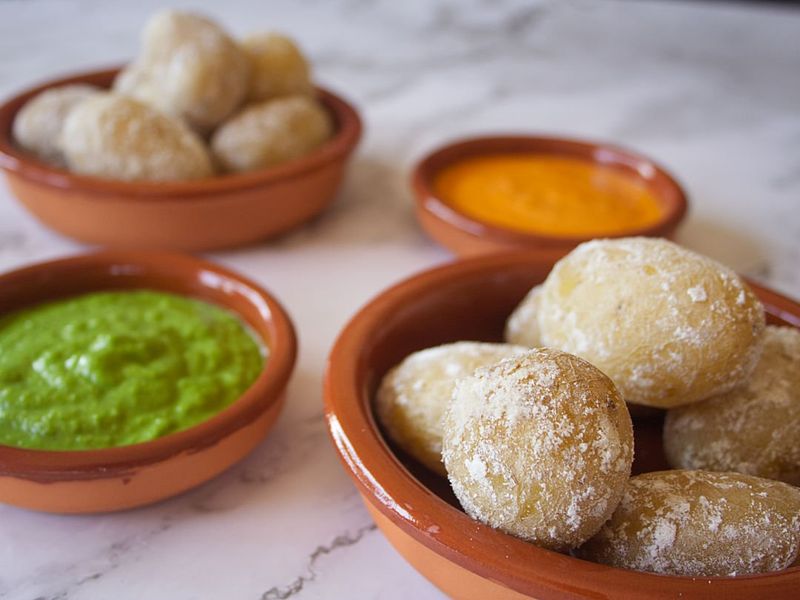
Straight from the volcanic Canary Islands comes one of Spain’s most unique and playful dishes. Papas Arrugadas are tiny potatoes boiled in extremely salty water until their skins wrinkle up and develop a powdery white crust on the outside.
The real magic is in the mojo sauces served alongside them: spicy red mojo picón or tangy green mojo verde made with cilantro and garlic. Simple, fun to eat, and bursting with flavor, this dish is pure Canarian joy.
11. Empedrat
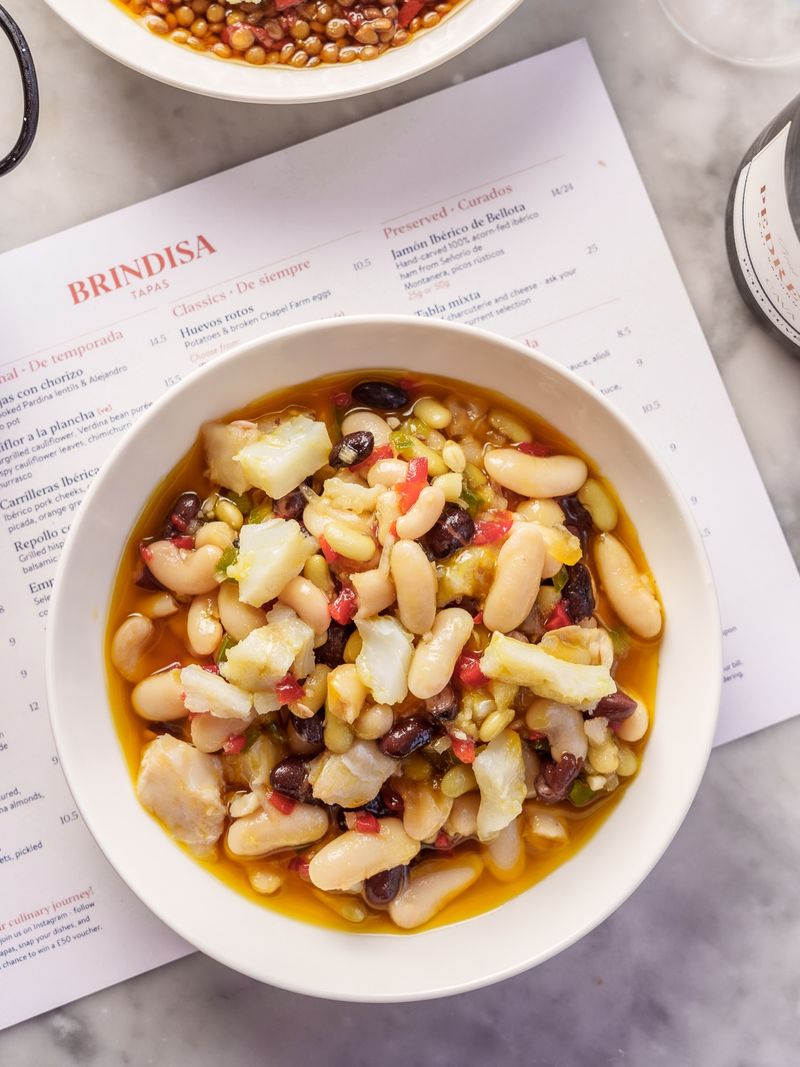
Empedrat is a refreshing Catalan salad that has been eaten along the Mediterranean coast for generations, especially during the hot summer months. The name means cobblestone in Catalan, inspired by how the beans and other ingredients look scattered across the plate.
Salt cod is soaked, flaked, and combined with white beans, tomatoes, onions, and black olives, then dressed generously with olive oil. It is light, protein-rich, and packed with bold Mediterranean flavor that feels both ancient and perfectly modern.
12. Caldo Gallego
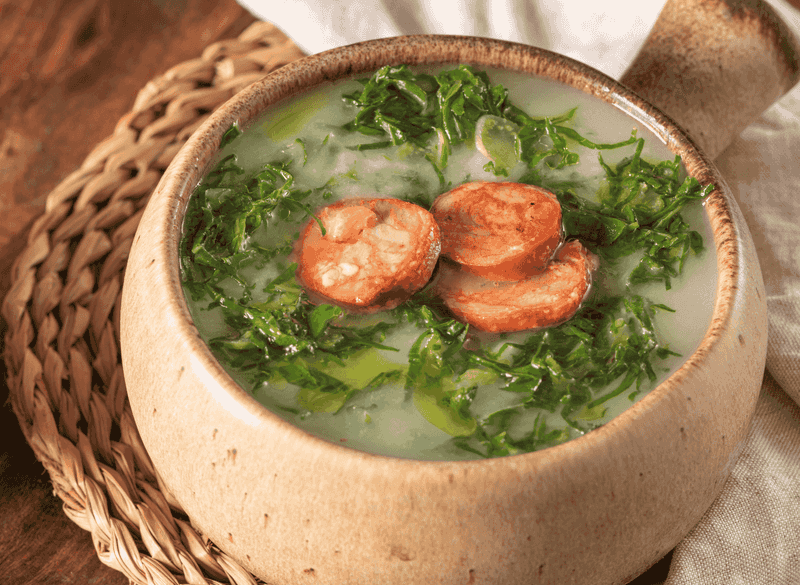
Galicia, in the rainy northwest corner of Spain, has a soup culture all its own, and Caldo Gallego is its crown jewel. White beans, turnip greens, potatoes, chorizo, and pork come together in a light but deeply flavorful broth that warms you from the inside out.
Galicians have been eating this soup for hundreds of years, particularly during cold, misty winters. Served with thick slices of Galician bread, it is the kind of simple, honest food that never gets old.
13. Fideuà
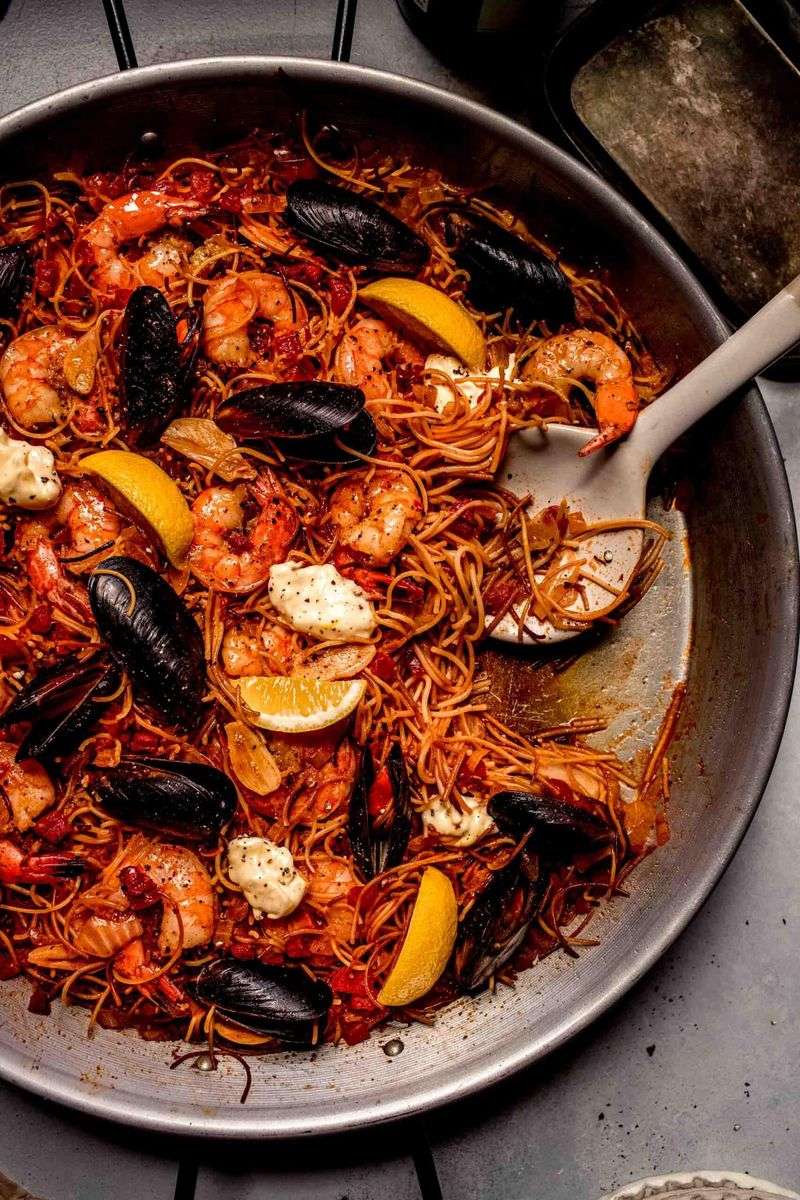
Fideuà was born by accident in the 1930s when a ship’s cook ran out of rice and substituted short noodles in a seafood paella. The result was so delicious that it became its own iconic dish from the Valencian coast.
Short, thin noodles are toasted in olive oil, then cooked with shrimp, squid, and mussels in a saffron-rich seafood broth. The noodles absorb all those incredible flavors and get slightly crispy on the bottom, just like a perfect paella.
14. Leche Frita
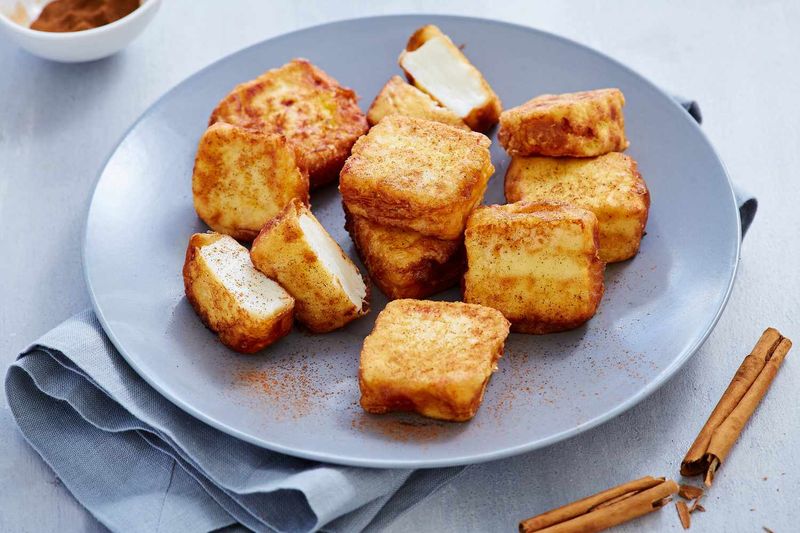
Leche Frita, which literally means fried milk, sounds like a magic trick and honestly tastes like one too. A thick, creamy custard made from milk, flour, sugar, and lemon zest is chilled until firm, cut into squares, breaded, and fried until golden and crispy on the outside.
The contrast between the crunchy coating and the soft, silky interior is absolutely addictive. Dusted with cinnamon and powdered sugar, this beloved Spanish dessert is popular across Castile and northern Spain year-round.
15. Ropa Vieja Canaria
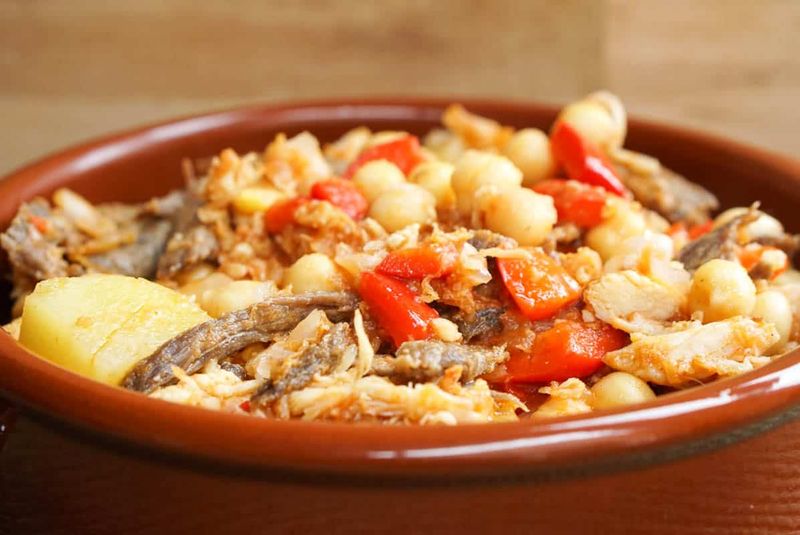
While Cuba has its own version, Spain’s Ropa Vieja actually originated in the Canary Islands long before it traveled across the Atlantic. The name means old clothes, referring to how leftover meats are shredded and mixed with chickpeas, tomatoes, peppers, and a fragrant touch of saffron.
It is a fantastic example of how Spanish cooks historically wasted nothing. Every bite of this dish is rich, colorful, and full of layered flavors that develop beautifully through long, slow cooking.
16. Atascaburras
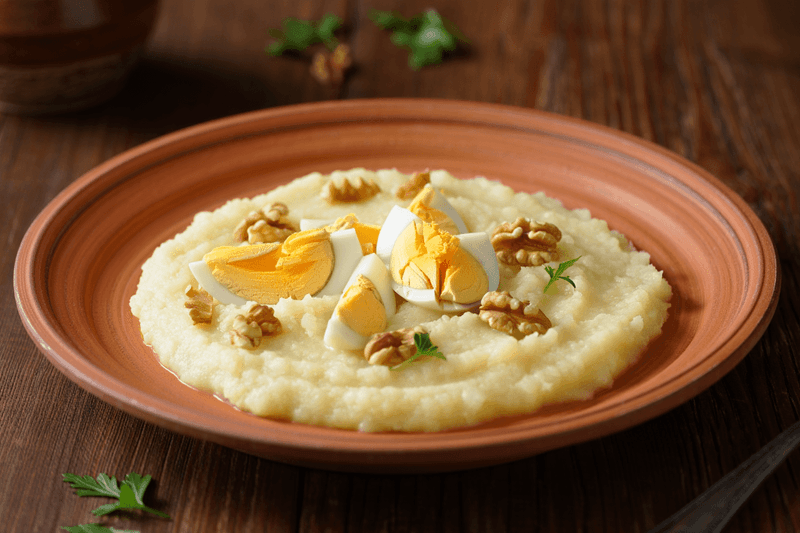
Atascaburras is a wonderfully quirky dish from the landlocked La Mancha region, and its name roughly translates to stuck donkey, supposedly because it is so thick and heavy that even a donkey would get stuck eating it. It is made by mashing together boiled potatoes and rehydrated salt cod with plenty of olive oil until smooth and creamy.
Walnuts and hard-boiled eggs are scattered on top for texture and richness. It is unusual, deeply satisfying, and one of Spain’s best-kept culinary secrets.