
Some restaurants serve food so strange that you might think it is a joke. From golden burgers to fish that could be poisonous, chefs around the world love to push the limits of what goes on a plate.
Learning about these wild dishes helps us understand different cultures and their unique traditions. Get ready to discover meals that are real, served today, and sometimes just a little bit scary.
1. Fugu: The Pufferfish That Could Bite Back
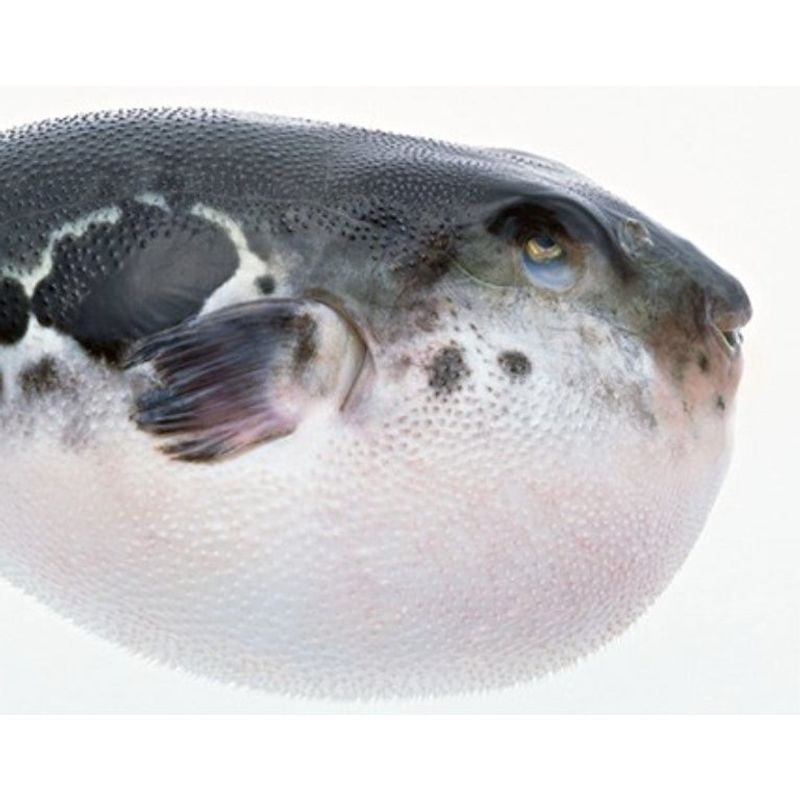
Imagine eating a fish that contains a poison stronger than cyanide. In Japan, fugu chefs train for years and must pass a tough exam before they can serve it.
The fish is sliced so thin you can see the plate through it. Diners often feel a slight tingle on their lips.
Fun fact: the Emperor of Japan is not allowed to eat fugu, just to keep him safe.
2. Casu Marzu, Cheese With Wriggling Guests
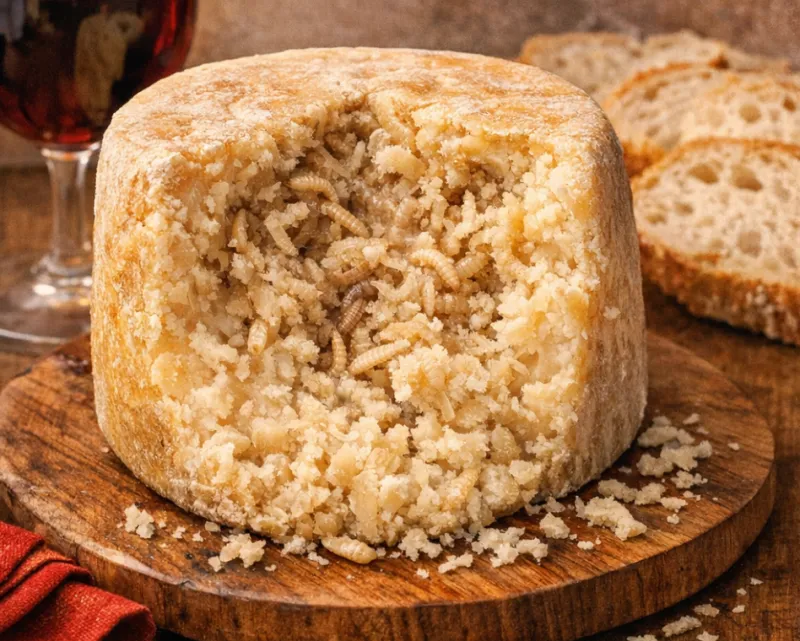
Sardinia, an island in Italy, is home to a cheese that comes with live insect larvae inside. Yes, they are tiny maggots, and they help break down the cheese into a soft, creamy texture.
Locals spread it on thin flatbread called pane carasau.
Selling it is technically banned in many places, so finding it usually means knowing a farmer. Brave eaters say the flavor is strong, spicy, and unforgettable.
3. A Burger Wrapped in Real Gold

Ever wondered what a burger worth hundreds of dollars looks like? Several restaurants, including spots in Dubai and New York, wrap their patties and buns in shiny edible gold leaf.
The gold itself has no taste at all. What you really pay for is the show and the photo.
Inside, you might find wagyu beef, truffles, and rare cheeses. Tip: split one with friends if you want the experience without emptying your wallet.
4. Balut, a Surprise Inside the Shell
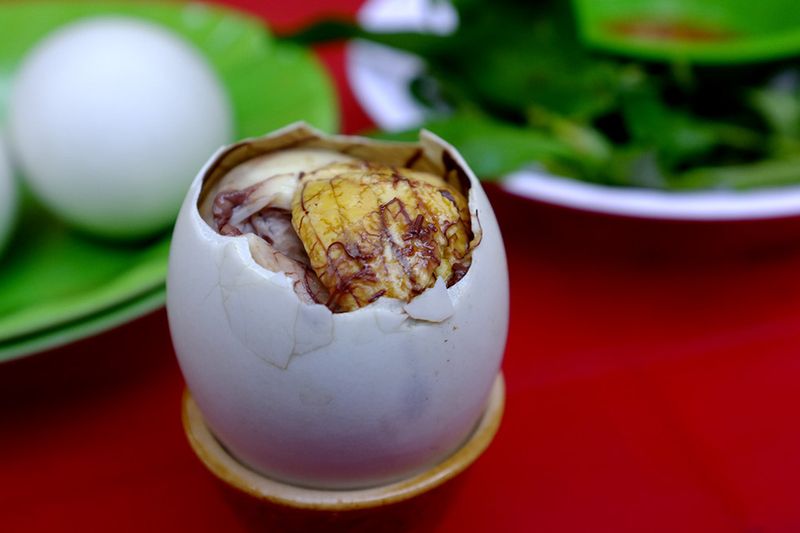
Street vendors in the Philippines shout “Baluuut!” as they walk through neighborhoods at night. What they sell is a fertilized duck egg with a partly grown duckling inside.
People sip the warm broth first, then add salt or spiced vinegar before eating the rest.
Many Filipinos see it as comfort food and a source of energy. For first-timers, locals suggest not looking too closely and just going for it.
5. Hákarl and Its Famous Smell
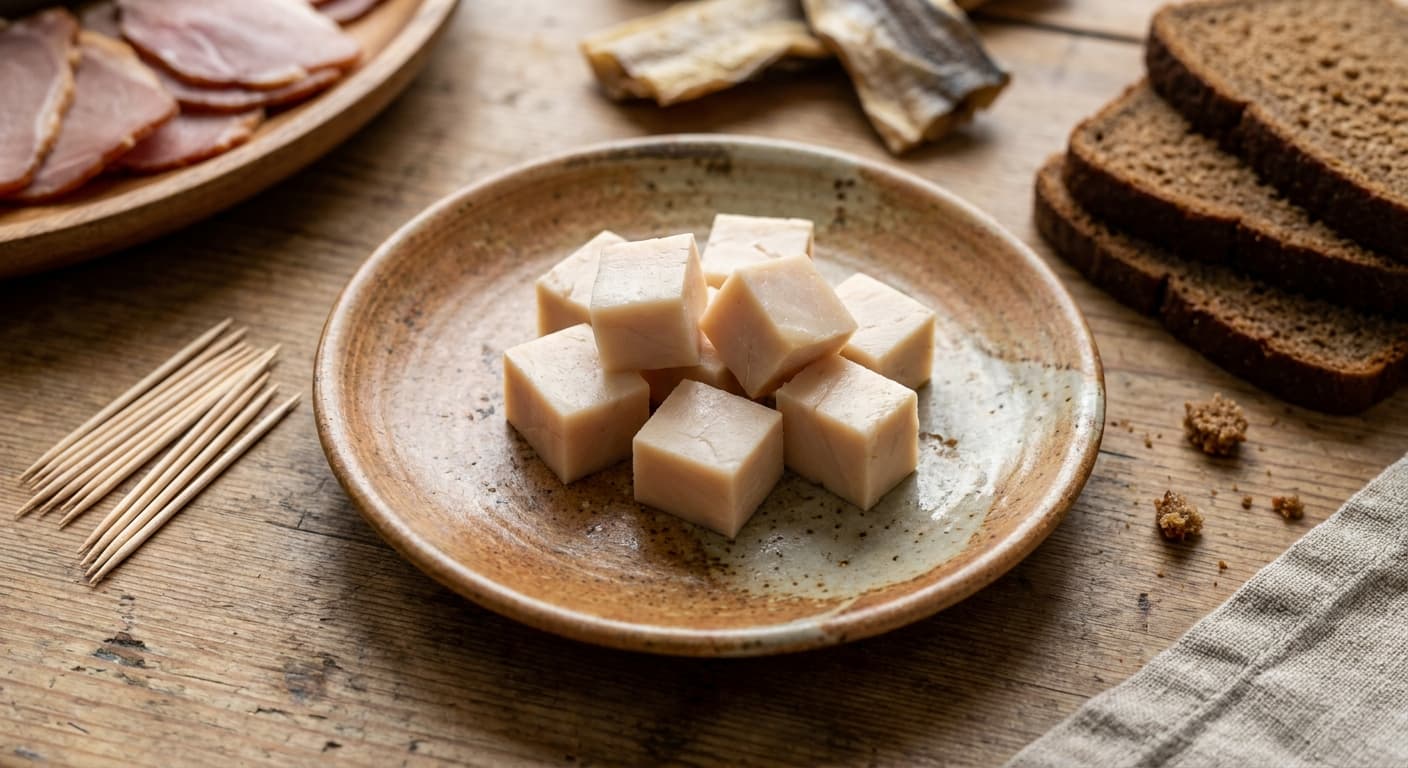
Celebrity chef Anthony Bourdain once called hákarl the worst thing he ever ate. This Icelandic treat is Greenland shark that has been fermented and hung to dry for months.
The shark is toxic when fresh, so the long process makes it safe.
Its smell reminds people of strong cleaning products. Icelanders usually serve tiny cubes during the midwinter Thorrablot festival, and pinching your nose while chewing is totally allowed.
6. Escamoles, Known as Insect Caviar
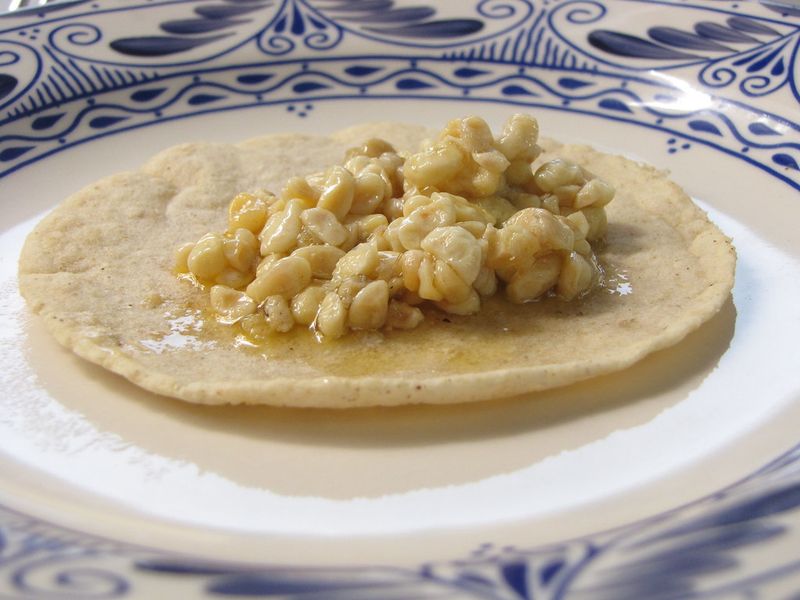
Picture tiny white pearls that taste buttery and a little nutty. That is how many describe escamoles, the eggs and larvae of ants collected from agave plant roots in Mexico.
The Aztecs enjoyed them hundreds of years ago.
Today, fancy restaurants in Mexico City sauté them with butter, garlic, and herbs, then tuck them into tacos. Harvesters must be careful, because the ants guarding them bite hard.
Look for them in spring.
7. Bird’s Nest Soup From Spit and Saliva
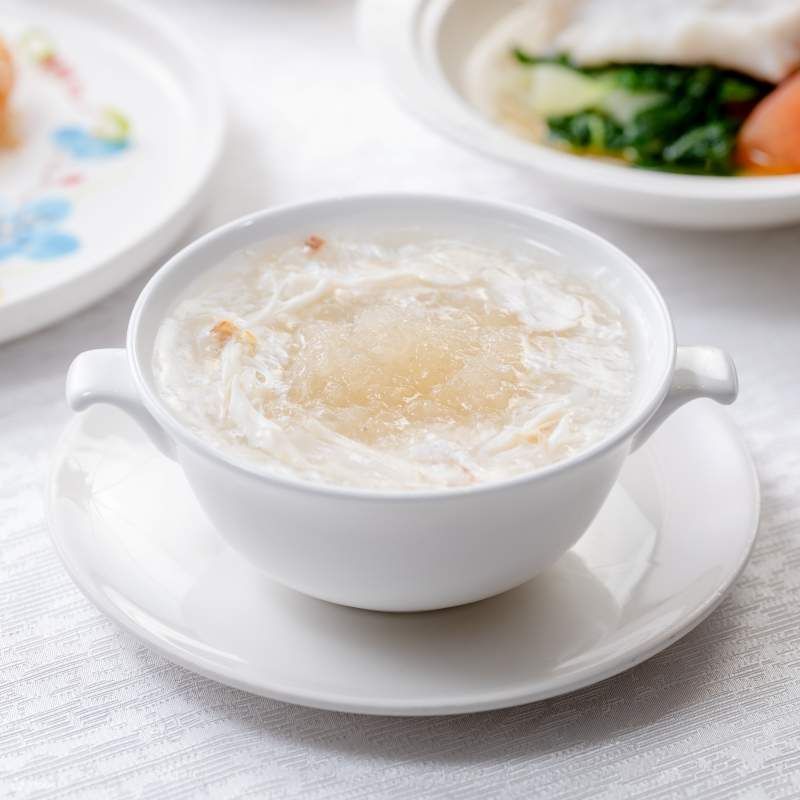
Swiftlet birds in Southeast Asia build their nests from their own hardened saliva. Collectors climb high cave walls to gather them, which is part of why the soup costs so much.
Once cleaned and cooked, the nest turns soft and jelly-like.
In Chinese culture, the dish has been prized for centuries and is thought to help skin and health. The taste is mild, so it is usually sweetened or served in broth.
8. Fried Tarantulas of Skuon
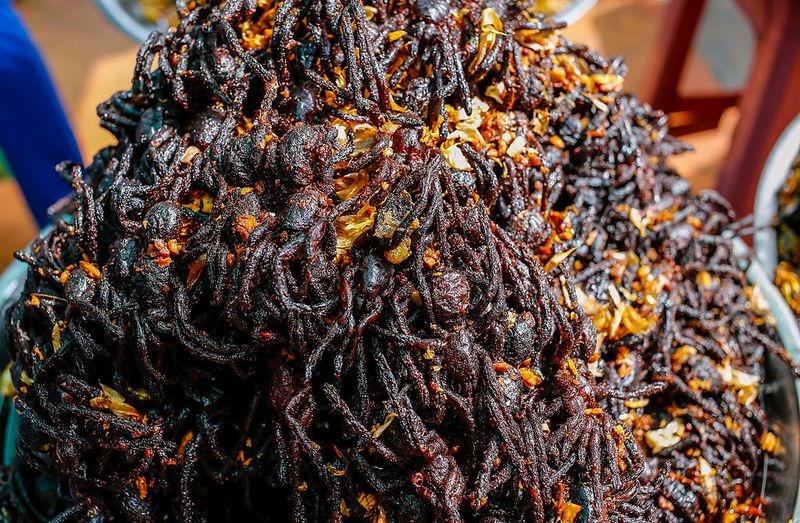
Crunchy legs, a soft middle, and a garlicky coating. In the Cambodian town of Skuon, fried tarantulas are a famous roadside snack.
People started eating them during hard times when food was scarce. The habit stuck, and now tourists stop just to try one.
Vendors fry the spiders with sugar, salt, and garlic. Most visitors say the legs taste like crispy chips.
The body, though, is a whole other adventure.
9. Sannakji, the Octopus That Keeps Moving
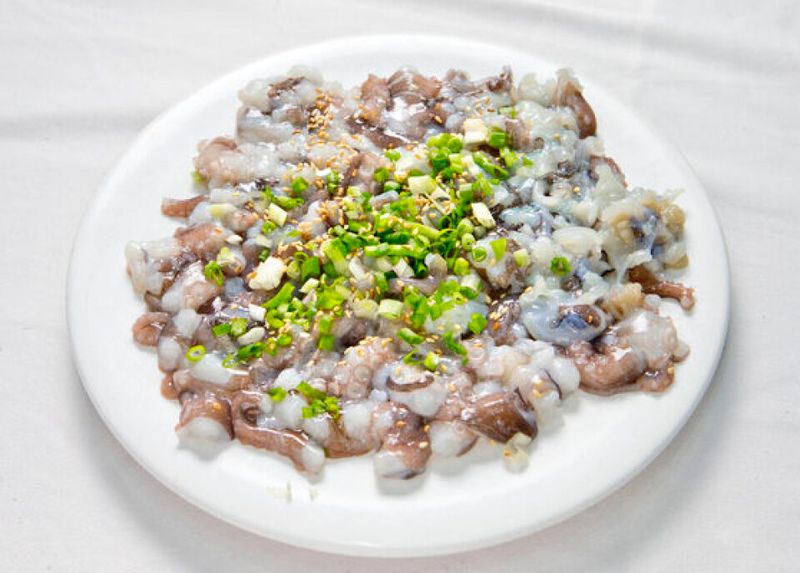
Your dinner wiggling on the plate? At seafood spots in Seoul, South Korea, that is exactly what happens with sannakji.
Chefs chop a small octopus into pieces and serve it right away with sesame oil. The tentacles keep moving because of leftover nerve activity.
Here is a safety tip worth remembering. Chew each piece well, since the suction cups can stick inside your throat.
Sesame oil helps stop them from gripping.
10. Surströmming From a Bulging Can

Some airlines have banned it from flights. Surströmming is Swedish herring fermented so long that the cans actually puff up from gas.
Swedes have a smart rule: open it outside, often underwater, to tame the stink.
Every August, families hold surströmming parties. They wrap the fish in thin flatbread with potatoes, onions, and sour cream.
Strangely enough, people who get past the smell often say it tastes salty and pleasant.
11. Century Eggs That Look Ancient
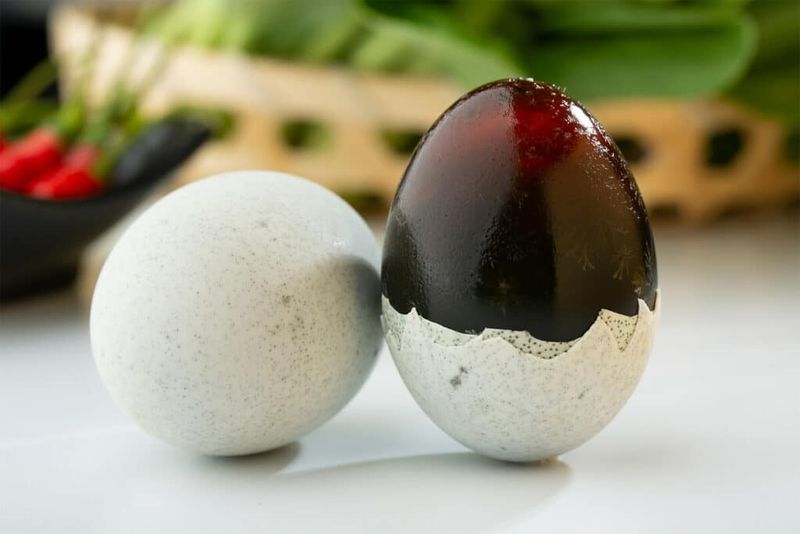
Don’t let the name fool you. Century eggs are not 100 years old, just a few weeks or months.
Duck eggs are coated in clay, ash, salt, and lime. Over time the whites turn into a dark, see-through jelly, and the yolk becomes creamy and green.
Chinese restaurants often serve them with silken tofu or in rice porridge called congee. The flavor is rich and earthy, a bit like strong cheese.
12. Witchetty Grubs From the Outback
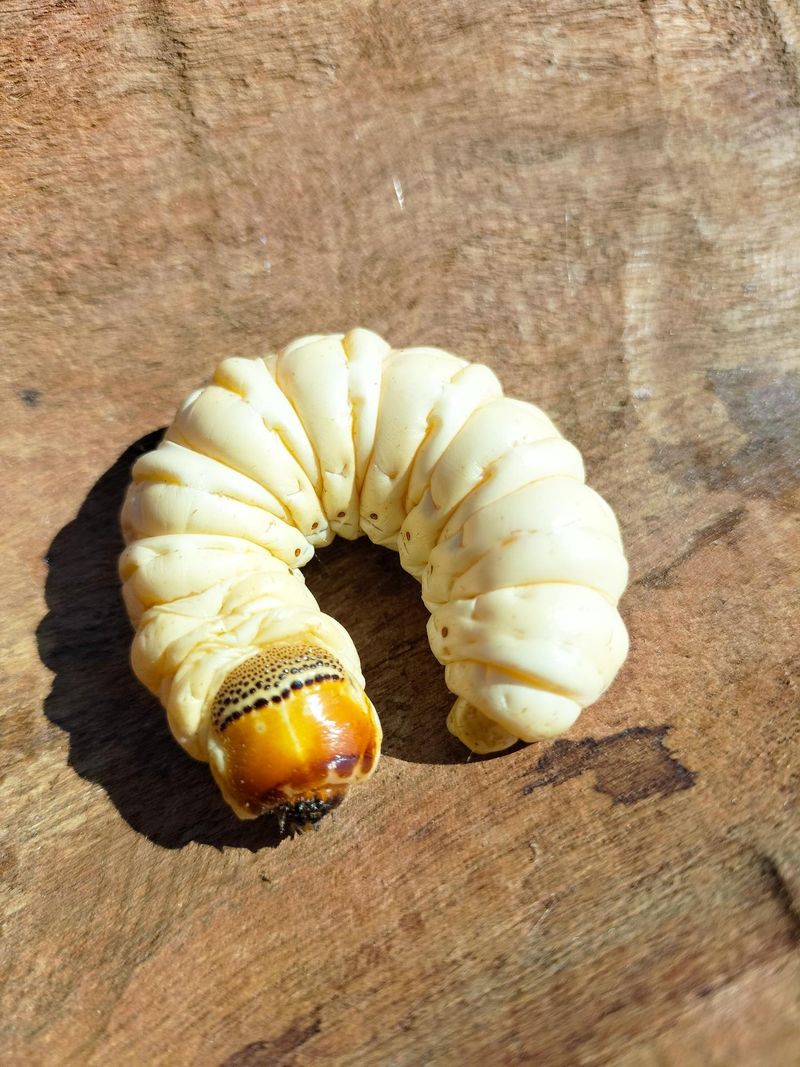
Aboriginal Australians have eaten witchetty grubs for thousands of years. These fat white larvae live in the roots of certain bushes in the outback.
Eaten raw, they taste a bit like almonds. When cooked over coals, the skin crisps up like roast chicken and the inside turns golden like scrambled egg.
They are packed with protein, making them a great survival food. Some bush tucker restaurants now proudly feature them on menus.
13. Cuy, Peru’s Roasted Guinea Pig
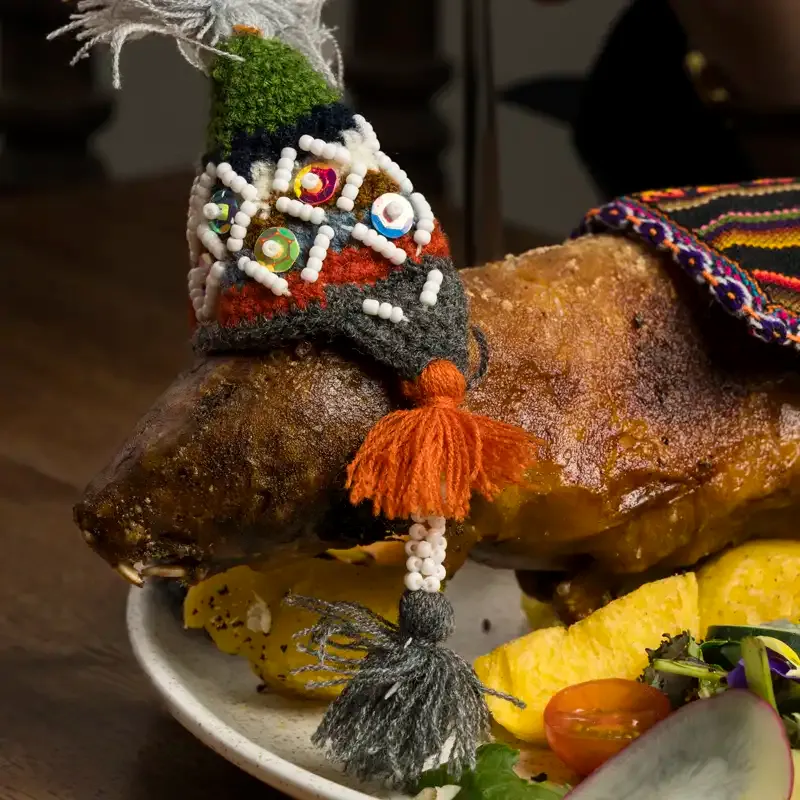
To many kids, guinea pigs are cuddly pets. In Peru, they have been a special meal for about 5,000 years.
Cuy is often roasted whole or fried until the skin crackles. The meat tastes like dark chicken or rabbit.
Here’s a cool detail: a famous painting of the Last Supper in Cusco’s cathedral shows Jesus and his followers eating cuy. Families serve it for birthdays and big celebrations across the Andes.
14. Black Ivory Coffee, Brewed by Elephants
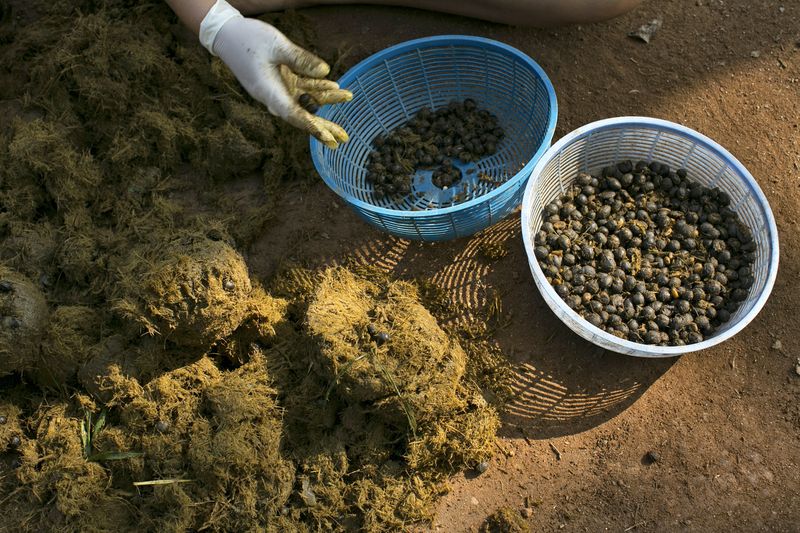
One of the most expensive coffees on Earth passes through an elephant first. In northern Thailand, elephants eat coffee cherries, and workers later collect the beans from their dung.
The elephant’s stomach changes the beans, making the coffee smooth and less bitter.
It takes about 33 pounds of cherries to make just one pound of beans. Only a handful of luxury hotels serve it, often costing over 50 dollars a cup.
15. Rocky Mountain Oysters Aren’t Seafood
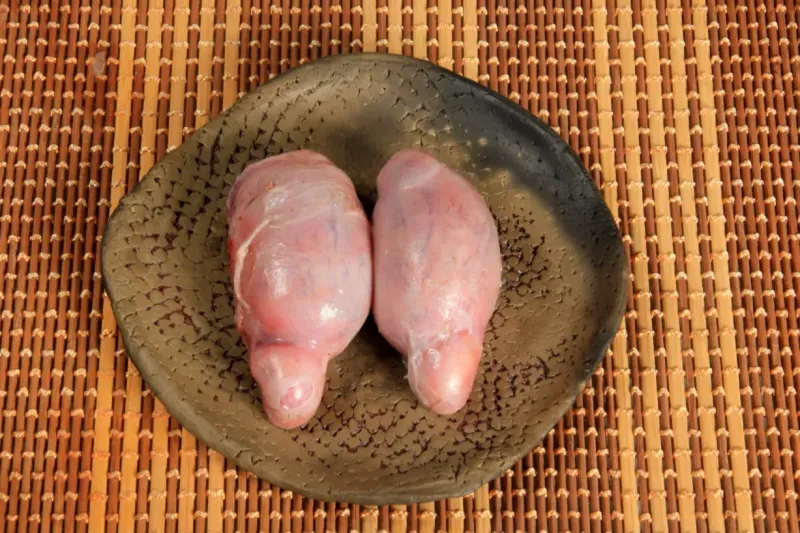
Order these in Colorado and you might be surprised. Rocky Mountain oysters are not from the ocean at all.
They are bull testicles, breaded and deep fried.
Ranchers started cooking them long ago so nothing from their cattle went to waste.
Today, they show up at diners, festivals, and even baseball games in Denver. Served with cocktail sauce, they taste a lot like fried calamari or chicken.
16. Mopane Worms, Southern Africa’s Snack
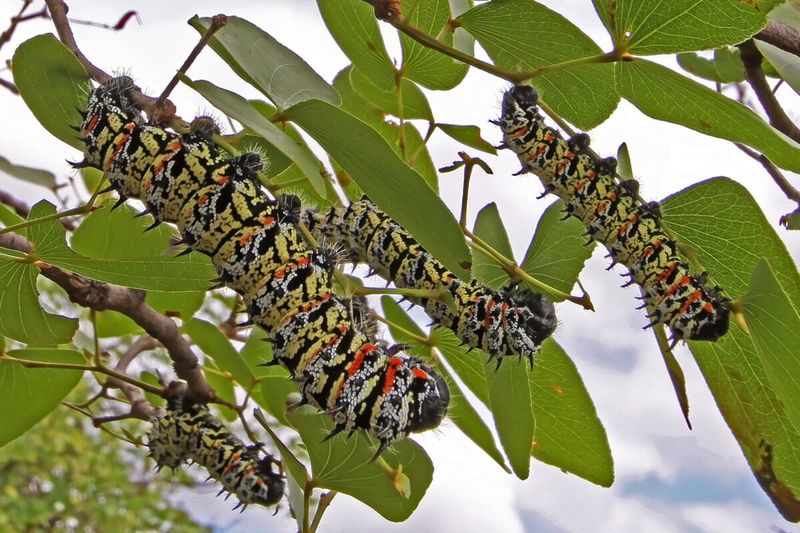
Crunchy, salty, and full of protein, mopane worms are a big deal in Zimbabwe, Botswana, and South Africa. They are actually caterpillars of the emperor moth.
Harvesters squeeze out the insides, then dry the worms in the sun.
Cooks fry them with onions and tomatoes or eat them dried like chips. Selling them supports thousands of rural families.
Next time you want a snack with a story, these qualify.
17. Haggis, Scotland’s Mystery Pudding
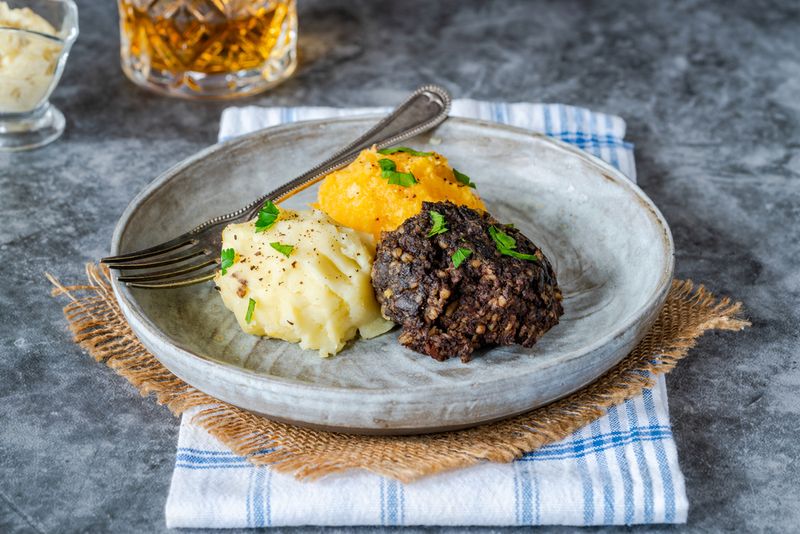
“Great chieftain o’ the pudding race!” That’s how poet Robert Burns praised haggis, and Scots still read his poem aloud before eating it each January.
Haggis mixes sheep heart, liver, and lungs with oats, onions, and spices. Traditionally, it was cooked inside a sheep’s stomach.
Pubs serve it with mashed turnips and potatoes, known as neeps and tatties. The peppery, savory flavor wins over plenty of nervous first-timers.