
British food has plenty of surprises beyond fish and chips. From rich puddings to crisp meat pies, many everyday favorites rarely appear on American menus.
Learning what goes into them can make ordering at a British pub or planning a trip much easier. Some sound strange at first, but a single bite might win you over.
1. Spotted Dick: A Pudding With Personality
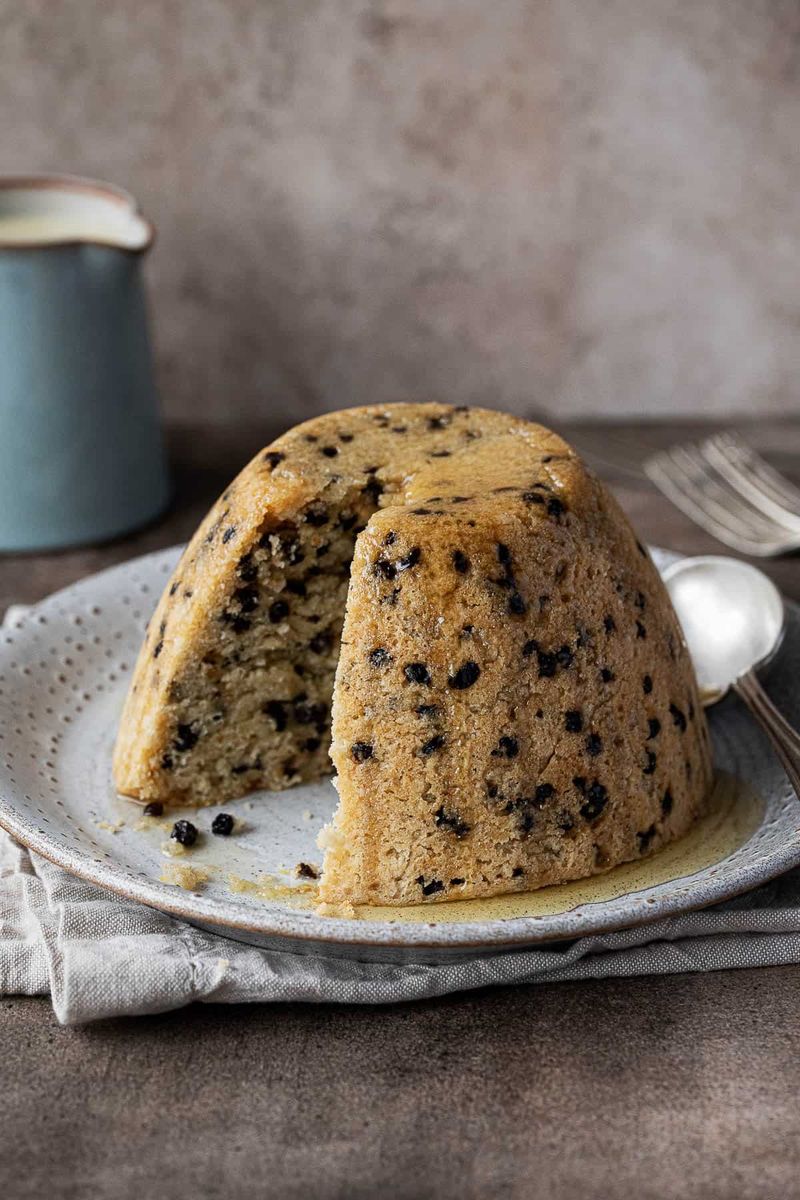
Ignore the funny name and picture a warm pudding dotted with dried fruit. Currants or raisins give spotted dick its spots, while suet helps create a soft, filling texture.
Traditionally steamed rather than baked, it belongs to Britain’s long history of comforting desserts. Order it with warm custard for the classic experience.
If you make it at home, use a proper steaming setup and check the water often so the pan never boils completely dry.
2. Black Pudding: Breakfast’s Bold Slice
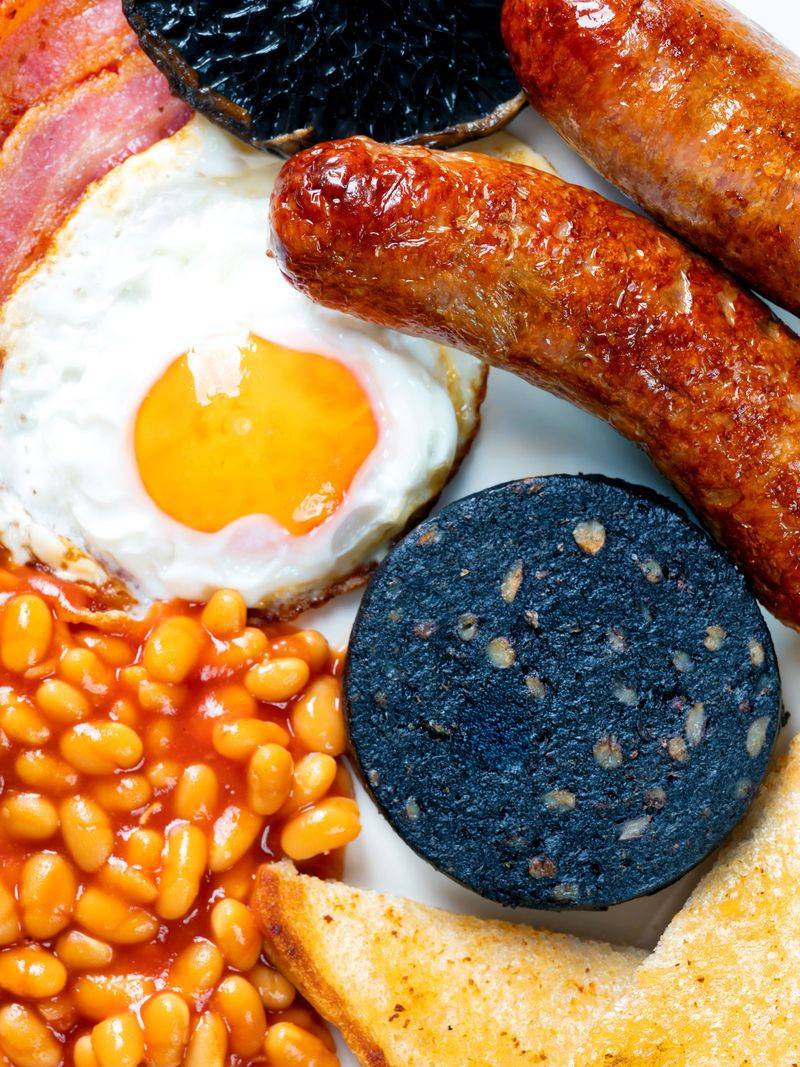
A dark, crisp slice beside your eggs might be the most surprising part of a British breakfast. Black pudding is a blood sausage, usually made with pork blood, fat, oats or barley, and seasonings.
Its flavor is rich and savory rather than sweet. Try a small piece with toast and tomatoes.
American versions exist; black pudding is not automatically banned, though imported meat products face restrictions, and foods containing livestock lungs cannot legally be sold.
3. Mushy Peas: More Than a Green Side
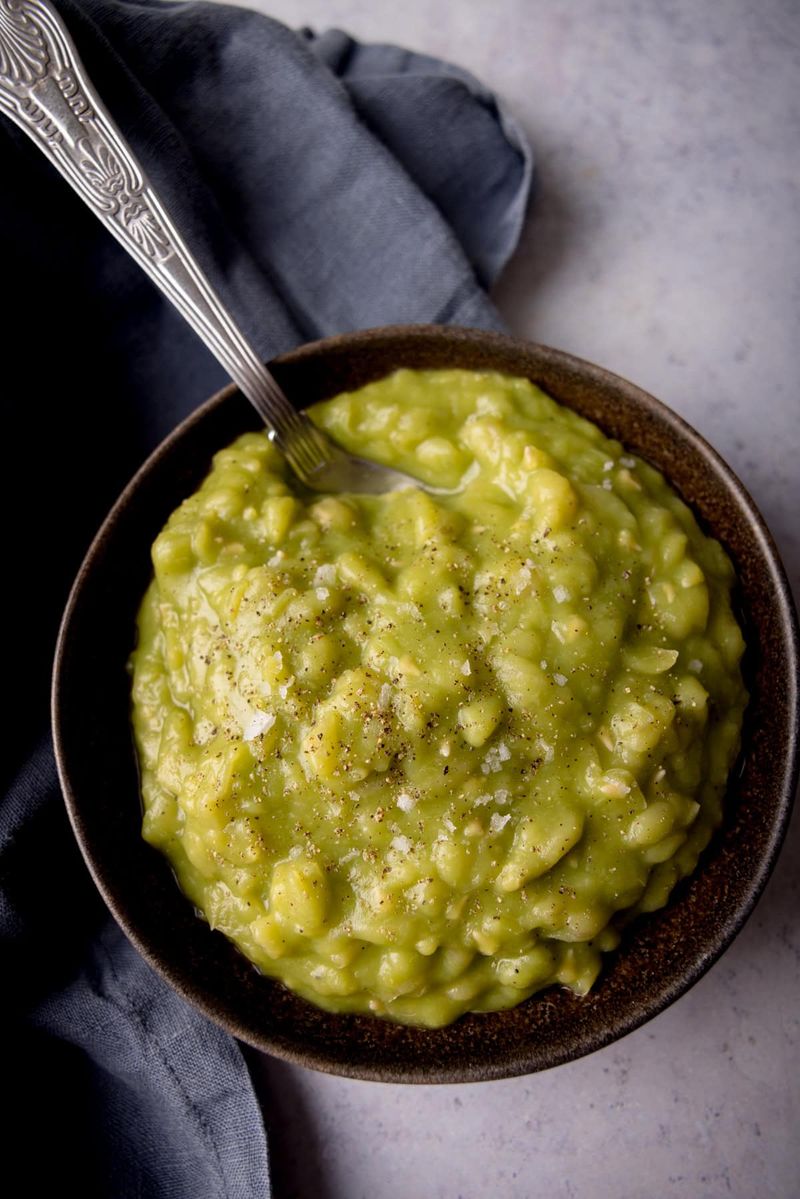
Bright green and proudly soft, this chip shop favorite deserves more credit than its name suggests. Dried marrowfat peas are soaked, then cooked until they break down into a thick, comforting side.
Unlike ordinary mashed garden peas, they have a hearty texture and earthy taste. Spoon them beside battered fish and chips, adding vinegar if you enjoy a sharper bite.
When cooking them yourself, follow package soaking directions rather than treating them like frozen peas.
4. Steak and Kidney Pie: Richness Under Pastry
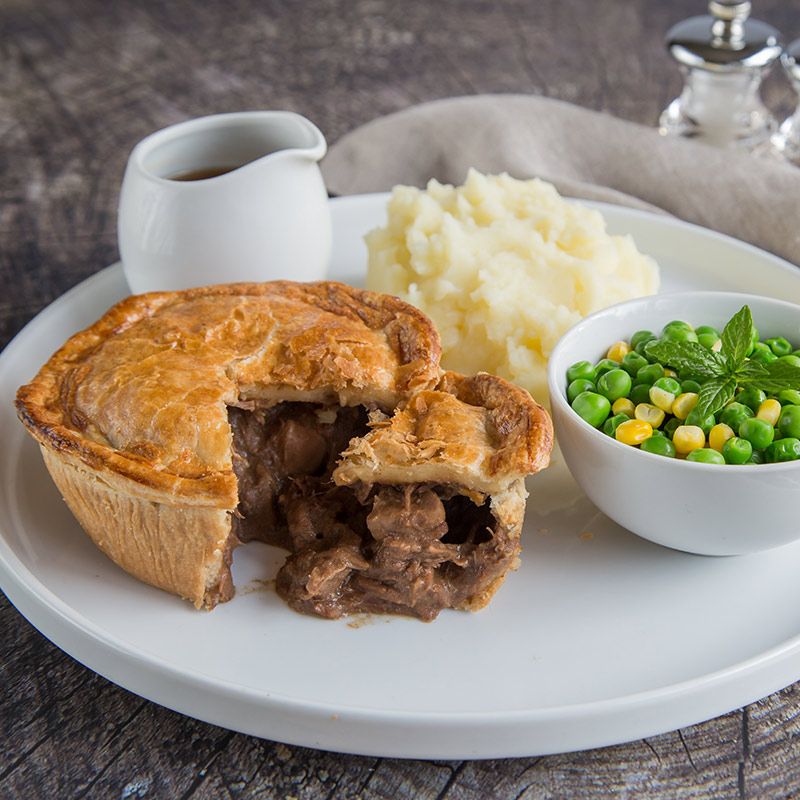
Break through the golden lid and a cloud of savory steam rises from the filling. Tender beef, chopped kidney, onions, and gravy give steak and kidney pie its deep flavor.
Kidney has a stronger taste than steak, so newcomers may want to share a portion first. Mashed potatoes and greens make sensible partners.
At home, cook the filling until tender before adding pastry, since a browned crust does not mean the meat underneath is ready.
5. Haggis: Scotland’s Famous Savory Pudding
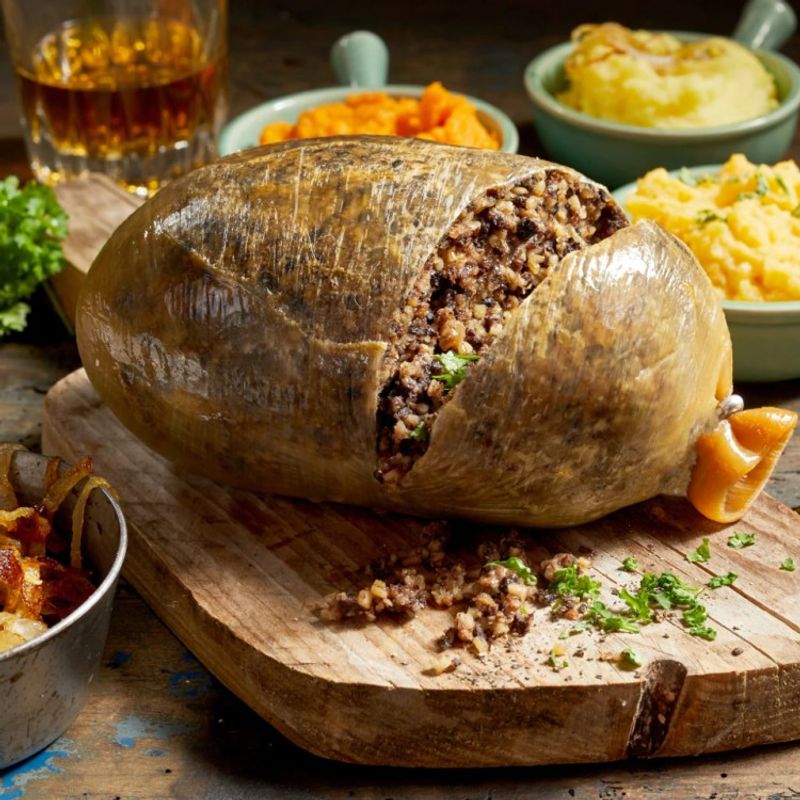
Scotland’s best known savory pudding rewards a little curiosity. Traditional haggis combines sheep’s heart, liver, and lungs with oatmeal, onion, fat, and spices, historically cooked in a stomach casing.
Expect a crumbly texture and peppery warmth, often paired with mashed turnips and potatoes. Traditional lung-containing haggis cannot be sold in America, but versions without lungs are available.
Vegetarian versions offer another starting point, though their ingredients and flavor differ from those of the original meat recipe.
6. Scotch Egg: A Picnic Packed Into One Bite

Hidden inside that crunchy golden shell is a whole egg wrapped in sausage meat. A coating of breadcrumbs finishes the Scotch egg, which can be fried or baked.
Some pub versions have soft yolks, while firmer eggs travel better for picnics. Mustard or a sharp pickle helps balance the richness.
Although you may spot them at American gastropubs, they remain uncommon on everyday menus. For homemade batches, cook the sausage thoroughly and refrigerate leftovers promptly.
7. Clotted Cream: The Scone’s Richest Partner

Think of cream thick enough to sit proudly on a warm scone without running away. Gentle heating followed by slow cooling gives clotted cream its rich body and lightly crusted surface.
It is especially linked with Devon and Cornwall, where cream teas are a local tradition. Serve a small spoonful with jam rather than treating it like whipped cream.
Imported jars sometimes reach American specialty shops, but storage needs and availability vary, so check labels.
8. Branston Pickle: Cheese’s Tangy Sidekick
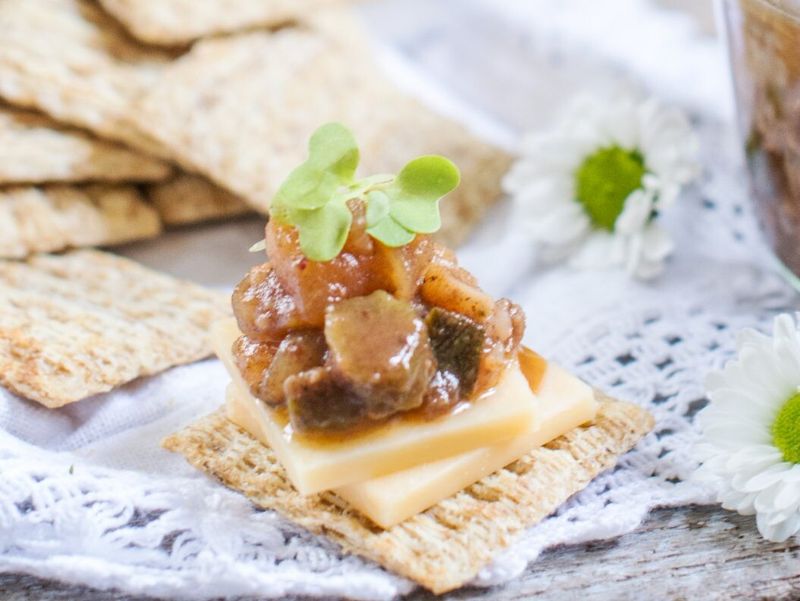
One spoonful can wake up an otherwise plain cheese sandwich. Branston Pickle is a British brand of chunky vegetable relish with a sweet, sour, and warmly spiced taste.
Despite the name, it is not simply chopped cucumber pickles. Pair it with mature cheddar, crusty bread, or a traditional ploughman’s lunch.
Start with a thin layer, since its flavor carries far. British grocery sections sometimes stock jars even when local restaurants never put it on menus.
9. Yorkshire Pudding: The Roast Dinner’s Golden Cup

No dessert spoon is needed for this pudding. A simple batter of flour, eggs, and milk rises in hot fat, forming crisp edges and a soft, hollow center.
Yorkshire pudding traditionally accompanies roast beef, catching gravy like an edible bowl. It shares some traits with American popovers, but its place at Sunday dinner is distinctly British.
For better results at home, preheat the pan and fat, then resist opening the oven while the batter rises.
10. Cornish Pasty: A Meal in a Pastry Pocket

A sturdy pastry pocket once made a handy lunch for Cornwall’s miners. The traditional Cornish pasty holds beef, potato, onion, and swede, known to Americans as rutabaga.
Its curved shape and crimped edge help keep the filling tucked inside. Unlike many pies, the ingredients traditionally go into the pastry raw and cook together.
Look for a filling with clear chunks rather than smooth mince. Let a fresh pasty cool slightly, because the center holds heat well.
11. Walkers Prawn Cocktail Crisps: A Tangy Surprise

Seafood sounds like an unlikely potato chip flavor, yet the first impression is often tangy sweetness. Walkers Prawn Cocktail crisps take their cue from the sauce served with the classic shrimp starter.
Expect a tomato-like sharpness rather than the taste of fresh prawns. They are more a packaged snack than a restaurant dish, which helps explain their absence from American menus.
Check the current ingredient label if you have allergies, since flavor names can be misleading.
12. Marmite: A Little Goes a Long Way
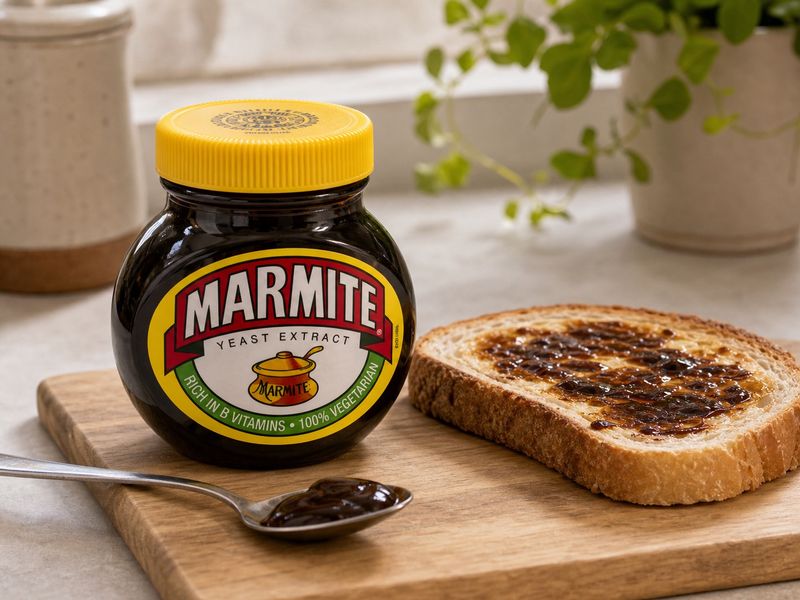
Spread it like peanut butter and your first taste may be your last. Marmite is a dark yeast extract with a powerful salty, savory flavor that works best in tiny amounts.
Try a light scraping over buttered toast before deciding which side of Britain’s famous taste debate you support. A little can also deepen soups or gravies.
American specialty stores sometimes carry it, but finding Marmite toast on a regular breakfast menu is another matter.
13. Crumpets: Butter’s Favorite Landing Spot

Those little holes have a delicious job: catching melted butter. Made from a loose yeasted batter cooked on a griddle, crumpets have a springy middle and a surface full of tiny openings.
They differ from English muffins, which are usually split before toasting. Toast a crumpet whole until its base turns crisp, then add butter, jam, or cheese.
Packaged versions occasionally appear in American stores, so check the bread aisle before assuming you must bake them.
14. Toad in the Hole: Sausages With a Puffy Crust

Relax, there are no amphibians hiding in this dinner. Pork sausages bake inside Yorkshire pudding batter, creating a dish with browned tops, crisp edges, and a softer middle.
Onion gravy is a natural partner, with peas or cabbage adding something fresh alongside. The playful name is often linked to sausages peeking through the batter, though its origin is uncertain.
Use a hot baking dish and leave room for the batter to rise around each sausage.
15. Jellied Eels: A Taste of Old East London
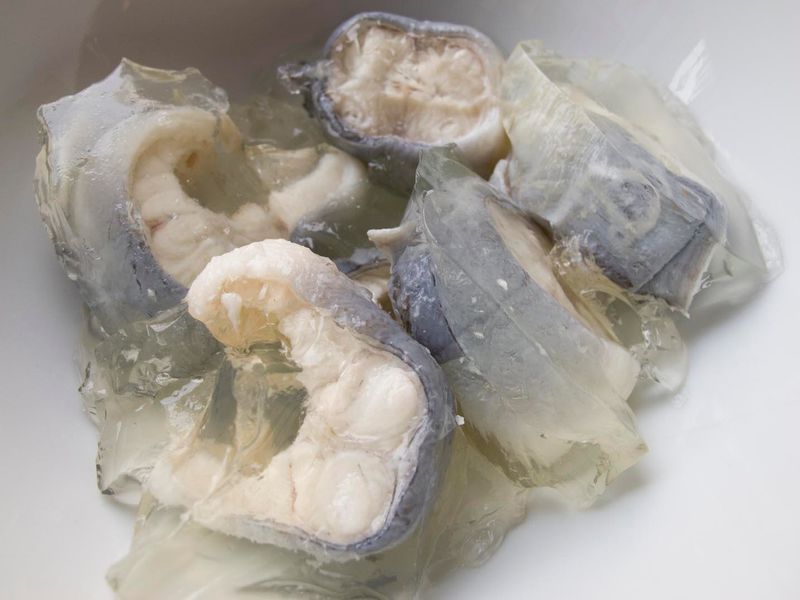
Cold fish in jelly may test your comfort zone, but it tells a story about London’s working past. Chopped eels are simmered in seasoned stock, which sets as it cools.
The result has soft flesh, a delicate flavor, and a slippery texture that divides diners. Traditionally associated with East London, jellied eels still appear in some pie and mash shops.
Try a small serving with vinegar, and watch carefully for bones rather than rushing each bite.