
A closed factory or an empty downtown does not have to be the end of a city’s story. Across America, communities have turned old rail lines into trails, warehouses into homes, and struggling business districts into lively gathering places.
Their progress took years, and many still face serious challenges. From former steel towns to growing technology centers, these places show how change can take root.
1. Pittsburgh, Pennsylvania: Steel Roots, Fresh Ideas
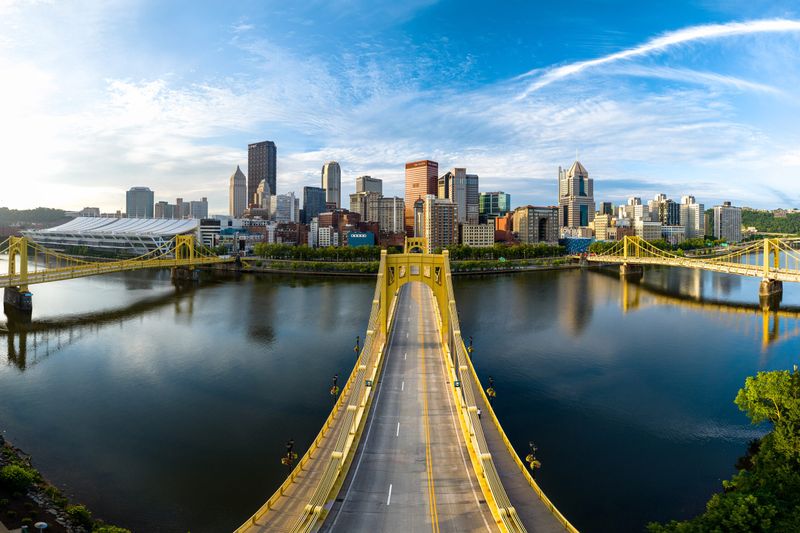
Steel once shaped nearly everything here, from the skyline to the family paycheck. When mills closed, Pittsburgh lost jobs and residents, but its universities helped build a different future.
Carnegie Mellon and the University of Pittsburgh supported growth in robotics, medicine, and research. Walk along the riverfront trails to see former industrial spaces finding new purpose.
The recovery remains uneven across neighborhoods, yet the city offers a powerful lesson in building on local strengths today.
2. Detroit, Michigan: Motor City Finds Another Gear
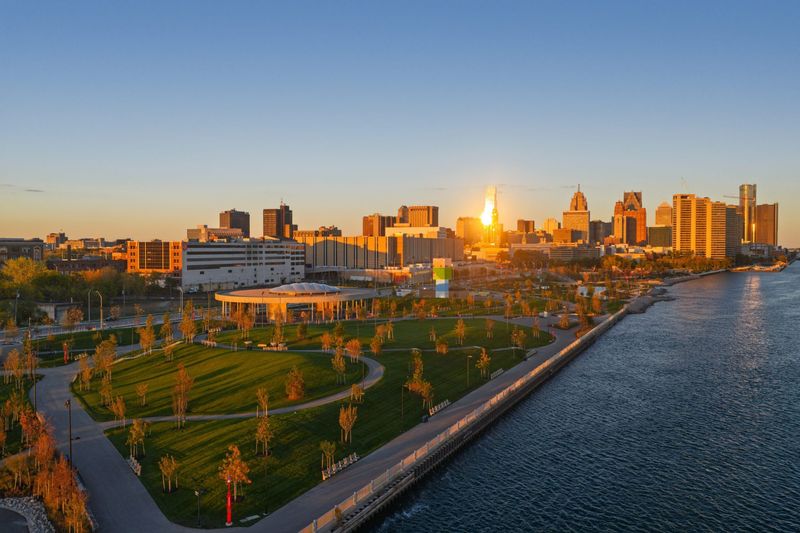
Bankruptcy was not the final chapter for America’s Motor City. After its 2013 financial collapse, Detroit began repairing services, restoring buildings, and drawing new investment into parts of downtown.
The riverfront now gives residents and visitors room to walk, cycle, and gather. Explore beyond the central business district, too, where neighborhood groups support gardens, shops, and public art.
Progress deserves attention, but so do the residents still facing housing costs, vacant properties, and limited opportunities.
3. Denver, Colorado: Beyond the Oil Boom
When oil prices crashed in the 1980s, Denver learned how risky one major industry could be. The city gradually broadened its economy through fields such as healthcare, technology, and professional services.
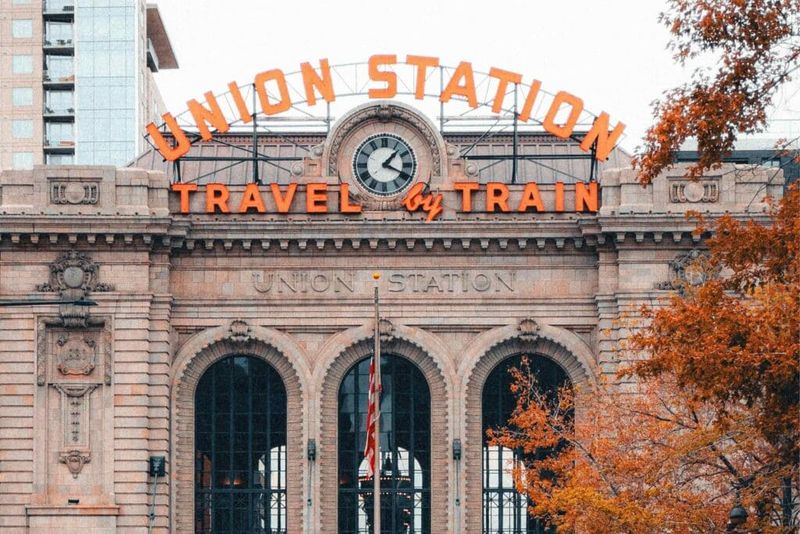
Old warehouses in River North gained studios, restaurants, and new neighbors. Union Station became another visible symbol of downtown renewal.
Visitors can explore both areas using transit, though rising housing costs show that a stronger economy does not automatically make city life affordable for everyone.
4. New Haven, Connecticut: Big Ideas in a Small City
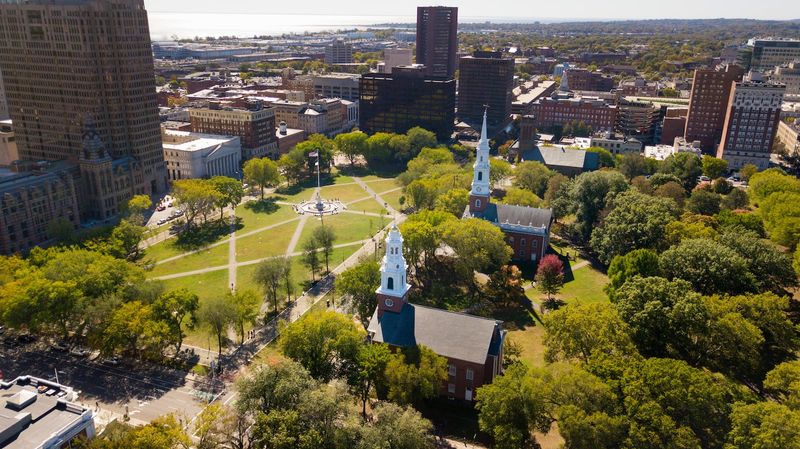
A laboratory discovery can become a city’s next employer. In New Haven, Yale University has helped turn research into young companies, especially in medicine and the life sciences.
That growth has brought new uses to buildings and fresh energy to parts of downtown after years of economic strain. Pair a walk around the New Haven Green with nearby shops and museums.
Remember, university success matters most when job training and opportunity reach surrounding neighborhoods as well.
5. Boston, Massachusetts: A Highway Gives Way to Green
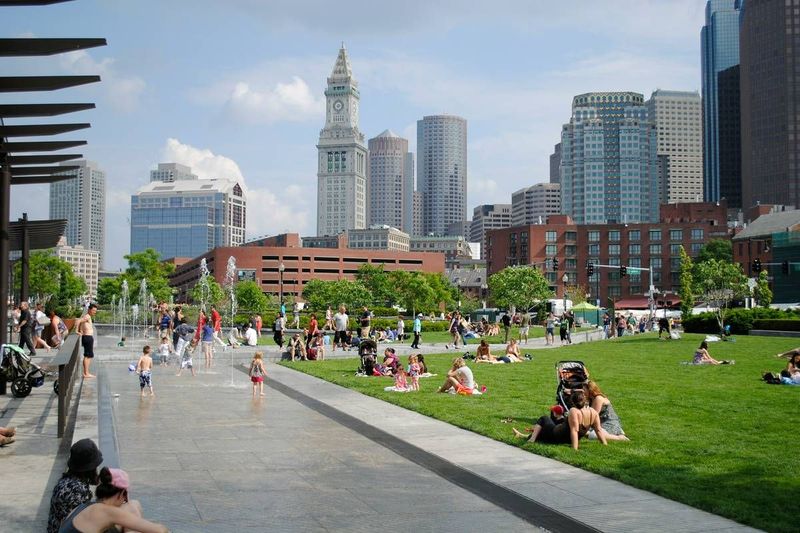
Imagine replacing a noisy elevated highway with gardens and walking paths. Boston did just that when the Big Dig moved the Central Artery underground, making room for the Rose Kennedy Greenway.
The change helped reconnect downtown areas long divided by traffic. Meanwhile, universities, hospitals, and technology businesses strengthened an economy that had lost manufacturing jobs.
Follow the Greenway toward the waterfront to experience the shift, while remembering that expensive housing remains a major local concern today.
6. Atlanta, Georgia: Old Rail Corridors Bring People Together
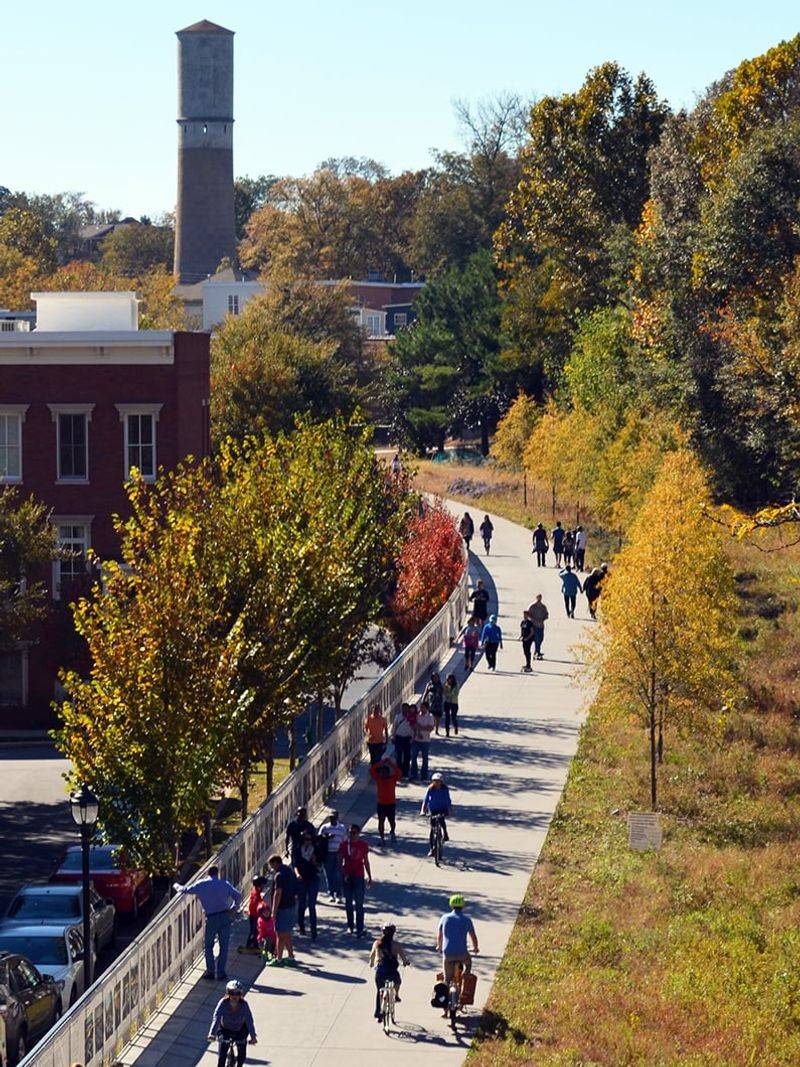
Abandoned railroad corridors once separated parts of Atlanta. The BeltLine is turning that leftover land into trails, parks, and connections between neighborhoods, with additional transportation improvements planned.
Along completed sections, walkers pass public art, restaurants, and buildings adapted for new uses. Start with the Eastside Trail for an easy introduction, checking access and weather before going.
The project’s popularity also raises a serious question: how can longtime neighbors stay as nearby land and housing grow pricier?
7. Houston, Texas: Parking Lots Become Gathering Places
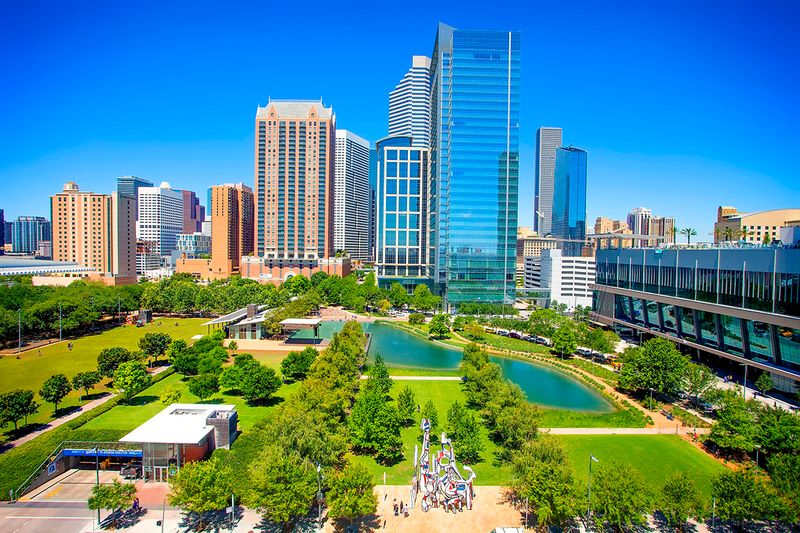
A downtown parking area became one of Houston’s favorite outdoor living rooms. Discovery Green opened in 2008, bringing lawns, art, play spaces, and community events to the city’s center.
Nearby development followed, while improvements along Buffalo Bayou created more places to enjoy the water and skyline. Check park calendars for free activities before visiting.
Houston still faces flooding and unequal access to green space, making these projects useful examples rather than complete solutions to urban challenges.
8. San Diego, California: Neighborhood Renewal Beyond the Postcard

Beyond the beaches, a quieter rebuilding story has unfolded in San Diego’s urban neighborhoods. Public improvements, housing projects, and reused buildings have helped reshape areas that once struggled with neglect.
California’s redevelopment system changed in 2012, forcing local leaders to rethink how projects moved forward. Explore downtown and nearby neighborhoods to notice old structures beside newer homes and businesses.
Look beyond polished blocks, however, because homelessness and housing affordability remain major challenges for the city today.
9. Portland, Oregon: The Pearl District Polishes Old Warehouses
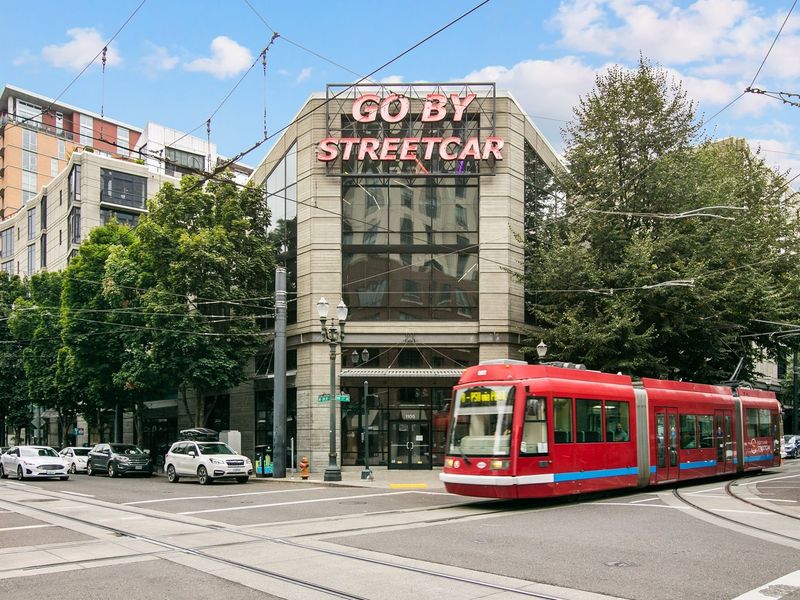
Freight yards and warehouses rarely look like the start of a popular neighborhood. Yet Portland’s Pearl District grew from those industrial roots, with artists helping bring early energy to overlooked buildings.
Later planning added housing, streetcar service, and parks such as Jamison Square. Wander the blocks to see how older brick buildings fit beside modern apartments.
The district shows what careful reuse can achieve, while its housing prices underline the need for affordable choices during redevelopment.
10. Huntsville, Alabama: Rocket Science Builds a New Economy
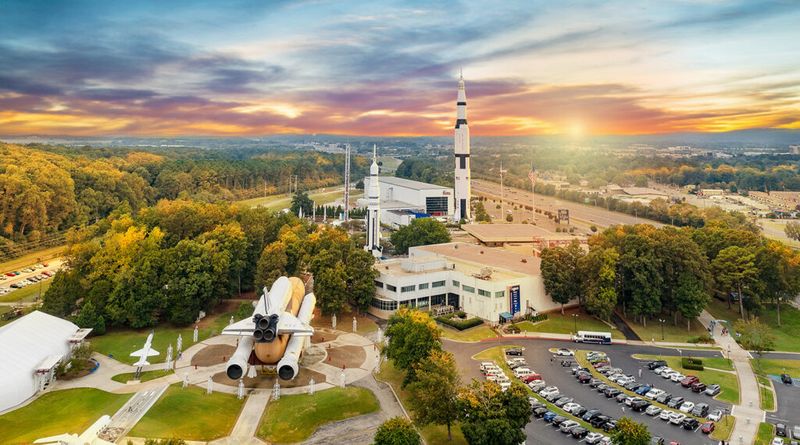
Rocket engines helped launch more than spacecraft in northern Alabama. Federal aerospace work turned Huntsville from a smaller city with agricultural and textile roots into a major engineering center.
Defense, research, and technology employers continue to shape its growth. Visit the U.S.
Space and Rocket Center to understand that unusual journey. Unlike some industrial comeback stories, Huntsville’s change centers on a new economic identity, though rapid development also brings traffic pressures and concerns about housing costs.
11. Austin, Texas: Creative Energy Meets Technology
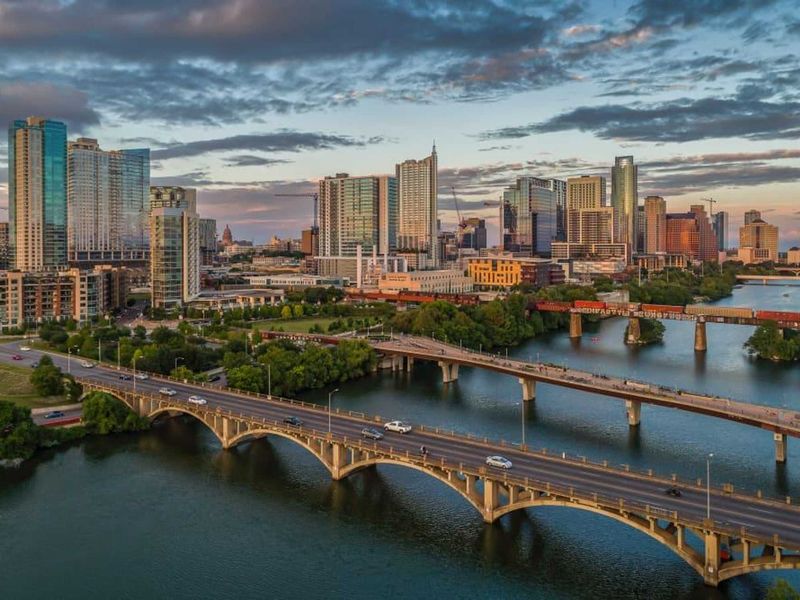
Live music still provides the soundtrack, but software now helps pay many bills. Austin expanded from a government and university town into a nationally known technology center with a strong startup culture.
Its story is more about rapid reinvention than rescue from collapse. Balance a downtown visit with local music venues and the trail around Lady Bird Lake.
Fast growth has brought jobs and energy, yet longtime residents also face higher costs and heavy traffic daily.
12. Naples, Florida: Coastal Beauty Faces a Resilience Test
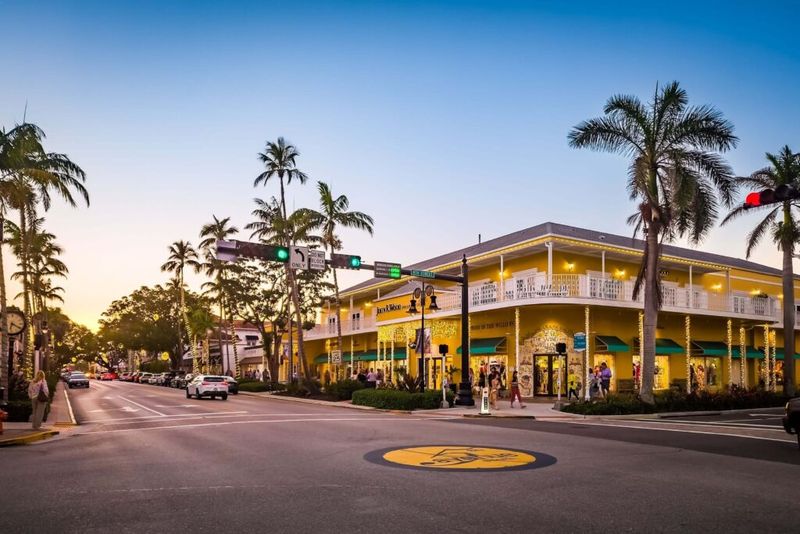
Sunny beaches do not tell the whole story of a coastal city. Naples has built a strong tourism and retirement economy, but hurricanes have exposed how quickly that prosperity can be disrupted.
Recovery efforts highlight the importance of stronger buildings, restored businesses, and beach protection. Check local access notices before planning waterfront activities after storms.
Rather than a classic industrial comeback, Naples offers a lesson in resilience, with high housing costs complicating life for service workers.
13. Spartanburg, South Carolina: Factory Skills Find New Purpose
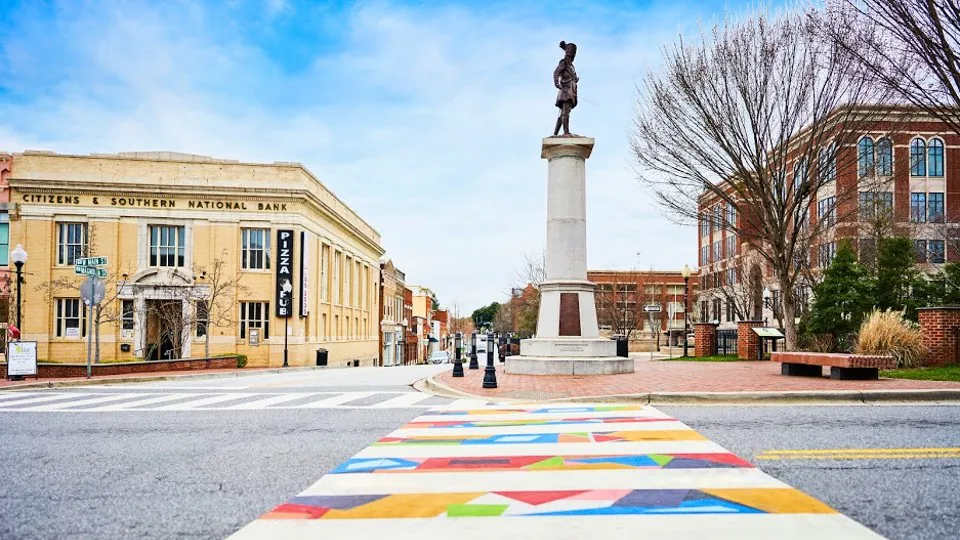
Factory knowledge did not disappear when the textile economy weakened. Around Spartanburg, workers and businesses adapted those skills to advanced manufacturing, supported by major employers across the surrounding region.
BMW’s nearby plant and other international investments helped widen the area’s industrial base. Workforce programs, including readySC, connect training with employer needs.
Spend time downtown to see another side of the recovery, where restored buildings and public gathering spaces complement an economy still closely tied to manufacturing.
14. Charleston, South Carolina: A Port Opens New Doors
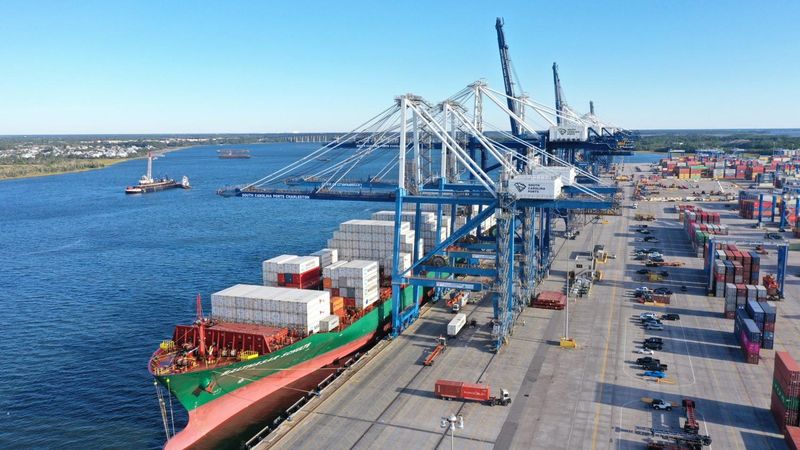
Container cranes tell a different Charleston story than the famous pastel houses. Port activity has helped support regional growth, linking South Carolina manufacturers with customers around the world.
Aerospace, automotive suppliers, and tourism have also broadened the area’s economy beyond its older foundations. For perspective, pair the historic district with a harbor tour that explains working waterfronts.
Economic success brings tradeoffs here, including flooding risks, traffic, and housing pressures that affect residents across the wider region.
15. Salt Lake City, Utah: New Connections Support Growth
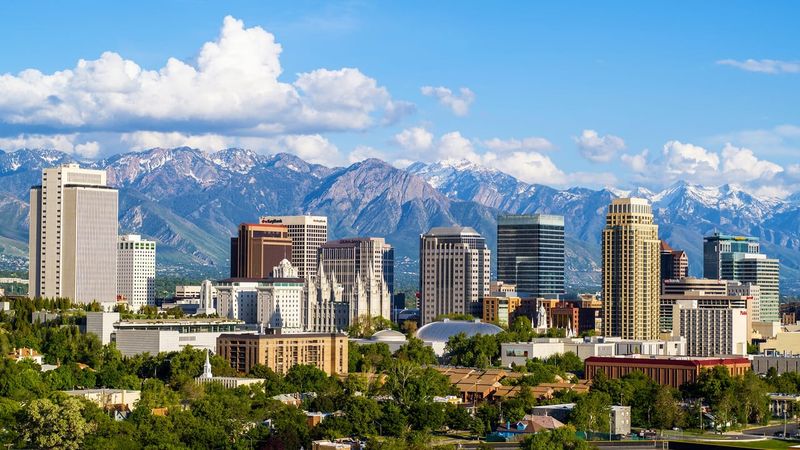
Mountain views frame a city learning to grow in new ways. Salt Lake City has paired downtown investment and regional transit with an expanding economy connected to technology, healthcare, and education.
The broader Wasatch Front’s technology sector is often called Silicon Slopes. Ride TRAX to explore central neighborhoods without relying entirely on a car.
Its transformation is not a simple rescue story, and concerns about air quality, water, and housing remain central to planning its future.
16. Birmingham, Alabama: Remembering Injustice While Building Forward
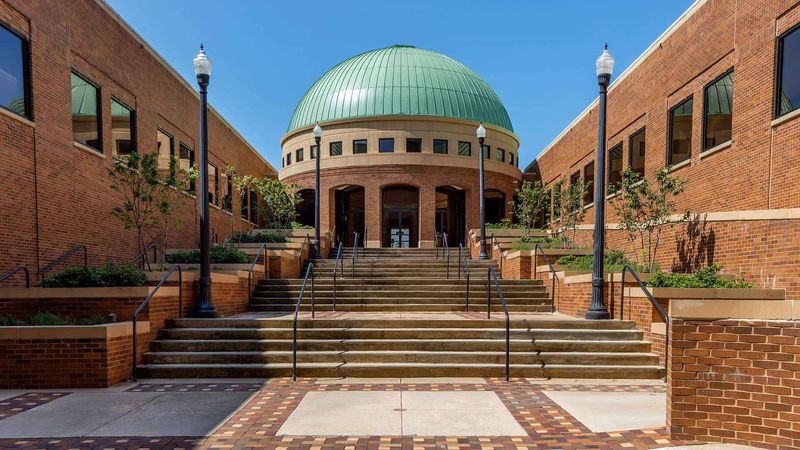
Facing history honestly can be part of rebuilding a city’s future. Birmingham preserves places tied to the 1963 civil rights struggle while developing an economy less dependent on steel.
Healthcare, research, and education now play major roles, and former industrial spaces have gained fresh uses. Visit the Birmingham Civil Rights Institute before exploring downtown parks and businesses.
Its renewal does not erase past injustice or present inequality, but it shows remembrance and economic change working together.
17. Evansville, Indiana: Downtown Gets Its Neighbors Back
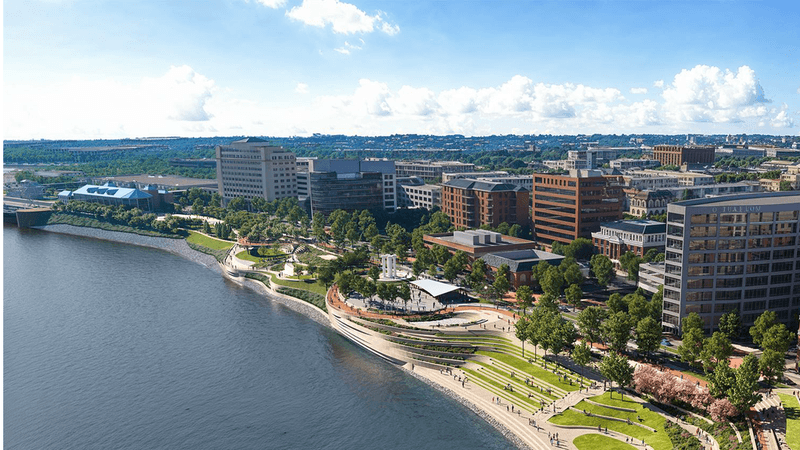
New neighbors can change the rhythm of an old downtown. After decades of population loss and disinvestment, Evansville has added apartments, gathering places, and businesses that bring activity beyond office hours.
Arts venues and riverfront spaces give people more reasons to stay awhile. Explore Main Street and the Ohio River waterfront to spot the changes.
The work remains unfinished, but its steady progress suggests that smaller cities can rebuild through many practical projects rather than one.