
A long phone cord and a goose cookie jar could tell you plenty about a home in the 1980s. Everyday rooms were filled with bold designs, bulky gadgets, and clever tools that made family life easier.
Looking back at them shows how much our habits have changed, even when some favorites never really left. See which forgotten finds bring back memories of your own home.
1. Colorful Tupperware for Every Leftover
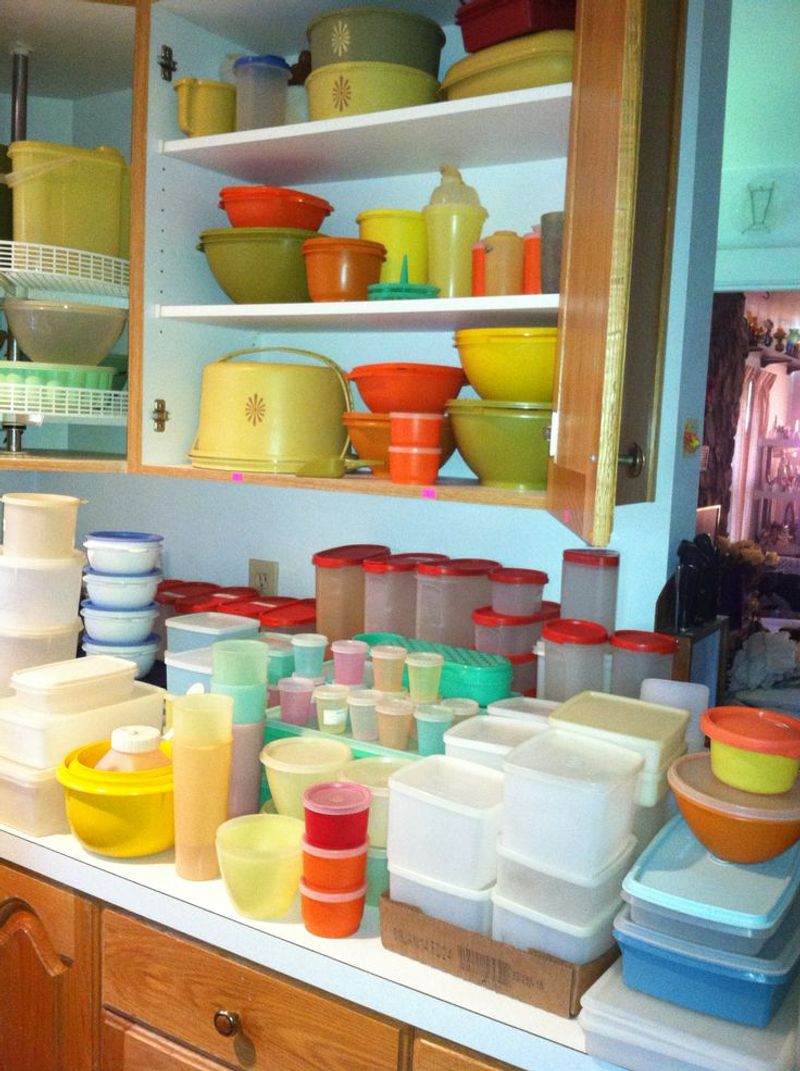
Opening the refrigerator often revealed a rainbow of bowls, each hiding leftovers behind a snug plastic lid. Tupperware parties helped turn useful storage containers into a social event, and many families built collections that lasted for decades.
Orange, green, and yellow pieces still bring back memories of packed lunches and picnic salads. If you find older containers, check their condition and care instructions before using them, especially for heating food or storing anything hot today.
2. Crockpots That Had Dinner Covered
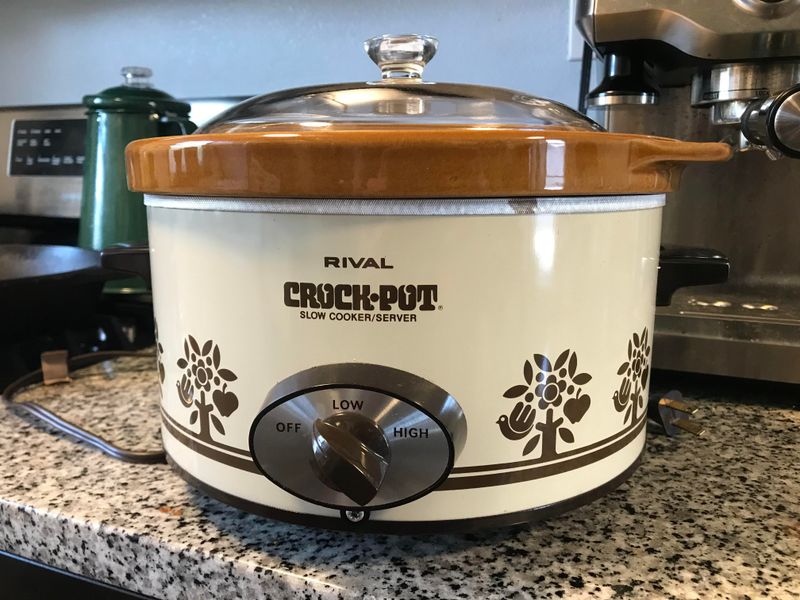
Dinner could be working while everyone else was away. A Crockpot let busy households cook soups, stews, and pot roasts slowly, often turning basic ingredients into a meal ready around suppertime.
Brown stoneware inserts and earthy patterns fit right into kitchens of the era. Slow cookers remain useful today, although modern versions offer more controls.
Before plugging in a vintage model, inspect the cord and check for damage, missing parts, or product recalls through manufacturers.
3. Blue Ribbon Geese Ruled the Kitchen
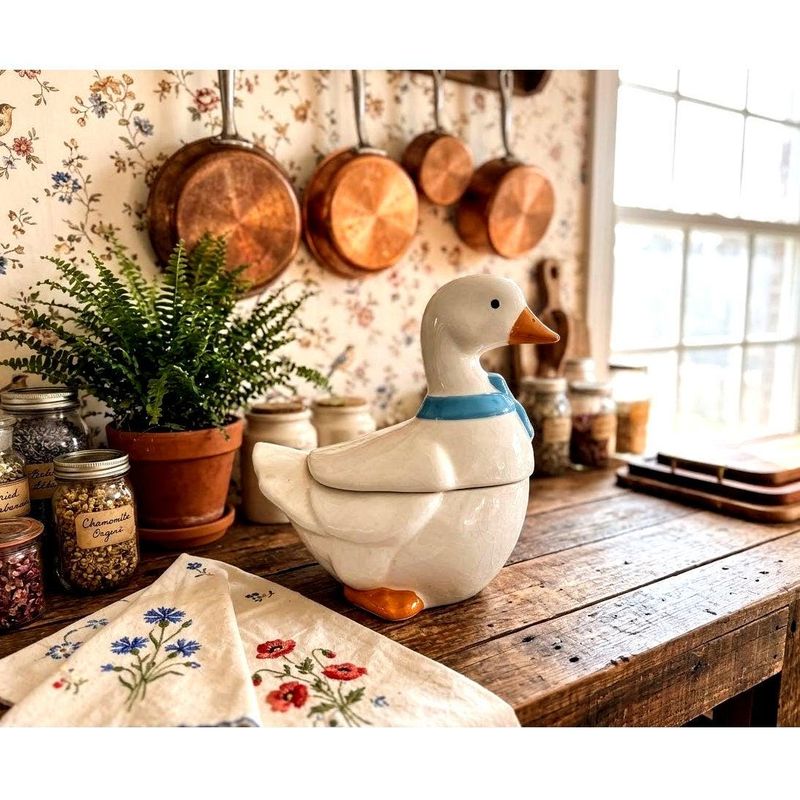
Some kitchens seemed to have an entire flock living inside. White geese wearing blue bows appeared on cookie jars, towels, wallpaper borders, and enough ceramic figures to fill a windowsill.
The look belonged to the country decorating craze, which favored cozy touches over sleek surfaces. A single goose jar can add playful charm without taking over your room.
When shopping secondhand, inspect lids, beaks, and necks carefully because those narrow areas can chip during everyday use.
4. Huge Microwaves Took Center Stage
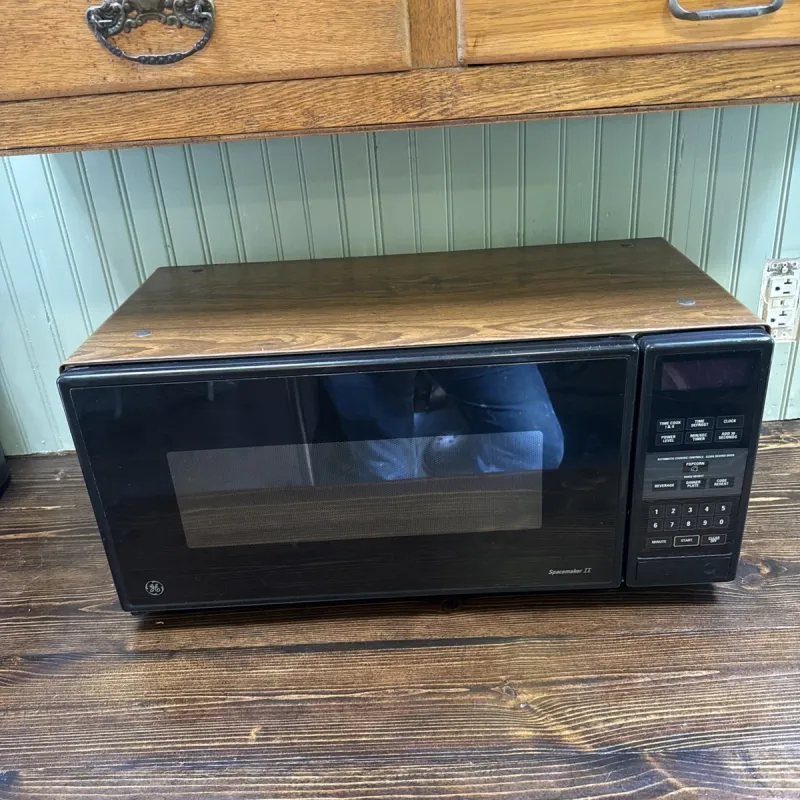
Counter space never stood a chance against some early microwave ovens. Their deep cabinets, chunky controls, and occasional woodgrain trim made them look almost like small televisions beside the toaster.
As microwaves became more common during the 1980s, families discovered faster ways to reheat dinner and warm drinks. Many old units are now display pieces rather than daily appliances.
Avoid using one with a damaged door, faulty latch, unusual sparks, or any visible electrical damage.
5. Wall Phones With Room-Roaming Cords
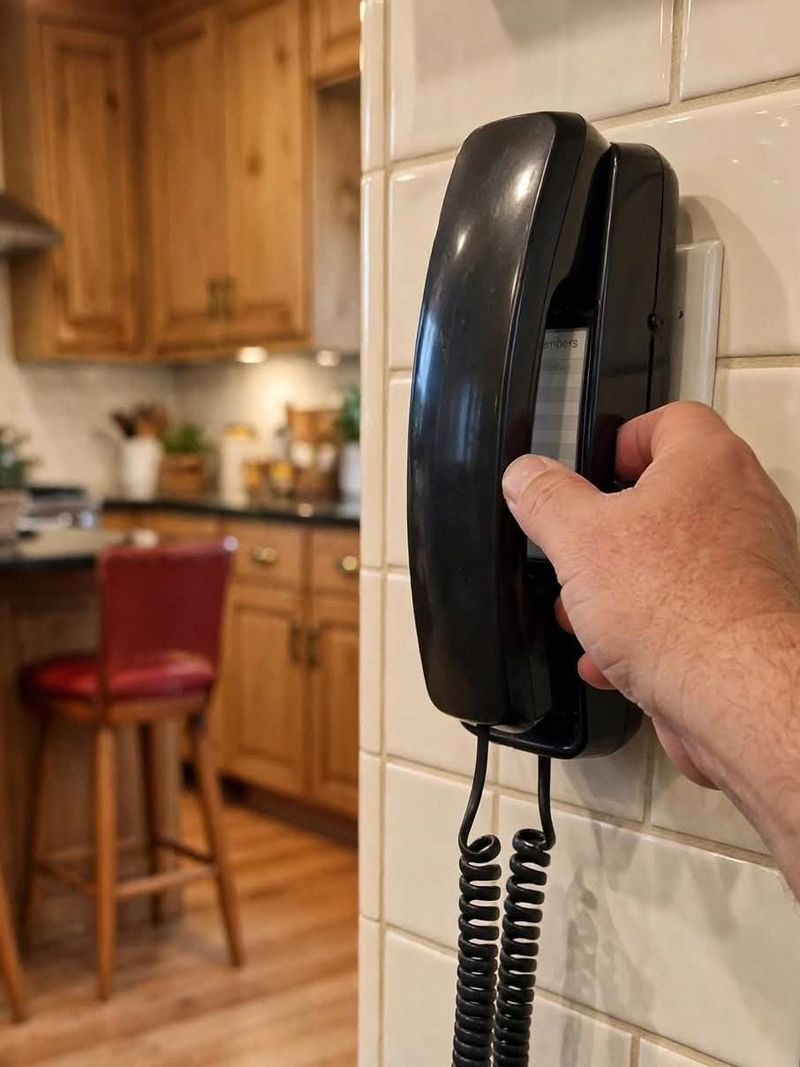
Privacy meant stretching the phone cord around the nearest corner. Mounted in kitchens or hallways, the family telephone connected everyone to friends, relatives, school news, and the occasional wrong number.
Extra long coiled cords offered freedom, but they also twisted into stubborn knots. A vintage wall phone makes an appealing display near a message board.
To use one for calls, first confirm that your phone service or adapter supports its connection and dialing method properly.
6. Pyrex and CorningWare Went From Oven to Table
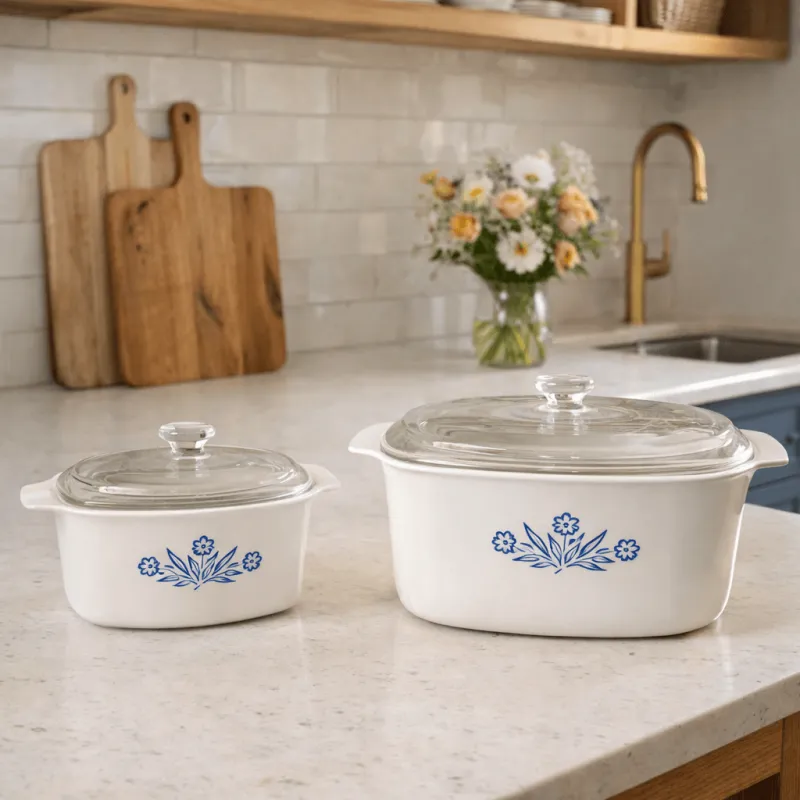
Holiday meals often arrived in dishes that looked familiar before anyone lifted the lid. Patterned Pyrex and CorningWare earned their places through everyday casseroles, shared dinners, and dependable trips to the table.
Although often grouped together, these brands include different materials with different care rules. Check the specific piece before exposing it to heat, and avoid sudden temperature changes.
Cracks or chips are reasons to retire a dish from cooking, even when its pattern remains beautiful.
7. Betty Crocker’s Green Recipe Card Box
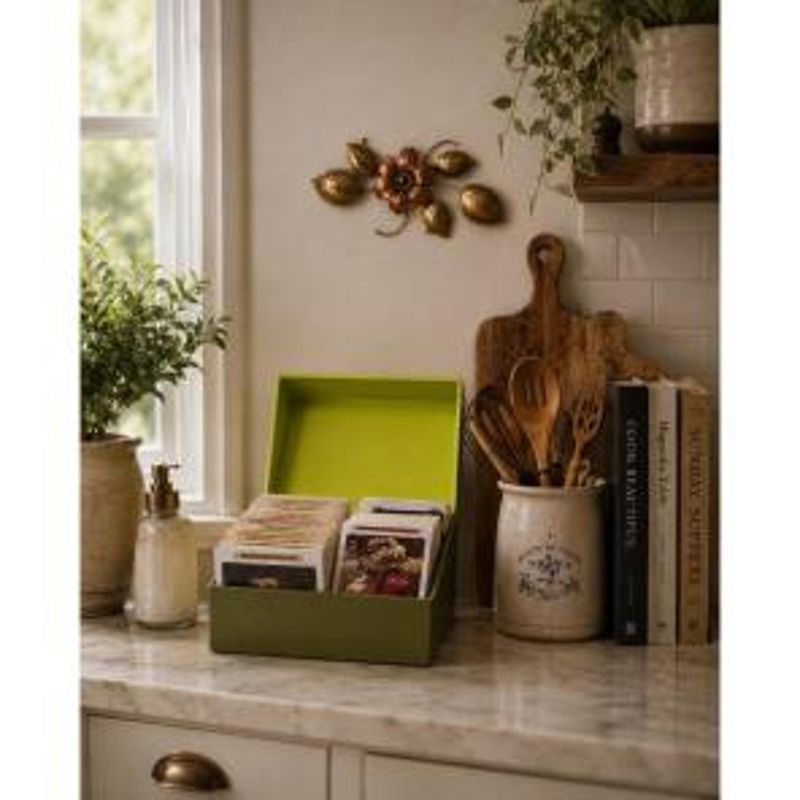
Before recipe searches, dinner inspiration could come from a little green box. Betty Crocker recipe card collections, introduced before the 1980s, stayed within reach in many kitchens throughout the decade.
Tabbed sections made it easy to browse everything from family meals to party food, including combinations that seem surprising now. An inherited set offers a glimpse of changing tastes.
Keep handwritten notes with the cards, since those tiny changes often preserve the best family cooking stories.
8. Wood-Paneled TVs Anchored the Living Room
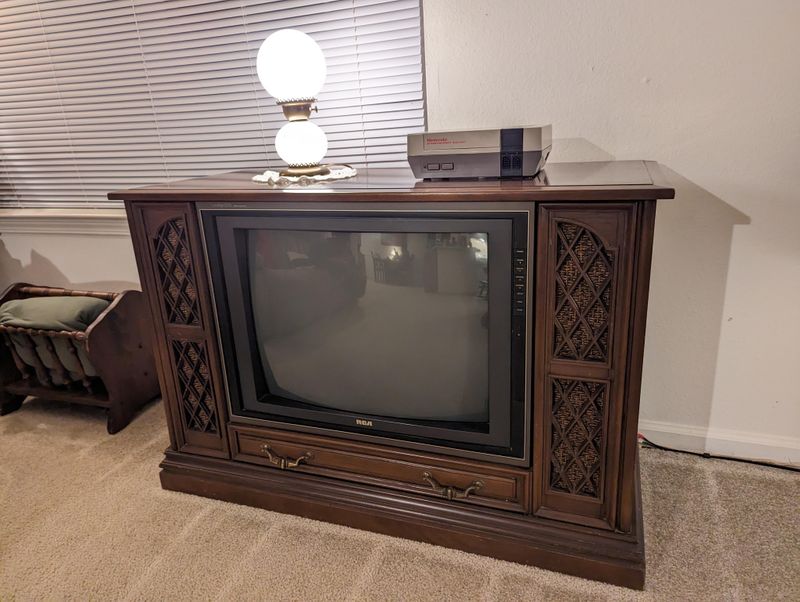
Moving the television sometimes required a second person and a clear path through the house. Heavy console sets wrapped their screens in wood or woodgrain cabinets, making entertainment equipment look like permanent furniture.
Some models had remotes, while others sent viewers across the room to turn a dial. Their bulky picture tubes need careful handling today.
Never open an old television yourself, because internal parts can retain dangerous electrical charges even after it has been unplugged.
9. VHS Camcorders Captured the Big Moments
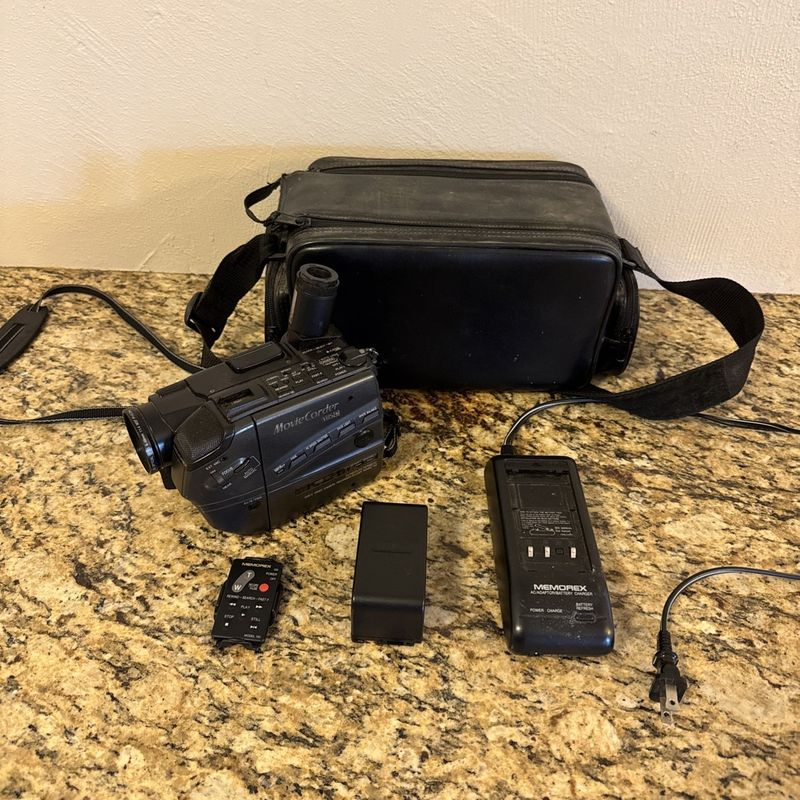
Birthday footage once came with shaky zooms, loud motors, and someone asking whether the camera was recording. Bulky VHS camcorders turned ordinary family gatherings into movies that could be watched again that evening.
Full size models were especially large, while other cameras used smaller tape formats. If your family still has recordings, consider transferring them to digital files soon.
Store original tapes upright in a cool, dry place, away from magnets, sunlight, and damp storage areas.
10. Polaroid Cameras Made Waiting Fun
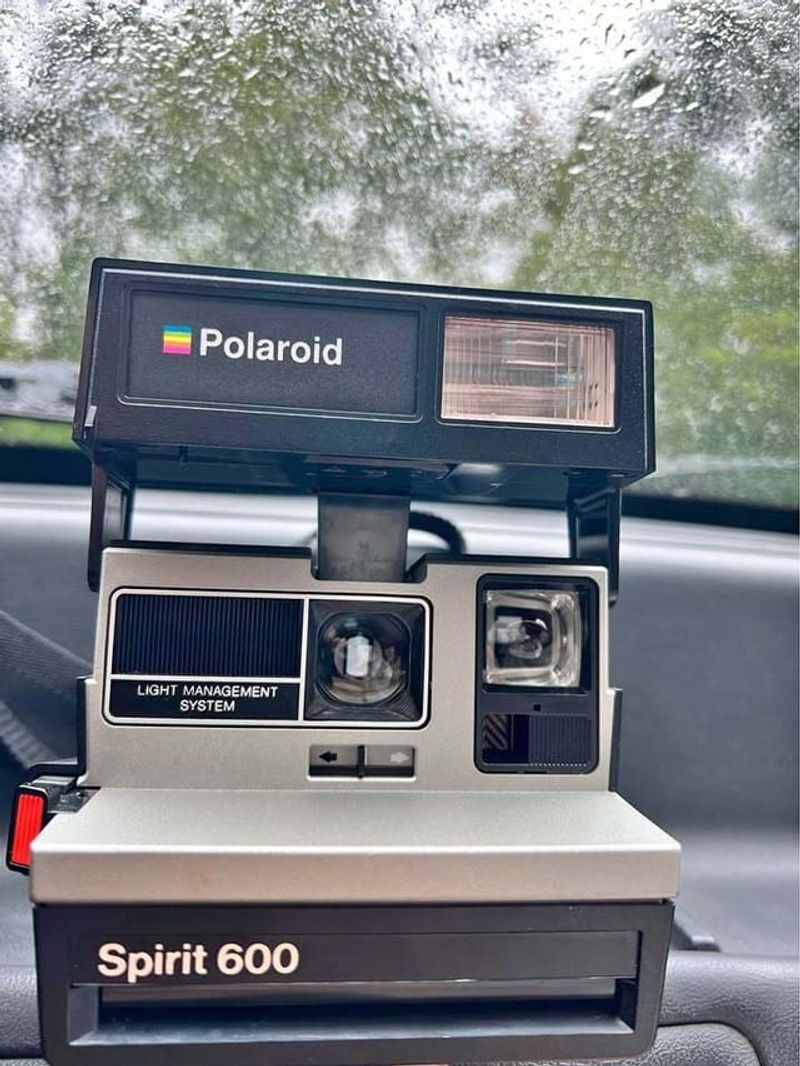
A picture sliding out of a camera felt like a small magic trick. Polaroid cameras gave families a photo they could hold within minutes, without dropping film at a store and returning days later.
Instant photography still has fans, so these cameras are not entirely forgotten. Before buying a vintage one, check which film it needs and whether that film remains available.
Follow development directions, and resist shaking fresh pictures despite what old habits might suggest.
11. Faux Stone Fireplaces Brought Lodge Style Home
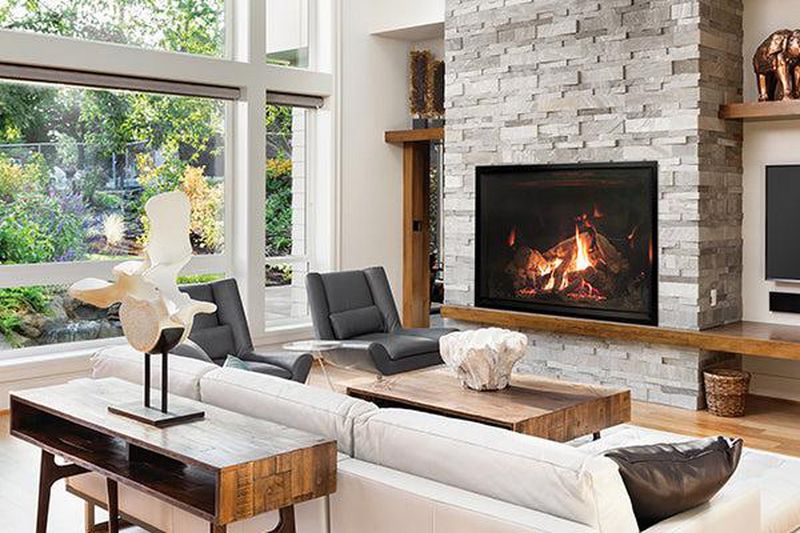
A wall of rough stone could make a suburban den feel like a mountain cabin. Faux stone fireplace surrounds brought texture and earthy color indoors, often paired with thick mantels and nearby track lighting.
Some homeowners still enjoy the look, while others prefer lighter updates. Before painting or replacing a surround, identify its material and check the fireplace clearances.
Decorative changes should never block vents or place materials too close to a working fire or stove.
12. Cassette Cabinets Kept Music in Order
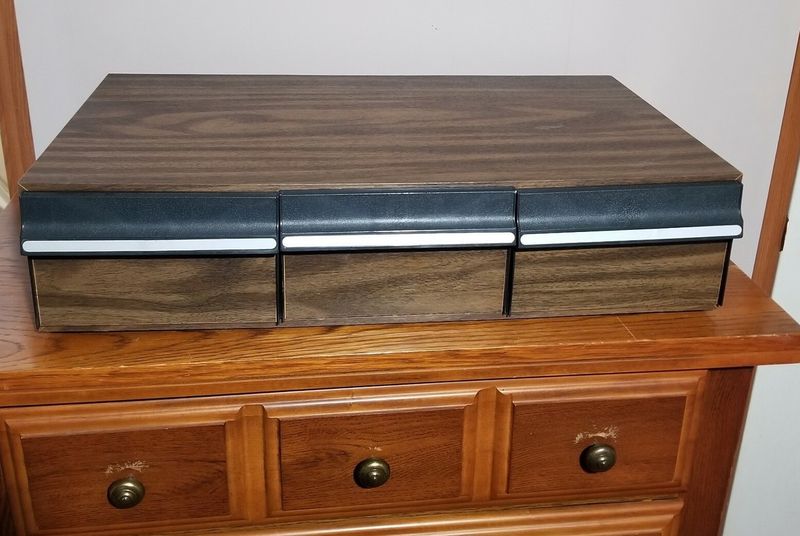
Finding the right song once meant opening drawers instead of scrolling. Small wooden or plastic cabinets held cassette tapes in neat rows, keeping favorite albums and homemade mixes close to the stereo.
Larger units sometimes stored VHS movies too, turning a corner into a personal media library. Old tape drawers can now organize craft supplies or small tools.
Measure the compartments before repurposing them, and clean dust from the tracks so each drawer slides without sticking.
13. Waterbeds Made Waves at Bedtime
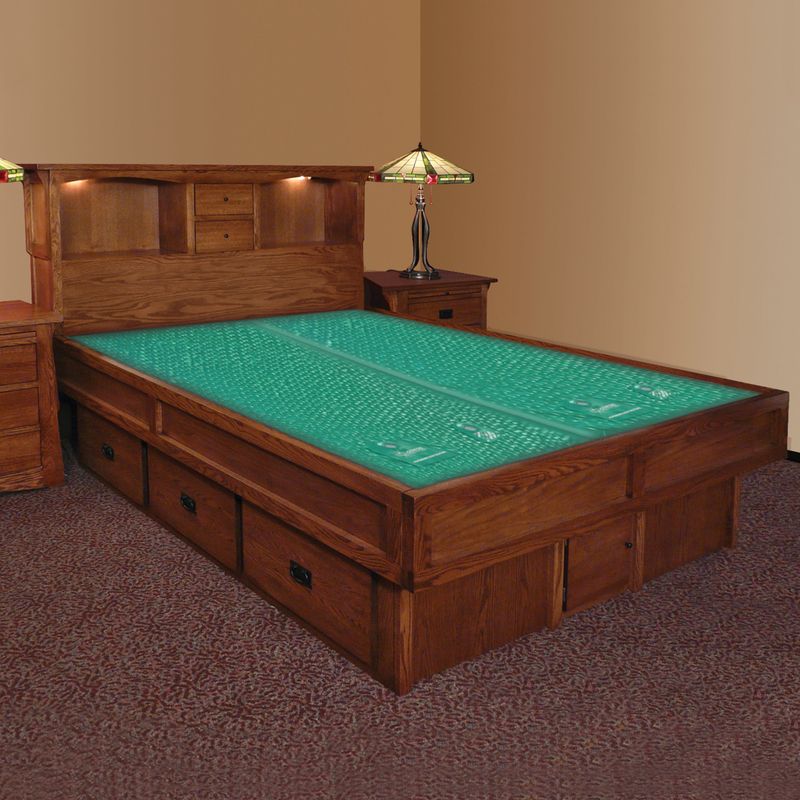
Rolling over could create a ripple across the entire mattress. Waterbeds promised a different kind of comfort, and their strong popularity during the 1980s made them a memorable bedroom statement.
Many designs included heaters and sturdy wooden frames, adding warmth but also weight and upkeep. Anyone considering one today should check building rules, floor support, leak protection, and electrical safety.
Moving a filled mattress is not practical, so draining it becomes part of any room rearrangement.
14. Popcorn Ceilings Added Texture Overhead
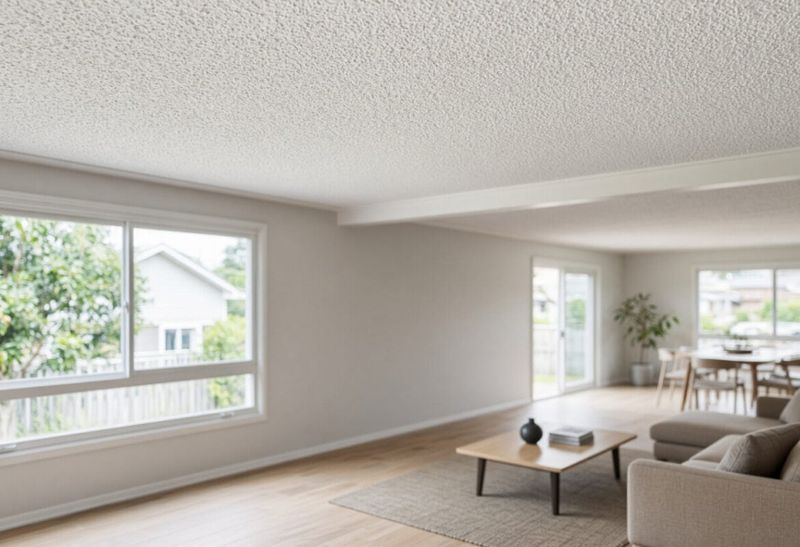
Even the ceiling had something to say in many older homes. Bumpy popcorn finishes helped hide flaws, and some versions included glitter that caught the light when you looked up.
The texture remains common in houses built long before and during the 1980s. Before scraping, drilling, or sanding an older ceiling, arrange professional asbestos testing when appropriate.
Appearance alone cannot tell you whether asbestos is present, and disturbing affected material can release harmful fibers into the air.
15. Carpeted Bathrooms Put Comfort First
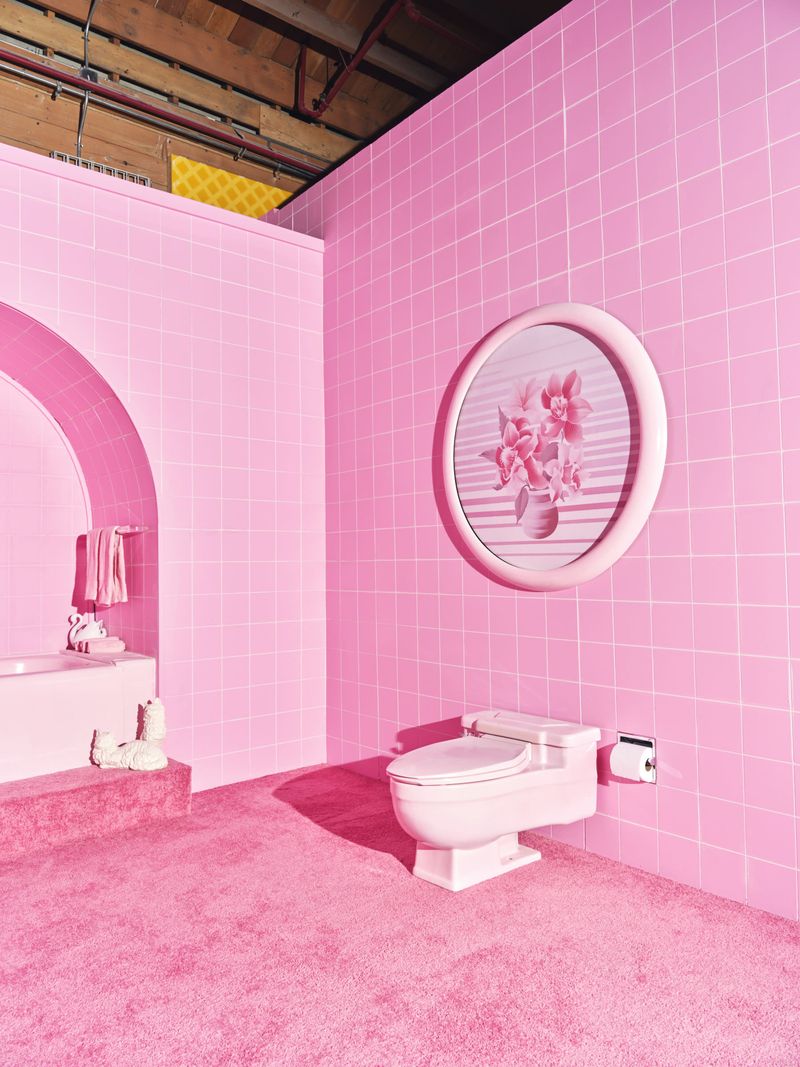
Stepping out of the bath onto something soft sounded wonderfully cozy. Wall to wall bathroom carpet offered warmth underfoot, but splashes and plumbing leaks made that comfort harder to maintain.
Moisture trapped beneath carpeting can encourage odors and mold, especially around tubs and toilets. If you discover this feature in an older home, inspect the flooring underneath during removal.
Washable bath mats over suitable hard flooring usually provide a simpler balance of comfort and everyday cleaning.
16. The Clapper Answered With a Click
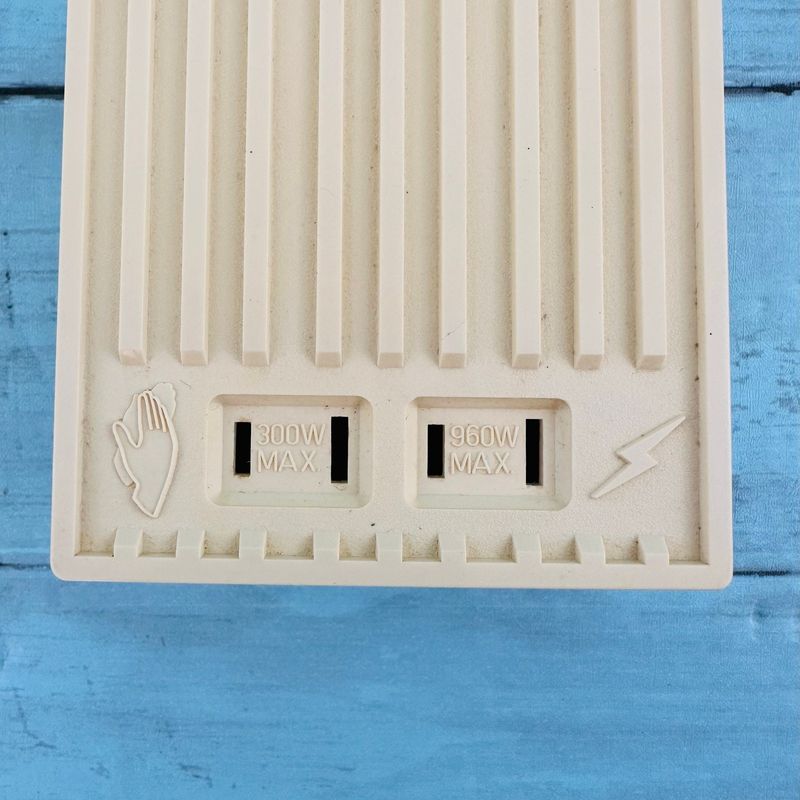
Two sharp claps could save a trip across a dark room. Introduced in the 1980s, the Clapper let people control lamps and certain appliances through sound, long before voice assistants became household fixtures.
Its catchy television advertising helped make the idea instantly familiar. Sound activated controls can still be handy, although background noise may cause unwanted switching.
Always follow the device’s power limits and instructions, and avoid connecting anything that could become unsafe if activated unexpectedly.