
A pot of tomato sauce bubbling on the stove can make the whole house smell amazing. But sometimes the sauce tastes flat, too sour, or just a little boring.
The good news is that a few unexpected ingredients from your kitchen can fix that fast. Read on to find simple add-ins that can turn an ordinary sauce into one your family will beg for.
1. Anchovies
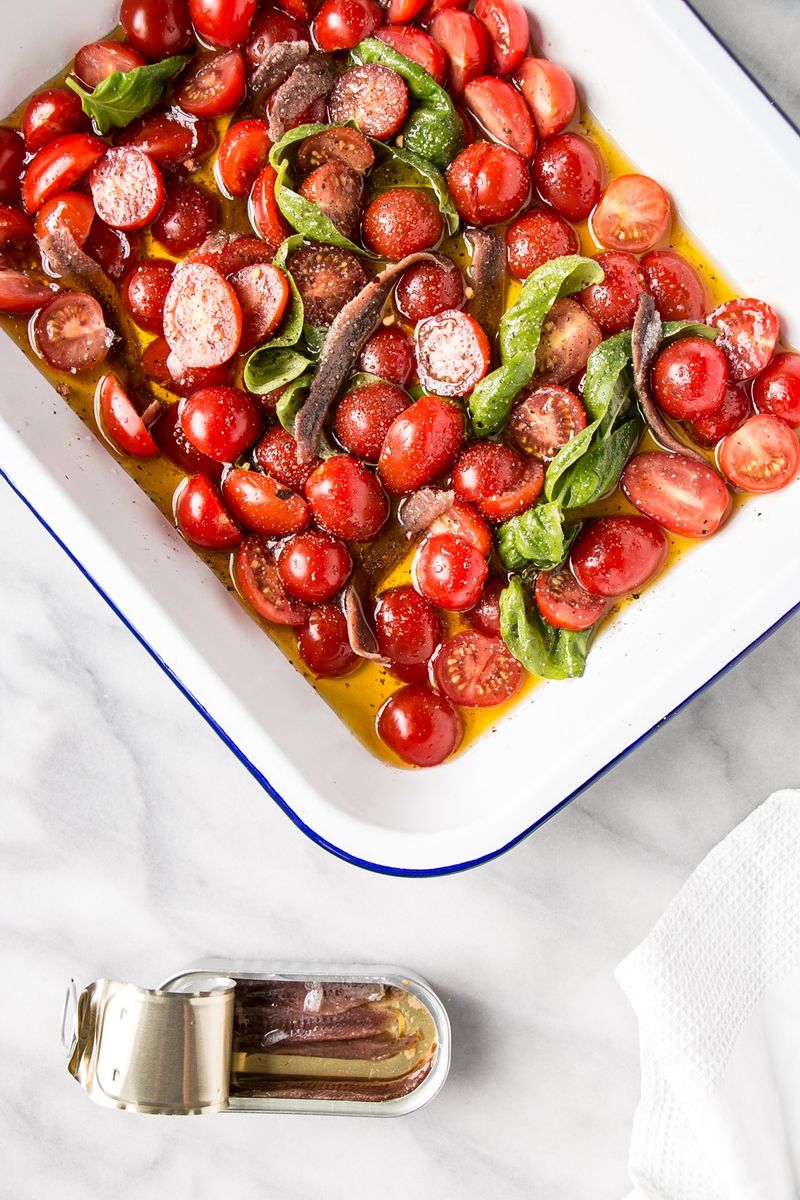
Fish in spaghetti sauce? Stay with me here.
Anchovies melt completely into hot oil, and once they disappear, nobody can taste anything fishy at all.
What they leave behind is a deep, savory flavor that makes tomatoes taste richer. Chefs call this umami, the fifth basic taste.
Try mashing two or three fillets into your olive oil before adding garlic. Stir until they dissolve, then build your sauce as usual.
2. A Parmesan Rind
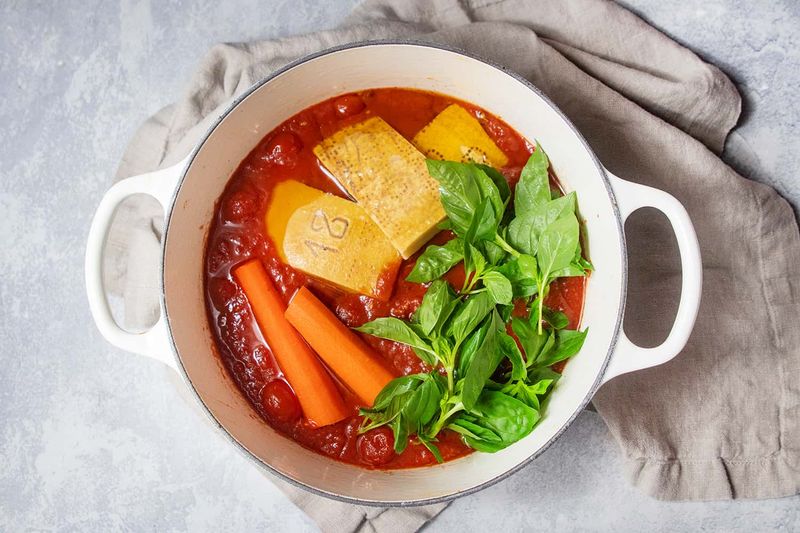
Grandmothers in Italy have known this trick for generations. That hard, leftover end of a Parmesan wedge is pure flavor waiting to be used.
Drop the rind into your sauce while it simmers. Slowly, it softens and releases a nutty, salty richness that spreads through every spoonful.
Remove what is left before serving. Keep a bag of rinds in the freezer so you always have one ready for sauce night.
3. Butter
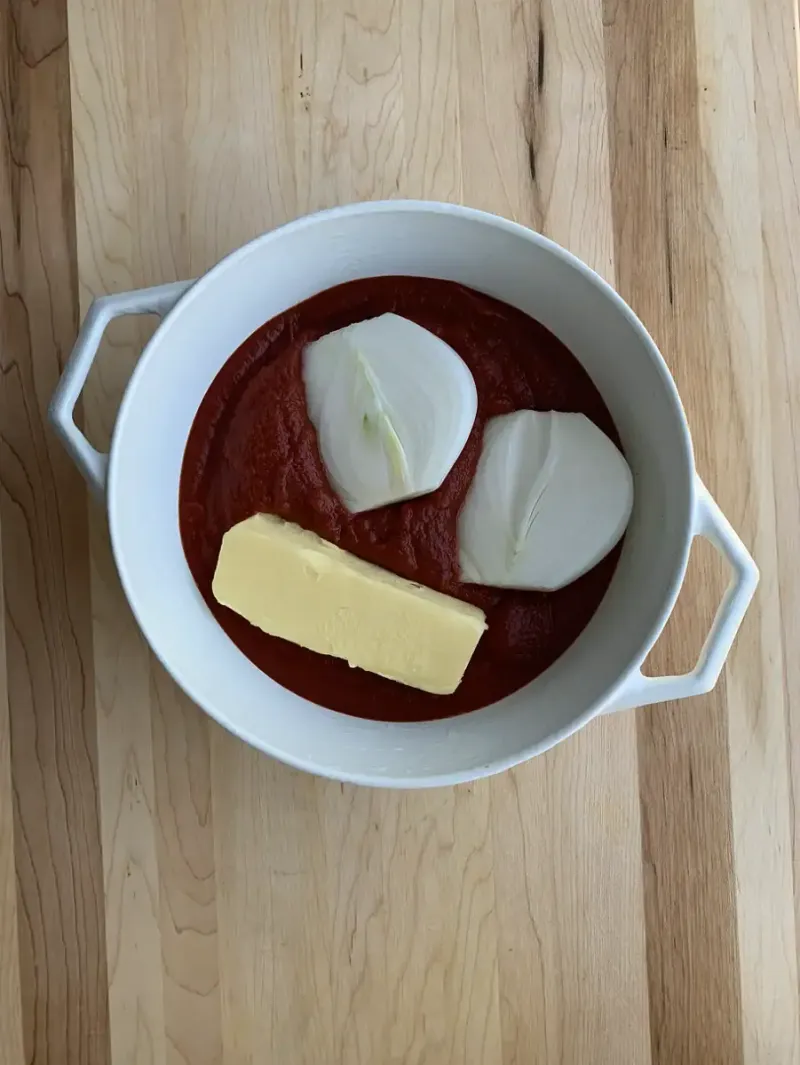
Marcella Hazan, a famous cookbook writer, made a sauce using only tomatoes, an onion, and butter. People still rave about it decades later.
Butter softens the sharp, acidic bite of tomatoes. It also gives the sauce a silky, glossy finish that clings beautifully to pasta.
Stir in a tablespoon or two near the end of cooking. You will notice the difference in both taste and texture right away.
4. A Pinch of Sugar
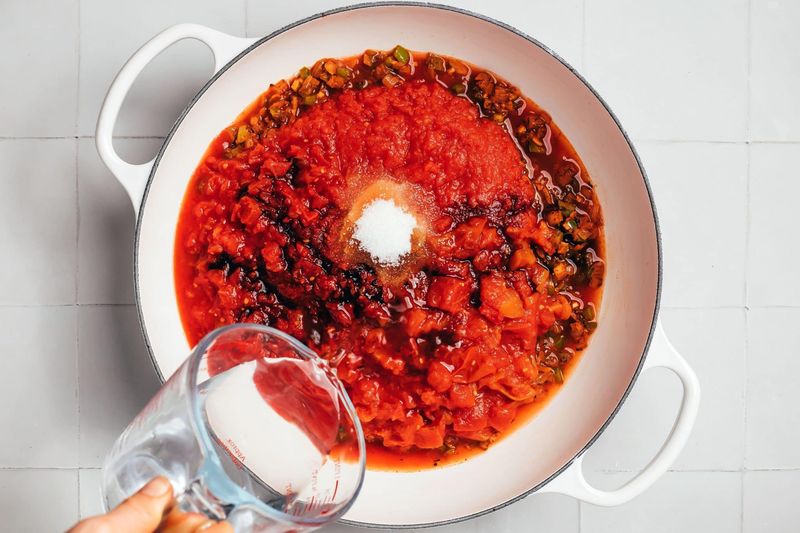
Ever taken a bite of sauce that made your mouth pucker? Some tomatoes, especially canned ones picked early, carry extra sourness.
A tiny pinch of sugar balances that sharp edge without making the sauce sweet. Think of it like adjusting the volume on a radio.
Start with half a teaspoon, stir, and taste. Add more only if needed, because too much will make your dinner taste like dessert.
5. Red Wine
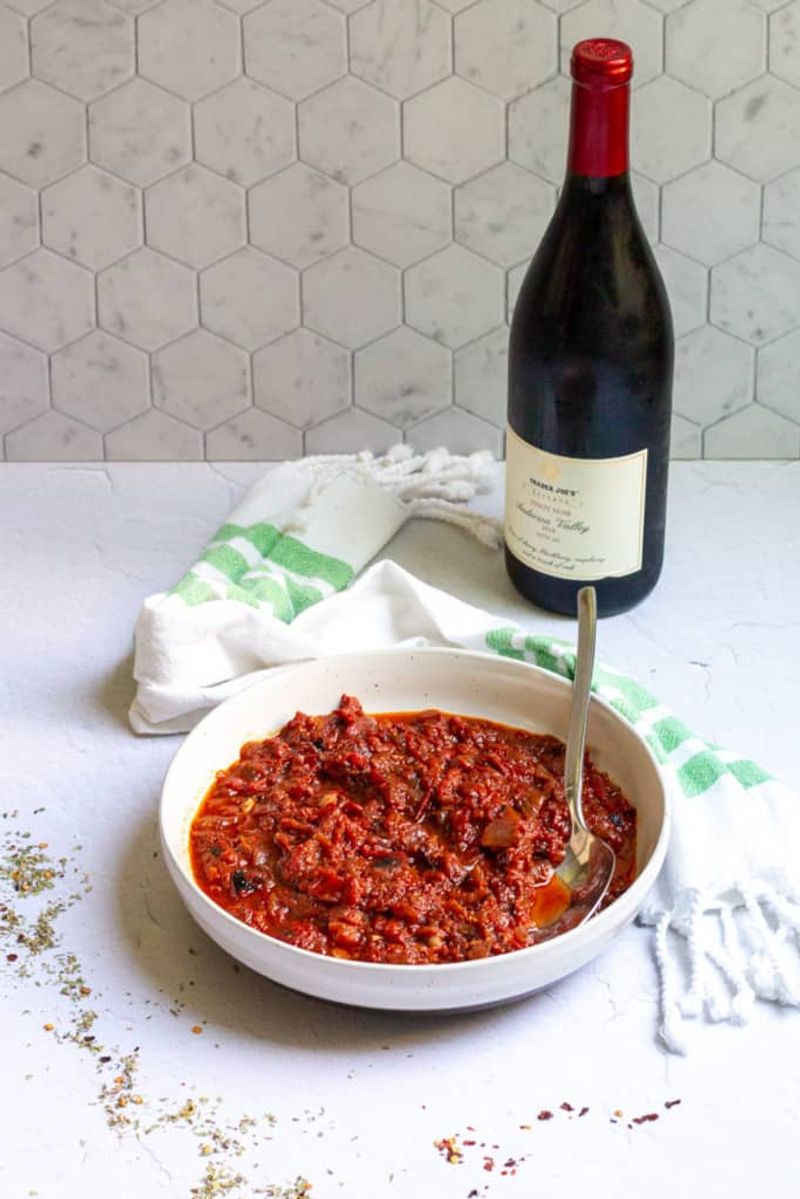
Restaurant cooks often reach for a bottle before they reach for the tomatoes. A splash of dry red wine adds fruity depth and a gentle warmth.
Pour about half a cup into the pan after cooking your onions. Let it bubble until most of it boils away.
Simmering cooks off most of the alcohol, leaving only flavor behind. Pick a wine you would actually drink, never cheap cooking wine.
6. Fish Sauce
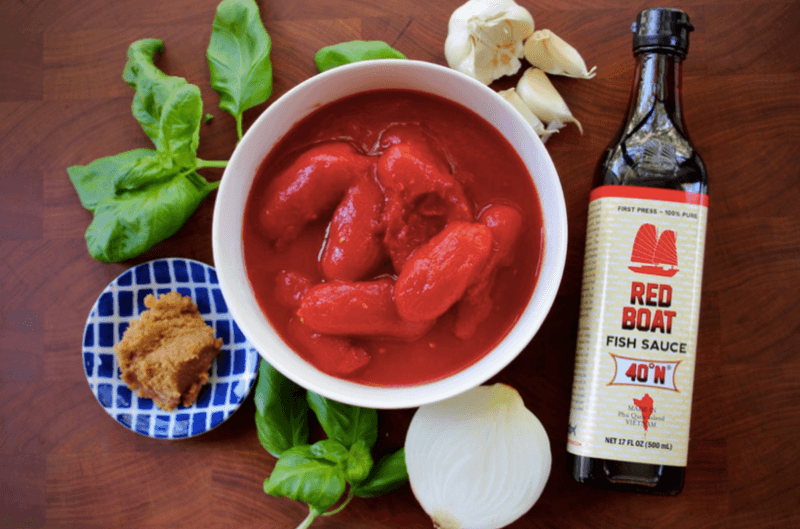
Here is a fun fact: ancient Romans loved a fish sauce called garum and splashed it on almost everything. Modern fish sauce from Southeast Asia works much the same way.
Just a teaspoon boosts savory flavor and makes tomatoes taste meatier. The smell in the bottle is strong, but it vanishes in cooking.
Add it slowly and taste as you go. It is salty, so reduce other salt.
7. Balsamic Vinegar
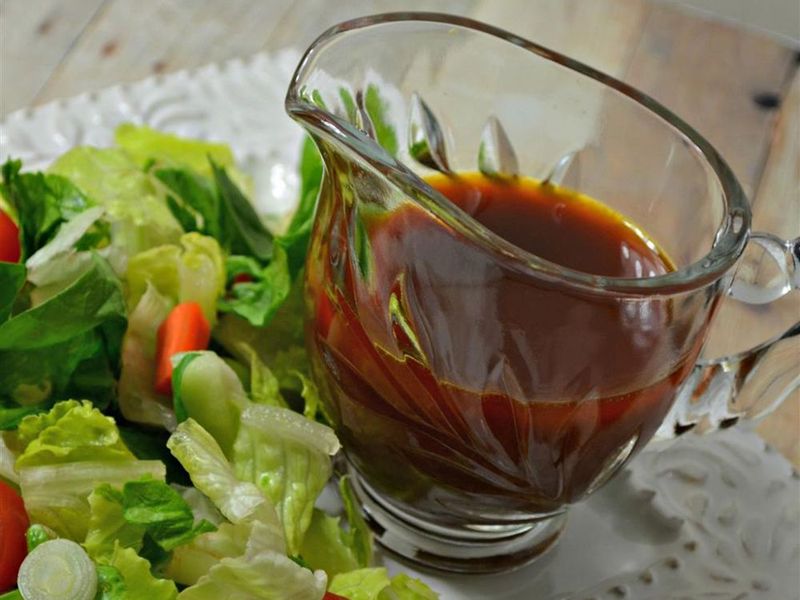
Sweet and tangy at the same time, balsamic vinegar wakes up a sleepy sauce. It comes from Modena, Italy, where some bottles age for many years.
A small drizzle adds brightness and a hint of caramel flavor. It works especially well when your sauce tastes heavy or dull.
Stir in one teaspoon right before serving. Adding it at the end keeps its lively flavor from cooking away.
8. Grated Carrot
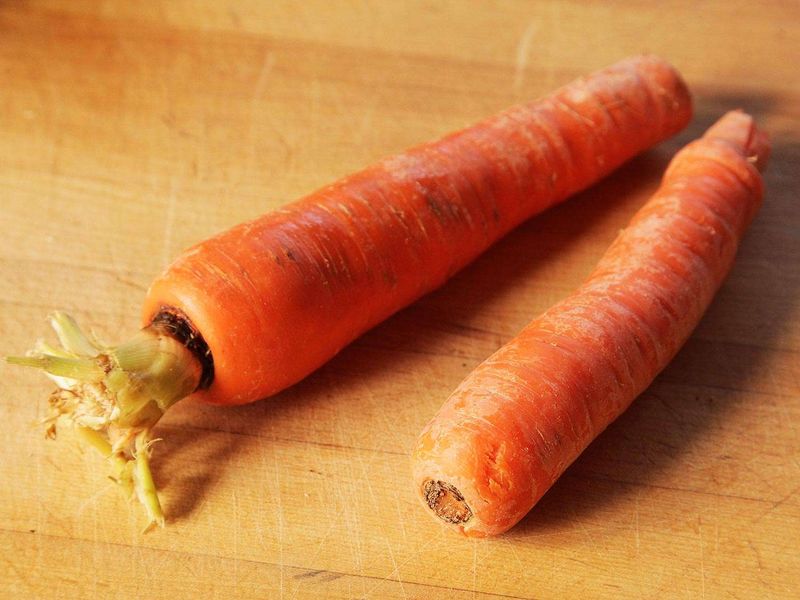
Picky eaters will never spot this one. Finely grated carrot melts right into the sauce and adds a soft, natural sweetness.
It also helps tame acidity, much like sugar, but with extra vitamins. Parents love sneaking vegetables into meals this way.
Grate one small carrot and cook it with your onions until soft. By the time the sauce simmers, the carrot simply blends in with everything else.
9. Baking Soda
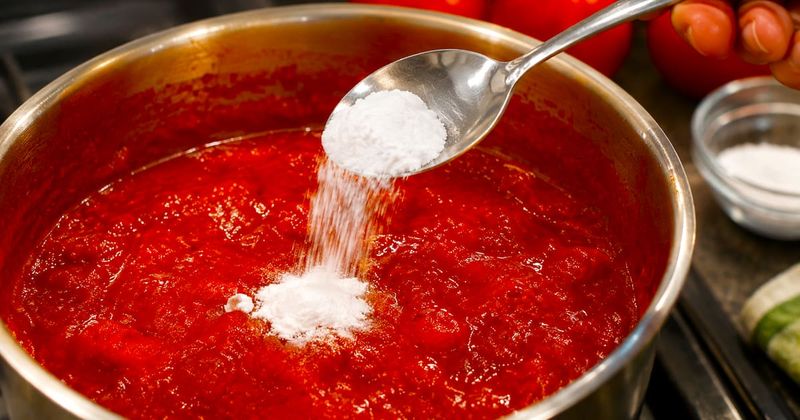
Watch closely, because your sauce might fizz a little. That bubbling is a mini science experiment happening right in your pot.
Baking soda is a base, so it cancels out some of the acid in tomatoes. The result tastes smoother and gentler on sensitive stomachs.
Use only a tiny pinch, about one eighth of a teaspoon. Too much can leave a soapy taste, and nobody wants that.
10. Red Pepper Flakes
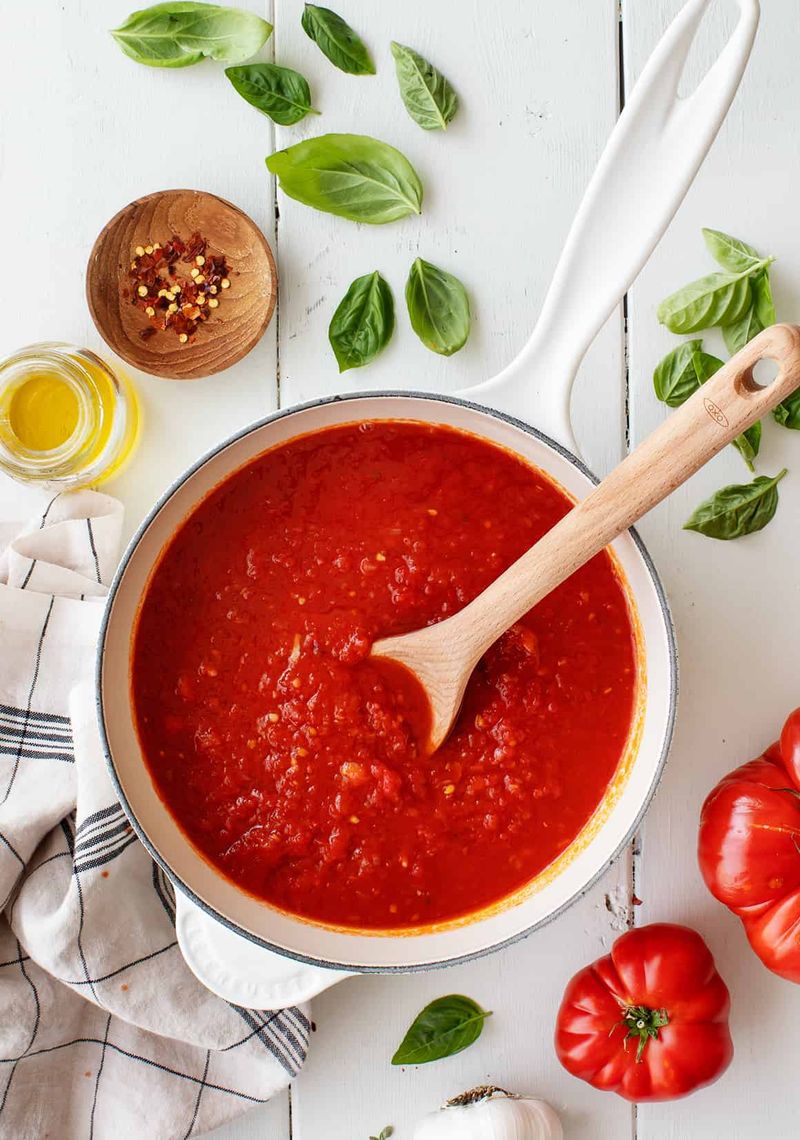
A little heat can make every other flavor pop. Red pepper flakes do not have to make sauce spicy, just more exciting.
Toast a pinch in warm olive oil with your garlic. The oil absorbs their color and gentle warmth, spreading it through the whole pot.
Love fire? Add more.
Prefer mild? A small pinch still adds a background glow that makes people wonder what your secret is.
11. Soy Sauce
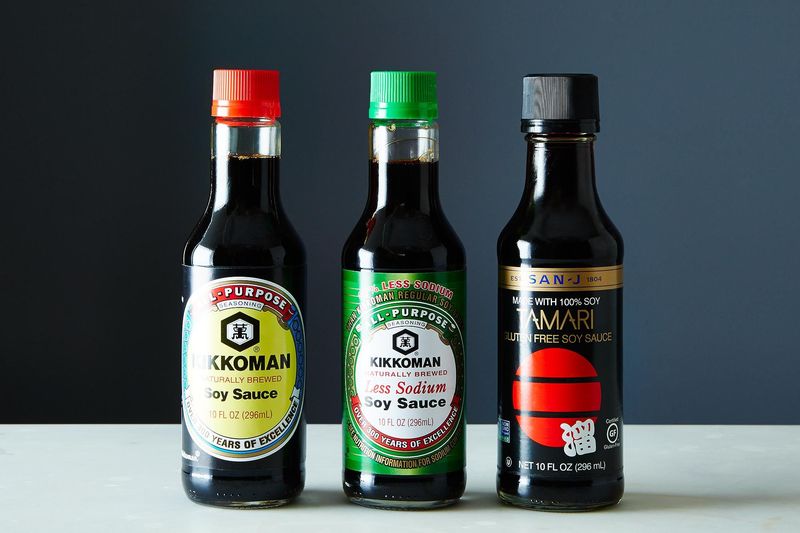
Japanese and Italian cooking meet in this clever swap. Soy sauce is packed with glutamates, the same flavor builders found in Parmesan and ripe tomatoes.
A splash makes sauce taste deeper and more complex. Nobody at the table will guess it came from your stir-fry shelf.
Begin with one teaspoon for a big pot. Because soy sauce is salty, taste first before adding any extra salt.
12. Fennel Seeds
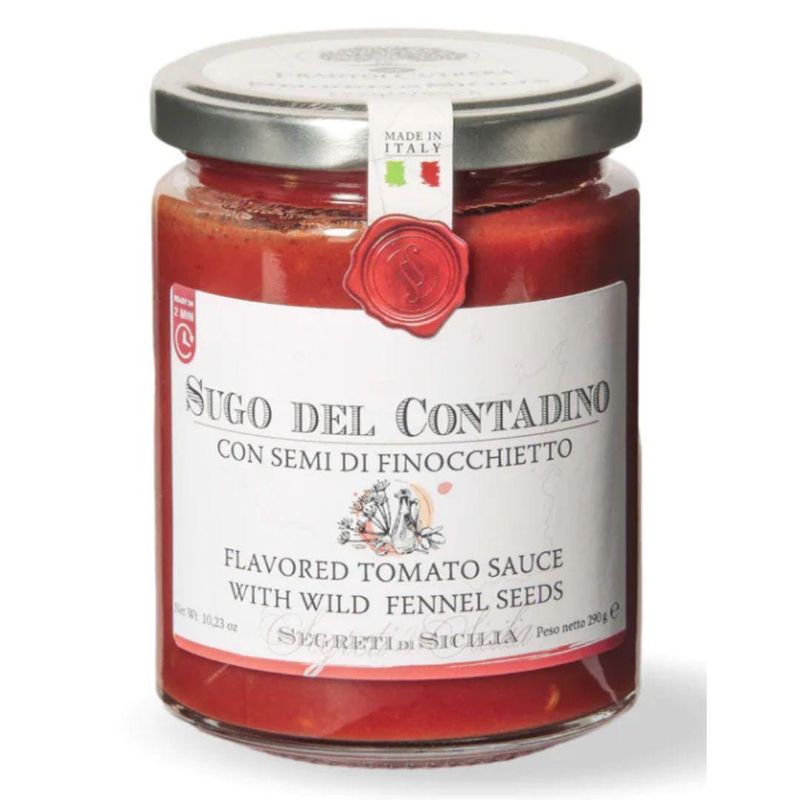
Ever wonder why Italian sausage tastes so special? Fennel seeds are the reason, with their sweet, licorice-like flavor.
Adding them to sauce gives it that cozy pizzeria taste, even without meat. Lightly crushing the seeds first releases more of their aroma.
Toast half a teaspoon in a dry pan for a minute. Then add them to your oil and keep cooking.
Your kitchen will smell wonderful.
13. Tomato Paste
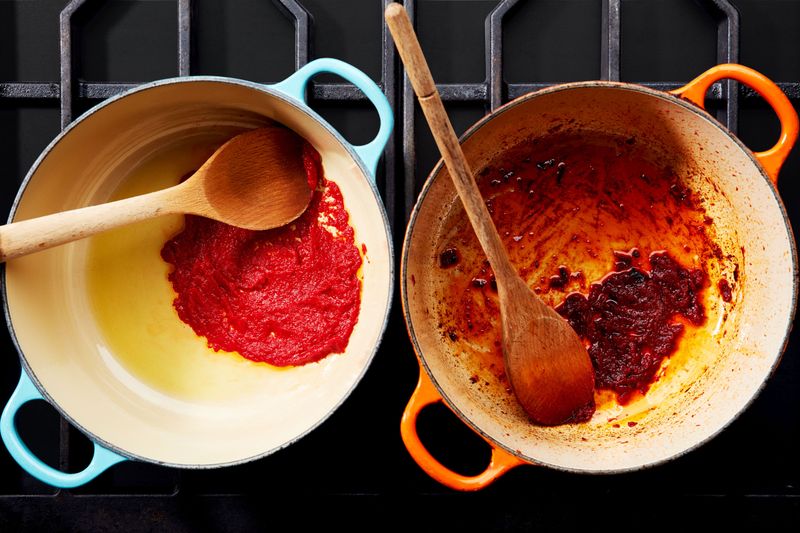
Adding tomatoes to tomato sauce sounds silly. Yet tomato paste is one of the smartest flavor boosters around.
The trick is cooking it in oil until it turns a deep brick red. That browning creates sweet, roasted notes that fresh tomatoes alone cannot offer.
Stir two tablespoons into the pan for about two minutes before adding other tomatoes. Leftover paste freezes well in small spoonfuls for later.
14. Cinnamon
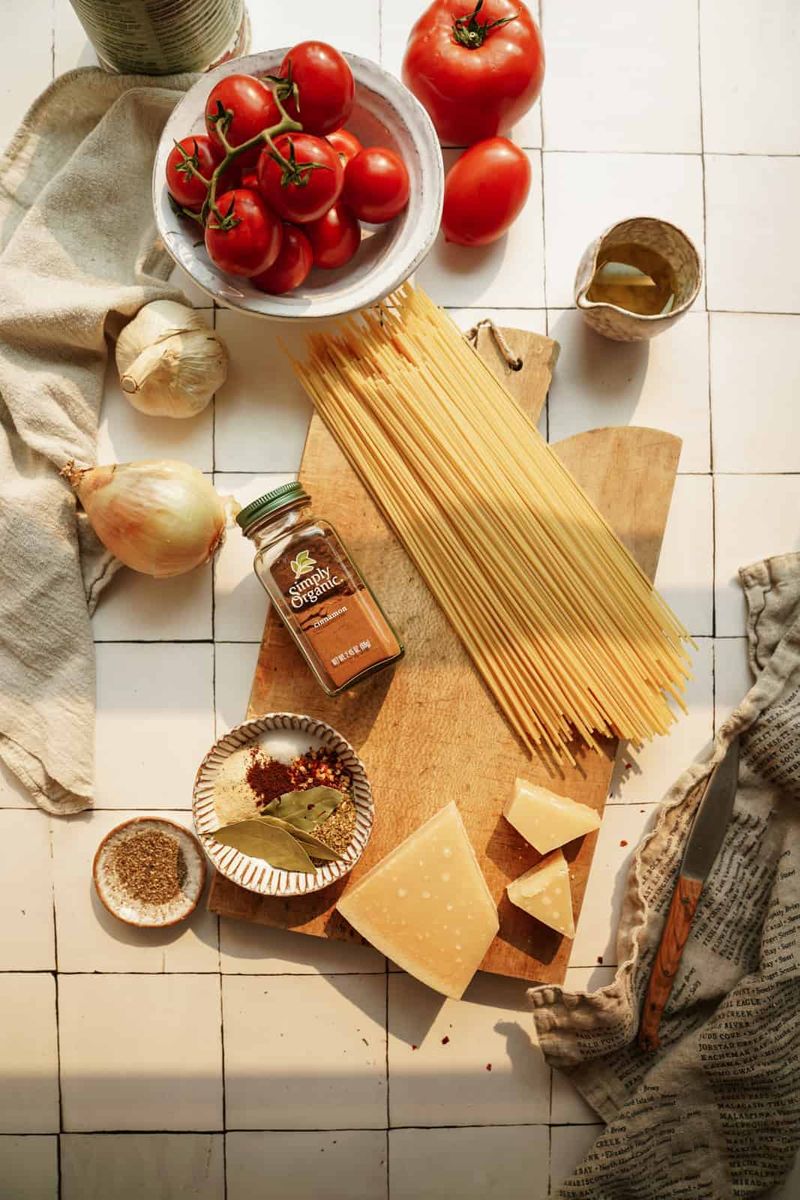
Greek cooks have been doing this for centuries. In dishes like pastitsio, a little cinnamon gives tomato sauce a warm, mysterious flavor.
It works best in meat sauces, where it adds cozy depth. People usually cannot name it, but they notice something delicious.
Drop in a small cinnamon stick while simmering, then remove it. Or use just a pinch of ground cinnamon, since a little goes far.
15. Roasted Garlic
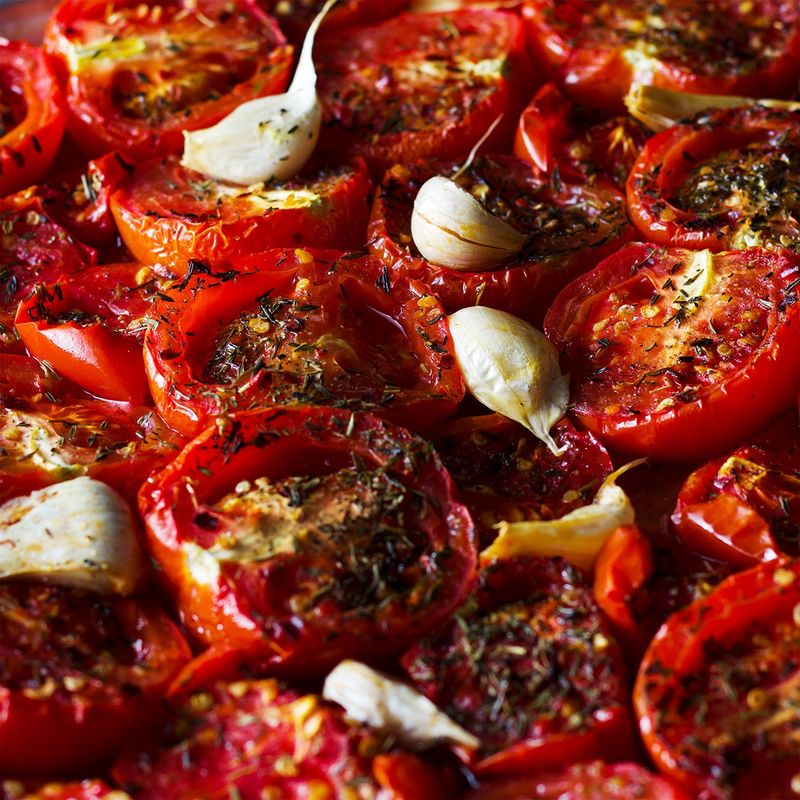
Raw garlic shouts, but roasted garlic whispers. After baking, the cloves turn soft, golden, and almost sweet like candy.
Squeeze the soft cloves right into your sauce and stir. They melt into a creamy, mellow flavor that tastes rich without any harsh bite.
To roast, cut the top off a whole head, drizzle with oil, wrap in foil, and bake at 400 degrees for about 40 minutes.
16. Bacon or Pancetta
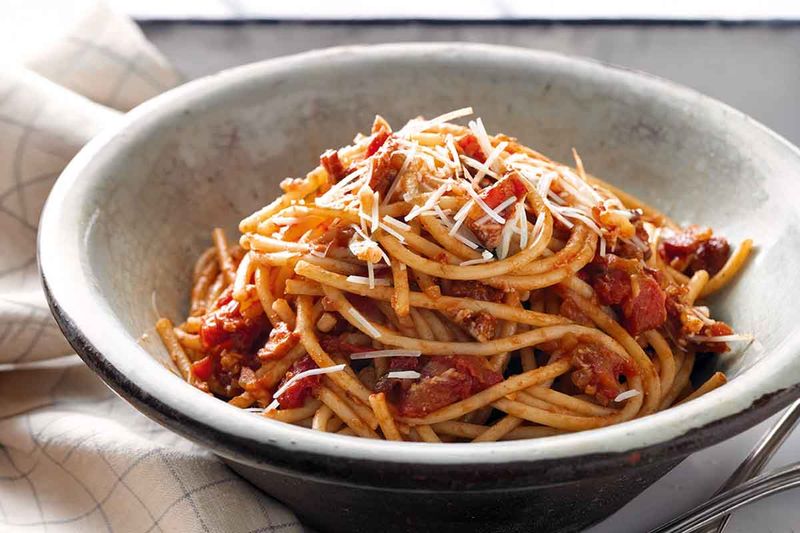
Sizzle, crackle, pop. Few sounds are happier in the kitchen than bacon cooking at the start of a sauce.
Pancetta, an Italian cured pork, or regular bacon adds smoky, salty richness. The rendered fat becomes a flavorful base for everything else.
Cook a few diced strips until crisp, then add onions right into the drippings. Classic Amatriciana sauce from Italy uses this exact idea with cured pork cheek.
17. Dried Mushrooms
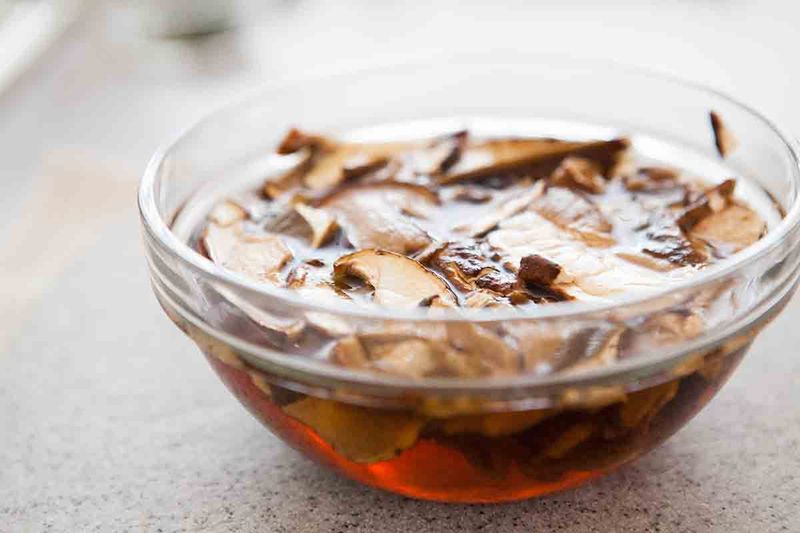
Tiny, wrinkly, and not very pretty, dried porcini mushrooms are flavor giants. A small handful can transform an entire pot.
Soak them in warm water for twenty minutes, then chop and add them to your sauce. Their earthy taste makes vegetarian sauce feel hearty.
Do not toss the soaking water. Strain it through a paper towel and pour it in too.
That brown liquid is full of savory goodness.
18. A Splash of Cream
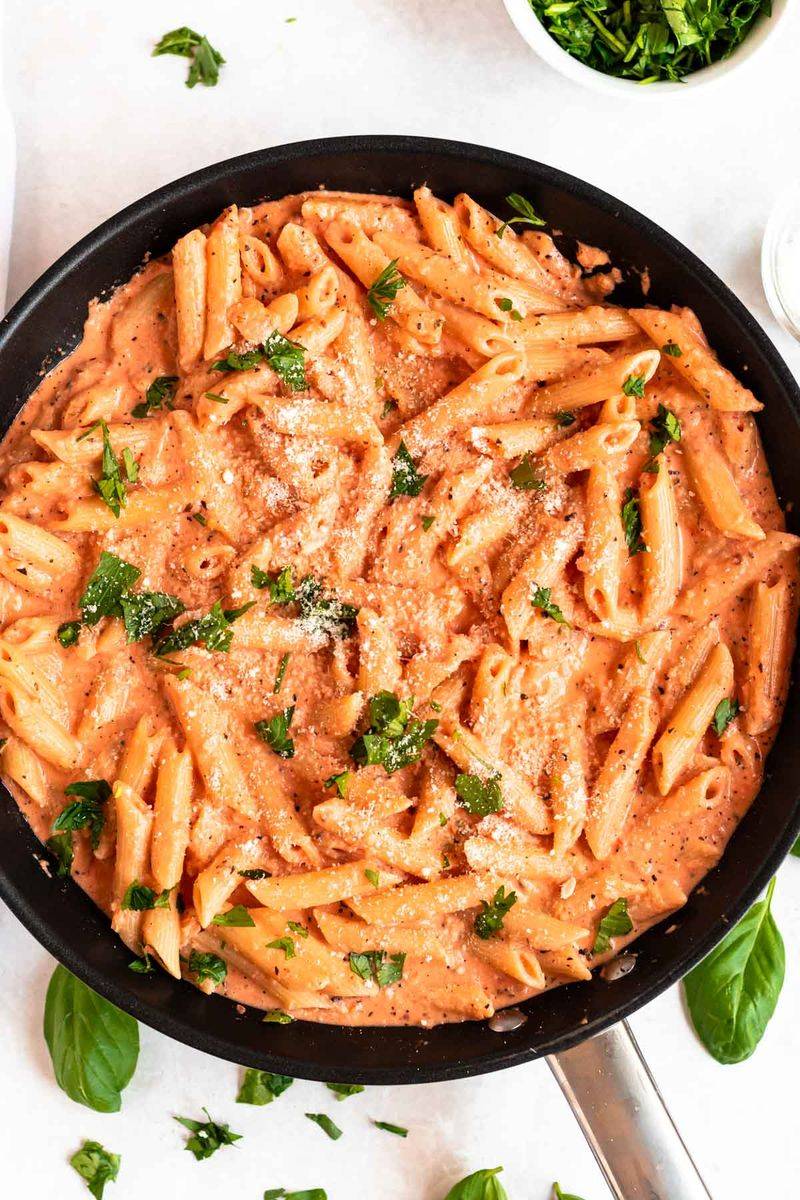
Pink sauce, anyone? Pouring a little cream into tomato sauce creates a velvety blend that kids and grownups both adore.
Cream calms acidity and adds a gentle richness. Vodka sauce, a favorite in Italian American restaurants, gets its famous color this way.
Turn the heat to low before adding about a quarter cup. Stir slowly so it blends smoothly, and avoid boiling so it stays creamy.
19. Fresh Basil Stems
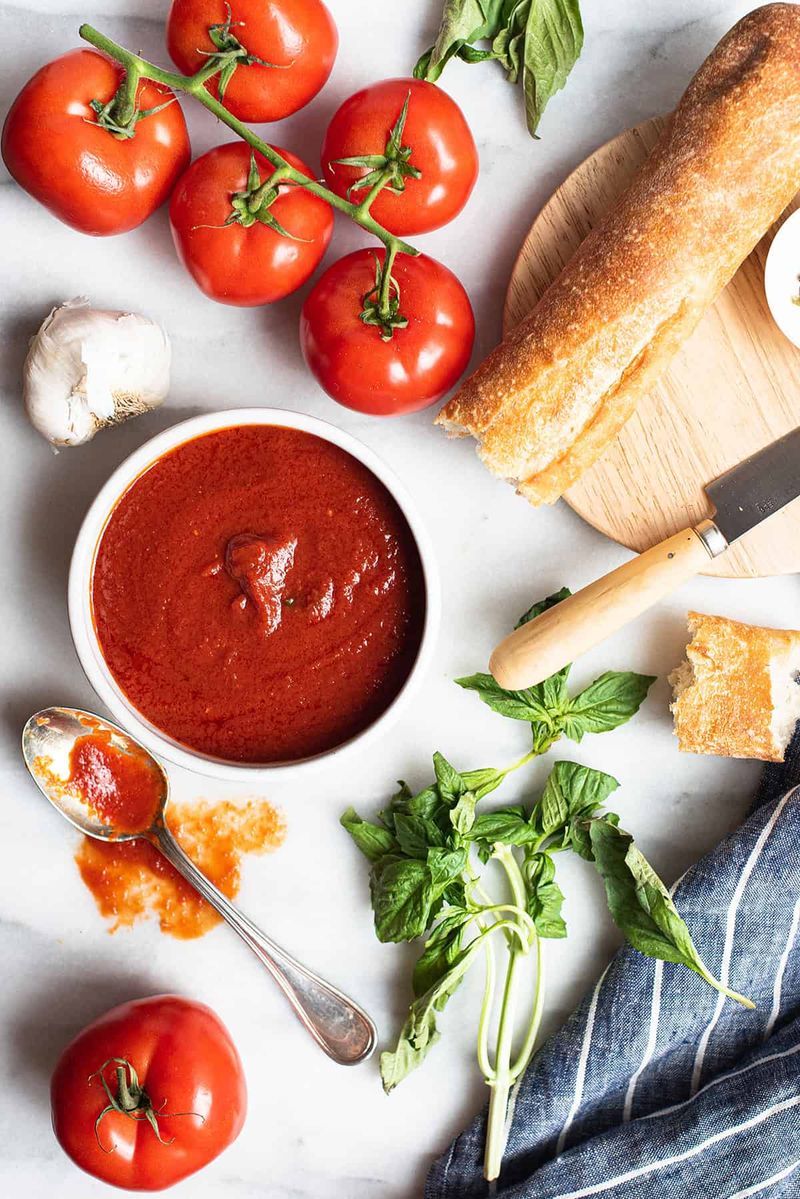
Most people throw basil stems in the trash. Smart cooks save them, because stems hold tons of fragrant flavor.
Tie a bundle together and let it simmer in your sauce. The herby aroma slowly seeps in, then you pull the bundle out before serving.
Finish with a few torn fresh leaves on top for color. Using both parts means less waste and much more basil flavor in every bite.