
Fights happen in every relationship, but what you say during an argument can leave lasting scars. Some words, once spoken, are nearly impossible to take back.
Knowing which phrases to avoid can make the difference between a healthy disagreement and real emotional damage. Keep reading to find out which statements relationship experts say you should never, ever use on your partner.
1. “You Always…” or “You Never…”

Sweeping generalizations are relationship poison. Telling your partner they “always” mess up or “never” listen paints them as a hopeless case, which feels deeply unfair.
Nobody does anything 100% of the time, so these statements are rarely even true.
When you speak in absolutes, your partner stops focusing on the real issue and starts defending their entire character instead. Try replacing these phrases with specific observations, like “I felt ignored last night,” to keep the conversation productive.
2. “I Hate You”

Three words can undo years of love in a single moment. Saying “I hate you” strikes at your partner’s whole identity, not just the behavior that upset you.
Even if the anger passes quickly, the memory of those words tends to stick around for a very long time.
Relationship experts consistently rank this phrase among the most damaging things a person can say. When fury is boiling over, walk away and cool down before speaking.
Your relationship deserves that pause.
3. Threatening to End the Relationship

Dropping phrases like “Maybe we should just break up” or “I want a divorce” as a weapon during a fight is manipulative, plain and simple. Even if you don’t mean it, your partner has no way of knowing that in the heat of the moment.
Repeated threats like this slowly erode the sense of safety and security that every healthy relationship needs. If you genuinely have concerns about the future, bring them up calmly, not as a threat during an argument.
4. Insults and Name-Calling

Calling your partner “stupid,” “worthless,” or any other cruel label is a sign that the argument has crossed a serious line. Name-calling shifts the fight away from the problem and turns it into a personal attack on who your partner is as a human being.
Emotional wounds from insults can linger long after the argument ends, quietly damaging trust and self-esteem over time. No matter how frustrated you feel, focus on the issue, not on tearing your partner down.
5. Bringing Up Past Mistakes

Dragging old grievances into a new argument is like throwing gasoline on a small fire. Once you start listing every wrong your partner has ever committed, the original issue gets completely buried under a pile of resentment.
Experts call this “kitchen sinking,” and it almost always makes things worse. If an old hurt still bothers you, set aside dedicated time to talk about it separately.
Mixing past and present conflicts only guarantees that nothing gets resolved.
6. “You’re Overreacting” or “Calm Down”

Few things feel worse than sharing your feelings and being told they are too big or too dramatic. Phrases like “calm down” or “you’re overreacting” instantly invalidate your partner’s emotional experience, making them feel unheard and disrespected.
Here’s the tricky part: telling someone to calm down rarely actually calms them down. It usually does the opposite.
Acknowledge what your partner feels first, even if you see the situation differently. Validation goes much further than dismissal ever will.
7. “I Don’t Care”

Saying “I don’t care” during an argument sends a chilling message: your partner and their feelings simply don’t matter to you. Even if you’re exhausted or frustrated, those words signal emotional abandonment, and that stings deeply.
Emotional withdrawal is actually one of the biggest predictors of relationship breakdown, according to research by psychologist John Gottman. Instead of shutting down, try saying “I need a few minutes to gather my thoughts.” That keeps the door open without causing unnecessary hurt.
8. Attacking Your Partner’s Character

Statements like “You’re so selfish” or “This is why nobody likes you” go far beyond addressing a problem. They target who your partner fundamentally is, turning a solvable conflict into a verdict on their worth as a person.
Character attacks create shame, and shame rarely motivates positive change. It mostly just breeds defensiveness and pain.
A much healthier approach is to describe the specific behavior that bothered you and explain how it made you feel, keeping the focus on actions rather than identity.
9. Comparing Your Partner to Others

“You’re just like your mother” or “My ex never did this” are phrases guaranteed to spark defensiveness and deep hurt. Comparisons like these drag outside people into your relationship, creating unnecessary tension and triggering old insecurities.
Your partner wants to be seen as an individual, not measured against someone else. Even if the comparison feels accurate in the moment, it rarely helps resolve anything.
Stick to talking about your own feelings and experiences rather than using other people as a measuring stick.
10. “It’s All Your Fault”

Blame is one of the fastest ways to shut down any chance of real resolution. Telling your partner the entire problem is their fault puts them on trial rather than inviting them to work through the issue as a team.
Most conflicts in relationships involve contributions from both sides, even if one person’s role feels smaller. Shifting to “I” statements, like “I felt hurt when…” instead of “You caused this,” keeps the conversation collaborative rather than combative.
Solutions come from partnership, not prosecution.
11. “You’re Wrong”

Flatly declaring “you’re wrong” shuts the conversation down instantly. It implies that your viewpoint is the one and only truth, leaving no room for your partner’s perspective to even exist.
Relationships thrive when both people feel heard, even when they disagree. Saying something like “I see it differently” or “Help me understand your point of view” keeps the dialogue open and respectful.
Being right is far less important than finding common ground with the person you love.
12. “What You Think Doesn’t Matter”

Few phrases are as crushing as being told your thoughts simply don’t count. Saying this to your partner communicates that you have no interest in their mind, feelings, or opinions, which is a form of emotional contempt.
Contempt is widely recognized by relationship researchers as one of the most toxic behaviors in romantic partnerships. Even when you strongly disagree, your partner’s perspective deserves to be acknowledged.
Saying “I hear you, even though I feel differently” shows respect and keeps the relationship on solid ground.
13. Giving Ultimatums

Ultimatums might feel powerful in the moment, but they’re really just pressure tactics dressed up as boundaries. Saying things like “Fix this or we’re done” forces your partner into a corner, making them feel controlled rather than respected.
Genuine boundaries are communicated calmly and clearly, not during the height of a heated argument. If something in the relationship truly needs to change, have that conversation when both of you are calm.
Coercion rarely leads to lasting change; open dialogue does.
14. The Silent Treatment

Going completely silent might seem like a way to avoid saying something you’ll regret, but extended silence used as punishment is its own form of emotional harm. The silent treatment leaves your partner anxious, confused, and feeling completely shut out.
Psychologists call this “stonewalling,” and it’s one of the four major warning signs of a struggling relationship. If you need space to cool down, say so clearly. “I need 30 minutes, then let’s talk” is honest and far less damaging than disappearing emotionally.
15. “I’m Fine” When You’re Not

Pretending everything is okay when it clearly isn’t is a form of passive aggression that slowly poisons communication. When you say “I’m fine” through gritted teeth, your partner knows something is wrong but has no way to actually address it.
Over time, this pattern builds up hidden resentment that eventually explodes in ways that feel out of proportion. Honesty, even when it’s uncomfortable, is always the better path.
Try saying “I’m not okay right now, and I’d like to talk about it soon.”
16. “I Regret Being With You”

Saying you regret the relationship is like pulling the foundation out from under everything you’ve built together. Even if the words come from a place of temporary pain, they plant seeds of doubt that can be incredibly hard to uproot later.
Your partner may replay those words for months, wondering if you truly mean them. Once trust is shaken that deeply, rebuilding it takes real time and effort.
Anger passes, but words like these can permanently alter how safe your partner feels with you.
17. “I Don’t Need You”
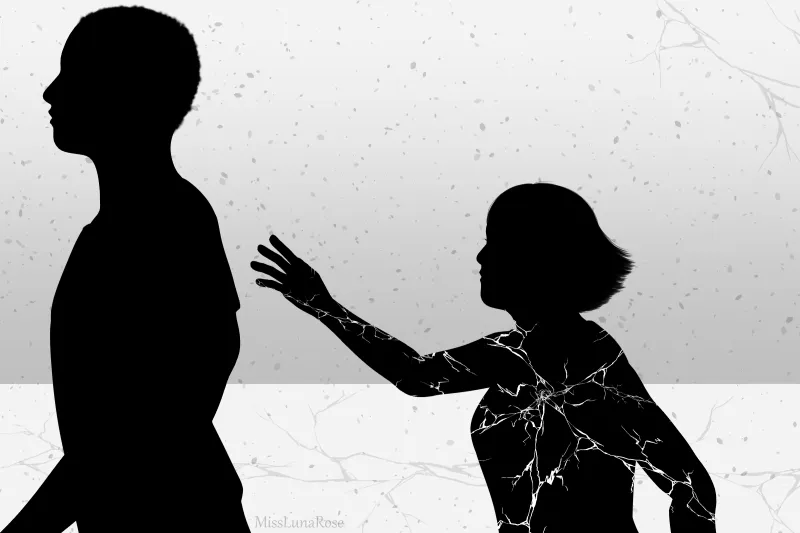
Independence is healthy, but weaponizing it during a fight is another story entirely. Telling your partner you don’t need them triggers deep feelings of abandonment and makes them feel like they are easily replaceable or unimportant to your life.
Relationships are built on mutual care and interdependence, not scorekeeping. Even if you’re trying to assert strength in a frustrating moment, this phrase does far more harm than good.
Remind your partner that you value them, especially when things get hard between you.
18. “I Told You So!”

Few phrases feel as condescending as “I told you so.” When something goes wrong, your partner already knows it. Rubbing their face in it adds humiliation on top of disappointment, which is a combination that breeds resentment fast.
Being right should never come at the cost of your partner’s dignity. A genuinely supportive response focuses on solving the problem together, not scoring points.
Choosing compassion over being correct is one of the simplest, most powerful things you can do for a healthy relationship.