
Barbecue in America is not just one food. Every region has its own style, from smoky Texas brisket to tangy Carolina pork.
Trying these dishes where they were born is a fun way to learn about local history and people. Grab a napkin, because this road trip is going to get messy and delicious.
1. Central Texas Brisket
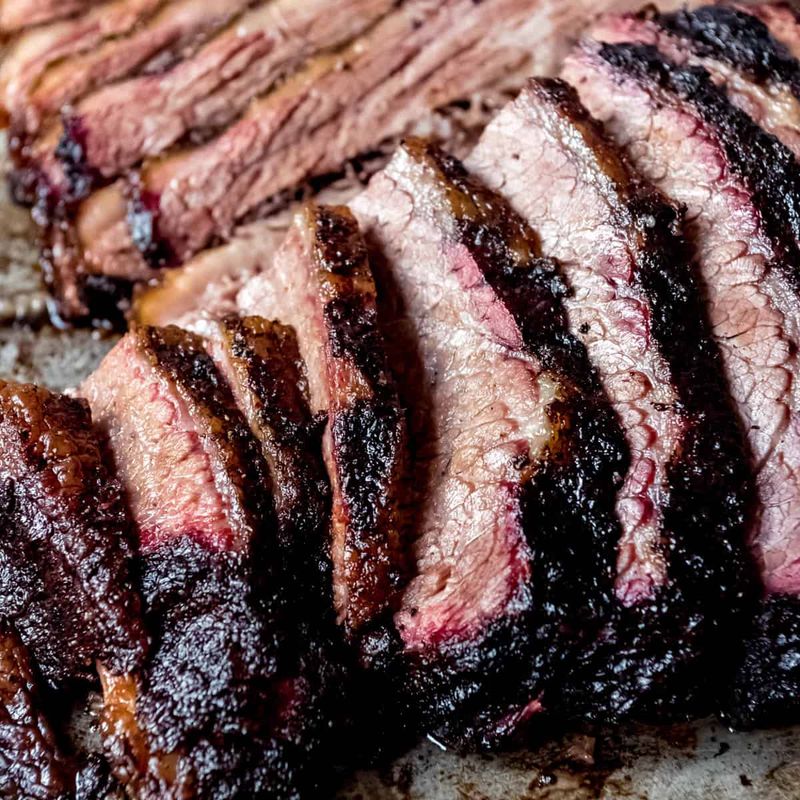
People in Austin happily wait three hours in line for a single tray of brisket. That tells you everything.
Central Texas keeps it simple with salt, black pepper, oak smoke, and lots of patience.
The beef cooks for up to fifteen hours until it jiggles. Look for a dark crust called bark and a pink ring under it.
Tip: arrive early on a weekday, since the best spots often sell out by lunch.
2. Eastern North Carolina Whole Hog
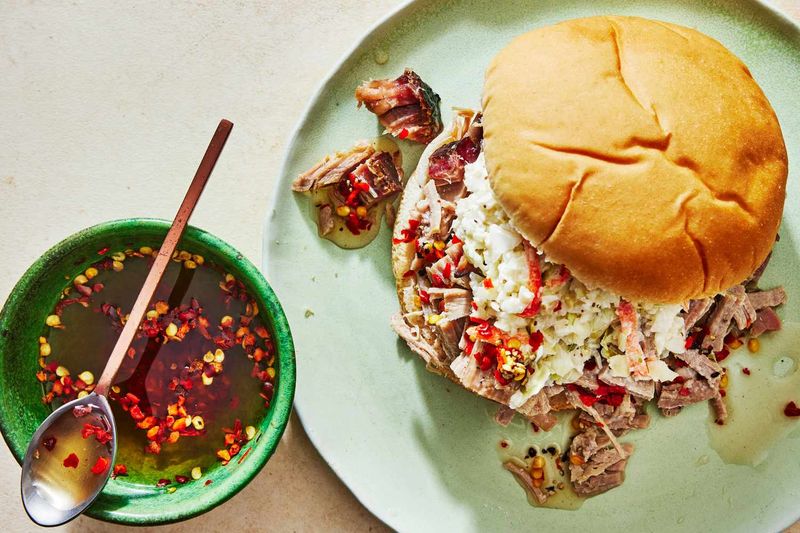
Picture an entire pig cooking slowly over glowing coals all night long. Eastern North Carolina has been doing it this way for centuries.
After cooking, the meat gets chopped up, crispy skin and all. Then comes the sauce, a sharp mix of vinegar, salt, and red pepper flakes with no tomato at all.
Fun fact: some locals call ketchup in barbecue sauce a crime. Try it on a soft bun with coleslaw piled on top.
3. Lexington-Style Pork Shoulder
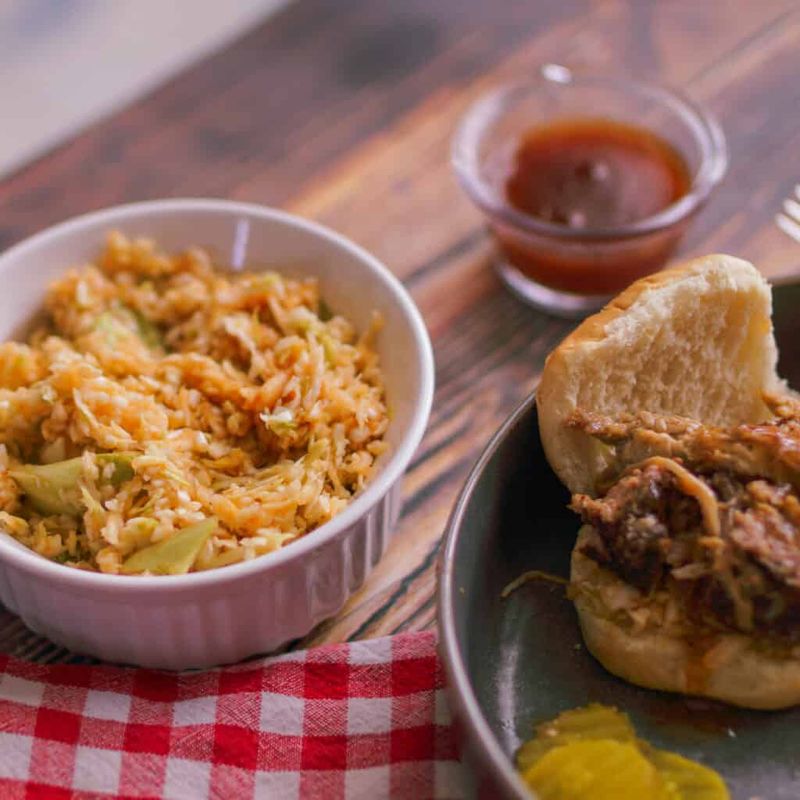
Just a short drive west of the whole hog country, things change. Lexington cooks only the pork shoulder, a cut full of juicy, tender meat.
Their dip adds a little ketchup to the vinegar, giving it a slightly sweet kick. Even the slaw turns red here, mixed with that same sauce.
The small city has more than a dozen barbecue spots, so you could easily visit several in one hungry afternoon.
4. South Carolina Mustard Pulled Pork
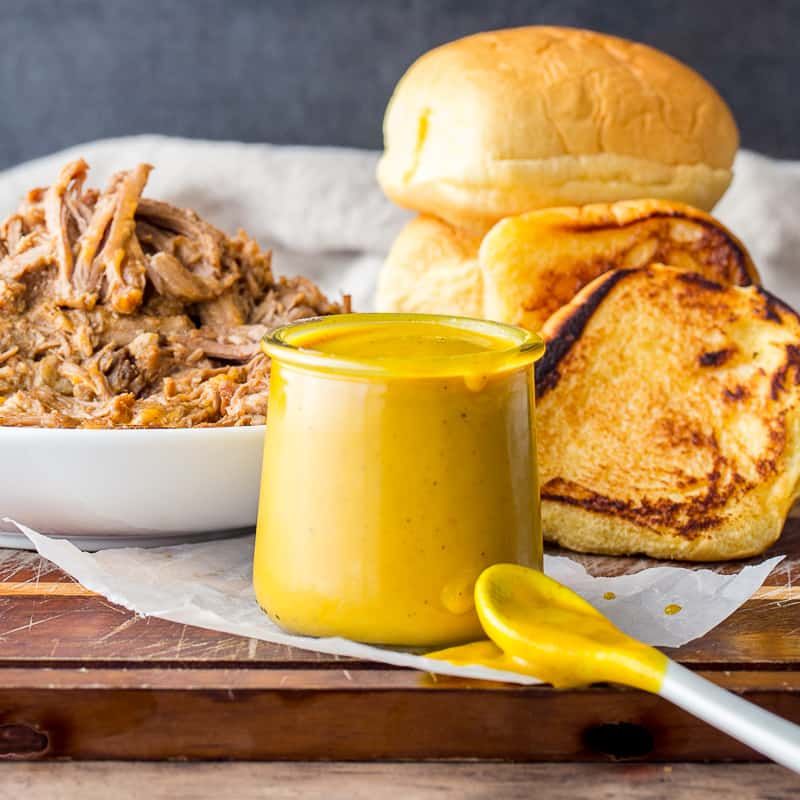
Golden, tangy, and a little surprising. That is the best way to describe the barbecue sauce around Columbia, South Carolina.
Called Carolina Gold, the sauce blends yellow mustard, vinegar, and brown sugar. German settlers likely brought their love of mustard here in the 1700s, and it stuck.
Spoon it over pulled pork and you get a bright flavor that wakes up your taste buds. Pair it with hash and rice, a local side dish.
5. Memphis Dry Ribs
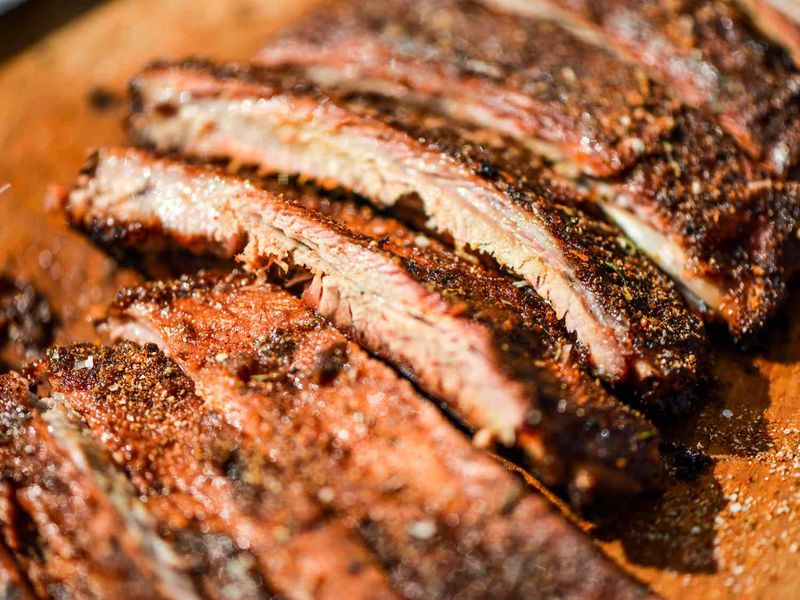
Forget sticky fingers. In Memphis, many of the best ribs come with no sauce at all, just a thick coat of spices.
The rub mixes paprika, garlic, chili powder, and other secret seasonings. Some cooks brush the ribs with vinegar while grilling, then shake on more rub before serving.
If you want sauce, ask for a wet rack instead. Every May, the city hosts a giant barbecue contest that draws teams from around the world.
6. Kansas City Burnt Ends
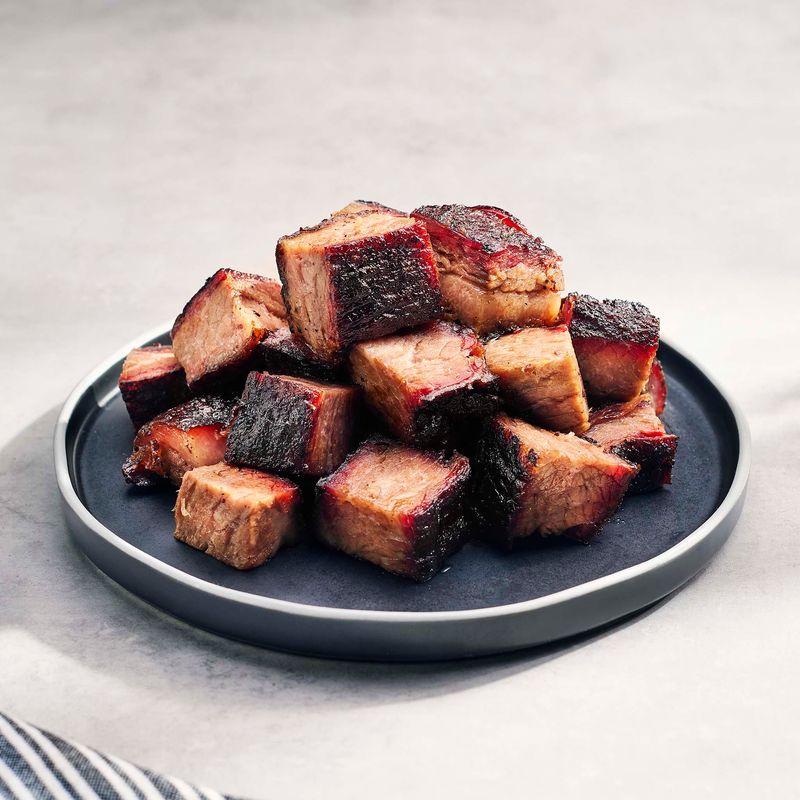
Once upon a time, burnt ends were scraps given away for free. Now people drive across states just to taste them.
Cooks cut the fatty point of a smoked brisket into cubes, toss them in sweet, thick sauce, and smoke them again. The result is crispy outside, melty inside, and dangerously snackable.
Kansas City has over one hundred barbecue restaurants. Order burnt ends with a side of cheesy corn for the full local experience.
7. St. Louis Pork Steaks
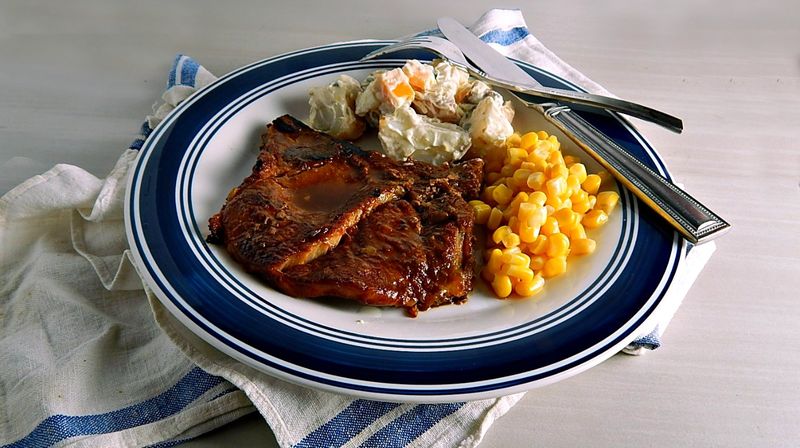
Ask anyone from St. Louis about summer, and pork steaks will probably come up fast. Sliced from the pork shoulder, they are cheap, thick, and full of flavor.
Families grill them in backyards, then let them soak in a pan of sweet tomato sauce until fork tender. It is pure neighborhood comfort food.
Restaurants serve them too, but the real magic happens at block parties. Make friends, and you might score an invite.
8. Alabama White Sauce Chicken
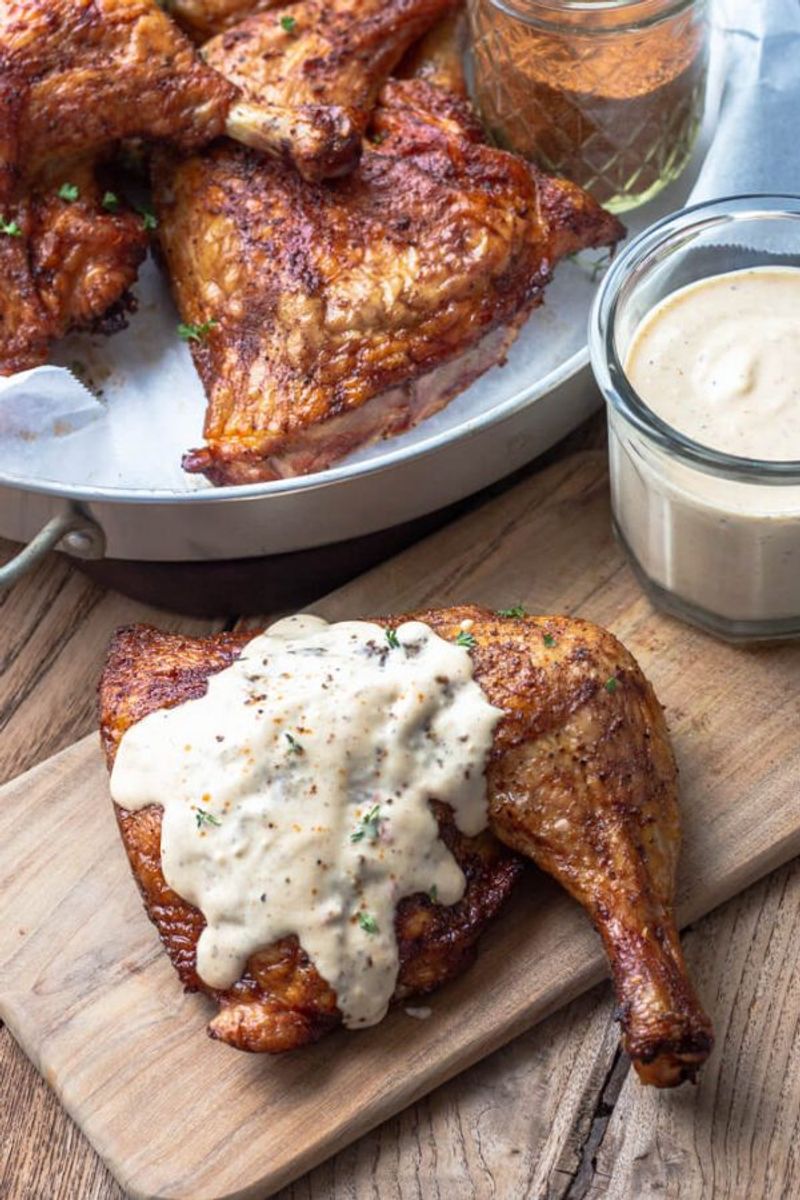
Back in 1925, a man named Big Bob Gibson created something odd in Decatur, Alabama. His barbecue sauce was white.
Made with mayonnaise, vinegar, black pepper, and a bit of horseradish, the creamy sauce keeps smoked chicken super juicy. Cooks dunk whole chicken halves right into big buckets of it.
It sounds strange, but one bite usually wins people over. Try extra sauce on the side for dipping your bread or fries.
9. Santa Maria Tri-Tip
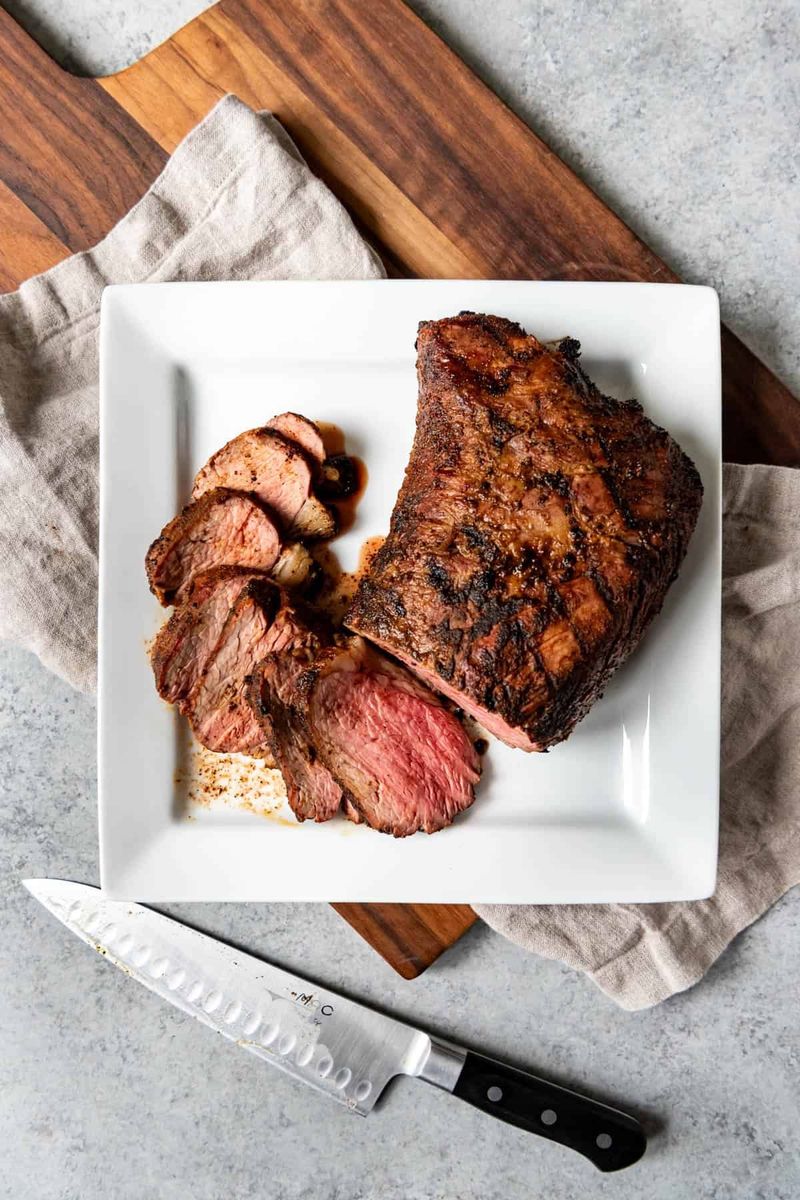
California cowboys started this tradition long ago at big ranch feasts. Today, Santa Maria still grills beef the old way.
The tri-tip is rubbed with salt, pepper, and garlic, then cooked over red oak on a grill that cranks up and down. It comes sliced thin and pink in the middle.
Locals serve it with tiny pinquito beans, fresh salsa, and garlic bread. On weekends, smoke rises from grills set up outside stores.
10. Owensboro Barbecued Mutton
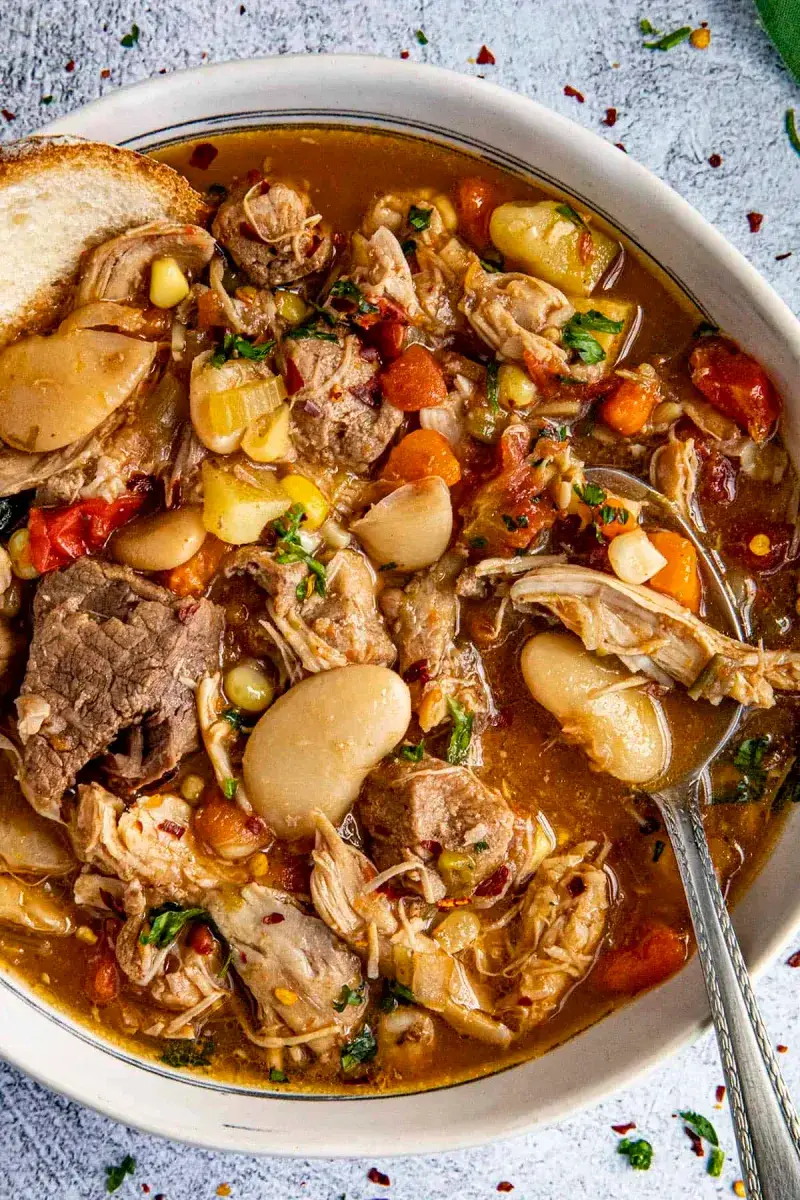
Here is a twist most travelers never expect. In western Kentucky, the king of barbecue is mutton, meat from older sheep.
Owensboro cooks smoke it slowly over hickory, then serve it with a thin, dark dip full of Worcestershire sauce. The flavor is rich, earthy, and unlike anything else.
Do not leave without a bowl of burgoo, a thick stew loaded with meat and vegetables. The town even holds a festival celebrating both dishes.
11. Texas Hill Country Hot Guts
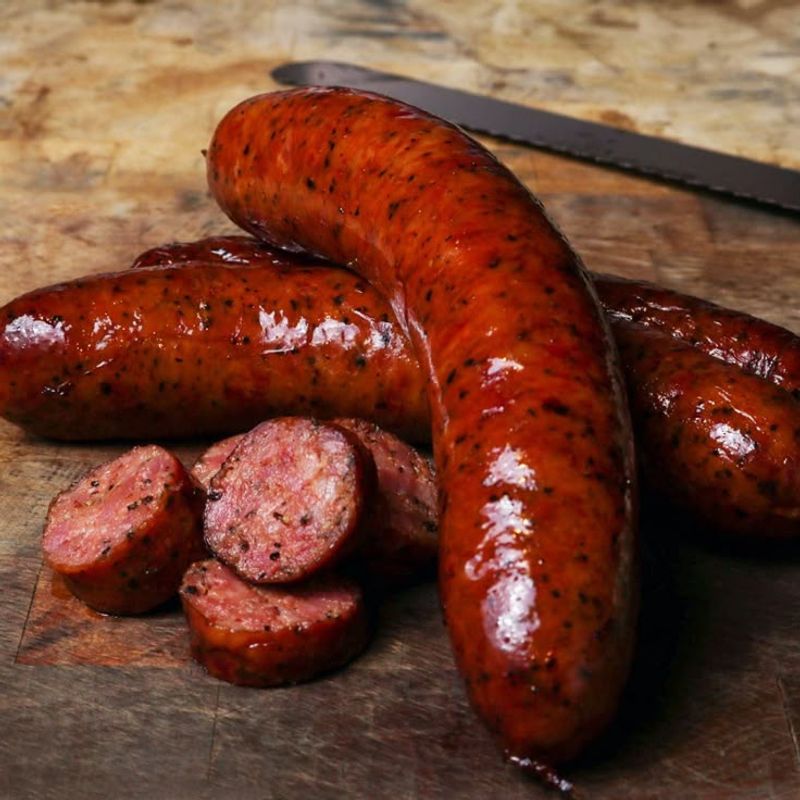
Walk into an old meat market in Lockhart and you might be handed sausage with no fork. That is normal.
Czech and German immigrants brought sausage making to Texas in the 1800s. Their coarse, peppery beef links, sometimes nicknamed hot guts, snap when you bite them.
Eat them with saltine crackers, onions, and pickles, just like ranch hands once did. Bring cash, because some classic markets still keep things simple.
12. East Texas Chopped Beef Sandwich
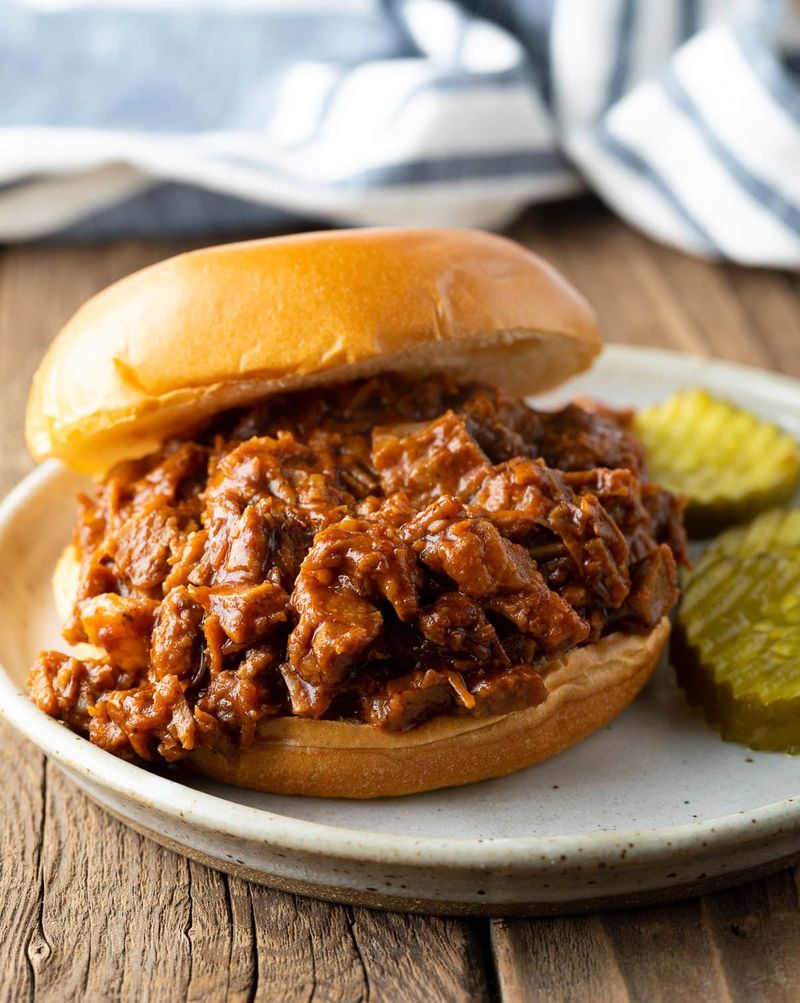
Some barbecue is fancy. East Texas chopped beef is proudly not.
It is messy, sweet, and built for hungry workers.
Smoked beef gets chopped fine and soaked in a tangy tomato sauce. Then it is piled high on a soft bun with pickles and onions.
Roadside shacks near Tyler and Longview have served it for generations. Grab extra napkins, because this sandwich drips everywhere, and that is half the fun.
13. South Texas Barbacoa
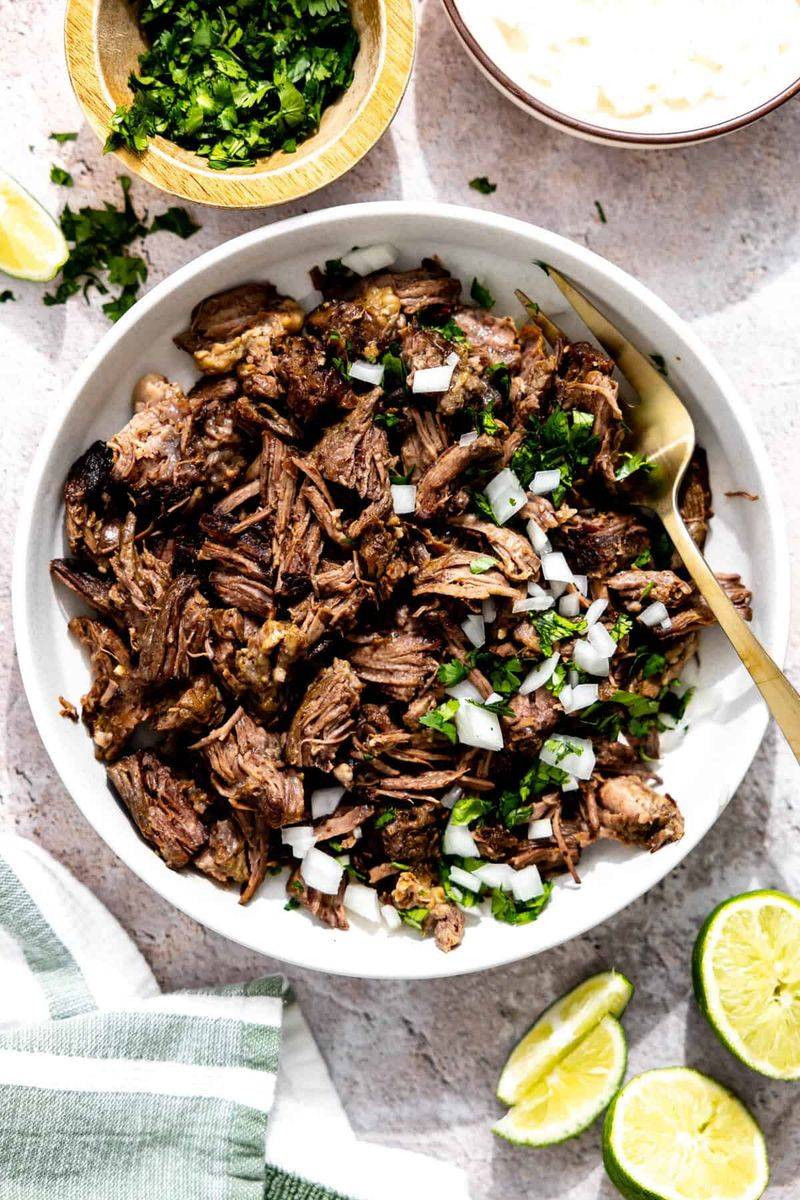
Sunday mornings in San Antonio smell like barbacoa. Families line up early to buy it by the pound.
The dish traditionally used a whole cow head, wrapped and slow cooked in a pit underground until super tender. Today, many places steam the meat instead, but the rich taste stays the same.
Wrap it in warm corn tortillas with onion, cilantro, and salsa. It makes one of the best breakfasts in the whole state.
14. Hawaiian Kalua Pig
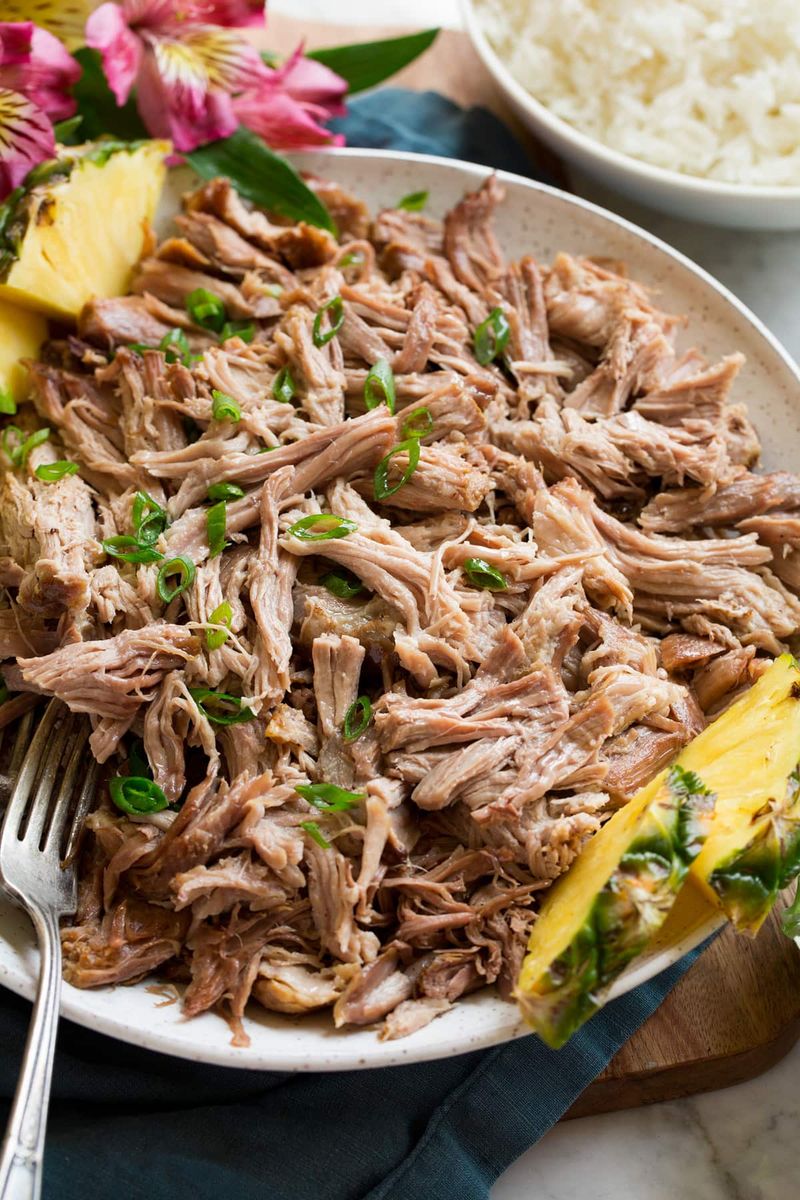
Imagine digging a hole on the beach, filling it with hot rocks, and burying a pig inside. Welcome to a Hawaiian luau.
The pit, called an imu, is lined with banana and ti leaves. The pig cooks all day, steaming and smoking until it falls apart.
Only sea salt is added, yet the flavor is amazing. Try it with poi and cabbage, then watch the hula dancers perform.
15. Chicago Rib Tips and Hot Links
Chicago has a smoker that looks like a fish tank. Seriously.
The aquarium smoker has glass sides so you can watch meat cook.
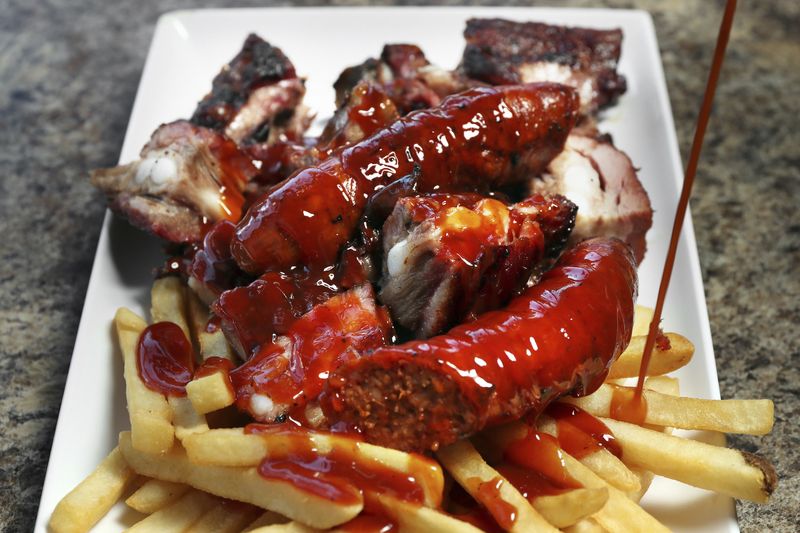
On the South Side, people order rib tips, chewy little pieces of pork, with spicy hot links. Everything sits on fries and white bread, all covered in sauce.
Black families moving north during the Great Migration created this style. It is a delicious slice of history in every bite.
16. Cornell Chicken
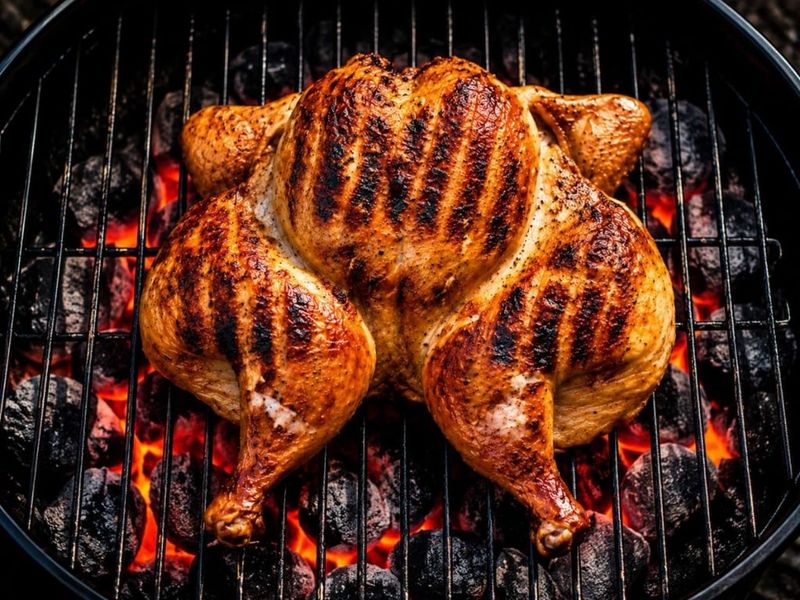
Believe it or not, a college professor invented one of New York’s favorite barbecue dishes. Robert Baker worked at Cornell University in the 1940s.
His recipe soaks chicken halves in a mix of vinegar, oil, egg, salt, and poultry seasoning. The chicken grills over charcoal until golden and crisp.
Find it at fire hall fundraisers and at the New York State Fair. Lines stretch long, but the juicy chicken is worth the wait.
17. Georgia Brunswick Stew
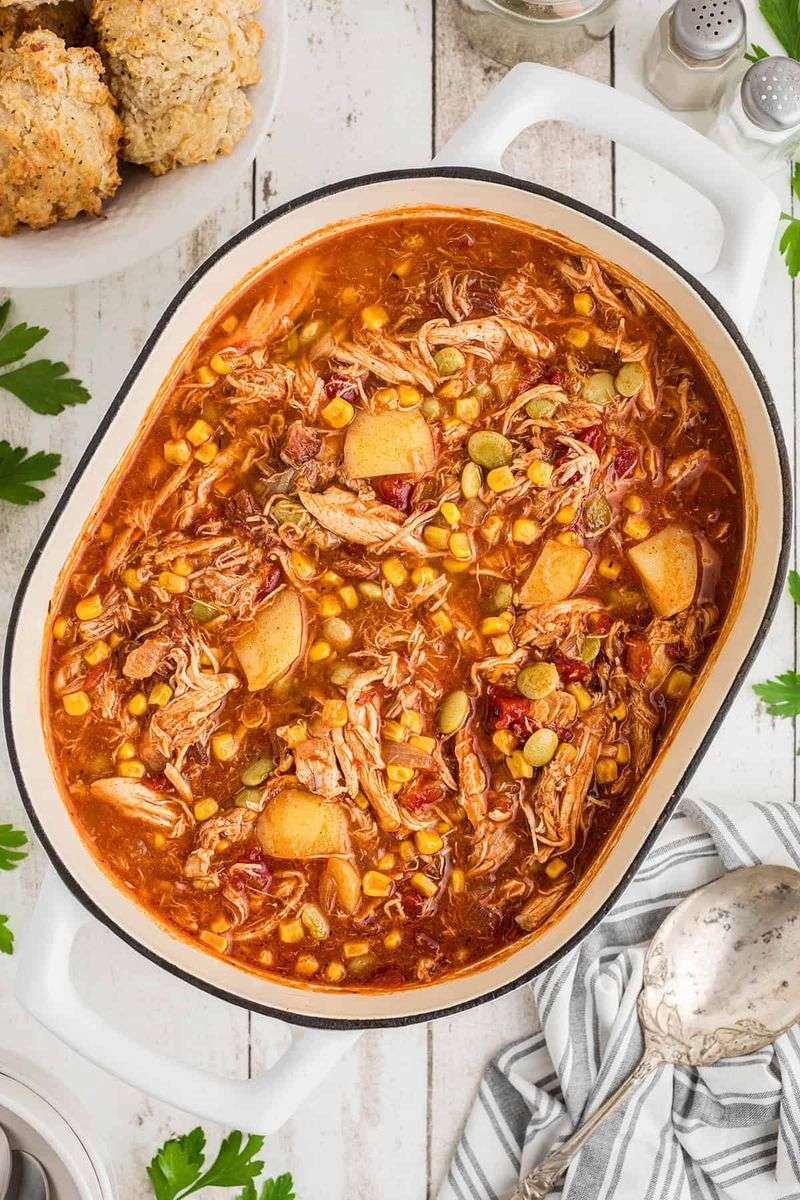
Georgia and Virginia have argued for years over who invented Brunswick stew. Both towns named Brunswick claim the honor.
Whoever made it first, the stew is a barbecue sidekick you should not skip. It mixes smoked pork or chicken with tomatoes, corn, and lima beans into a thick, hearty bowl.
Many Georgia pit stops serve it alongside pulled pork sandwiches. On a chilly day, nothing feels cozier than a steaming cup.
18. Oklahoma Smoked Bologna
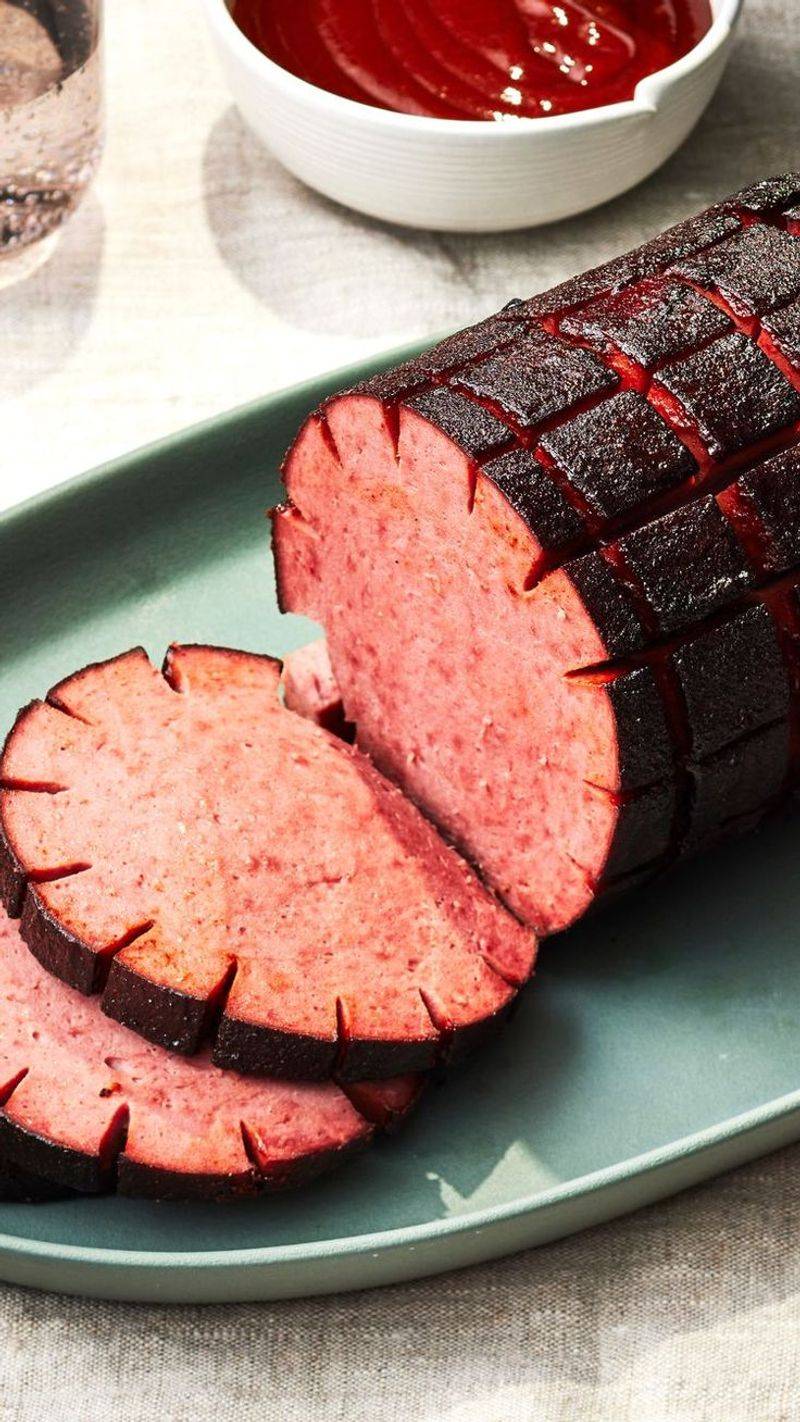
Nicknamed Oklahoma tenderloin, this dish proves barbecue folks have a sense of humor. It is actually a giant log of bologna.
Cooks score the outside, rub it with spices, and smoke it for hours. The edges turn crispy and the center stays juicy and warm.
Thick slices go on a bun with sauce and pickles. If you only know bologna from school lunches, prepare to be surprised in the best way.
19. Northern Alabama Pork with Red Sauce
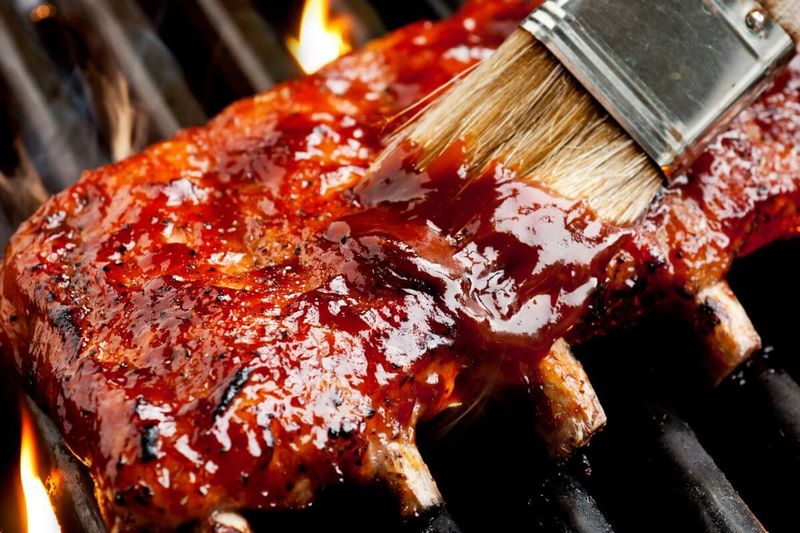
Alabama is not all about white sauce. Many towns also love hickory smoked pork with a thin, spicy red sauce.
Family run spots have used the same recipes for decades, often handed down from grandparents. Some even keep the sauce secret from their own workers.
Order a pork plate with slaw and a slice of homemade pie. Small towns in this area treat barbecue like a proud family tradition you are welcome to share.
20. Virginia Tidewater Smoked Turkey
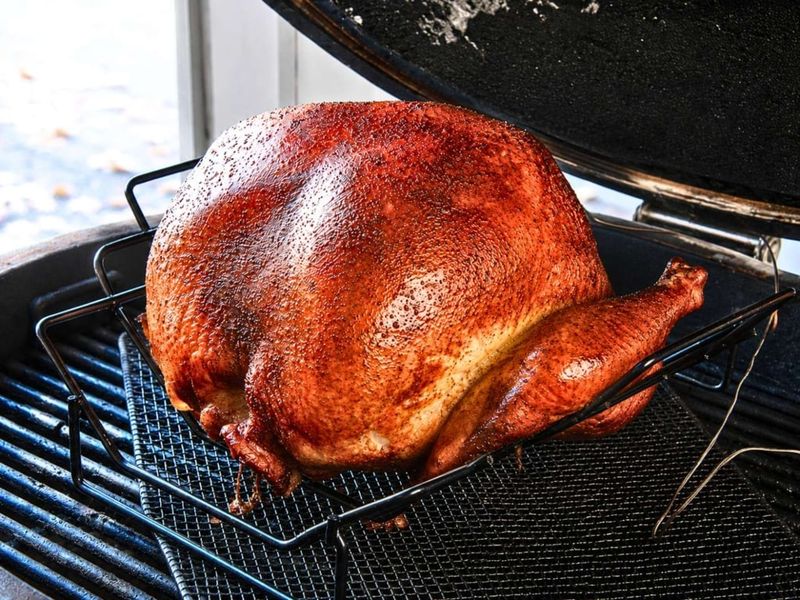
Turkey is not just for Thanksgiving. In parts of Virginia and beyond, smoked turkey has become a barbecue star.
Pitmasters brine the bird, rub it with butter and spices, and smoke it until the skin turns deep brown. Each slice stays moist and gently smoky.
It is a lighter choice if you have already eaten a mountain of pork. Many Virginia joints pair it with a tangy vinegar and tomato sauce.
21. Mississippi Delta Smoked Tamales
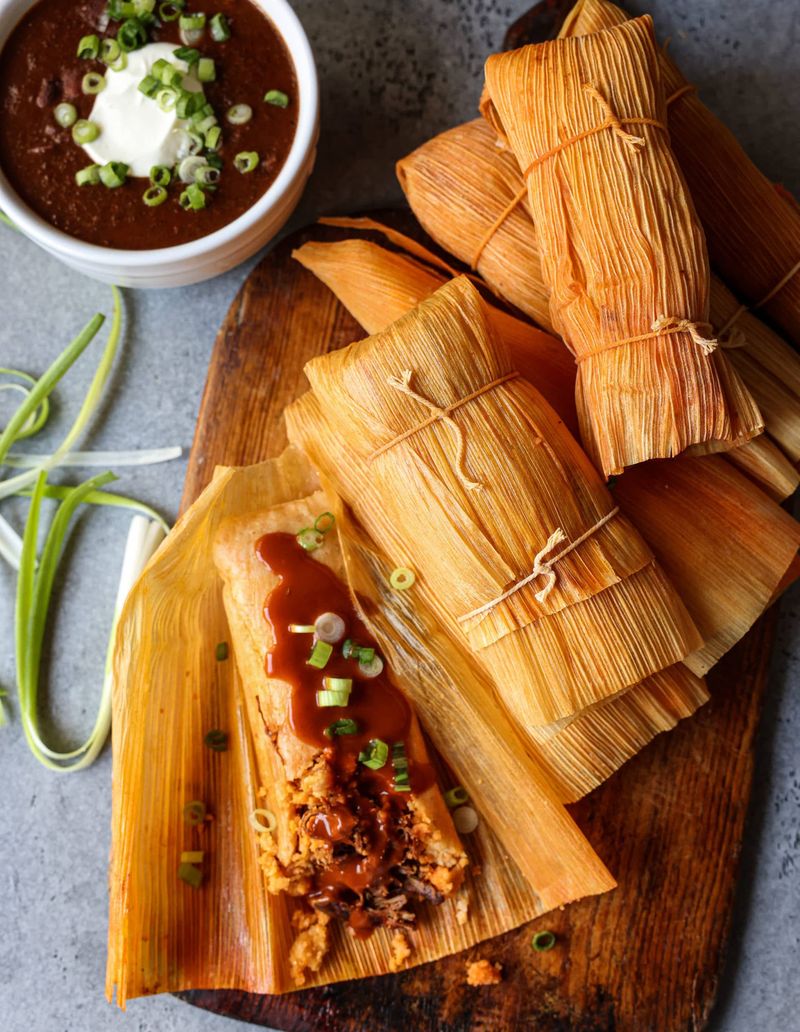
Along the blues trail in the Mississippi Delta, you will find a tasty surprise next to the ribs: hot tamales.
Mexican workers and African American cooks shared ideas in the early 1900s. The result was a spicy tamale simmered in a seasoned broth, often sold at barbecue stands.
They are smaller and spicier than most tamales. Buy them by the dozen, and enjoy them while listening to live blues music in Clarksdale.