
Stars do not always love the movies, shows, or songs that made them famous. Some crack jokes about their biggest flops, while others openly explain what went wrong.
Their comments offer a peek behind the scenes and show that even famous people have work they regret. From superhero apologies to pop song putdowns, these stars had plenty to say.
1. Ryan Reynolds Made Green Lantern the Punchline
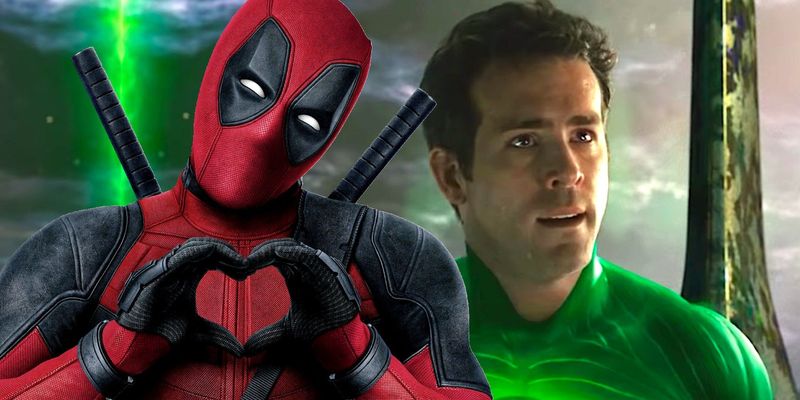
A superhero suit became a running joke that its own star helped keep alive. After Green Lantern disappointed in 2011, Reynolds repeatedly poked fun at the film instead of pretending it never happened.
Deadpool included a joke about a green, animated costume, and Deadpool 2 took the teasing even further. His approach turned an awkward career chapter into comedy.
Sometimes, owning a mistake gives people more reason to root for you the next time around.
2. Halle Berry Brought Her Oscar to the Razzies
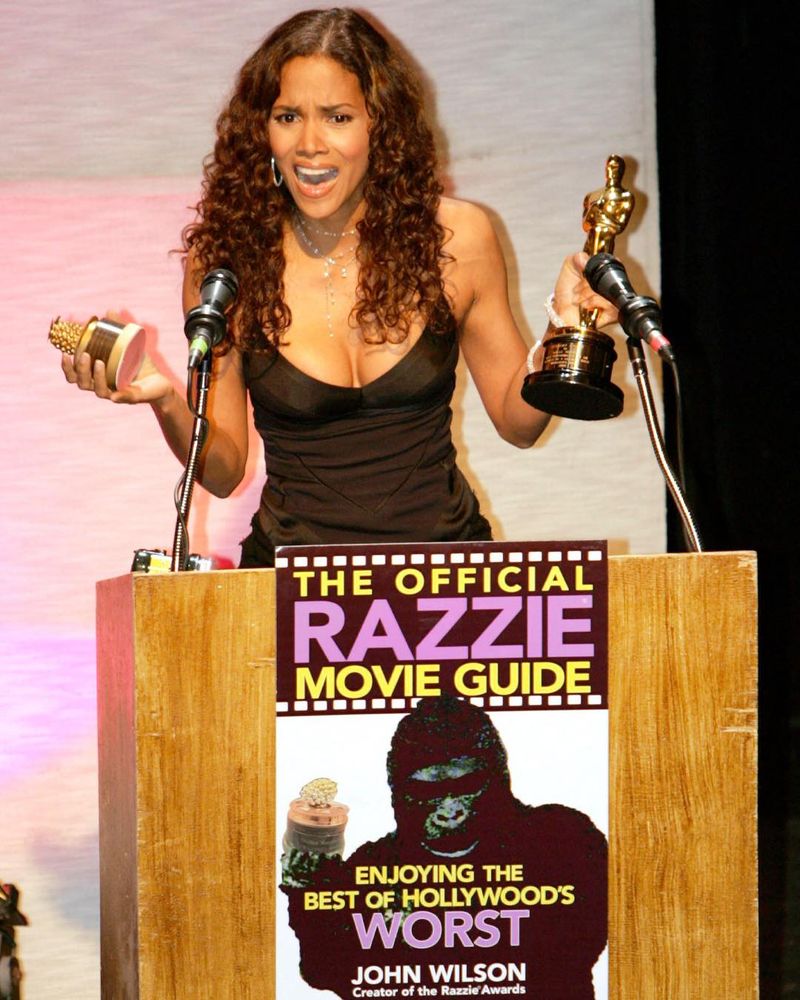
Showing up to collect an award for bad acting takes nerve. Berry did exactly that after Catwoman, accepting her Worst Actress Razzie in person while holding the Oscar she had already won.
Her speech mocked the movie and the people involved, including herself. Rather than hide from the film’s poor reception, she made the ceremony her own comedy stage.
The moment showed that a disappointing project does not have to erase an actor’s bigger achievements.
3. George Clooney Kept Apologizing for Batman
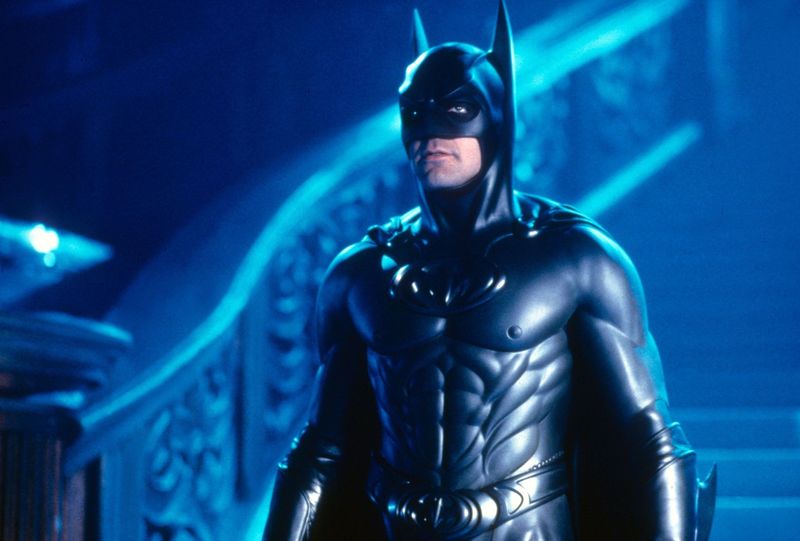
Even a famous movie star can struggle to live down a rubber superhero suit. Clooney has spent years joking about his performance in Batman & Robin, sometimes suggesting that he helped wreck the franchise.
The 1997 film became known for its campy style, icy puns, and unusual costume choices. His repeated apologies are funny because he rarely sounds defensive.
He seems comfortable admitting that playing an iconic hero did not automatically make the movie work.
4. Daniel Radcliffe Graded His Own Hogwarts Performance
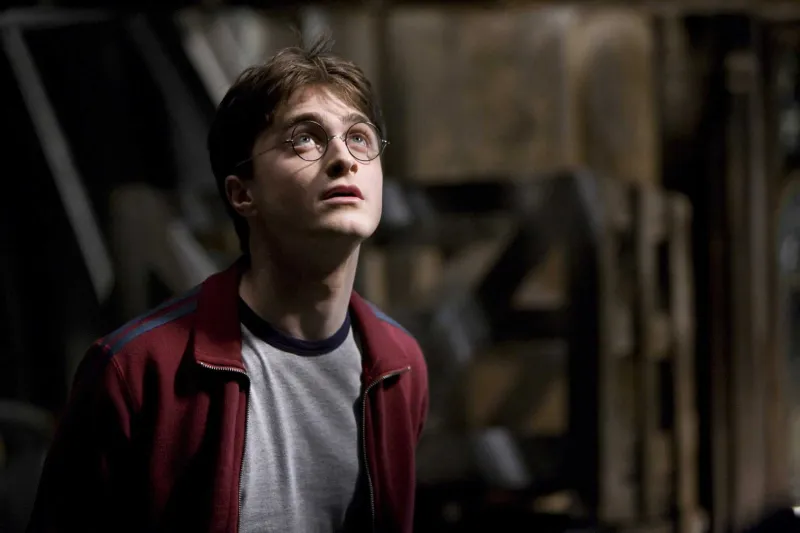
Returning to an old school photo can feel awkward. For Radcliffe, watching Harry Potter and the Half-Blood Prince brought a much bigger version of that feeling: he disliked his own acting.
He described the performance as one-note and said he could see that he had become complacent. His criticism targeted his work, not the audience’s love for the series.
That distinction matters: you can treasure a movie while its star sees room for personal growth.
5. Christopher Plummer Renamed The Sound of Music
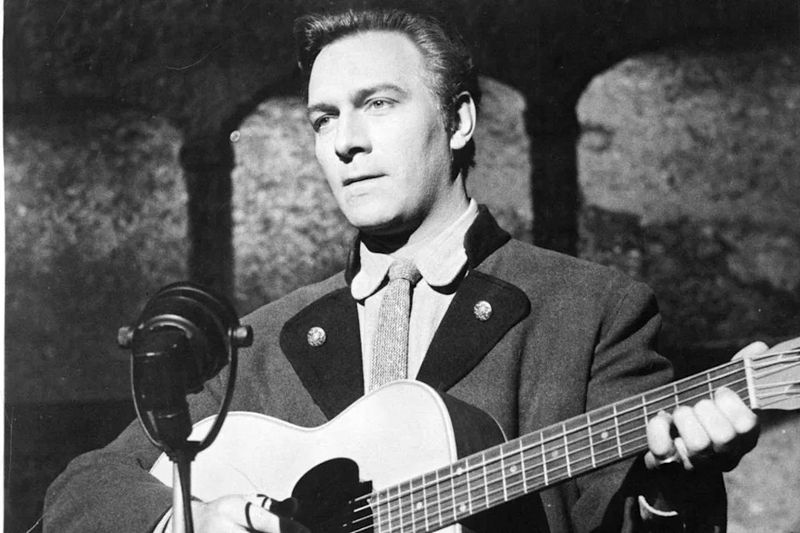
Few movie nicknames are as cheeky as The Sound of Mucus. Plummer used that twist when discussing The Sound of Music, the beloved musical in which he played Captain von Trapp.
He found parts of the film overly sweet and was frustrated by his character. Still, his feelings softened over time, and he later acknowledged the movie’s strengths.
His changing view is a useful reminder that one sharp joke rarely tells someone’s whole lifelong story.
6. David Fincher Had No Love for Alien 3
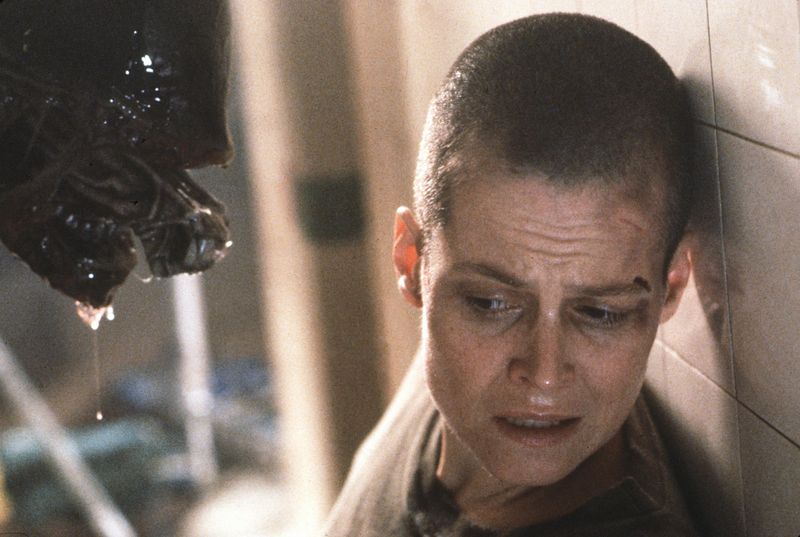
A first feature film should be a proud milestone, but Fincher’s experience on Alien 3 left lasting frustration. Studio interference and production problems helped turn his debut into a project he strongly disliked.
He later said that nobody hated the movie more than he did. That was not a playful little jab; it was a blunt rejection.
Behind the shocking remark sits a larger lesson about filmmaking: the director does not always control the result.
7. Tony Kaye Wanted a Humpty Dumpty Credit
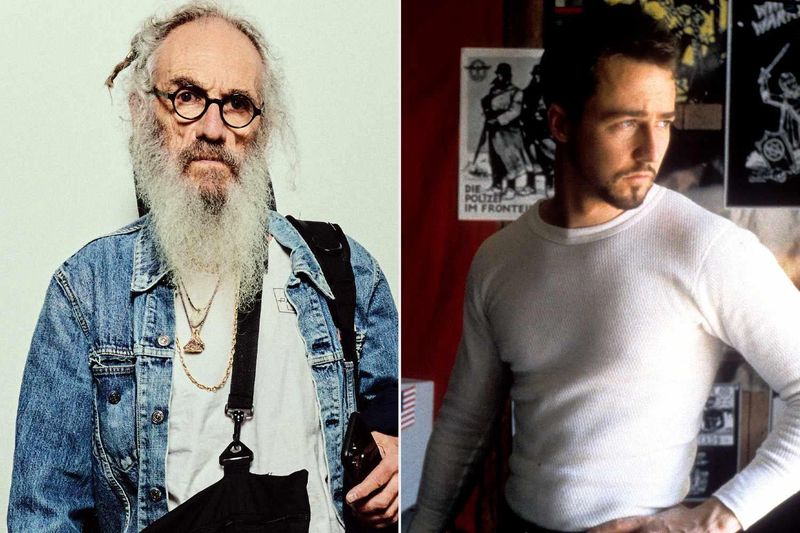
Asking to replace your name with Humpty Dumpty is not a quiet complaint. During the battle over American History X, Kaye tried to distance himself from the finished film after disagreements about its editing.
He publicly challenged the version that reached audiences and sought to remove his directing credit. The proposed nursery rhyme name made the dispute especially memorable.
Here, the strange joke reflected a serious fight about who gets to shape a filmmaker’s work.
8. Joss Whedon Gave Himself a Harsh Review
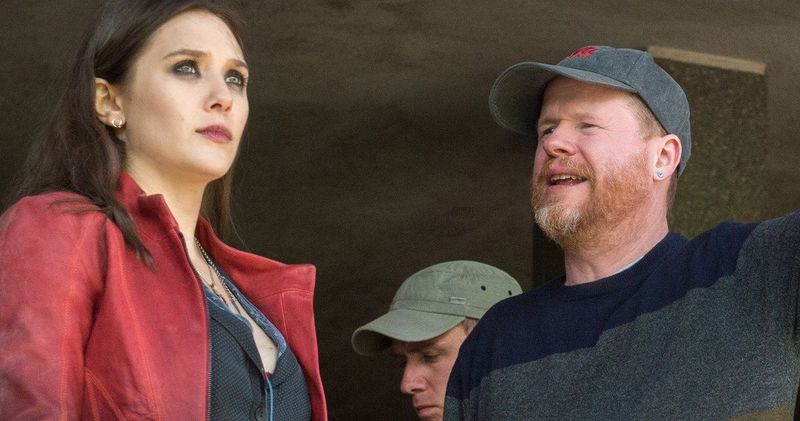
Huge ticket sales did not leave everyone celebrating. After directing Avengers: Age of Ultron, Whedon spoke about feeling beaten down by the process and described himself as feeling like a miserable failure.
His words were more self-criticism than a joke about superheroes. They also reveal how a successful release can hide a difficult working experience.
Audiences see the finished adventure, while the person making it may remember pressure, compromises, and plans that never reached the screen.
9. Joel Schumacher Apologized for Batman & Robin
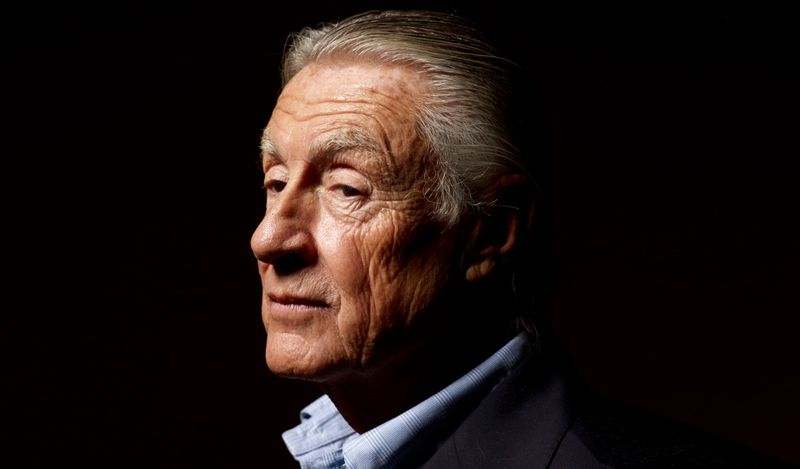
Neon colors, frozen one-liners, and a very unusual Batsuit made this sequel hard to forget. Schumacher later apologized to viewers who felt let down by Batman & Robin, accepting responsibility for his directing choices.
Instead of blaming fans for rejecting its playful tone, he acknowledged their disappointment. His response adds a different angle to Clooney’s jokes about the same movie.
A shared project can leave several people wishing they had handled their own part differently.
10. David Lynch Rejected His Trip to Dune
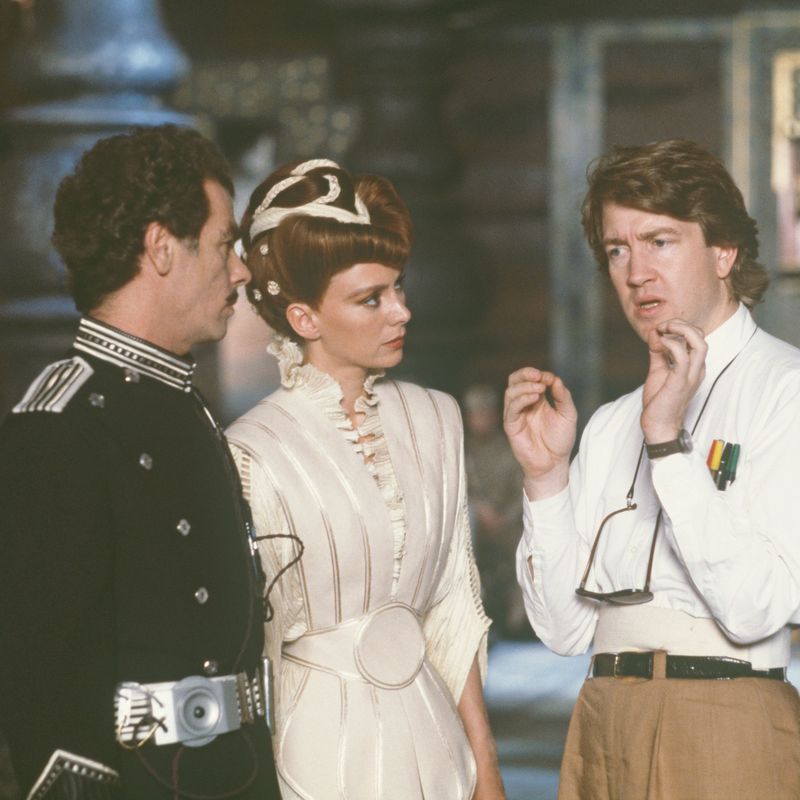
For a filmmaker known for unusual visions, losing control of a movie was deeply frustrating. Lynch repeatedly criticized his experience making the 1984 version of Dune, explaining that he did not have final cut.
That meant he could not decide exactly which version audiences would see. He also admitted making compromises earlier in the process.
His disappointment was not simply about reviews or ticket sales; it concerned releasing something that did not match his vision.
11. Josh Trank Challenged Fantastic Four Before Opening
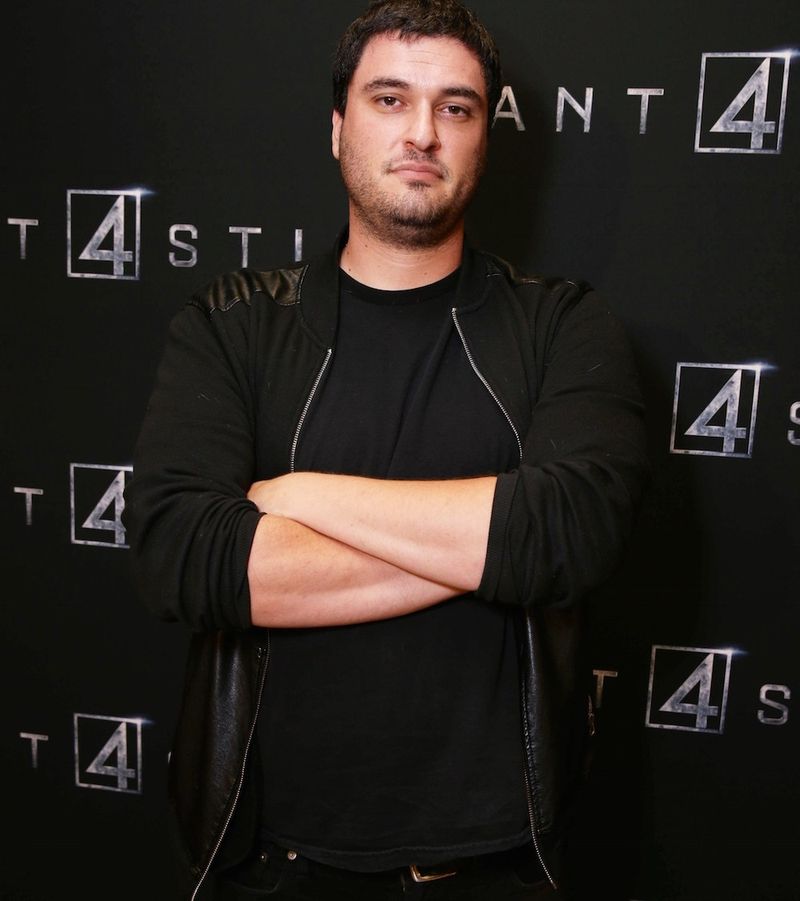
Movie promotion usually means smiling and encouraging people to buy tickets. Trank broke that pattern when he posted about Fantastic Four shortly before its 2015 release, suggesting his earlier version had been much better.
The post was deleted, but the message quickly spread. His complaint publicly separated his intentions from the finished film.
It became a striking example of a director criticizing his own release while audiences were still deciding whether to go see it.
12. Stanley Kubrick Dismissed His First Feature
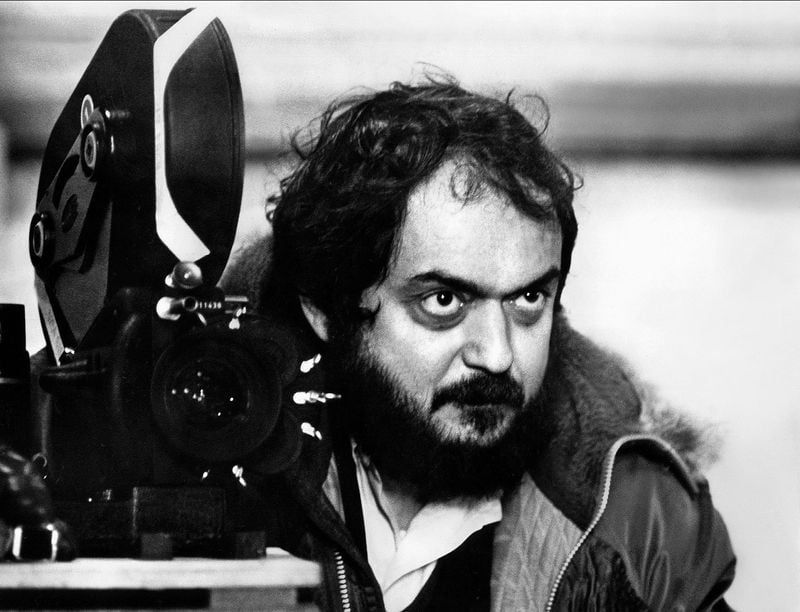
Great directors do not always want their earliest efforts on display. Kubrick became deeply dismissive of Fear and Desire, his 1953 debut, describing it as amateur work rather than a hidden masterpiece.
He also tried to limit its circulation, making his rejection more than a passing insult. For viewers, the film remains interesting because it shows a famous artist still learning.
An early attempt can reveal growth even when its creator would rather forget it.
13. Michael Bay Called His Robot Sequel Crap
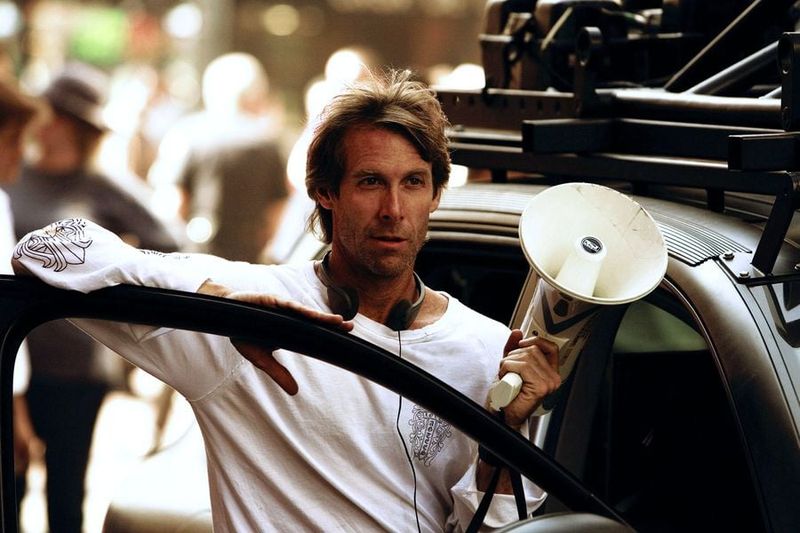
Explosions could not cover every problem in Transformers: Revenge of the Fallen. Looking back, Bay bluntly called the film crap and pointed to the writers’ strike and a rushed schedule as major problems.
His criticism stood out because the movie still attracted a huge audience. Popularity and creative satisfaction are not the same thing, even for blockbuster directors.
The admission also highlights something viewers rarely see: production deadlines can shape a story long before filming begins.
14. Nicki Minaj Put Starships on Blast

A crowd favorite is not always a singer’s favorite. During a live appearance, Minaj interrupted Starships and made clear that she no longer liked the song, even calling it stupid.
The sharp dismissal surprised listeners who knew it as one of her biggest pop hits. Her reaction shows how an artist’s taste can move away from an earlier sound.
Fans can still enjoy the track without expecting its performer to feel exactly the same way.
15. Charli XCX Broke With Break the Rules

Imagine writing a song while thinking the eventual singer would look foolish, then becoming that singer yourself. Charli described a version of that awkward situation when discussing Break the Rules.
She said she had not felt good about the track while making it and later spoke harshly about the choice to record it. The story is funny, but it also captures a familiar problem: agreeing to something despite an early feeling that it is wrong.
16. Liam Gallagher Took Shots at Wonderwall
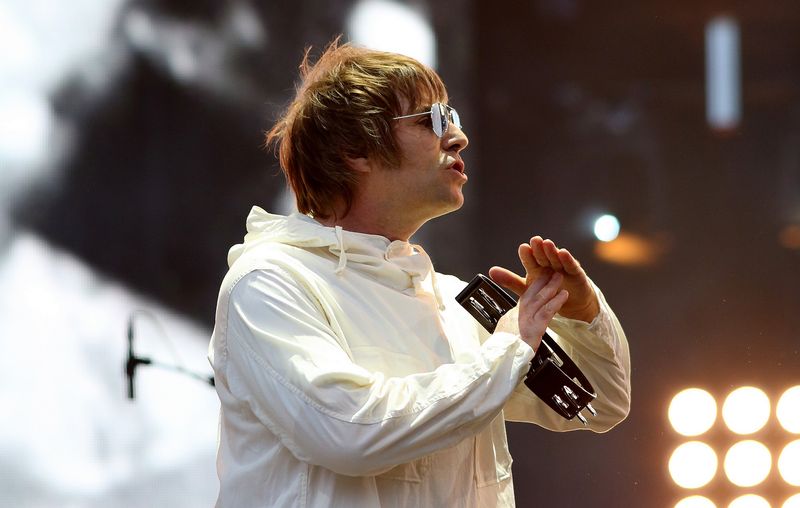
Not every singer wants to hear their biggest hit again. Gallagher has spoken dismissively about Wonderwall, the Oasis anthem that became a fixture at parties, concerts, and countless amateur guitar sessions.
His complaints clash with the affection many listeners feel for it, which makes them especially memorable. Repeating a song for years can create a very different relationship from hearing it occasionally.
A musician’s frustration does not cancel the memories that fans attach to it.