
Good manners never go out of style, no matter how much the world changes around us. Whether you are texting a friend, sitting at a dinner table, or meeting someone new, the way you treat people says a lot about who you are.
Etiquette is not about being stiff or old-fashioned — it is about showing respect, kindness, and consideration for others. These 17 rules are simple habits that can make a big difference in your everyday life.
1. Use Please and Thank You

Two little words carry enormous power in everyday life. Saying “please” and “thank you” signals that you see and appreciate the people around you, rather than taking them for granted.
Studies in social psychology show that expressions of gratitude actually boost the mood of both the giver and receiver. Whether you are asking a classmate to pass a pencil or thanking a cashier, these words cost nothing but mean everything to the people who hear them.
2. Be Punctual

Showing up late sends a message you probably do not mean to send — that your time matters more than everyone else’s. Punctuality is one of the quietest yet loudest ways to show respect.
Being on time does not mean rushing frantically; it means planning ahead. Arriving even five minutes early gives you a moment to breathe, collect your thoughts, and show the people waiting that you genuinely value their schedule and their effort.
3. Prioritize In-Person Interactions Over Phones

Scrolling through your phone while someone is talking to you is the modern version of staring out the window mid-conversation — it stings. Putting your device away shows the person in front of you that they matter more than a notification.
Real connection happens face to face. Even a short meal shared without screens can feel more meaningful and memorable than hours spent side by side while everyone stares at their own little glowing rectangle.
4. Listen Actively and Avoid Interrupting

Most people listen just long enough to figure out what they want to say next — and that is not really listening at all. Active listening means giving someone your full attention, making eye contact, and waiting until they finish before you respond.
When you resist the urge to jump in, you communicate genuine respect. People feel heard, valued, and understood.
That simple act of patience can strengthen friendships, improve teamwork, and even resolve conflicts before they spiral.
5. Respect Personal Space and Boundaries

Standing too close to someone can make them feel cornered or uncomfortable, even if that is the last thing you intend. Most people feel at ease when others stay about an arm’s length away during casual conversation.
Boundaries go beyond physical space, too. Avoid pressing people to share personal details they seem reluctant to discuss.
Respecting what someone keeps private is a quiet but powerful form of kindness that builds trust over time.
6. Dress Appropriately for the Occasion

Clothing communicates something before you ever say a word. Showing up to a job interview in flip-flops or wearing a tuxedo to a backyard barbecue both send the wrong signal — that you either did not care or did not pay attention.
Dressing for the occasion is a small act of consideration. It shows hosts, employers, and peers that you took the event seriously enough to prepare.
When in doubt, it is almost always better to be slightly overdressed than underdressed.
7. Practice Good Table Manners
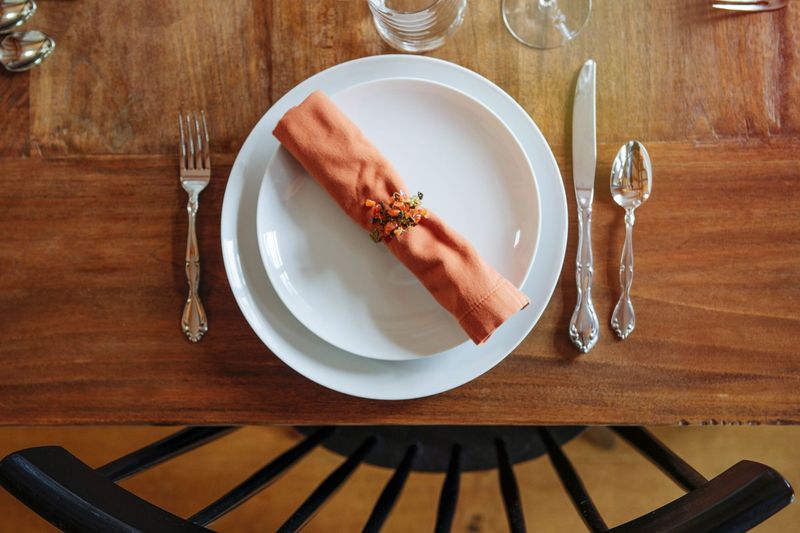
Nobody enjoys sharing a meal with someone who chews loudly, talks with a full mouth, or reaches across the table like they are grabbing for a life preserver. Table manners exist to make eating together a pleasant shared experience.
Wait until everyone is served before starting, keep your elbows off the table, and use utensils from the outside in at formal settings. These habits show consideration for your fellow diners and make you a genuinely enjoyable person to share a meal with.
8. Express Gratitude Genuinely
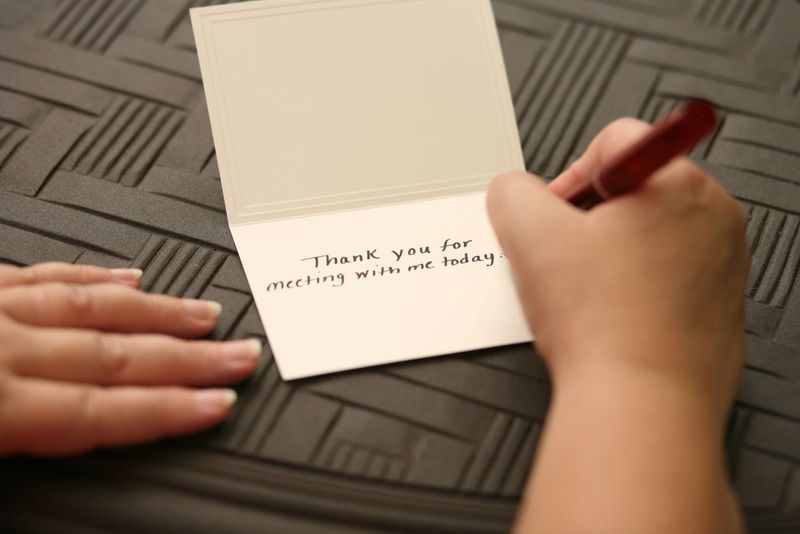
A handwritten thank-you note might feel old-fashioned in a world of instant messages, but it carries a warmth that a quick emoji simply cannot match. Taking a few minutes to express real appreciation tells someone their effort was noticed and mattered.
Gratitude does not have to be elaborate. A sincere text, a small act of kindness in return, or even a genuine smile and verbal thank-you after receiving a gift can leave a lasting impression that people remember long after the moment passes.
9. Be a Gracious Host and Guest

There is an art to both hosting and being hosted, and it starts with thoughtfulness. A good host makes sure guests feel comfortable, welcomed, and included — even the shy ones standing quietly near the snack table.
As a guest, bring something small, offer to help clean up, and always say goodbye properly. Showing appreciation for someone’s effort to open their home is one of the most respectful things you can do.
Both roles require generosity and a little grace.
10. Respect Public Spaces
Public spaces belong to everyone, which means keeping them clean and respectful is everyone’s responsibility. Leaving trash on the ground, playing music loudly on public transit, or vandalizing property affects people you will never even meet.
Small habits make a real difference. Dispose of your trash properly, give up your seat for someone who needs it, and keep your voice at a considerate volume.
Treating shared spaces with care shows community pride and basic human decency.
11. Avoid Gossip and Negative Talk
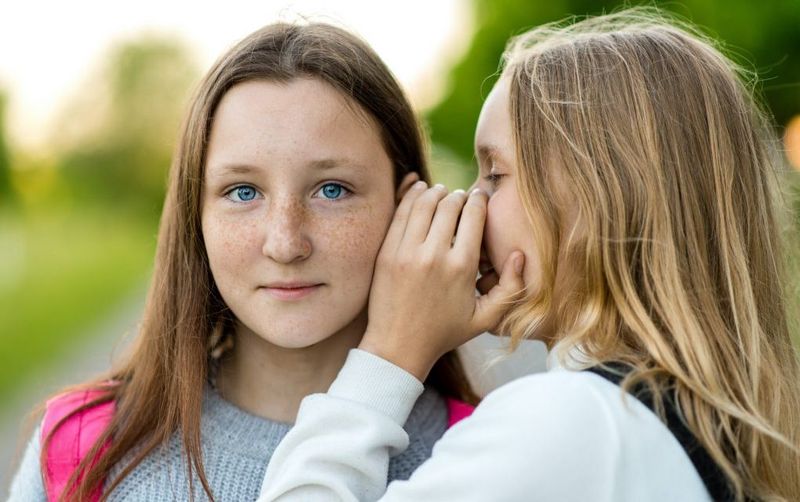
Gossip might feel harmless in the moment, but words spread fast and often return to the person they were about. Speaking negatively about others behind their backs chips away at trust — and at your own reputation.
Before sharing something about someone else, ask yourself: Is it true? Is it kind?
Does it need to be said? That quick three-question filter can save friendships, prevent drama, and remind you that building people up always feels better than tearing them down.
12. Communicate Clearly and Respectfully Online
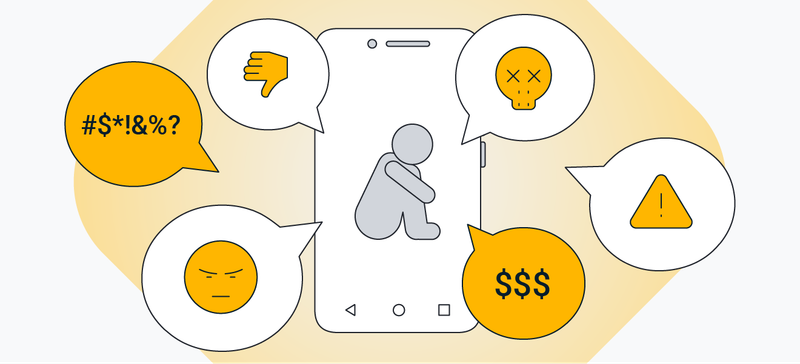
Digital communication strips away tone, facial expressions, and body language, which means misunderstandings happen easily. A message that seems funny in your head can read as rude or dismissive on a screen.
Keep online messages clear and considerate. Proofread before hitting send, skip the all-caps shouting, and avoid firing off angry replies in the heat of the moment.
Good digital etiquette means treating people on the other side of the screen with the same respect you would show them in person.
13. Respect Privacy in All Communication

Sharing someone else’s private photo, message, or personal story without permission is a serious breach of trust — even if you think the content seems harmless or funny. What feels casual to you can feel deeply violating to someone else.
Before forwarding anything, ask: did this person share this with me, or with the world? Protecting other people’s privacy is a form of loyalty and respect.
It also protects you, because people who guard secrets are the ones others choose to trust.
14. Offer Help When Needed
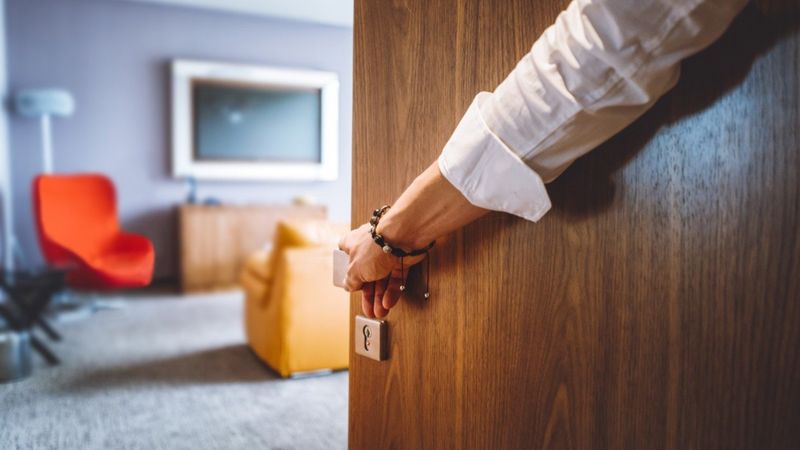
Holding a door open, helping someone carry something heavy, or offering your seat on a crowded bus — these tiny gestures cost almost nothing but add up to a kinder world. Noticing when someone could use a hand is itself a skill worth developing.
You do not need a grand opportunity to be helpful. The most meaningful acts of consideration happen in ordinary moments.
Offering help without being asked, and without expecting anything back, is one of the most genuinely good things a person can do.
15. Maintain Eye Contact

Eye contact is one of the oldest signals of respect and attention humans have. When you look someone in the eyes while they speak, you tell them without a single word that they have your full, undivided focus.
Avoiding eye contact can unintentionally signal boredom, dishonesty, or discomfort. Aim for natural, steady contact rather than an intense unblinking stare.
Cultural backgrounds can shape how eye contact is interpreted, so staying aware of context makes this habit both respectful and socially smart.
16. Apologize Sincerely

A real apology is not just saying “sorry” to end an awkward moment and move on. It means acknowledging what you did, understanding how it affected the other person, and meaning it when you say it will not happen again.
Hollow apologies can actually make things worse, because they feel dismissive. Lead with humility, focus on how your actions impacted the other person rather than defending yourself, and give them space to respond.
A genuine apology can repair even seriously damaged relationships.
17. Clean Up After Yourself

Leaving a mess for someone else to deal with is one of the clearest signals that you are not thinking about the people around you. Whether it is a shared kitchen, a public restroom, or a friend’s living room, how you leave a space reflects your character.
Tidying up after yourself is less about perfection and more about consideration. It shows that you recognize shared spaces come with shared responsibility.
People notice — and they remember — the ones who clean up without being asked.