
Most of us walk out of the supermarket wondering how the bill got so high again. Some foods seem like small, harmless purchases, but they quietly drain your wallet week after week.
Knowing which items are the sneakiest budget busters can help you shop smarter and keep more money in your pocket. Here are the foods that are likely costing you far more than you think.
1. Pre-Cut Fruits and Vegetables
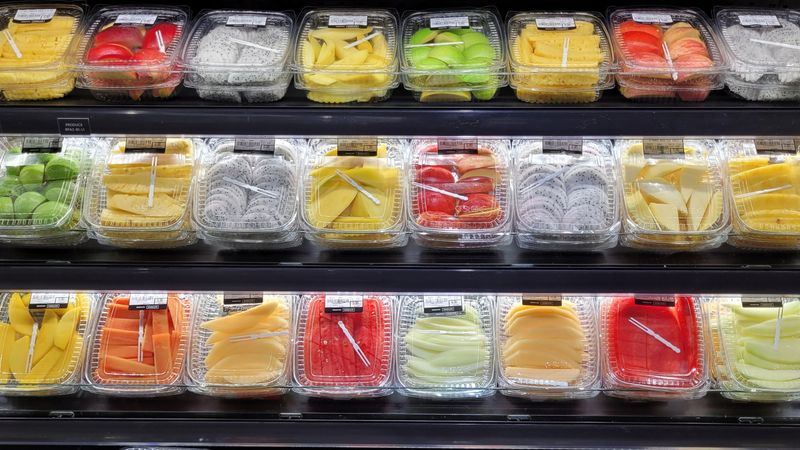
Convenience has a price tag, and with pre-cut produce, that price is steep. A whole pineapple might cost around $2, but the same pineapple already sliced in a tray can cost $6 or more.
You are essentially paying someone else to do two minutes of chopping for you. Buying whole fruits and vegetables and cutting them yourself at home can save you a surprising amount each week.
2. Bottled Water
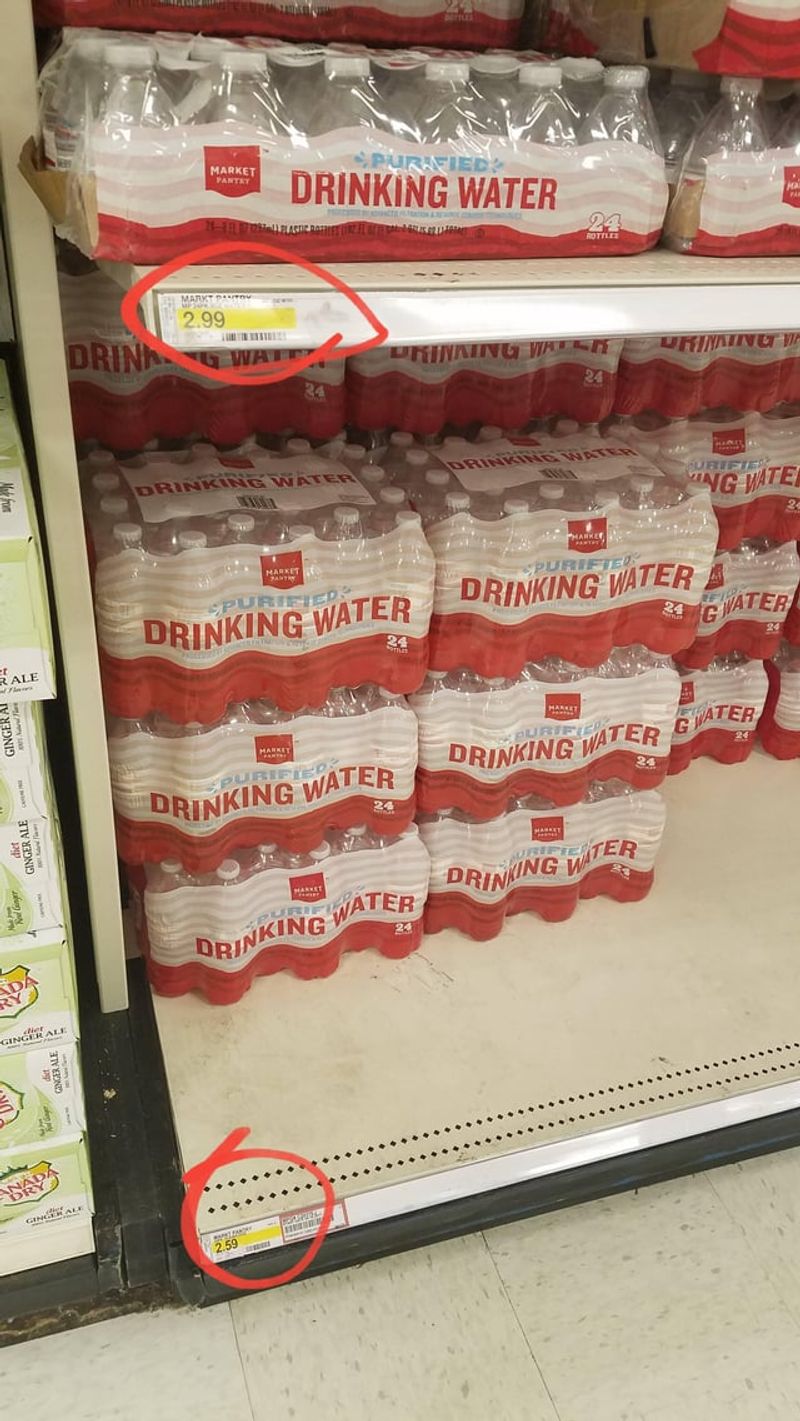
Tap water in most places is safe, clean, and nearly free, yet millions of people spend real money on bottled water every single week. A 24-pack of water bottles can cost $5 to $10, and that adds up fast over a year.
A reusable water bottle and a simple filter pitcher can replace bottled water almost entirely. The savings over 12 months can easily reach hundreds of dollars without any real sacrifice.
3. Single-Serve Yogurt Cups
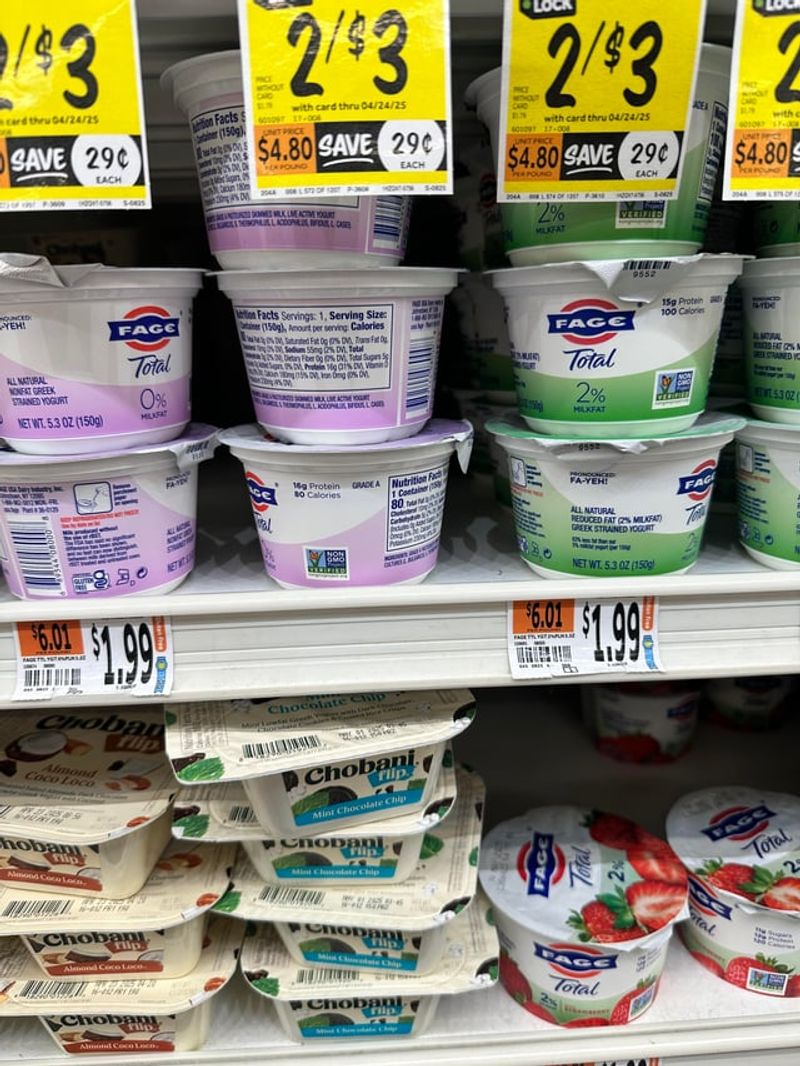
Those little cups of flavored yogurt look harmless sitting in the fridge aisle, but the math tells a different story. You might pay $1.50 per cup, while a large plain yogurt tub costs around $3 and contains six or more servings.
Buying the big tub and adding your own fruit or honey gives you the same result for a fraction of the price. It also means less plastic waste going into the bin each week.
4. Name-Brand Cereals
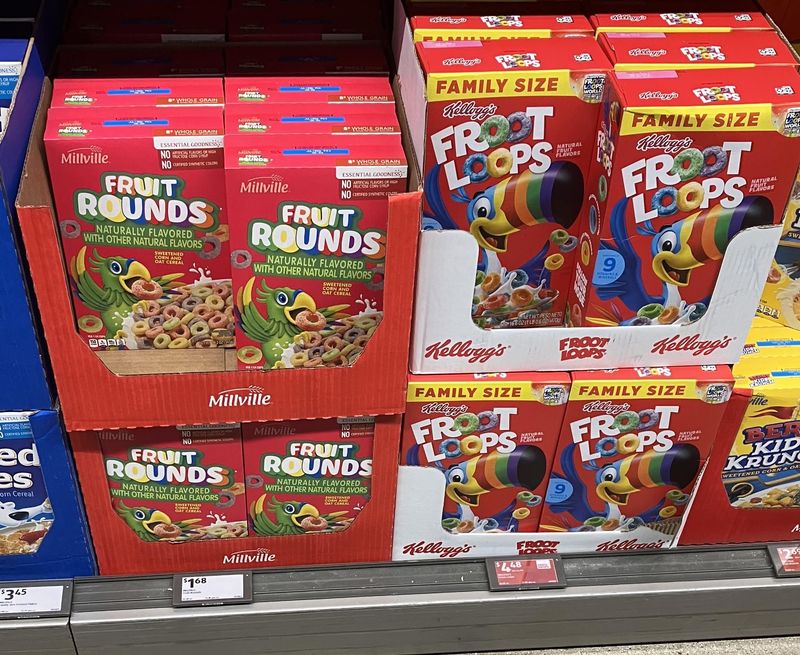
Cereal boxes with cartoon characters and flashy designs are marketing masterpieces, and you pay for all that branding every time you buy one. The store-brand version sitting right next to it often contains nearly identical ingredients for 30 to 50 percent less money.
Most people cannot tell the difference once the cereal is in a bowl with milk. Switching to store-brand cereals is one of the easiest swaps you can make to cut your grocery bill.
5. Bagged Salad Kits
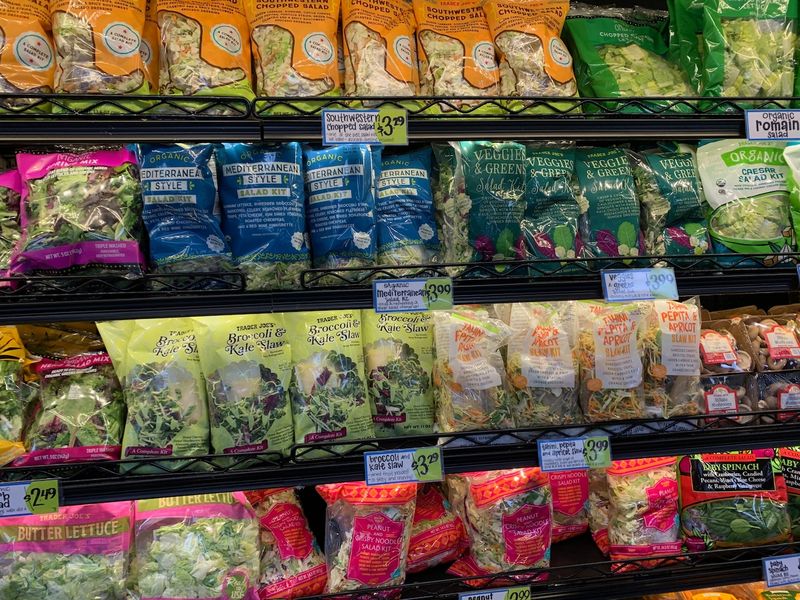
Bagged salad kits feel like a healthy, time-saving choice, but they are one of the priciest items in the produce aisle by weight. A kit that serves two might cost $5 or $6, while buying a head of lettuce and a few toppings separately costs half as much.
They also tend to wilt faster than whole heads of lettuce, meaning you might toss half the bag before you even use it. That wasted food is wasted money.
6. Flavored Instant Oatmeal Packets
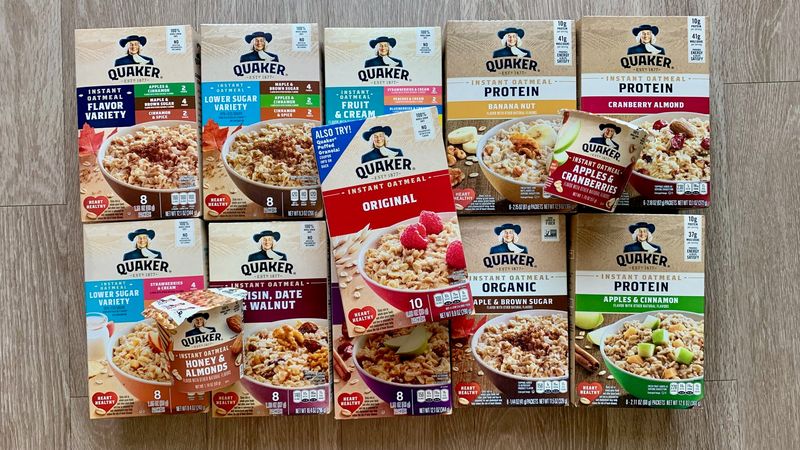
Instant oatmeal packets are marketed as a quick, healthy breakfast, but you are mostly paying for sugar and packaging. A box of 10 flavored packets can cost $4 to $5, while a large container of plain rolled oats costs about the same and makes far more servings.
Plain oats cook in minutes on the stovetop or in the microwave. Add a spoonful of honey and some cinnamon, and you have the same breakfast for pennies compared to the packet version.
7. Deli Sliced Meats
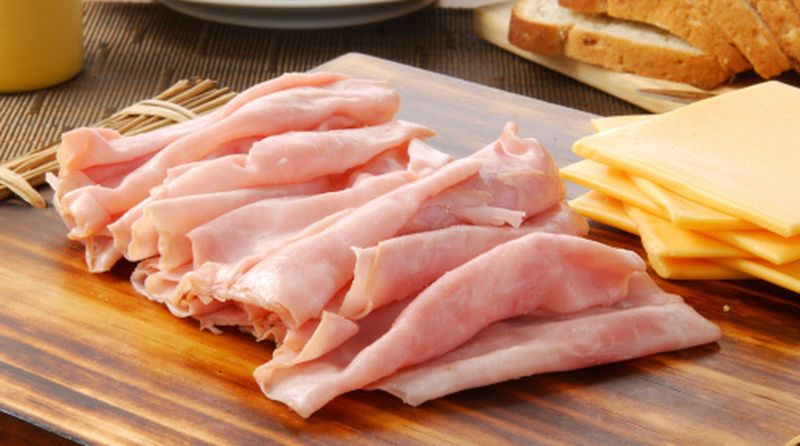
Grabbing a pack of sliced turkey or ham from the deli section is easy, but it is one of the most expensive ways to buy meat per pound. Pre-packaged deli slices often cost two to three times more than buying a whole cooked piece and slicing it yourself.
A rotisserie chicken, for example, can replace deli turkey in sandwiches at a much lower cost per meal. Thinking beyond the deli counter opens up cheaper and often tastier options.
8. Specialty Coffee Pods
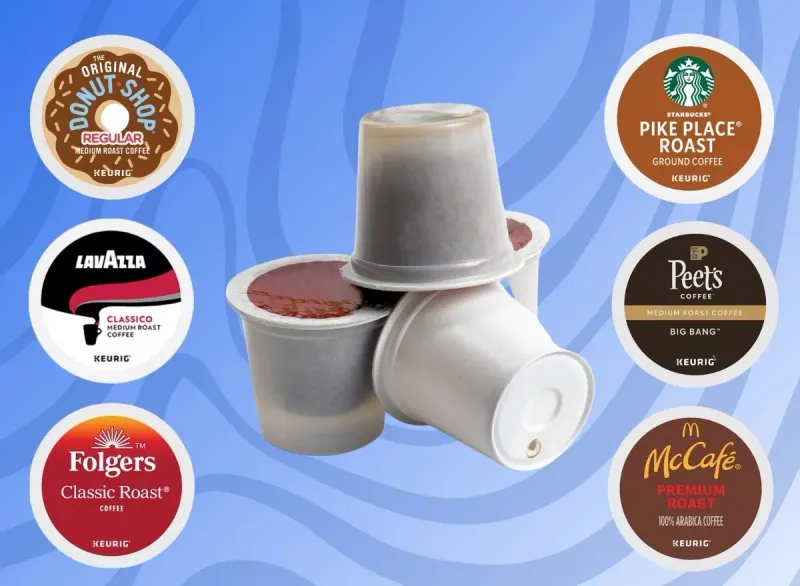
Coffee pods are undeniably convenient, but the cost per cup is shockingly high compared to ground coffee. A box of 12 pods can cost $10 or more, working out to nearly $1 per cup at home, while a bag of ground coffee makes dozens of cups for the same price.
Over a year of daily coffee, that difference adds up to hundreds of dollars. A simple drip coffee maker or French press delivers great results without the premium price tag.
9. Frozen Meals and Ready-Made Dinners
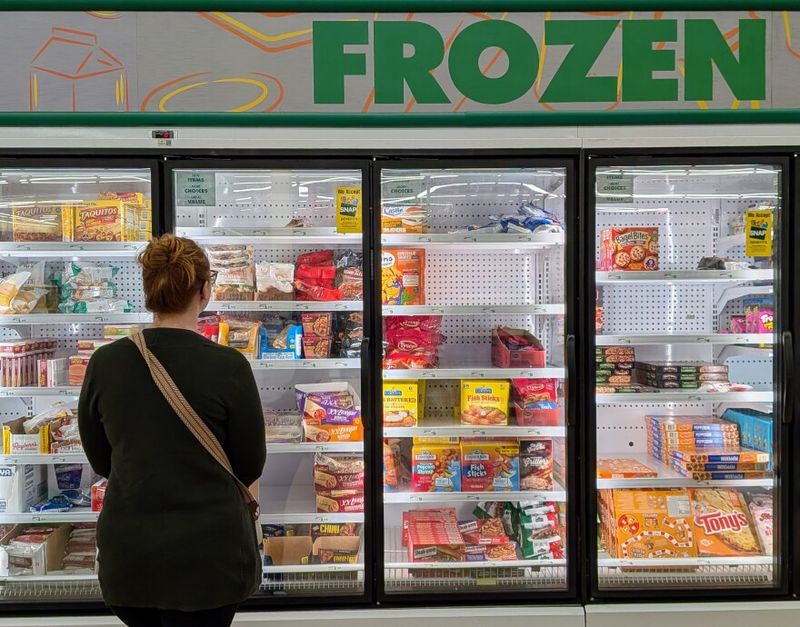
Frozen meals promise a hot dinner in minutes, and that convenience comes at a significant cost. A single frozen lasagna for two might cost $8, while making a larger batch at home costs less and feeds four people or more.
Beyond the price, most frozen dinners are high in sodium and low in fresh ingredients. Batch cooking on weekends and freezing your own portions gives you the same convenience without the inflated price or the ingredient trade-offs.
10. Shredded Cheese Bags
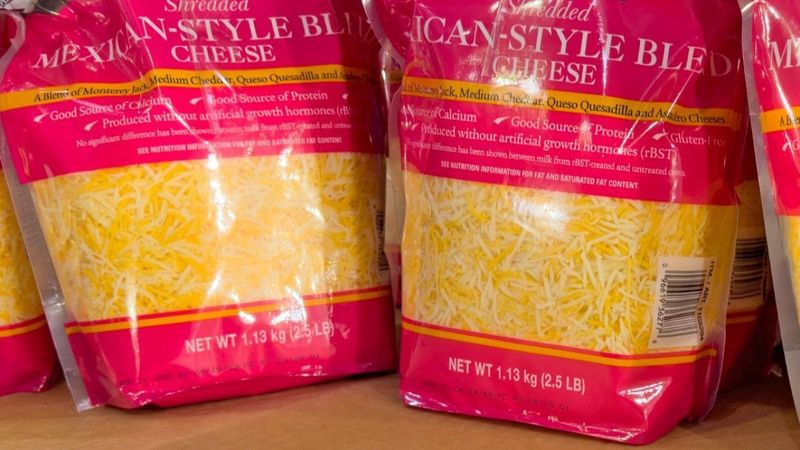
Pre-shredded cheese is one of those small luxuries that sneaks extra cost into your cart every week. Manufacturers add anti-caking agents to keep the shreds from clumping, and you pay a premium for that processing on top of the cheese itself.
Buying a block of cheese and grating it at home takes about 60 seconds and costs noticeably less per ounce. As a bonus, block cheese tends to melt more smoothly because it does not contain those added powders.
11. Sparkling Water and Flavored Drinks
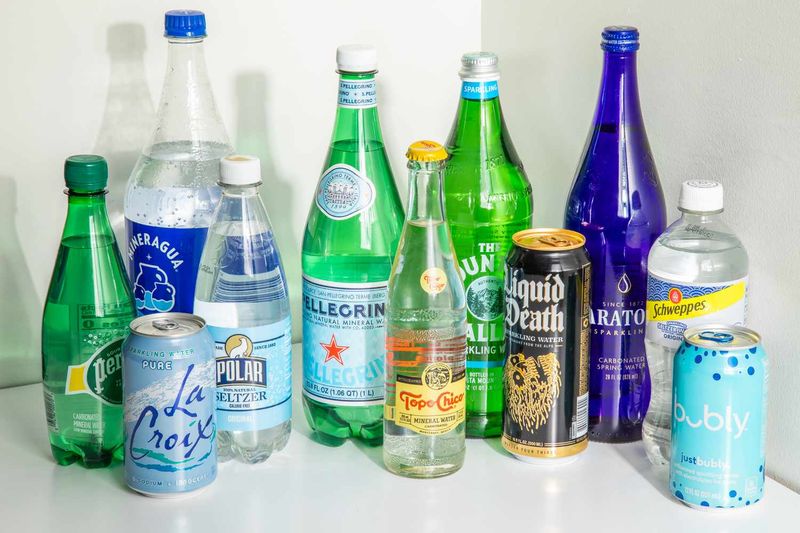
Sparkling water has become a staple for many households, but buying it in cans or bottles adds up faster than most people realize. A 12-pack of canned sparkling water can cost $6 or more each week, which totals over $300 a year just for fizzy water.
A home carbonation machine pays for itself within a few months if you drink sparkling water regularly. You get the same refreshing fizz at a tiny fraction of the ongoing cost.
12. Organic Produce Markups
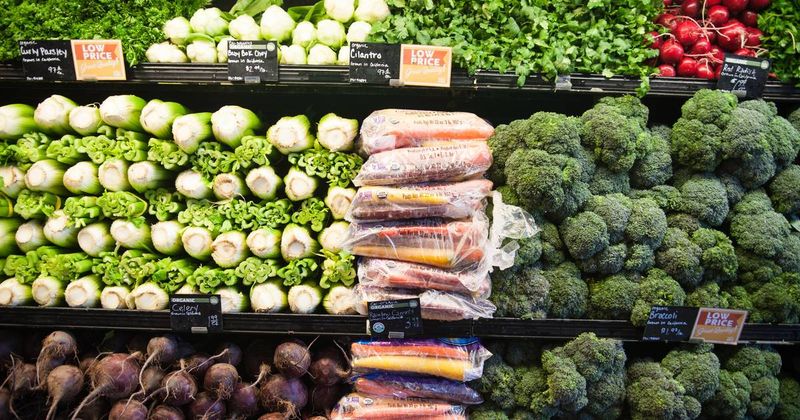
Organic produce is a worthwhile choice for some items, but buying everything organic without thinking it through can double your produce bill. Some fruits and vegetables have very little pesticide residue even when grown conventionally, making the organic version an expensive choice with minimal benefit.
Focusing your organic spending on items like strawberries, spinach, and apples, which tend to carry higher residue levels, lets you prioritize wisely. Buying conventional versions of thicker-skinned produce like avocados and pineapples saves money with little trade-off.
13. Fancy Granola Bars

Premium granola bars positioned as healthy snacks can cost $2 or more per bar when bought in specialty multipacks. That might not sound like much, but if your household goes through a box a week, you are spending over $100 a year on what is often just oats, sugar, and chocolate chips.
Making a batch of homemade granola bars takes about 30 minutes and costs a fraction of the store price. They also taste better and you control exactly what goes into them.
14. Cooking Sauces in Jars
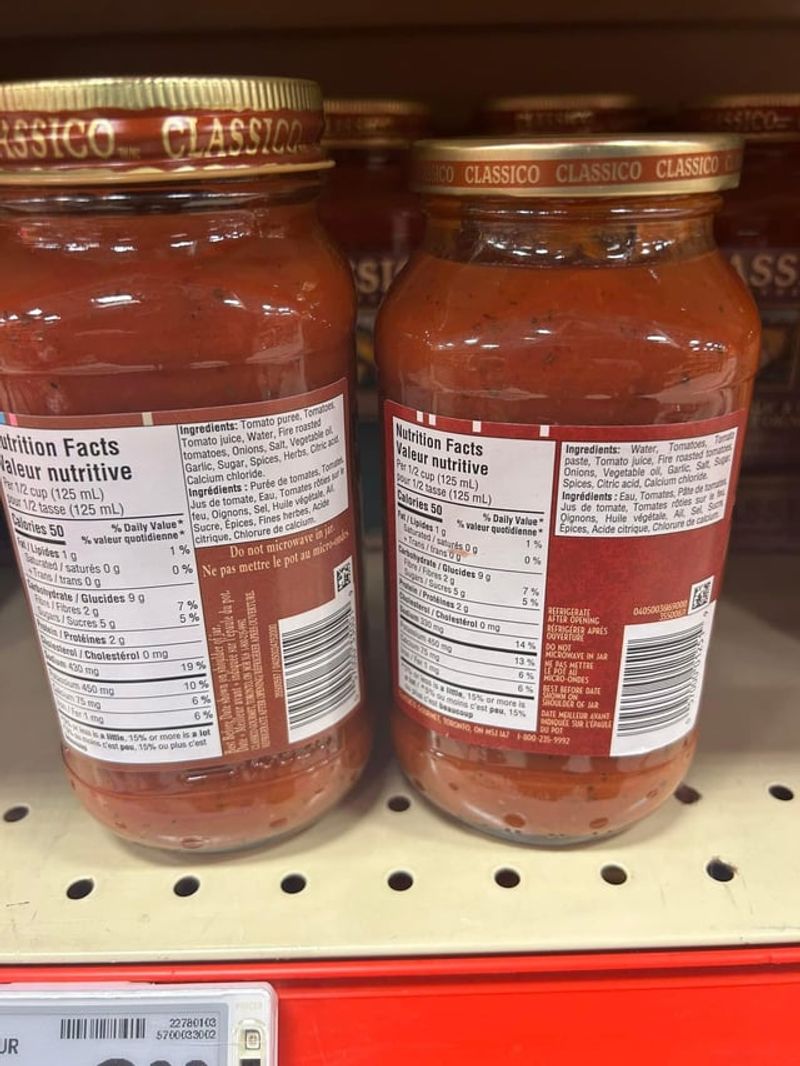
Jarred pasta sauces and cooking sauces are a weeknight dinner staple for many families, but the cost per jar adds up significantly over time. A single jar of pasta sauce can cost $4 to $7, while making a basic tomato sauce from canned tomatoes, garlic, and herbs costs under $2 and tastes fresher.
Canned tomatoes are one of the best pantry staples for budget cooking. A can of crushed tomatoes and 15 minutes on the stove beats most jarred sauces easily.
15. Specialty Bread Loaves
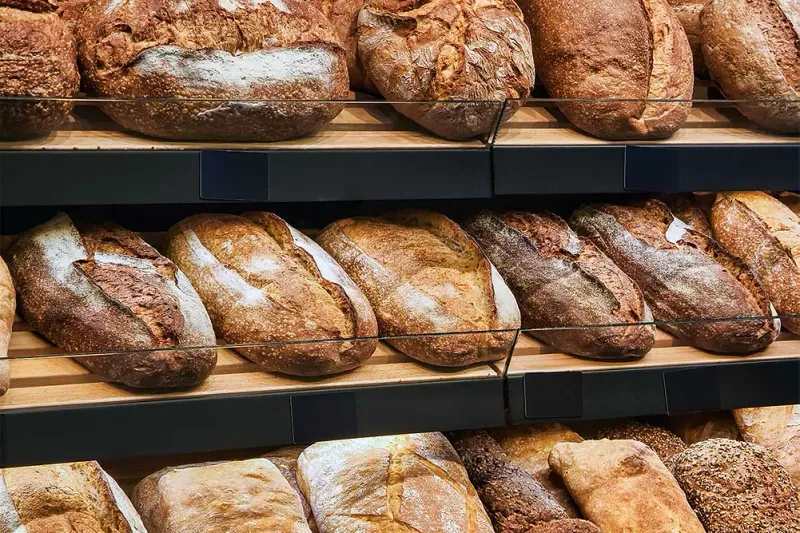
Artisan sourdough, seeded loaves, and specialty breads have a way of landing in the cart without much thought about the price. A single loaf can cost $5 to $8, compared to $2 or less for a standard sandwich loaf that serves the same purpose for most meals.
If you enjoy specialty bread, consider baking your own on weekends. A basic sourdough or seeded loaf is surprisingly easy and costs very little in ingredients, making it a rewarding and budget-friendly habit.
16. Energy Drinks
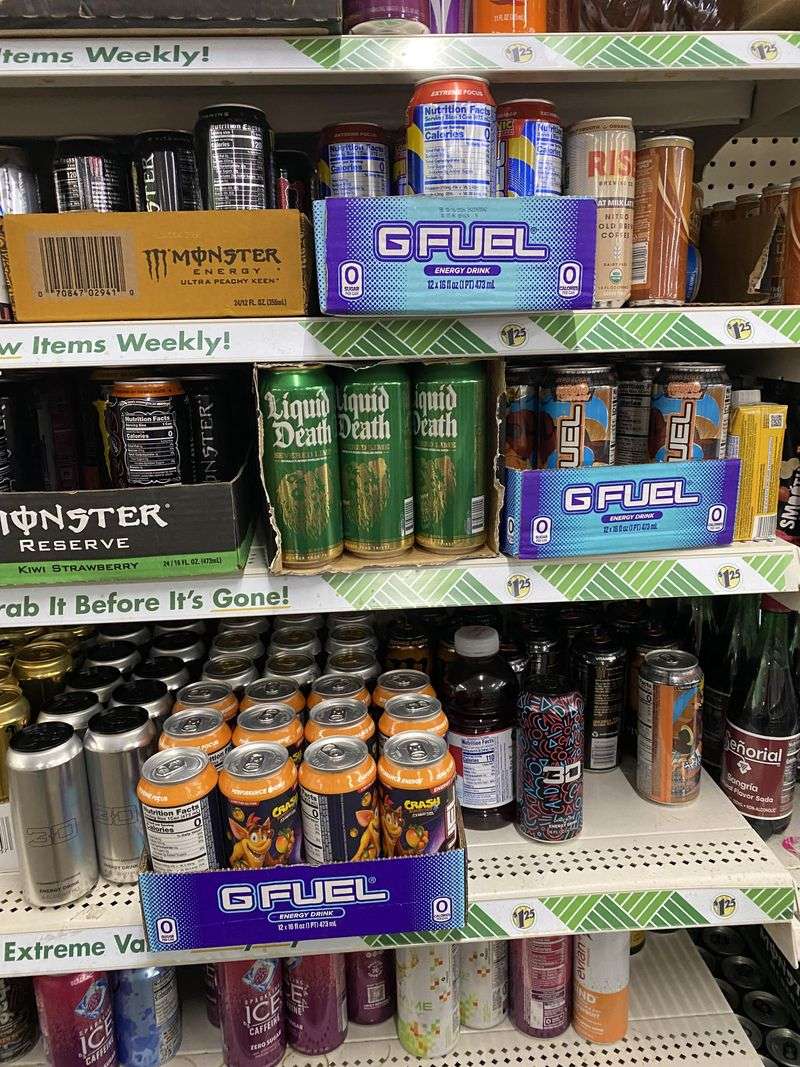
Energy drinks have become a daily habit for a lot of people, and the cost reflects how much that habit grows. At $2 to $4 per can, drinking one a day adds up to over $1,000 a year, which is a staggering amount for a beverage that is mostly caffeine and sugar.
A cup of coffee or green tea provides similar energy at a much lower cost. Cutting back on energy drinks or switching to a cheaper caffeine source is one of the most impactful grocery swaps you can make.
17. Individual Snack Packs

Those little individually wrapped snack packs of chips, crackers, or cookies look like a smart way to control portions, but you pay a big premium for the tiny packaging. Per ounce, individual packs often cost twice as much as buying the same snack in a larger bag.
Buying a larger bag and dividing it into reusable containers or small zip bags at home gives you the same portion control at a much lower cost. It also creates less plastic waste in the process.
18. Flavored Nuts and Trail Mix
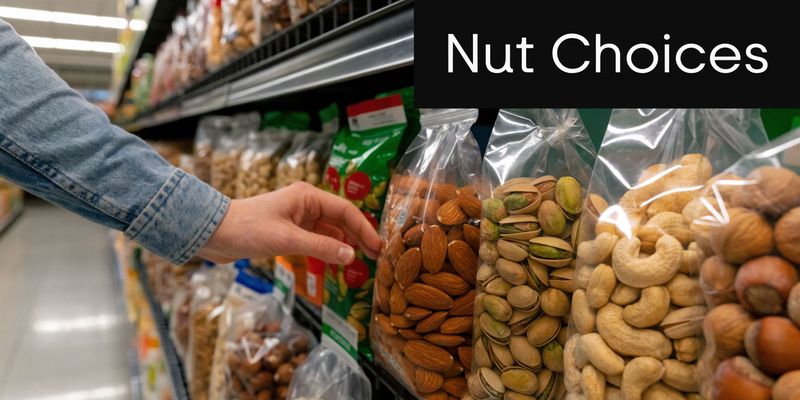
Plain almonds or cashews are already not cheap, but once you add flavoring, seasoning, or mix them with dried fruit and chocolate, the price per bag jumps considerably. A 6-ounce bag of flavored trail mix can cost $7 or more at a regular supermarket.
Buying plain nuts in bulk and mixing your own trail mix at home is far more economical. You can customize the ingredients to your taste and skip the preservatives and excess sugar that often come in the pre-made versions.
19. Meal Kit Add-Ons and Supermarket Meal Kits
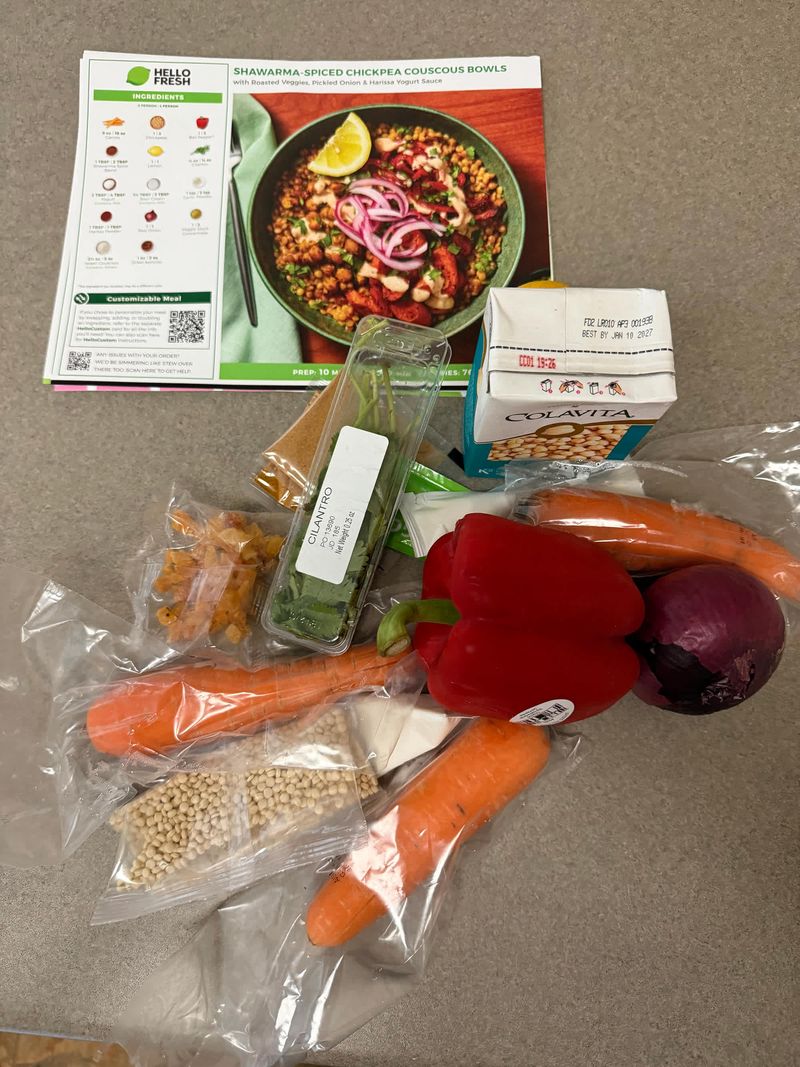
Supermarkets have jumped on the meal kit trend, offering pre-portioned ingredient boxes for specific recipes. While they are convenient, these kits often charge a significant markup for the convenience of having someone else measure out your garlic and portion your chicken breast.
The same recipe made with ingredients bought separately from the same store can cost 30 to 50 percent less. Meal kits work well occasionally, but relying on them regularly makes a noticeable dent in your weekly food budget.
20. Branded Spices and Seasoning Blends
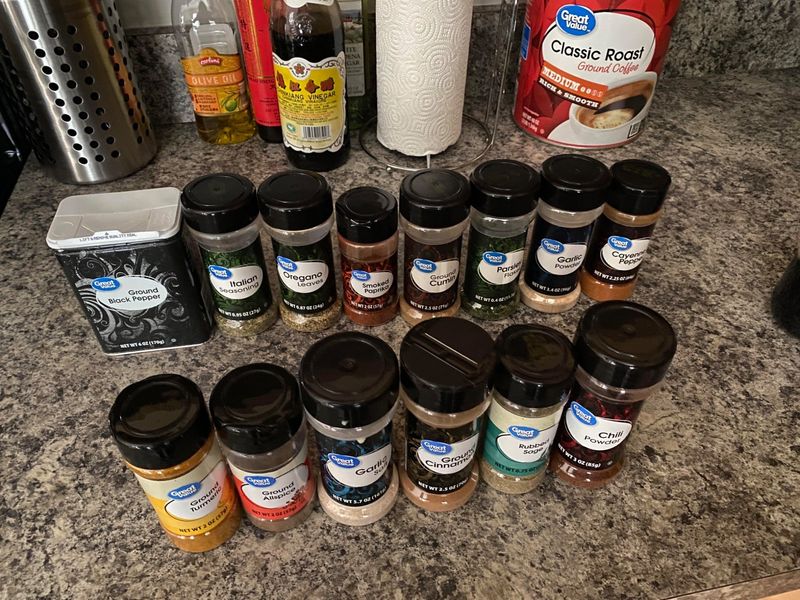
Spice jars from well-known brands look appealing on the shelf, but you are often paying mostly for the packaging and the name. A small jar of branded paprika or garlic powder can cost $4 to $6, while the same spice from a discount or ethnic grocery store costs a dollar or less.
Shopping for spices at international food markets or buying in bulk is a simple way to cut costs. The quality is often just as good, and sometimes even fresher than the supermarket version.
21. Freshly Squeezed or Cold-Pressed Juices
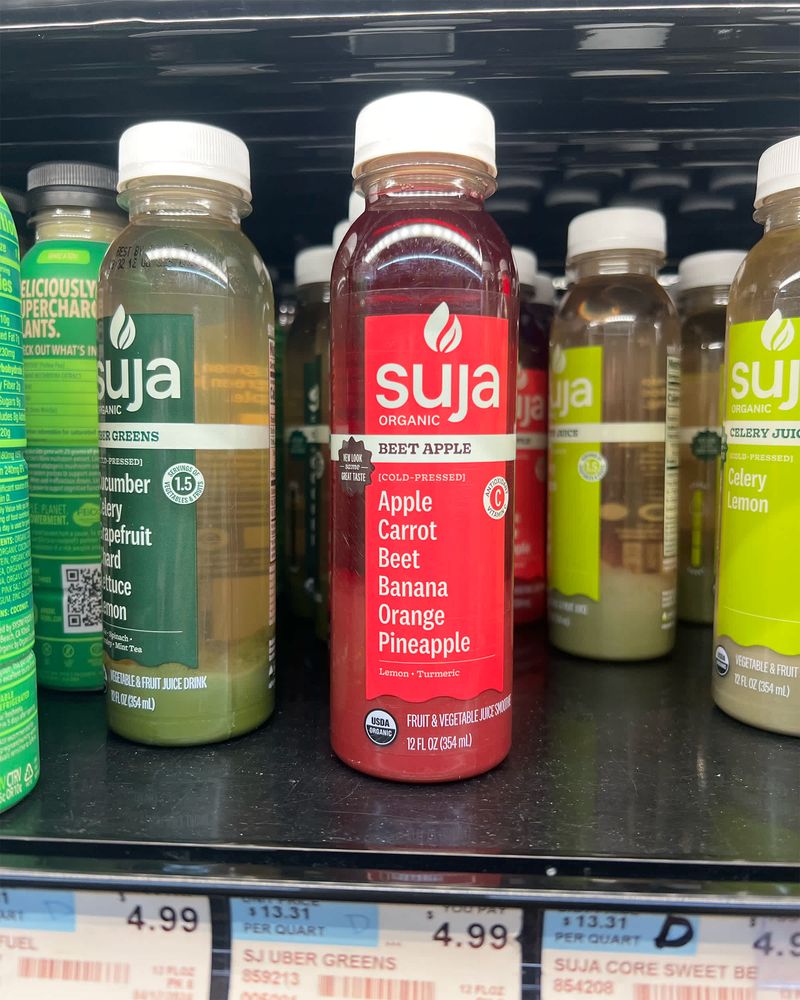
Cold-pressed and freshly squeezed juices have a health halo that makes them feel worth the price, but a single bottle can cost $8 to $12 for just 12 ounces of liquid. That is an extraordinary amount to spend on a drink that is gone in a few minutes.
Eating whole fruit gives you the same vitamins plus fiber, which the juice leaves behind. If you love fresh juice, a basic juicer or blender lets you make it at home for a fraction of the cost using produce you already have.