
America’s old forts hold stories far bigger than their walls. Some guarded busy ports, others served as trading posts, and several stood at the center of wars that changed the nation.
Walking through them helps us understand soldiers, settlers, and Native peoples whose lives crossed these grounds. From island strongholds to prairie ruins, these places turn a history lesson into a memorable trip.
1. Castillo de San Marcos: Shell Stone Stronghold
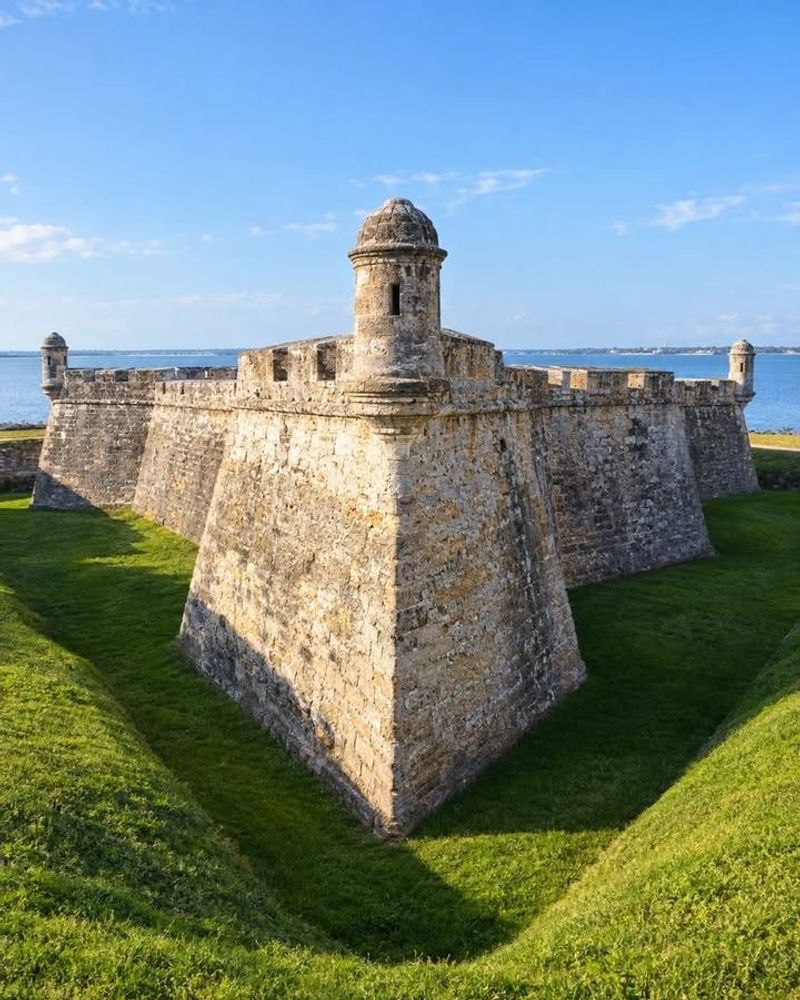
Shells helped build a fortress that survived centuries of trouble. Completed in 1695, this Spanish stronghold in St. Augustine is the oldest masonry fort in the continental United States, with thick coquina walls that absorbed enemy fire.
Walk through former living quarters, then head upstairs for sweeping waterfront views. Check the National Park Service schedule for weapons demonstrations, and bring sun protection because the open gun deck offers little shade during hot Florida afternoons in summer.
2. Fort McHenry: Where the Anthem Took Shape
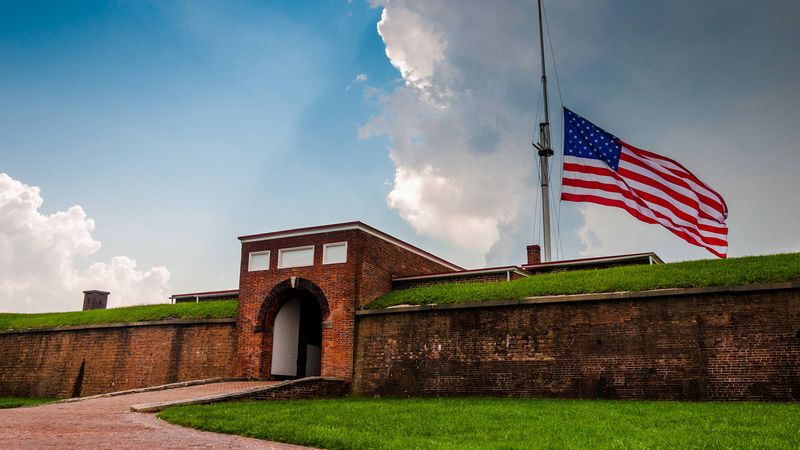
A flag still flying after a night of bombardment became a powerful national symbol. Baltimore’s defenders held this fort against British forces in September 1814, inspiring Francis Scott Key to write the words that became America’s national anthem.
Start with the visitor center film before exploring the star-shaped defenses. Ranger programs help explain the battle, while paths outside the fort provide harbor views and room for a relaxed walk after taking in the site’s wartime story.
3. Fort Ticonderoga: A Gateway Between Lakes
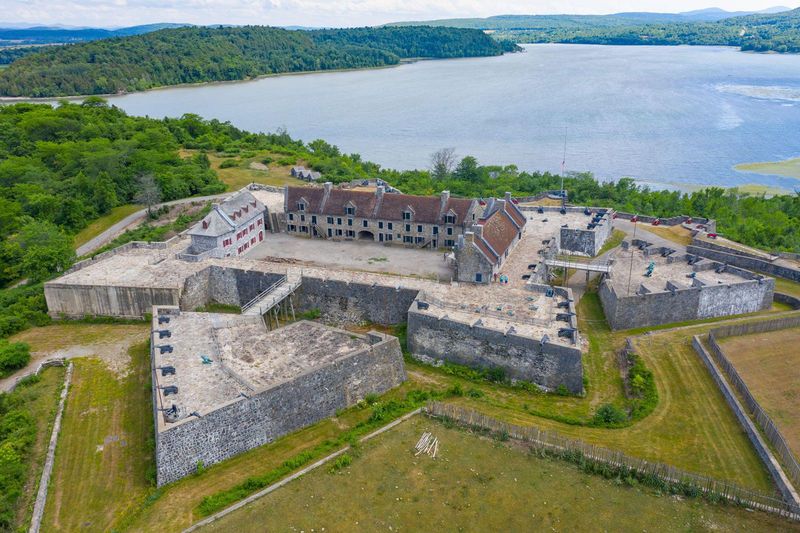
Control the water route, and you could control an army’s movement. That made this New York stronghold near Lake Champlain valuable to French, British, and American forces during two major wars of the eighteenth century.
Today, restored stone buildings hold weapons, uniforms, and other objects that bring those struggles closer. Look up the seasonal calendar before visiting, since demonstrations and special programs vary, and leave time to explore the gardens as well as the military exhibits.
4. Fort Sumter: The Civil War’s Opening Battle
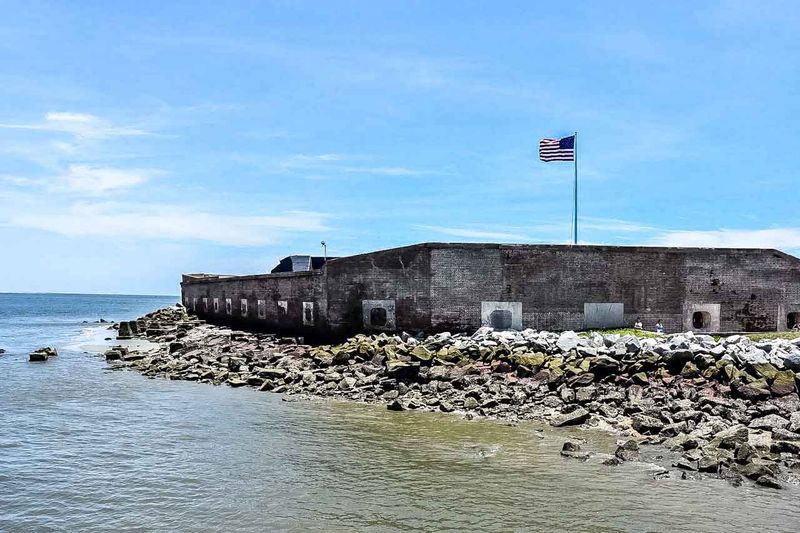
The boat ride across Charleston Harbor leads to a place where the nation split apart. Confederate guns opened fire on the Union garrison here on April 12, 1861, beginning the Civil War.
Inside the battered brick walls, exhibits explain the attack and the long fighting that followed. Reserve an authorized ferry trip ahead of busy travel periods, and watch your return boarding time because island visits follow a set schedule rather than an open-ended stay.
5. The Alamo: Beyond the Famous Facade
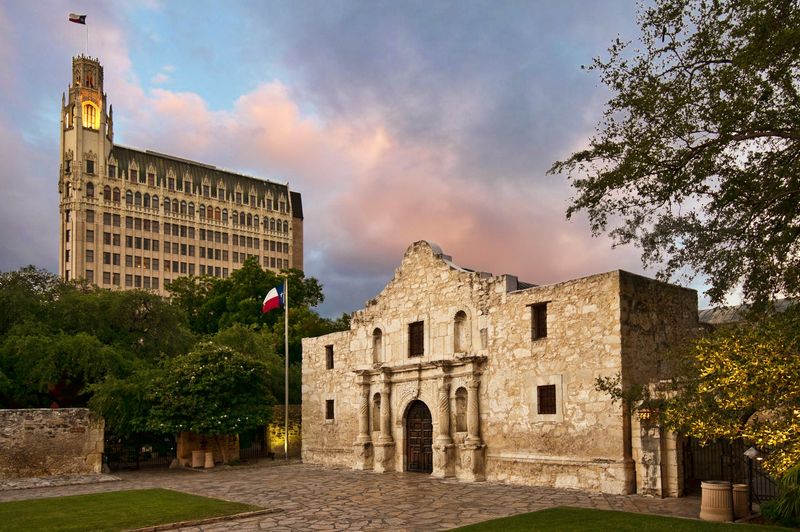
Behind San Antonio’s familiar stone facade lies a story larger than one battle. Originally a Spanish mission, the Alamo became a fortified position where Texan defenders faced a much larger Mexican army during the 1836 Texas Revolution.
Give yourself time to learn about the mission community as well as the siege. Check official reservation rules before arriving, since entry arrangements differ between spaces, and remember that the church is treated as a place of remembrance today.
6. Fort Scott: Hard Choices on the Prairie
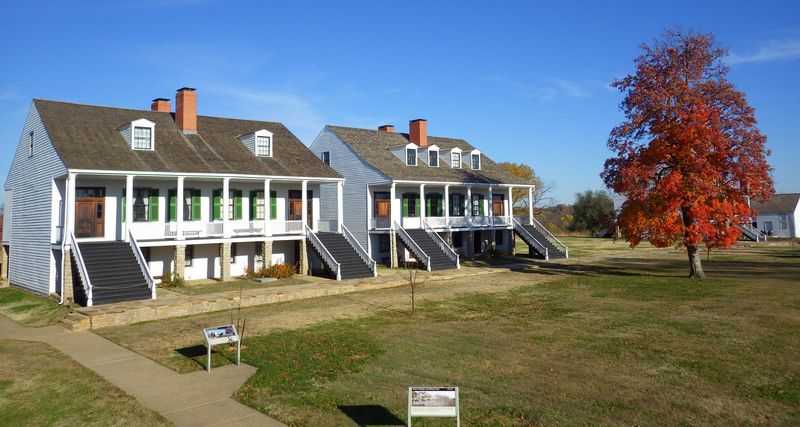
Neat porches and a grassy parade ground hide a complicated frontier story. Established in Kansas in 1842, this army post connects westward expansion, the forced removal of Native peoples, and the bitter struggle over slavery.
Explore the furnished rooms to see how officers and enlisted soldiers lived differently. The grounds are easy to pair with a downtown walk, but allow enough time for exhibits that explain why this peaceful setting once stood amid deep national divisions.
7. Fort Jefferson: A Giant in Turquoise Water
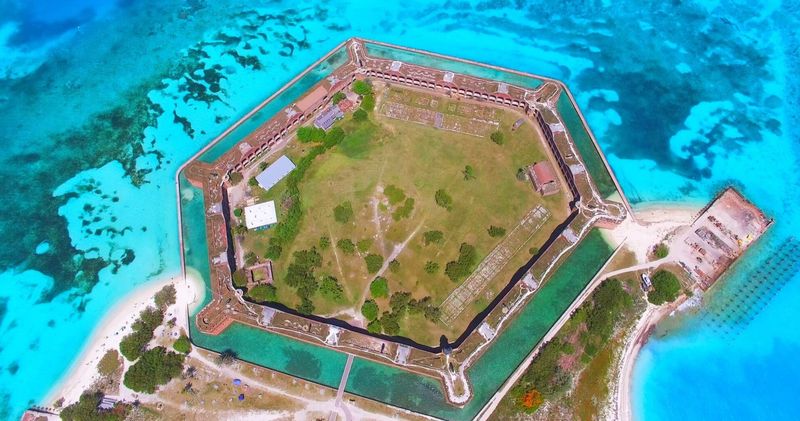
Red brick walls rising from turquoise water make this remote fort feel almost unreal. Construction began in 1846 to help guard Gulf shipping routes, though the huge project was never fully finished.
Reaching Garden Key in Dry Tortugas National Park requires careful planning, usually by ferry or seaplane from Key West. Bring sun protection and check your operator’s food and water arrangements; after exploring the fort, swimming or snorkeling can round out a memorable island visit.
8. Bent’s Old Fort: Trade Across Cultures
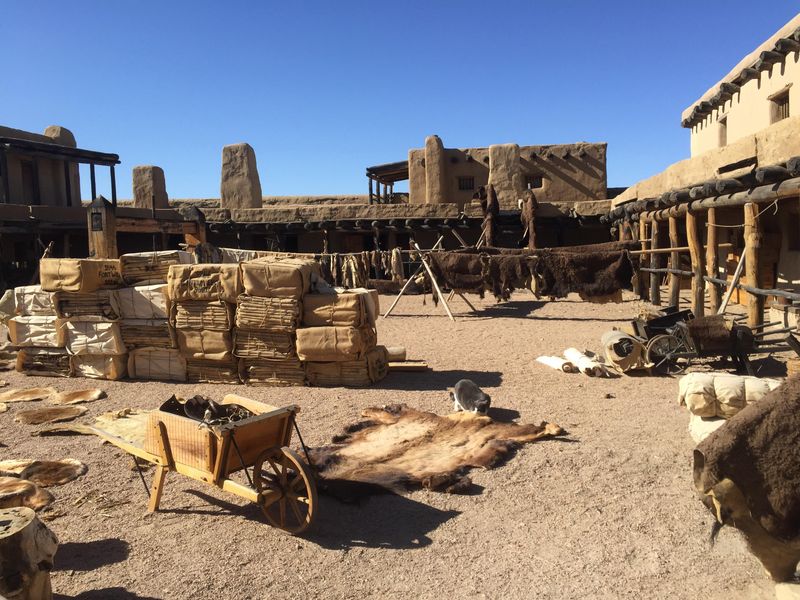
Not every important fort began as an army base. Along the Santa Fe Trail, this trading post brought together merchants, travelers, and Native peoples, including Cheyenne and Arapaho communities, during the nineteenth century.
The reconstructed adobe compound near La Junta shows how trade shaped daily life on the plains. Ask about available living history programs, then notice practical details such as storage rooms and work areas that kept this busy meeting place supplied far from cities.
9. Fort Pulaski: When Brick Walls Were Not Enough
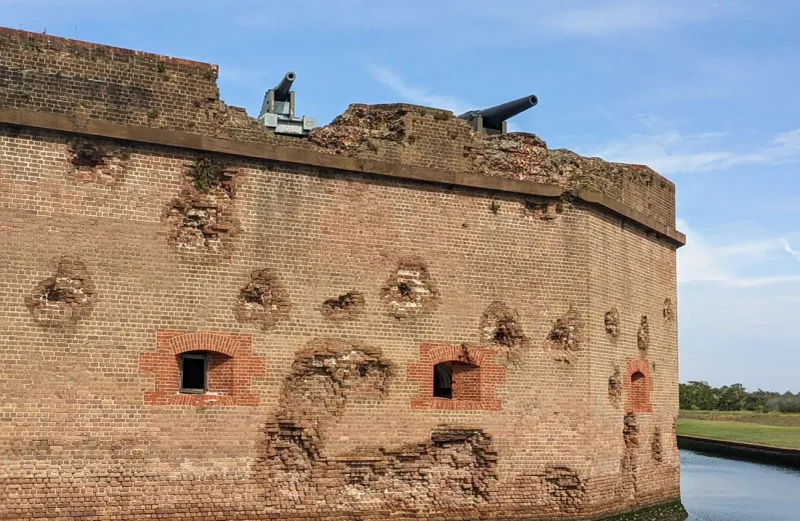
Cannon scars tell the story before you read a single sign. Near Savannah, this brick fort surrendered in 1862 after Union rifled artillery battered walls once thought strong enough to withstand a long attack.
The siege showed that newer weapons could defeat older coastal defenses. Follow the marked route around the moat and through the interior, watching for uneven surfaces, and bring insect repellent for outdoor exploring in Georgia’s warm, humid coastal environment during your visit.
10. Fort Smith: Where Frontier Stories Get Complicated
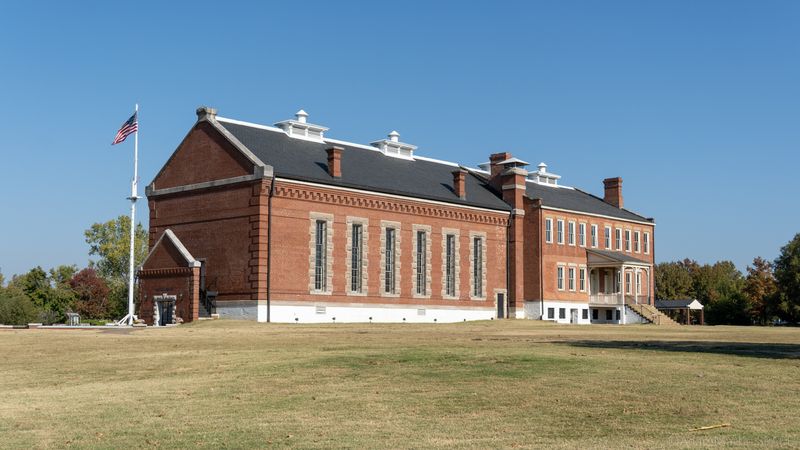
Frontier history here reaches beyond soldiers and outlaws. Along the Arkansas River, the site traces military service, federal courts, and the forced removal of Native nations, including journeys remembered through the Trail of Tears.
Visit the courthouse and jail exhibits with a willingness to question familiar Western legends. A walk toward the river adds space for reflection, while the museum helps explain how law, power, and expansion affected different communities in sharply unequal and lasting ways.
11. Fort Morgan: Guarding Mobile Bay
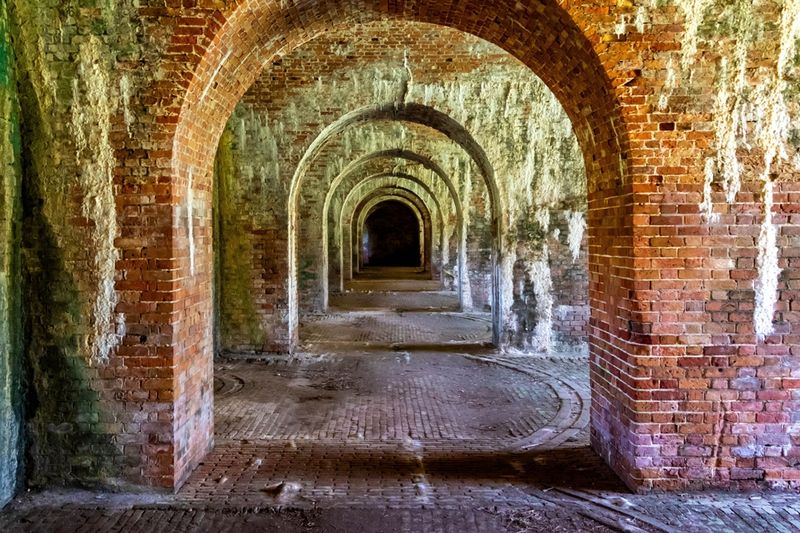
At the mouth of Mobile Bay, brick passageways frame a major naval battlefield. Completed in 1834, this Alabama fort helped defend the bay and played a central role in the fighting there in August 1864.
Explore its arches and gun positions before heading to the museum for context. Coastal heat can make exposed areas tiring, so carry water, wear sturdy shoes, and check ferry operations separately if you plan to continue across the bay that day.
12. Fort Phil Kearny: Conflict Along the Bozeman Trail
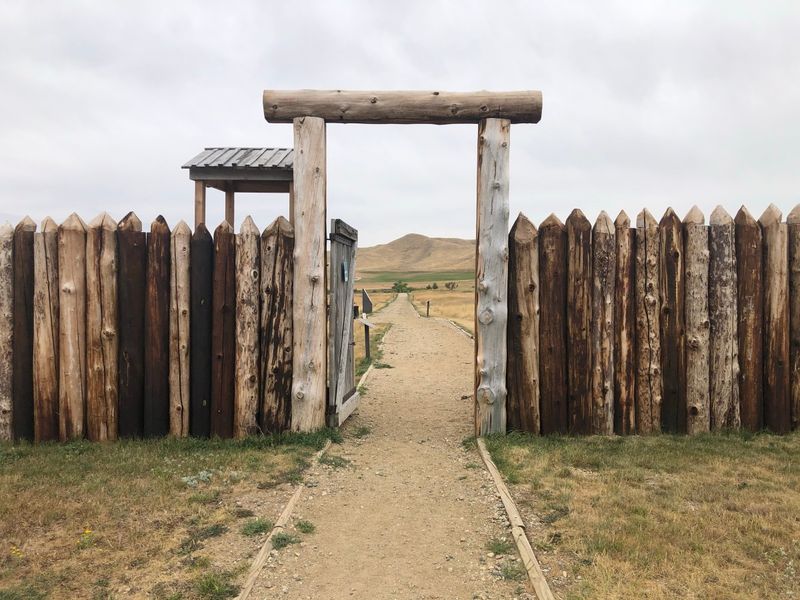
Wide Wyoming skies surround ground marked by fierce resistance. Built in 1866 along the Bozeman Trail, this short-lived army post stood at the center of Red Cloud’s War as Native nations fought intrusion into their lands.
Expect a landscape visit rather than a complete standing fortress. Start with the visitor center, then consider nearby battle sites to understand the terrain; sturdy footwear and weather layers help when exploring these exposed places beneath the open prairie sky.
13. Fort Union: Adobe Ruins and Wagon Trails
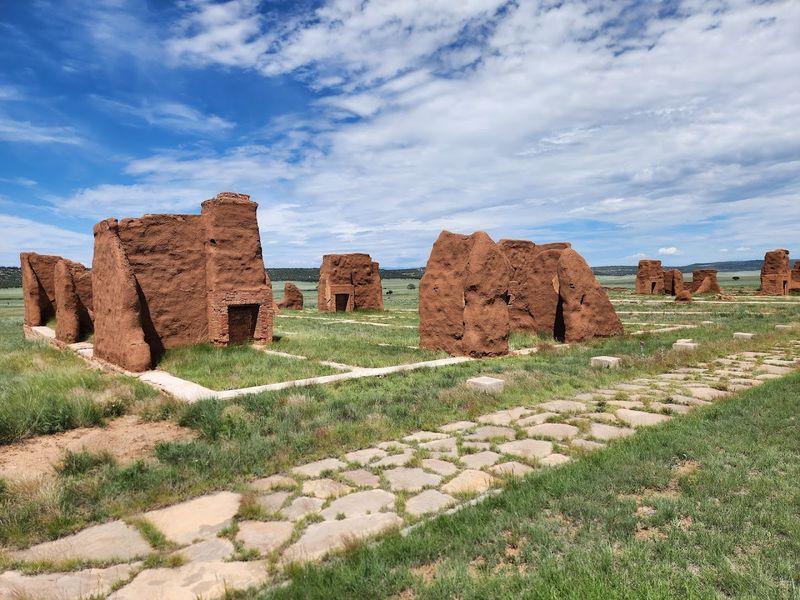
Roofless adobe walls stretch across the grasslands like outlines of a vanished town. From 1851 to 1891, successive forts here supported army operations and supplied posts across the Southwest through the Santa Fe Trail network.
Walk the marked paths slowly to spot building remains and learn about nearby wagon ruts. Shade is scarce on this New Mexico prairie, so bring water and a hat, and check the forecast before setting out among the fragile historic ruins.
14. Old Fort Niagara: Three Nations at One Gateway
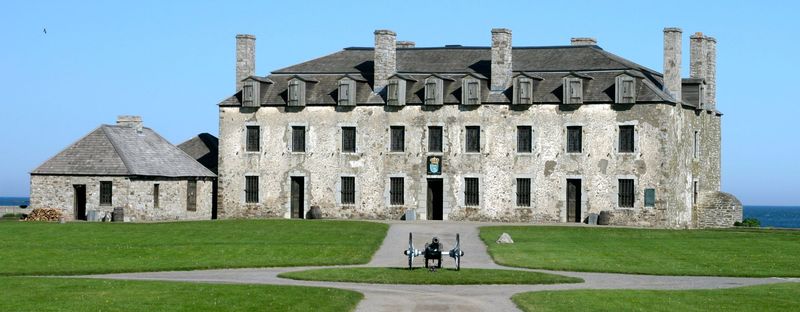
A stone building called the French Castle anchors this lakeside stronghold. Over centuries, French, British, and American forces competed for the strategic meeting point of the Niagara River and Lake Ontario.
Inside the preserved buildings, exhibits reveal how controlling waterways shaped trade and war. Check the program schedule for demonstrations, then spend time along the walls overlooking the lake; wind off the water can feel chilly even when the village nearby seems comfortably warm and sunny.
15. Fort Vancouver: A Trading Hub With Many Stories
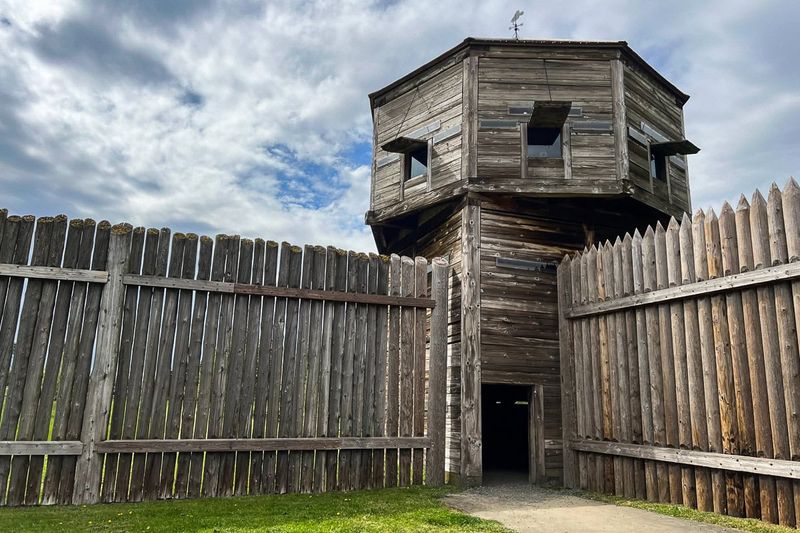
Furs, food, and far-reaching business deals once filled this Columbia River trading center. Established by the Hudson’s Bay Company in 1825, the post became a major force in the Pacific Northwest, while nearby army barracks followed in 1849.
Explore the reconstructed stockade and learn about the diverse workers and Native communities connected to it. Check which buildings are open before visiting, and leave time for the surrounding historic district rather than treating the stockade as everything.