
Being single after 50 can bring freedom, fresh starts, and a few surprises. Whether you have always lived this way or are adjusting after a loss or breakup, daily life may look different than you expected.
Knowing the joys and challenges can help you build a life that feels right for you. There is no single path to happiness, and finding a partner does not have to be the goal.
1. Your Time Becomes Your Own

Saturday morning can finally follow your own rhythm. You might sleep late, meet a friend, or spend hours tending plants without checking another person’s plans.
That freedom can feel wonderful, but an empty calendar may also feel strange at first. Give your week a loose shape with activities you enjoy.
Leave room for surprises, too. The goal is not to stay busy every minute, but to spend your time in ways that feel truly yours.
2. Quiet Can Feel Peaceful or Lonely

An empty house can sound different from one evening to the next. Sometimes the silence feels restful; other times, you may wish someone were there to hear about your day.
Living alone and feeling lonely are not the same thing. Notice when quiet restores you and when it leaves you feeling cut off.
A regular phone call, shared meal, or neighborhood walk can bring connection without giving up the private space you have come to value.
3. Friendship Deserves a Bigger Role

A friend who remembers your appointment can make an ordinary Tuesday feel less lonely. After 50, friendships may become a main source of comfort, laughter, and practical help.
Strong bonds usually need more than an occasional holiday message. Suggest a standing lunch, check in after hard days, and accept invitations when you can.
Build several connections rather than expecting one person to meet every need. Friends of different ages can bring fresh ideas and welcome perspectives.
4. Money Needs a Fresh Look

One income can change the math faster than expected. Housing, insurance, and groceries may take a larger share of your budget, especially after divorce or the death of a partner.
Start with a clear list of income, bills, debts, and savings. Look for changes that protect your needs without removing every pleasure.
If finances feel confusing, consider a qualified financial adviser. Knowing your numbers can replace some worry with a realistic plan for the years ahead.
5. Grief Does Not Follow a Schedule

A familiar song may bring tears long after you thought the hardest part was over. Losing a partner or ending a marriage can leave feelings that return without warning.
You do not have to rush toward dating or prove that you have moved on. Give yourself room for sadness alongside good moments.
A grief group or counselor may help when feelings seem too heavy. Healing often means learning to carry memories, not trying to erase them.
6. Relationship Standards Often Get Clearer

Butterflies are exciting, but kindness on a difficult day tells you something deeper. Years of experience can help you notice which qualities matter most in a partner.
Write down a few needs, such as honesty, respect, and steady communication. Keep preferences, like favorite music, separate from true deal breakers.
Clear standards are not about demanding perfection. They help you recognize a healthy match and avoid giving repeated chances to behavior that leaves you feeling small or unsafe.
7. Dating Is an Option, Not an Assignment

Your life is not a waiting room until someone else arrives. Some people want romance after 50, while others feel content without a partner.
Neither choice needs a defense. If friends keep offering introductions, thank them and explain what you want right now.
You can change your mind later without having been wrong before. Put energy into a daily life you enjoy, whether that includes dating, close friendships, creative work, or a comfortable mix of interests.
8. Online Dating Takes Practice and Caution

Swiping through profiles may feel like learning a new language. Dating apps can introduce you to people outside your usual circle, but they also require patience and care.
Use recent photos and describe what you honestly want. Keep early chats on the app, never send money, and avoid sharing sensitive details.
Meet in a public place and tell someone your plans. A profile check cannot guarantee safety, so take your time and respect your own boundaries.
9. Companionship Can Take Different Forms
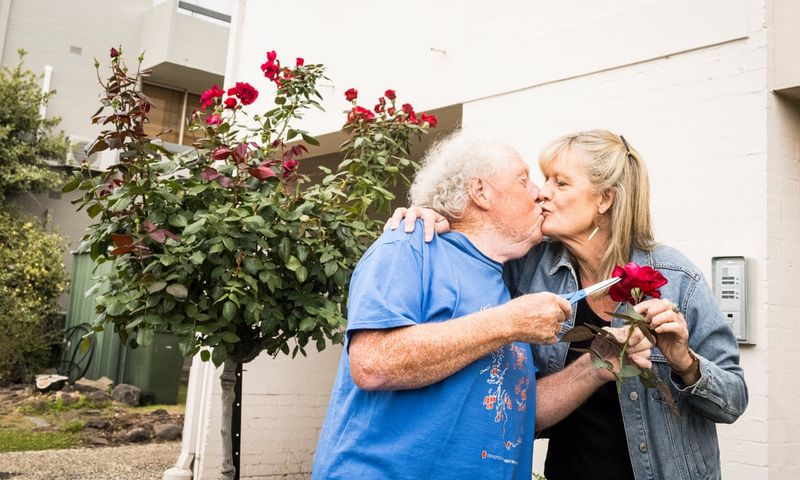
Sharing Sunday walks does not have to lead to sharing a mortgage. Later relationships can include marriage, living together, or keeping separate homes while enjoying a close bond.
Talk openly about time, money, affection, and future hopes before making big choices. Avoid assuming that another person wants the same arrangement you do.
A relationship works best when both people understand it and freely agree. What matters is mutual care, not whether your setup matches someone else’s expectations.
10. Old Interests Can Become New Beginnings

Remember the guitar gathering dust or the painting class you kept postponing? Single life can offer room to return to interests that once made you feel alive.
Start small rather than turning every hobby into a major goal. Borrow supplies, try a beginner class, or spend twenty minutes practicing.
You do not need talent to earn enjoyment. Learning something simply because it interests you can build confidence and introduce parts of yourself that busy years left unexplored.
11. Couple-Focused Social Circles May Need Adjusting

The extra chair at a dinner table can suddenly feel very noticeable. When most friends have partners, invitations and conversations may leave you feeling like the odd person out.
Tell trusted friends what would help instead of quietly pulling away. Suggest activities where couples are not the focus, such as concerts or group walks.
Keep familiar friendships while making room for new ones. Your social circle can grow without requiring you to abandon people who already care.
12. Community Grows Through Showing Up
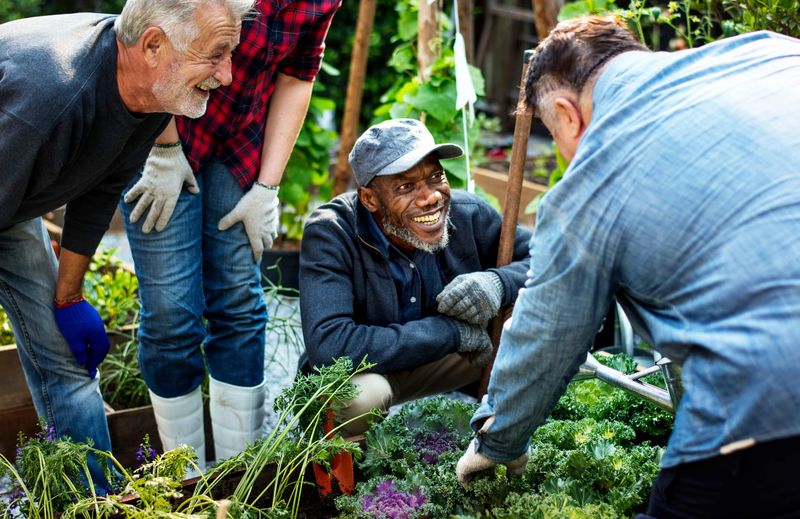
Familiar faces usually become friends through repeated small moments. A weekly class or volunteer shift gives conversations time to grow without the pressure of making an instant connection.
Choose something you would enjoy even before you meet anyone. Then attend often enough for people to learn your name.
Offer a greeting, ask a simple question, and follow up next time. Belonging rarely appears overnight, but steady participation can turn a room of strangers into a welcoming place.
13. Health Planning Becomes More Personal
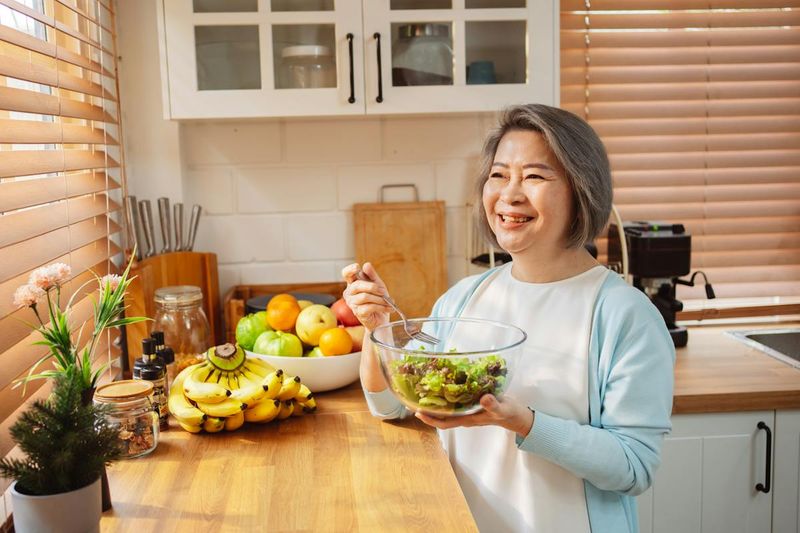
Nobody has to share your home for your health to deserve attention. When you live alone, routines and backup plans can make everyday care easier to manage.
Keep regular medical visits, move in ways you enjoy, and plan meals that suit your needs. Choose someone to contact in an emergency and discuss help after surgery or illness.
These steps are not signs of weakness. They are practical ways to support the independent life you want to keep.
14. Intimacy Still Matters If You Want It

Wanting affection does not come with an age limit. Touch, romance, and sex may still matter deeply, although your interests and comfort can change over time.
Speak honestly about boundaries, consent, and protection with any new partner. Sexually transmitted infections remain possible after menopause, and testing may be appropriate.
A healthcare professional can help with pain, dryness, or other concerns. There is also nothing wrong with wanting little or no sex.
Your comfort deserves respect at every age.
15. Boundaries Protect Your Peace

Saying no can feel awkward, especially if you have spent years keeping everyone else comfortable. Yet being available all the time can leave little room for your own needs.
Decide what you can offer before agreeing to favors, visits, or family duties. A brief, kind answer is often enough.
You do not need a long excuse for protecting your time. Healthy boundaries make it easier to give freely rather than helping until you feel tired and resentful.
16. Retirement and Legal Papers Need Attention

A forgotten form can cause problems long after it slips your mind. Changes in relationship status are a good reason to review retirement plans and legal documents.
Check beneficiaries, your will, and documents naming who can make medical or financial decisions if needed. Review expected retirement income and healthcare costs, too.
Rules vary by location and account type, so ask qualified professionals for guidance. Keep records organized and tell a trusted person where to find them.
17. Asking for Help Supports Independence
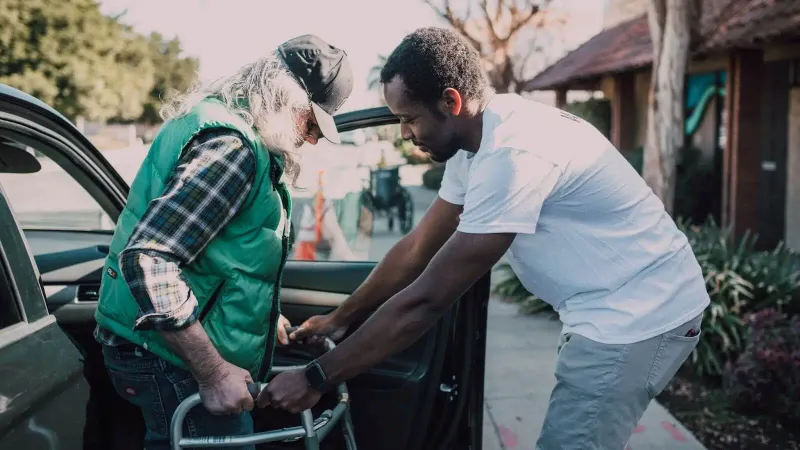
Even the most capable person needs a ride sometimes. Being single does not mean you must handle every repair, illness, or difficult decision without support.
Build a small circle of people you can call for different needs. Offer help when you are able, but do not treat every favor like a debt that needs immediate repayment.
If your network is limited, explore local services and community groups. Accepting support can make living independently safer, easier, and less stressful.
18. A Meaningful Future Is Still Yours to Build

Your story did not stop at a birthday or a change in relationship status. There is still room for adventure, useful work, deep friendship, and ordinary days that feel good.
Choose one thing you want more of during the coming year. It might be travel, learning, rest, or time with people you love.
Take a manageable step toward it this week. A meaningful future does not require a perfect plan or a partner standing beside you.