
Growing up in the 1950s, 60s, and 70s came with a certain kind of magic that is hard to explain to younger generations. Baby Boomers lived through a time when neighborhoods felt like big families, music had soul, and life moved at a pace that actually let you breathe.
Many of those everyday experiences have quietly faded away, replaced by screens, apps, and algorithms. Here are 15 things Boomers genuinely miss about the way life used to be.
1. Knowing Neighbors by Name and a Strong Sense of Community
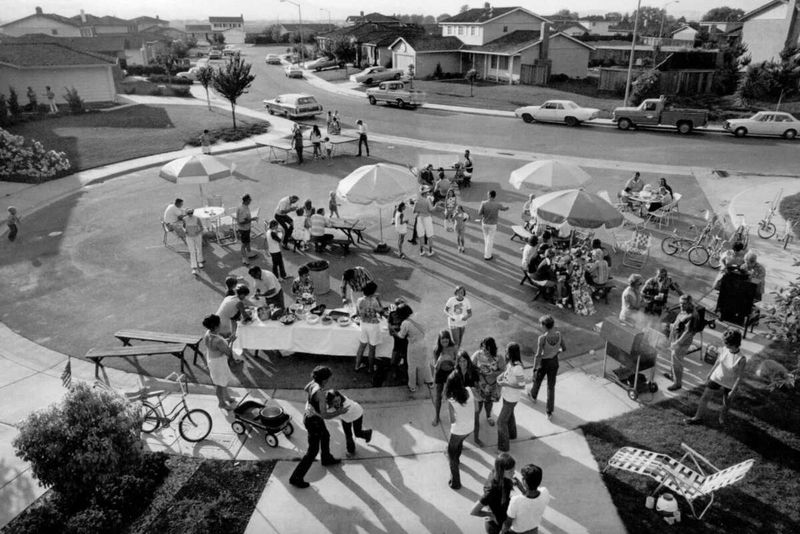
Back when front porches were actually used, knowing your neighbors was just part of life. You borrowed sugar without texting first, and kids moved freely between yards like they owned the whole street.
Studies show that 34% of adults over 65 know most of their neighbors, compared to only 20% of younger adults.
That unspoken trust and sense of belonging has largely disappeared, replaced by privacy fences and delivery apps. Boomers say that kind of community simply cannot be recreated online.
2. Talking Face-to-Face Instead of Texting
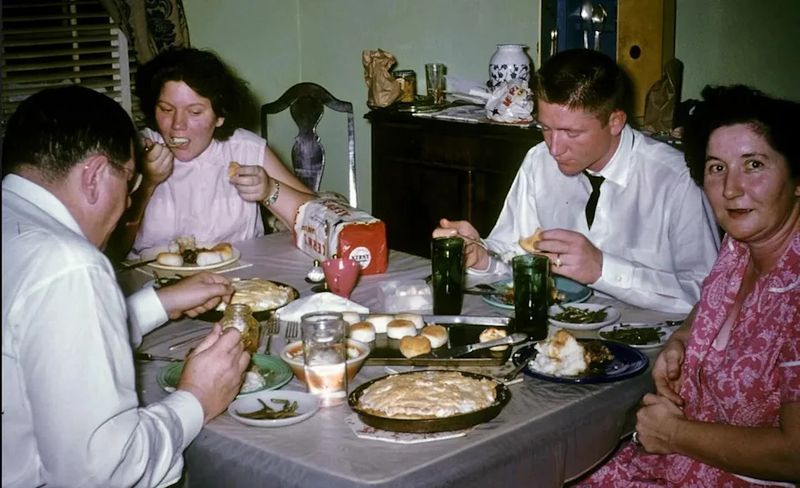
There was a time when showing up at someone’s door was completely normal, and a real conversation meant eye contact, laughter, and the kind of pause that only happens when two people are truly listening. No notification bubbles, no read receipts, no typing dots.
Older adults often say digital communication strips relationships of warmth and personality. A phone call used to mean something, and sitting down together meant even more.
That undivided attention feels almost rare today.
3. Vinyl Records and the Full Album Experience
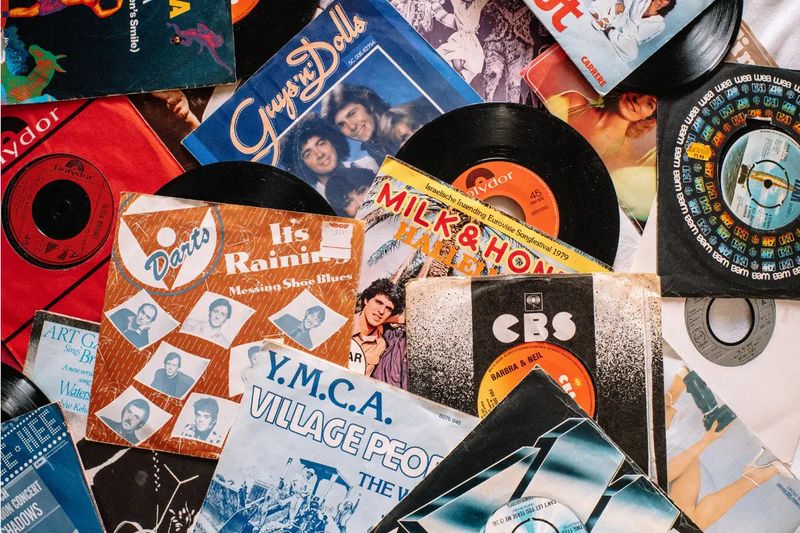
Music used to demand your full attention. You would flip through record sleeves, read liner notes, and sit with an entire album from the opening track to the very last song.
The crackle of vinyl and raw, un-edited voices made every listen feel alive and personal.
Streaming gave us everything instantly, but it took away the ritual. The global vinyl market is expected to reach $2.45 billion by 2033, proving that warm, analog sound still pulls people back.
4. Raw, Affordable Music Festivals and Local Live Shows
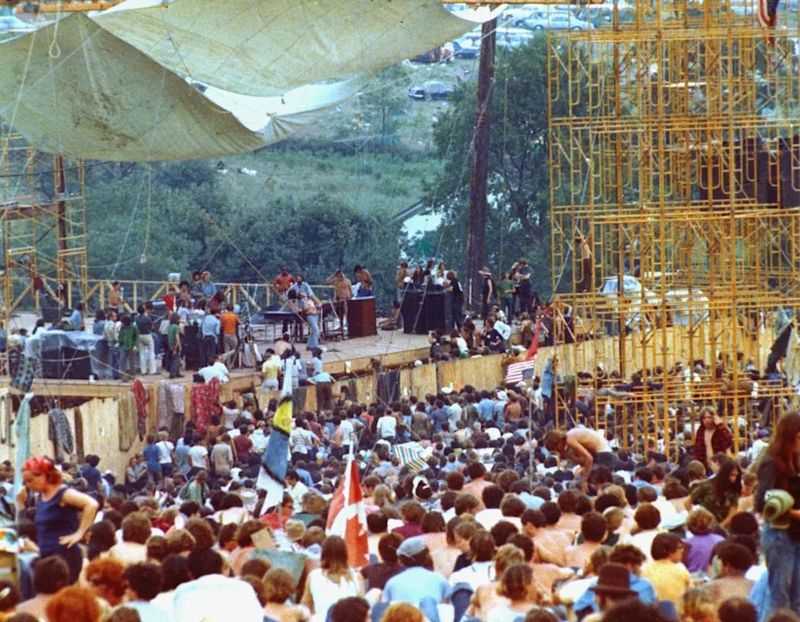
Woodstock was not a brand. It was a moment, muddy and magnificent, where strangers shared blankets and danced without a care.
Boomers could catch legendary artists for just a few dollars, or stumble upon incredible local bands playing high school gyms and tiny clubs.
Music festivals today feel more like shopping experiences than cultural ones. Boomers miss when the music was the whole point, and the crowd was part of the magic, not just the backdrop for selfies.
5. Unhurried Family Dinners Around the Table
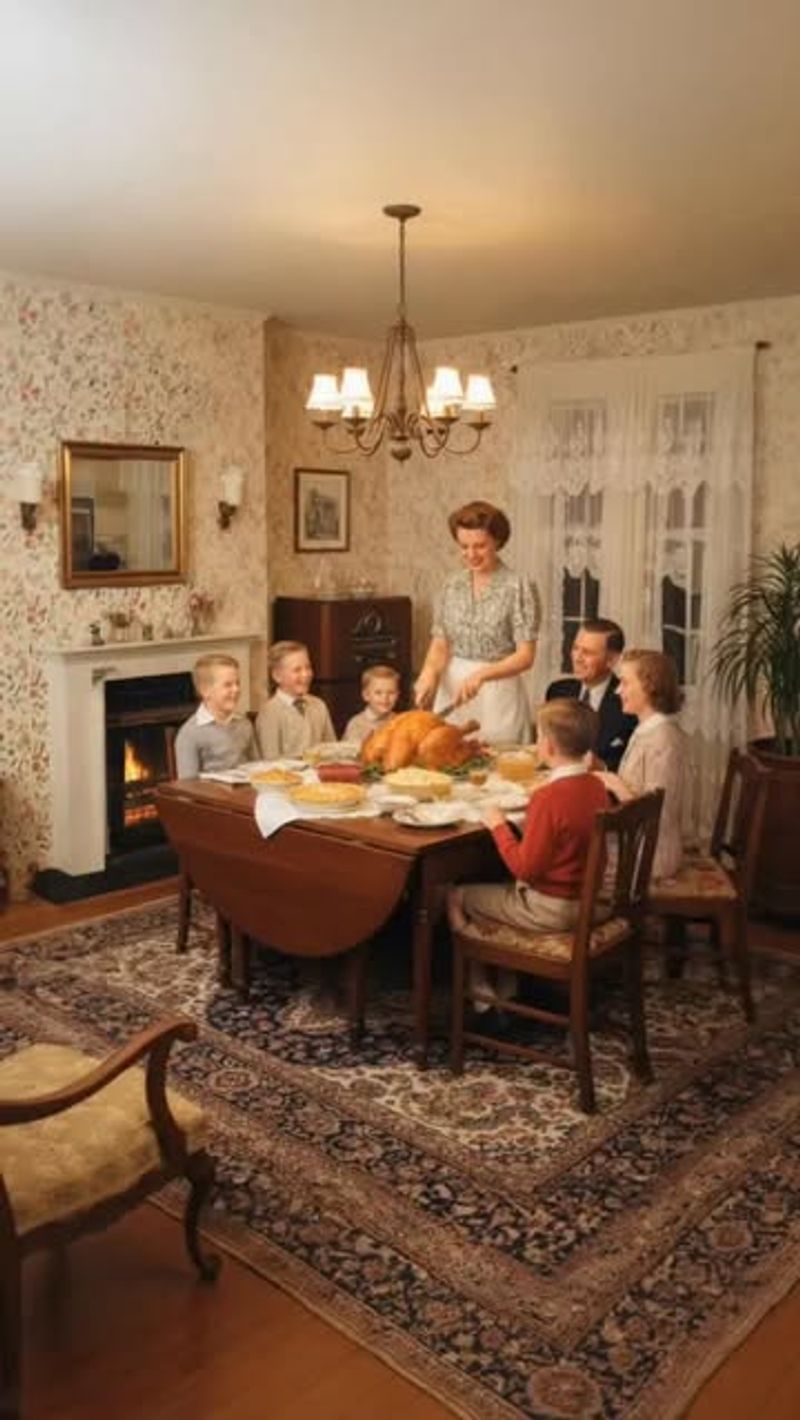
Every evening, the table was set, food was served, and the whole family sat down together without anyone sneaking a glance at a screen. Stories were swapped, arguments were settled, and kids actually learned how to hold a conversation.
Research links regular family meals to better mental health and stronger communication skills in children. Boomers grew up with this routine as a given.
Today, only about 30% of families eat together regularly, and that loss is deeply felt.
6. Long Summer Days Spent Roaming Outside
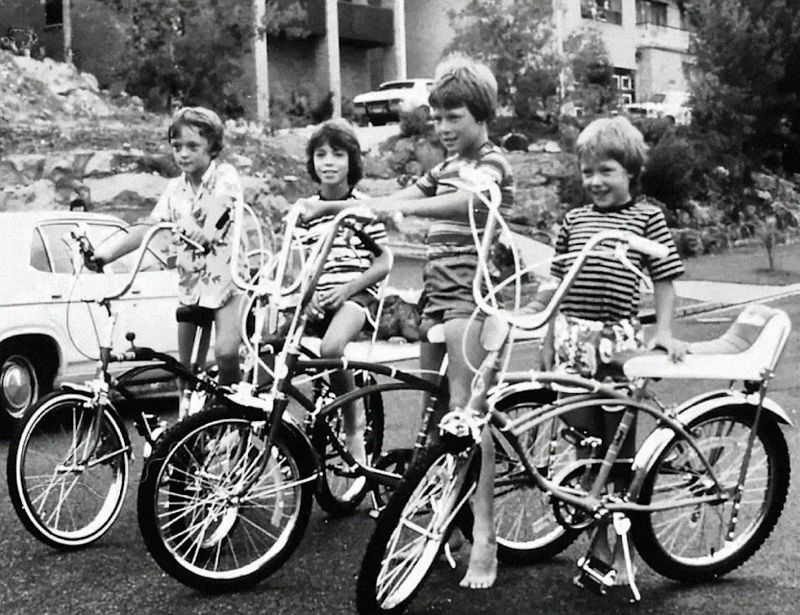
Summer meant disappearing after breakfast and not coming home until the streetlights flickered on. No scheduled playdates, no GPS, no check-ins every hour.
Just bikes, chalk, and the freedom to make up the rules as you went along.
That kind of unstructured outdoor time built real independence and problem-solving skills that no app can replicate. Boomers say those long, lazy summer days were some of the most formative experiences of their childhoods, and they genuinely grieve their absence today.
7. The Freedom Kids Had to Roam Without Supervision
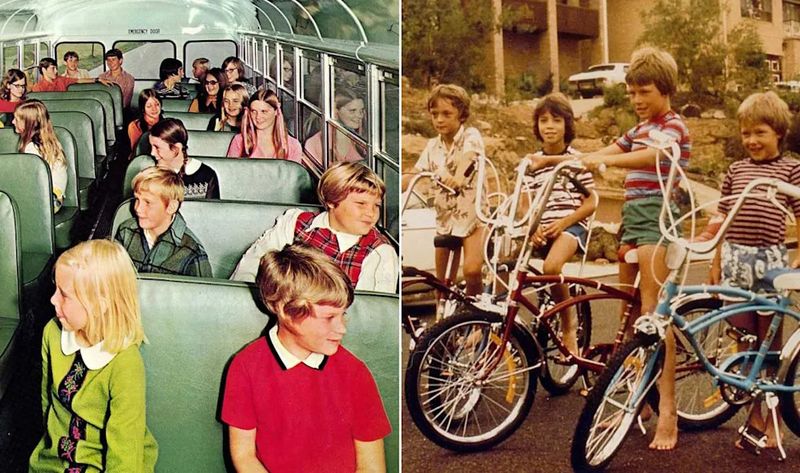
Walking to school alone, biking across town, or spending an entire afternoon at a friend’s house without a single phone call home was completely ordinary for Boomer kids. Parents trusted their children to figure things out, and kids rose to meet that trust every single time.
That independence taught them how to navigate conflict, make decisions, and build real confidence. Today’s hyperconnected parenting culture, while well-meaning, has made that kind of self-reliant childhood almost impossible to experience.
8. Rotary Phones and the Landline Era
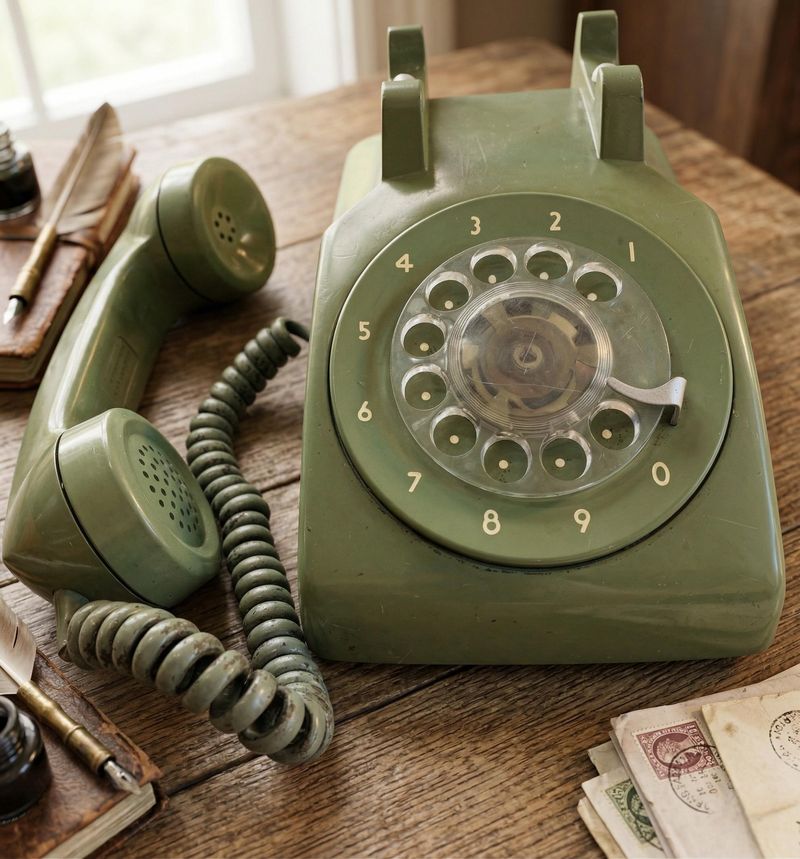
Picking up the phone meant staying in one spot, talking to one person, and giving that call your complete attention. If nobody answered, you simply tried again later.
There were no voicemails piling up, no caller ID, and absolutely no expectation of being reachable around the clock.
That built-in boundary was actually kind of wonderful. The clatter of a rotary dial is one of those distinct sensory memories Boomers carry with them, a small sound that represents a much slower, quieter way of living.
9. Physical Newspapers and Waiting for Weekly TV Shows
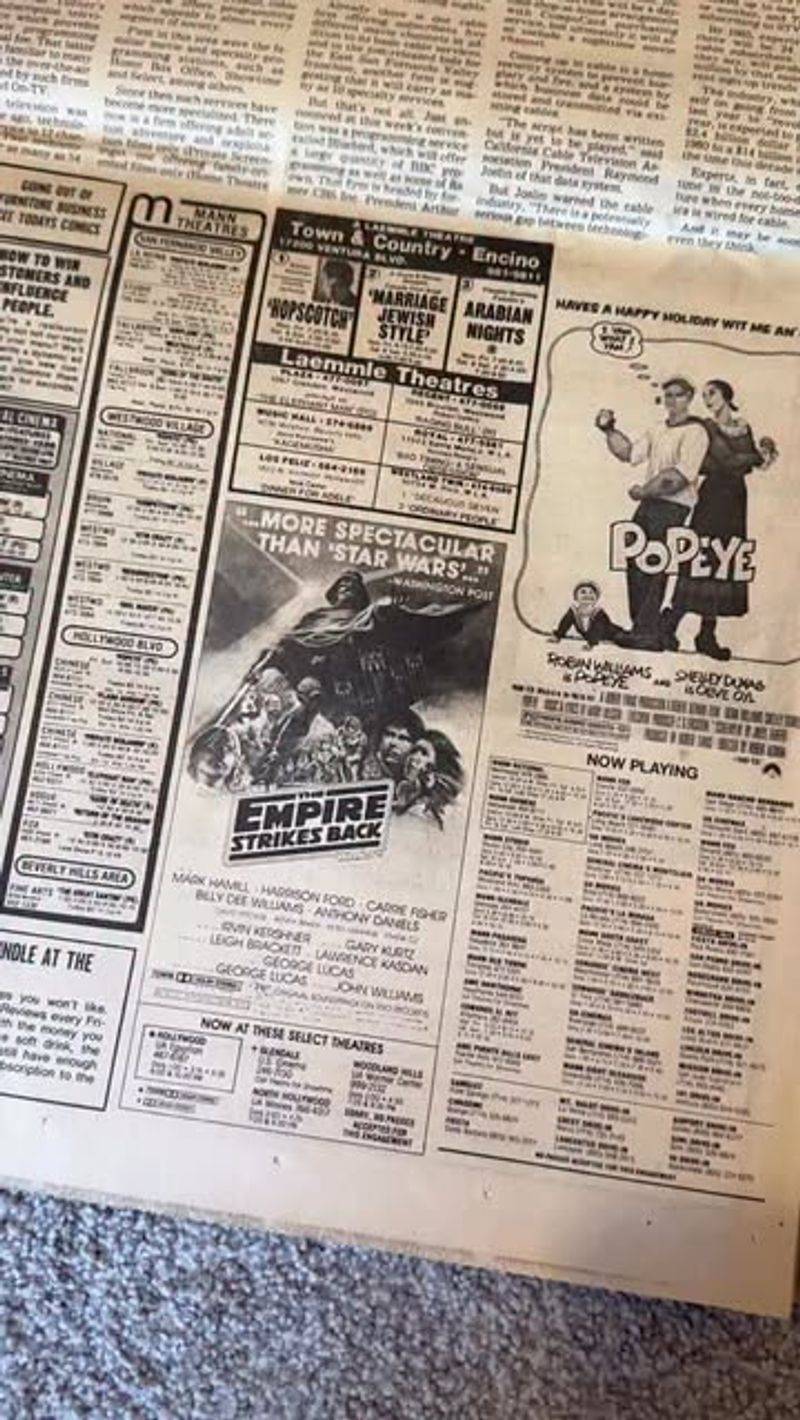
There was something genuinely satisfying about the weight of a morning newspaper in your hands or the smell of fresh ink. You read what was there, not an endless scroll of updates.
And waiting all week for your favorite TV show made finally watching it feel like a real event.
Boomers say that anticipation added meaning to entertainment. Scarcity made things feel special.
Today, with everything available instantly, that delicious sense of waiting and savoring has almost completely vanished from daily life.
10. A Slower, More Intentional Pace of Life
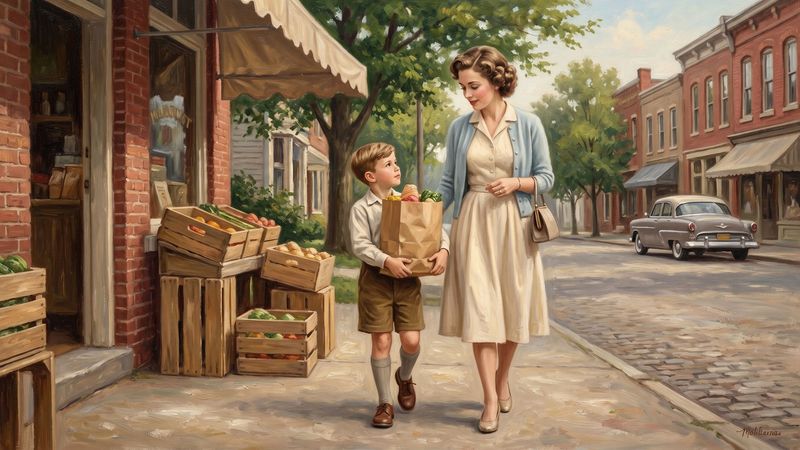
Sundays used to mean something. Stores were closed, schedules were empty, and being busy was not something anyone bragged about.
Life moved at a pace that left room for actual thinking, lingering, and just being present without guilt.
Boomers describe this era as feeling more human-sized, where waiting for a letter or spending an afternoon on errands was simply how life worked. That intentional slowness gave everyday moments a richness that constant productivity culture has quietly stripped away.
11. Polaroid Cameras and Instant Physical Memories
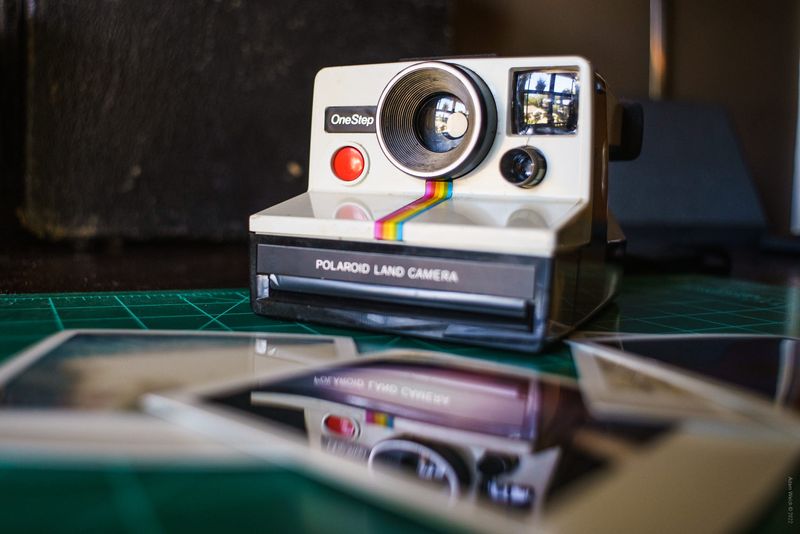
Shake it like a Polaroid picture. That phrase meant something real to Boomers who watched images slowly appear on glossy squares of film right before their eyes.
Every shot cost something, so every shot mattered. You pointed, clicked, and held a memory in your hands within minutes.
Smartphones replaced the camera, but they also replaced that tactile magic. No filter or cloud album quite captures the joy of watching your photo develop in real time.
Polaroids remain one of the most beloved artifacts of 20th-century life.
12. Cassette Tapes and Homemade Mix Tapes
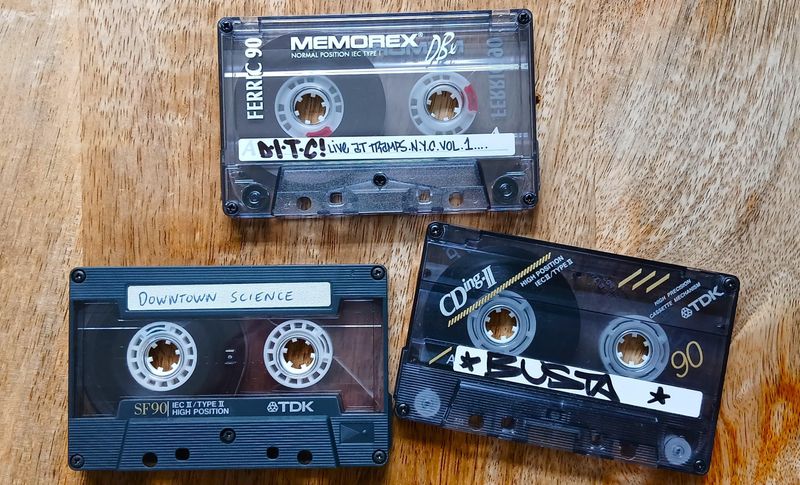
Making a mix tape was an act of love. You would sit by the radio for hours, finger hovering over the record button, waiting for just the right song to come on.
Each cassette was a tiny autobiography, a playlist that said something personal about who you were.
Cassettes also let Boomers carry their music collections in a jacket pocket for the first time. Spotify playlists are convenient, sure, but they will never carry the emotional weight of a hand-labeled tape made just for someone special.
13. Soda Fountains as Social Gathering Spots
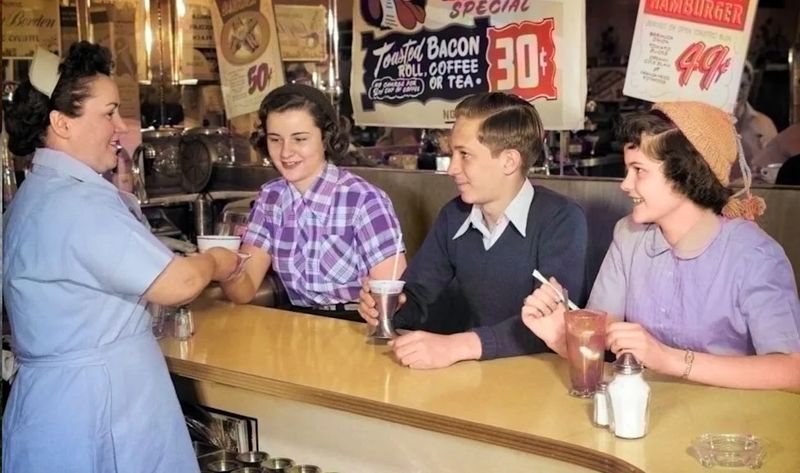
Long before coffee shops became the default hangout spot, soda fountains were where friendships happened. You would perch on a spinning stool, order a cherry cola or a chocolate malted, and stay for hours without anyone rushing you out the door.
These fizzy, friendly hubs inside drugstores and diners were true community anchors, especially for teenagers. Boomers remember them as places where first crushes were spotted and after-school plans were hatched, a sweetness that strip malls and drive-throughs simply cannot replicate.
14. Classic Toys Like View-Masters, Slinkys, and Board Games
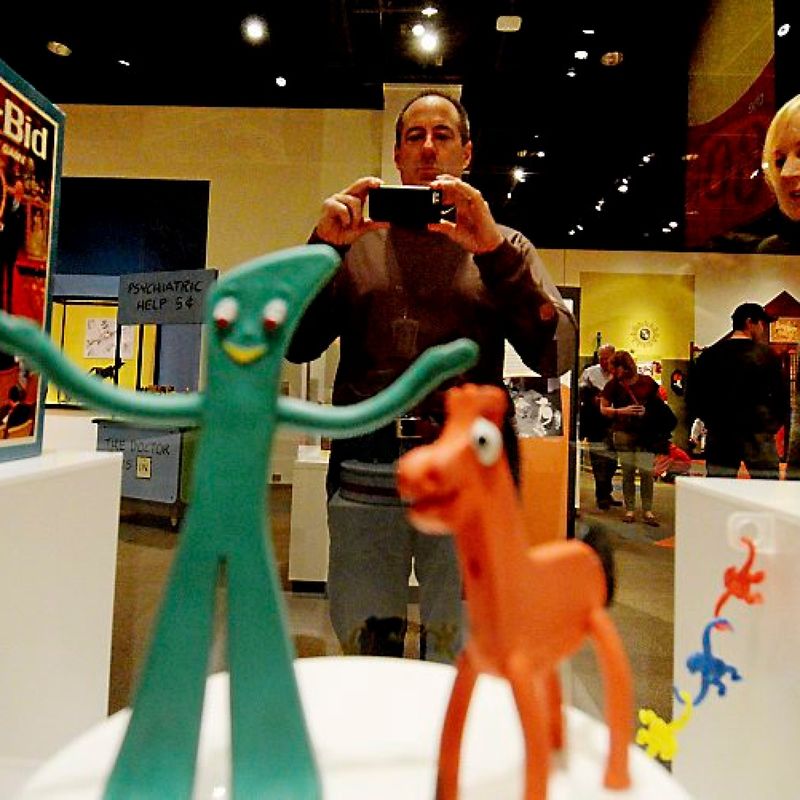
Pop a disc into a View-Master and suddenly you were looking at the Grand Canyon or outer space in glorious 3D. Drop a Slinky down the stairs and watch it walk itself to the bottom with a satisfying metallic shimmy.
These toys required imagination, patience, and sometimes a little sibling rivalry.
Board games meant gathering around a table and actually talking to each other. Boomers say these toys built creativity in ways that no touchscreen game ever has, and they are not entirely wrong about that.
15. Iconic Grocery Store Products Like Tang, Nestle Quik, and Peter Pan Peanut Butter
Tang was not just a drink mix. It was astronaut fuel, at least that is what every kid believed after seeing the commercials.
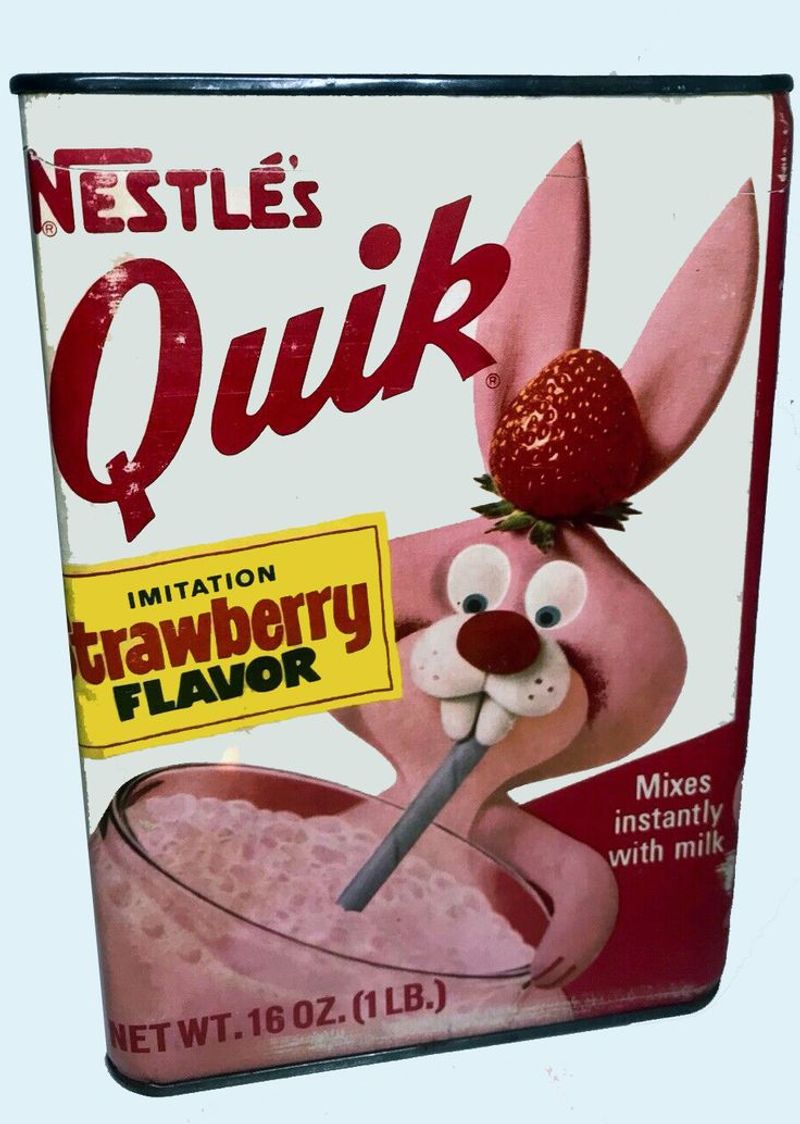
Nestle Quik turned plain milk into something you actually wanted to finish, and Peter Pan Peanut Butter made every sandwich feel like a treat worth looking forward to.
These products came with catchy jingles and memorable mascots that Boomers still hum today. They represent more than food.
They are edible time capsules of a childhood that felt simpler, brighter, and full of small daily joys.