
Every day, people give away clues about who they really are without even knowing it. From how they treat a stranger at a restaurant to how they react when something goes wrong, these small moments speak volumes.
You do not need a deep conversation to understand someone’s true character. Sometimes, the most honest version of a person shows up in the quietest, most unexpected ways.
1. How They Treat Service Workers

Watch how someone talks to a waiter, cashier, or delivery driver, and you will learn a lot about them fast. People who are kind and patient with service workers tend to have genuine empathy.
Those who snap, ignore, or talk down to them often reveal a sense of entitlement they may not even notice.
Kindness toward people who cannot easily “fight back” is one of the truest tests of good character.
2. Their Reaction When They Make a Mistake

Messing up is something everyone does. The real tell is what happens next.
A person with strong character will own the mistake, apologize sincerely, and try to fix it. Someone with weaker character might blame others, make excuses, or pretend it never happened.
Owning your errors quickly and honestly signals both emotional maturity and self-awareness. How someone handles being wrong often says more about them than how they handle being right.
3. Whether They Actually Listen

Real listening is rarer than most people think. When someone keeps interrupting, checks their phone mid-sentence, or steers every topic back to themselves, it reveals a self-centered streak they may not even be aware of.
Attentive listeners make eye contact, ask follow-up questions, and allow for silence without rushing to fill it. That kind of listening shows emotional groundedness and genuine care for the person in front of them.
4. How They Talk About People Who Are Not Around

Pay close attention when someone gossips about a mutual friend or tears down a coworker who just left the room. Spreading rumors or being unnecessarily mean about absent people often points to deep insecurity.
People who are secure in themselves tend to speak about others with fairness, even when those people are not listening. As the saying goes, how you talk about others when they are gone is exactly how others will talk about you.
5. Their Behavior Under Pressure

Stress has a funny way of stripping away the polished version of someone and showing you the real one underneath. People who explode in anger when things go wrong often struggle with emotional regulation in ways they do not fully recognize.
Those who stay calm during a crisis are not just lucky. They have built real emotional resilience.
Crisis moments expose the fundamental wiring of a person’s nervous system more honestly than any calm conversation ever could.
6. How They Handle a “No”

Rejection and refusal are uncomfortable for everyone, but the response to them is deeply revealing. A person with steady character will accept a “no” calmly, respect the other person’s decision, and move on without guilt-tripping or arguing.
When someone pushes back hard, sulks, or tries to manipulate after being refused, it signals poor boundary awareness and emotional immaturity. Respecting someone’s “no” is one of the clearest signs of genuine respect for another person’s autonomy.
7. What They Do When Nobody Is Watching

True character is not what you do on a stage. It is what you do when the curtain is down.
Returning a shopping cart, picking up litter without being asked, or correcting an overpayment at a store when the cashier made an error, these small acts reveal a person’s real values.
Anyone can be good when people are watching. The ones who do the right thing in private, with zero audience and zero reward, are the ones worth trusting.
8. Whether They Keep Small Promises

“I will send you that link” or “I will text you when I get home” might seem like throwaway phrases, but following through on them says everything about reliability. Small promises are easy to forget, which is exactly why keeping them matters so much.
People who consistently follow through on tiny commitments show they care about others’ time and feelings. Those who routinely forget or brush it off reveal a pattern of carelessness, even if they never mean any harm by it.
9. How They Respond to Other People’s Success

Genuine happiness for another person’s win is surprisingly hard for some people. When someone offers a backhanded compliment, changes the subject, or subtly undermines good news, it exposes an insecurity they probably do not want you to see.
Secure people celebrate others without feeling threatened. They can say “that is amazing, you earned it” and actually mean it.
The way someone reacts to your success when they have nothing to gain is one of the most honest personality tests there is.
10. Their Punctuality Habits
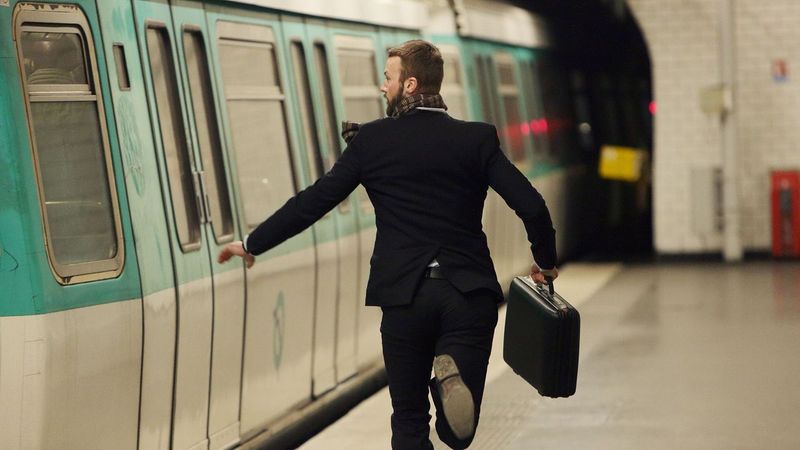
Chronically running late might seem like a quirky habit, but it often signals something deeper. Consistent tardiness can reveal a lack of consideration for other people’s time, poor planning skills, or even a subtle need for control in social situations.
On the flip side, someone who always arrives on time tends to value structure, respect others, and follow through on commitments. Punctuality is a quiet but powerful window into how much someone truly values the people waiting for them.
11. The Way They Apologize

An apology that includes “I am sorry you feel that way” is not really an apology at all. The way someone apologizes reveals whether they have the self-confidence to admit fault or whether they are more focused on protecting their own ego.
A real apology names the specific harm, takes ownership, and includes a genuine effort to do better. People who apologize with detail and follow through show both emotional honesty and strong character.
Weak apologies often reveal a fragile sense of self.
12. Nervous Habits and Fidgeting

Knuckle cracking, nail biting, foot tapping, constantly adjusting clothing. These habits tend to fly under the radar, but they are the body’s honest broadcast of inner restlessness.
Most people do not realize how much they fidget until someone points it out.
Recurring nervous habits are unconscious stress responses, and they can signal anxiety, impatience, or difficulty sitting with discomfort. Noticing someone’s nervous habits gives you a glimpse into what their internal world feels like, even when their words say everything is fine.
13. How Comfortable They Are With Silence

Some people rush to fill every quiet moment in a conversation, jumping in with jokes, random facts, or topic changes. That urge to break silence can be a sign of social anxiety or a need for constant external validation.
People who are comfortable sitting in silence, without needing to perform or entertain, tend to be more self-assured. Silence does not make them nervous because they are not relying on conversation to define their worth.
It is a quiet kind of confidence most people never even notice.
14. Their Eating Habits and Speed

Believe it or not, the way someone eats can hint at personality patterns. Fast eaters are often ambitious and impatient, always moving on to the next thing before fully finishing the current one.
Slow, deliberate eaters tend to be more conscientious and in control.
Picky eaters sometimes show signs of anxiety or rigidity, while adventurous eaters often embrace novelty and risk. Even separating foods on a plate can suggest a detail-oriented, cautious mindset.
These are tendencies, not certainties, but they are worth noticing.
15. How They Act in Shared Spaces

Leaving a mess in the break room, not replacing the toilet paper roll, or blasting music in a shared apartment, these habits quietly broadcast how much someone thinks about the people around them. Consideration for shared spaces is a form of respect that many people overlook.
Those who naturally wipe counters, stack dishes, or tidy up without being asked tend to have a deep sense of community and care for others. It is a small thing that reveals a genuinely big heart.
16. Their Texting Patterns

Text messages are a surprisingly honest mirror of personality. Someone who writes long, thoughtful messages tends to be detail-oriented and deeply invested in their relationships.
Short, clipped replies can signal either efficiency or emotional distance, depending on the context.
Heavy emoji users are often emotionally expressive and socially warm. People who leave messages on read for days without explanation may be avoidant or simply overwhelmed.
Texting style is not a perfect science, but patterns over time tell a real story about someone’s priorities and communication values.
17. How They Handle Conflict

Conflict is one of the fastest ways to see someone’s true self. People who resort to personal attacks, raise their voice, or bring up unrelated past grievances during a disagreement reveal poor emotional control and a win-at-all-costs mindset.
Those who stay focused on the actual issue, listen to the other side, and avoid name-calling are showing real maturity and emotional intelligence. Managing disagreements without cruelty is not easy, which is exactly why it stands out so clearly as a marker of strong character.
18. How They Spend Their Free Time

Free time is the one part of the day where no one is telling you what to do. How someone chooses to spend it, whether they are reading, learning, creating, or numbing out, quietly reveals their values, ambitions, and intellectual curiosity.
This does not mean leisure has to be productive to be valuable. Rest is important too.
But consistent patterns in how someone unwinds can tell you a great deal about their relationship with growth, discipline, and what they find genuinely meaningful in life.
19. Their Walking Style and Posture
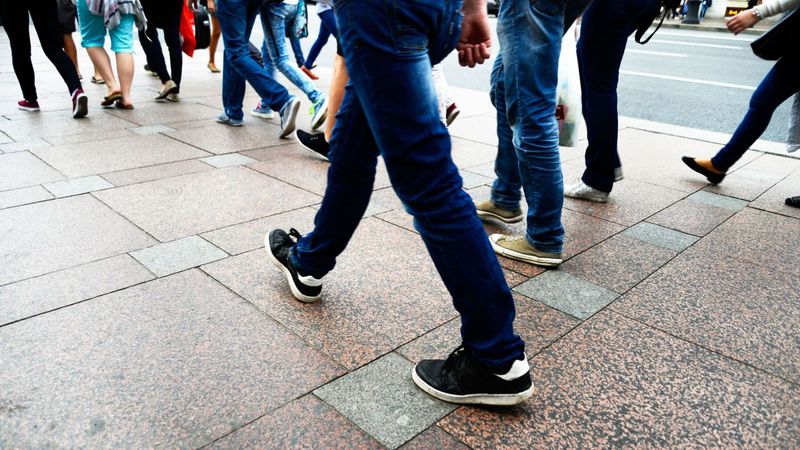
Most people never think about how they walk, which makes it one of the most unguarded windows into personality. A fast pace with long strides often signals ambition, high energy, or a touch of impatience.
Slow, shuffling steps can suggest caution, introversion, or low energy levels.
Upright posture is widely linked to self-confidence and openness. Someone who walks with their head down and shoulders hunched may be carrying stress or self-doubt they have not yet put into words.
The body speaks even when the mouth stays quiet.
20. How They Prioritize Relationships

Actions always speak louder than words, and nowhere is that truer than in how someone balances their personal and professional life. Someone who constantly cancels on friends and family for work or convenience reveals where their real priorities lie, regardless of what they say.
People who make genuine effort to show up for the people they care about, even when life gets busy, demonstrate a value system built on human connection. Over time, these patterns become impossible to hide, no matter how good the excuses sound.