
Tacos are one of the most beloved foods in the world, but making them taste truly traditional at home is trickier than most people think. Small mistakes in how you prepare the tortillas, season the meat, or choose your toppings can turn a great taco into a bland, soggy, or just plain wrong experience.
Mexican street tacos have a magic to them that comes from centuries of technique, and skipping those details really shows. Here are the biggest mistakes home cooks make that keep their tacos from tasting authentic.
1. Reaching for Hard Taco Shells Instead of Soft Corn Tortillas
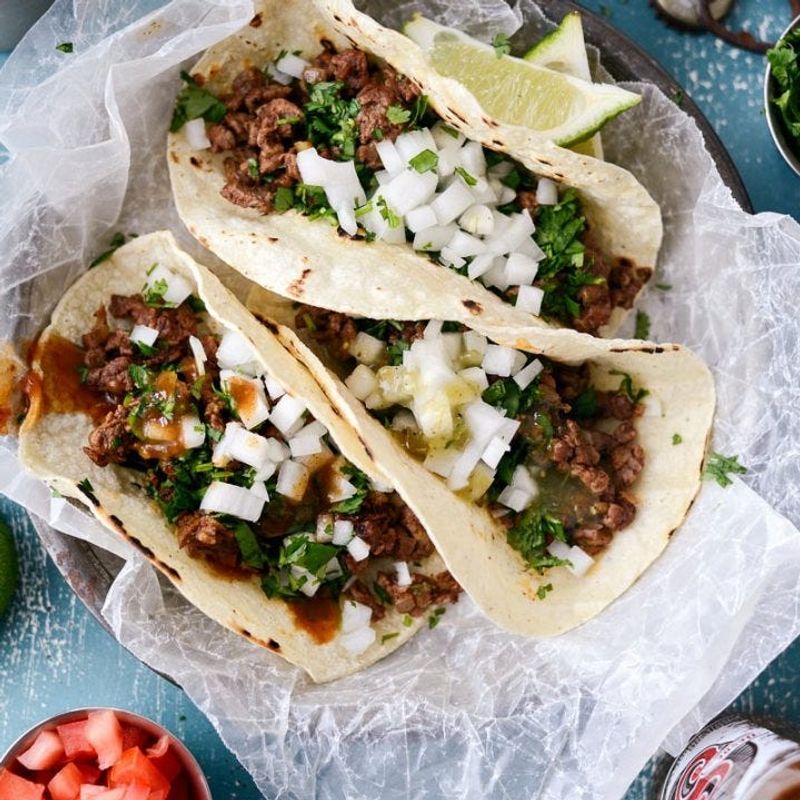
Hard taco shells might be fun and crunchy, but they have almost nothing to do with traditional Mexican tacos. Authentic tacos use soft corn tortillas, full stop.
The hard shell was invented in the United States as a way to make tacos easier to mass-produce and sell.
Swapping to soft corn tortillas instantly changes the entire experience. They hold the filling better, carry more flavor, and give your taco that street-food feel you have been chasing all along.
2. Microwaving Tortillas Instead of Heating Them Right
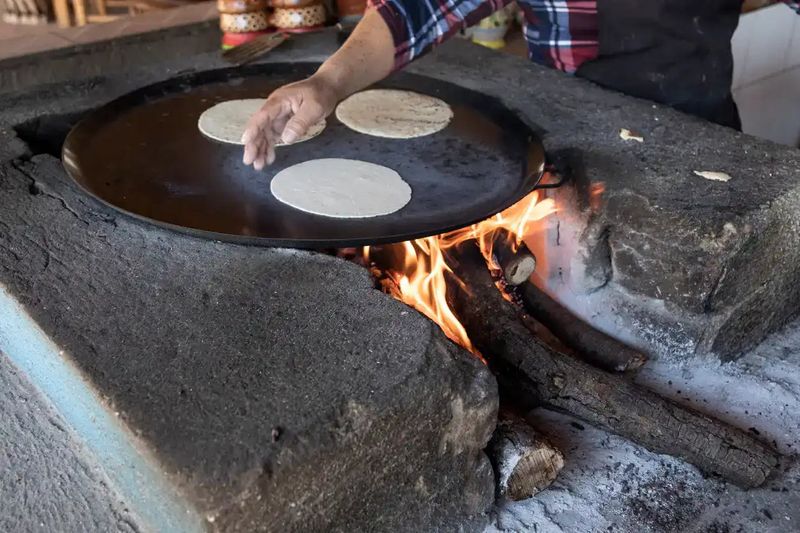
Tossing tortillas in the microwave feels convenient, but it makes them rubbery, steamy, and weirdly soft in all the wrong ways. The right move is to warm them on a dry skillet, comal, or grill over medium heat until they are pliable with a few light brown spots.
That gentle heat wakes up the corn flavor and gives the tortilla just enough structure to hold your filling without falling apart. A good tortilla deserves a proper warm-up.
3. Buying Shelf-Stable Tortillas and Skipping the Good Stuff
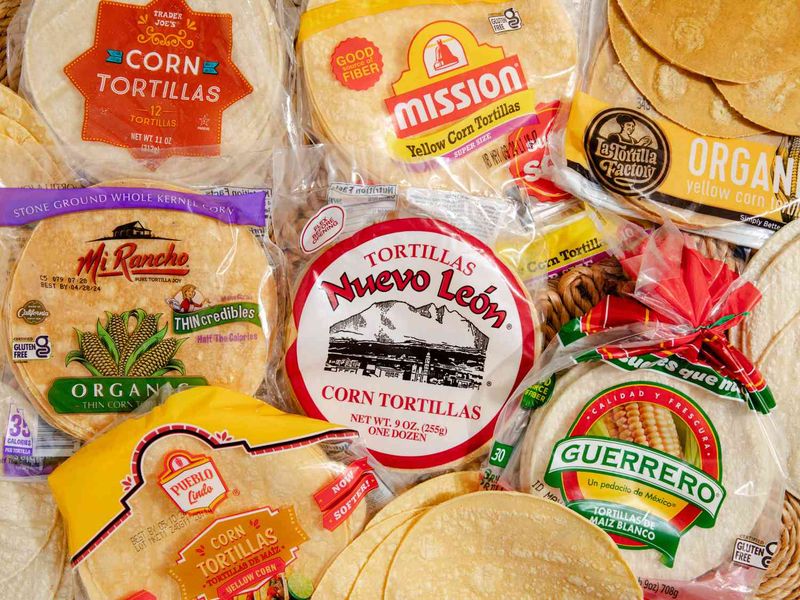
Not all store-bought tortillas are created equal. Shelf-stable versions often contain preservatives that give them a sour, almost plasticky taste that no amount of seasoning can fix.
Refrigerated or fresh corn tortillas taste noticeably better and respond well to heat.
If fresh tortillas are available at a local market or Latin grocery, grab them every time. Charring shelf-stable ones on a dry skillet can help reduce that off-flavor, but fresh is always the smarter starting point.
4. Forgetting to Double-Stack Your Tortillas
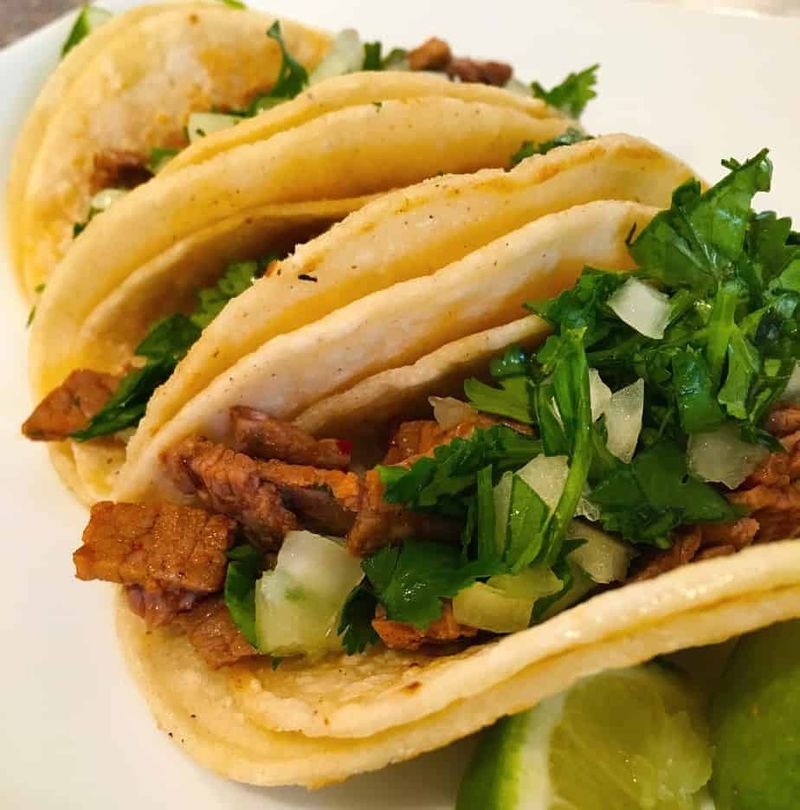
Ever wonder why your taco falls apart after two bites? Single tortillas are often too thin to handle juicy, heavy fillings on their own.
Traditional Mexican street tacos almost always use two corn tortillas stacked together, which adds strength without overwhelming the flavor.
The second tortilla also soaks up any drippings from the meat, making it a delicious bonus bite at the end. It is a small habit that makes a noticeable difference in every single taco.
5. Skipping the Marinade or Not Giving It Enough Time
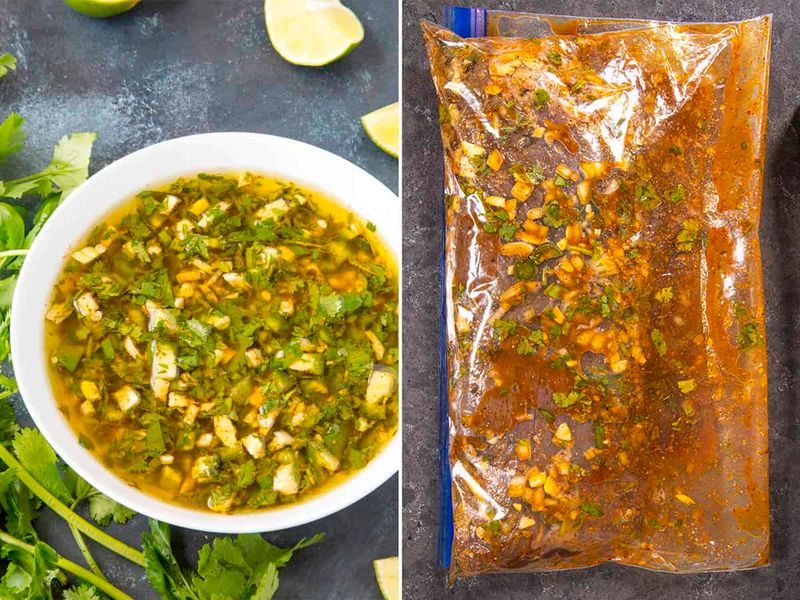
Meat that goes straight from the package to the pan is missing the most important step. Authentic taco meats are marinated with dried chiles, garlic, cumin, and citrus for at least two hours, and overnight is even better.
That time allows the flavors to fully soak into the meat.
A rushed marinade produces flat, one-dimensional flavor that no salsa can rescue. Patience here pays off in a big way, and the difference in taste is immediately obvious from the very first bite.
6. Overcrowding the Pan and Steaming the Meat Instead of Searing It
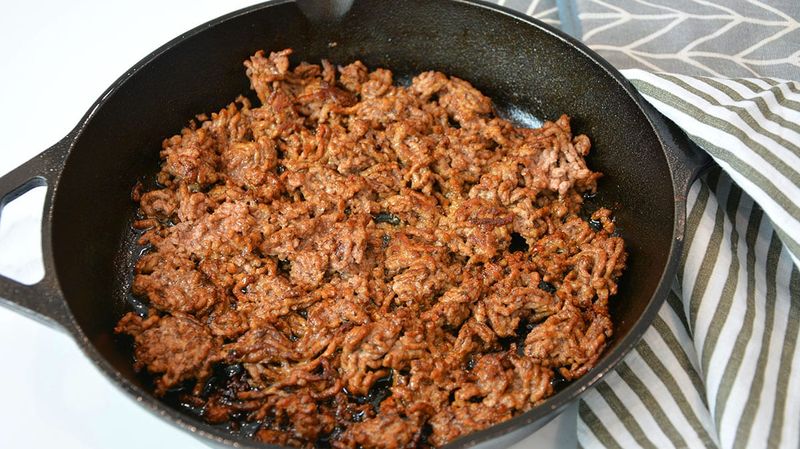
Dumping all your meat into the pan at once is one of the most common cooking mistakes out there. When the pan is too crowded, the meat releases moisture faster than it can evaporate, which means it steams rather than sears.
No crust, no caramelization, no depth of flavor.
Cook meat in smaller batches and give each piece space to breathe. That golden-brown crust that forms during a proper sear is packed with flavor that transforms a basic taco into something genuinely crave-worthy.
7. Cutting the Meat with the Grain Instead of Against It
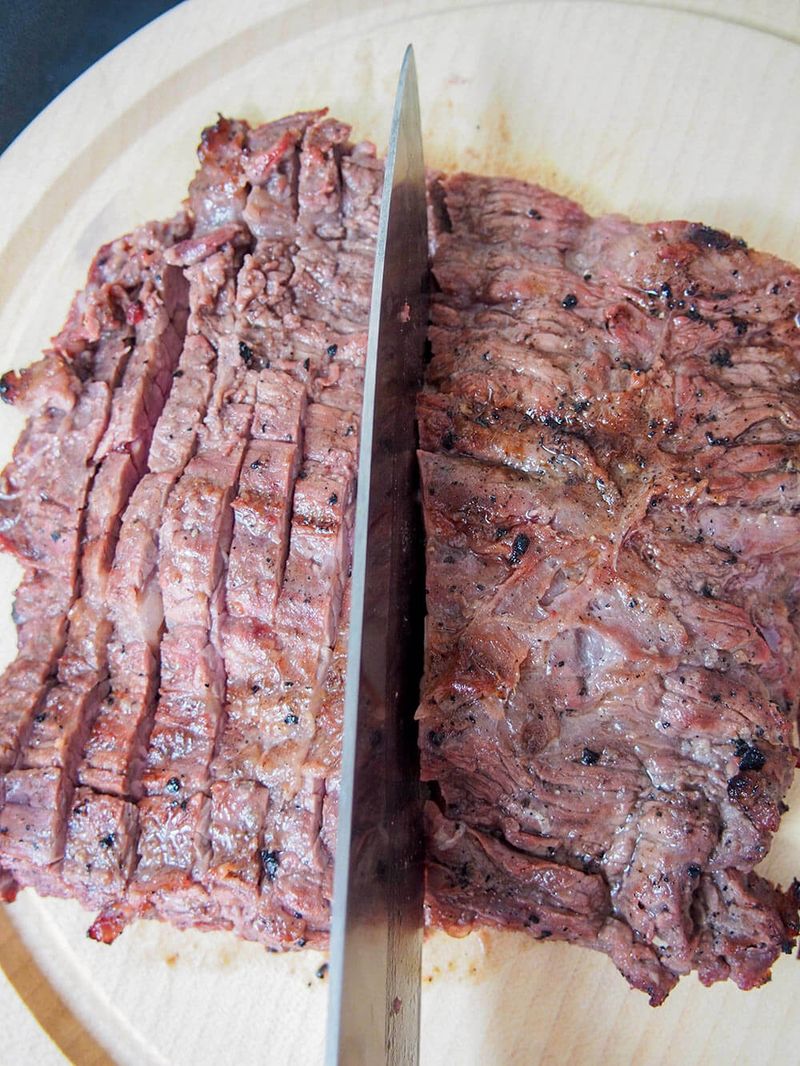
Here is a detail that separates average tacos from great ones: the direction you slice your meat matters enormously. Cutting with the grain leaves long muscle fibers intact, making each bite tough and chewy in a bad way.
Slicing against the grain shortens those fibers and produces tender, easy-to-chew pieces.
Look at the lines running through the cooked meat and cut perpendicular to them. It takes about five extra seconds and completely changes the texture of your filling.
8. Not Letting the Meat Rest Before Slicing
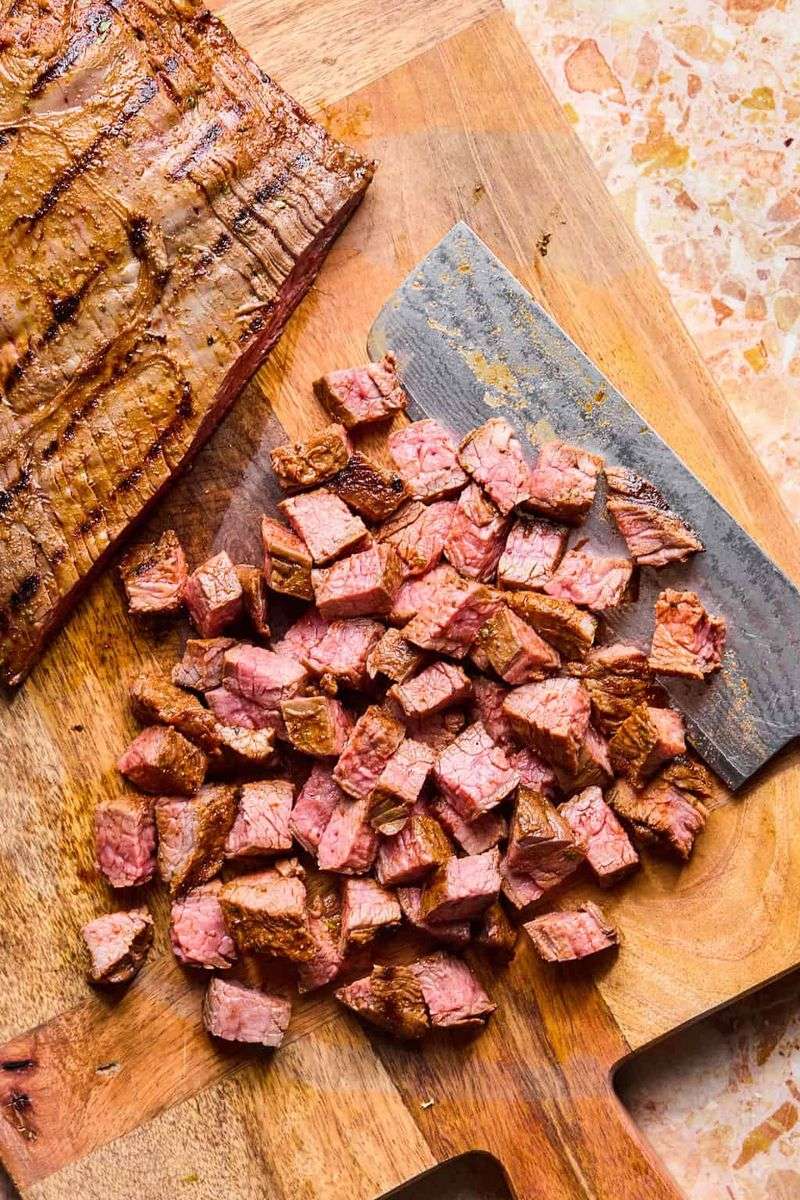
Slicing meat the moment it comes off the heat is a recipe for dry, flavorless taco filling. When meat cooks, its juices get pushed toward the center.
Resting for at least five minutes allows those juices to redistribute evenly throughout the whole cut.
Skip this step and those precious juices pour out onto the cutting board instead of staying in your taco. A short rest costs nothing and rewards you with noticeably juicier, more flavorful meat that makes every bite better.
9. Relying on Packaged Taco Seasoning Instead of Real Spices
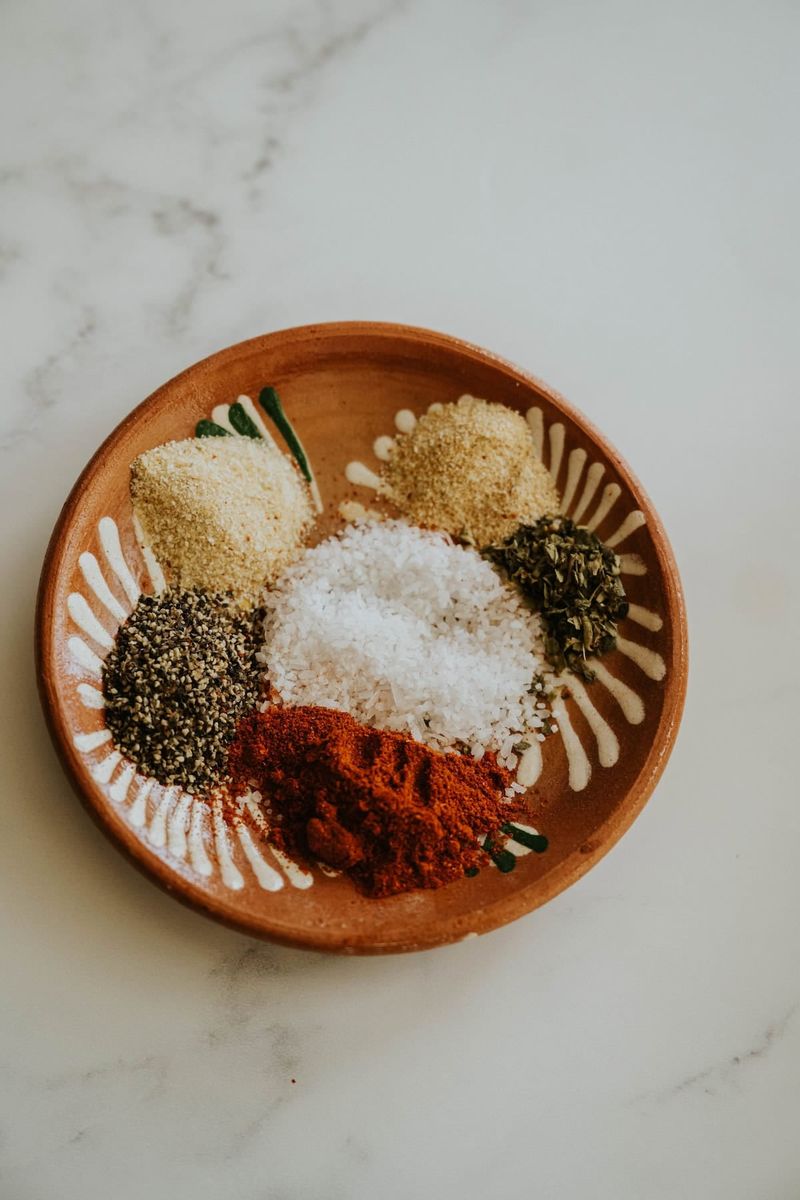
Those little seasoning packets are convenient, but they are loaded with salt, anti-caking agents, and generic spice blends that taste nothing like traditional Mexican cooking. Authentic taco flavors come from toasted dried chiles, whole cumin, fresh garlic, and oregano used with intention.
Building your own spice blend takes only a few extra minutes and gives you complete control over flavor and heat level. Once you taste the difference, reaching for that foil packet will feel like a step backward you never want to take again.
10. Overstuffing the Taco Until It Becomes a Mess
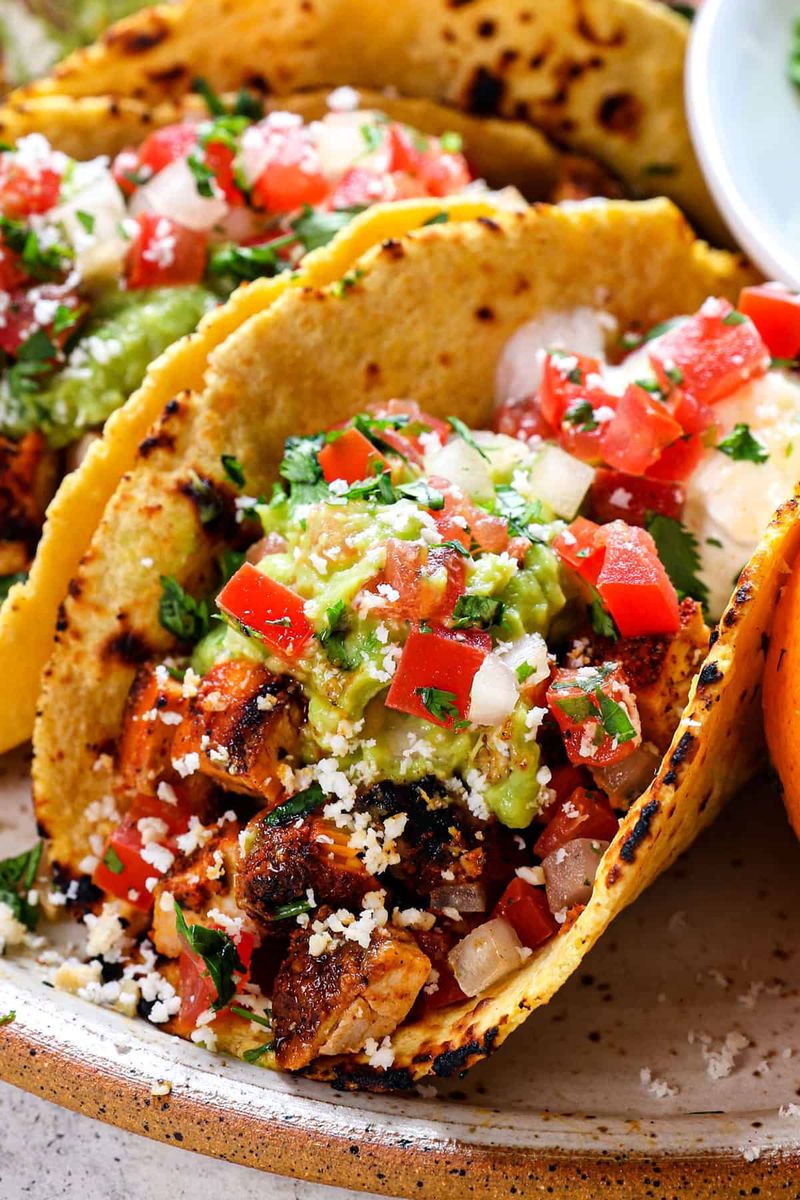
More filling does not always mean a better taco. Traditional street tacos are surprisingly modest in size, featuring just a few well-chosen ingredients layered with care.
Overstuffing makes the taco impossible to eat without everything tumbling out onto your plate or your shirt.
The goal is balance, not volume. A small amount of flavorful meat, a pinch of white onion, fresh cilantro, and a squeeze of lime is genuinely all you need.
Trust the simplicity and let each ingredient shine on its own.
11. Using Yellow Onions When White Onions Are the Standard
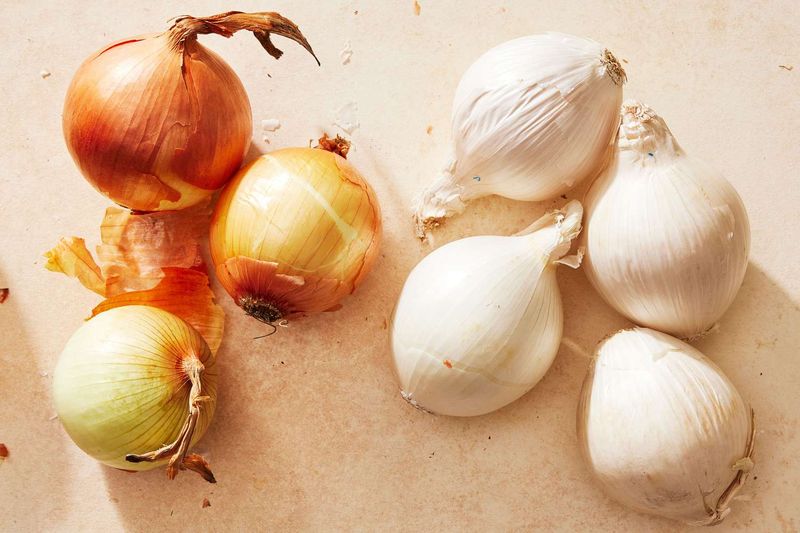
Yellow onions are great for soups, stews, and caramelizing, but they are not the right choice for tacos. Their sweetness and strong aroma can easily overpower the delicate flavors of the meat and spices.
White onions are the standard across Mexico for a reason.
White onions have a cleaner, sharper bite that adds brightness without competing with the other ingredients. Finely diced and used raw, they bring a satisfying crunch and freshness that feels completely at home on any traditional taco.
12. Leaving Lime Out of the Equation Entirely
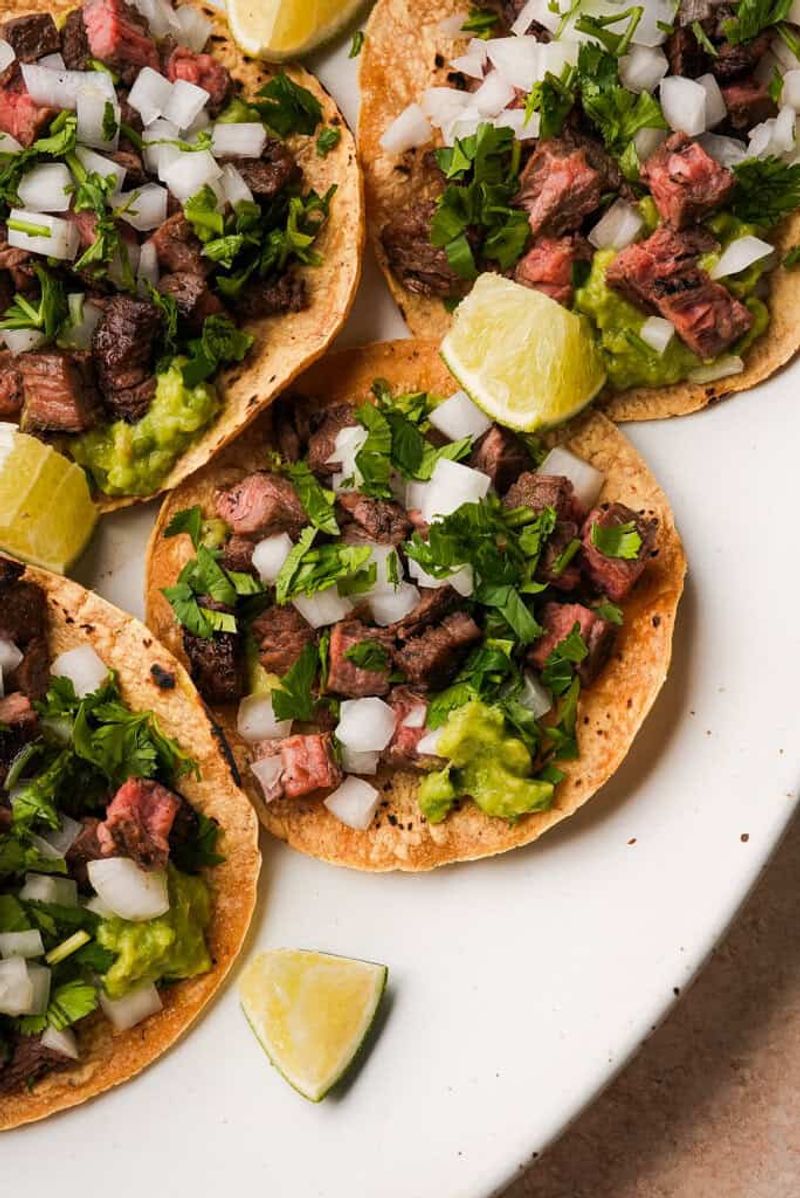
Lime is not optional in traditional Mexican cooking. It is essential.
A squeeze of fresh lime juice right before eating brightens all the flavors at once, cutting through the richness of the meat and adding a lively acidity that ties everything together beautifully.
Bottled lime juice simply does not deliver the same punch. Fresh limes are cheap, widely available, and make an immediate impact.
Skipping lime is like finishing a painting and forgetting to add the color that makes the whole thing pop.
13. Piling on Shredded Cheddar Like a Tex-Mex Drive-Thru
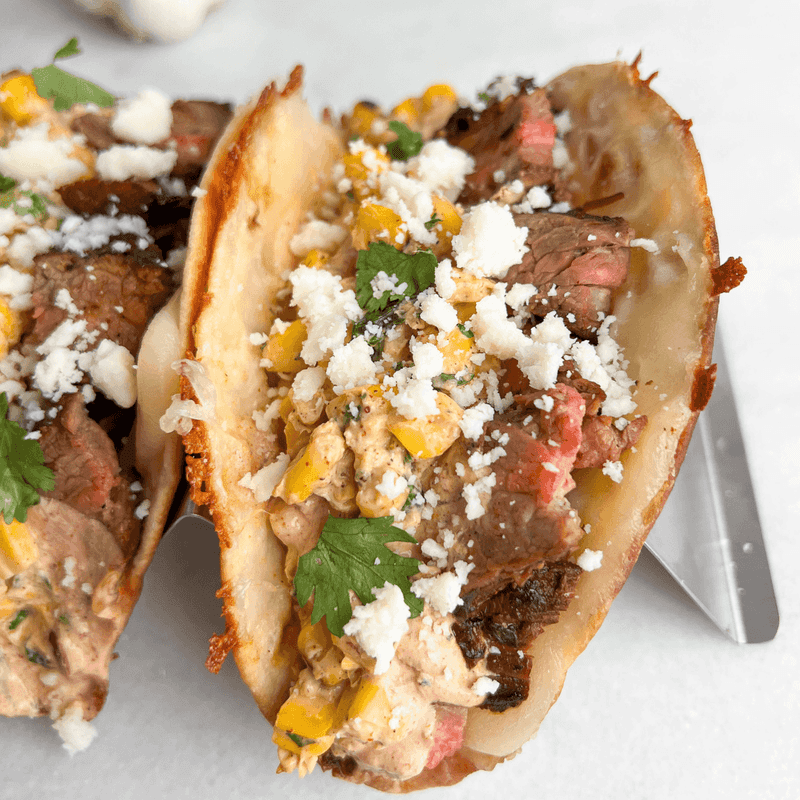
Cheese is not a major player in traditional Mexican tacos. When it does appear, it is usually a small crumble of cotija or queso fresco, mild and slightly salty, added to balance heat rather than dominate the dish.
Shredded cheddar is firmly in Tex-Mex territory.
Heavy cheese smothers the flavors you worked hard to develop in the meat and salsa. Try using a light sprinkle of cotija instead.
It adds a pleasant saltiness and creaminess without turning your taco into a cheese delivery vehicle.
14. Topping Tacos with Shredded Lettuce and Diced Tomatoes
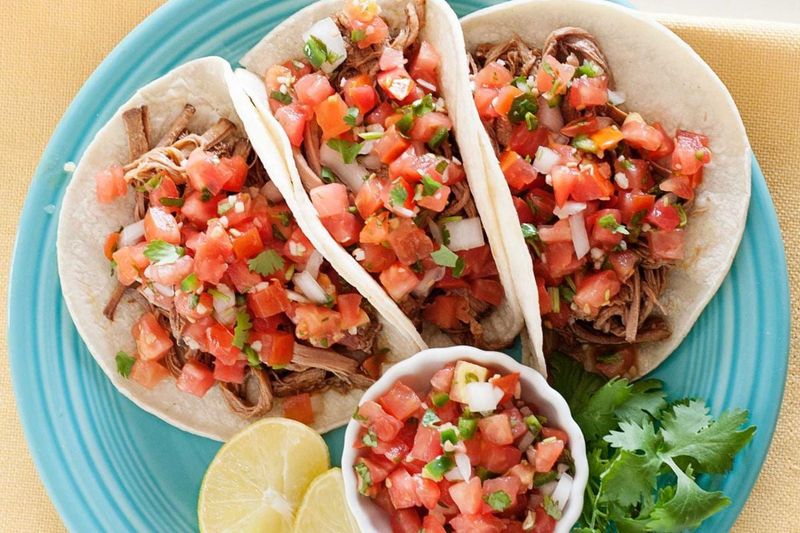
Shredded iceberg lettuce and chopped Roma tomatoes are classic Tex-Mex toppings, not traditional Mexican ones. Authentic street tacos keep it simple with fresh cilantro, white onion, and maybe a roasted salsa.
Adding lettuce and tomato creates a salad-taco hybrid that muddles the flavors.
Lettuce also wilts quickly under warm meat, turning soggy within seconds. Sticking to traditional toppings is not about being strict.
It is about respecting a flavor combination that has been perfected over generations and genuinely tastes better.
15. Grabbing Jarred Salsa Instead of Making It Fresh
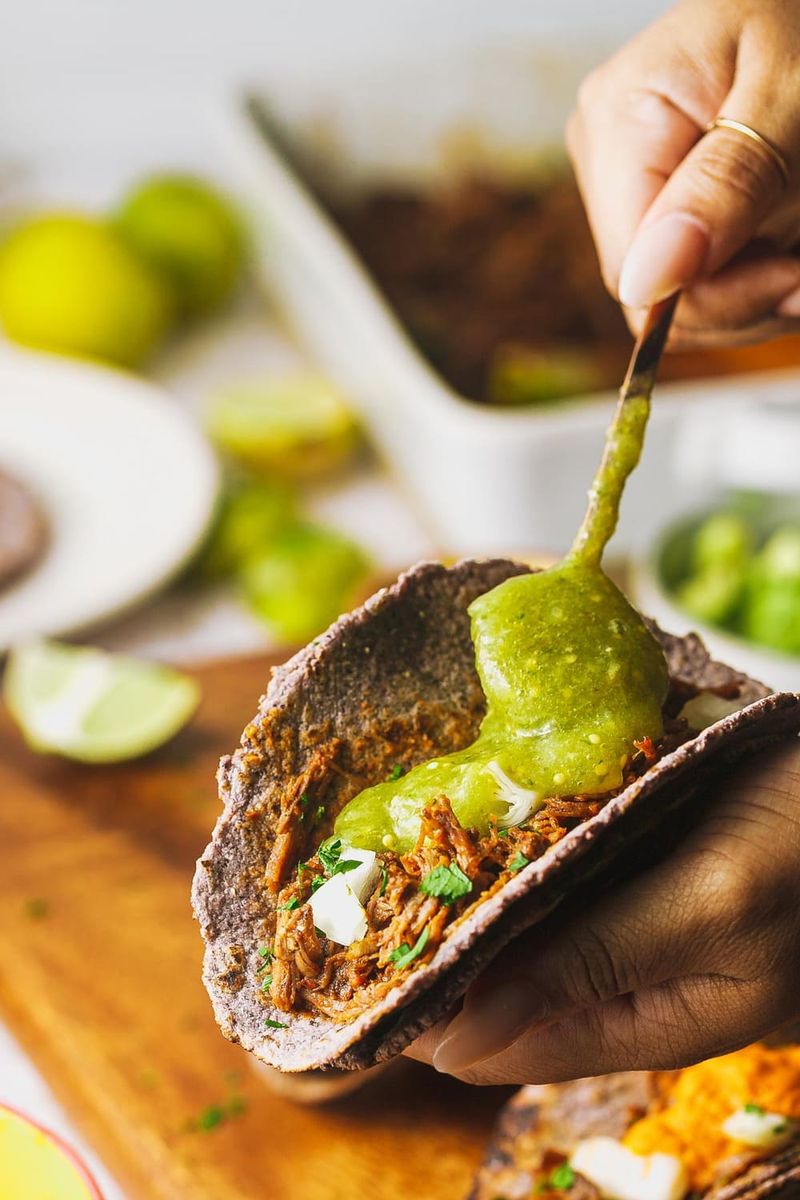
Jarred salsa is fine for chips on a lazy afternoon, but it has no place on a traditional taco. The flavors are muted, the texture is off, and the preservatives give it a processed taste that clashes with fresh, well-seasoned meat.
Homemade salsa takes about ten minutes and tastes completely different.
Roasting tomatoes, tomatillos, or chiles before blending adds a smoky depth that no jar can replicate. Matching your salsa to your protein makes the whole taco feel intentional and complete.