
What you put on your plate today can shape how you feel years from now. Some foods taste amazing but quietly add extra sugar, salt, or unhealthy fats that wear down your body over time.
You do not have to give up every treat forever, but knowing which foods to cut back on can make a real difference. Here is a friendly guide to the snacks and meals worth enjoying less often.
1. Sugary Sodas
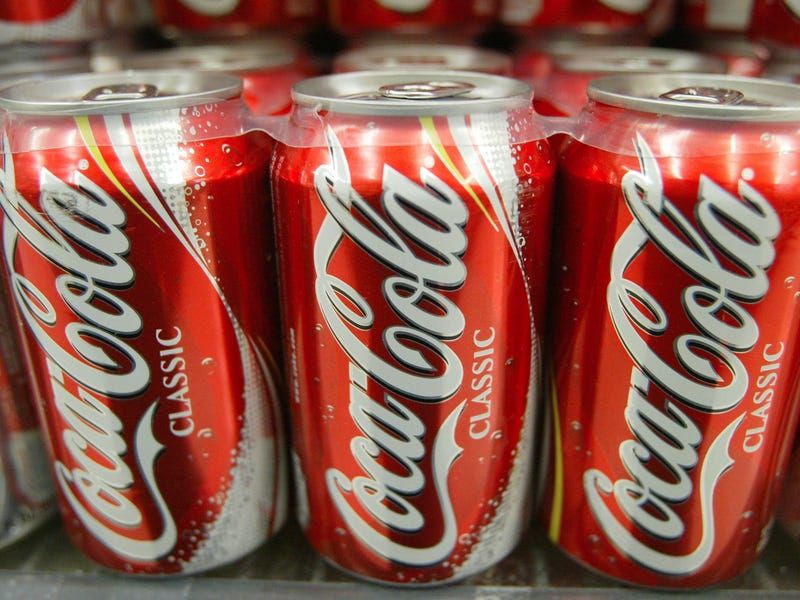
One can of regular soda holds around ten teaspoons of sugar. Picture scooping that into a glass of water and drinking it.
Not so tempting, right?
Drinking soda often is linked to weight gain, type 2 diabetes, and tooth decay. Liquid sugar sneaks in fast and does not fill you up.
Try sparkling water with a squeeze of lime or a few crushed berries. You still get the fizz without the sugar crash later.
2. Processed Deli Meats
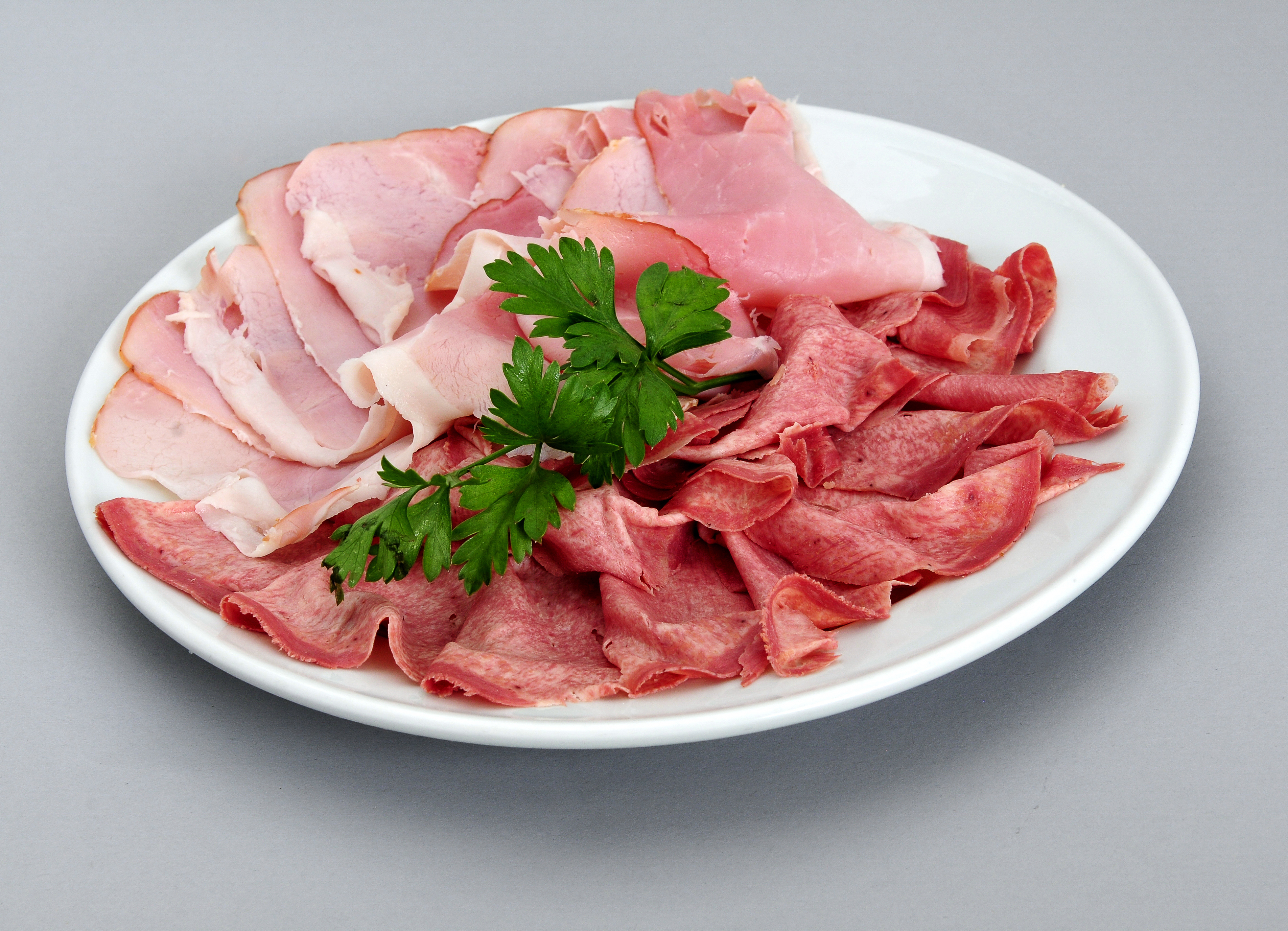
Lunchtime sandwiches feel easy, but the meat inside might be the weak spot. Ham, salami, and bologna are packed with salt and preservatives called nitrates.
Health experts link eating lots of processed meat to a higher risk of heart disease and certain cancers. That is a big deal for something so ordinary.
Swap in leftover roasted chicken, hummus, or egg salad. Your sandwich stays tasty, and your body gets a much better deal.
3. Hot Dogs
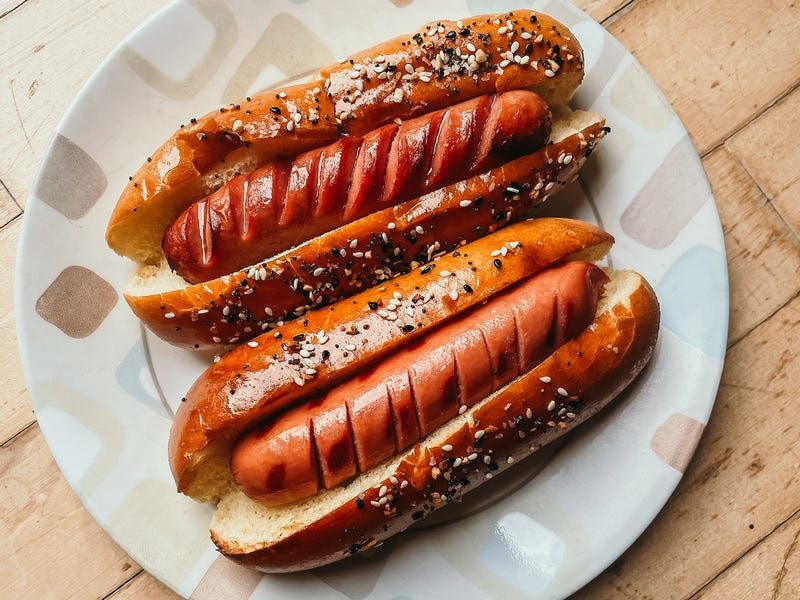
Ballgames and backyard barbecues just seem to call for a hot dog. Fun fact: Americans eat around 20 billion of them every year!
Sadly, hot dogs combine processed meat, heavy salt, and saturated fat in one tube. Eating them often can strain your heart and blood vessels.
Save them for special events instead of weekly dinners. When grilling at home, try chicken sausages with less sodium or toss some veggie skewers on the grill.
4. French Fries
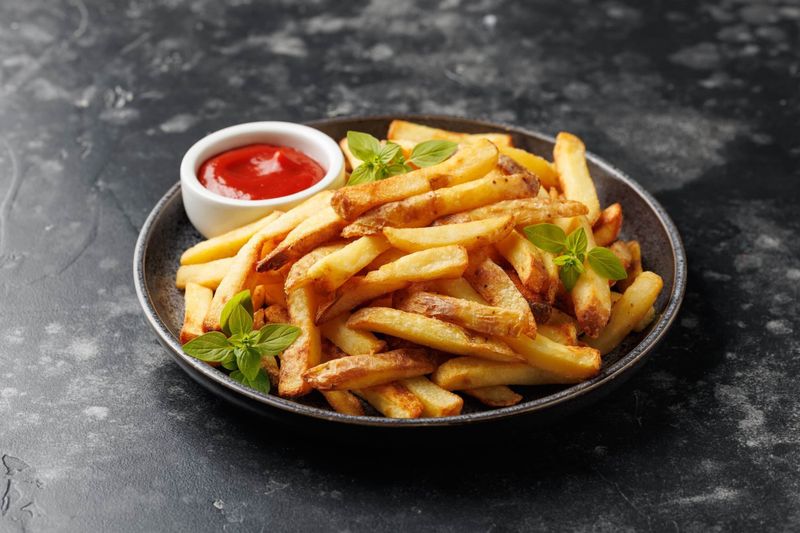
Crispy, salty, and golden, fries are hard to resist. Still, a potato changes a lot once it takes a bath in hot oil.
Deep-fried foods soak up fat and can form a compound called acrylamide when cooked at high heat. Studies have tied frequent fried potato eating to shorter lifespans.
Baking potato wedges at home with a little olive oil gives you that crunchy edge. Sprinkle on paprika or garlic powder for extra flavor.
5. Packaged Pastries and Donuts
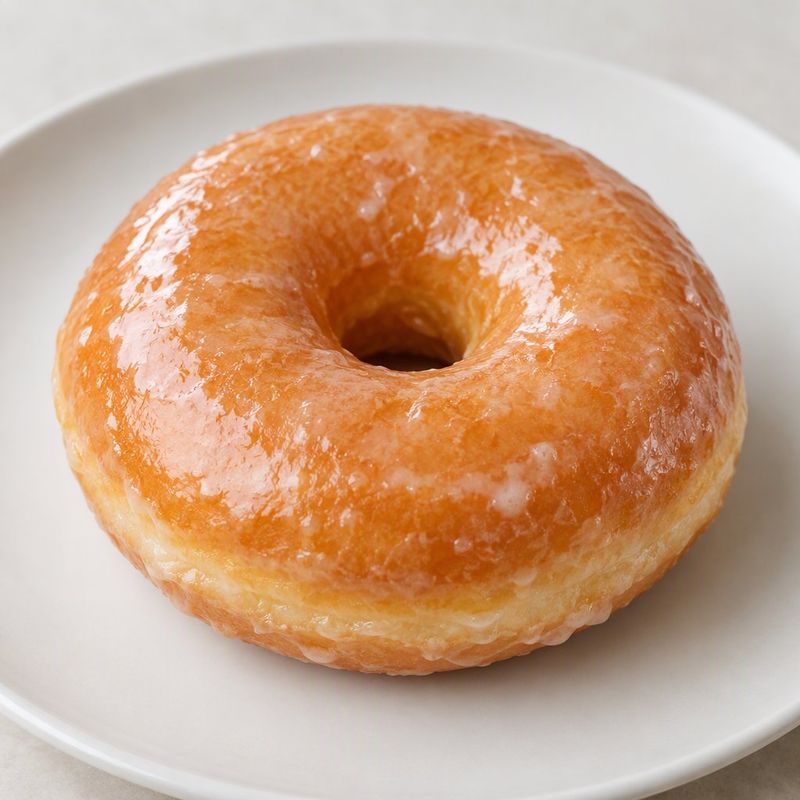
Grabbing a donut on the way to school or work feels like a sweet little reward. The problem is what happens an hour later.
Donuts and snack cakes are loaded with white flour, sugar, and fats that spike your blood sugar and then drop it. You end up hungry and tired.
Breakfast works better with oatmeal, eggs, or whole grain toast with peanut butter. Keep donuts as an occasional weekend treat.
6. Sugary Breakfast Cereals
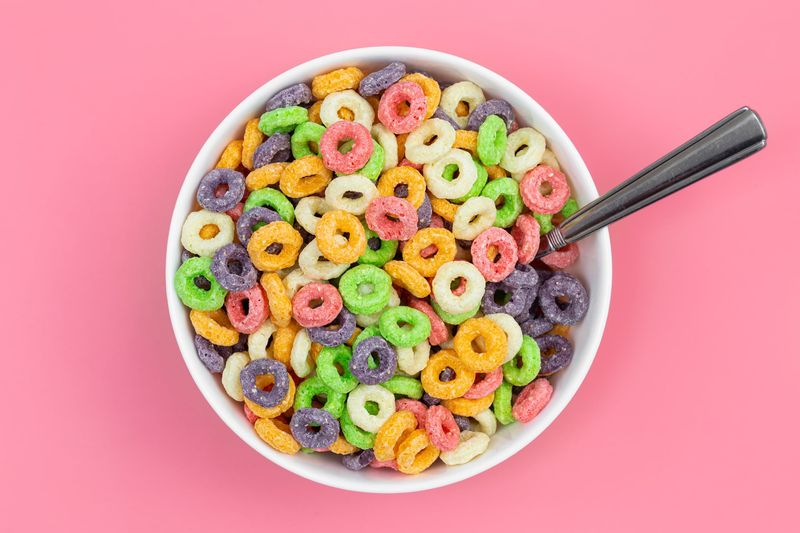
Cartoon mascots on the box make cereal look like a fun way to start the day. Flip it over, though, and sugar is often one of the first ingredients.
Some kids cereals are nearly 40 percent sugar by weight. That is closer to dessert than breakfast.
Look for cereals with at least three grams of fiber and under six grams of sugar. Adding fresh banana slices brings natural sweetness.
7. Instant Noodles
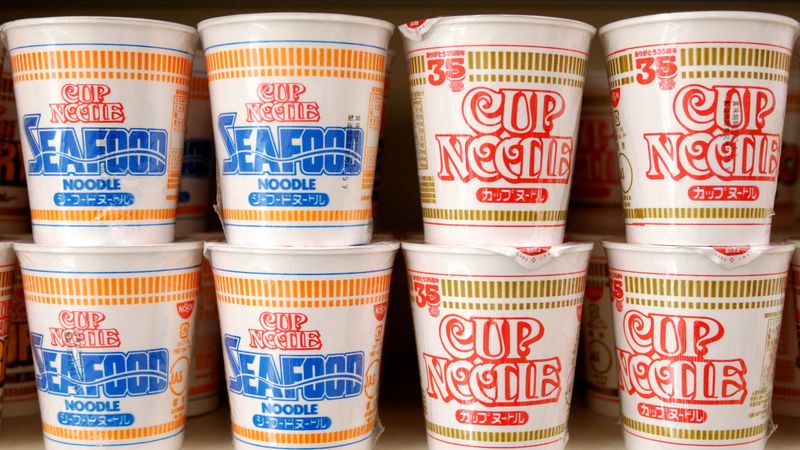
Every college student knows the magic of noodles ready in three minutes. Cheap and warm, they feel like a lifesaver on busy nights.
That little flavor packet, however, can hold almost a full day of sodium. Too much salt raises blood pressure, which wears on your heart over time.
Use only half the packet, or skip it and add garlic, ginger, and a splash of low-sodium soy sauce. Toss in frozen veggies and an egg.
8. Candy and Gummies
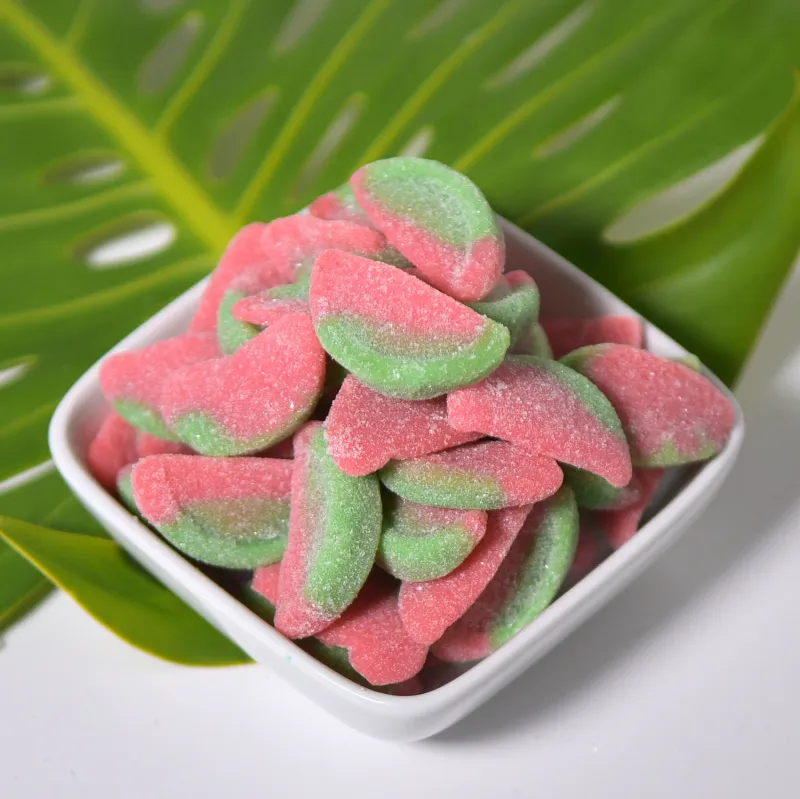
Remember trading candy after trick-or-treating? That sugar rush felt amazing until the stomachache showed up.
Candy is basically sugar with color and flavor added. It offers almost no nutrients, sticks to teeth, and can lead to cavities and weight gain if eaten daily.
Craving something sweet? Frozen grapes, dried mango, or a few squares of dark chocolate can hit the spot.
Keep candy for holidays, not the desk drawer.
9. Fast Food Burgers
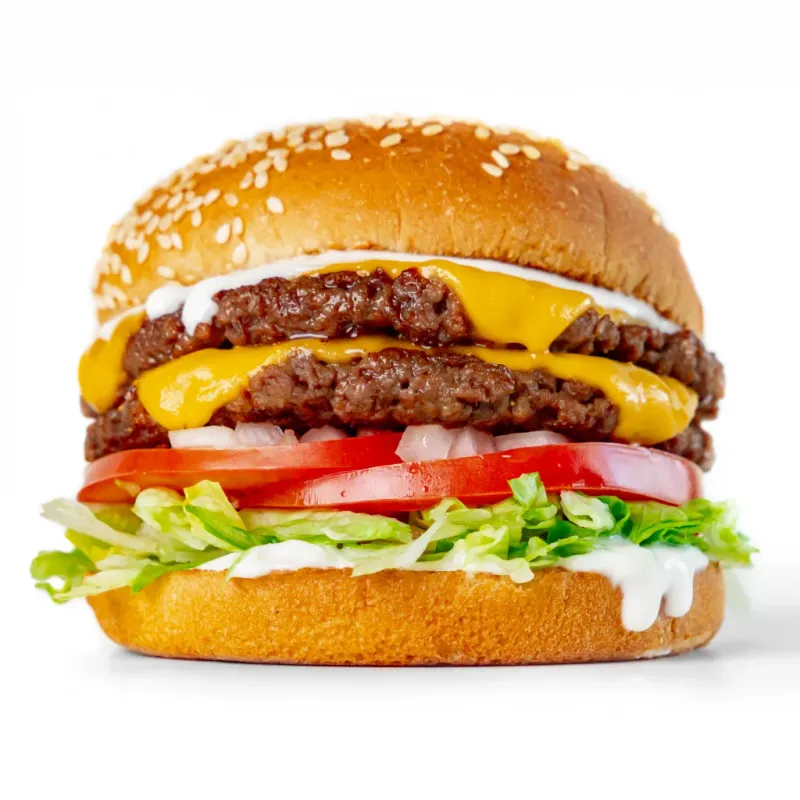
Drive-thru lines exist for a reason. Fast burgers are quick, filling, and cheap, especially after a long day.
A big double cheeseburger with bacon, however, can pack over 1,000 calories plus tons of salt and saturated fat. Add fries and a shake, and the numbers climb even higher.
Make burgers at home with lean beef or turkey, whole wheat buns, and plenty of lettuce and tomato. You control what goes in.
10. White Bread
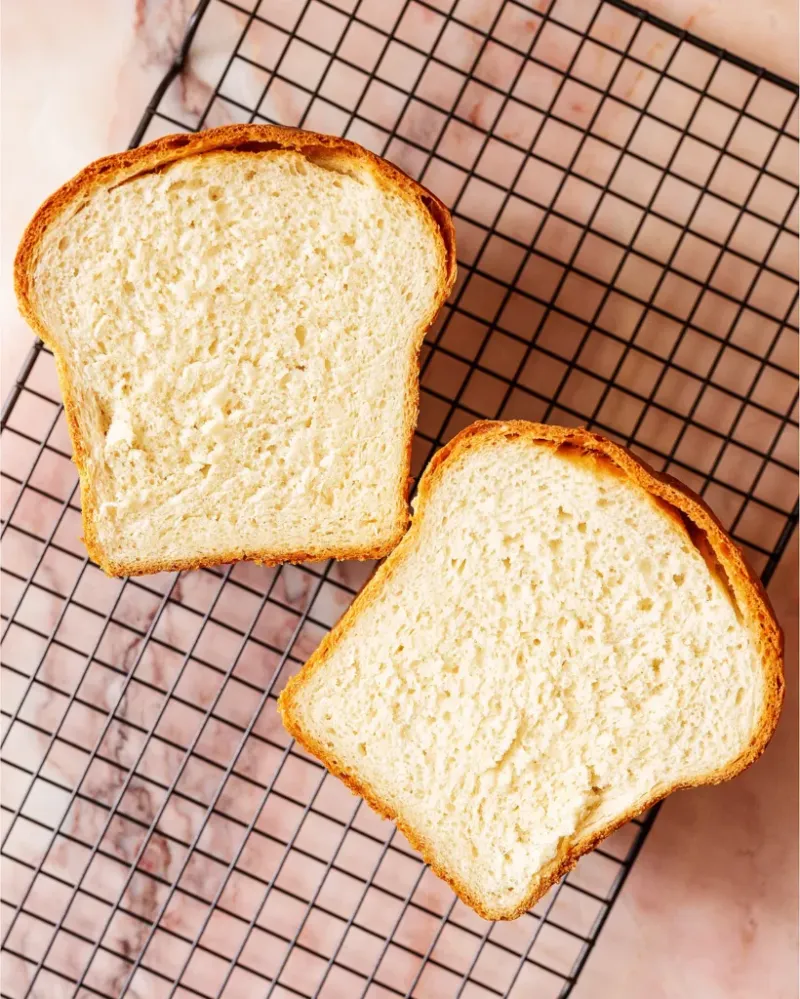
Soft and fluffy, white bread was once seen as fancy. Long ago, only wealthy families could afford flour that white!
Today we know the refining process strips away fiber, vitamins, and minerals. Your body turns white bread into sugar quickly, which can lead to energy dips.
Whole grain or whole wheat bread keeps more of the good stuff. Check that the first ingredient says whole on the label for the best choice.
11. Energy Drinks
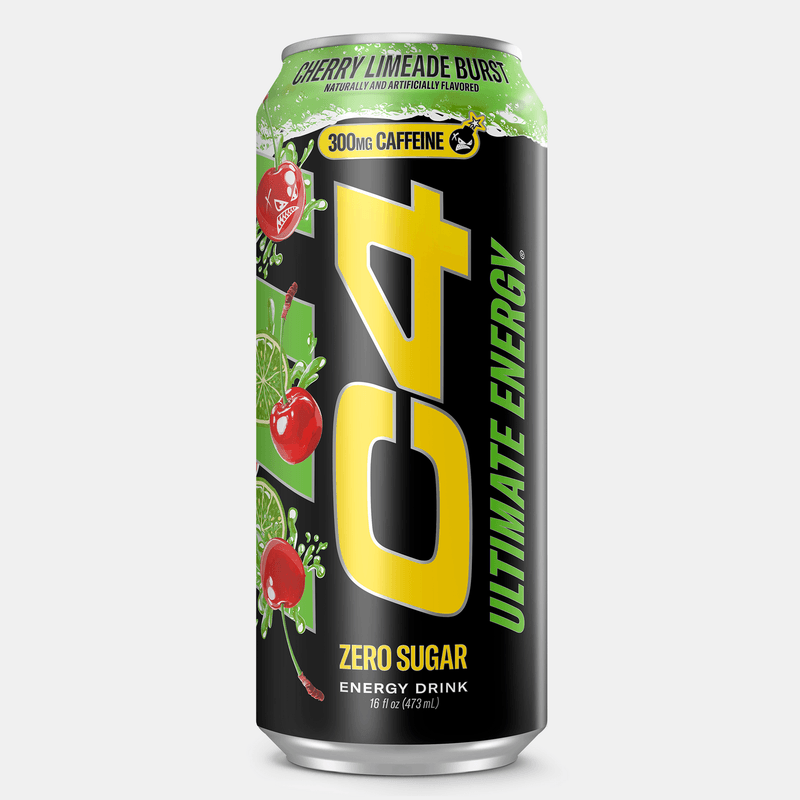
Bold cans promise wings, power, and endless focus. The reality is a bit less exciting.
Many energy drinks mix large amounts of caffeine with lots of sugar. They can cause a racing heart, trouble sleeping, and jittery feelings.
Doctors have even seen heart problems in young people who drink too many.
Need a boost? A glass of cold water, a quick walk outside, or a good night of sleep works better.
12. Frozen Pizza
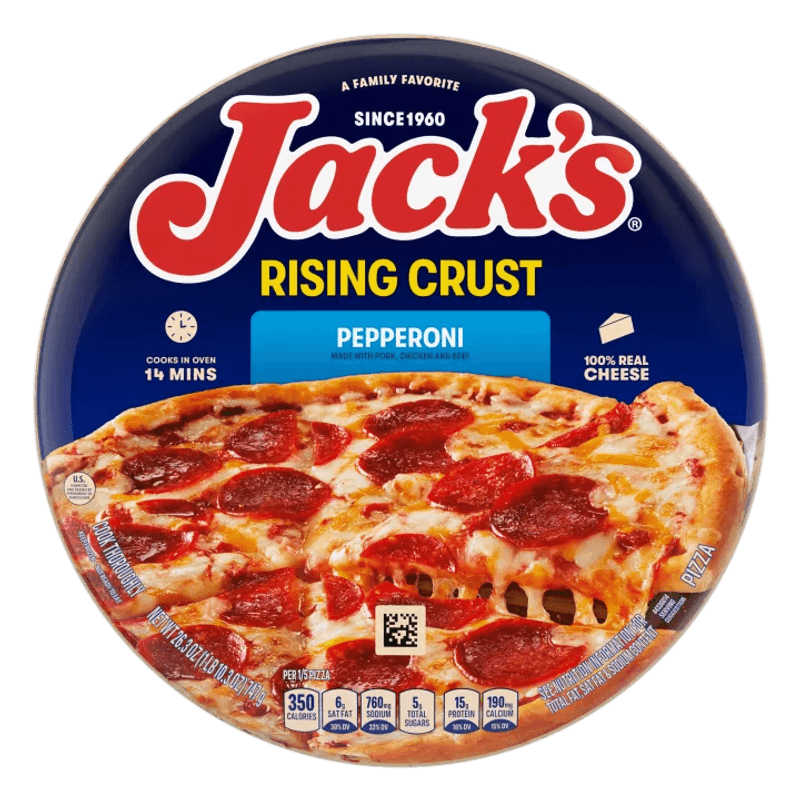
Friday nights and frozen pizza go together like popcorn and movies. It is easy, cheesy, and everyone likes it.
Many store brands, though, are loaded with salt, processed pepperoni, and refined crust. Just two slices can supply half your daily sodium.
Homemade pizza night can be a fun family activity. Use whole wheat dough, light cheese, and pile on peppers, mushrooms, and spinach.
Kids love building their own creations too.
13. Margarine and Fake Butter Spreads
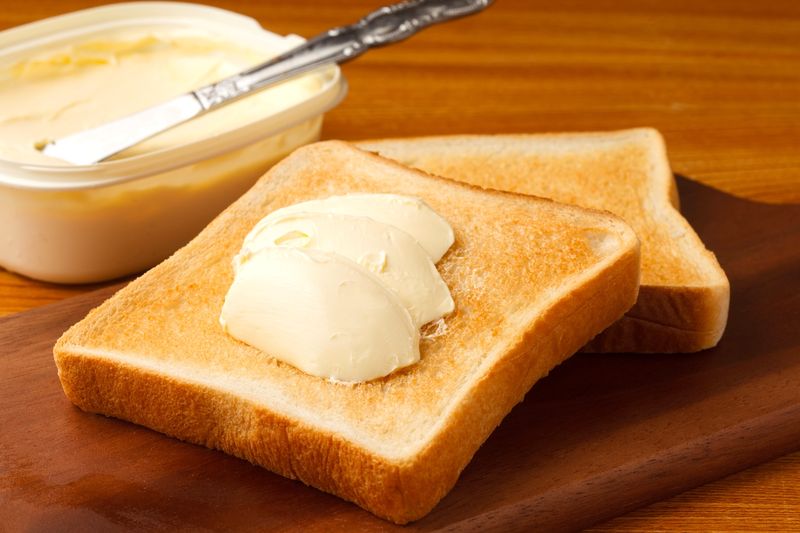
Back in the 1980s, margarine was sold as the heart-smart choice. Science later flipped that story upside down.
Older stick margarines contained trans fats, which raise bad cholesterol and lower the good kind. Some spreads today still have partially hydrogenated oils hiding on the label.
Read ingredient lists carefully. Olive oil, avocado, or a small amount of real butter are usually smarter picks for your toast and cooking.
14. Salty Chips
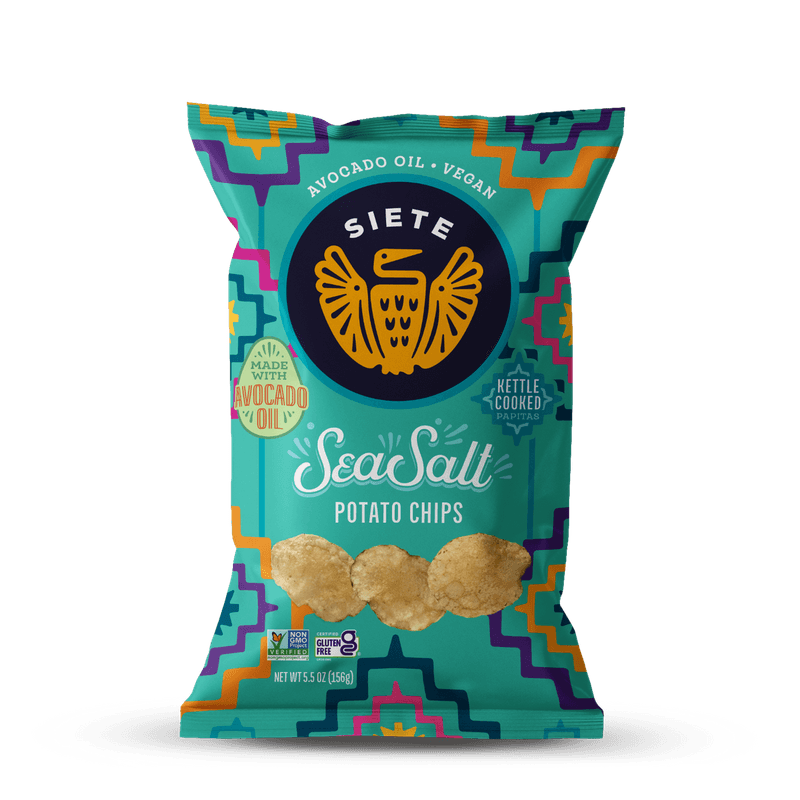
Ever opened a bag of chips and suddenly found it empty? That is no accident.
Snack makers design chips to hit a perfect crunchy, salty sweet spot.
Eating them often means extra salt, oil, and calories without much nutrition. Mindless munching is the real trap.
Pour a small serving into a bowl instead of eating from the bag. Air-popped popcorn or roasted chickpeas make crunchy, satisfying swaps.
15. Sweetened Coffee Drinks

That caramel frappe with whipped cream looks like coffee, but nutritionally it behaves more like a milkshake. Some large versions top 70 grams of sugar.
Daily fancy coffee drinks can quietly add hundreds of calories each week. Over months, that adds up to extra pounds and higher blood sugar.
Order a smaller size, ask for fewer syrup pumps, or try plain coffee with milk and cinnamon. Your wallet will thank you too.
16. Bacon
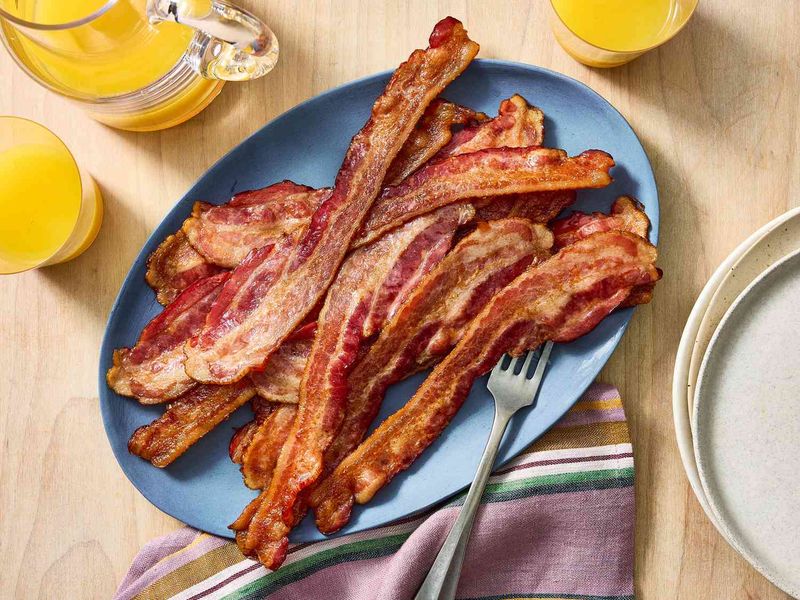
The smell of bacon sizzling on a Sunday morning can wake up the whole house. No wonder people love it so much.
Still, bacon is cured, salty, and high in saturated fat. The World Health Organization lists processed meats like bacon as a cause of colon cancer when eaten often.
Enjoy a strip or two on special occasions. For everyday breakfasts, eggs, beans, or smoked salmon bring savory flavor with fewer worries.
17. Store-Bought Cookies
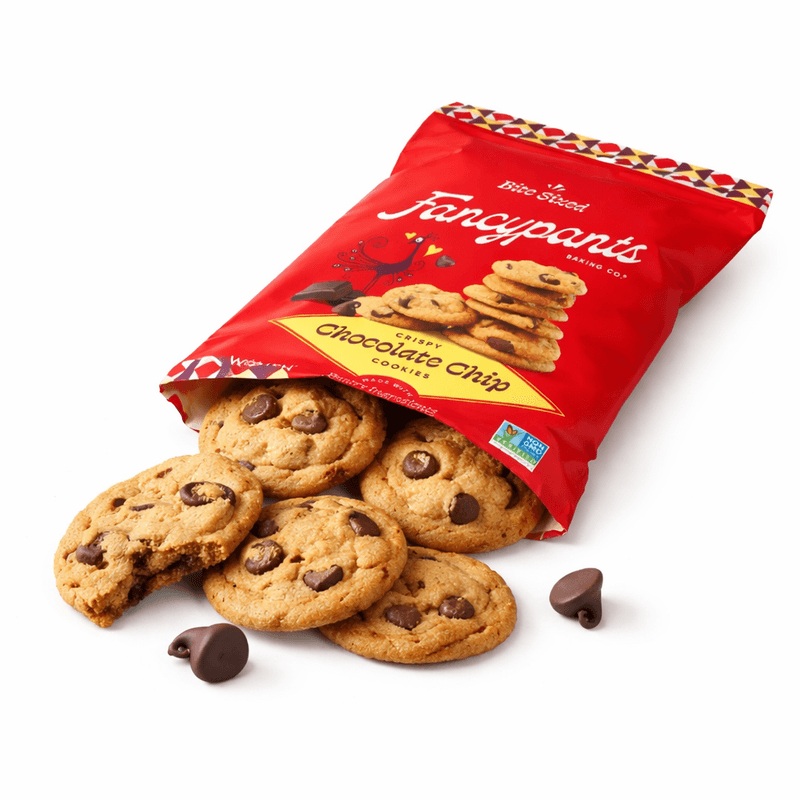
Grandma’s homemade cookies come with love. Packaged ones from the store often come with a long list of ingredients you cannot pronounce.
Many contain refined sugar, palm oil, and preservatives to keep them shelf-stable for months. Eating a sleeve at once is easier than you think.
Bake a small batch at home using oats and less sugar. You can freeze extra dough balls and bake just a couple when the craving hits.
18. Fruit Juice With Added Sugar
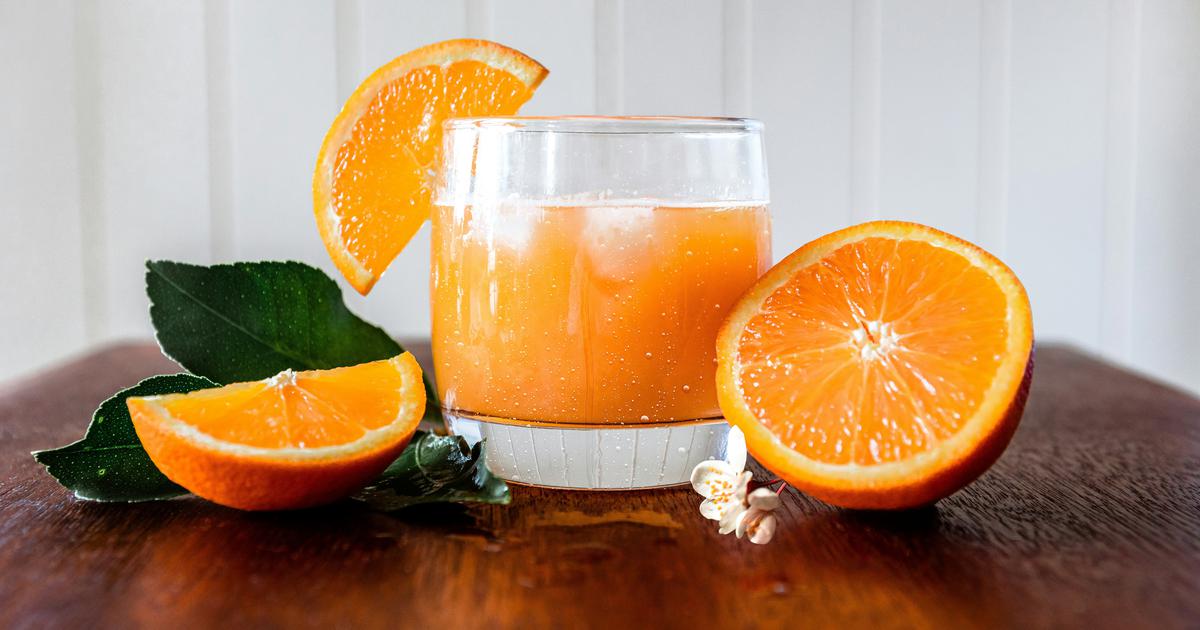
Fruit on the label does not always mean fruit in the bottle. Many juice drinks are mostly water, sugar, and a splash of real juice.
Even 100 percent juice lacks the fiber found in whole fruit, so sugar hits your bloodstream quickly. Kids who sip juice all day may face more cavities.
Eat the orange instead of drinking it. If you love juice, water it down by half and enjoy small glasses.
19. Alcohol

For years, people believed a daily glass of red wine was good for the heart. Newer research paints a more careful picture.
Alcohol is linked to liver disease, several cancers, poor sleep, and high blood pressure. Scientists now say no amount is totally risk-free.
If you are an adult who drinks, keep it light and occasional. Mocktails with sparkling water, fresh mint, and fruit can feel just as festive at parties.