
Eating well does not have to mean fancy meals or strange ingredients from far away stores. Many of the best foods for your body are already sitting in your kitchen or at your local grocery store.
Small swaps and simple additions can give you more energy, stronger muscles, and a happier tummy. Here are some familiar foods that pack a big punch for your health.
1. Oats for a Steady Morning
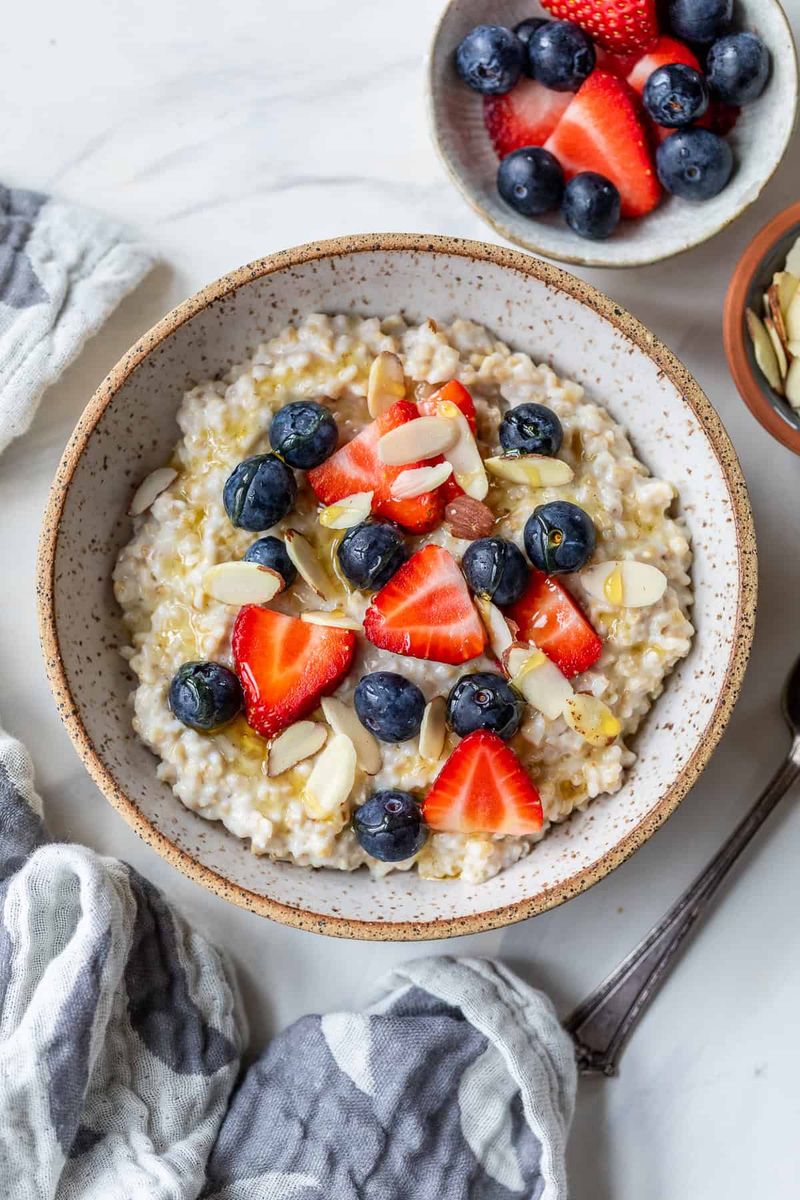
Picture a cold school morning and a warm bowl waiting for you. Oats are full of fiber, which helps you feel full until lunch instead of grabbing snacks at ten o’clock.
They also help keep your heart healthy by lowering bad cholesterol. Plain rolled oats are cheap and easy to cook.
Try topping them with fruit, cinnamon, or a spoon of peanut butter instead of piling on sugar.
2. Eggs, the Little Protein Packages
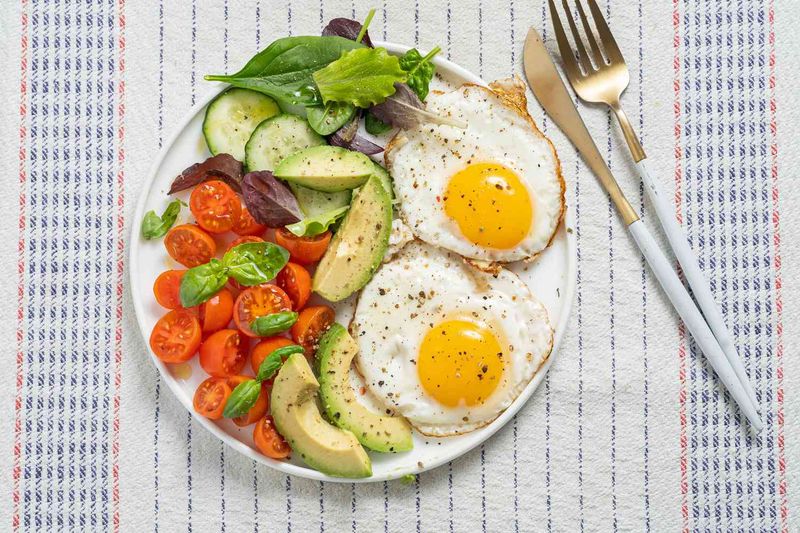
Did you know one egg has about six grams of protein? That makes it a tiny powerhouse for building and repairing muscles.
Eggs also carry vitamin D and choline, which help your bones and brain. You can boil, scramble, poach, or fry them in minutes.
Hard-boiled eggs make a smart grab-and-go snack. Keep a few in the fridge for busy days when hunger strikes fast.
3. Bananas on the Go
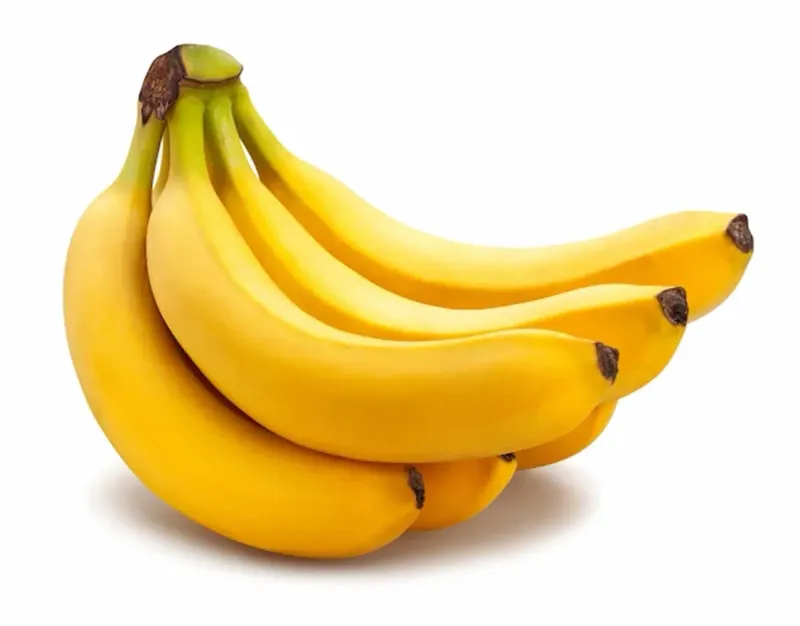
Nature wrapped this snack in its own peel, so no packaging needed. Bananas are loaded with potassium, a mineral that helps your muscles work and your heart beat steadily.
Athletes often eat them before games for quick, natural energy.
Fun fact: bananas are technically berries, while strawberries are not! Slice them into cereal, blend them into smoothies, or freeze them for a creamy treat that tastes almost like ice cream.
4. Spinach Power
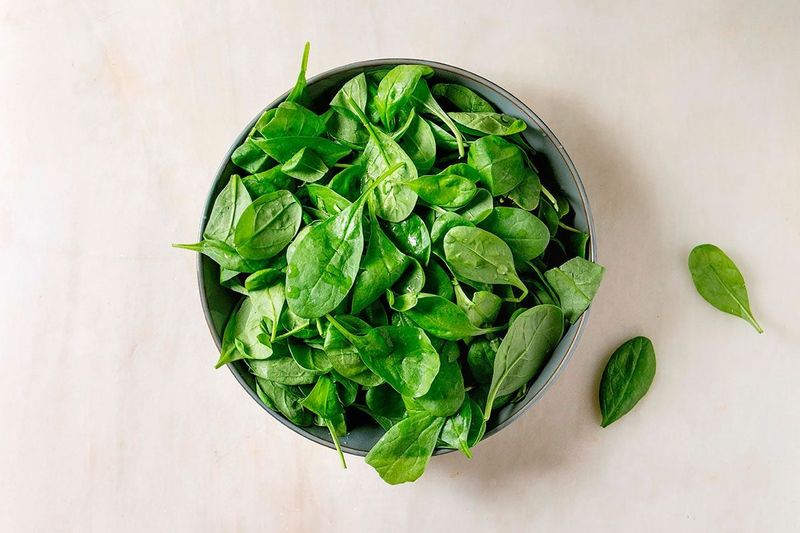
Popeye was onto something. Spinach is packed with iron, vitamin K, and folate, which help your blood, bones, and growing cells stay strong.
The best part is that it barely tastes like anything when hidden in other foods. Toss a handful into pasta sauce, scrambled eggs, or a fruit smoothie.
Fresh spinach shrinks a lot when cooked, so a big pile becomes just a few bites. Frozen spinach works great too.
5. Greek Yogurt for Gut Health
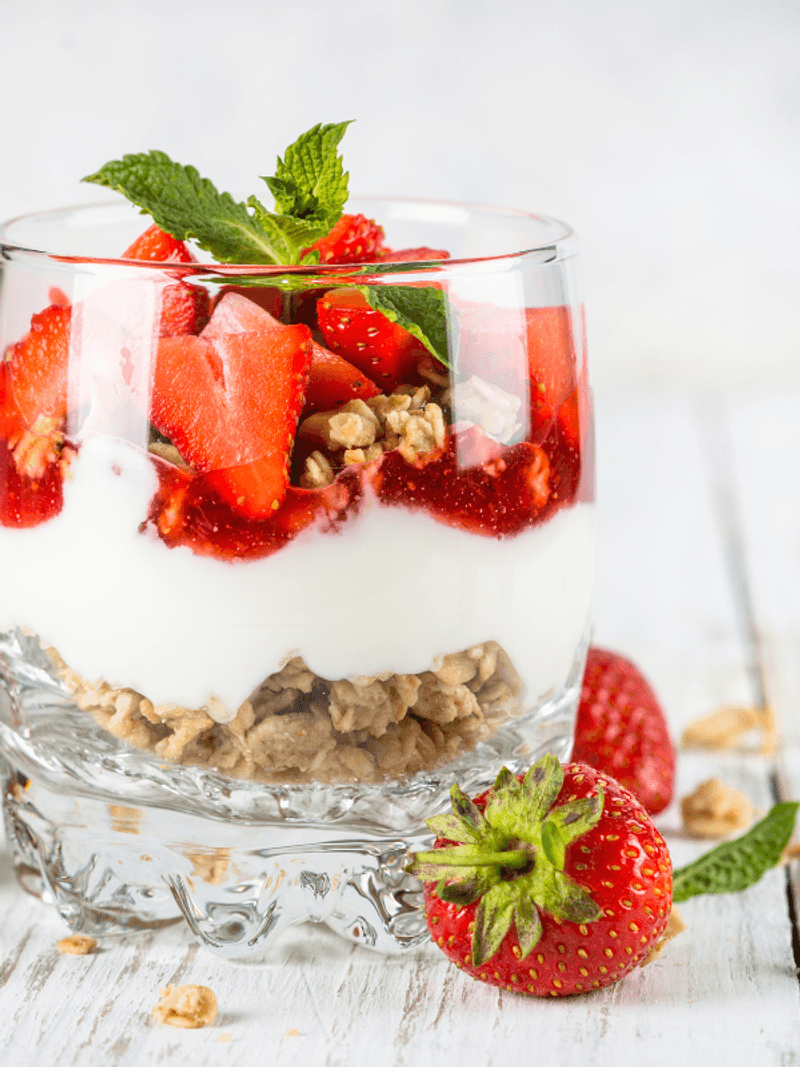
Your belly is home to trillions of tiny helpful bacteria. Greek yogurt feeds them with live cultures called probiotics, which support digestion and a healthy immune system.
It also has about twice the protein of regular yogurt, plus calcium for strong bones.
Pick plain versions, since flavored ones can hide lots of sugar. Then add your own sweetness with berries, a little honey, or crunchy granola on top.
6. Crunchy Carrots
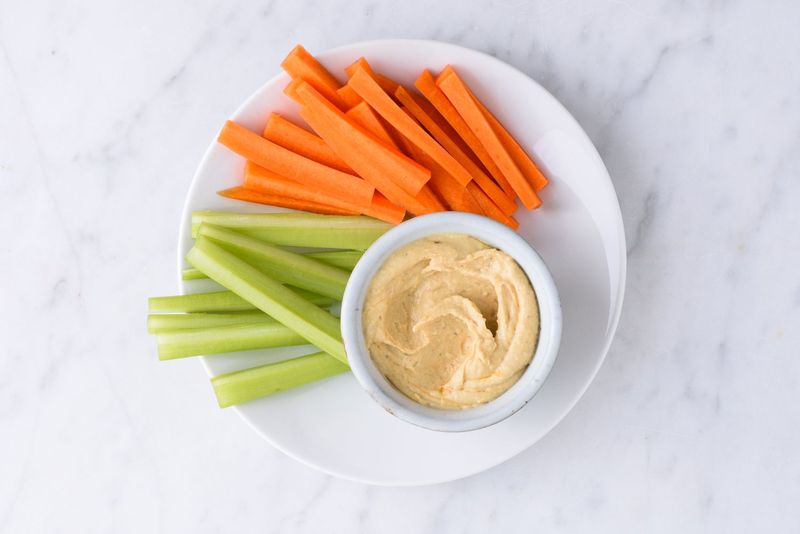
Remember being told carrots help you see in the dark? It’s partly true.
Carrots are rich in beta-carotene, which your body turns into vitamin A for healthy eyes and skin.
Baby carrots are an easy lunchbox snack that needs zero prep.
Dip them in hummus or ranch for extra fun. Roasting carrots with a little olive oil brings out a sweet, caramel flavor that even picky eaters often love.
7. Beans, the Budget Superstar
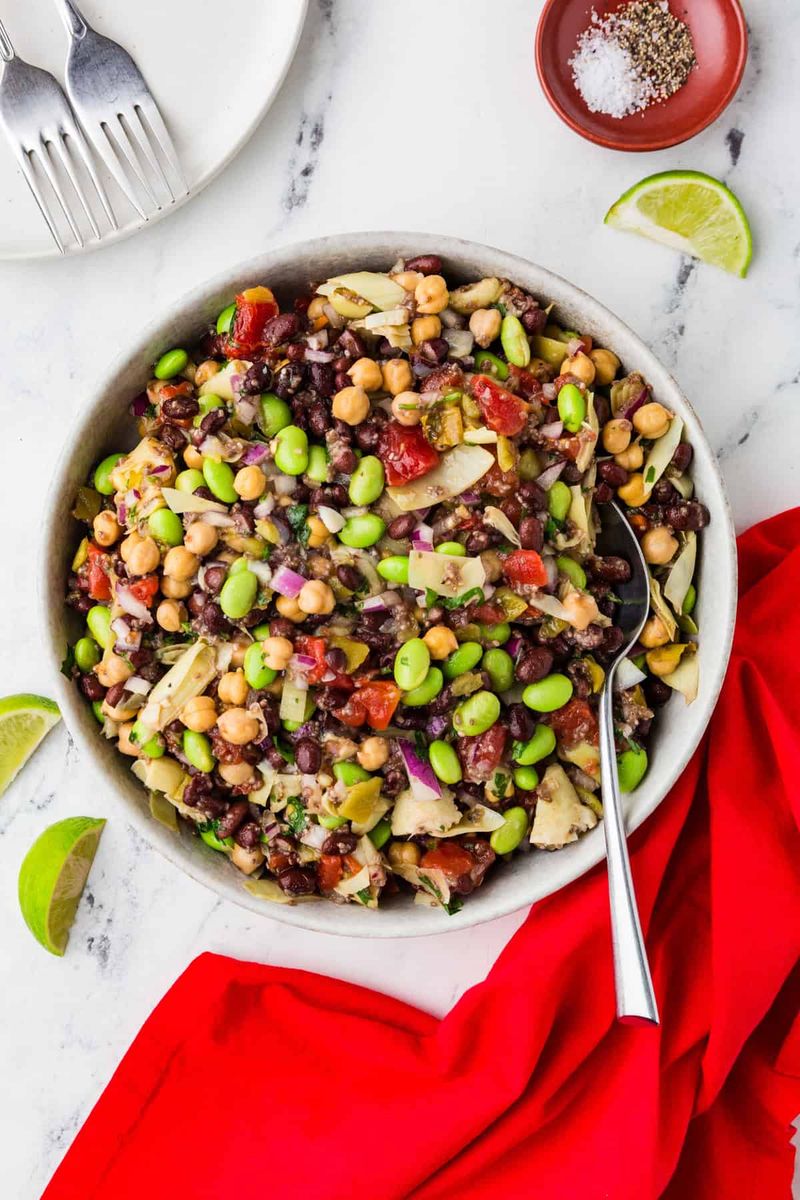
Few foods give you so much for so little money. A can of beans costs about a dollar and delivers protein, fiber, iron, and slow-burning energy.
Black beans, pinto beans, kidney beans, and chickpeas all count.
Rinse canned beans to remove extra salt. Then add them to tacos, soups, salads, or rice bowls.
Eating beans a few times a week can help with digestion and keep your heart in good shape.
8. Apples in Every Season
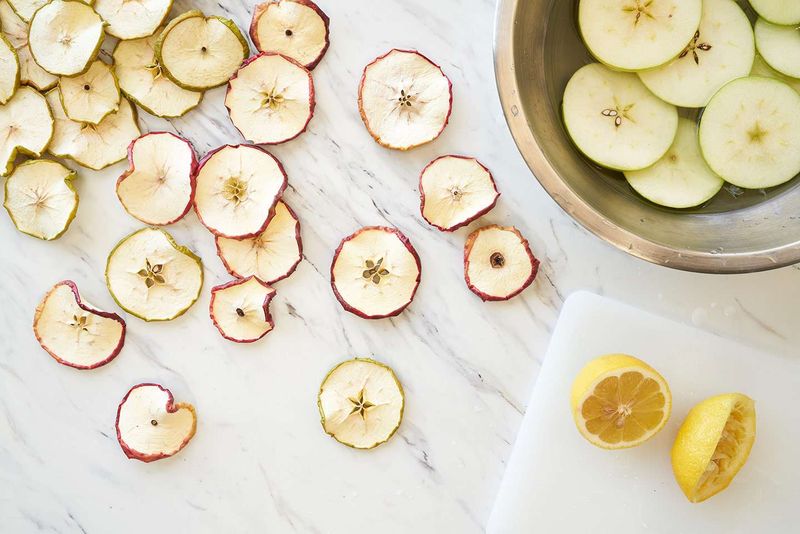
An apple a day might not keep every doctor away, but it sure helps. Apples are full of fiber and water, so they fill you up and keep you hydrated.
Much of the good stuff lives in the skin, so skip the peeler.
There are over 7,500 apple varieties grown around the world. Try tart Granny Smith, sweet Honeycrisp, or juicy Fuji with peanut butter for a tasty, balanced snack.
9. Brown Rice Over White
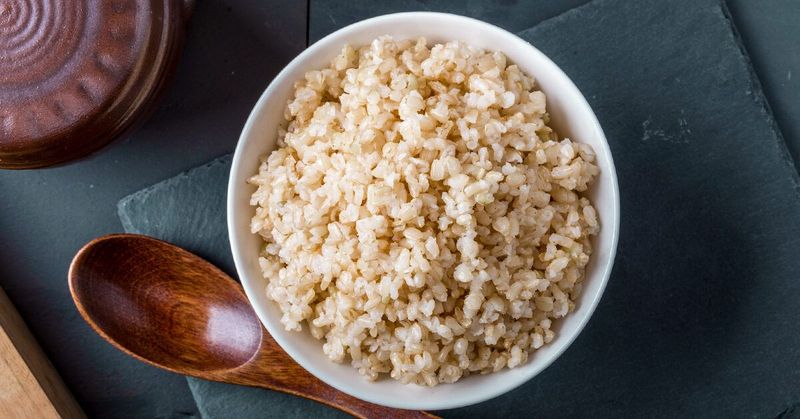
Swapping one grain for another is an easy win. Brown rice keeps its outer bran layer, which holds fiber, magnesium, and B vitamins that white rice loses during processing.
Those nutrients give you longer-lasting energy without a quick sugar crash.
It takes a bit longer to cook, so make a big batch on Sunday. Store it in the fridge and use it all week for stir-fries, burritos, and bowls.
10. Salmon, the Brain Booster
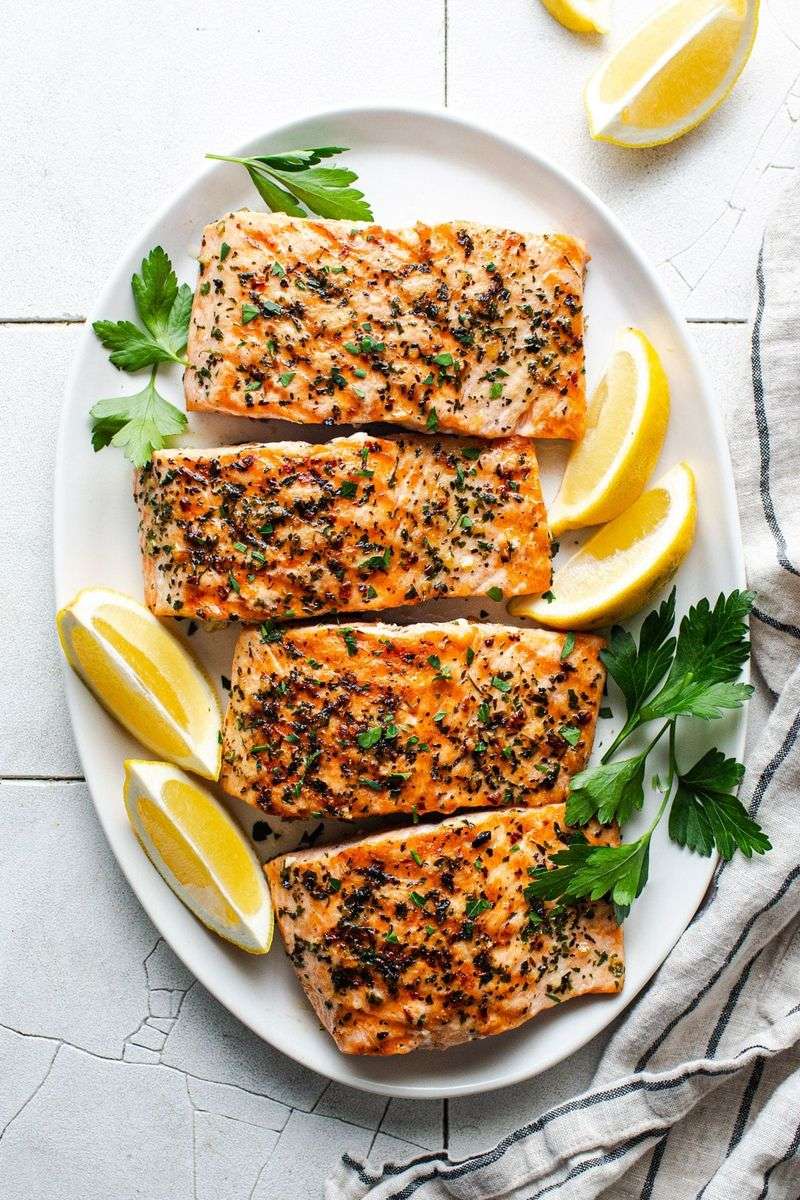
Ever heard of omega-3 fats? Salmon is one of the best sources around, and these healthy fats help your brain focus and your heart stay strong.
Experts suggest eating fish about twice a week.
Fresh salmon can be pricey, but canned salmon is cheaper and just as nutritious. Mix it into patties or pasta.
Baking a fillet with lemon and garlic takes only fifteen minutes from oven to table.
11. Sweet Potatoes, Naturally Sweet

Here’s a vegetable that tastes like dessert. Sweet potatoes are bright orange because they’re bursting with vitamin A, plus fiber, potassium, and vitamin C.
They give your body steady fuel for school, sports, and play.
Bake one whole in the microwave in about eight minutes for a quick side. Or slice them into wedges, drizzle with oil, and roast for homemade fries that beat the fast food kind.
12. A Handful of Almonds
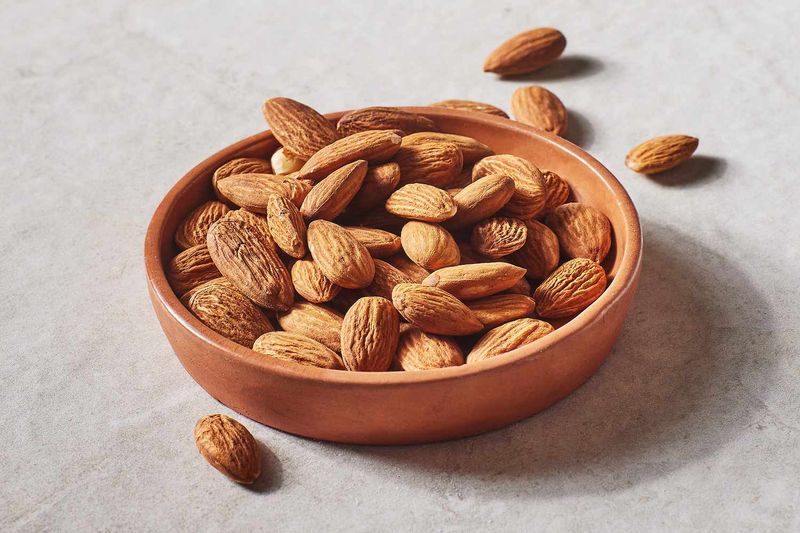
When the afternoon slump hits, reach for nuts instead of chips. Almonds provide healthy fats, protein, vitamin E, and magnesium in one crunchy bite.
A small handful, about 23 almonds, is a good serving size.
They’re easy to toss in a backpack or lunchbox. Sprinkle sliced almonds on yogurt or oatmeal for extra texture.
Just check for nut allergies before sharing them with friends at school.
13. Broccoli Trees
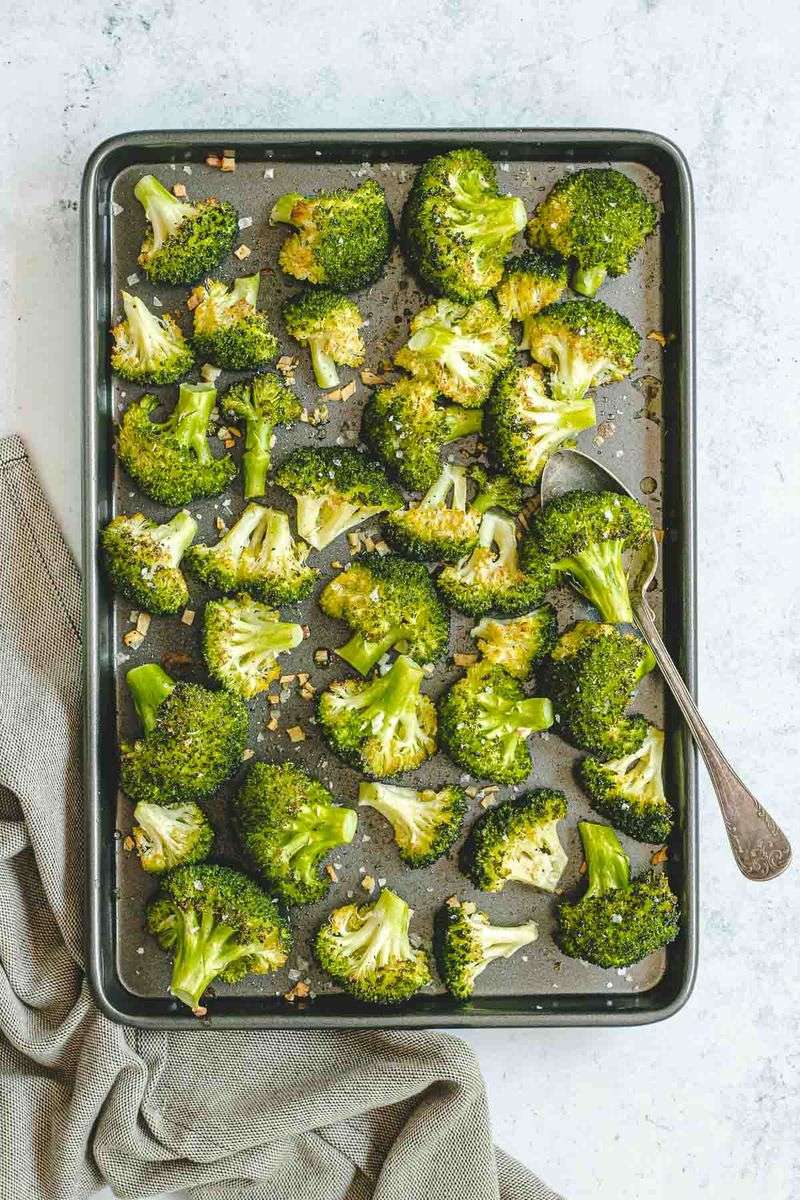
Kids sometimes call them little trees, and they really are a forest of nutrients. Broccoli has more vitamin C per cup than an orange, plus fiber and calcium.
Overcooking makes it mushy and dull, which is why some people dislike it.
Try roasting it until the edges get crispy and slightly brown. A squeeze of lemon or a sprinkle of parmesan cheese can turn broccoli into a side everyone fights over.
14. Milk and Strong Bones
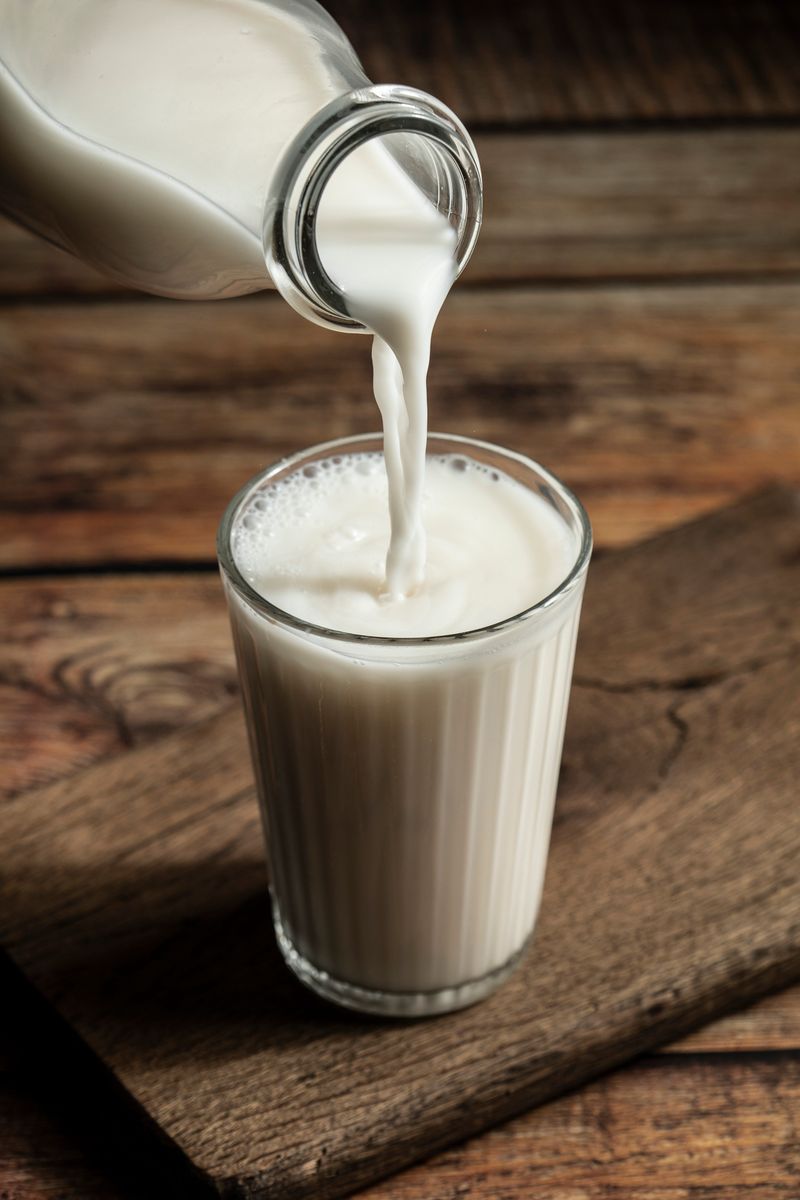
Your bones grow the most during your preteen and teen years. Milk provides calcium and vitamin D, the dream team for building a strong skeleton that lasts a lifetime.
One cup also has eight grams of protein.
If dairy bothers your stomach, lactose-free milk or fortified soy milk work well too. Pour it on cereal, blend it into smoothies, or enjoy a warm mug before bed for a cozy treat.
15. Berries Bursting with Color
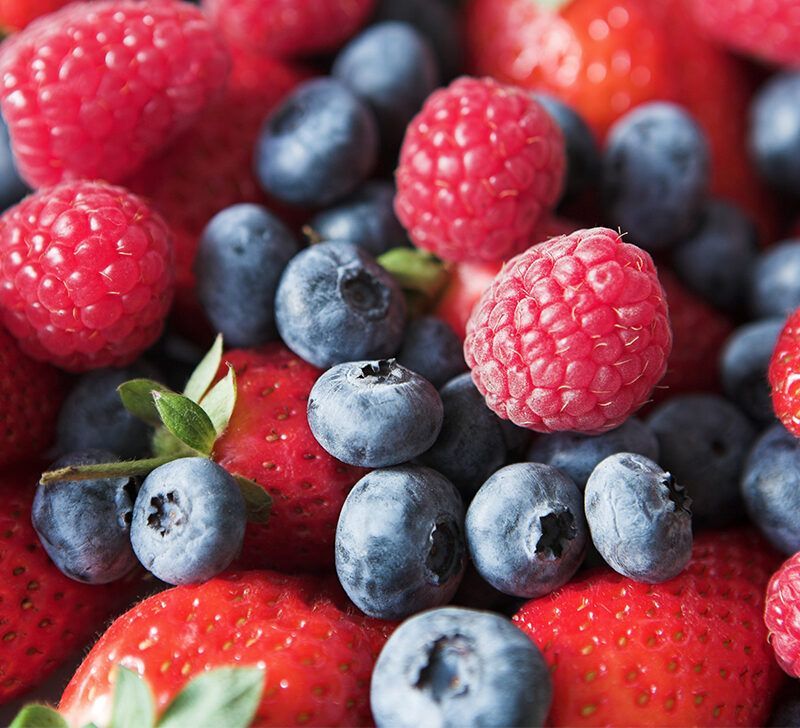
Those deep reds and blues aren’t just pretty. Berries get their colors from antioxidants, natural compounds that help protect your cells from damage.
Blueberries have even been linked to better memory in studies.
Fresh berries can be expensive in winter, so buy frozen bags instead. They’re picked at peak ripeness and cost less.
Toss them into pancakes, yogurt, or smoothies for a sweet pop of flavor.
16. Whole Wheat Bread Swap
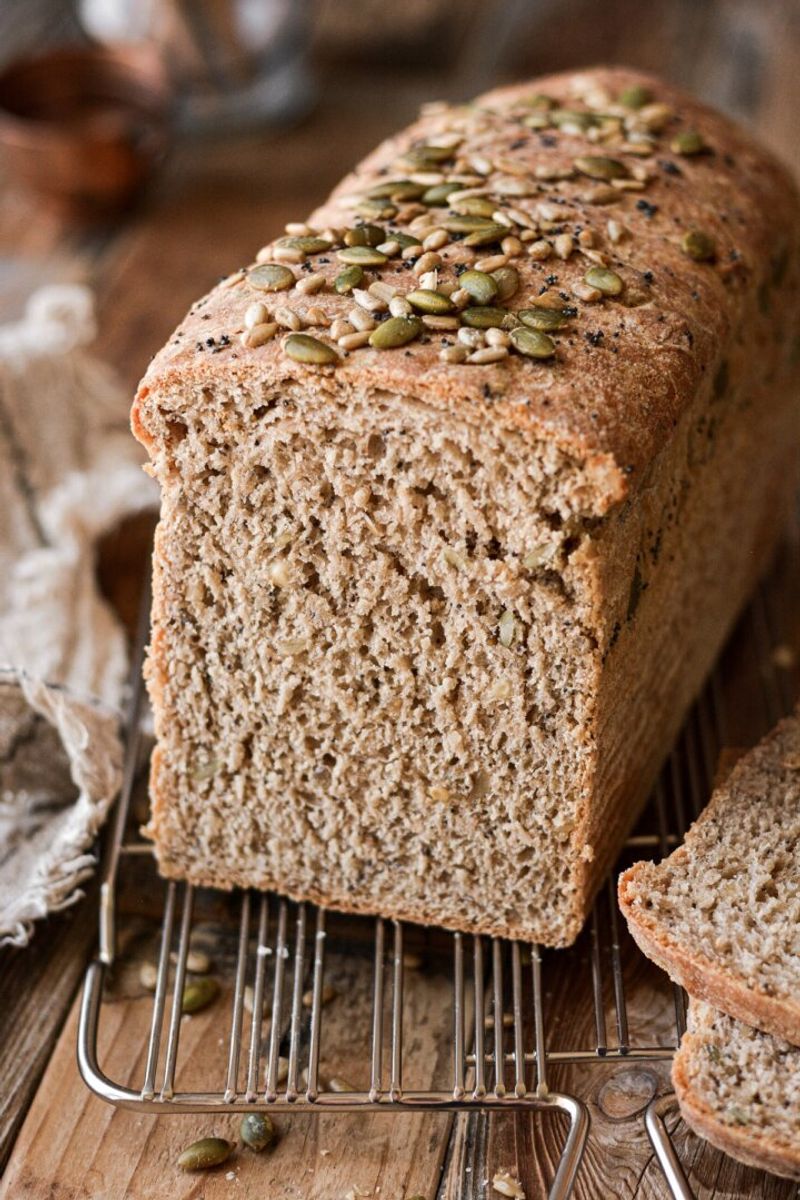
Sandwiches are a lunchtime classic, so why not make them better? Whole wheat bread contains the entire grain, giving you more fiber, iron, and B vitamins than white bread.
Read the label carefully. The first ingredient should say whole wheat, not just wheat flour.
Brown color alone doesn’t mean it’s healthy. Once you find a brand you like, you’ll barely notice the switch, but your body will.
17. Avocado, the Creamy Favorite
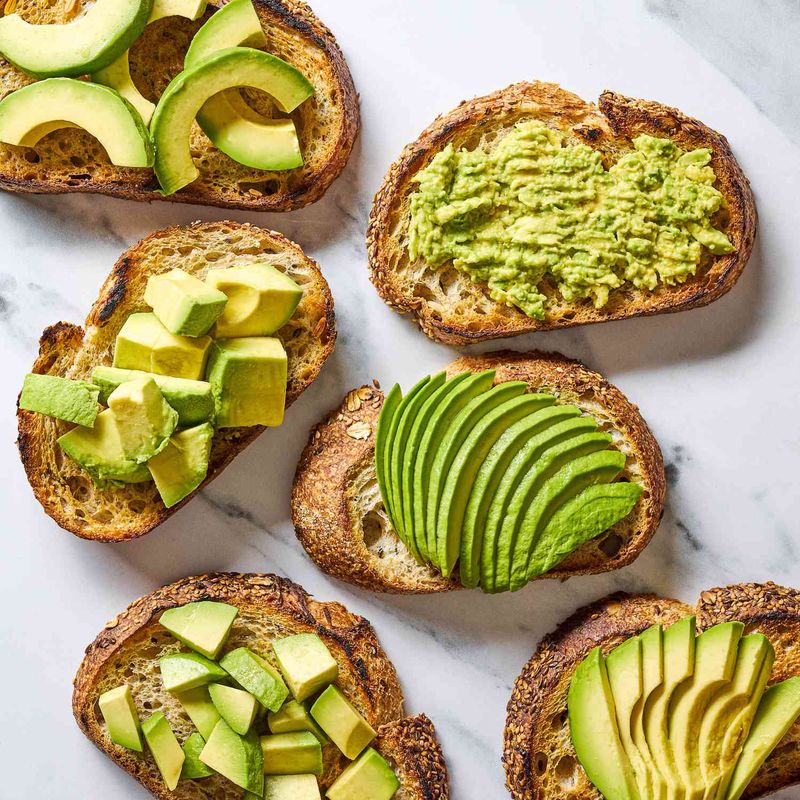
Smooth, buttery, and oddly satisfying, avocados have become a breakfast star. They contain healthy fats that help your body absorb vitamins from other foods.
You’ll also get fiber, potassium, and folate in every slice.
Mash one onto toast, slice it into salads, or make guacamole for game night. To ripen a hard avocado faster, place it in a paper bag with a banana for a day or two.
18. Chicken Breast for Lean Protein

Grilled, baked, or shredded, chicken fits into almost any meal. Skinless chicken breast is a lean protein, meaning it gives your muscles plenty of building material without much fat.
A palm-sized portion is a great serving.
Season it with herbs and spices instead of heavy sauces. Leftover chicken makes easy wraps, salads, and soups the next day, saving time and money for busy families during the school week.
19. Tomatoes Everywhere
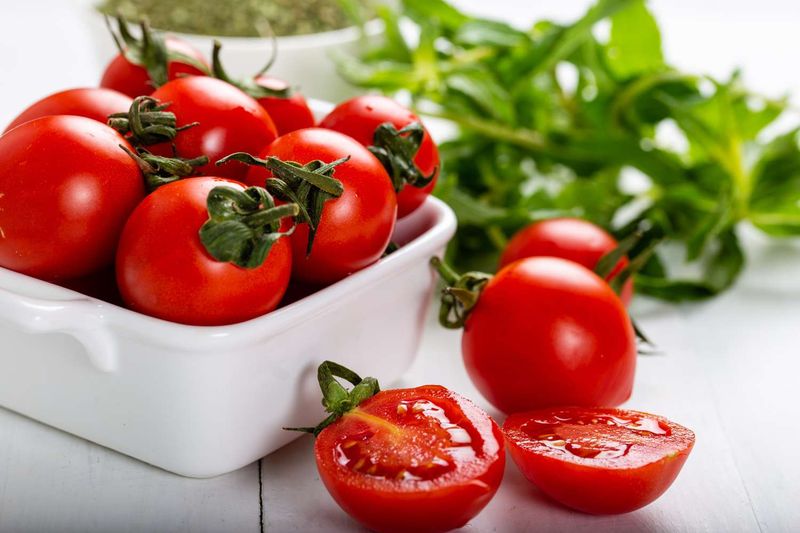
Pizza sauce, salsa, and ketchup all start with the same humble fruit. Yes, tomatoes are technically fruits!
They’re full of vitamin C and lycopene, an antioxidant linked to heart health.
Here’s a neat twist. Cooked tomatoes actually give you more lycopene than raw ones.
So that homemade pasta sauce is doing your body a favor. Cherry tomatoes also make a juicy snack straight from the container.
20. Peanut Butter Comfort
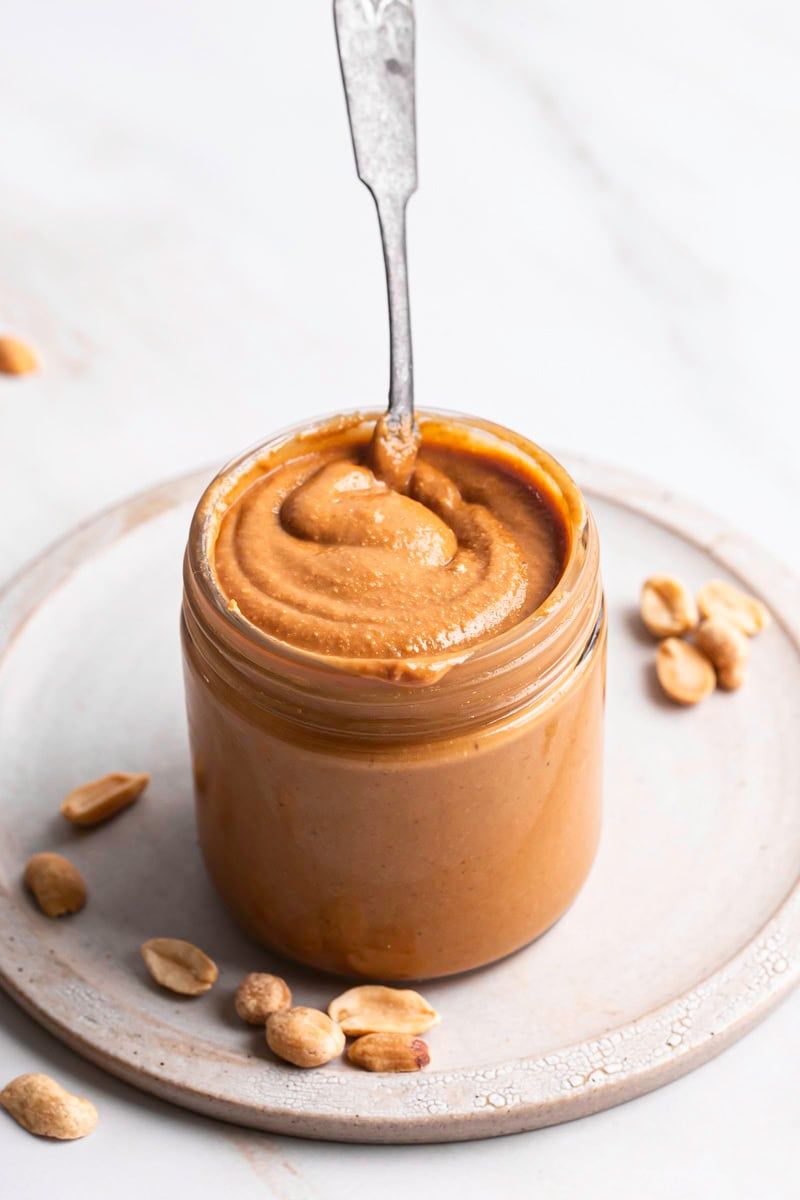
Few things bring back childhood memories like a peanut butter sandwich. Good news: this classic spread offers protein and heart-healthy fats that keep hunger away for hours.
Choose natural brands with just peanuts and salt listed. Skip ones with added sugar and oils.
Stir the jar well since the oil separates. Spread it on apple slices, celery, or whole wheat toast for a filling, kid-approved snack.
21. Oranges and Vitamin C
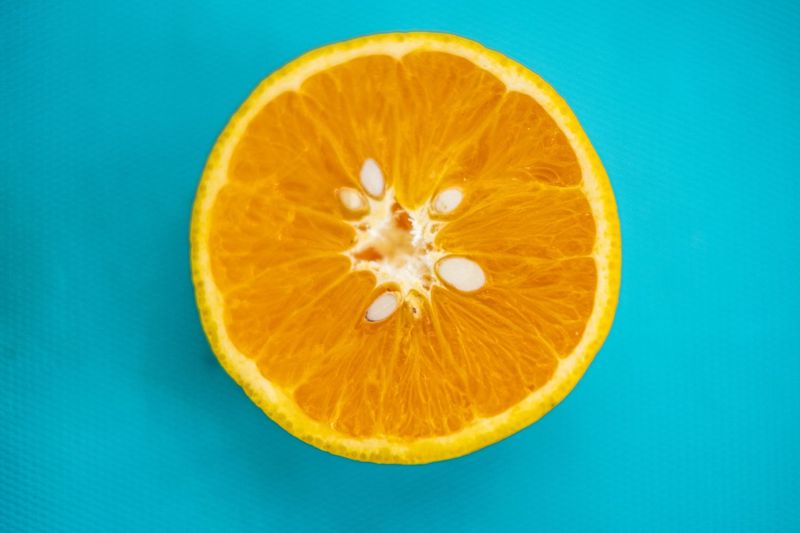
Feeling a cold coming on? Oranges are famous for vitamin C, which supports your immune system and helps heal cuts and scrapes.
One medium orange gives you almost all the vitamin C you need for the day.
Eating the whole fruit beats drinking juice because you get fiber and less sugar. Sailors long ago ate citrus to prevent scurvy, a sickness caused by missing this important vitamin.
22. Lentils in the Soup Pot
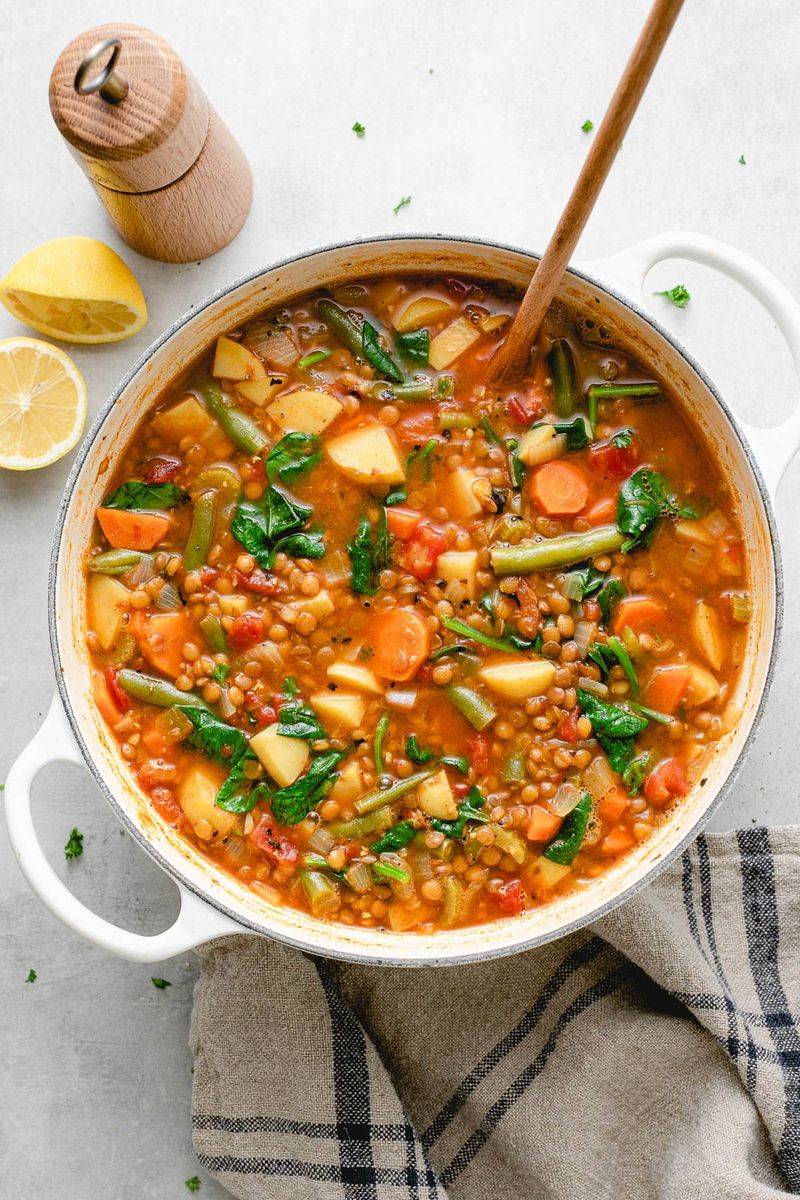
Grandma’s soup pot knew a secret. Lentils cook in about twenty minutes without soaking, making them one of the fastest legumes around.
They’re loaded with protein, fiber, and iron, which is perfect for anyone eating less meat.
Try red lentils in soups since they turn soft and creamy. Green or brown lentils hold their shape well in salads.
A big pot can feed a family for several days.
23. Water, the Forgotten Essential
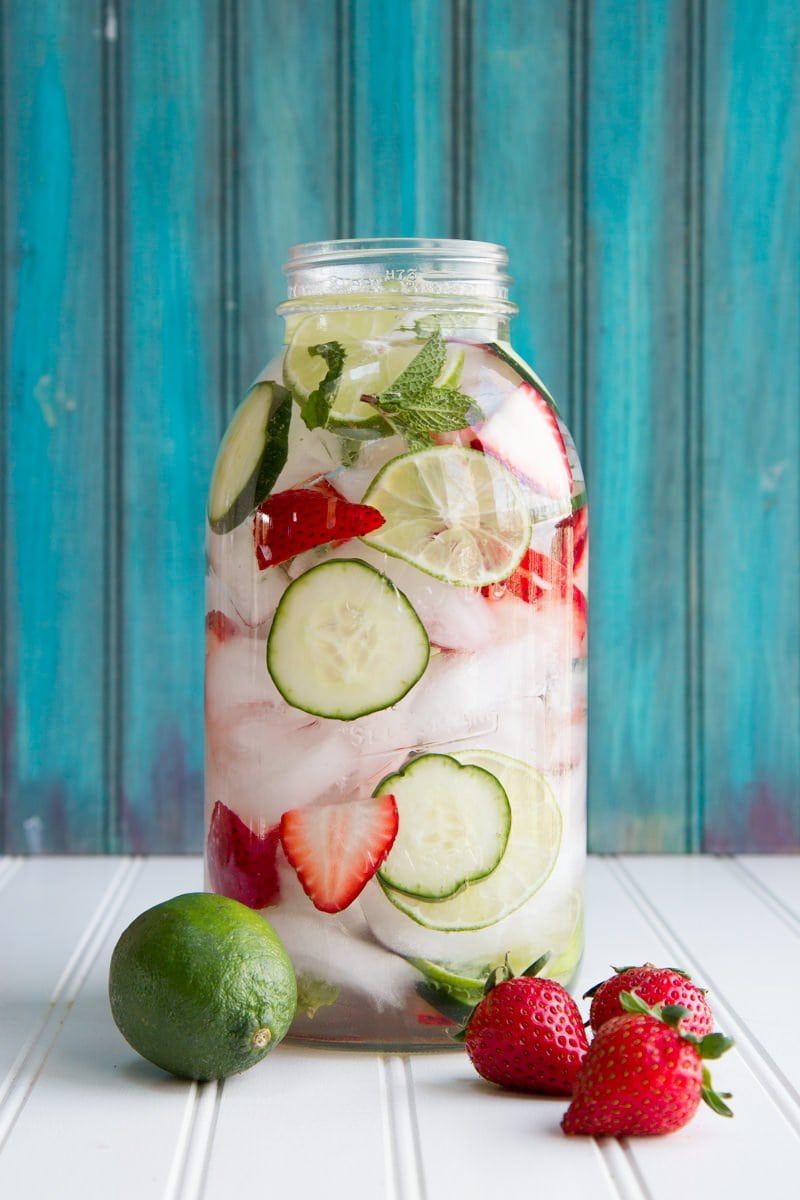
It isn’t technically a food, but nothing on this list works without it. About sixty percent of your body is water, and staying hydrated helps you think clearly and play hard.
Sometimes feeling hungry actually means you’re thirsty.
Carry a reusable bottle and sip throughout the day. If plain water seems boring, add slices of lemon, cucumber, or strawberries for a refreshing flavor without any added sugar.