
Every Thanksgiving table tells a story, even if most of us are too busy eating to notice. The turkey, the pie, and even that wobbly can of cranberry sauce all came from somewhere surprising.
Some dishes started with Native American cooks, while others were invented by clever companies or hungry pilgrims. Once you learn where your favorite foods came from, your holiday meal might taste even better.
1. Roast Turkey
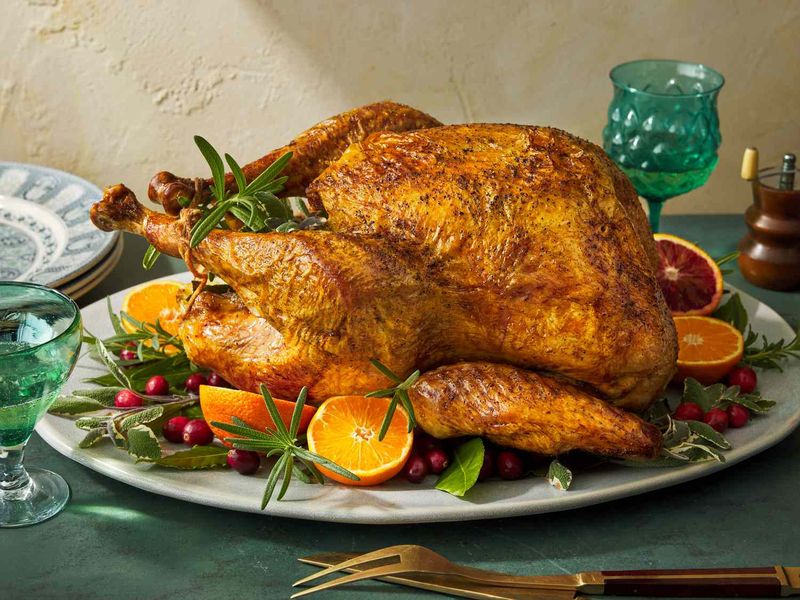
Benjamin Franklin once joked that the turkey was a more respectable bird than the bald eagle. He thought it was brave, if a little silly.
Funny enough, turkey may not have been the star of the first 1621 feast. Records mention wildfowl, which could mean ducks or geese.
Turkey became the classic choice later because one bird could feed a big family, and farmers did not need it for eggs or milk.
2. Cranberry Sauce
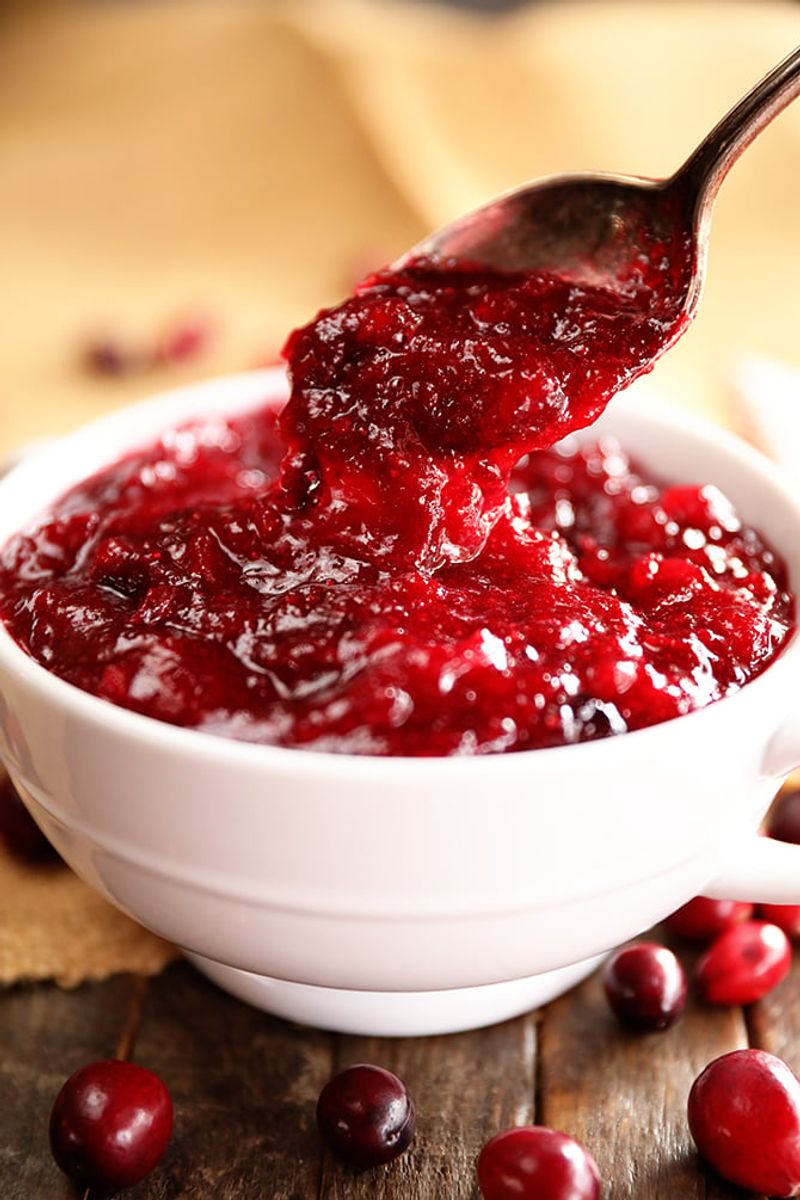
Picture a can-shaped jelly log with ridges still showing. That famous wiggle has a history going back to 1912, when Ocean Spray founders started canning cranberry sauce.
Long before that, Native Americans used cranberries for food, dye, and medicine. They called the berries sassamanash.
Sailors even carried cranberries on long trips to help prevent scurvy. So whether you like it chunky or jiggly, you are eating a berry with real adventure behind it.
3. Pumpkin Pie
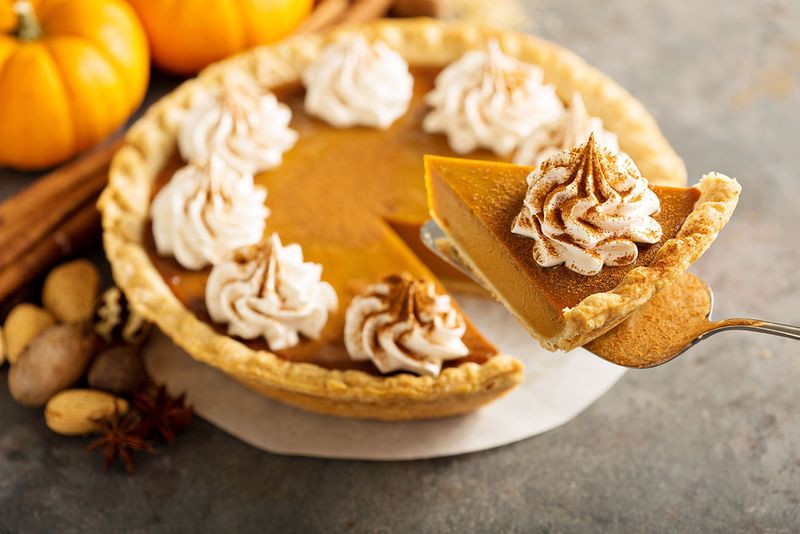
Early colonists had no ovens or butter crusts like ours. Instead, they sometimes hollowed out a pumpkin, filled it with milk, honey, and spices, then baked it in hot ashes.
The pie version showed up in cookbooks in the 1600s. Sarah Josepha Hale, the writer who pushed for Thanksgiving as a national holiday, loved featuring it.
Try adding a pinch of ginger to your filling. It gives a spicy nod to those old recipes.
4. Green Bean Casserole
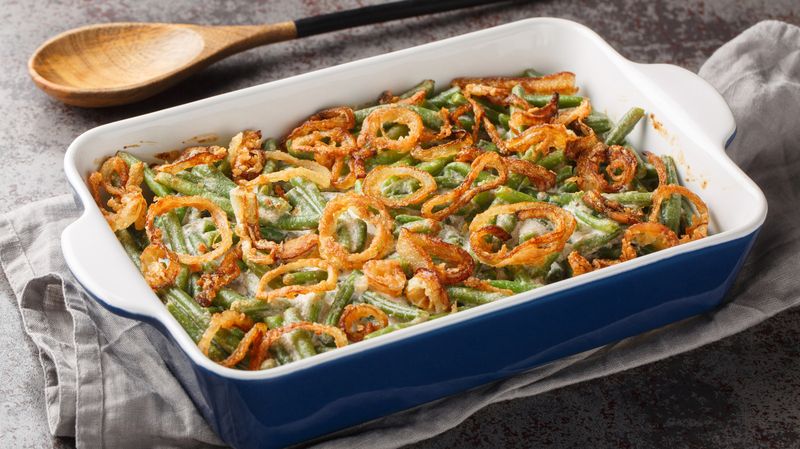
In 1955, a Campbell’s Soup kitchen worker named Dorcas Reilly needed a quick recipe using things people already had at home. She mixed green beans, mushroom soup, and crunchy fried onions.
The result became a holiday legend. Her original handwritten recipe card is now kept in the National Inventors Hall of Fame.
Want a fresh twist? Swap canned beans for fresh ones and add a little garlic.
Dorcas would probably approve.
5. Stuffing
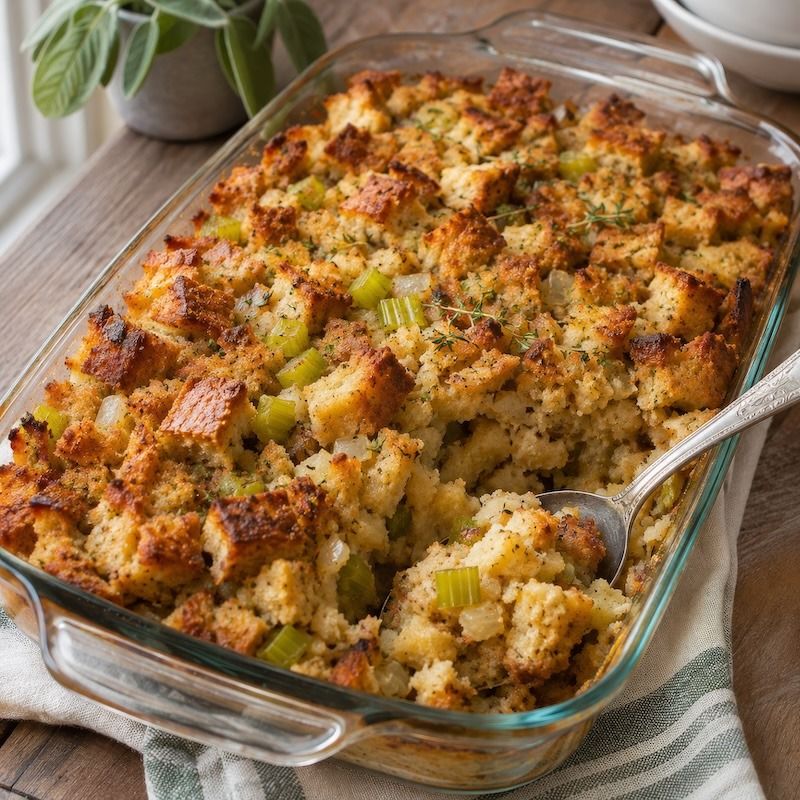
Ancient Romans were stuffing birds almost two thousand years ago. A Roman cookbook called Apicius describes filling chickens and even dormice with herbs, nuts, and grains.
By the Victorian era, some people thought the word stuffing sounded rude. They started calling it dressing instead, which is why both names still exist today.
Many families cook it outside the turkey now. That way it gets crispy edges and cooks more safely.
6. Mashed Potatoes
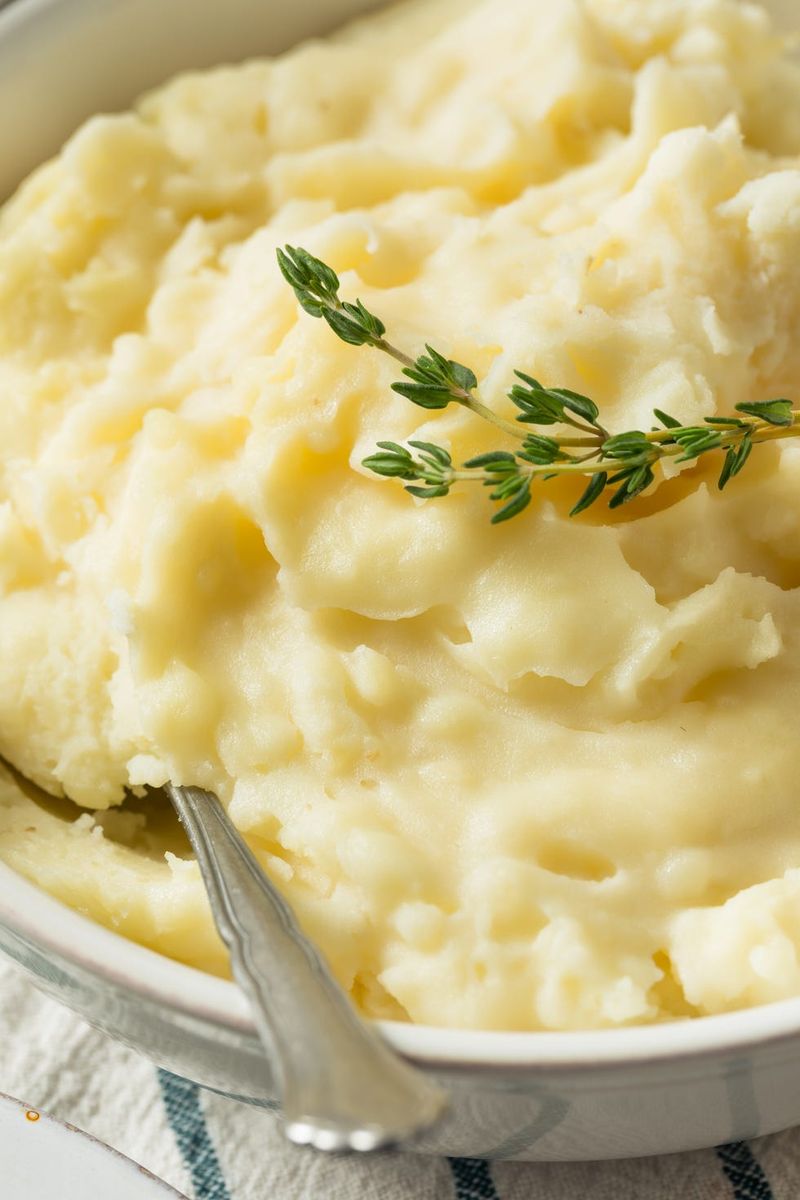
Here is a surprise: the Pilgrims almost certainly ate no potatoes at the first feast. White potatoes had not become common in New England yet.
Potatoes actually started in South America, traveled to Europe, then came back across the ocean. For a while, some Europeans thought they caused sickness.
A French scientist named Antoine Parmentier helped change minds in the 1700s. Today, a fluffy bowl with butter is practically required.
7. Sweet Potato Casserole With Marshmallows
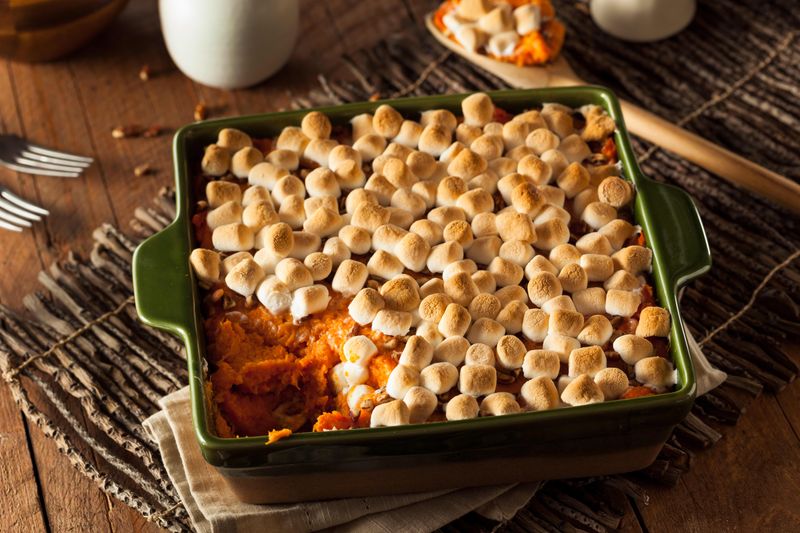
Marshmallows on vegetables? Blame a clever marketing plan.
In 1917, the company behind Angelus Marshmallows hired a cookbook writer to create recipes using their product.
One of those ideas was mashed sweet potatoes topped with gooey marshmallows. People loved it, and it stuck around for over a century.
Some cooks now use pecan crumble instead. Either way, it proves that a smart advertisement can change holiday dinners forever.
8. Cornbread
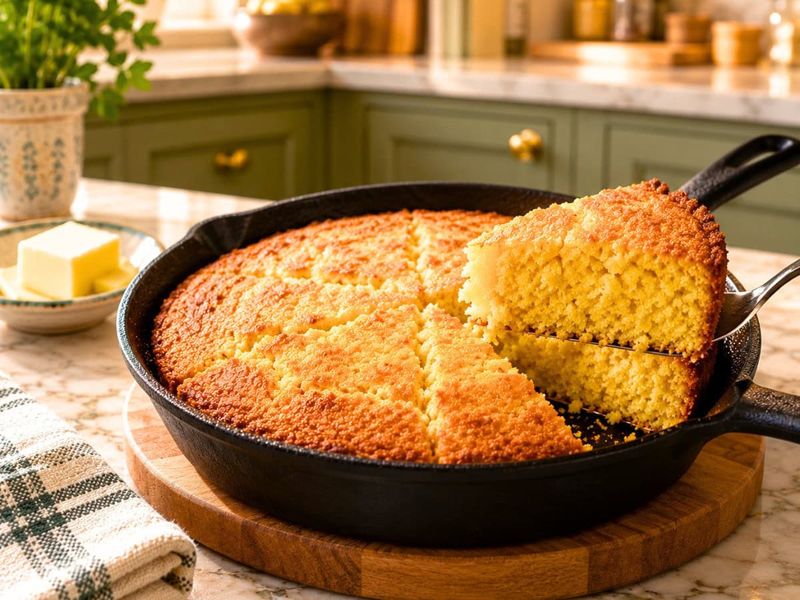
Corn was a gift of knowledge from Native American farmers. The Wampanoag and other tribes taught colonists how to grow it alongside beans and squash, a trio called the Three Sisters.
Early cornbread was simple, often just cornmeal, water, and salt cooked on a hot stone.
In the South, cooks bake it in cast iron for a crunchy crust. Northern versions tend to be sweeter.
Which side are you on?
9. Pecan Pie
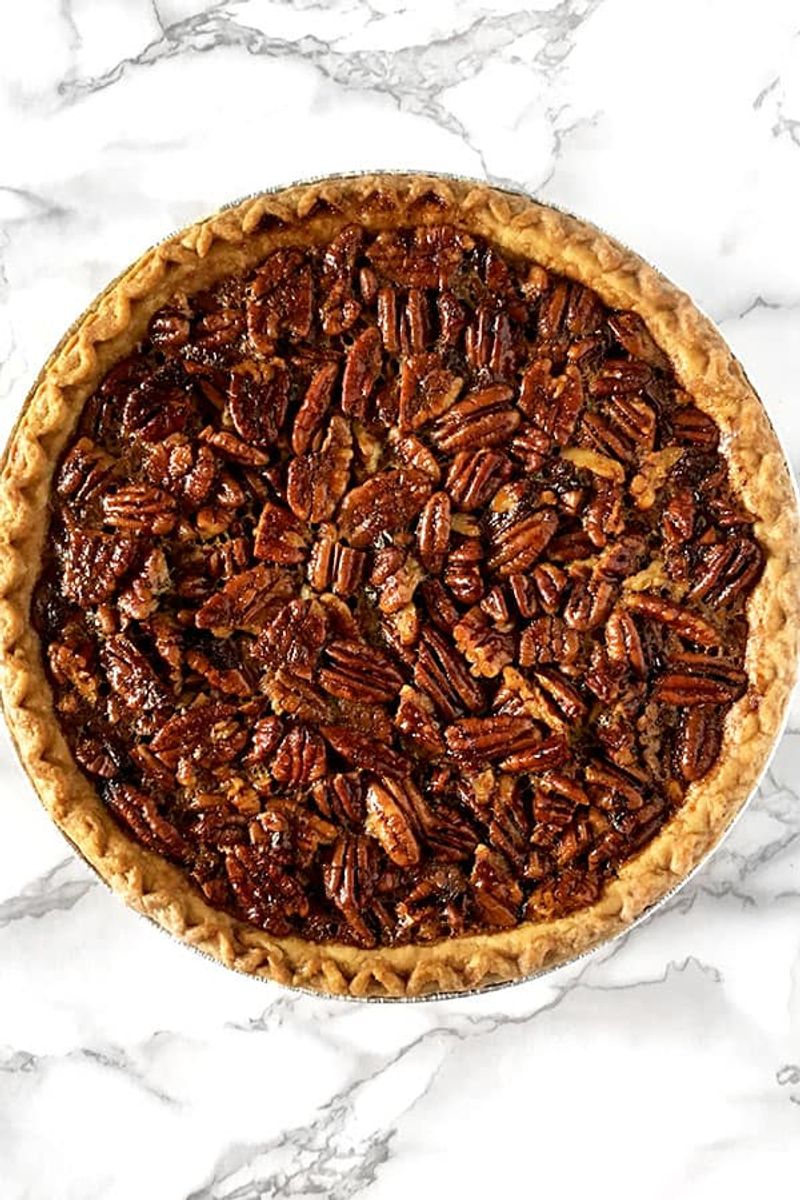
Pecans are the only major nut tree native to North America, and Native peoples ate them for thousands of years.
Yet the sticky pie we know became famous in the 1930s. Karo corn syrup printed a recipe on its labels, and suddenly home bakers everywhere were making it.
Fun fact: people argue about how to say pecan. Is it pee-can or puh-kahn?
Every family seems to have a strong opinion.
10. Turkey Gravy
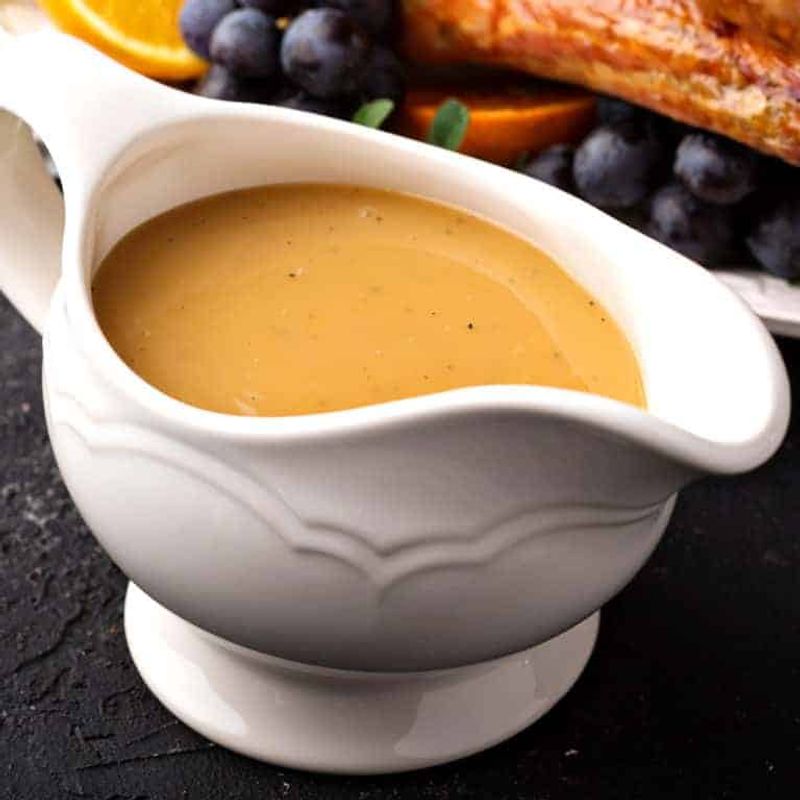
Nothing goes to waste in a smart kitchen. Gravy began as a way to use every drop of meat juice left in the pan.
Medieval English cooks made thick sauces with bread crumbs and spices. Over time, flour replaced bread, and the smooth gravy boat became a dinner table hero.
Quick tip: whisk your flour into a little cold water first. That simple trick keeps nasty lumps away every single time.
11. Dinner Rolls
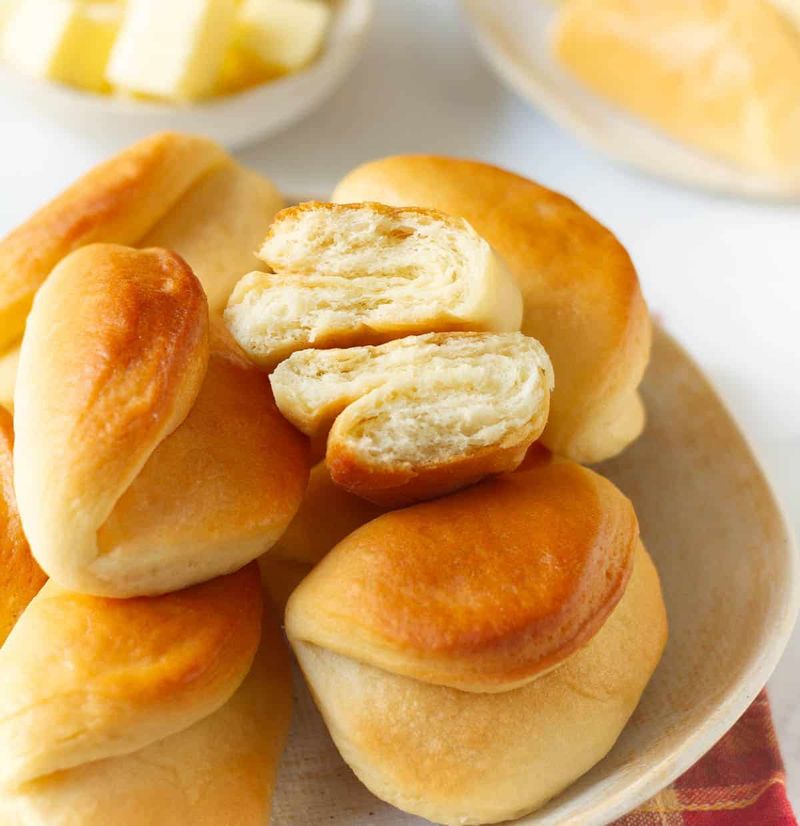
Ever had a Parker House roll? These soft, folded rolls were invented at the Parker House Hotel in Boston during the 1870s.
One legend says an angry baker threw unfinished dough into the oven, and the folded shape came out perfect. Nobody knows if that story is true.
Today, warm rolls are great for soaking up gravy. Brush the tops with melted butter for that bakery-style shine.
12. Apple Pie
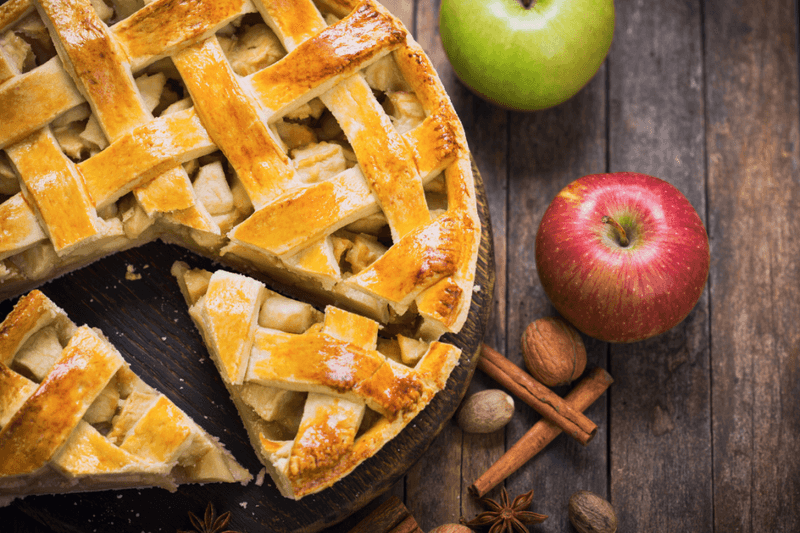
As American as apple pie? Not quite.
The first known apple pie recipe came from England in 1381, and apples themselves came from Central Asia.
American colonists did grow tons of apple trees, partly thanks to John Chapman, better known as Johnny Appleseed.
His apples were mostly sour and used for cider, though. Still, apple pie earned a solid spot next to pumpkin on the dessert table.
13. Succotash
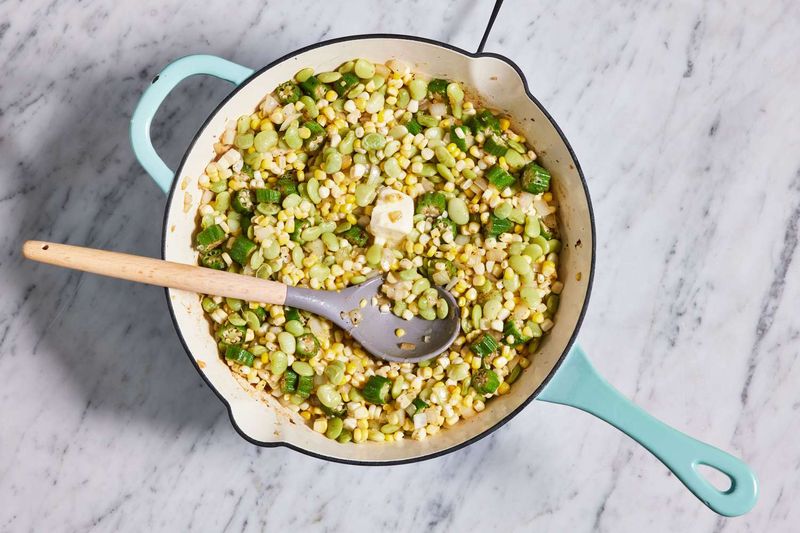
The name comes from a Narragansett word, msickquatash, which means boiled corn kernels. It is one of the oldest dishes connected to the holiday.
Native cooks mixed corn and beans, sometimes adding meat or fish. Together, these two foods give your body complete protein.
During the Great Depression, families leaned on succotash because it was cheap and filling. Add some butter and fresh herbs, and it really shines.
14. Venison
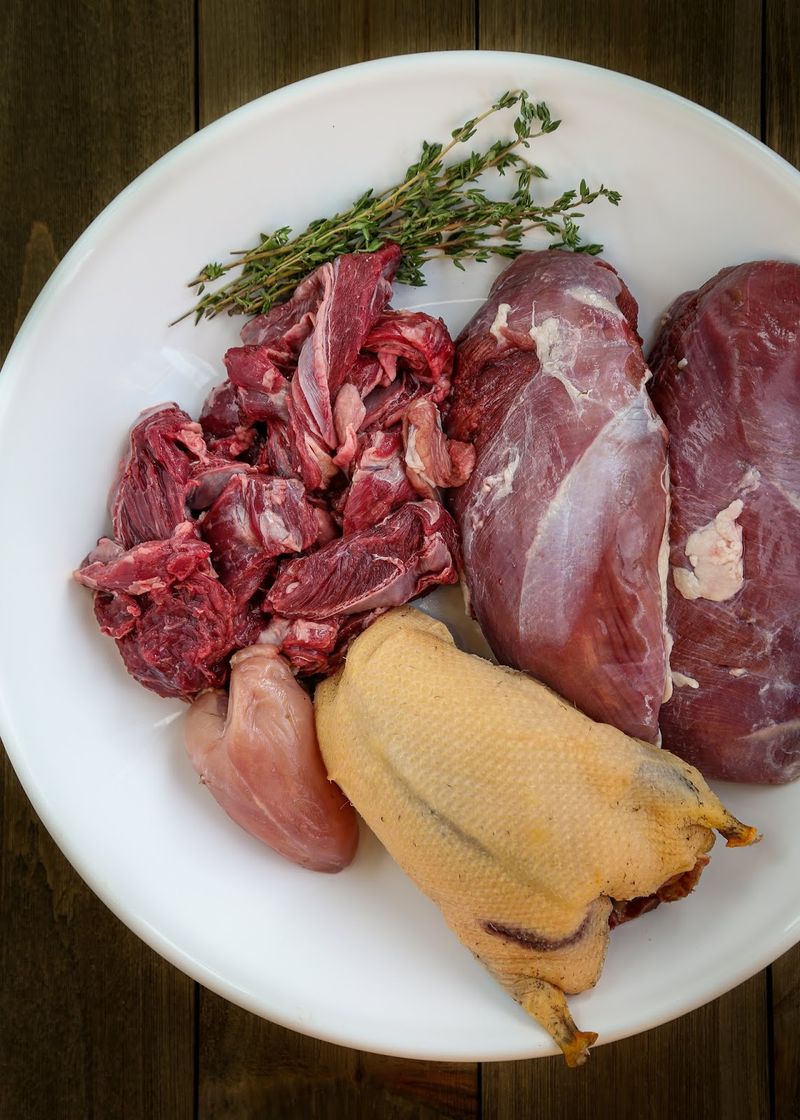
According to a letter by colonist Edward Winslow, the Wampanoag leader Massasoit arrived at the 1621 harvest with about 90 men. They brought five deer to share.
So venison was likely a true star of the first feast, not turkey.
Some hunting families still serve deer meat at Thanksgiving to honor that history. It is lean and rich in flavor, so cook it gently to keep it tender.
15. Oyster Stuffing
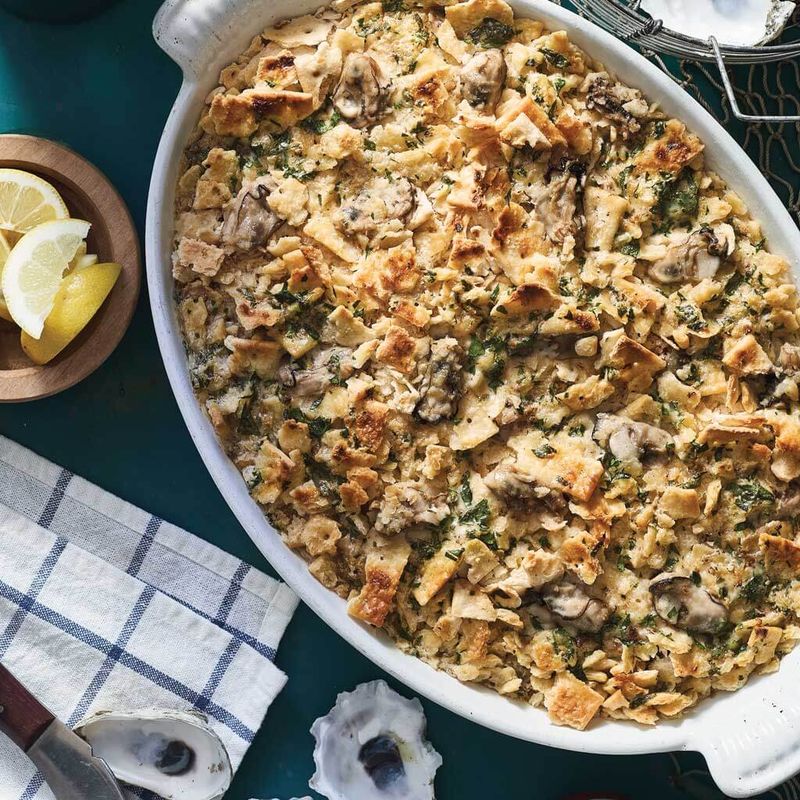
Oysters were once so cheap in America that poor families ate them almost daily. In the 1800s, New York City had oyster cellars on nearly every street.
Coastal cooks naturally tossed them into stuffing, giving it a salty ocean taste.
Today, oyster stuffing is a proud tradition in places like Maryland, Virginia, and New England. If you are curious, try a small batch on the side first.
16. Deviled Eggs
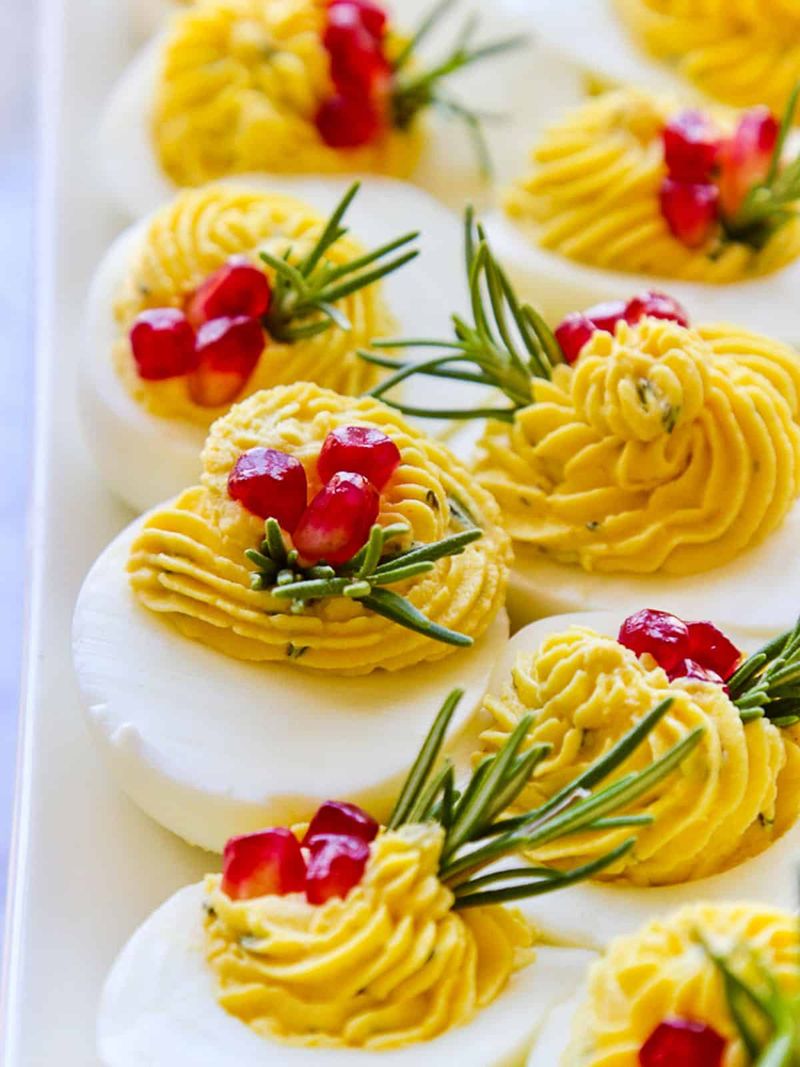
Spicy food once had a nickname: deviled. In the 1700s, the word described dishes made hot with mustard or pepper.
Ancient Romans actually ate seasoned boiled eggs as party snacks too, so the idea is very old.
Deviled eggs became a Thanksgiving appetizer because they are easy and cheap. A sprinkle of smoked paprika on top makes them look fancy without any extra work.
17. Macaroni and Cheese
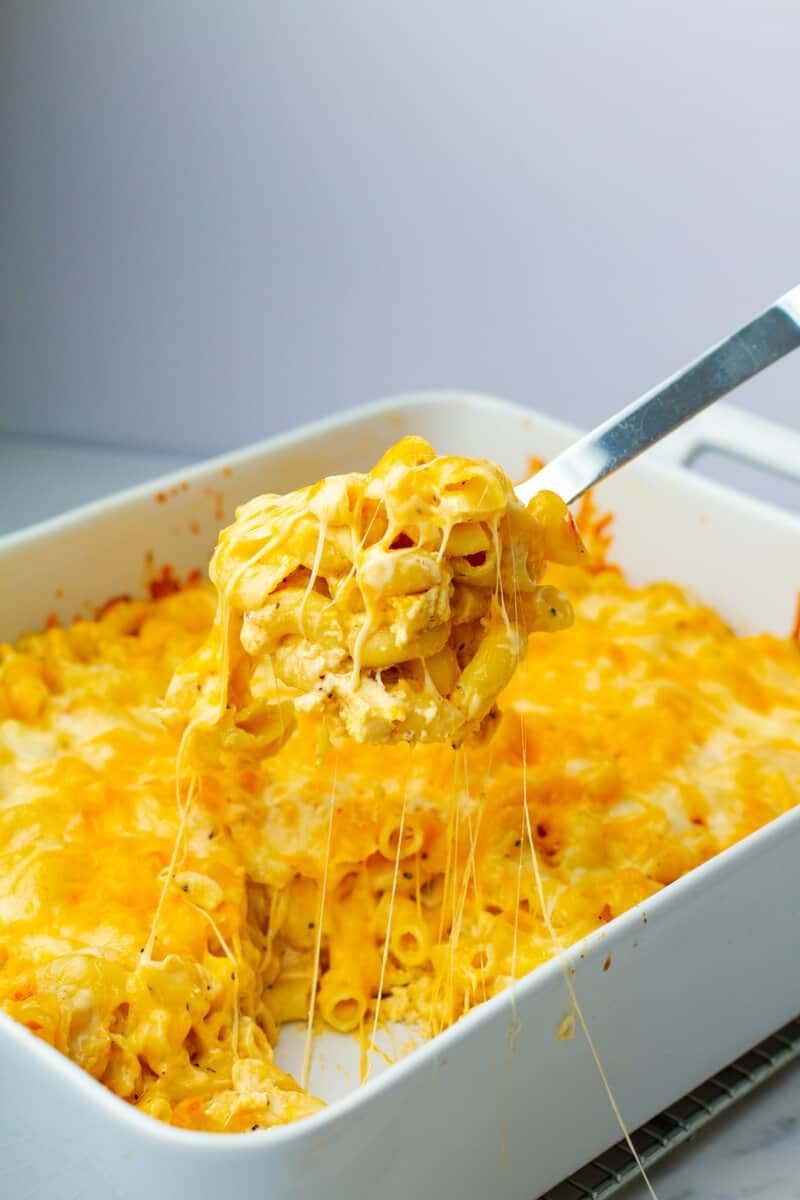
Thomas Jefferson adored pasta so much that he brought a macaroni machine plans home from Europe. His enslaved chef, James Hemings, helped make baked macaroni famous in America.
Hemings trained as a chef in France, and his skills shaped many early American dishes.
In many Black and Southern families, baked mac and cheese is a must at Thanksgiving. A crispy cheese top is the best part.
18. Candied Yams
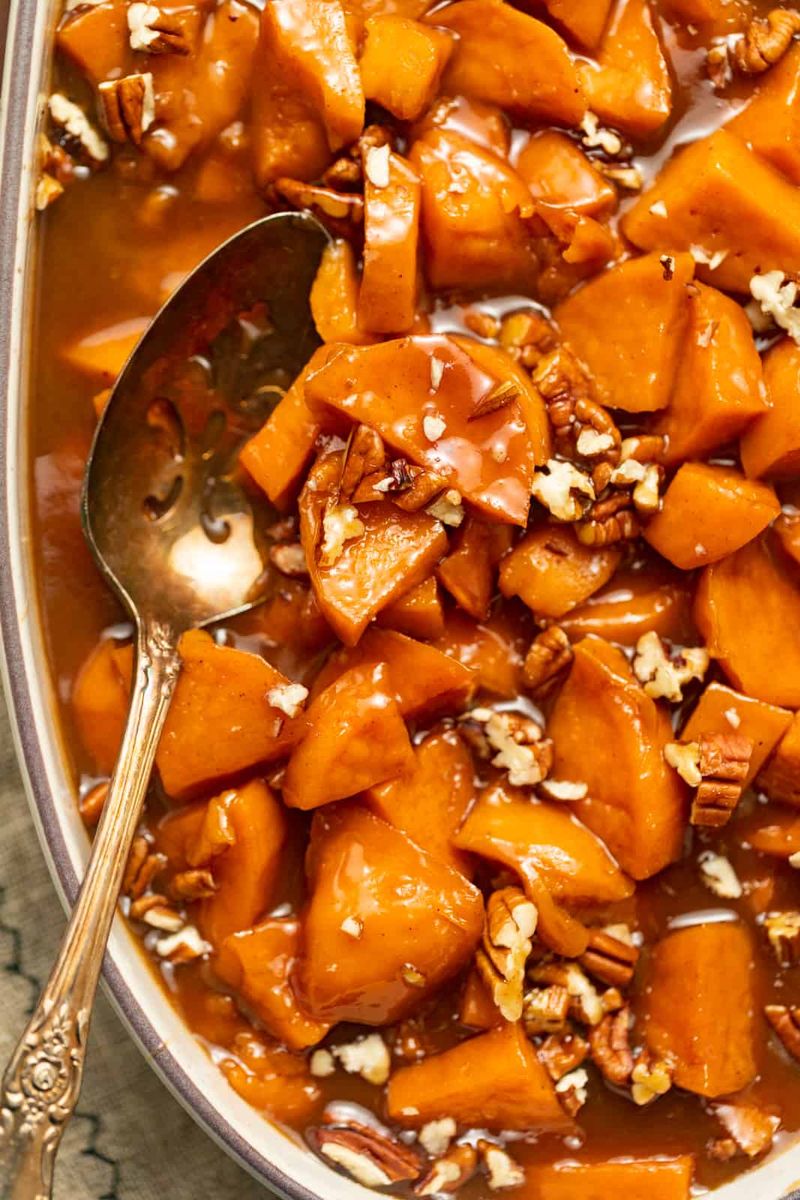
Most yams in American stores are actually sweet potatoes. True yams come from Africa and Asia and have rough, bark-like skin.
Enslaved Africans in the South used sweet potatoes in place of the yams they knew from home, and the name stuck.
Candied yams, cooked with butter, brown sugar, and cinnamon, grew from that heritage. It is a sweet side with a deep and meaningful story.
19. Corn Pudding
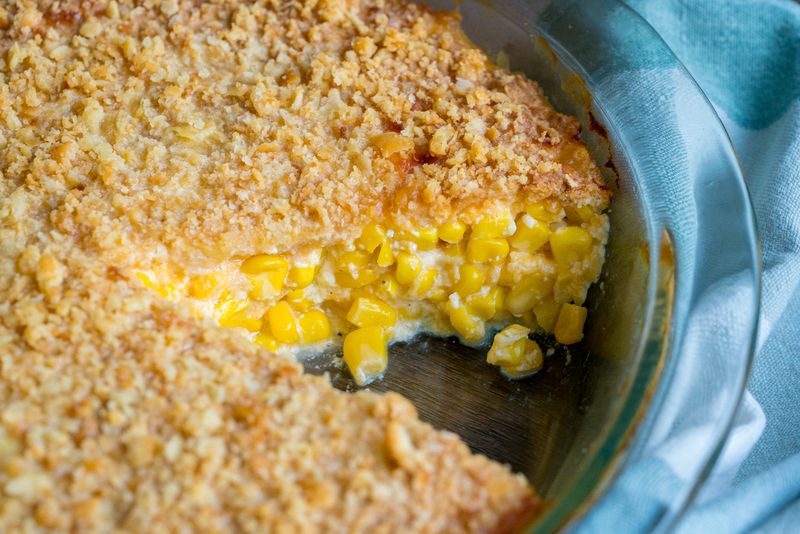
Grandma’s corn pudding may be older than the country itself. Colonists learned to cook with corn from Native Americans and made a dish called hasty pudding from cornmeal.
Later, cooks added eggs, milk, and sweet corn kernels, creating a soft, custard-like side.
The song Yankee Doodle even mentions hasty pudding. Bake yours until the middle barely jiggles for that perfect creamy texture.
20. Roasted Brussels Sprouts
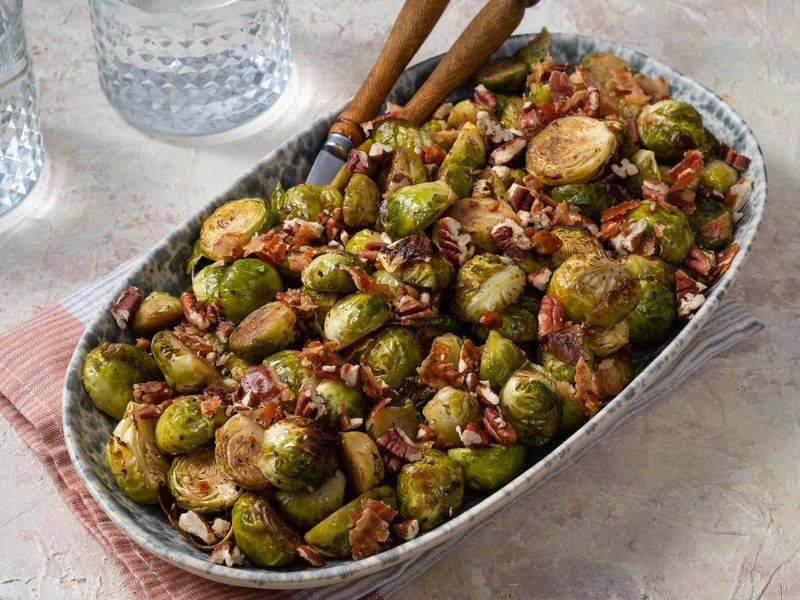
Kids used to groan at these tiny cabbages. Boiled until mushy, they smelled pretty awful.
Named after Brussels, Belgium, where they grew in the 1500s, the sprouts arrived in America with French settlers in Louisiana.
Then roasting became popular, and everything changed. High heat makes them crispy and sweet.
Toss them with olive oil, salt, and a little bacon, and you might become a fan.
21. Mincemeat Pie
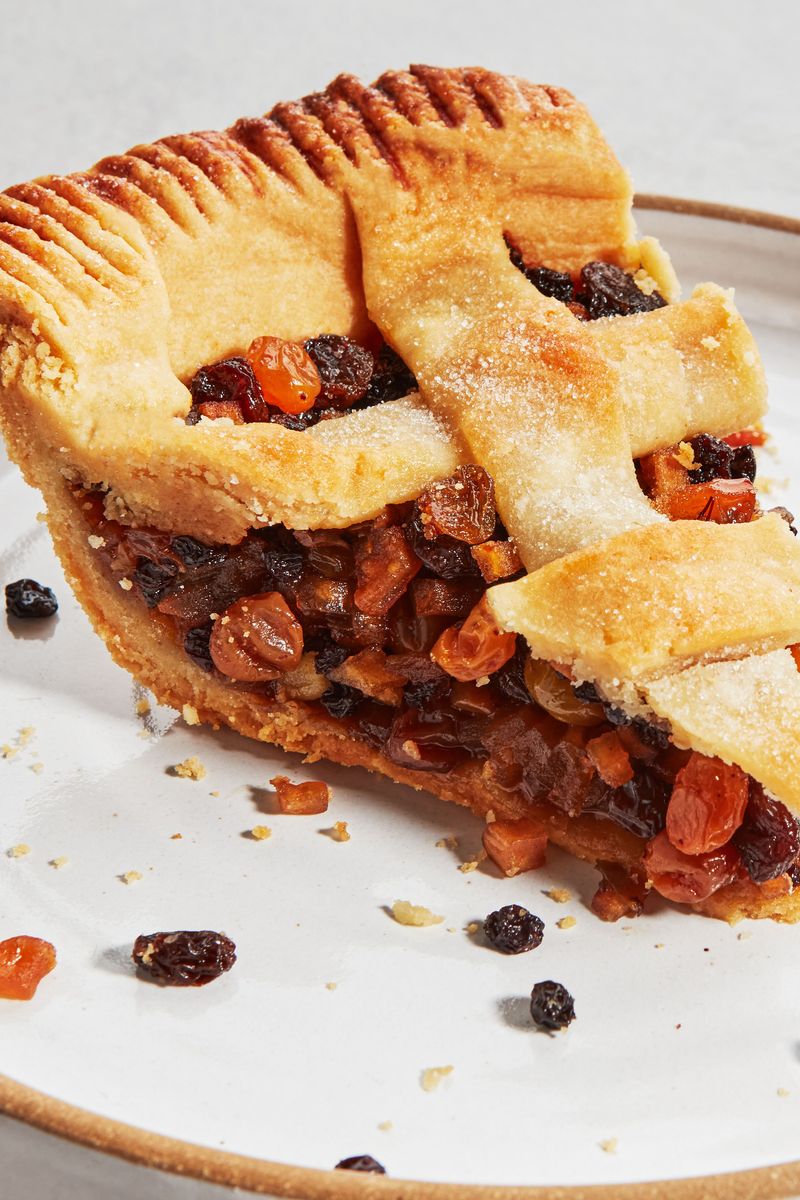
Long ago, mincemeat pie really contained meat. Medieval English cooks mixed chopped beef or mutton with fruit, spices, and sugar to preserve it through winter.
It was once as popular at Thanksgiving as pumpkin pie. Some Puritans even frowned on it because of its Christmas connections.
Most modern versions skip the meat and use apples, raisins, and spices. Give it a try for a real taste of the past.