
Some desserts have been around for generations, and they still taste just as good today. Grandma did not need fancy gadgets or trendy toppings to make something amazing.
Old fashioned desserts use simple ingredients like butter, sugar, flour, and fruit to create treats that bring families together. Read on to discover the sweet classics that have earned their place at the table, and maybe find a new favorite to bake this weekend.
1. Apple Pie
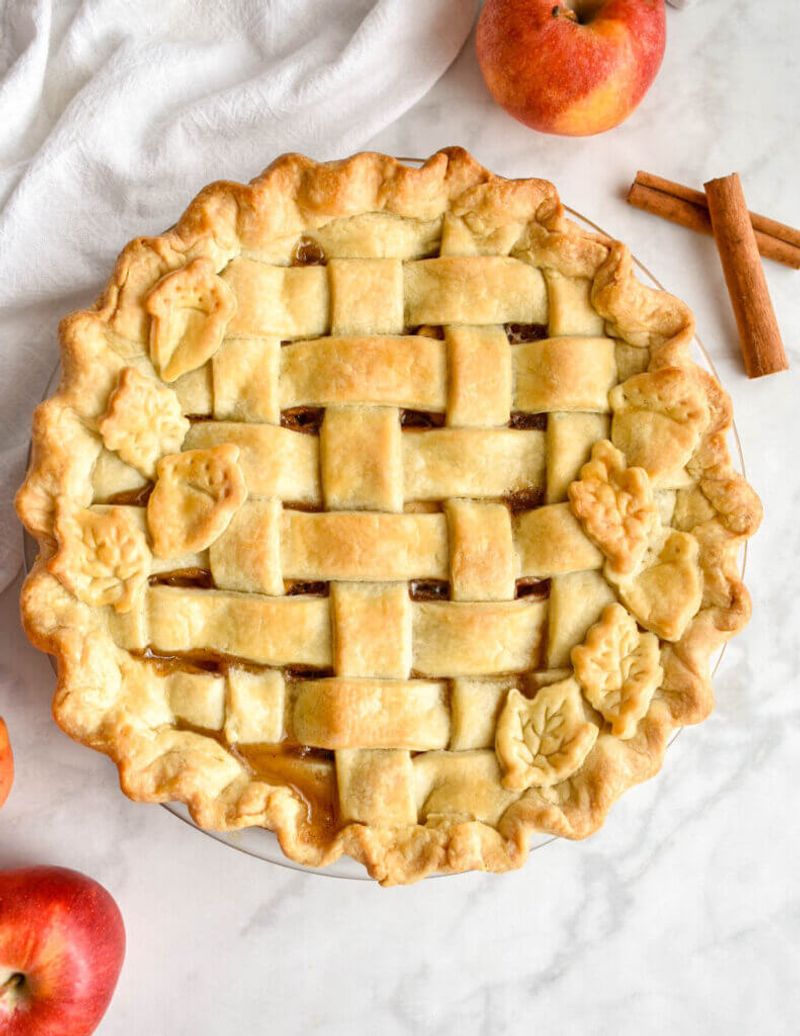
Picture a cool autumn afternoon with the smell of cinnamon drifting from the oven. Apple pie has been a family favorite for hundreds of years, and its recipe has barely changed.
For the best filling, mix tart apples like Granny Smith with sweeter ones like Honeycrisp. The blend keeps the pie from turning mushy or too sugary.
Serve a warm slice with vanilla ice cream, and you will understand why people still call it a classic.
2. Bread Pudding
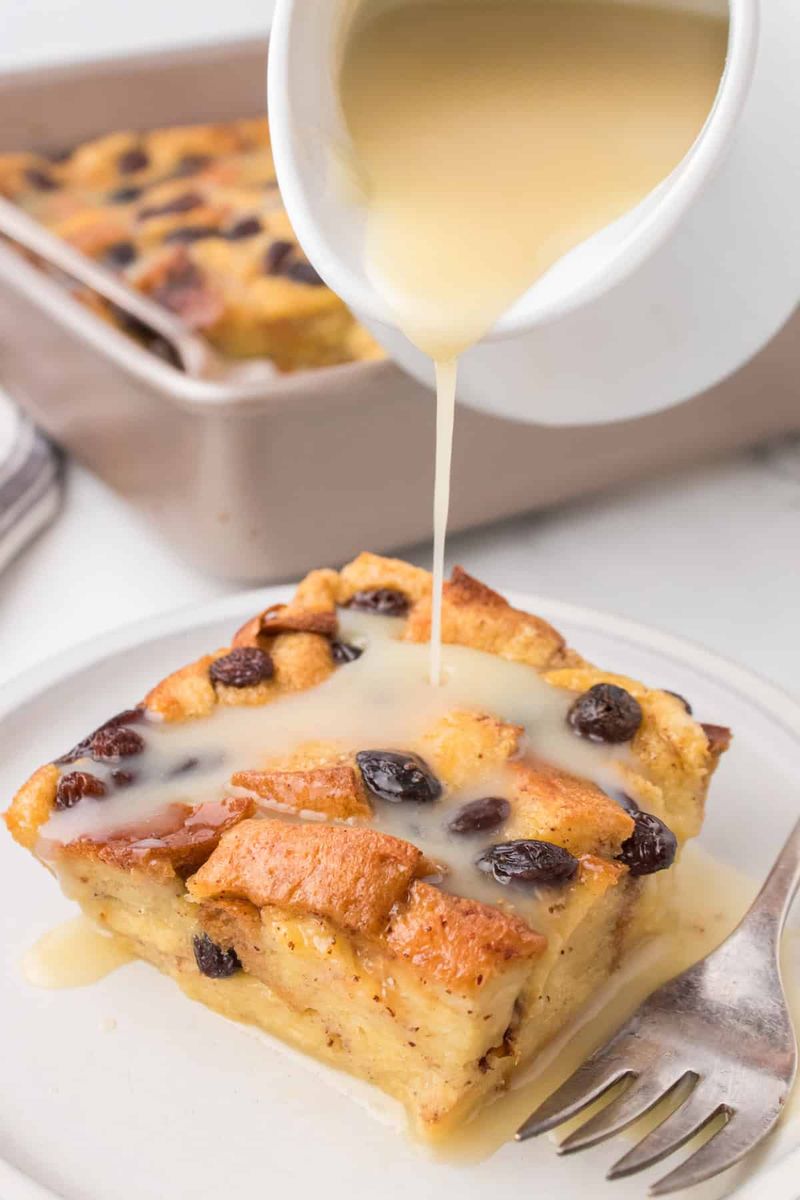
Waste not, want not. Long ago, thrifty cooks turned stale bread into something wonderful by soaking it in milk, eggs, and sugar, then baking it until soft inside and crisp on top.
Day-old bread actually works better than fresh bread because it soaks up more custard. Brioche or French bread makes it extra rich.
Add raisins, chocolate chips, or a splash of caramel sauce. It is cozy comfort food that saves leftovers from the trash.
3. Peach Cobbler
Did you know there is a National Peach Cobbler Day? It falls every April 13, and Southern families take it seriously.
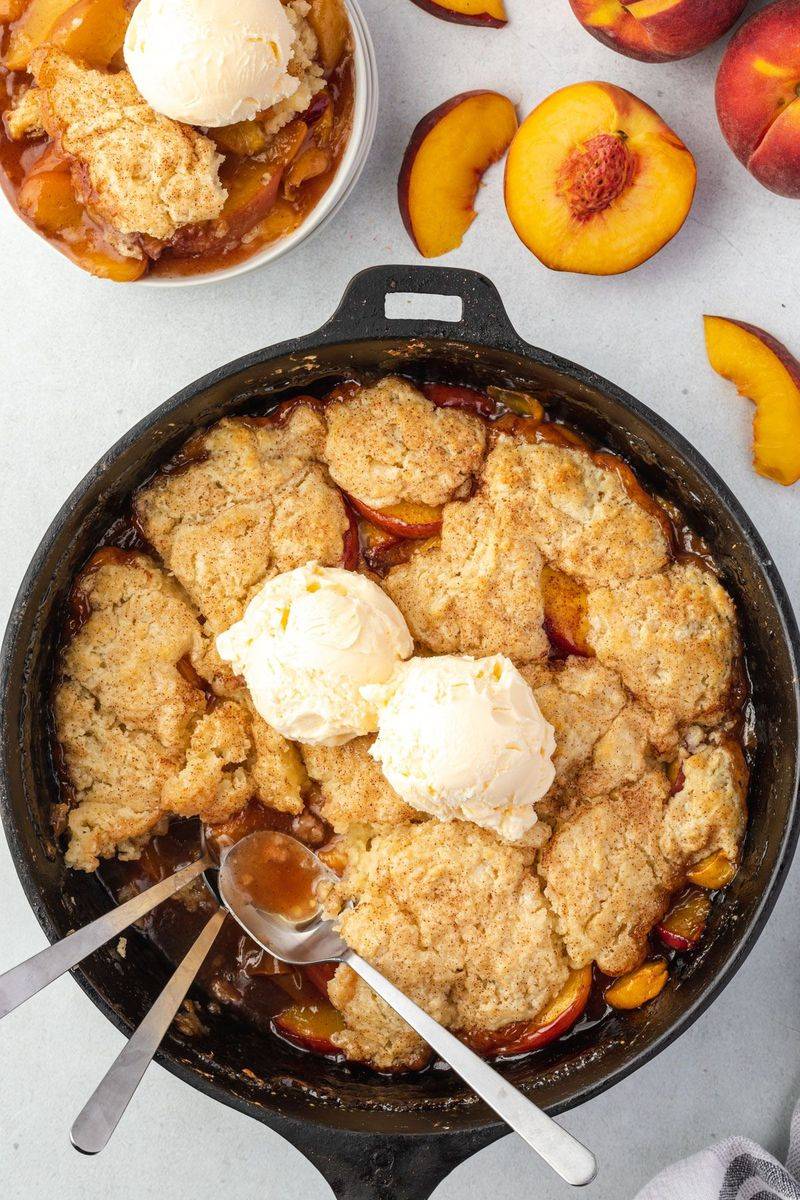
Cobbler gets its name from the bumpy, cobblestone look of the biscuit topping. Juicy peaches bubble underneath, turning syrupy and sweet in the oven.
Fresh summer peaches taste best, but canned ones work fine in winter. Bake it in a cast iron skillet for crispy edges everyone will fight over.
4. Pineapple Upside-Down Cake
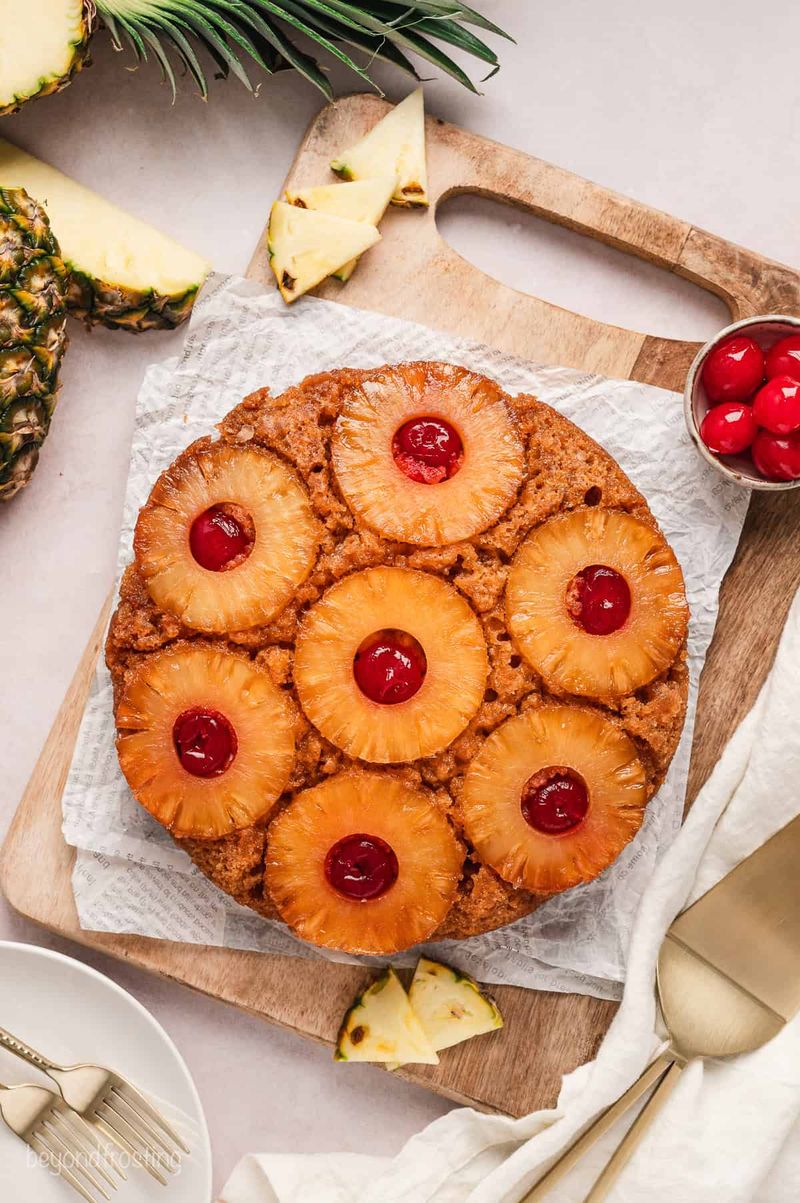
Flip it over and gasp! That moment when the pan lifts away to reveal shiny pineapple rings and bright cherries never gets old.
The cake became a huge hit in the 1920s, when canned pineapple first showed up in grocery stores. Brown sugar and butter melt at the bottom of the pan, creating a sticky caramel layer.
Wait about five minutes after baking before flipping. Too soon, it falls apart.
Too late, it sticks.
5. Rice Pudding
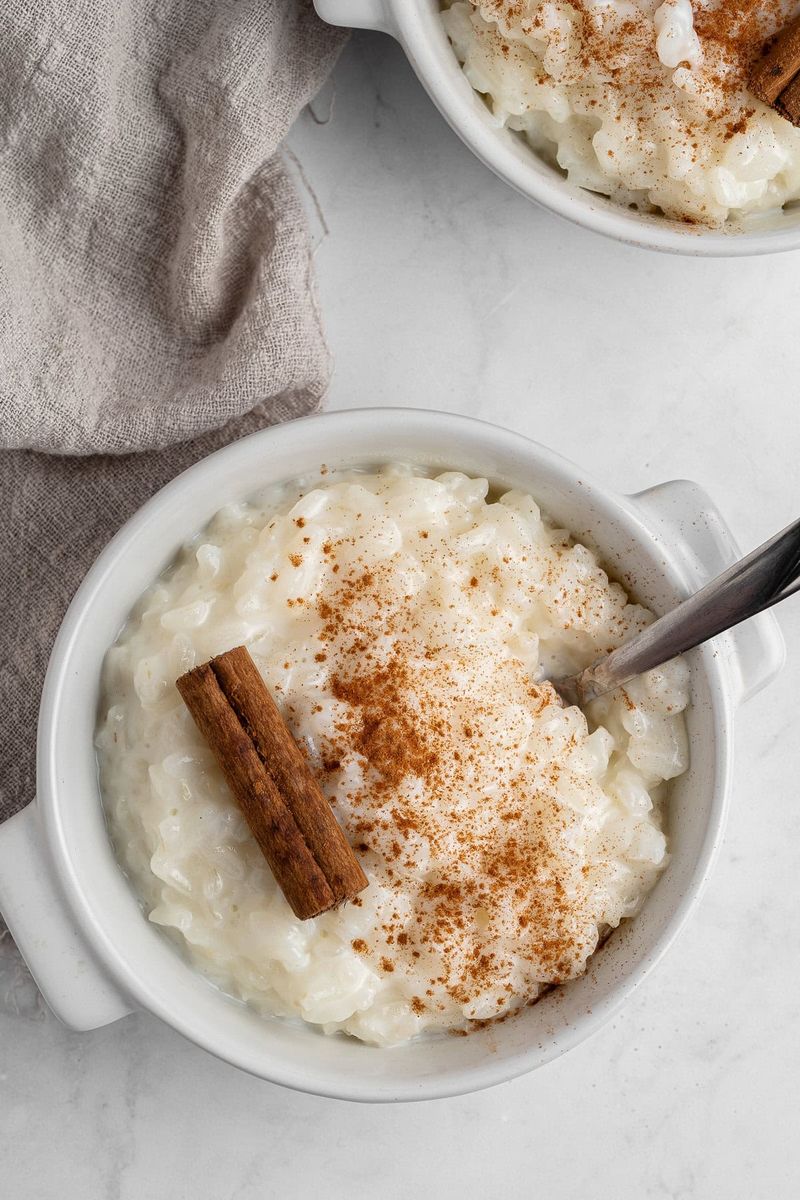
Creamy, gentle, and soothing, rice pudding is the dessert equivalent of a warm blanket. Nearly every culture has its own version, from Mexican arroz con leche to Indian kheer.
Cooking it low and slow on the stove lets the rice release starch, which makes it thick without extra ingredients. Keep stirring so the bottom does not burn.
Top with cinnamon, nutmeg, or a few raisins. It tastes great warm or cold from the fridge.
6. Strawberry Shortcake
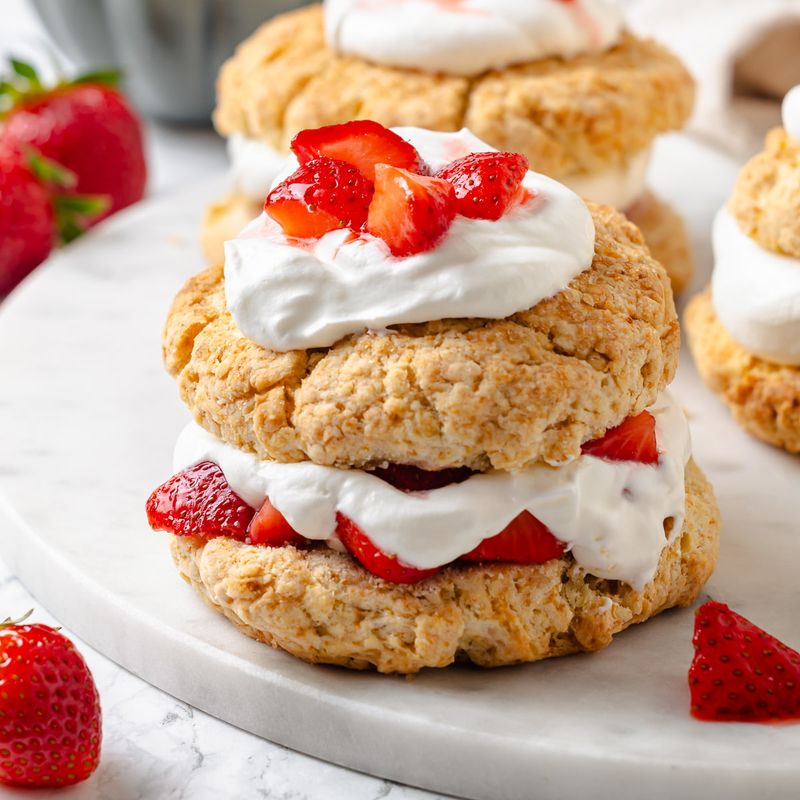
Back in the 1800s, Americans threw strawberry parties to celebrate the summer harvest, and shortcake was the star of the show.
Real shortcake uses a crumbly, buttery biscuit instead of sponge cake. Slice berries and sprinkle them with sugar about thirty minutes ahead, so they make their own sweet juice.
Pile everything high with fresh whipped cream. Messy?
Absolutely. Worth it?
Every single bite. Just keep napkins nearby for sticky fingers.
7. Banana Pudding
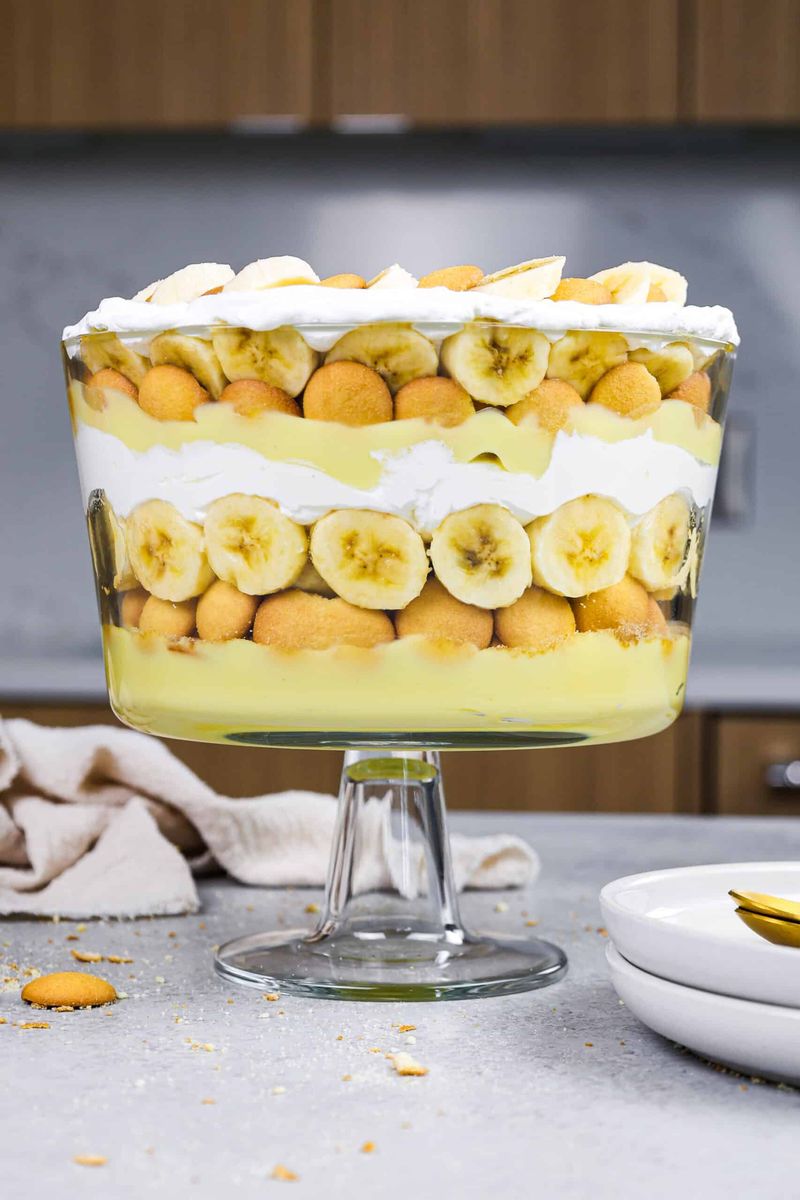
Grandma’s banana pudding at a church potluck usually disappears before the main dishes do. Layers of vanilla wafers, sliced bananas, and creamy custard create pure Southern magic.
The secret is patience. Let it chill for at least four hours so the cookies soften into a cake-like texture.
Some families top it with toasted meringue, while others prefer whipped cream. Either way, ripe bananas with a few brown spots give the sweetest flavor.
8. Chocolate Chip Cookies
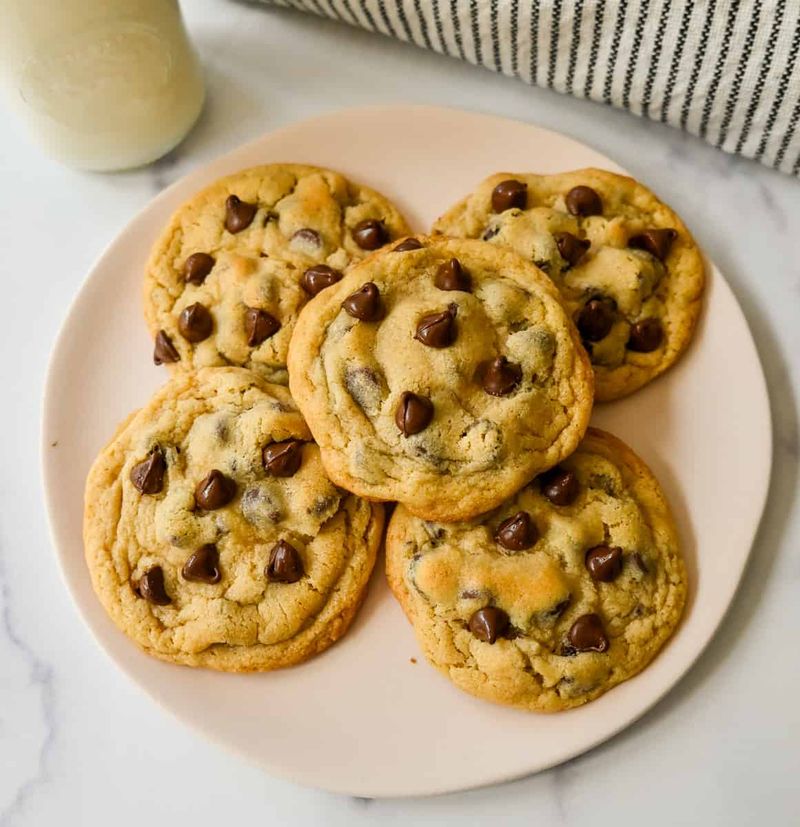
Ruth Wakefield, who ran the Toll House Inn in Massachusetts, created these cookies in the 1930s. Her invention became one of the most loved treats on the planet.
Want chewier cookies? Use more brown sugar than white sugar, and chill the dough overnight.
The rest time deepens the flavor too.
Pull them from the oven while the centers still look slightly soft. They keep baking on the hot pan for a few minutes.
9. Pound Cake
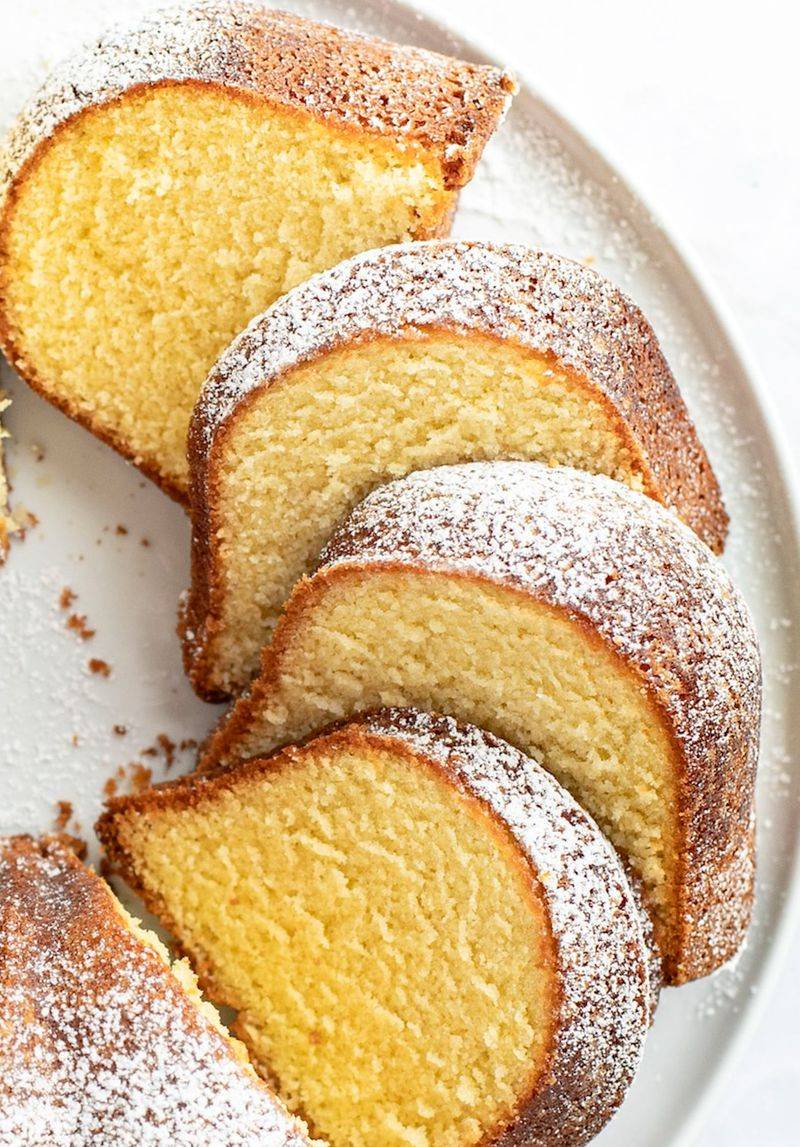
The name tells the whole recipe. Early bakers used one pound each of butter, sugar, eggs, and flour, which made it easy to remember without a cookbook.
Today’s versions are a bit lighter, but the dense, buttery texture remains. Room temperature ingredients are key, since cold butter will not blend smoothly.
Enjoy it plain, toasted with jam, or topped with berries. A pound cake also stays fresh for days when wrapped tightly.
10. Lemon Meringue Pie
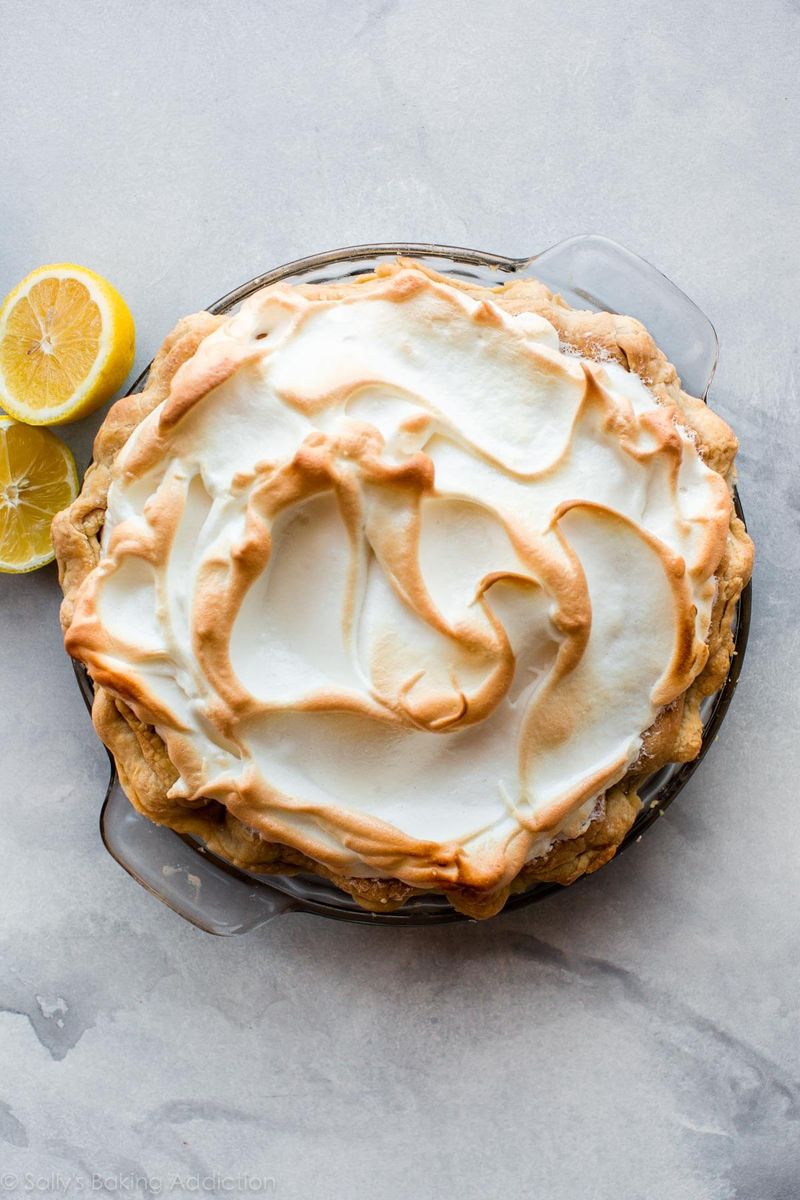
Tangy, sweet, and tall enough to make people stare, lemon meringue pie is a showstopper at any diner counter.
The bright yellow filling balances sour lemon juice with sugar, while fluffy meringue adds a cloud on top. Spread the meringue all the way to the crust edges to stop it from shrinking.
Here is a pro tip: humid days can make meringue weep little droplets. Bake on a dry day for perfect peaks.
11. Snickerdoodles
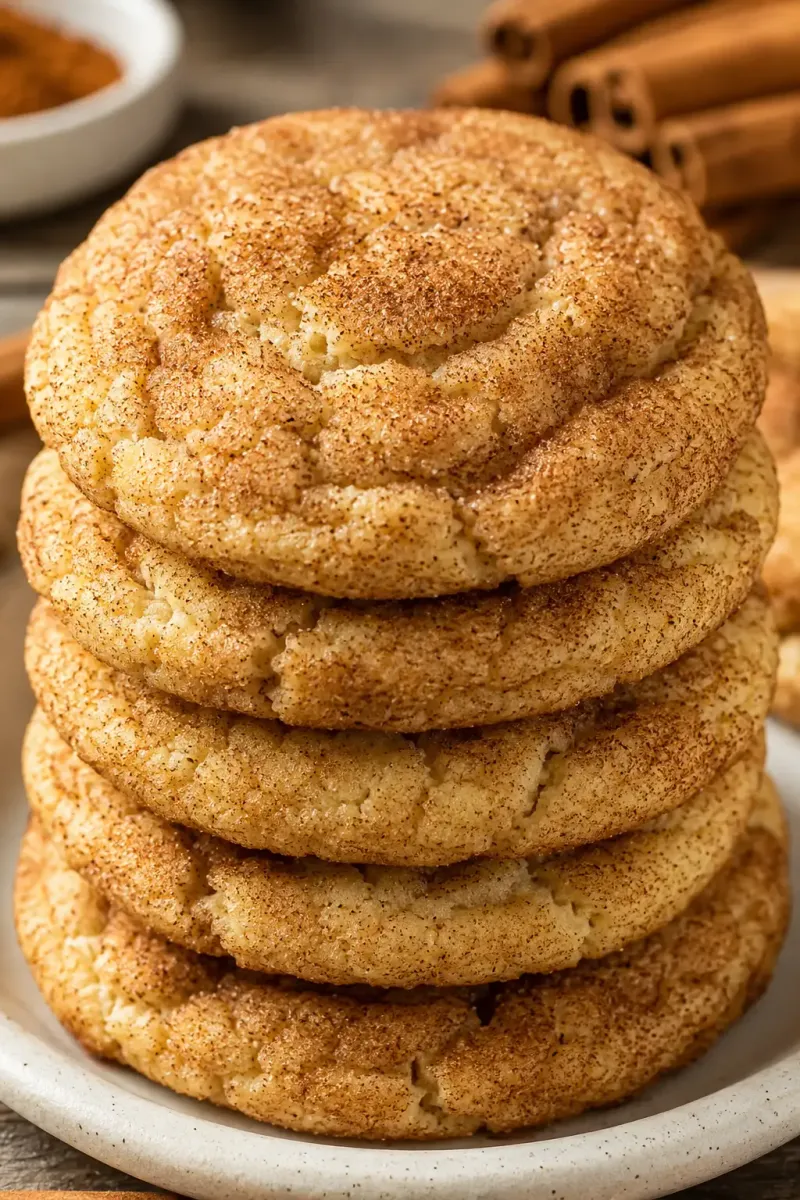
Say it out loud: snickerdoodle. It is impossible not to smile!
Nobody knows exactly where the silly name came from, though some think it has German roots.
These soft cookies get rolled in cinnamon sugar before baking, giving them a crackly, sparkly coat. Cream of tartar provides their slight tang and pillowy chew.
Kids love helping roll the dough balls. It is a perfect first baking project for young cooks learning the basics.
12. Pecan Pie
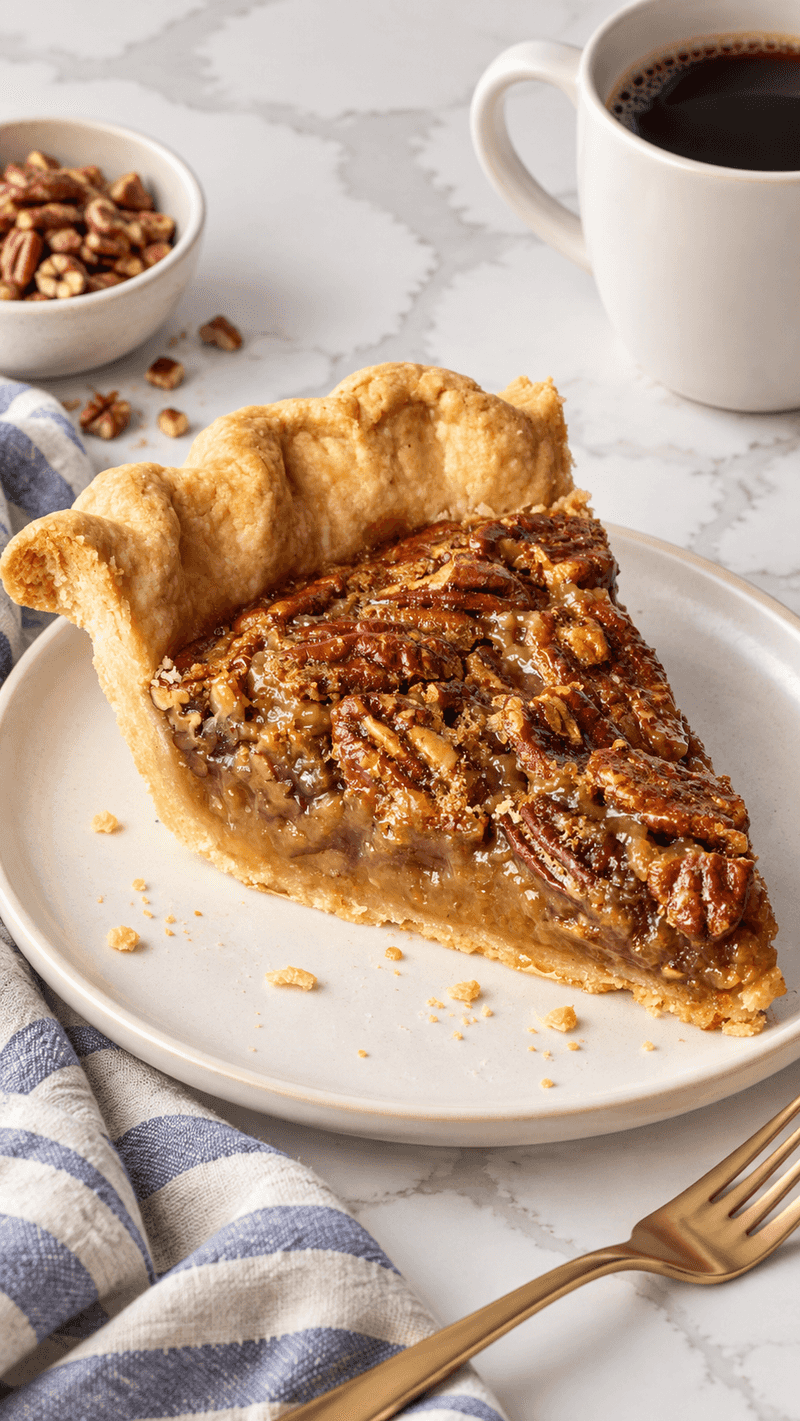
Thanksgiving would not feel complete without that glossy, nutty slice. Pecan trees grow naturally in the American South, so it makes sense that this pie became a holiday hero.
The gooey filling is made from eggs, butter, sugar, and corn syrup. Toast the pecans first to bring out a deeper, richer flavor.
Since it is very sweet, a small slice goes a long way. Pair it with unsweetened whipped cream for balance.
13. Angel Food Cake
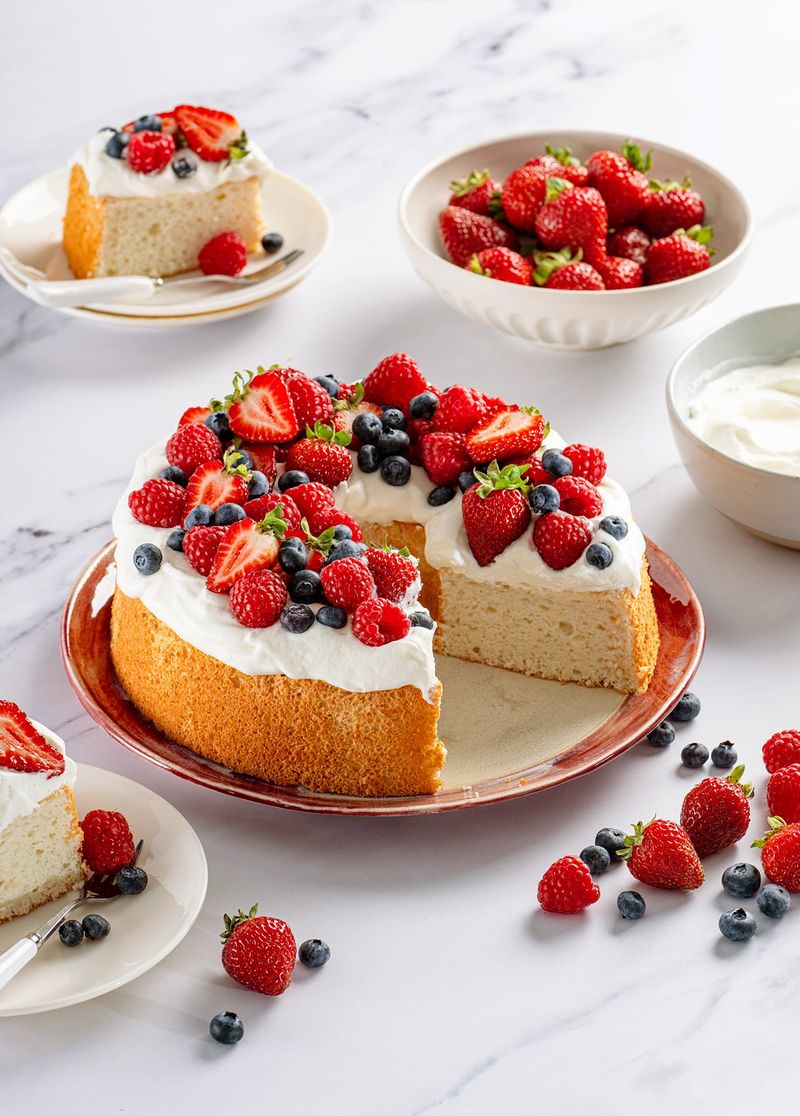
Light as a feather, angel food cake almost floats off the plate. Its airy texture comes from whipped egg whites with no butter or yolks at all.
Bake it in a tube pan, then cool it upside down. Hanging it this way keeps the tall cake from collapsing.
Because it is fat-free, it makes a lighter dessert option. Top slices with fresh berries for a bright, summery treat everyone can enjoy.
14. Carrot Cake
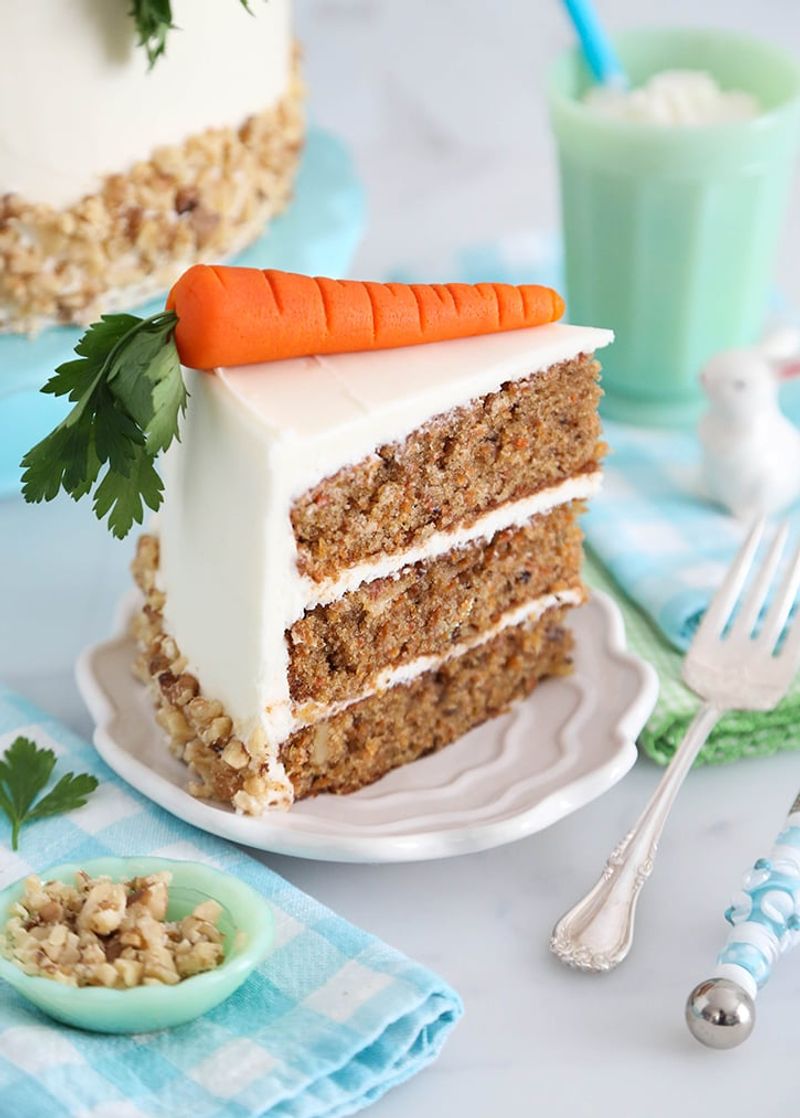
Vegetables in cake? During World War II, sugar was rationed in Britain, so cooks used sweet carrots to stretch their supplies.
Smart thinking turned into a delicious tradition.
Grated carrots keep the cake super moist, while warm spices like cinnamon and nutmeg add cozy flavor. Walnuts or pecans bring crunch.
Of course, the tangy cream cheese frosting is half the fun. Spread it thick, and nobody will complain about eating their veggies.
15. Rhubarb Crisp
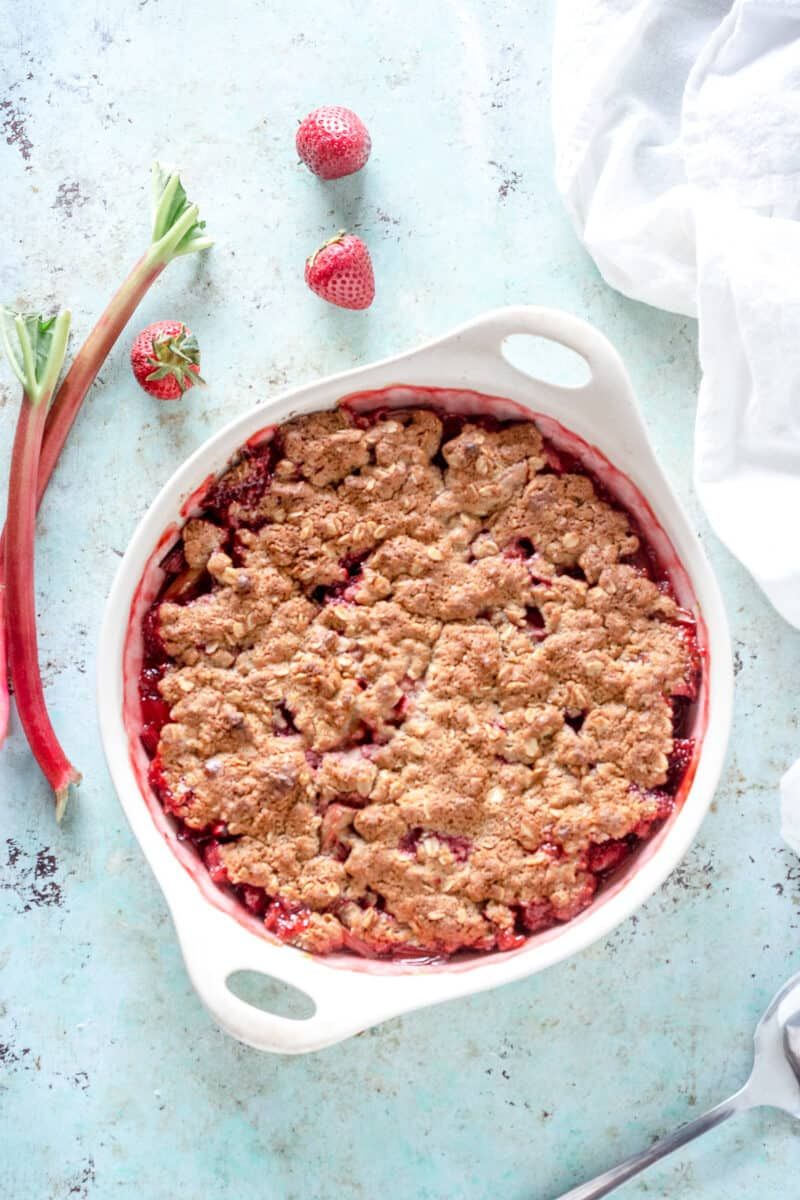
Many old gardens still have a patch of rhubarb growing in the corner. Those tall pink stalks were once called pie plant because they showed up in so many desserts.
Rhubarb tastes very sour alone, so pairing it with strawberries and sugar makes magic. A crumbly oat and brown sugar topping adds crunch.
Warning: only eat the stalks. The leaves are poisonous, so always cut them off before cooking.
16. Boston Cream Pie
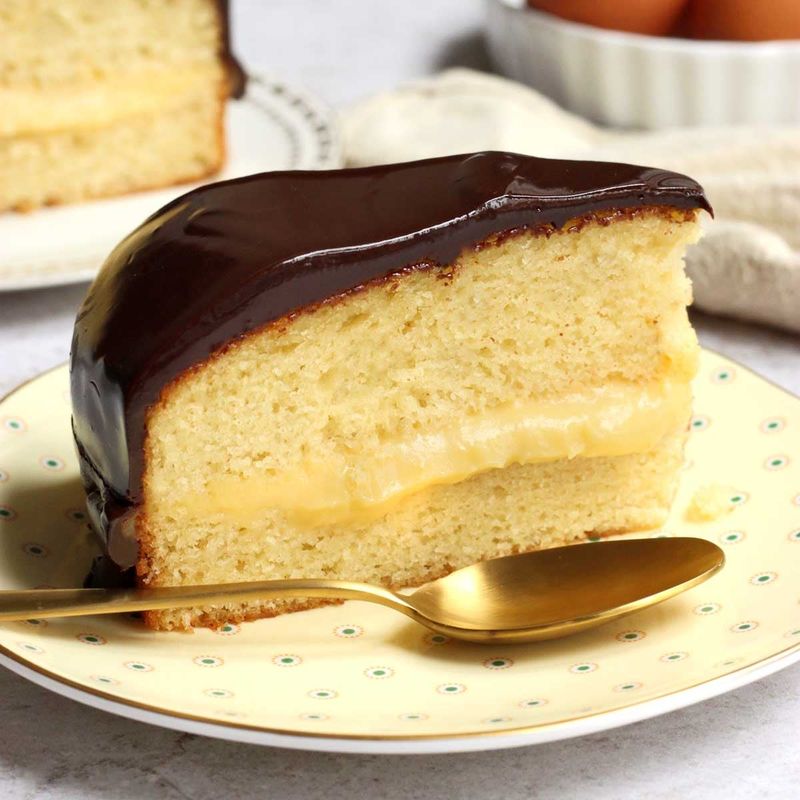
Here is a fun puzzle: Boston cream pie is actually a cake! It was created at Boston’s Parker House Hotel in 1856 and later became the official dessert of Massachusetts.
Two layers of soft sponge cake hug a thick vanilla custard. Then a shiny chocolate glaze drips over the top.
Chill it before slicing so the filling stays put. A hot knife dipped in water makes clean cuts every time.
17. Oatmeal Raisin Cookies
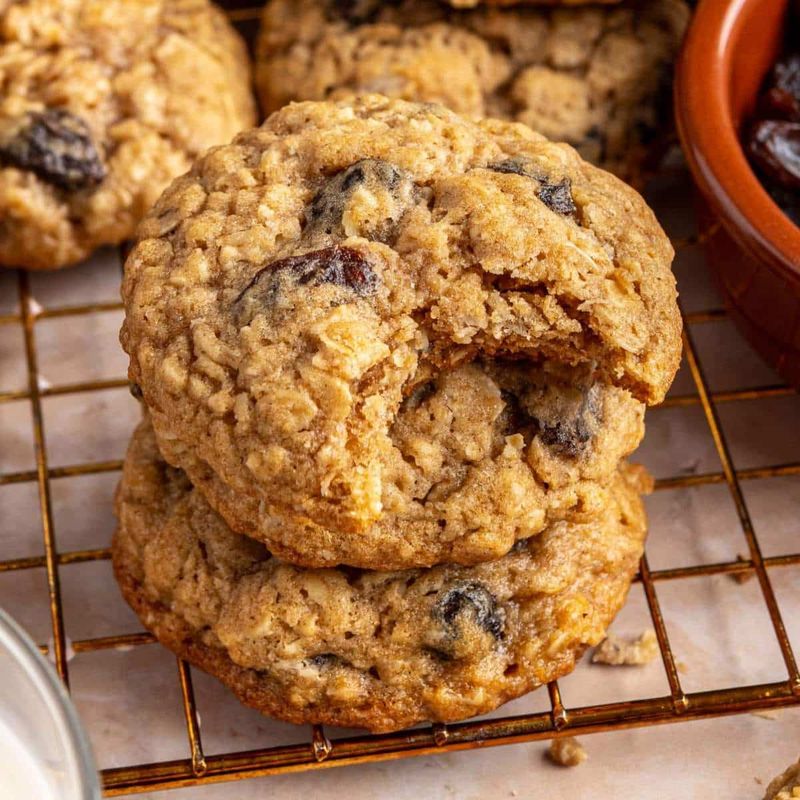
Oatmeal raisin cookies deserve way more love. Sure, people sometimes mistake raisins for chocolate chips, but these chewy treats have a loyal fan club.
Old fashioned rolled oats give them a hearty, satisfying texture. Soak raisins in warm water for ten minutes first, and they will turn plump and juicy.
A pinch of cinnamon makes them smell incredible. Grab one with breakfast coffee or milk, since oats make it feel almost healthy.
18. Pumpkin Pie
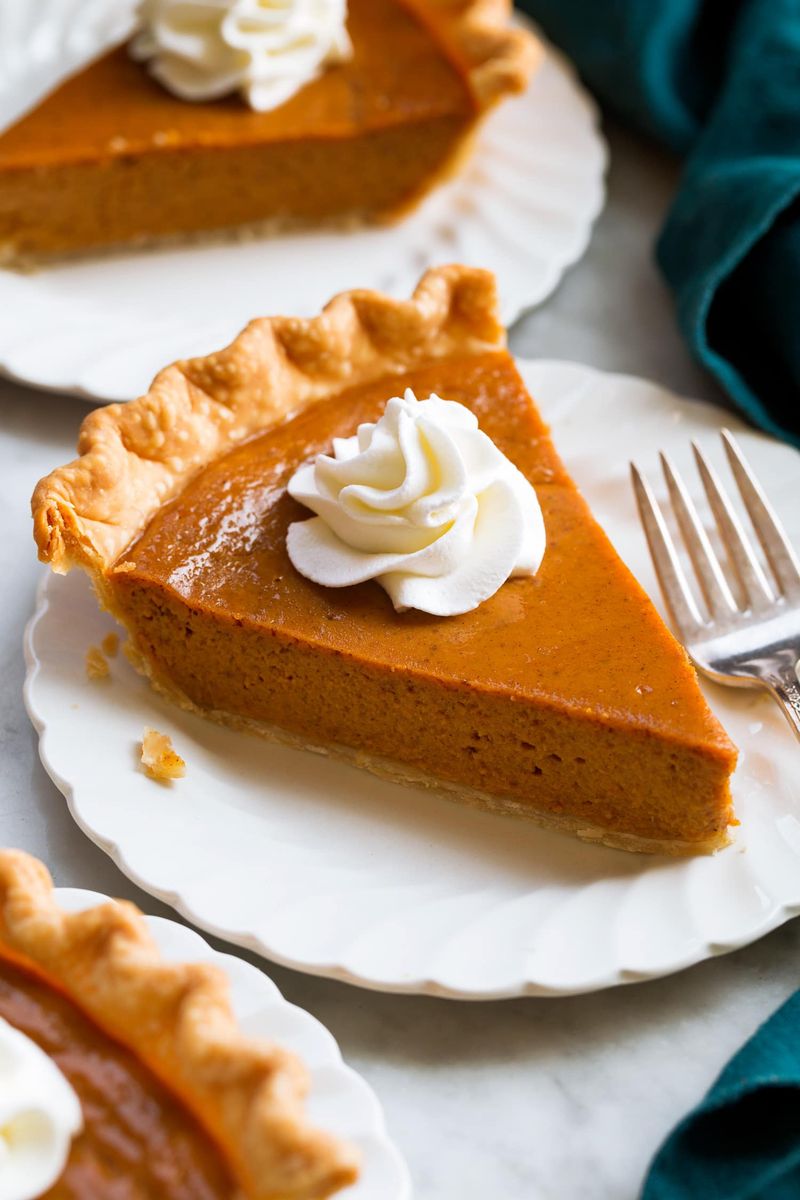
Recipes for pumpkin pie appeared in America’s very first cookbook, published in 1796. More than two centuries later, it still rules fall dessert tables.
Smooth, spiced custard fills a flaky crust. Cinnamon, ginger, nutmeg, and cloves give that famous warm flavor.
To avoid cracks, take it out when the center still jiggles a little. It finishes setting as it cools.
Add a fluffy dollop of whipped cream and enjoy the season.
19. German Chocolate Cake
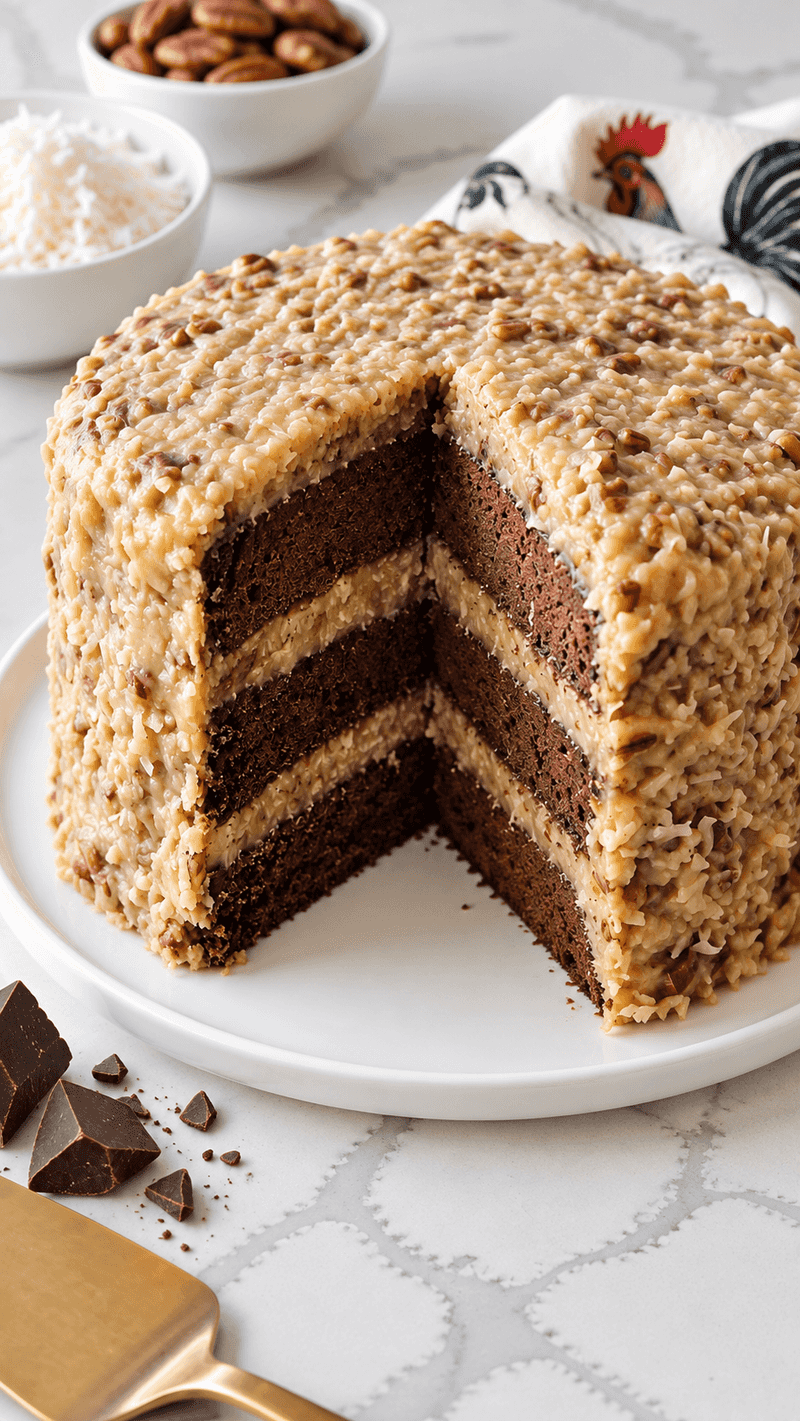
Surprise! German chocolate cake is not from Germany.
It was named after Samuel German, an American who created a special baking chocolate in 1852.
Layers of mild chocolate cake are stacked with a gooey coconut pecan frosting. The caramel-like topping is cooked on the stove with evaporated milk, butter, and egg yolks.
Let the frosting cool fully before spreading, or it will slide right off. Your patience pays off with a stunning birthday cake.
20. Blueberry Buckle
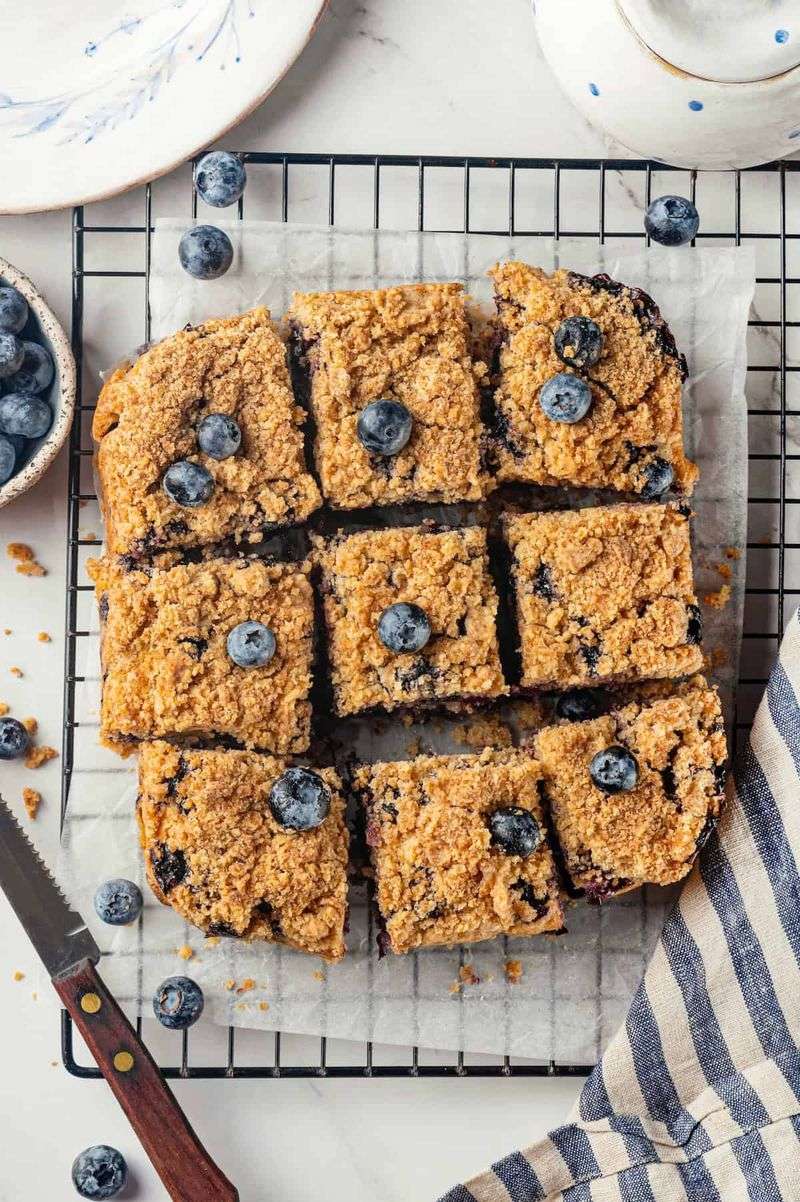
Quirky names were common in old kitchens, and buckle is a great example. As it bakes, the heavy streusel topping makes the cake sink and crinkle, or buckle.
Plenty of juicy blueberries are folded into a tender batter. Toss them in a little flour first so they do not all sink to the bottom.
It works for dessert, brunch, or an afternoon snack. Leftovers taste wonderful warmed up the next morning.
21. Fudge
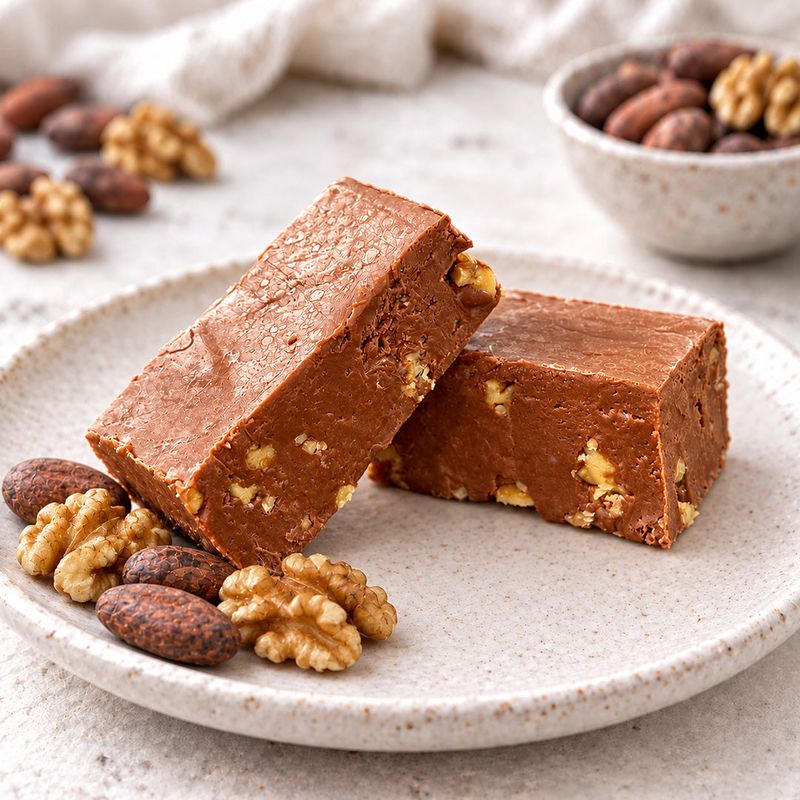
Legend says fudge was born from a mistake. Someone trying to make caramel in the 1880s botched the batch, and people loved the result anyway.
College students at Vassar later made it popular by cooking it over dorm lamps. Today, a candy thermometer helps you hit the soft ball stage around 235 degrees.
Beat the mixture until it loses its shine, then pour it quickly. Cut small squares, since fudge is seriously rich.
22. Cherry Pie
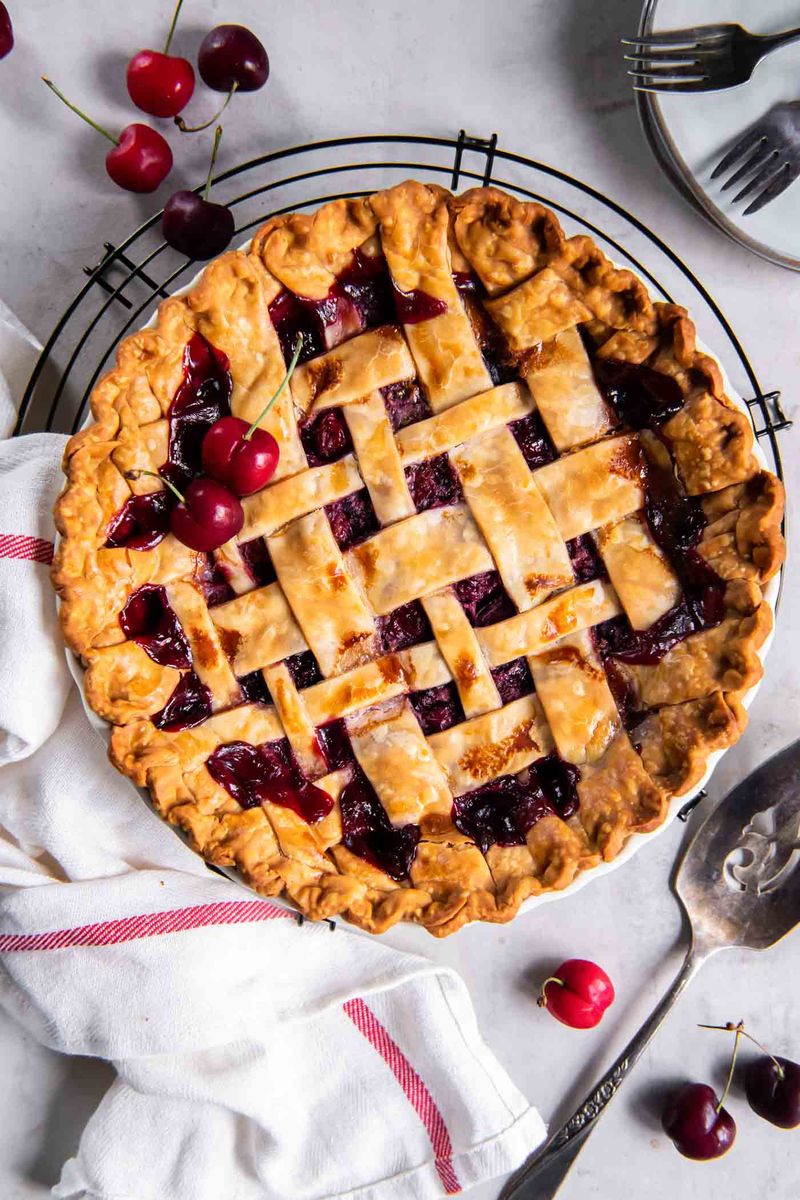
George Washington and the cherry tree story may be a myth, but cherry pie remains a true American favorite, especially around the Fourth of July.
Tart cherries create the best filling because their sour bite balances the sugar. Michigan grows most of the tart cherries in the country.
Add a little cornstarch to thicken the juices. Then let the pie cool for a few hours, so every slice holds its gorgeous ruby shape.
23. Red Velvet Cake
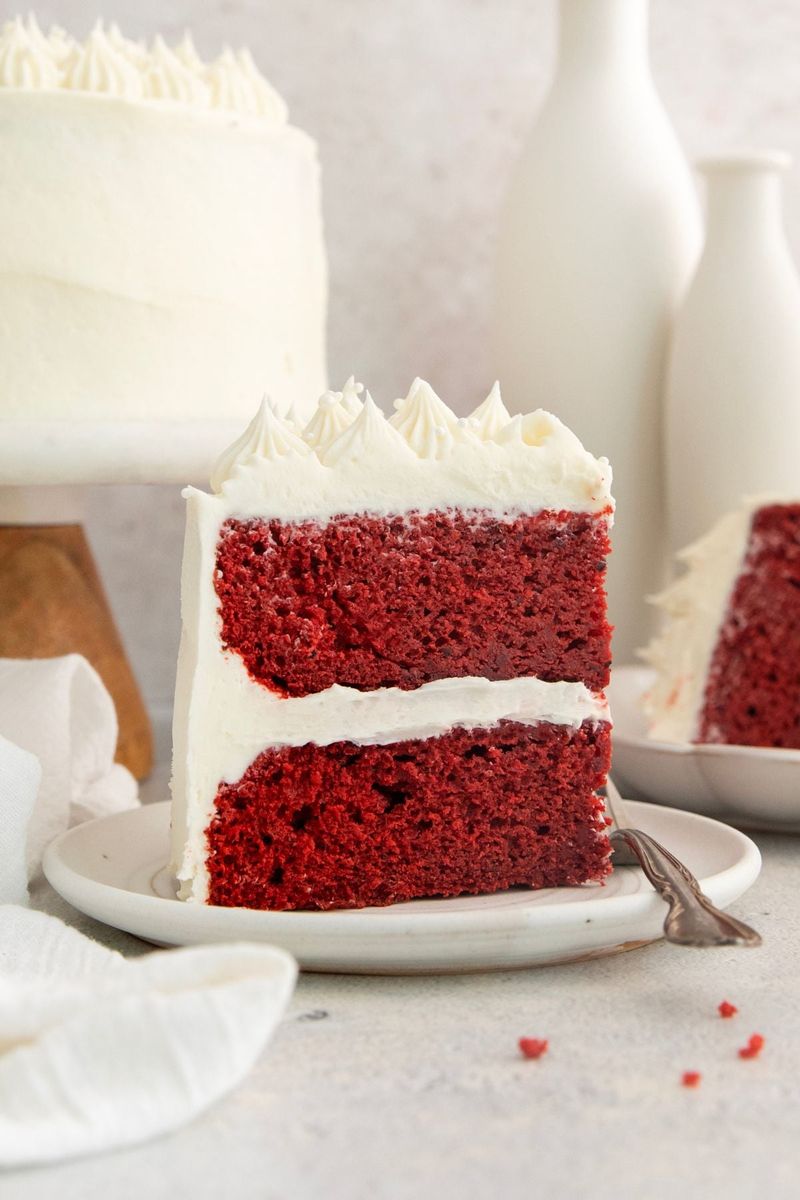
Bold, bright, and a little dramatic, red velvet cake always steals the spotlight. Early versions got a reddish tint when cocoa reacted with buttermilk and vinegar.
Later, bakers added food coloring for that famous deep red. The texture stays soft and velvety thanks to buttermilk, with just a hint of chocolate.
Classic cream cheese frosting makes the colors pop. Bake it for Valentine’s Day or holidays, and watch guests reach for seconds.