
What you eat at age five is not quite what your body needs at fifty. As we grow, change, and age, our bodies ask for different nutrients to stay strong and healthy.
Knowing which foods help most at each stage can make a real difference in how you feel every day. Here is a friendly guide to foods worth putting on your plate, from babyhood all the way to your golden years.
1. Breast Milk or Iron-Fortified Formula for Newborns

Tiny tummies have big jobs. In the first months of life, babies grow faster than at any other time, and breast milk or iron-fortified formula gives them everything they need.
Breast milk even carries antibodies that help protect babies from germs. Formula is a solid choice too, especially when it includes added iron for healthy blood and brain growth.
Doctors suggest feeding on demand, since newborns know when they are hungry.
2. Mashed Avocado for First Bites
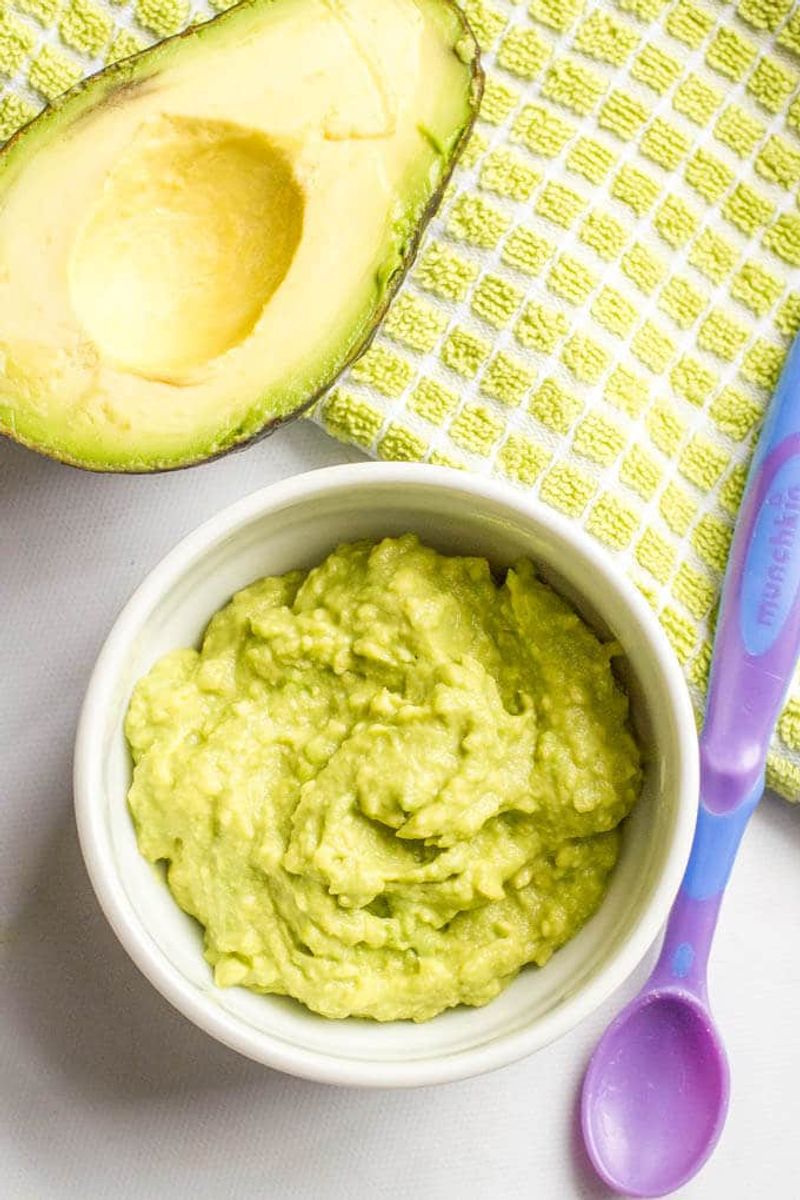
Soft, creamy, and mild, avocado might be the perfect starter food. Around six months old, many babies are ready to try solids, and this green fruit slides down easily.
Healthy fats inside avocado support a growing brain and nervous system. Simply mash a ripe one with a fork, no cooking needed.
Fun fact: avocados are technically berries with one large seed. Babies will not care, but parents might find that amusing.
3. Iron-Rich Pureed Meats and Lentils

By about six months, the iron a baby stored before birth starts running low. That is why pureed meats and soft lentils become little heroes at mealtime.
Iron helps carry oxygen through the body and fuels brain growth. Without enough, babies may feel tired or develop more slowly.
Try blending cooked chicken with a splash of water, or simmer red lentils until mushy. Pair them with fruit for a vitamin C boost that helps absorb iron.
4. Whole Milk Yogurt for Toddlers
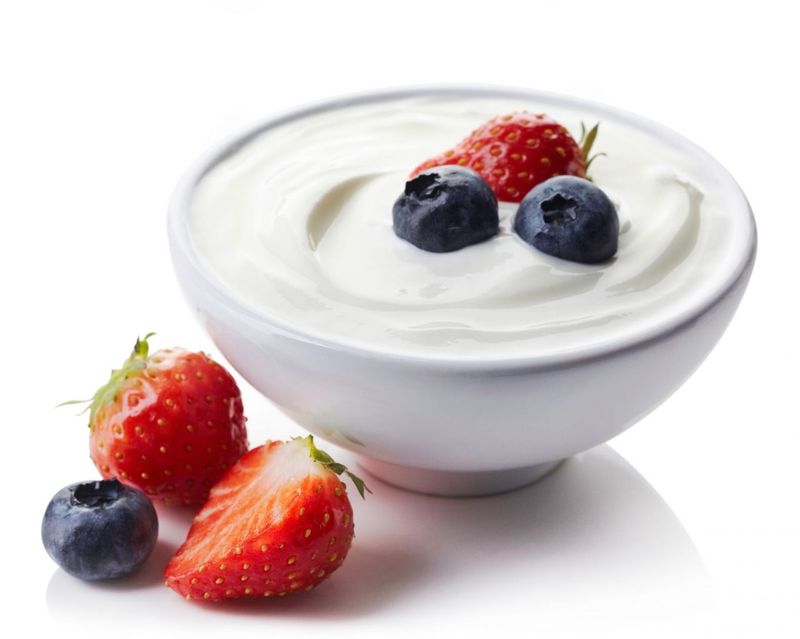
Picture a toddler with yogurt on their nose, grinning from ear to ear. Messy?
Sure. Worth it?
Absolutely.
Whole milk yogurt delivers calcium for growing bones, protein for busy muscles, and fat for a developing brain. Live cultures also support a happy gut.
Pick plain yogurt instead of sweetened kinds, which can hide a lot of sugar. Stir in mashed banana or berries for natural sweetness your little one will love.
5. Eggs for Busy Little Brains

Cheap, quick, and packed with goodness, eggs earn a spot in every family kitchen. For young kids, they are especially helpful.
Egg yolks contain choline, a nutrient that supports memory and learning. Eggs also offer high-quality protein to keep growing bodies energized.
Scramble them, boil them, or bake them into mini muffins. Many kids who refuse vegetables happily munch on eggs, which makes them a parent’s secret weapon on picky days.
6. Colorful Berries for Growing Kids
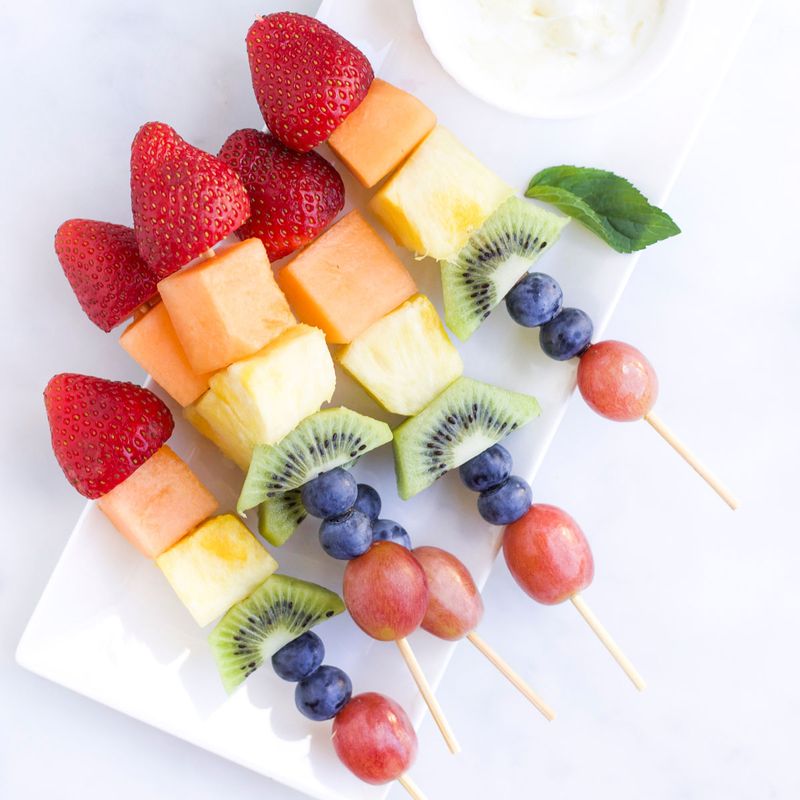
Ever watched a kid eat a whole bowl of blueberries in two minutes? Berries are nature’s candy, and children usually agree.
Strawberries, raspberries, and blueberries are full of vitamin C, fiber, and antioxidants. Vitamin C helps heal scrapes and keeps the immune system ready for playground germs.
Toss them in oatmeal, freeze them for a summer snack, or blend them into smoothies. Frozen berries cost less and are just as healthy as fresh.
7. Oatmeal for School Mornings
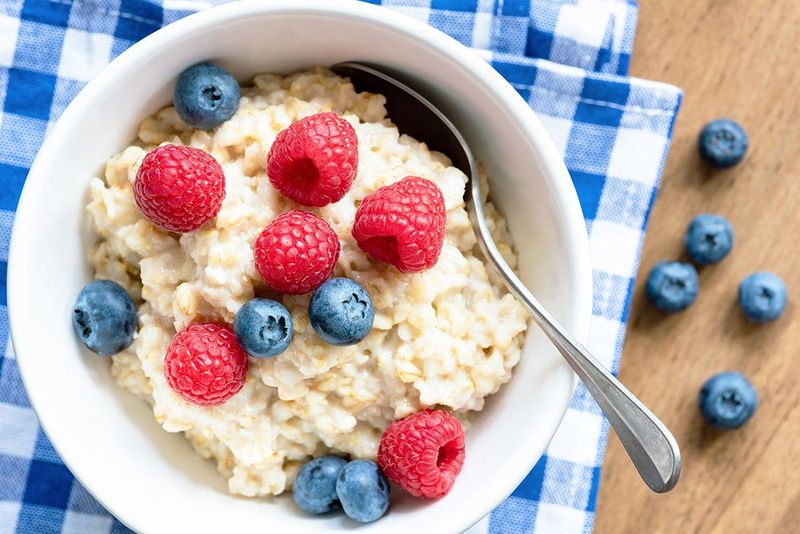
Long school days need breakfast that lasts. A warm bowl of oatmeal does the trick far better than sugary cereal.
Oats release energy slowly, so kids stay focused until lunch instead of crashing mid-morning. They also contain fiber, which keeps digestion running smoothly.
Let children add their own toppings like banana slices, cinnamon, or a spoonful of peanut butter. Kids who help build their breakfast are much more likely to finish it.
8. Milk and Cheese for Teen Bone Building
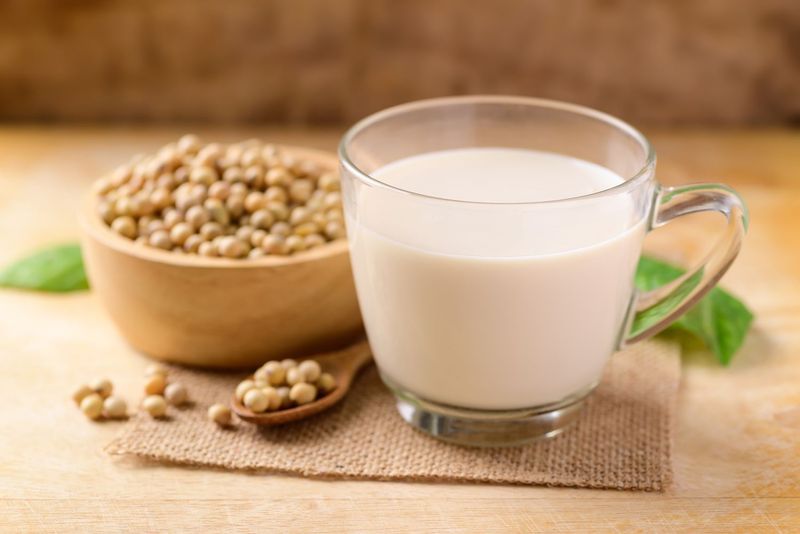
Here is a surprising truth: about 90 percent of adult bone mass is built by around age 18. The teen years are prime time for strong bones.
Milk, cheese, and other dairy foods supply calcium and often vitamin D, which work together to harden the skeleton. Growth spurts make these nutrients extra important.
Not a milk fan? Fortified soy milk, cheese sticks, and calcium-set tofu all count toward the daily goal.
9. Lean Chicken and Beans for Active Teens
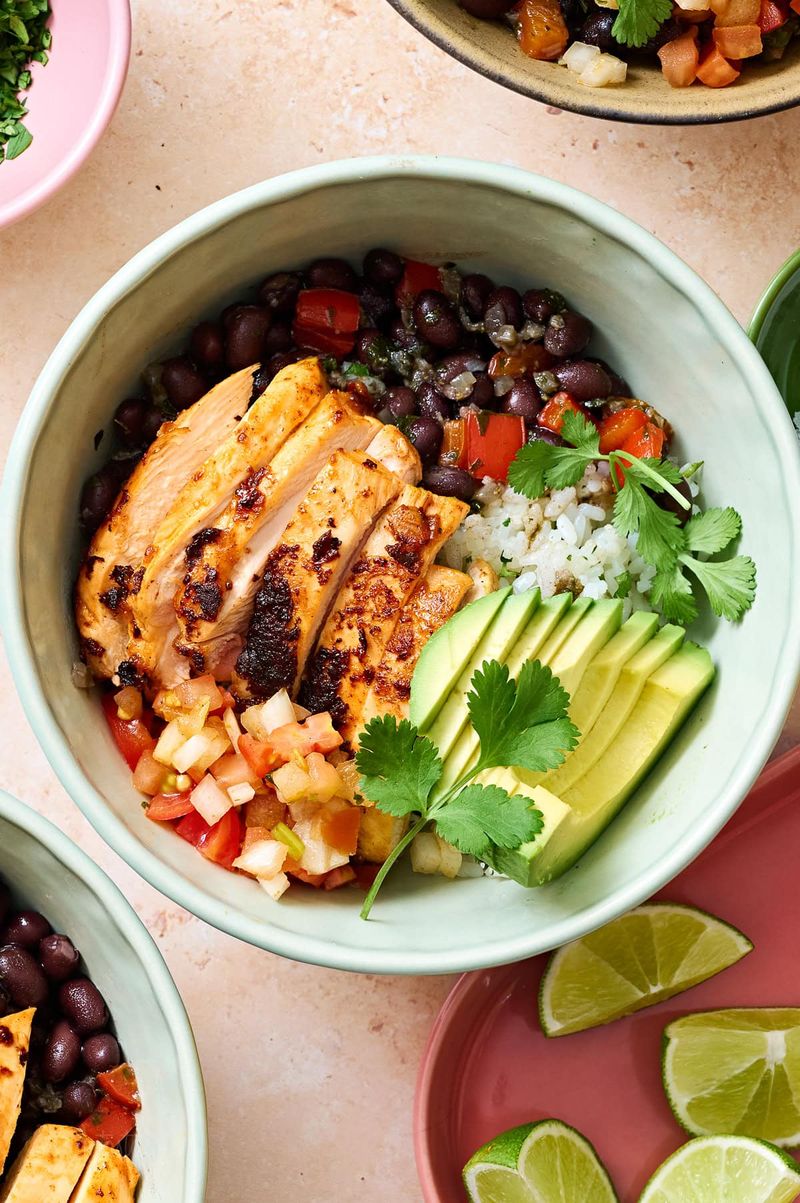
Teen appetites can seem endless, and there is a good reason. Bodies are growing taller and stronger, and muscles need plenty of protein.
Grilled chicken and beans make a winning team. Chicken offers lean protein, while beans add fiber, iron, and slow-burning energy for sports or study sessions.
A homemade burrito bowl is a fun way to combine them. Teens can build it themselves, which turns cooking into a skill they will keep forever.
10. Spinach and Leafy Greens for Teen Girls
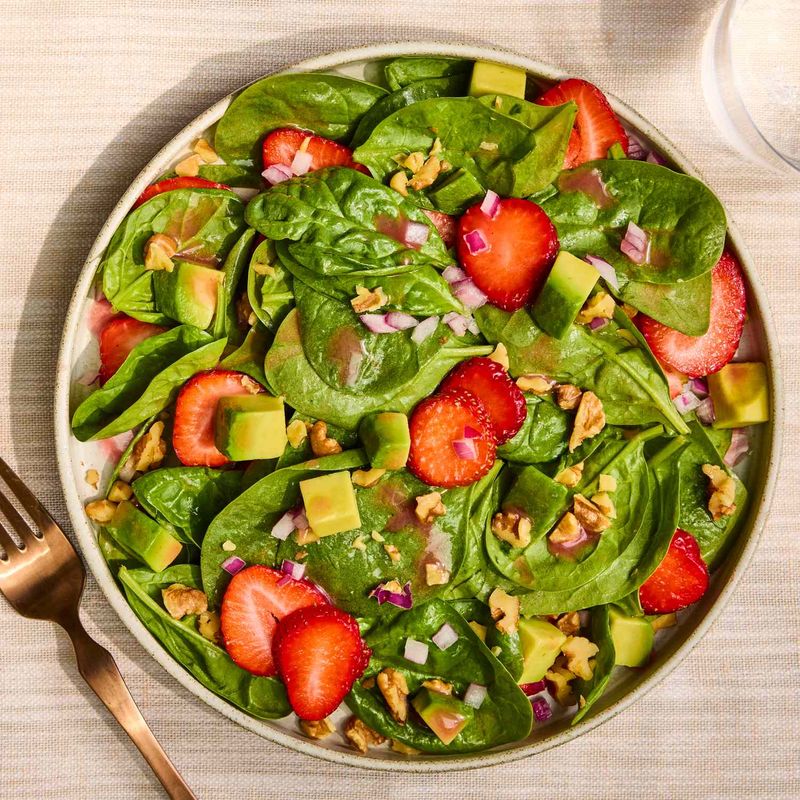
Feeling tired all the time is not just about late nights. Many teen girls run low on iron once periods begin, and leafy greens can help.
Spinach, kale, and Swiss chard provide iron, folate, and magnesium. Adding a squeeze of lemon or some strawberries helps the body soak up more of that iron.
Sneak a handful of spinach into smoothies. The fruit hides the taste, and nobody notices the green color for long.
11. Whole Grains for Young Adult Energy

College classes, first jobs, and late nights can drain anyone. Young adults often reach for fast food, but whole grains offer a smarter fuel.
Brown rice, quinoa, and whole wheat bread contain B vitamins that turn food into energy. Their fiber keeps hunger away longer and supports a healthy heart.
Cook a big pot of grains on Sunday and use it all week. Meal prep saves money and stress at the same time.
12. Fortified Cereals and Leafy Greens Before Pregnancy
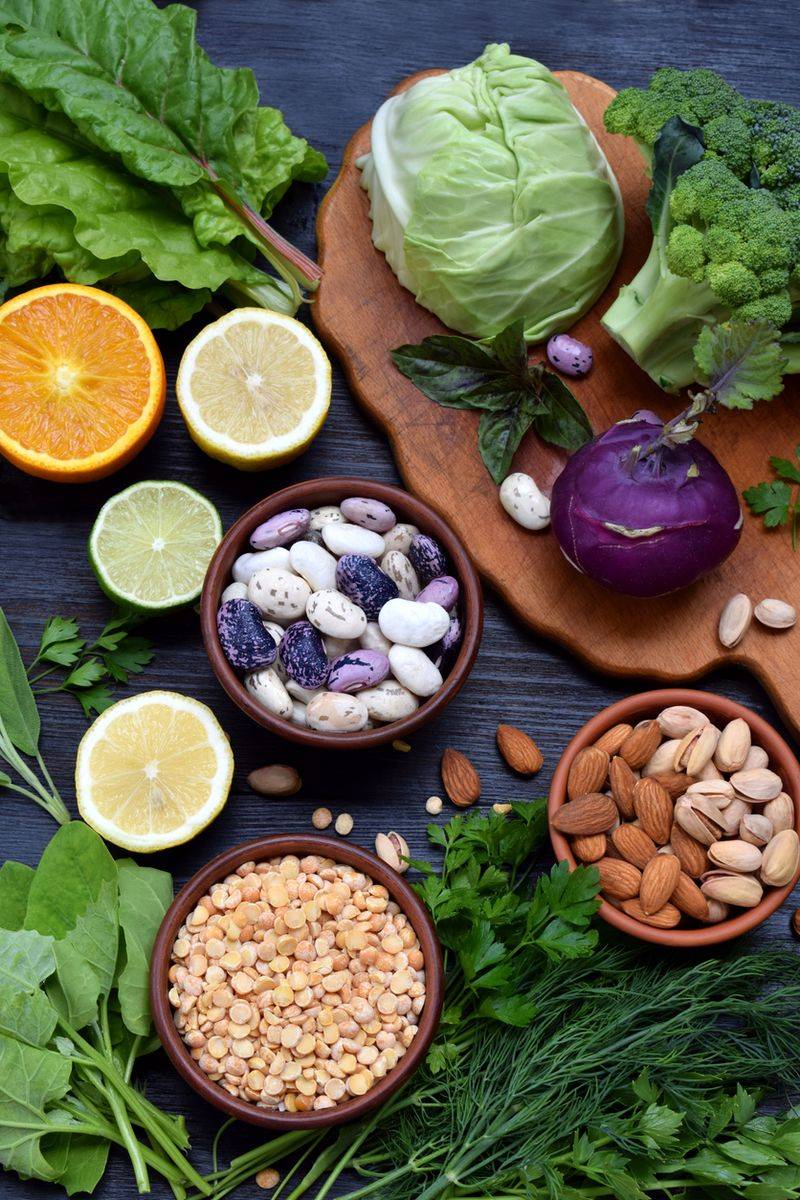
Planning a family? Good nutrition starts even before a baby is on the way.
Folate, also called folic acid, helps prevent serious birth defects of the brain and spine. These problems can happen in the first weeks, often before someone knows they are pregnant.
Fortified cereals, asparagus, leafy greens, and oranges all supply folate. Many doctors also recommend a daily prenatal vitamin for anyone who might become pregnant.
13. Salmon During Pregnancy
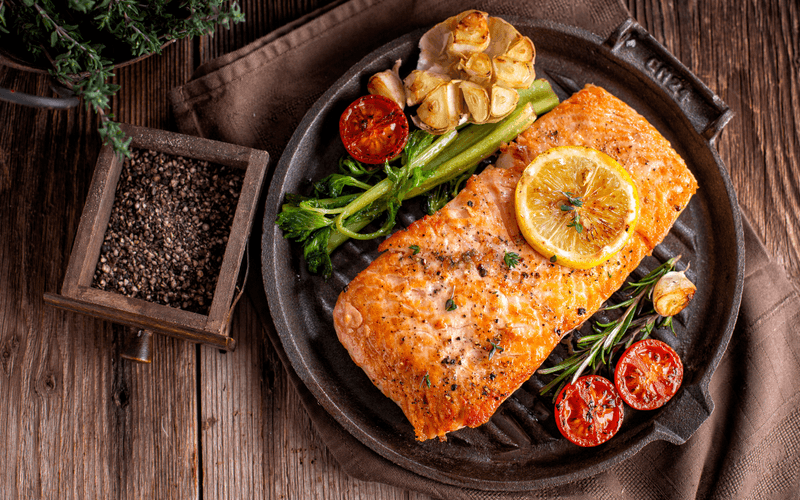
A baby’s brain grows incredibly fast during pregnancy, and salmon helps feed that growth. It is rich in DHA, a type of omega-3 fat.
Salmon is also lower in mercury than fish like swordfish or shark, which makes it a safer pick. Experts suggest two to three servings of low-mercury fish weekly.
Always cook it fully during pregnancy. Baking salmon with lemon and herbs takes about fifteen minutes and tastes wonderful.
14. Sweet Potatoes for New Parents
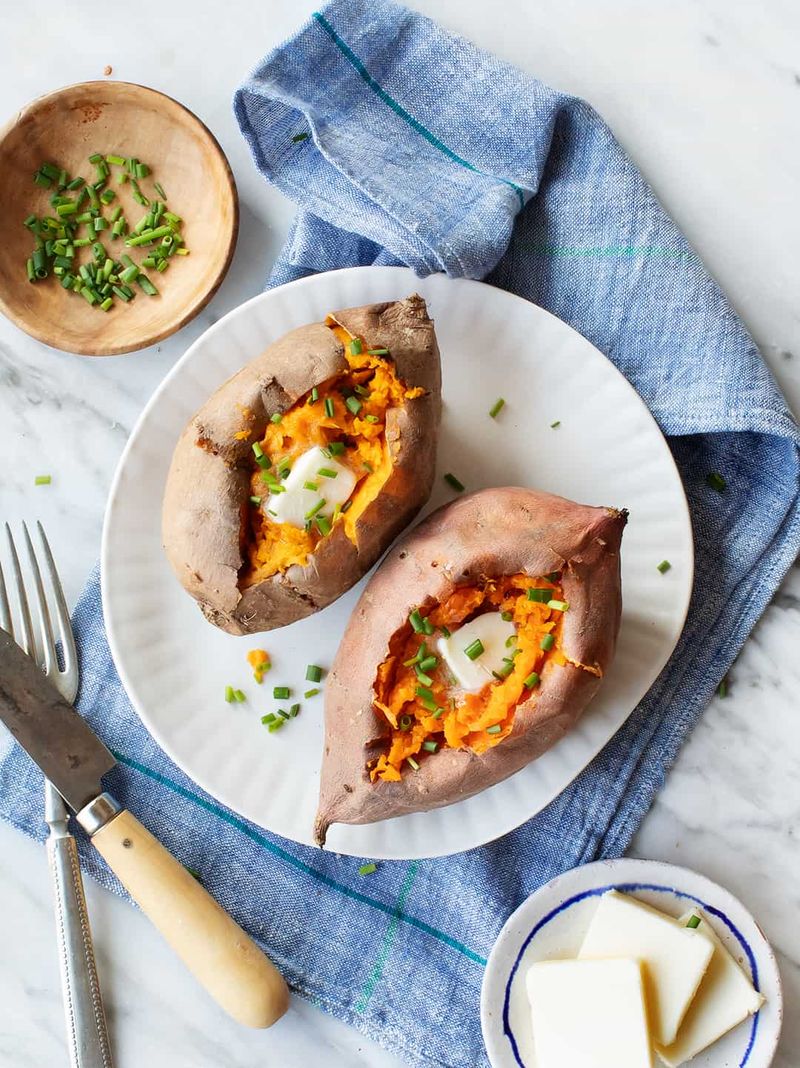
Sleepless nights and endless diaper changes leave little time for fancy cooking. Sweet potatoes are a lifesaver for new parents.
Bright orange flesh means loads of vitamin A, which supports skin, eyes, and immunity. They also offer potassium and fiber to help tired bodies recover.
Poke a few holes and microwave one for about eight minutes. Top it with beans and cheese, and dinner is ready before the baby wakes up.
15. Nuts and Seeds for Midlife Hearts
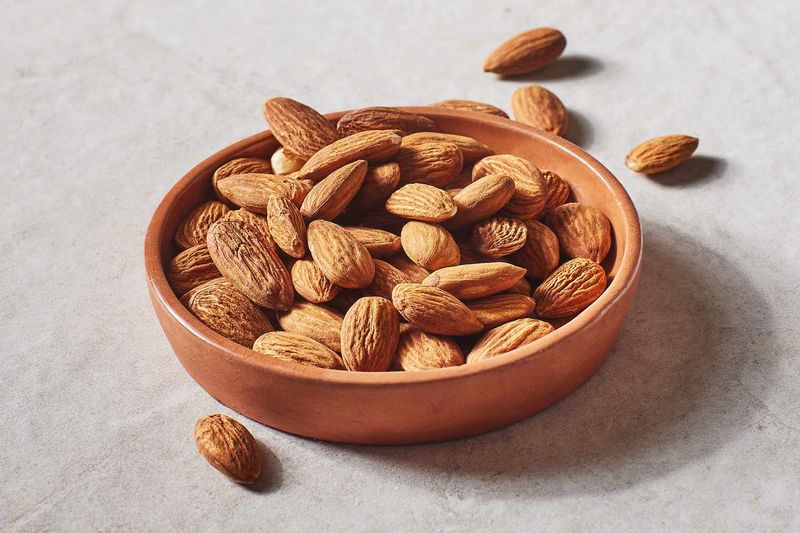
Heart disease often starts quietly in midlife. A small daily handful of nuts may be one of the simplest ways to fight back.
Almonds, walnuts, and flaxseeds contain healthy fats that can lower bad cholesterol. They also pack magnesium, which helps control blood pressure.
Keep a jar at your desk instead of chips. Just watch portions, since about a quarter cup is plenty.
Unsalted versions are the best choice.
16. Beans and Legumes for Steady Blood Sugar
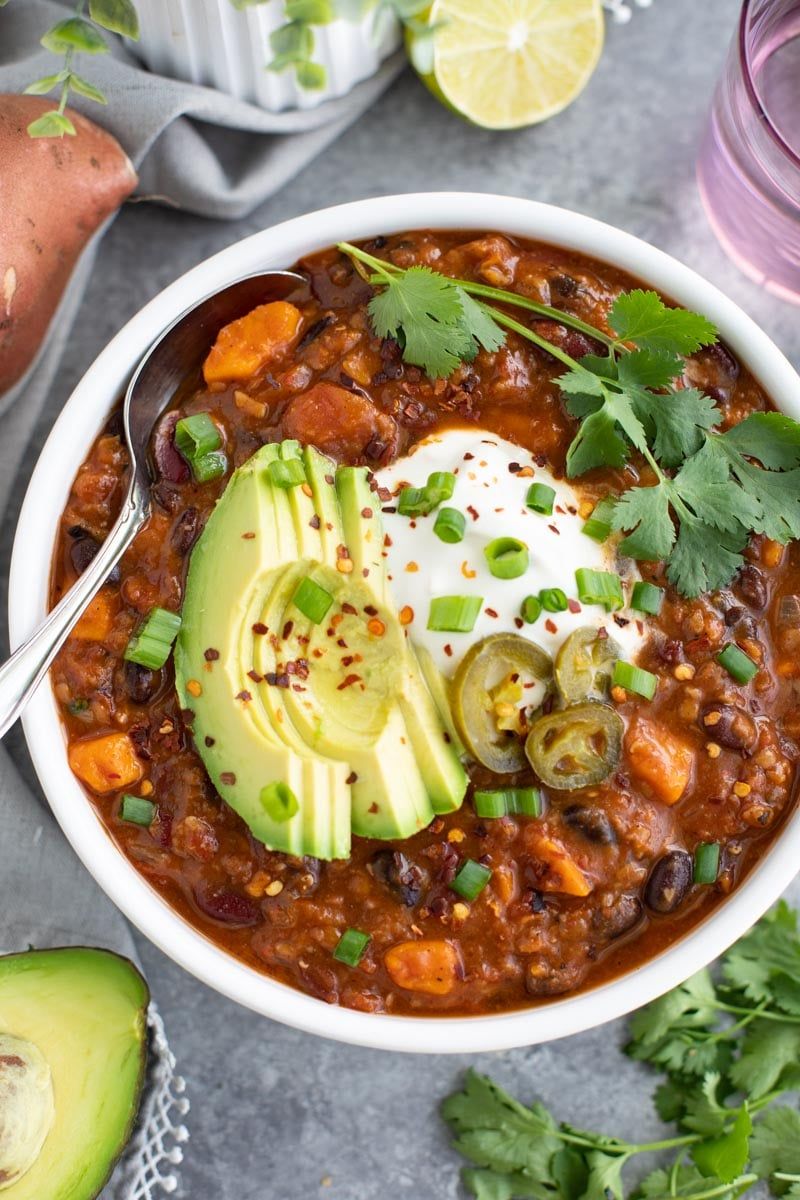
Around the forties and fifties, many people notice their blood sugar creeping up. Beans can be a quiet hero here.
Chickpeas, black beans, and lentils digest slowly, so they avoid sharp sugar spikes. Their protein and fiber keep you full and help with weight control.
Fun fact: people in long-living communities around the world, often called Blue Zones, eat beans almost every single day. A hearty bean chili is a tasty start.
17. Soy Foods During Menopause
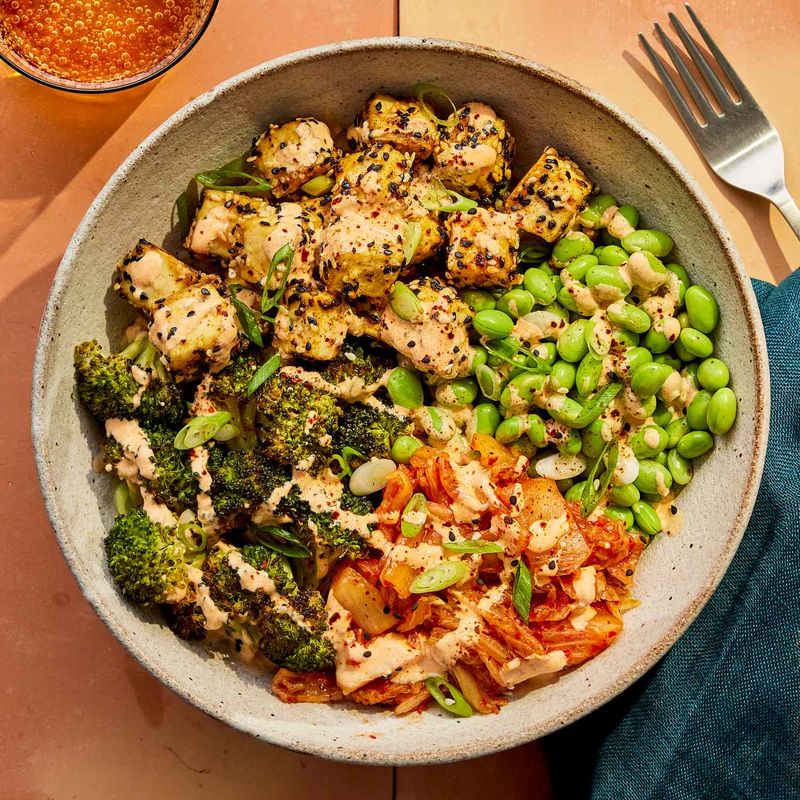
Hot flashes and mood swings can make menopause a bumpy ride. Some women find that soy foods help smooth things out a little.
Tofu, edamame, and soy milk contain plant compounds called isoflavones, which may ease mild symptoms. Soy is also a complete protein that supports muscles.
As estrogen drops, bones weaken faster, so choose calcium-set tofu for extra bone support. A quick tofu stir-fry makes an easy weeknight meal.
18. Fatty Fish for Sharp Minds in Later Life
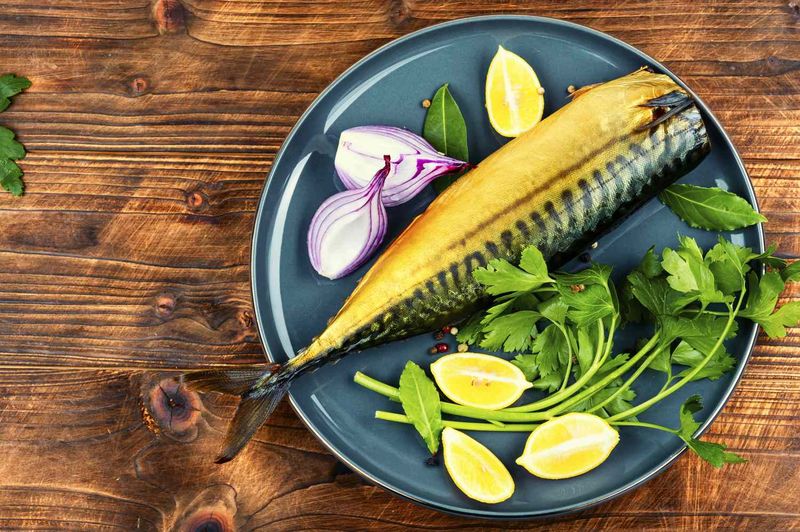
Remembering names, solving puzzles, and staying sharp all matter more as the years go by. Fatty fish may lend the brain a helping hand.
Sardines, mackerel, and trout are loaded with omega-3 fats linked to better memory and lower heart risk. Canned sardines are affordable and easy to store.
Mash them onto whole grain toast with a little lemon. Their soft, edible bones add a bonus dose of calcium, too.
19. Greek Yogurt and Cottage Cheese for Older Muscles
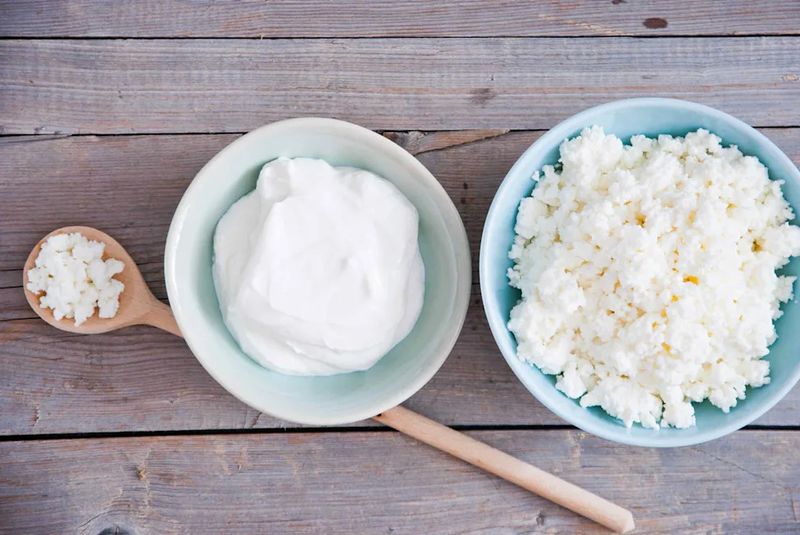
After about age 60, muscles shrink faster unless we fight to keep them. Protein is the main weapon.
Greek yogurt and cottage cheese pack lots of protein into soft, easy-to-eat servings, which helps when chewing becomes harder. They supply calcium for bones as well.
Try spreading protein across all three meals instead of just dinner. Pair these foods with light walking or stretching, and muscles stay stronger for longer.
20. Fortified Foods for Vitamin B12
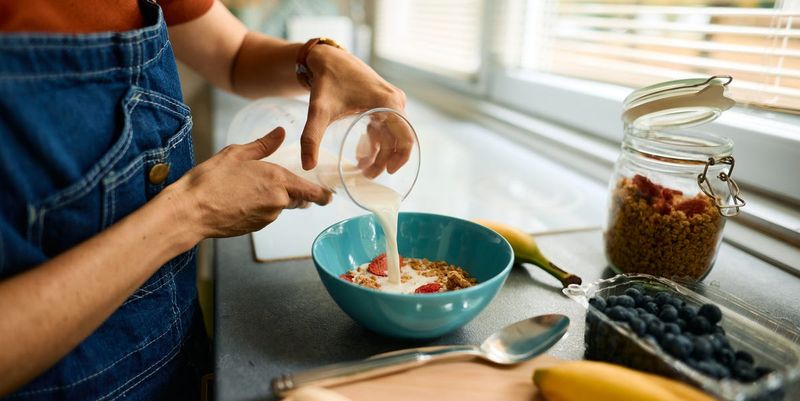
Grandpa feeling foggy or tired? Low vitamin B12 might be part of the story.
As people age, the stomach makes less acid, which makes B12 from food harder to absorb. This vitamin keeps nerves healthy and helps make red blood cells.
Fortified cereals and nutritional yeast offer a form that is easier to absorb. Eggs, fish, and dairy help too.
Ask a doctor about checking B12 levels during regular visits.
21. Water-Rich Fruits for Golden Years Hydration
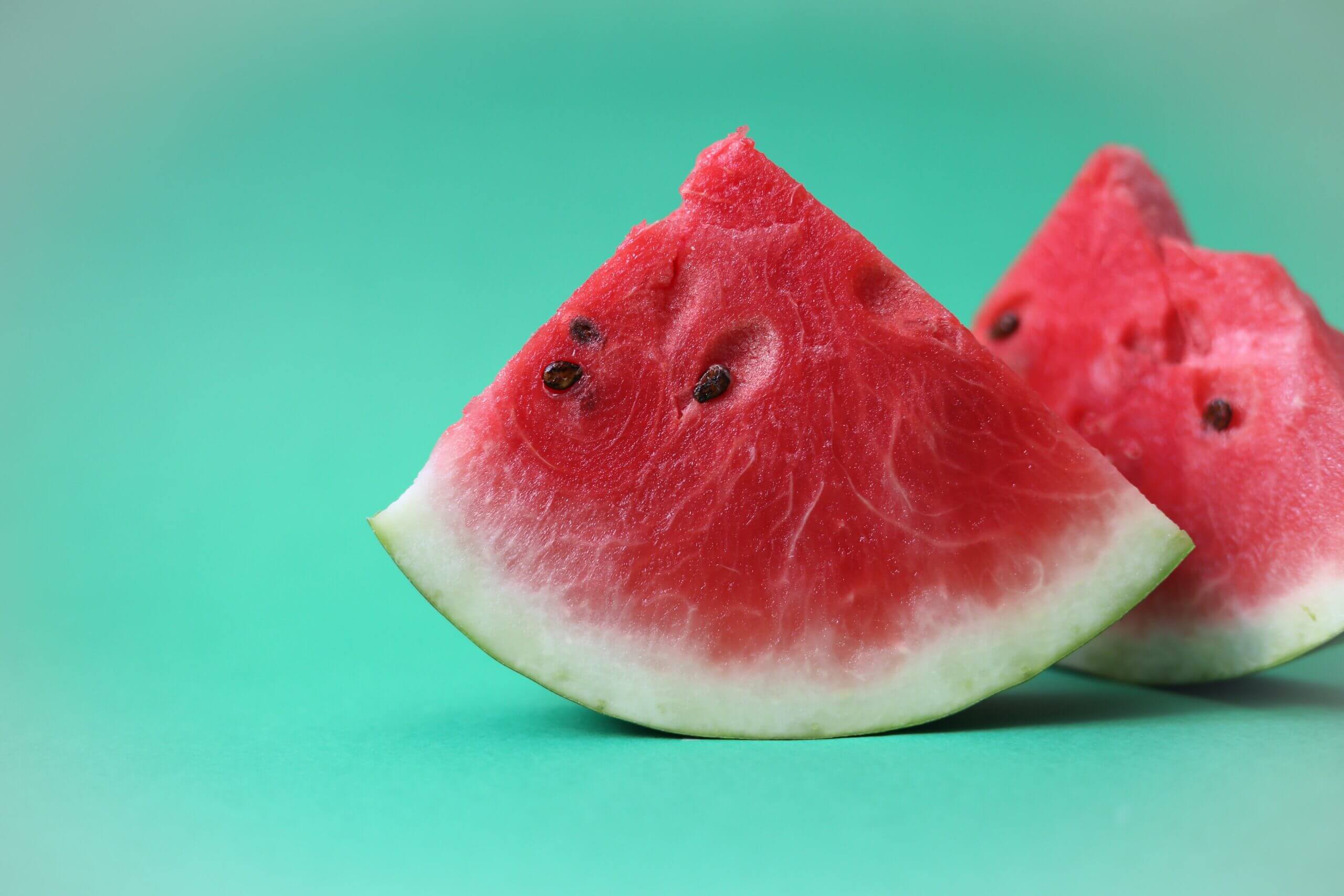
Our sense of thirst fades with age, so many older adults become dehydrated without noticing. That can cause confusion, dizziness, and falls.
Juicy fruits like watermelon, oranges, and cucumbers are mostly water and help fill the gap. Soups and herbal teas count too.
Keep a water glass in sight all day as a gentle reminder. A bowl of watermelon on a warm afternoon feels like a treat, not a chore.