
Most people know Portugal for its famous custard tarts, but the country has so much more to taste. From smoky sausages to sweet egg treats made by nuns, Portuguese food is full of history and surprise.
Each region has its own proud recipes that locals have loved for hundreds of years. Get ready to discover dishes that will make you want to book a trip right away.
1. Francesinha from Porto
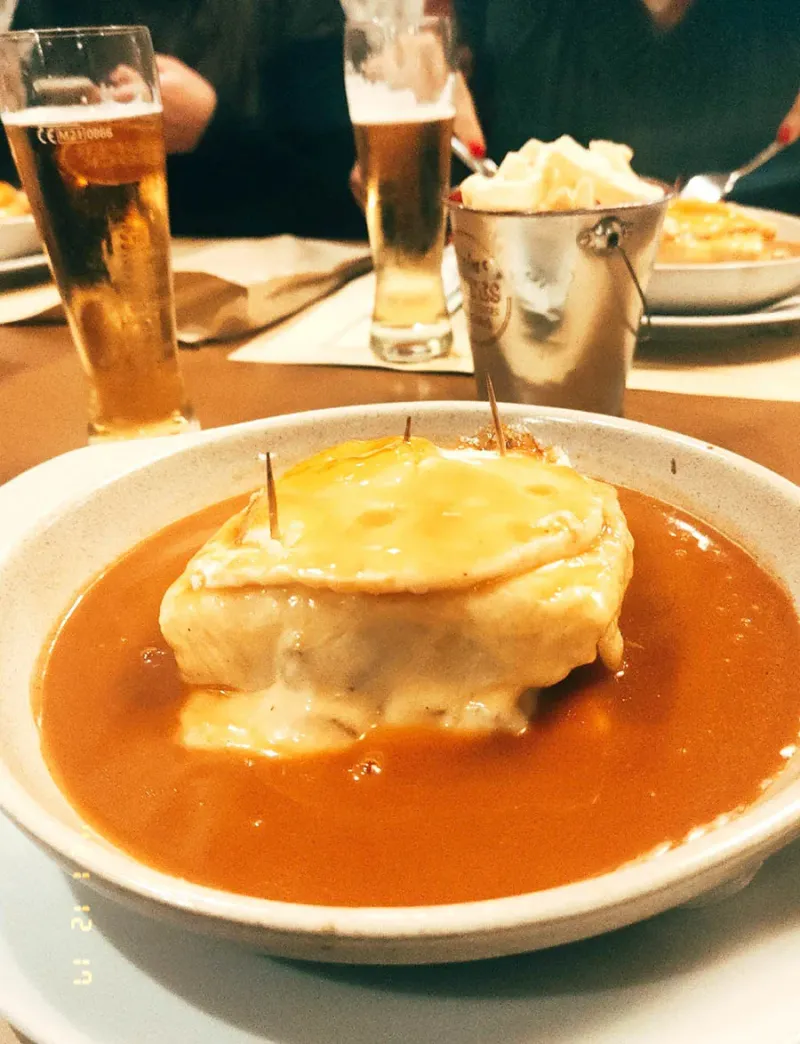
Picture a sandwich so big it needs a knife, a fork, and a nap afterward. The Francesinha, meaning little French girl, comes from Porto and stacks ham, sausage, and steak between bread slices.
Melted cheese blankets the whole thing, and a spicy tomato and beer sauce gets poured over the top. Many places add a fried egg.
Order it with fries for soaking up extra sauce. Share if you are not very hungry.
2. Bacalhau à Brás
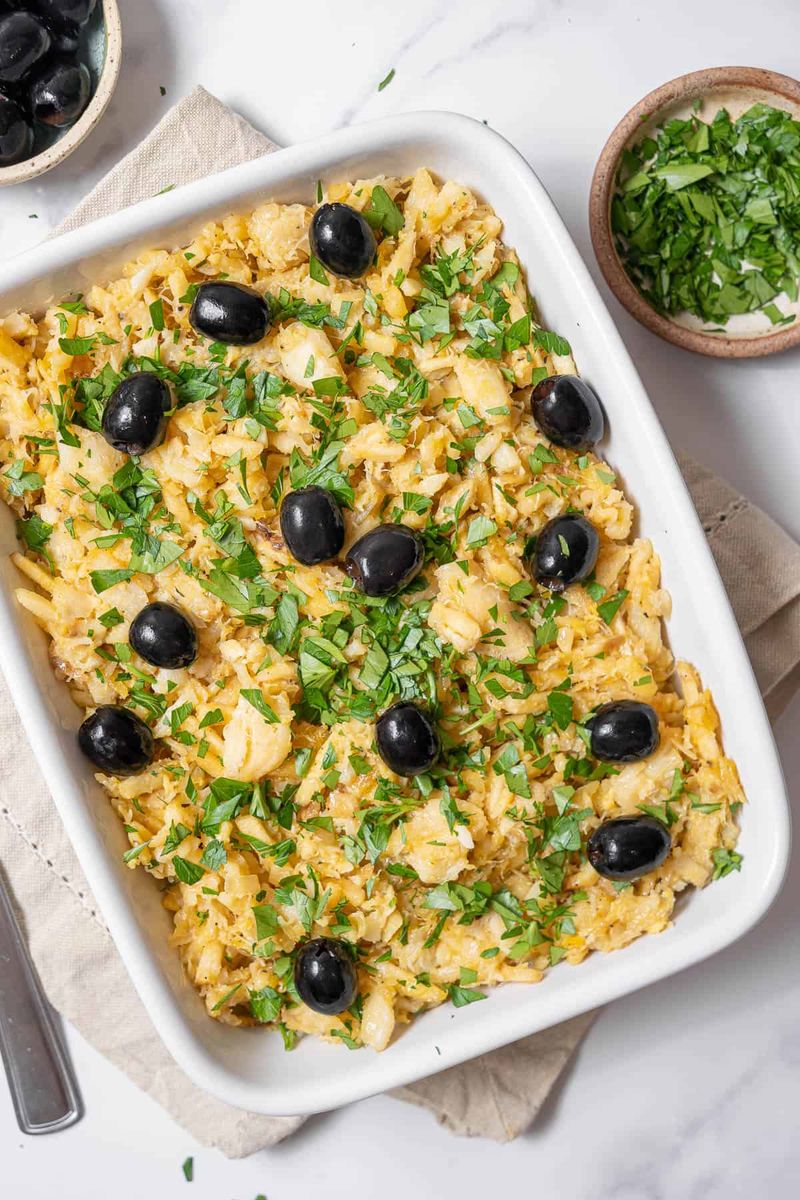
Portuguese cooks claim they know 365 ways to prepare salted cod, one for each day of the year. Among them, Bacalhau à Brás might be the friendliest for beginners.
Shredded cod gets tossed with crispy matchstick potatoes, onions, and soft scrambled eggs. Black olives and fresh parsley finish the dish.
Started in Lisbon’s old Bairro Alto neighborhood, this comfort food tastes a bit like a fancy breakfast you can enjoy anytime.
3. Alheira Sausage
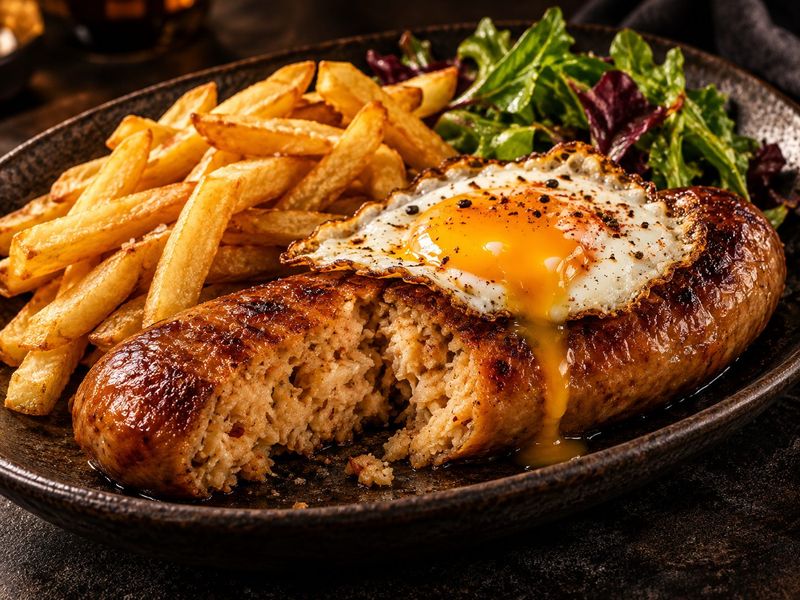
Here is a sneaky snack with a clever backstory. Centuries ago, Jewish families in Portugal were forced to hide their faith, so they made sausages from poultry and bread instead of pork.
Hanging them in smokehouses fooled neighbors into thinking they ate pork like everyone else. Today, alheira is a beloved northern treat.
Try it fried with an egg and fries. The texture is soft, garlicky, and surprisingly light.
4. Cataplana de Marisco
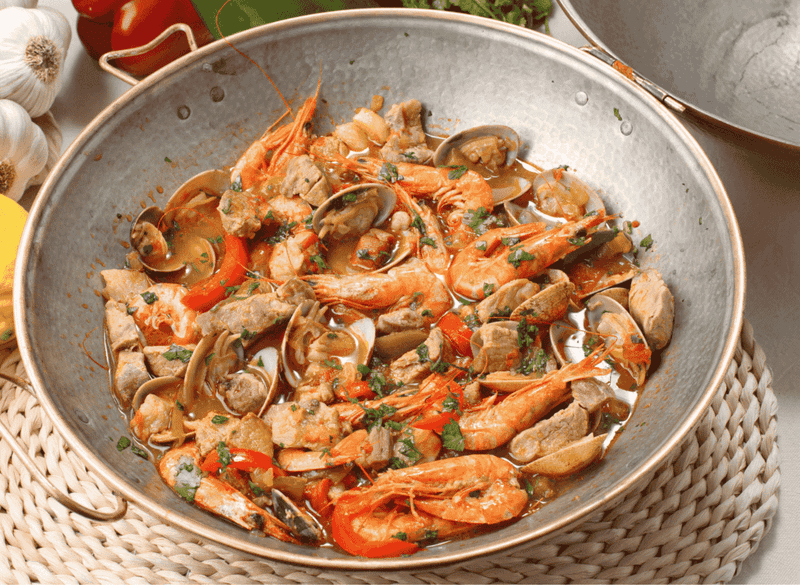
Shiny and shaped like a clam, the copper cataplana pot is almost as famous as the food inside. Algarve families clamp it shut to steam seafood in its own juices.
Clams, shrimp, fish, tomatoes, peppers, and sometimes chorizo all mingle into a rich broth. Opening the lid at the table feels like unwrapping a gift.
Grab crusty bread for dunking. You will not want to waste a single drop.
5. Bifana Pork Sandwich
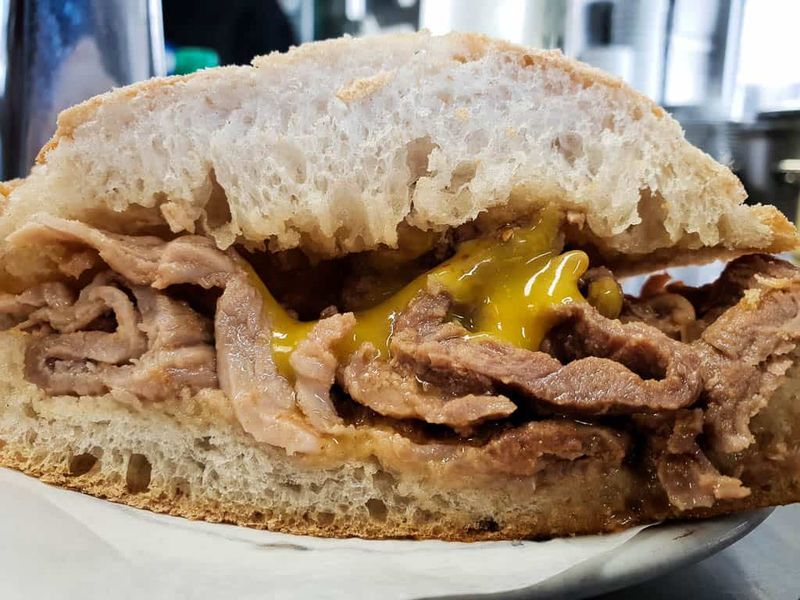
Ask any Lisbon worker about lunch on the go, and you will probably hear one word: bifana. Thin pork slices soak in garlic, white wine, and paprika before simmering gently.
Everything gets tucked into a soft, crusty roll called a papo seco. Locals add a squiggle of yellow mustard and nothing else.
Bifanas cost just a few euros at most snack bars. Pair one with a cold drink for a perfect quick bite.
6. Caldo Verde Soup
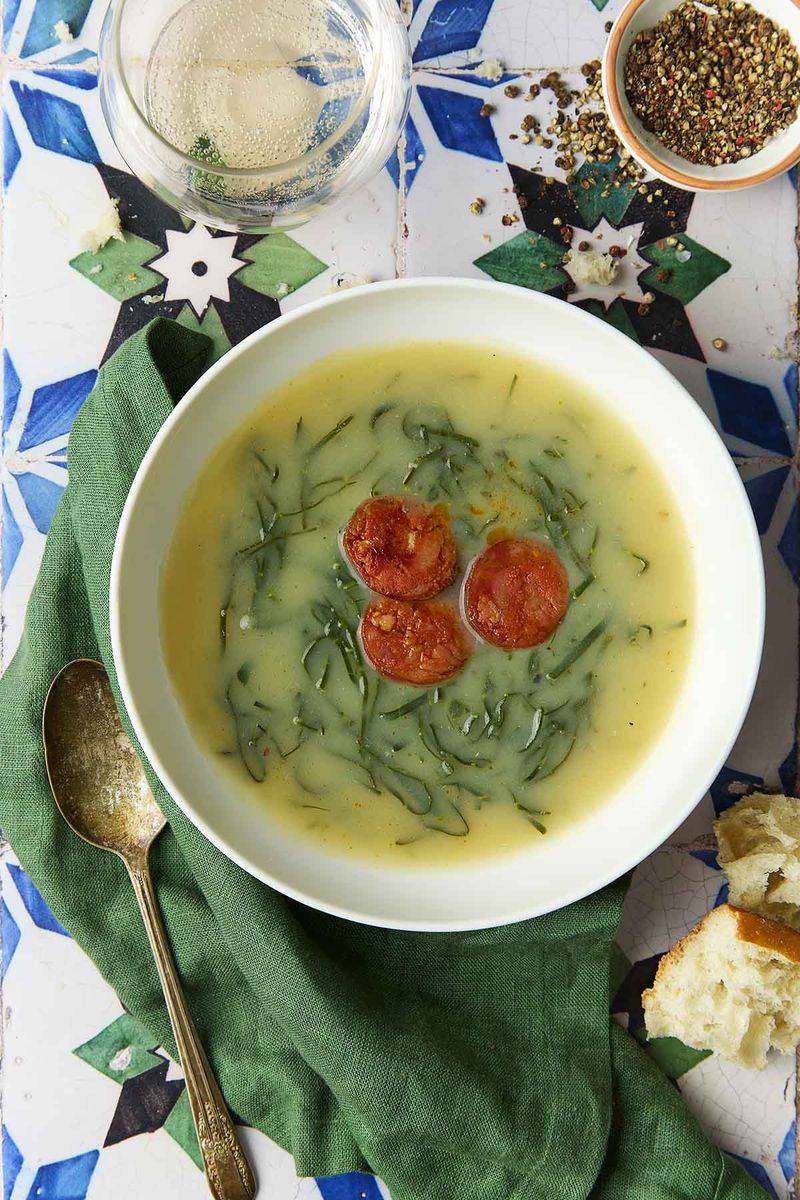
Green, warm, and wonderfully simple, caldo verde is the soup grandmothers in Minho have served for generations. Potatoes are cooked and blended until creamy.
Cooks then add ribbons of kale sliced so thin they look like grass. A coin of smoky chouriço sausage floats on top, plus a splash of olive oil.
You will find it at weddings, festivals, and late-night parties. Fun fact: many Portuguese eat it after midnight on holidays.
7. Ovos Moles de Aveiro
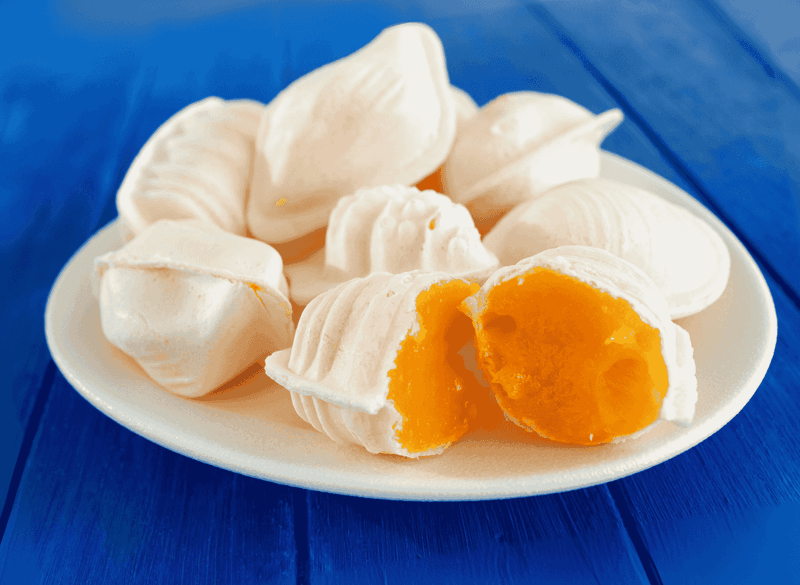
Long ago, nuns used egg whites to starch their clothes, leaving tons of yolks behind. Being clever, they turned those leftovers into sweets.
Ovos moles, meaning soft eggs, blend yolks and sugar into a silky golden cream. In Aveiro, it gets tucked inside thin wafers shaped like shells and fish.
Look for them sold in tiny painted wooden barrels. They make sweet souvenirs, but eat them within a few days.
8. Polvo à Lagareiro
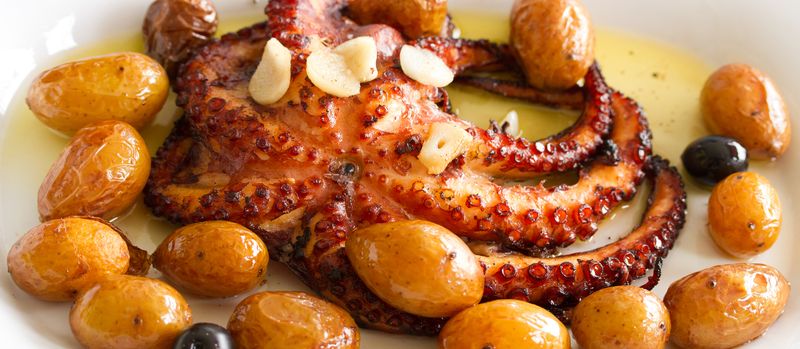
Octopus might sound scary, but one bite of this dish could change your mind. Polvo à Lagareiro features tender tentacles roasted until slightly crispy at the edges.
Small potatoes are baked, then punched open with a fist. Everything swims in garlic and a generous pour of olive oil.
The name honors olive press workers, called lagareiros. Tip: Portuguese cooks freeze octopus first, which helps make it extra soft.
9. Queijo da Serra da Estrela
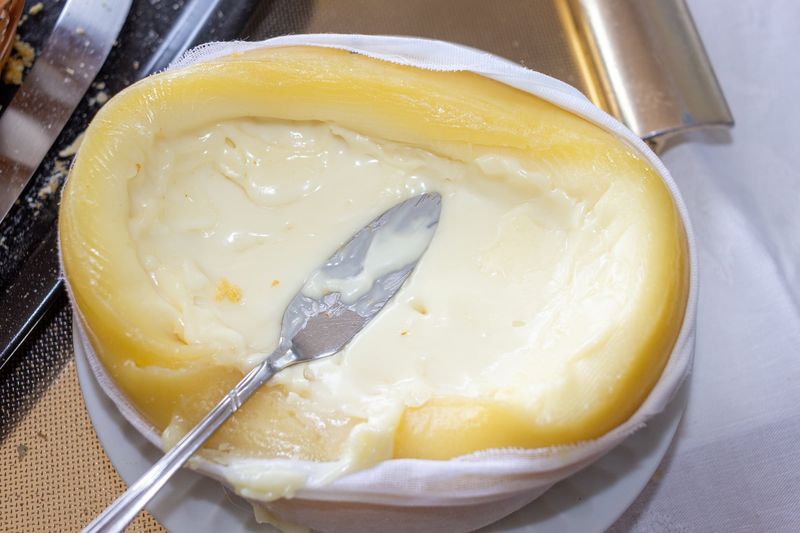
Some cheeses are sliced, but this one gets scooped with a spoon. Made from sheep milk in the Serra da Estrela mountains, it turns gooey and buttery inside.
Shepherds use thistle flowers instead of animal rennet to thicken the milk. That gives a slightly tangy, herbal taste.
To serve, cut off the top rind like a lid. Then spread the creamy middle onto warm bread.
Pure mountain magic.
10. Pão de Ló
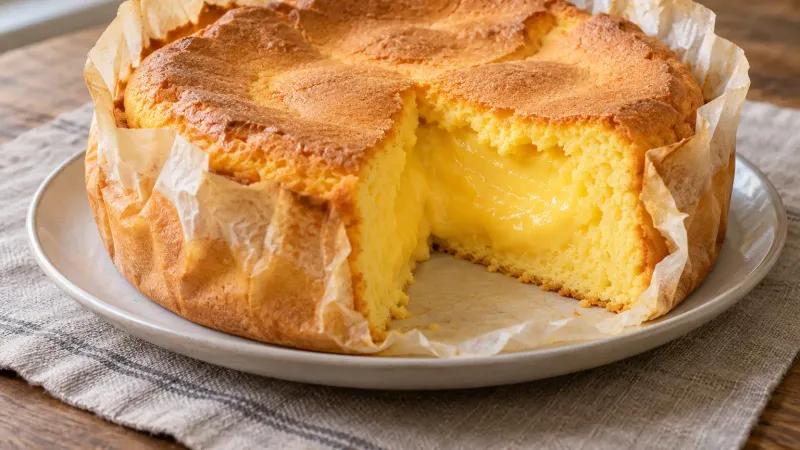
Light as a cloud and sometimes wobbly in the middle, pão de ló is Portugal’s classic sponge cake. Bakers whip eggs and sugar for a long time to trap lots of air.
Different towns make it their own way. Ovar’s version stays runny inside, while others bake it fully firm.
Families serve it at Easter and birthdays. Some historians think it inspired Japan’s castella cake through Portuguese sailors.
11. Leitão da Bairrada
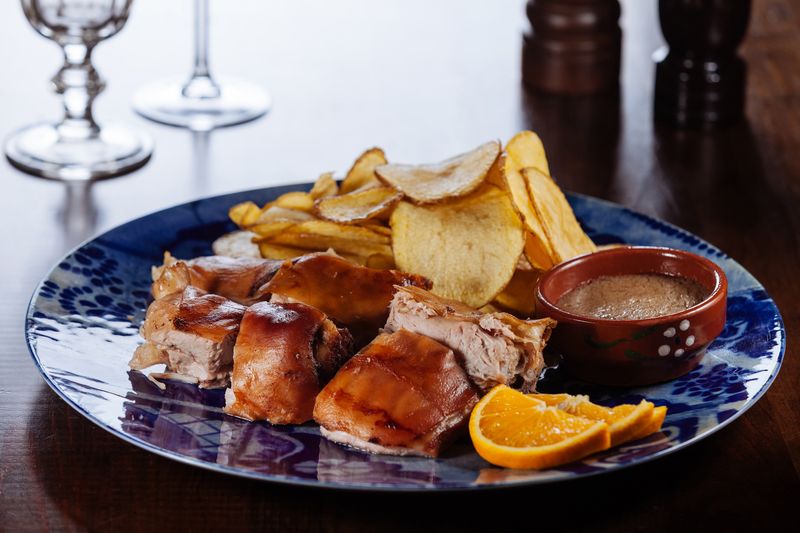
Drive along the road near Mealhada and you will spot sign after sign for leitão. Roast suckling pig is the region’s pride and joy.
Cooks rub the meat with garlic, pepper, and lard, then roast it in wood-fired ovens. The skin turns glassy and crunchy, while the inside stays juicy.
Restaurants usually serve it with orange slices, salad, and homemade potato chips. Come hungry, portions are huge.
12. Travesseiros de Sintra
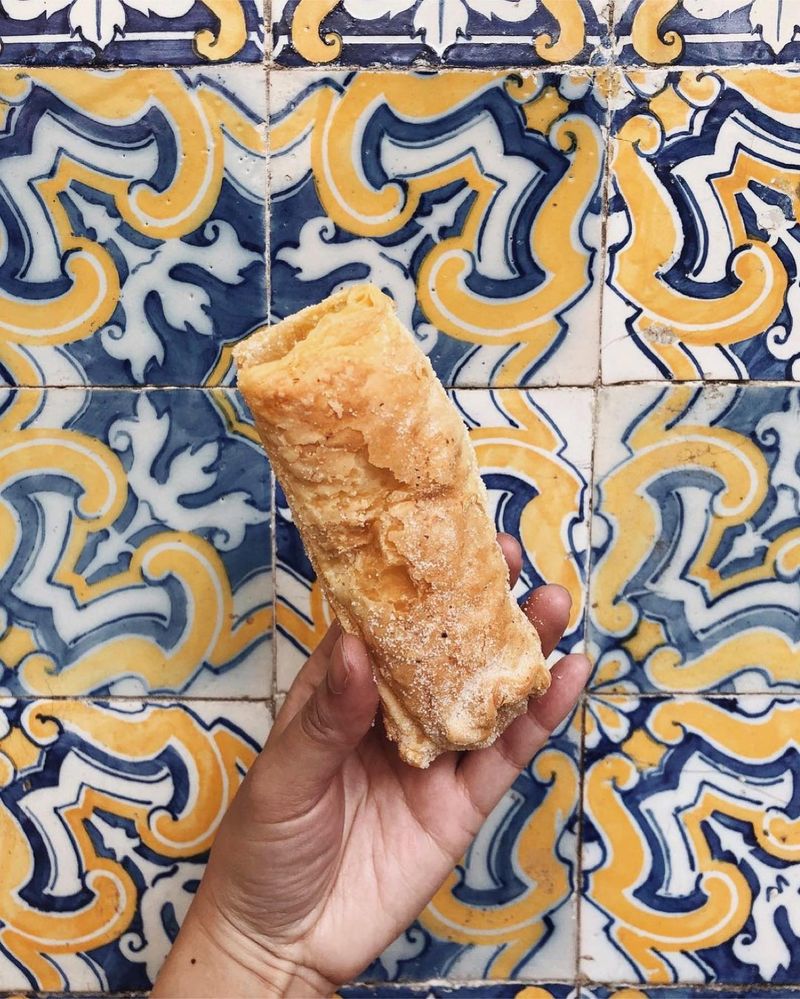
After climbing around Sintra’s fairytale palaces, you have earned a pillow. A sweet one, that is.
Travesseiros are flaky puff pastries filled with almond and egg cream, then rolled in sugar. Their name literally means pillows because of their puffy, rectangular shape.
The Piriquita bakery has been making them since the 1940s, and lines can get long. Arrive early in the morning when trays come out warm.
13. Prego no Pão
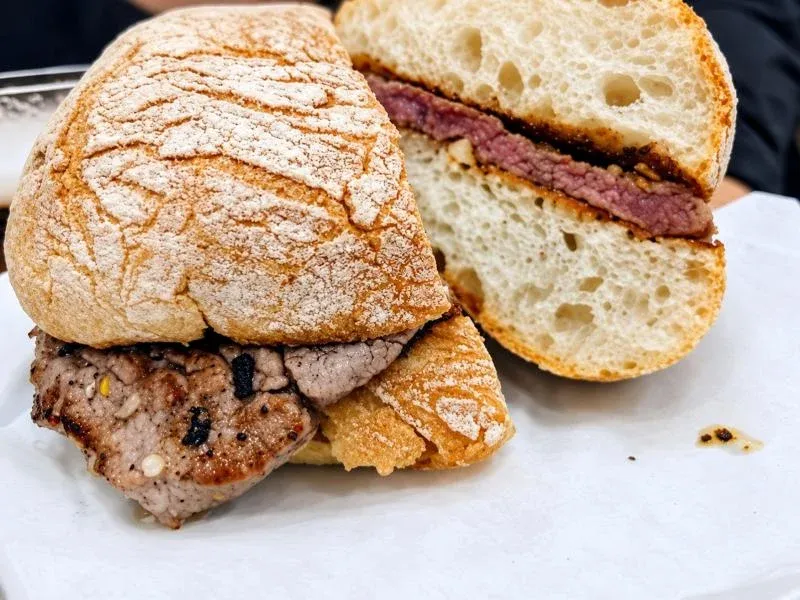
Prego means nail, which sounds odd for a sandwich. The name comes from how cooks pound garlic into the beef, almost like hammering nails.
A thin steak sizzles in garlic, butter, and bay leaf, then lands inside a fresh roll. Simple, juicy, and filling.
Portuguese diners often eat one at the end of a big seafood meal, sort of like dessert. Try adding a fried egg for extra fun.
14. Arroz de Pato
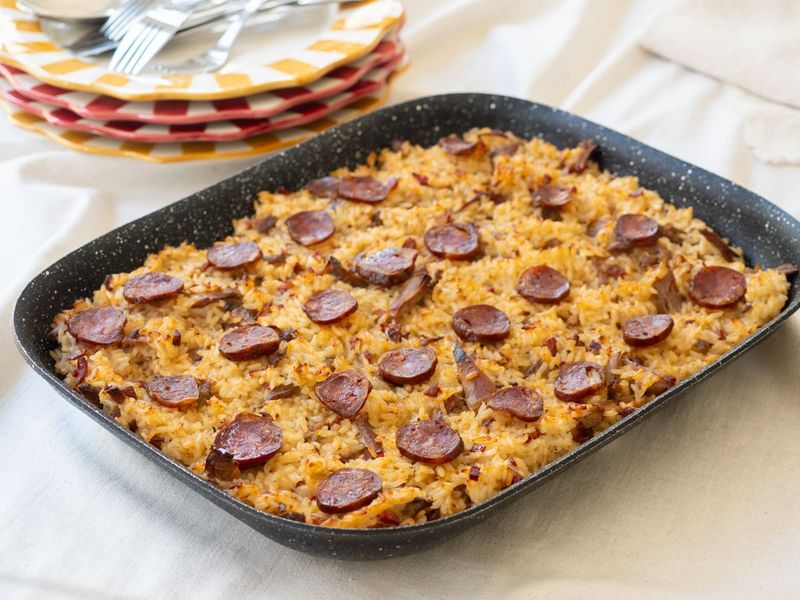
Sunday lunch in a Portuguese home often means one thing: duck rice baking in the oven. Arroz de pato is pure family comfort.
Duck simmers slowly, and its rich broth flavors the rice. Shredded meat gets layered in, then slices of chouriço sausage decorate the top.
Baking creates a crispy golden crust everyone fights over. Leftovers taste even better the next day, so make a double batch.
15. Bolo do Caco from Madeira
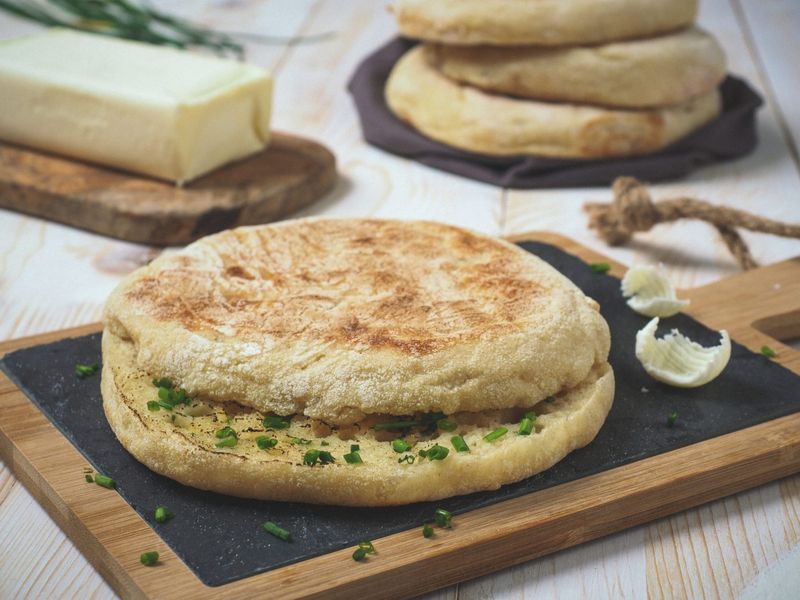
On Madeira island, bread is not just a side, it is a star. Bolo do caco is a round flatbread made with sweet potato, giving it a soft, slightly sweet bite.
It cooks on a hot basalt stone slab called a caco. Most people slice it warm and smear on garlic butter with parsley.
Street vendors also stuff it with beef or pork. You will smell it before you see it.
16. Cozido à Portuguesa
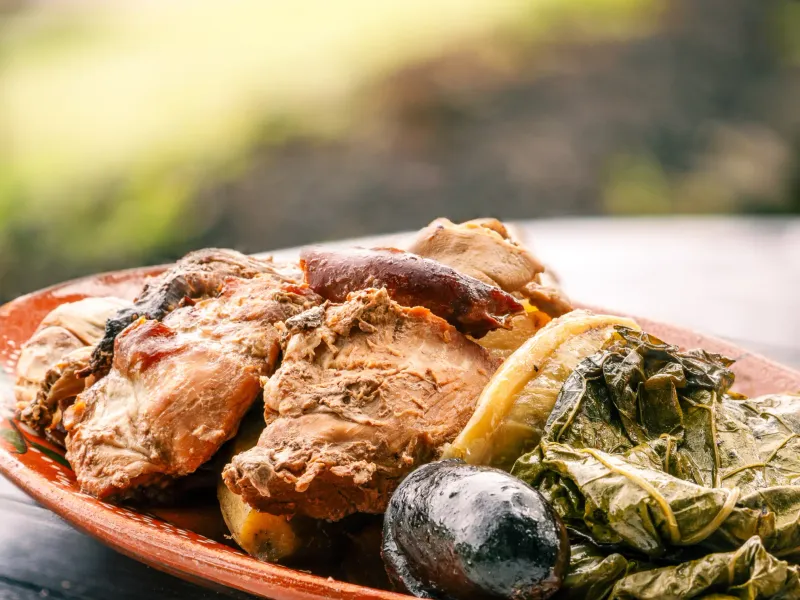
Think of cozido as a meat lover’s family reunion on one platter. Beef, pork, chicken, and several sausages all boil together in one giant pot.
Cabbage, carrots, turnips, and potatoes join the party. The leftover broth often becomes rice or soup.
In the Azores, people bury the pot in volcanic ground near Furnas and let natural heat cook it for hours. Now that is slow cooking.
17. Sardinhas Assadas
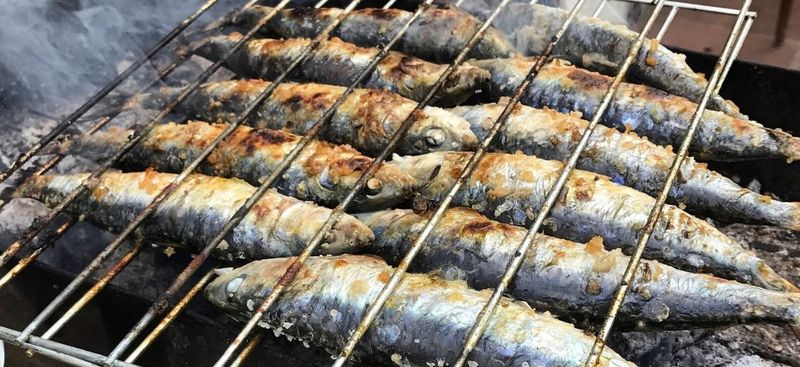
Every June, Lisbon smells like smoke and sea. During the Santo António festival, grills appear on almost every street corner, loaded with sardines.
Fish are simply salted and charred over charcoal. Locals lay them on a slice of bread to catch the juices, then eat the bread too.
Grab some, find a spot near the music, and join the crowd. June sardines are fattest and most flavorful.
18. Queijadas de Sintra
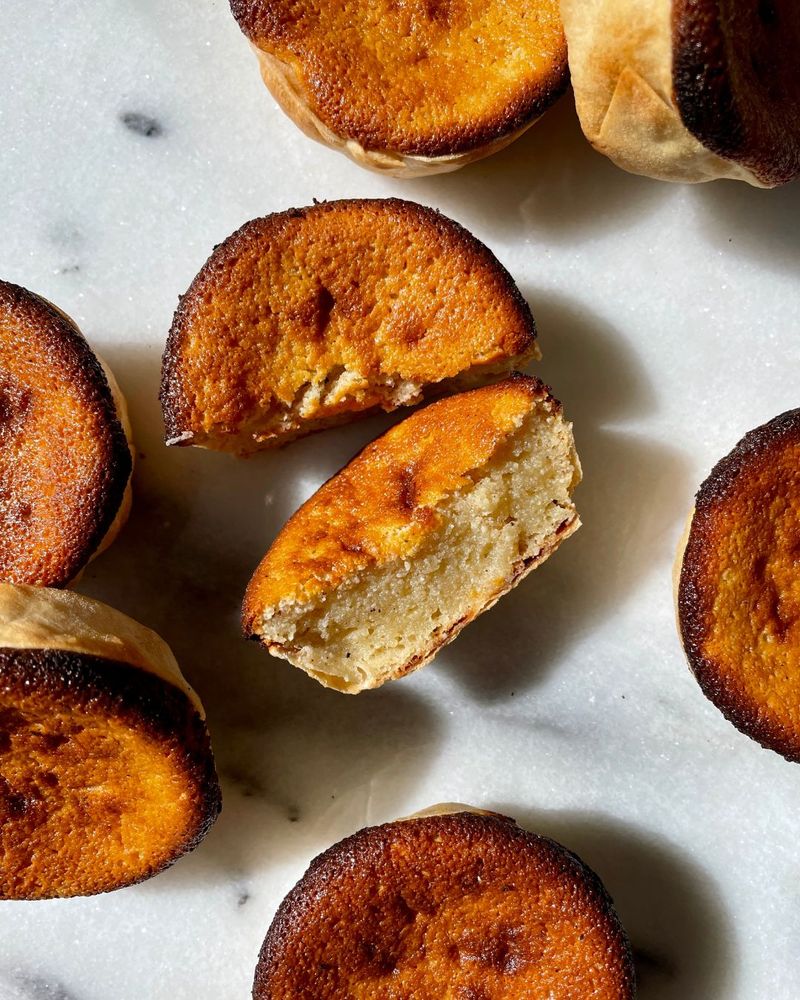
Tiny but mighty, queijadas pack big flavor into a palm-sized tart. Their crisp, paper-thin crust holds a filling of fresh cheese, eggs, sugar, and cinnamon.
Records show people enjoyed them in Sintra as far back as the 1200s. Some farmers even paid taxes with them.
Not as famous as custard tarts, they still deserve a spot on your list. Buy a bag to snack on during sightseeing.
19. Amêijoas à Bulhão Pato
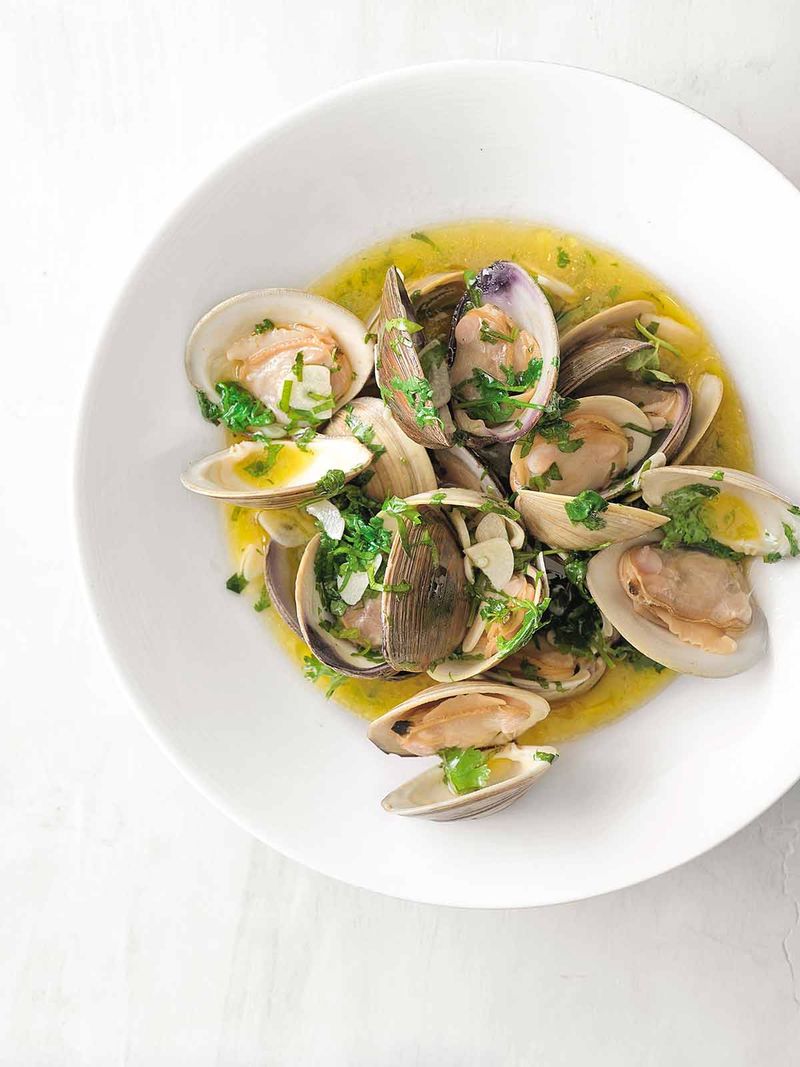
Named after a 19th-century poet, these clams are poetry in a bowl. Raimundo Bulhão Pato loved them so much that the dish carries his name.
Fresh clams pop open in olive oil, lots of garlic, white wine, and fresh cilantro. A squeeze of lemon brightens everything.
Order them at any Lisbon seafood spot. Save the broth, because dipping bread into it is half the fun.